This lesson clarifies the official DGT classification of mopeds under Spanish law for your AM licence. You'll learn the specific technical criteria, like engine displacement and power limits, that differentiate mopeds from motorcycles. Understanding these classifications is crucial for proper vehicle registration, legal road use, and successfully answering questions on your Spanish AM theory exam.
Lesson content overview
Navigating the rules for operating a moped, known as a ciclomotor in Spain, requires a clear understanding of its legal classification. This lesson will detail the technical specifications, licensing requirements, registration processes, and road usage restrictions that specifically apply to mopeds under Spanish traffic law. Correctly identifying a moped ensures you comply with regulations, obtain the appropriate driving licence, and understand where and how you can legally operate such a vehicle, thereby enhancing your safety and that of others on the road.
Under Spanish traffic law, a moped (ciclomotor) is a distinct category of motor vehicle characterized by specific technical limitations. These limitations differentiate it from motorcycles and other types of motor vehicles, influencing everything from the required driving licence to permissible road types. Understanding these precise definitions is fundamental for anyone looking to obtain the Category AM driving licence.
To be classified as a moped, a vehicle must meet strict criteria regarding its engine, power, and maximum speed. These specifications are designed to limit the vehicle's performance, making it suitable for less experienced riders and urban environments.
For mopeds equipped with an internal combustion engine, the engine displacement is limited to 50 cubic centimeters (cc) or less. This small engine size ensures lower power output and speed capabilities compared to motorcycles. When it comes to power, whether for combustion or electric motors, the maximum continuous rated power must not exceed 4 kilowatts (kW). This power limit is crucial for both traditional and modern electric mopeds, ensuring a consistent safety envelope regardless of the propulsion type.
The total volume swept by the pistons within the cylinders of an internal combustion engine, typically expressed in cubic centimeters (cc). For mopeds, this is strictly limited to 50cc.
The rate at which work is performed by an engine or motor, expressed in kilowatts (kW). One kilowatt is approximately equivalent to 1.34 horsepower. For all mopeds, this is limited to 4 kW.
If a vehicle exceeds these limits—for example, a scooter with a 55cc engine or an electric scooter delivering 5kW of power—it is no longer considered a moped. Instead, it would be reclassified as a motorcycle, requiring a different driving licence (such as an A1 licence), different registration, and adherence to a different set of regulations. Modifying a moped's engine to increase its displacement or power without re-registration and a suitable licence is illegal and carries significant penalties.
Perhaps the most defining characteristic of a moped is its maximum design speed, which is legally capped at 45 kilometers per hour (km/h). This limit refers to the top speed the vehicle is designed to achieve under optimal conditions and is often enforced through factory-installed speed limiters. The rationale behind this restriction is primarily safety-oriented. By limiting the speed, the kinetic energy of the vehicle is significantly reduced, which in turn shortens braking distances and lessens the severity of potential impacts.
For instance, the stopping distance required at 45 km/h is substantially less than at higher speeds, making mopeds more suitable for navigating busy urban streets where reaction times are critical. Any modification that allows a moped to exceed this 45 km/h limit is illegal and compromises the safety design of the vehicle. It's important to note that this design speed is distinct from the posted speed limits on public roads, which mopeds must also observe.
The distinction between a moped and a motorcycle is critical for legal and safety reasons. While both are two-wheeled motor vehicles, their classifications diverge based on the technical specifications outlined above. A vehicle is classified as a motorcycle if its engine displacement exceeds 50cc (for combustion engines) or its power output is greater than 4 kW, and/or its maximum design speed is above 45 km/h.
For example, a common 125cc scooter, even if it looks similar to a moped, is legally a motorcycle and requires an A1 driving licence. Confusing these categories can lead to serious legal issues, including driving without the proper licence, incorrect vehicle registration, and invalid insurance coverage. Therefore, always verify the technical specifications of a vehicle to confirm its correct classification.
The Category AM licence is specifically designed for individuals who wish to operate mopeds. It represents a graduated entry point into road traffic, particularly for younger drivers, and has specific age and examination requirements.
To be eligible for the Category AM licence in Spain, you must be at least 15 years old. However, if you hold a foreign licence, the minimum age requirement might be 16 years. This licence requires passing two distinct tests: a theory test and a practical test. The theory test assesses your knowledge of basic traffic rules, road signs, and specific moped regulations. The practical test, conducted on a moped or light scooter, evaluates your ability to safely control the vehicle, perform maneuvers, and navigate traffic within the 45 km/h speed limit.
Passing these exams demonstrates a foundational level of competency and ensures that new moped riders are familiar with essential road safety practices before they begin operating independently on public roads.
While the AM licence permits you to drive a moped, there are specific restrictions you must be aware of. Mopeds with an AM licence generally cannot carry passengers unless the vehicle is expressly designed and approved for dual-seat use. If a moped is designed for two people, both the driver and the passenger must wear an approved helmet. Carrying a passenger on a single-seat moped is illegal, unsafe, and can lead to penalties and potentially invalidate your insurance.
The AM licence is considered a "first-level" licence. To drive more powerful vehicles, such as motorcycles with engine displacements greater than 50cc or with higher power outputs, you would need to obtain a higher-category licence, such as the A1, A2, or A licence, which involves additional training and examinations.
Always check your moped's technical specifications and registration document (Permiso de Circulación) to confirm if it is approved for carrying a passenger.
Operating a moped legally on public roads in Spain necessitates adherence to specific administrative requirements, including official registration, displaying a licence plate, and maintaining valid insurance. These measures ensure traceability, compliance with safety standards, and financial protection in case of an accident.
Every moped intended for use on public roads must be officially registered with the Dirección General de Tráfico (DGT), Spain's traffic authority. Upon registration, the moped is assigned a unique alphanumeric licence plate. This plate, typically featuring four numbers followed by a letter, must be clearly displayed on the vehicle, usually at the rear. The registration process ensures that the vehicle meets homologation standards and creates a record of its ownership and technical characteristics.
The Permiso de Circulación (registration document) is a crucial piece of documentation that certifies the vehicle's registration and legal right to circulate. It must always be carried in the moped when you are driving, as it serves as proof of the vehicle's identity and compliance.
In Spain, as with all motor vehicles, it is mandatory for mopeds to have active third-party liability insurance. This insurance covers damages or injuries you might cause to other people or their property in an accident. It does not cover damages to your own moped or injuries to yourself unless you have purchased additional comprehensive coverage. Driving an uninsured moped is a serious offense that can result in heavy fines, vehicle impoundment, and personal financial liability for any damages caused. You must carry proof of valid insurance with you when operating the moped.
Mopeds also undergo periodic technical inspections, known as Inspección Técnica de Vehículos (ITV), to ensure their continued roadworthiness and compliance with safety and environmental standards. The first ITV for a moped is required four years after its initial registration date. Subsequently, the ITV must be renewed every two years. During the inspection, aspects such as brakes, lights, tires, mirrors, and emissions (for combustion engines) are checked. A valid ITV sticker and report are essential for legal circulation, and operating a moped without a current ITV can lead to fines.
The limited speed and power of mopeds mean they are subject to specific restrictions regarding where they can and cannot be operated. These rules are designed to ensure safety and maintain efficient traffic flow on different types of roads.
Mopeds are primarily intended for urban and local travel. They are permitted to circulate on:
When riding on these roads, moped drivers must always adhere to the posted speed limits for the section of road, as well as their vehicle's maximum design speed of 45 km/h.
A crucial restriction for mopeds is their absolute prohibition from motorways (autopistas) and dual carriageways (autovías). These high-speed roads are designed for vehicles capable of maintaining significantly higher speeds and larger traffic volumes. Mopeds, with their maximum speed of 45 km/h, would pose a significant hazard due to the large speed differential with other traffic, making it unsafe for them to merge or maintain flow.
Attempting to enter or ride on an autopista or autovía with a moped is a serious traffic violation, resulting in fines and potentially the vehicle's impoundment. Drivers must plan their routes carefully to avoid these prohibited road types, even if it means taking a longer or less direct route.
Never attempt to enter an autopista or autovía with a moped. These roads are strictly forbidden and extremely dangerous for low-speed vehicles.
While some dedicated bike lanes (ciclovías) may permit mopeds, it is not universally true. The specific signage at the entrance to a bike lane will indicate whether mopeds are allowed. If there is no explicit signage permitting mopeds, assume they are not allowed, and use the general road instead, following all applicable traffic laws. When using a shared lane with bicycles, mopeds must exercise extreme caution, maintain safe distances, and respect the presence of more vulnerable road users.
Safety is paramount when operating any two-wheeled vehicle, and mopeds are no exception. Spanish traffic law mandates specific protective equipment for moped riders and strongly recommends additional gear to minimize injury risks.
Wearing an approved helmet (casco homologado) is compulsory for both the moped driver and any authorized passenger. This rule applies at all times, regardless of the time of day, weather conditions, or the type of road. Helmets are scientifically proven to significantly reduce the risk of severe head injuries and fatalities in the event of an accident. Studies indicate that helmets can reduce the risk of fatal head injuries by approximately 70%. Ensure your helmet is correctly fastened and meets European safety standards (e.g., ECE R22.05 or R22.06).
While not always legally mandatory, wearing additional protective clothing is highly recommended for moped riders. This includes:
Investing in good quality protective gear can greatly reduce the severity of injuries in an accident, complementing the primary protection offered by a helmet.
With the rise of electric mobility, electric mopeds have become increasingly popular. Spanish law has adapted to classify these vehicles, ensuring they operate under the same safety and regulatory framework as their combustion-engine counterparts.
Electric mopeds are fully integrated into the existing moped classification system. This means they are subject to the identical technical limits: a maximum continuous power output of 4 kW and a maximum design speed of 45 km/h. Regardless of whether the propulsion comes from an electric motor or an internal combustion engine, the regulatory requirements for licensing, registration, insurance, and permitted road usage remain the same. This regulatory parity ensures a consistent safety level and prevents loopholes based on energy source.
For electric mopeds, considerations regarding their batteries are important. Batteries must be securely fastened within the vehicle's structure and must not impede access to controls or safety equipment. If a moped has removable batteries, care must be taken when transporting them to ensure they are secure and do not create hazards.
While charging infrastructure is not directly regulated by traffic law, drivers should be mindful not to obstruct public pathways or create tripping hazards when charging their mopeds in public spaces. Always use approved charging equipment and follow manufacturer guidelines for safe battery handling.
Understanding the rules is only half the battle; adhering to them is crucial. Failure to comply with moped regulations can lead to significant legal penalties, compromise safety, and potentially result in serious accidents.
One of the most common and dangerous violations is modifying a moped to exceed its legal speed or power limits. This includes altering the engine displacement, removing speed limiters, or enhancing the motor beyond 4 kW.
Operating a moped without the required documentation or insurance is a serious offense:
Ignoring restrictions on road usage and passenger carrying also leads to penalties:
Ignorance of the law is not an excuse. Always ensure your moped is legal, insured, and you are properly licensed and equipped before riding.
Responsible moped driving involves more than just knowing the rules; it requires adapting your behavior to various environmental conditions and understanding how to interact safely with other road users.
Weather conditions can significantly impact moped safety. Mopeds, due to their lighter weight and two-wheel design, are more susceptible to adverse conditions:
Mopeds are often smaller and less visible than cars and trucks, making interactions with other road users critical:
The classification of mopeds under Spanish traffic law is a precise framework designed to ensure road safety and regulate their use. By adhering to the technical limits of 50cc engine displacement or 4 kW power output, and a maximum design speed of 45 km/h, you ensure your vehicle correctly fits the moped category. This, in turn, dictates the need for a Category AM driving licence, mandatory registration with a visible licence plate, and essential third-party liability insurance, along with periodic ITV inspections.
Remember that mopeds are prohibited on motorways (autopistas) and dual carriageways (autovías) and require both driver and passenger to wear homologated helmets at all times. Understanding these rules, adapting your driving to varying conditions, and maintaining your vehicle's legal status are not just about avoiding penalties, but about ensuring your safety and the safety of everyone sharing the road. A thorough grasp of moped classification is the first step towards becoming a responsible and legal moped rider in Spain.
Mopeds in Spain are precisely defined by three technical criteria: engine displacement up to 50cc (or electric motor up to 4kW) and a maximum design speed of 45 km/h. Vehicles exceeding any of these thresholds are legally motorcycles requiring a higher licence category. The Category AM licence permits moped operation from age 15, and holders must carry their Permiso de Circulación, maintain valid third-party insurance, and pass periodic ITV inspections (first at 4 years, then every 2 years). Mopeds are restricted from motorways and dual carriageways, and both rider and passenger must wear approved helmets at all times regardless of conditions.
A short set of high-value points that capture the most important learning from this lesson.
A moped (ciclomotor) is legally defined by three simultaneous limits: engine displacement ≤50cc (or electric motor ≤4kW) and maximum design speed ≤45 km/h
Vehicles exceeding any of these limits are classified as motorcycles, requiring a higher licence category (A1 or above)
The Category AM licence allows moped operation from age 15 in Spain, requiring both theory and practical tests
Mopeds are strictly prohibited from motorways (autopistas) and dual carriageways (autovías) due to the dangerous speed differential with other traffic
Both driver and passenger must wear an approved helmet at all times, and third-party liability insurance is mandatory for all mopeds
Explore all units and lessons included in this driving theory course.
Moped limits: 50cc engine OR 4kW power AND 45 km/h max speed - exceed any one and it's a motorcycle, not a moped
First ITV for a moped is required 4 years after initial registration, then every 2 years thereafter
Electric mopeds are subject to identical technical and legal requirements as combustion-engine mopeds (4kW and 45 km/h limits apply)
The Permiso de Circulación (registration document) must always be carried when driving the moped
Assuming all two-wheeled vehicles under 50cc are mopeds - electric scooters over 4kW or designed for speeds above 45 km/h are motorcycles
Confusing a moped's maximum design speed (45 km/h) with posted road speed limits, which the rider must still observe
Believing passengers can be carried on any moped - dual-seat approval must be confirmed in the vehicle's registration documents
Assuming mopeds can use all bike lanes - signage must explicitly permit moped access, otherwise they are prohibited
Lesson content overview
A short set of high-value points that capture the most important learning from this lesson.
A moped (ciclomotor) is legally defined by three simultaneous limits: engine displacement ≤50cc (or electric motor ≤4kW) and maximum design speed ≤45 km/h
Vehicles exceeding any of these limits are classified as motorcycles, requiring a higher licence category (A1 or above)
The Category AM licence allows moped operation from age 15 in Spain, requiring both theory and practical tests
Mopeds are strictly prohibited from motorways (autopistas) and dual carriageways (autovías) due to the dangerous speed differential with other traffic
Both driver and passenger must wear an approved helmet at all times, and third-party liability insurance is mandatory for all mopeds
Explore all units and lessons included in this driving theory course.
Moped limits: 50cc engine OR 4kW power AND 45 km/h max speed - exceed any one and it's a motorcycle, not a moped
First ITV for a moped is required 4 years after initial registration, then every 2 years thereafter
Electric mopeds are subject to identical technical and legal requirements as combustion-engine mopeds (4kW and 45 km/h limits apply)
The Permiso de Circulación (registration document) must always be carried when driving the moped
Assuming all two-wheeled vehicles under 50cc are mopeds - electric scooters over 4kW or designed for speeds above 45 km/h are motorcycles
Confusing a moped's maximum design speed (45 km/h) with posted road speed limits, which the rider must still observe
Believing passengers can be carried on any moped - dual-seat approval must be confirmed in the vehicle's registration documents
Assuming mopeds can use all bike lanes - signage must explicitly permit moped access, otherwise they are prohibited
Explore search topics learners often look for when studying Classification of Mopeds. These topics reflect common questions about road rules, driving situations, safety guidance, and lesson level theory preparation for learners in Spain.
Browse additional driving theory lessons that cover connected traffic rules, road signs, and common driving situations related to this topic. Improve your understanding of how different rules interact across everyday traffic scenarios.
Understand the critical legal distinctions between mopeds and motorcycles under Spanish DGT regulations. Learn about engine size, power limits, and how these classifications affect licensing and road use, essential for all Spanish theory learners.
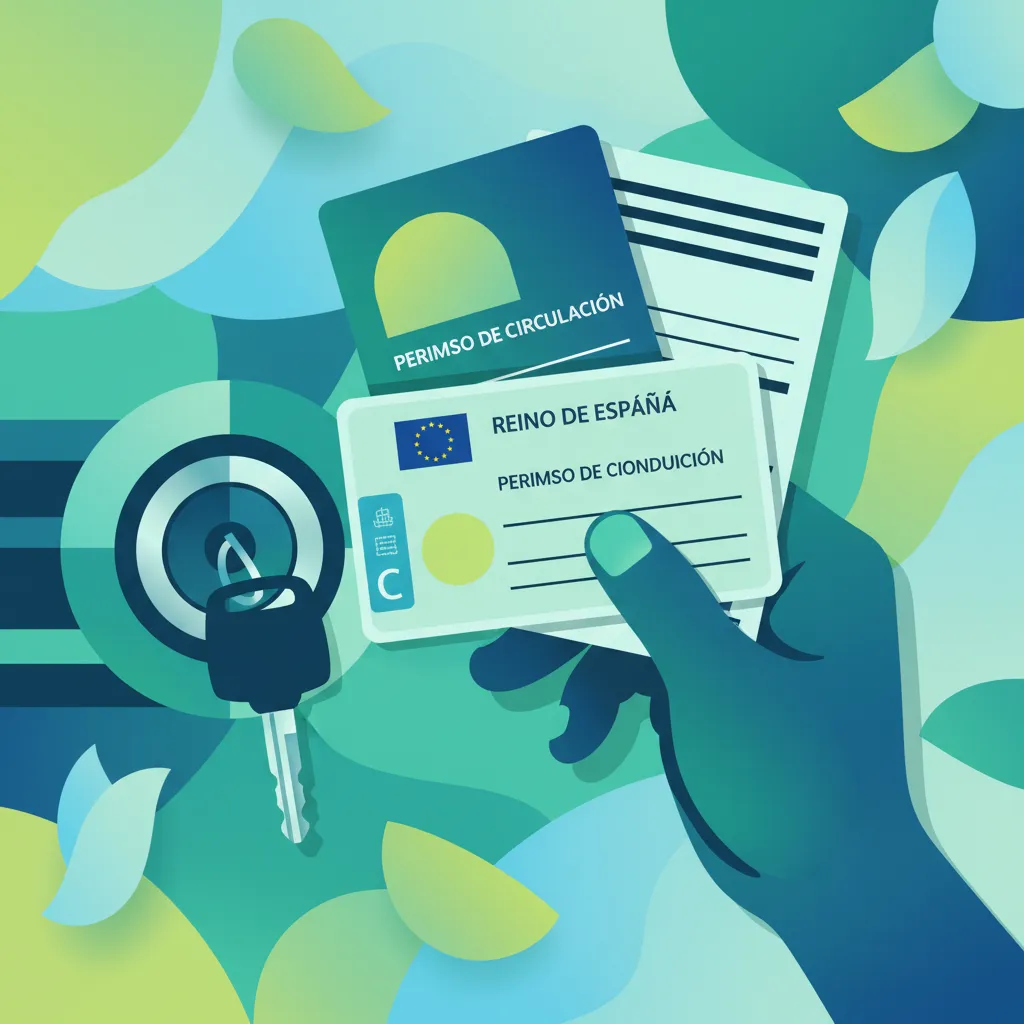
This lesson outlines the compulsory equipment and documentation required for an AM-class vehicle. It emphasizes the legal mandate for an approved helmet, a valid insurance policy, and a vehicle registration plate. Learners will also understand the requirements for the roadworthiness certificate (ITV) and other essential documents needed to prove compliance with DGT safety and legal standards during a traffic stop.
This lesson examines the legal framework for motorcyclists in Spain, including mandatory registration, compulsory insurance, and equipment standards enforced by the DGT. It covers the legal necessity of a homologated helmet, reflective clothing, and compliance with noise and emission standards. Learners also review documentation checks, vehicle inspections, and penalties for non-compliance.
This lesson details the specific prerequisites for obtaining an AM licence, starting with the minimum age of fifteen and the mandatory medical fitness certificate. It guides learners through the administrative process at the DGT, including required identification, proof of residence, and parental consent for minors. The content explains the role of driving schools and the necessary steps for exam registration, ensuring a clear understanding of the entire application procedure.
This lesson outlines the mandatory lighting and visibility equipment as per DGT regulations. It covers the correct use of headlights (low and high beams), taillights, and turn signals, ensuring the moped is visible to others, especially at night or in poor weather. The importance of wearing high-visibility or reflective clothing is also emphasized as a critical measure to enhance personal safety by making the rider more conspicuous.
This lesson introduces the regulatory signs that impose obligations or prohibitions on road users, with a focus on those pertinent to mopeds. It covers common signs such as speed limits, 'no entry', and mandatory turn directions, explaining how their shape and color indicate their function. Learners will be able to identify and correctly interpret these signs to navigate urban road networks legally and safely, avoiding potential fines.
This lesson details the specific speed limits applicable to mopeds within Spanish urban areas, such as the 30 km/h limit on single-lane roads and the 50 km/h limit on roads with two or more lanes per direction. It teaches learners to identify speed zone signage and understand the legal rationale behind these restrictions. Adhering to these DGT-mandated limits is crucial for safety and avoiding penalties.
This lesson categorizes the range of motorcycles, distinguishing between sport, naked, touring, off-road, scooter, and electric models. It analyzes each category’s design, performance characteristics, and typical use cases such as urban commuting or long-distance touring. Understanding these attributes helps align a vehicle choice with a specific licence category and riding environment.

This lesson provides a detailed guide to safely starting a moped, from the ignition sequence to the coordinated use of the throttle and brakes. It explains the importance of a pre-ride checklist to verify lights and controls are functional. The content also covers techniques for achieving smooth acceleration from a standstill and performing controlled stops, which is crucial for managing stop-and-go urban traffic conditions.
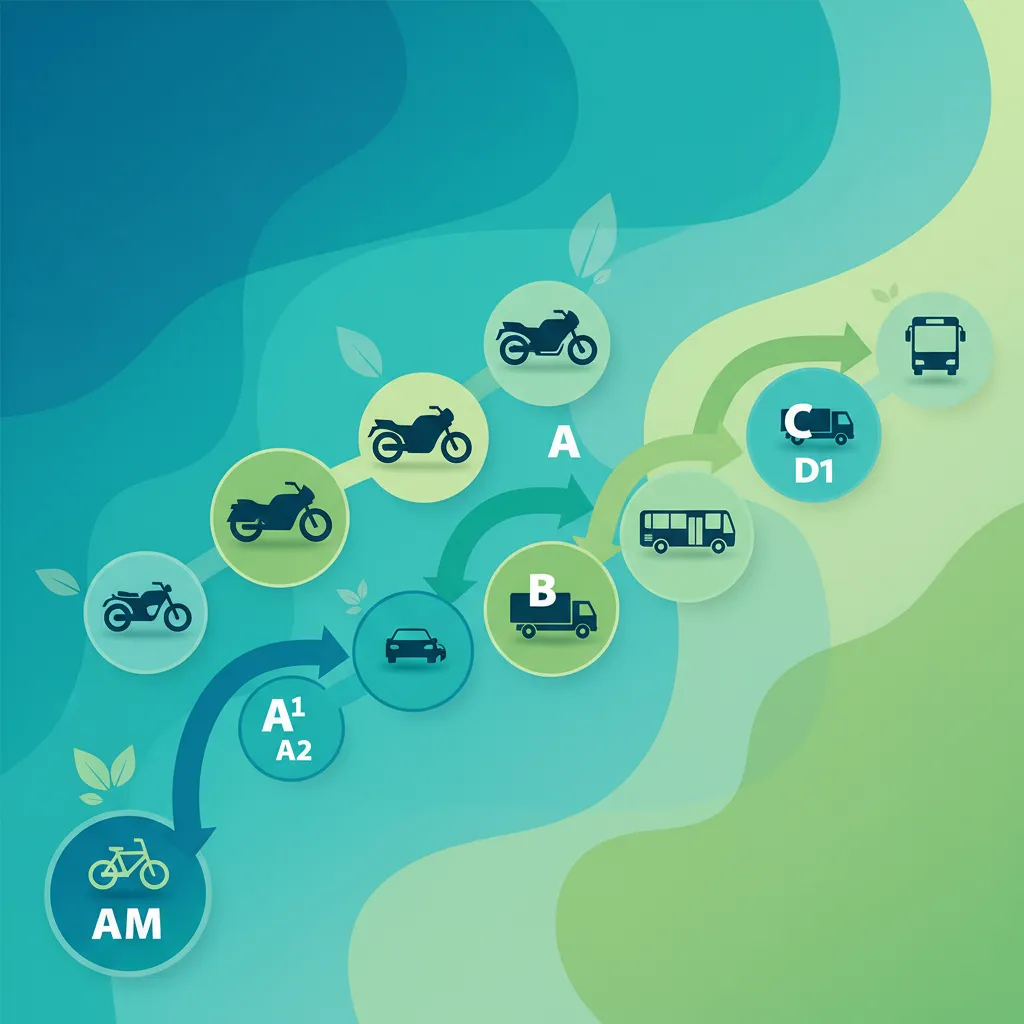
This lesson details the A1, A2, and A motorcycle licence categories recognized by the DGT, focusing on technical specifications like engine displacement and power limits. It explains the progressive licensing path, age thresholds, and mandatory training requirements for each stage. The content also covers the administrative procedures for applying and the legal responsibilities of each licence holder.
This lesson examines the dynamic interactions between mopeds, cars, and bicycles in an urban environment. It emphasizes strategies for staying visible and avoiding the blind spots of larger vehicles. The content provides clear guidelines on overtaking bicycles safely, respecting dedicated bike lanes, and signaling intentions clearly to all other road users to ensure predictable and harmonious coexistence in mixed traffic.
Comprehensive guide to the Spanish Category AM driving licence, covering age requirements, vehicle specifications for mopeds, mandatory documentation, insurance, ITV checks, and permitted road usage. Essential theory for new moped riders.
This lesson outlines the compulsory equipment and documentation required for an AM-class vehicle. It emphasizes the legal mandate for an approved helmet, a valid insurance policy, and a vehicle registration plate. Learners will also understand the requirements for the roadworthiness certificate (ITV) and other essential documents needed to prove compliance with DGT safety and legal standards during a traffic stop.
This lesson details the specific prerequisites for obtaining an AM licence, starting with the minimum age of fifteen and the mandatory medical fitness certificate. It guides learners through the administrative process at the DGT, including required identification, proof of residence, and parental consent for minors. The content explains the role of driving schools and the necessary steps for exam registration, ensuring a clear understanding of the entire application procedure.
This lesson outlines the mandatory lighting and visibility equipment as per DGT regulations. It covers the correct use of headlights (low and high beams), taillights, and turn signals, ensuring the moped is visible to others, especially at night or in poor weather. The importance of wearing high-visibility or reflective clothing is also emphasized as a critical measure to enhance personal safety by making the rider more conspicuous.
This lesson introduces the regulatory signs that impose obligations or prohibitions on road users, with a focus on those pertinent to mopeds. It covers common signs such as speed limits, 'no entry', and mandatory turn directions, explaining how their shape and color indicate their function. Learners will be able to identify and correctly interpret these signs to navigate urban road networks legally and safely, avoiding potential fines.
This lesson provides a clear and serious overview of the laws concerning driving under the influence of alcohol or drugs. It specifies the legal blood alcohol concentration (BAC) limits for moped riders and explains the zero-tolerance policy for illicit substances. The content details the severe consequences of impairment, which include heavy fines, license suspension, and potential criminal charges, reinforcing the absolute necessity of riding sober.
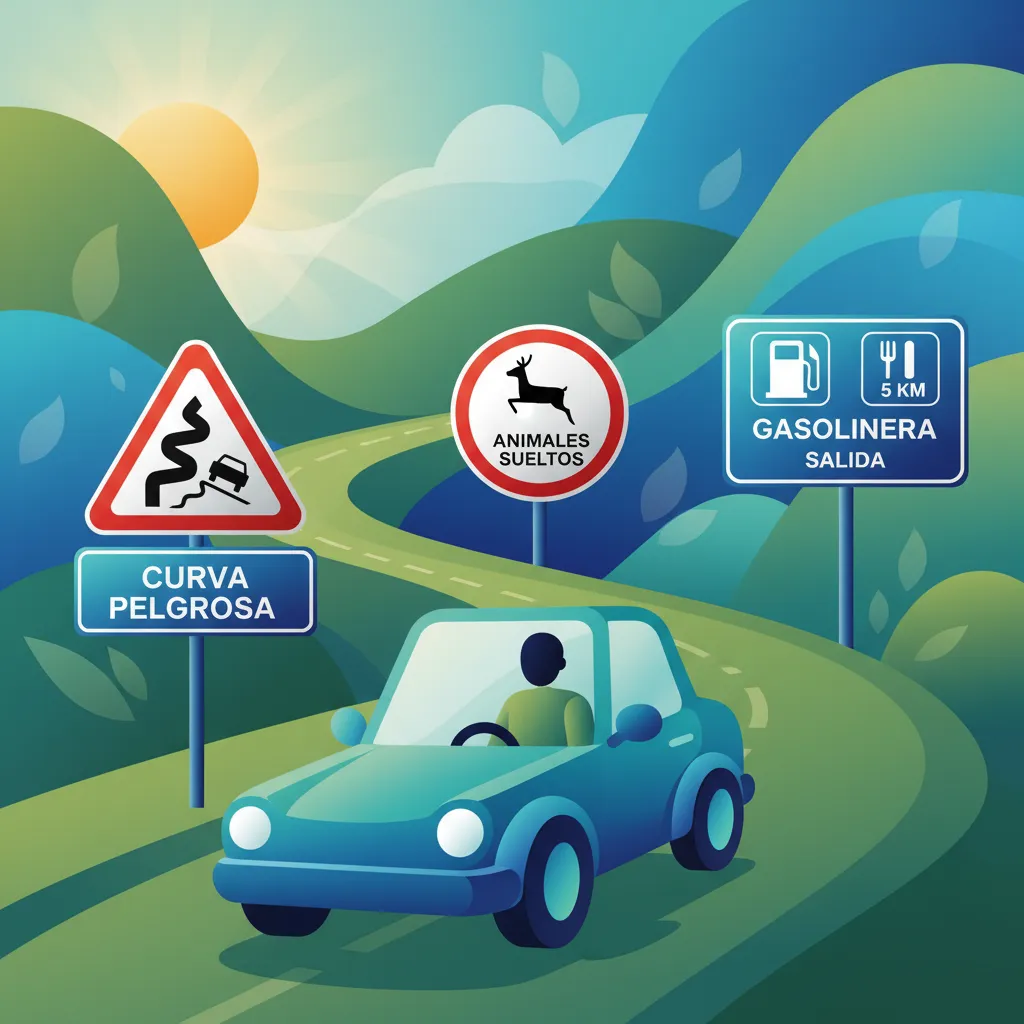
This lesson covers warning and informational signs, which are crucial for anticipating road conditions. It explains how triangular warning signs alert riders to upcoming hazards like sharp curves, slippery surfaces, or pedestrian crossings. The content also describes rectangular informational signs that provide directions, distances, and other useful guidance, helping riders to plan their route and adjust their driving in advance.

This lesson details the formal and legal obligations for reporting a traffic accident to the authorities. It clarifies the circumstances under which police must be called to the scene and the procedures for completing the official European Accident Statement form ('parte amistoso'). Understanding these responsibilities ensures that the rider complies with Spanish law and that the incident is properly documented for insurance and liability purposes.
This lesson details the specific speed limits applicable to mopeds within Spanish urban areas, such as the 30 km/h limit on single-lane roads and the 50 km/h limit on roads with two or more lanes per direction. It teaches learners to identify speed zone signage and understand the legal rationale behind these restrictions. Adhering to these DGT-mandated limits is crucial for safety and avoiding penalties.
This lesson provides a detailed guide to safely starting a moped, from the ignition sequence to the coordinated use of the throttle and brakes. It explains the importance of a pre-ride checklist to verify lights and controls are functional. The content also covers techniques for achieving smooth acceleration from a standstill and performing controlled stops, which is crucial for managing stop-and-go urban traffic conditions.
Find clear answers to common questions learners have about Classification of Mopeds. Learn how the lesson is structured, which driving theory objectives it supports, and how it fits into the overall learning path of units and curriculum progression in Spain. These explanations help you understand key concepts, lesson flow, and exam focused study goals.
In Spain, a moped (ciclomotor) has an engine displacement not exceeding 50cc for combustion engines or a maximum continuous rated power of 4 kW for electric motors, with a top speed limited to 45 km/h. Motorcycles, even light ones, exceed these limits. Understanding these specific numbers is vital for your AM theory exam.
No, electric mopeds fall under the same legal classification as petrol mopeds in Spain, provided they meet the maximum continuous rated power limit of 4 kW and a top speed of 45 km/h. The DGT rules focus on performance rather than fuel type for this category.
Moped classification determines specific road access. While mopeds can use most urban roads, they are generally prohibited from motorways (autovías and autopistas) and dual carriageways marked with a blue car sign. Always check local signage, especially in low-emission zones (LEZ).
No. If your vehicle exceeds 50cc for a combustion engine or 4 kW for an electric motor, it is legally classified as a motorcycle, even if only slightly. This would require an A1 or higher category licence, not an AM, and it's a common trick question on the DGT AM theory exam.
Use our powerful search functionality to pinpoint specific Spanish DGT driving theory practice sets. Filter by road sign categories, traffic law topics, or question difficulty to build custom study sessions and reinforce your knowledge precisely where it matters for your official exam.