
Welcome to the essential lesson on Air Brake Fundamentals and Components, part of Unit 4 in your Official DGT Theory Course for Spanish Truck Licences (C & C1). This lesson delves into the critical workings of the pneumatic braking systems that are standard on heavy goods vehicles, preparing you for specific exam questions and safe operation.

Lesson content overview
For professional drivers operating Category C and C1 vehicles, a thorough understanding of air brake systems is not merely beneficial; it is absolutely critical for safety, compliance, and efficient operation. Unlike passenger cars that typically use hydraulic brake systems, heavy vehicles like trucks and buses rely on compressed air to generate the immense force required to stop substantial loads. This lesson delves into the fundamental principles, essential components, and operational nuances of these pneumatic braking systems.
Air brake systems are the backbone of safety for large, heavy vehicles. Their design allows for powerful, reliable braking even under extreme loads and demanding conditions. As a professional driver, understanding how these systems work enables you to:
The principles governing air brakes are rooted in physics, particularly how pressure can be converted into mechanical force. This lesson will equip you with the knowledge to manage your vehicle's braking system effectively, ensuring safety for yourself and other road users.
The fundamental concept behind air brakes is the conversion of compressed air energy into mechanical braking force. This process involves several interconnected stages that ensure a constant supply of air, precise control, and reliable stopping power.
At the heart of the system is the air compressor, an engine-driven pump that continuously draws in atmospheric air and compresses it to high pressures. This compressed air is the energy source that ultimately powers the braking action. The compressor runs whenever the engine is on, working to maintain the required pressure levels within the system.
Once compressed, air is stored in robust air reservoirs, often referred to as air tanks. These tanks act as accumulators, holding a stable supply of compressed air ready for immediate use, especially during braking. Having these reservoirs ensures that even if the compressor momentarily struggles to keep up with demand, there is always sufficient air to apply the brakes effectively.
To prevent over-pressurization, which could damage components, and under-pressurization, which would lead to insufficient braking, a sophisticated system of pressure regulation and monitoring is in place. The governor precisely controls the maximum pressure in the reservoirs, while pressure gauges and warning devices provide drivers with real-time information on the system's status.
The driver initiates braking through the driver's valve (foot-brake control valve), which is directly linked to the brake pedal. Pressing the pedal modulates the flow of compressed air from the reservoirs to the service brake chambers located at each wheel. The amount of pressure applied by the driver directly correlates to the braking force generated. For parking, a separate parking (spring) brake circuit uses springs to hold the brakes on when air pressure is released.
A critical safety feature of heavy vehicle air brake systems is dual-circuit redundancy. This design incorporates two independent air supply lines, typically split between the front and rear axles, or sometimes left and right. If one circuit fails, the other can still provide sufficient braking, preventing catastrophic brake loss and allowing the driver to bring the vehicle to a safe stop.
A network of pipes, hoses, and fittings transports the compressed air throughout the vehicle. Maintaining the integrity of these air lines is crucial to prevent pressure loss through leaks. Additionally, a specialized air dryer removes moisture from the compressed air, preventing corrosion and, critically, avoiding the formation of ice in the lines during cold weather, which could impair braking performance.
Understanding each component individually is vital to grasp the complete functionality of an air brake system.
The air compressor is an engine-driven pump that draws atmospheric air, compresses it, and then sends it to the air reservoirs. It typically operates continuously whenever the engine is running to maintain system pressure.
Air reservoirs, or air tanks, are robust steel cylinders designed to store compressed air under high pressure. They act as vital storage units, ensuring an immediate and stable supply of air for braking.
The governor is a mechanical device that plays a crucial role in managing the air pressure within the reservoirs.
Pressure gauges are instruments, either analog or digital, that display the real-time air pressure in the different sections of the brake system.
The air dryer, also known as a moisture separator, is a critical component that removes water vapor and oil contaminants from the compressed air before it enters the reservoirs and air lines.
The driver's valve, operated by the foot pedal, is the primary control interface for the service brakes.
Service brake chambers are pneumatic devices mounted at each wheel. They convert the air pressure supplied by the driver's valve into mechanical force.
Parking (spring) brake chambers are a type of air-actuated chamber that serves a dual purpose: securing the vehicle when parked and acting as an emergency brake if the primary air system fails.
Dual-circuit redundancy is a critical safety design feature mandated for heavy vehicles.
The emergency valve, often referred to as a quick-release valve, is a component designed for rapid action in critical situations.
Adherence to DGT regulations is paramount for all professional drivers. These rules are designed to ensure the safe operation of heavy vehicles equipped with air brakes.
Minimum Service Pressure
Low-Pressure Warning
Parking Brake Engagement
Air Dryer Maintenance
Failure to understand or adhere to proper air brake procedures can lead to dangerous situations and legal penalties.
Running Out of Air on a Long Descent
Ignoring Low-Pressure Warning While in Traffic
Parking on an Incline Without Engaging the Spring Brake
Neglecting Air Dryer Replacement in Cold Weather
Driving with a Leaking Front or Rear Circuit
Improper Use of the Emergency Valve in a Non-Emergency
Failure to Perform a Pre-Trip Pressure Check
Over-Pressurizing Reservoirs (Governor Failure)
The effectiveness and safe operation of air brakes are significantly influenced by various environmental and operational conditions.
Understanding the underlying physics and human factors is crucial for true mastery of air brake systems.
These scenarios illustrate practical applications of the knowledge gained in this lesson.
Air brake systems are sophisticated engineering marvels designed for the rigorous demands of heavy vehicle operation. They rely on the precise generation, storage, regulation, and distribution of compressed air to provide reliable stopping power.
Key takeaways from this lesson:
Mastering air brake fundamentals is not just about passing an exam; it's about ensuring safety on the road and upholding the professional standards expected of Category C and C1 licence holders.
Air brake systems in heavy vehicles use compressed air to generate reliable braking force through interconnected components including the compressor, reservoirs, governor, control valves, and brake chambers. The system maintains safety through dual-circuit redundancy, low-pressure warnings, and fail-safe spring parking brakes that engage automatically if air pressure is lost. DGT regulations mandate minimum service pressure of 80 psi, warning activation at 60 psi, and regular maintenance including air dryer desiccant replacement. Drivers must continuously monitor gauges, use engine braking on descents, fully engage parking brakes when stationary, and understand that moisture control is critical for cold-weather reliability. Failure to manage air pressure properly can lead to reduced braking force, increased stopping distances, and potential loss of vehicle control.
A short set of high-value points that capture the most important learning from this lesson.
Air brake systems use compressed air to generate braking force, with the compressor continuously building pressure stored in reservoirs for immediate use during braking.
The dual-circuit redundancy design ensures that if one circuit fails, the other can still provide at least 65% of full braking force, preventing total brake loss.
The governor regulates maximum pressure (typically 150 psi) and automatically controls compressor operation to prevent over-pressurization of the system.
Parking (spring) brakes are fail-safe systems that automatically engage when air pressure drops below critical levels, preventing unintended vehicle movement.
The air dryer removes moisture from compressed air to prevent corrosion and ice formation in lines during cold weather.
Explore all units and lessons included in this driving theory course.
Service air pressure must never fall below 80 psi (5.5 bar) while driving; below 60 psi triggers mandatory low-pressure warning devices.
Always use engine braking on long descents to preserve air pressure and prevent brake fade from excessive foot braking.
The governor cuts in and out at set pressures (typically around 150 psi cut-out, lower cut-in) to maintain safe operating pressure range.
Parking brakes must be fully applied whenever the vehicle is stationary, especially on gradients, as the spring brake system holds the vehicle through mechanical spring force when air is released.
Air dryer desiccant requires regular replacement, typically every 12 months or 20,000 km, to maintain moisture removal effectiveness.
Relying exclusively on foot brakes during long downhill descents, which depletes air supply faster than the compressor can replenish it, leading to brake failure.
Continuing to drive when the low-pressure warning activates, instead of immediately stopping safely to investigate the pressure loss.
Parking on an incline without fully engaging the spring brake, or relying only on transmission gear rather than the mandatory parking brake system.
Neglecting air dryer maintenance before cold weather, allowing moisture to freeze in air lines and block brake chambers or valves.
Failing to perform pre-trip pressure checks, starting a journey without verifying that pressure builds correctly and holds stable without leaks.
Lesson content overview
A short set of high-value points that capture the most important learning from this lesson.
Air brake systems use compressed air to generate braking force, with the compressor continuously building pressure stored in reservoirs for immediate use during braking.
The dual-circuit redundancy design ensures that if one circuit fails, the other can still provide at least 65% of full braking force, preventing total brake loss.
The governor regulates maximum pressure (typically 150 psi) and automatically controls compressor operation to prevent over-pressurization of the system.
Parking (spring) brakes are fail-safe systems that automatically engage when air pressure drops below critical levels, preventing unintended vehicle movement.
The air dryer removes moisture from compressed air to prevent corrosion and ice formation in lines during cold weather.
Explore all units and lessons included in this driving theory course.
Service air pressure must never fall below 80 psi (5.5 bar) while driving; below 60 psi triggers mandatory low-pressure warning devices.
Always use engine braking on long descents to preserve air pressure and prevent brake fade from excessive foot braking.
The governor cuts in and out at set pressures (typically around 150 psi cut-out, lower cut-in) to maintain safe operating pressure range.
Parking brakes must be fully applied whenever the vehicle is stationary, especially on gradients, as the spring brake system holds the vehicle through mechanical spring force when air is released.
Air dryer desiccant requires regular replacement, typically every 12 months or 20,000 km, to maintain moisture removal effectiveness.
Relying exclusively on foot brakes during long downhill descents, which depletes air supply faster than the compressor can replenish it, leading to brake failure.
Continuing to drive when the low-pressure warning activates, instead of immediately stopping safely to investigate the pressure loss.
Parking on an incline without fully engaging the spring brake, or relying only on transmission gear rather than the mandatory parking brake system.
Neglecting air dryer maintenance before cold weather, allowing moisture to freeze in air lines and block brake chambers or valves.
Failing to perform pre-trip pressure checks, starting a journey without verifying that pressure builds correctly and holds stable without leaks.
Explore search topics learners often look for when studying Air Brake Fundamentals and Components. These topics reflect common questions about road rules, driving situations, safety guidance, and lesson level theory preparation for learners in Spain.
Browse additional driving theory lessons that cover connected traffic rules, road signs, and common driving situations related to this topic. Improve your understanding of how different rules interact across everyday traffic scenarios.
Learn about essential air brake maintenance procedures for Category C and C1 licences in Spain. Understand common system failures, how to identify issues, and their implications according to DGT regulations. Crucial knowledge for safe truck operation.

This lesson covers the importance of proper air brake maintenance for ensuring optimal stopping power and safety. It explains the process of checking and adjusting slack adjusters to compensate for brake lining wear. Learners will understand how to perform routine pre-trip inspections, including checking for air leaks and ensuring the system is balanced for even braking performance.

This lesson examines the complex braking systems found in heavy passenger vehicles, with a focus on air brakes and anti-lock braking systems (ABS). It covers how these systems impact stopping distance, brake fade, and overall safety under different load and weather conditions. Learners will also study the required maintenance schedules and safety checks to ensure the braking components remain in optimal working order.
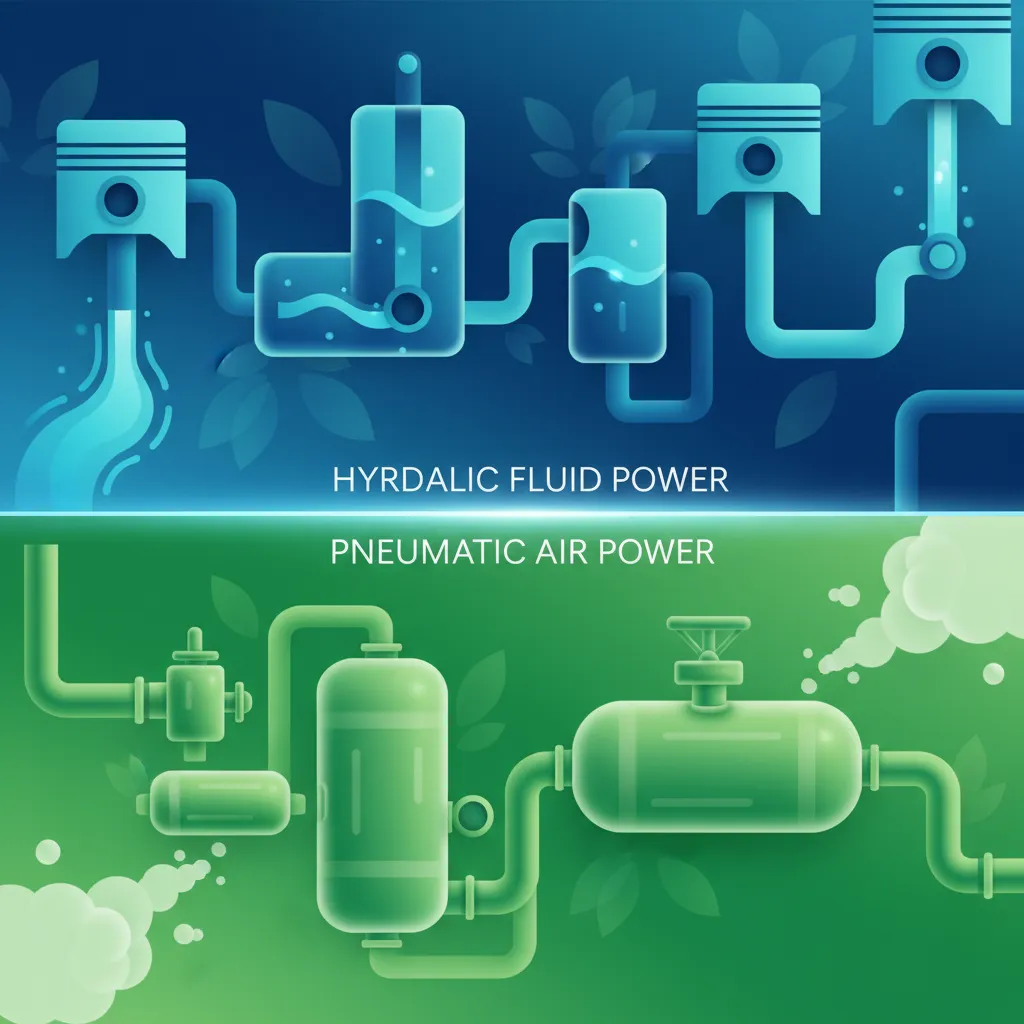
This lesson provides a comparative overview of hydraulic and pneumatic (air) braking systems. It explains the fundamental differences in how each system generates and transmits force, one using liquid and the other using compressed air. The content highlights why pneumatic systems are standard for heavy trucks due to their power and reliability over long vehicle combinations.

This lesson focuses on the core principles of defensive driving as they apply to operating a large truck. It explains the importance of managing the space around the vehicle to create a safety buffer and always having an 'escape route' in mind. The content emphasizes anticipating the actions of other road users and being prepared to react calmly and safely to unexpected situations.

This lesson provides a step-by-step guide on what to do when a vehicle breaks down on the road. It explains how to safely bring the truck to a stop, activate hazard warnings, and place reflective warning triangles as required by law. The content also covers the procedures for contacting roadside assistance and communicating the nature of the problem and the vehicle's location accurately.

This lesson provides an overview of modern driver-assistance technologies designed to prevent collisions. It explains the function of systems like the Anti-lock Braking System (ABS), Electronic Stability Control (ESC), and Automatic Emergency Braking Systems (AEBS). Learners will understand how these systems work to help maintain control during emergency maneuvers, while also recognizing their operational limitations.

This lesson teaches drivers how to correctly interpret the various indicator lights and warning messages on a truck's dashboard. It covers common alerts related to the engine, braking system (ABS), and electronic stability control (ESC). Understanding these warnings is crucial for early fault detection, enabling drivers to take appropriate action and ensure the vehicle remains safe to operate.
Explore the fundamental physics behind pneumatic air brake systems. This lesson explains how compressed air generates braking force, the role of key components like compressors and reservoirs, and operational principles vital for Category C and C1 drivers in Spain.
This lesson provides a comparative overview of hydraulic and pneumatic (air) braking systems. It explains the fundamental differences in how each system generates and transmits force, one using liquid and the other using compressed air. The content highlights why pneumatic systems are standard for heavy trucks due to their power and reliability over long vehicle combinations.
This lesson covers the importance of proper air brake maintenance for ensuring optimal stopping power and safety. It explains the process of checking and adjusting slack adjusters to compensate for brake lining wear. Learners will understand how to perform routine pre-trip inspections, including checking for air leaks and ensuring the system is balanced for even braking performance.
This lesson examines the complex braking systems found in heavy passenger vehicles, with a focus on air brakes and anti-lock braking systems (ABS). It covers how these systems impact stopping distance, brake fade, and overall safety under different load and weather conditions. Learners will also study the required maintenance schedules and safety checks to ensure the braking components remain in optimal working order.

This lesson explores the direct relationship between a vehicle's load and its braking and acceleration performance. It explains how increased mass significantly increases the vehicle's inertia, resulting in longer stopping distances and slower acceleration. Understanding these physical principles helps drivers adjust their driving style, such as increasing following distances, to compensate for the effects of a heavy load.

This lesson covers the critical regulations concerning vehicle weight, including Gross Vehicle Weight (GVW) and individual axle load limits. Learners will understand how to calculate tare weight and maximum payload to avoid overloading. The content also explains how proper weight distribution is essential for vehicle stability, braking efficiency, and minimizing road surface damage.
This lesson provides an overview of modern driver-assistance technologies designed to prevent collisions. It explains the function of systems like the Anti-lock Braking System (ABS), Electronic Stability Control (ESC), and Automatic Emergency Braking Systems (AEBS). Learners will understand how these systems work to help maintain control during emergency maneuvers, while also recognizing their operational limitations.
This lesson focuses on the core principles of defensive driving as they apply to operating a large truck. It explains the importance of managing the space around the vehicle to create a safety buffer and always having an 'escape route' in mind. The content emphasizes anticipating the actions of other road users and being prepared to react calmly and safely to unexpected situations.
Find clear answers to common questions learners have about Air Brake Fundamentals and Components. Learn how the lesson is structured, which driving theory objectives it supports, and how it fits into the overall learning path of units and curriculum progression in Spain. These explanations help you understand key concepts, lesson flow, and exam focused study goals.
The air compressor is the heart of the system; its primary function is to draw in ambient air, compress it, and deliver it to the air reservoirs. This compressed air is then used to power the entire braking system.
Air reservoirs store the compressed air generated by the compressor. They ensure a readily available supply of air pressure for the brakes, even when the compressor is not actively running, and also help to cool and remove moisture from the air.
When the driver presses the brake pedal, it activates the treadle valve, which is a type of control valve. This valve regulates the flow of compressed air from the reservoirs to the brake chambers, applying the brakes. Releasing the pedal vents the air, releasing the brakes.
Brake chambers are the actuators that convert the air pressure into mechanical force. Compressed air enters the chamber, pushing a diaphragm or piston, which in turn activates the S-cam or wedge mechanism to press the brake shoes against the drum or rotor, slowing the vehicle.
If air pressure drops below a safe operating level (typically indicated by a warning light or buzzer), the braking system's effectiveness is significantly reduced. In many systems, a low-pressure warning is mandatory, and some systems may have spring brakes that automatically engage to help stop the vehicle.
Use our powerful search functionality to pinpoint specific Spanish DGT driving theory practice sets. Filter by road sign categories, traffic law topics, or question difficulty to build custom study sessions and reinforce your knowledge precisely where it matters for your official exam.