
Welcome to this crucial lesson comparing hydraulic and pneumatic braking systems, essential for operating heavy trucks. Understanding these systems is vital for your C/C1 category Spanish driving licence theory exam, as it forms part of the 'Controls & Systems' unit.
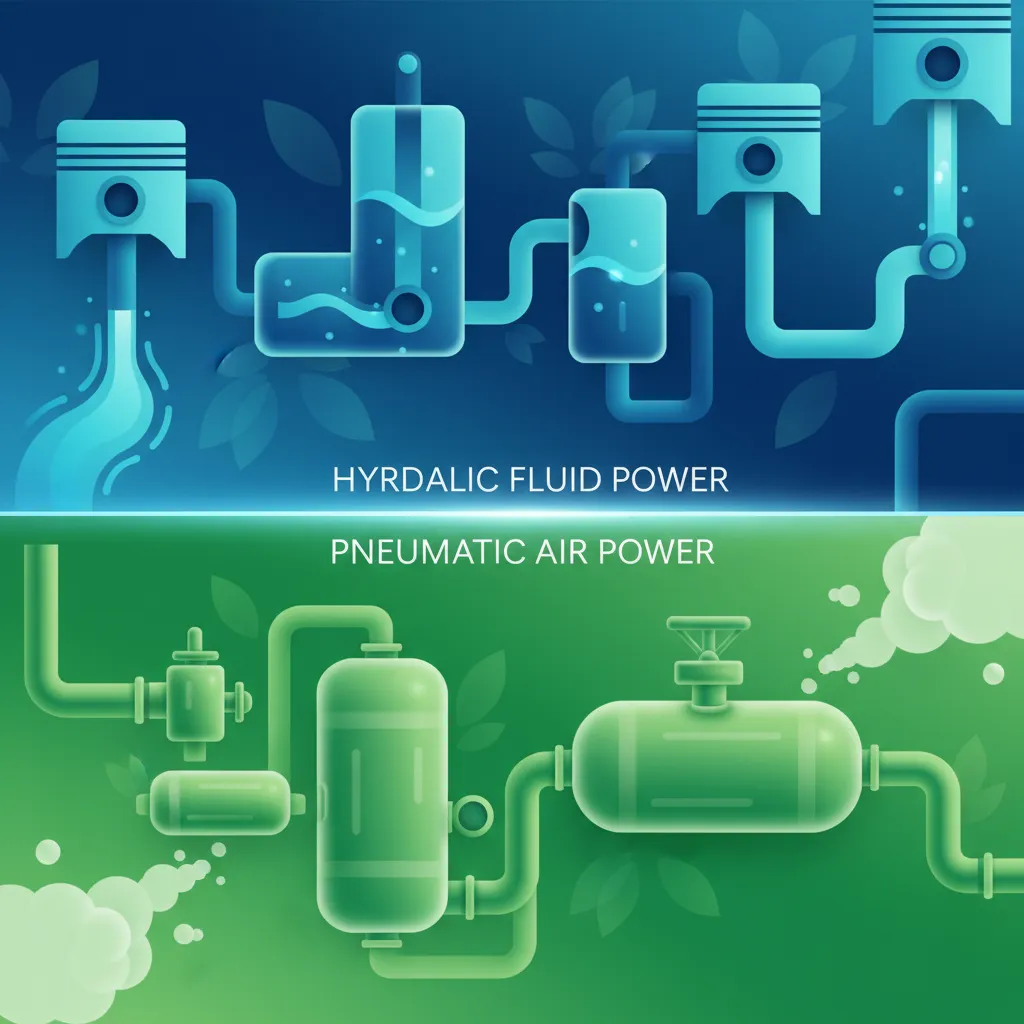
Lesson content overview
Driving heavy commercial vehicles, such as those requiring a Spanish Category C or C1 licence, demands a thorough understanding of their complex braking systems. Unlike passenger cars, which predominantly use hydraulic brakes, heavy trucks rely almost exclusively on pneumatic, or air, braking systems. This lesson provides a comparative overview of these two fundamental braking technologies, explaining their operating principles, components, performance characteristics, and the critical regulatory considerations for professional drivers.
Mastery of this topic is essential for every Category C and C1 driver. It enables you to understand how your vehicle behaves under various loads, accurately diagnose potential faults, perform correct pre-travel checks, and comply with the strict DGT (Dirección General de Tráfico) safety regulations.
At its core, a braking system converts a vehicle's kinetic energy (energy of motion) into thermal energy (heat) through friction, slowing it down or bringing it to a stop. The efficiency and reliability of this energy conversion are paramount, especially for vehicles carrying heavy loads or operating over long distances. Different types of vehicles employ different methods to transmit the driver's braking input to the wheels, each with distinct advantages and limitations.
For trucks and other heavy commercial vehicles, the braking system is not merely a safety feature; it's a central pillar of vehicle control and operational safety. These vehicles possess immense mass and, consequently, enormous kinetic energy, which must be dissipated safely and efficiently. An inadequate braking system can lead to extended stopping distances, brake fade, loss of control, and catastrophic accidents, particularly on descents or when fully loaded.
A hydraulic braking system relies on an incompressible fluid, commonly known as brake fluid, to transmit force. When the driver presses the brake pedal, this action creates pressure within a master cylinder. This pressure is then transmitted through brake lines filled with fluid to brake calipers or wheel cylinders at each wheel, which in turn push brake pads against discs or brake shoes against drums.
The fundamental principle behind hydraulic brakes is Pascal's Law, which states that pressure applied to an enclosed fluid is transmitted undiminished to every portion of the fluid and the walls of its container. Because liquids are virtually incompressible, any force applied to the brake pedal results in an almost immediate and proportional pressure increase throughout the system, leading to a direct and precise braking response.
While hydraulic brakes offer excellent precision and responsiveness, making them ideal for lighter vehicles like passenger cars, they face significant limitations when scaled up for heavy commercial trucks:
Due to these limitations, the DGT regulations generally do not permit hydraulic braking systems for trucks exceeding 3,500 kg, reserving them primarily for lighter commercial vehicles or passenger cars where their advantages outweigh their disadvantages.
Pneumatic, or air, braking systems are the industry standard for heavy trucks, buses, and combination vehicles (trucks with trailers). These systems use compressed air as the medium to transmit force from the driver's pedal input to the brake mechanisms at the wheels. This allows for significantly greater braking force, enhanced safety features, and robust operation necessary for controlling massive loads.
Unlike hydraulic fluid, air is compressible. An air compressor, powered by the vehicle's engine, continuously supplies compressed air, which is stored in large, robust reservoir tanks (also known as air tanks or receivers). When the driver presses the brake pedal, an air valve opens, releasing compressed air from these tanks through air lines to brake chambers located at each wheel. The compressed air pushes a diaphragm inside the brake chamber, which in turn actuates a pushrod. This pushrod then mechanically applies the brake shoes against the drums or pads against the discs.
A crucial safety feature of pneumatic systems, particularly on heavy trucks, is the "spring-apply, air-release" parking and emergency brake mechanism. These brakes are held on by powerful springs by default. Compressed air pressure is required to release them.
To further enhance safety, DGT regulations mandate that commercial vehicles over 3,500 kg must be equipped with a dual-circuit air braking system. This design divides the braking system into two completely independent circuits, typically one for the front axle(s) and one for the rear axle(s).
Understanding the fundamental differences between hydraulic and pneumatic systems is key to appreciating why each is suited for specific vehicle types and operational demands.
DGT regulations (Reglamento General de Vehículos) are stringent regarding the braking systems of commercial vehicles. These rules are designed to ensure maximum safety given the inherent risks associated with operating heavy trucks.
For Category C and C1 vehicles equipped with air brakes, strict pressure thresholds must be maintained:
Always monitor your air pressure gauges. Driving with insufficient air pressure is not only illegal but extremely dangerous, severely compromising your vehicle's braking capability.
DGT regulations require several warning devices to keep the driver informed about the status of the braking system:
Commercial vehicles, including those requiring Category C or C1 licences, are subject to mandatory periodic inspections (ITV in Spain) that rigorously check the braking system's condition and performance. Beyond these inspections, professional drivers are responsible for daily pre-trip inspections, including:
Effective braking is not just about stopping; it's also about stopping safely and stably. Brake balancing and proportioning refer to the sophisticated systems that distribute braking force appropriately among the vehicle's axles and wheels to prevent wheel lockup and maintain control, especially under varying load conditions.
Proper brake balance is crucial. Unequal braking forces can cause severe instability, especially on wet or icy roads, leading to loss of control. Always ensure your braking system is correctly balanced for your load.
Understanding how braking systems can fail, and the consequences of neglecting proper maintenance and driving practices, is vital for professional drivers.
The distinction between hydraulic and pneumatic braking systems is fundamental for any professional driver. While hydraulic systems offer precision for lighter vehicles, pneumatic systems are the robust, fail-safe choice for heavy commercial trucks, capable of managing massive loads and providing critical redundancy.
Understanding how air brakes generate and transmit force, recognizing the importance of components like air compressors, reservoirs, and spring-apply mechanisms, and adhering to DGT regulations regarding minimum air pressure and warning systems are not just theoretical concepts. They are daily operational requirements that directly impact your safety, the safety of other road users, and your compliance with Spanish law. By mastering these principles, you equip yourself with the knowledge necessary for a safe and successful career as a professional driver.
This lesson distinguishes hydraulic and pneumatic braking systems, explaining why compressed air systems dominate heavy trucks due to superior force generation, heat dissipation, and built-in redundancy. Hydraulic brakes suit lighter vehicles with their precise, instantaneous response using incompressible fluid, while pneumatic systems use stored compressed air to apply enormous braking force with minimal driver effort. Key DGT requirements include maintaining minimum 5 bar service pressure with warnings at 3 bar, and mandatory dual-circuit design for vehicles over 3,500 kg. The spring-apply/air-release parking brake provides fail-safe protection by defaulting to braking on pressure loss. Critical maintenance practices include monitoring air pressure gauges, managing moisture in the system, and using engine braking on descents to prevent dangerous brake fade.
A short set of high-value points that capture the most important learning from this lesson.
Hydraulic brakes use incompressible brake fluid following Pascal's Law, while pneumatic brakes use compressible compressed air stored in reservoirs for heavy vehicle applications
Pneumatic systems are mandatory for vehicles over 3,500 kg because they generate vastly greater braking force with less driver effort and offer inherent fail-safe mechanisms
The spring-apply, air-release design ensures trucks automatically brake when air pressure is lost, providing critical safety through default-on braking
DGT regulations require minimum service pressure of 5 bar with a low-pressure warning activating at 3 bar for Category C/C1 vehicles
Dual-circuit air brake systems divide braking into independent circuits (front/rear axles) so failure in one circuit leaves the other functional
Explore all units and lessons included in this driving theory course.
Hydraulic systems: fluid is incompressible = precise, instant response; limited for heavy loads due to heat buildup and leak vulnerability
Pneumatic systems: air is compressible = stores energy buffer, generates massive force with low driver effort, resists brake fade
Service air pressure must stay at 5 bar minimum while driving; low-pressure warning triggers at 3 bar and requires immediate safe stopping
Spring-apply parking brakes hold the vehicle stationary by default—compressed air releases them, so pressure loss means automatic braking
Air brake moisture must be managed through dryers or manual tank draining to prevent freezing and corrosion in the system
Ignoring the low-pressure warning light and continuing to drive, which severely compromises braking ability and is both dangerous and illegal
Neglecting to drain moisture from air tanks in systems without automatic dryers, leading to frozen lines or corrosion that can cause sudden brake failure
Using only service brakes on long descents instead of engine braking, causing brake fade from overheating and extended stopping distances
Assuming brake balance stays constant with load changes—load-sensing valves must properly adjust braking force for loaded versus empty vehicles
Failing to conduct pre-trip checks for air leaks, proper slack adjuster travel, and warning light functionality before driving
Lesson content overview
A short set of high-value points that capture the most important learning from this lesson.
Hydraulic brakes use incompressible brake fluid following Pascal's Law, while pneumatic brakes use compressible compressed air stored in reservoirs for heavy vehicle applications
Pneumatic systems are mandatory for vehicles over 3,500 kg because they generate vastly greater braking force with less driver effort and offer inherent fail-safe mechanisms
The spring-apply, air-release design ensures trucks automatically brake when air pressure is lost, providing critical safety through default-on braking
DGT regulations require minimum service pressure of 5 bar with a low-pressure warning activating at 3 bar for Category C/C1 vehicles
Dual-circuit air brake systems divide braking into independent circuits (front/rear axles) so failure in one circuit leaves the other functional
Explore all units and lessons included in this driving theory course.
Hydraulic systems: fluid is incompressible = precise, instant response; limited for heavy loads due to heat buildup and leak vulnerability
Pneumatic systems: air is compressible = stores energy buffer, generates massive force with low driver effort, resists brake fade
Service air pressure must stay at 5 bar minimum while driving; low-pressure warning triggers at 3 bar and requires immediate safe stopping
Spring-apply parking brakes hold the vehicle stationary by default—compressed air releases them, so pressure loss means automatic braking
Air brake moisture must be managed through dryers or manual tank draining to prevent freezing and corrosion in the system
Ignoring the low-pressure warning light and continuing to drive, which severely compromises braking ability and is both dangerous and illegal
Neglecting to drain moisture from air tanks in systems without automatic dryers, leading to frozen lines or corrosion that can cause sudden brake failure
Using only service brakes on long descents instead of engine braking, causing brake fade from overheating and extended stopping distances
Assuming brake balance stays constant with load changes—load-sensing valves must properly adjust braking force for loaded versus empty vehicles
Failing to conduct pre-trip checks for air leaks, proper slack adjuster travel, and warning light functionality before driving
Explore search topics learners often look for when studying Hydraulic vs. Pneumatic Systems Overview. These topics reflect common questions about road rules, driving situations, safety guidance, and lesson level theory preparation for learners in Spain.
Browse additional driving theory lessons that cover connected traffic rules, road signs, and common driving situations related to this topic. Improve your understanding of how different rules interact across everyday traffic scenarios.
Compare the fundamental principles, operational differences, and limitations of hydraulic versus pneumatic braking systems. Understand why air brakes are standard for heavy trucks in Spain according to DGT regulations.

This lesson explains the fundamental principles of air brake systems used in heavy vehicles. It details the functions of each major component, including the air compressor, reservoirs (air tanks), control valves, and brake chambers. Learners will understand how compressed air is used to apply braking force and the importance of maintaining adequate air pressure for safe operation.

This lesson examines the complex braking systems found in heavy passenger vehicles, with a focus on air brakes and anti-lock braking systems (ABS). It covers how these systems impact stopping distance, brake fade, and overall safety under different load and weather conditions. Learners will also study the required maintenance schedules and safety checks to ensure the braking components remain in optimal working order.

This lesson explores the direct relationship between a vehicle's load and its braking and acceleration performance. It explains how increased mass significantly increases the vehicle's inertia, resulting in longer stopping distances and slower acceleration. Understanding these physical principles helps drivers adjust their driving style, such as increasing following distances, to compensate for the effects of a heavy load.

This lesson covers the importance of proper air brake maintenance for ensuring optimal stopping power and safety. It explains the process of checking and adjusting slack adjusters to compensate for brake lining wear. Learners will understand how to perform routine pre-trip inspections, including checking for air leaks and ensuring the system is balanced for even braking performance.
Explore the essential safety mechanisms of pneumatic braking systems for Category C and C1 trucks, including dual-circuit designs and spring-apply brakes, as mandated by Spanish DGT law.
This lesson explains the fundamental principles of air brake systems used in heavy vehicles. It details the functions of each major component, including the air compressor, reservoirs (air tanks), control valves, and brake chambers. Learners will understand how compressed air is used to apply braking force and the importance of maintaining adequate air pressure for safe operation.

This lesson provides an overview of modern driver-assistance technologies designed to prevent collisions. It explains the function of systems like the Anti-lock Braking System (ABS), Electronic Stability Control (ESC), and Automatic Emergency Braking Systems (AEBS). Learners will understand how these systems work to help maintain control during emergency maneuvers, while also recognizing their operational limitations.

This lesson focuses on the core principles of defensive driving as they apply to operating a large truck. It explains the importance of managing the space around the vehicle to create a safety buffer and always having an 'escape route' in mind. The content emphasizes anticipating the actions of other road users and being prepared to react calmly and safely to unexpected situations.
This lesson examines the complex braking systems found in heavy passenger vehicles, with a focus on air brakes and anti-lock braking systems (ABS). It covers how these systems impact stopping distance, brake fade, and overall safety under different load and weather conditions. Learners will also study the required maintenance schedules and safety checks to ensure the braking components remain in optimal working order.
This lesson covers the importance of proper air brake maintenance for ensuring optimal stopping power and safety. It explains the process of checking and adjusting slack adjusters to compensate for brake lining wear. Learners will understand how to perform routine pre-trip inspections, including checking for air leaks and ensuring the system is balanced for even braking performance.
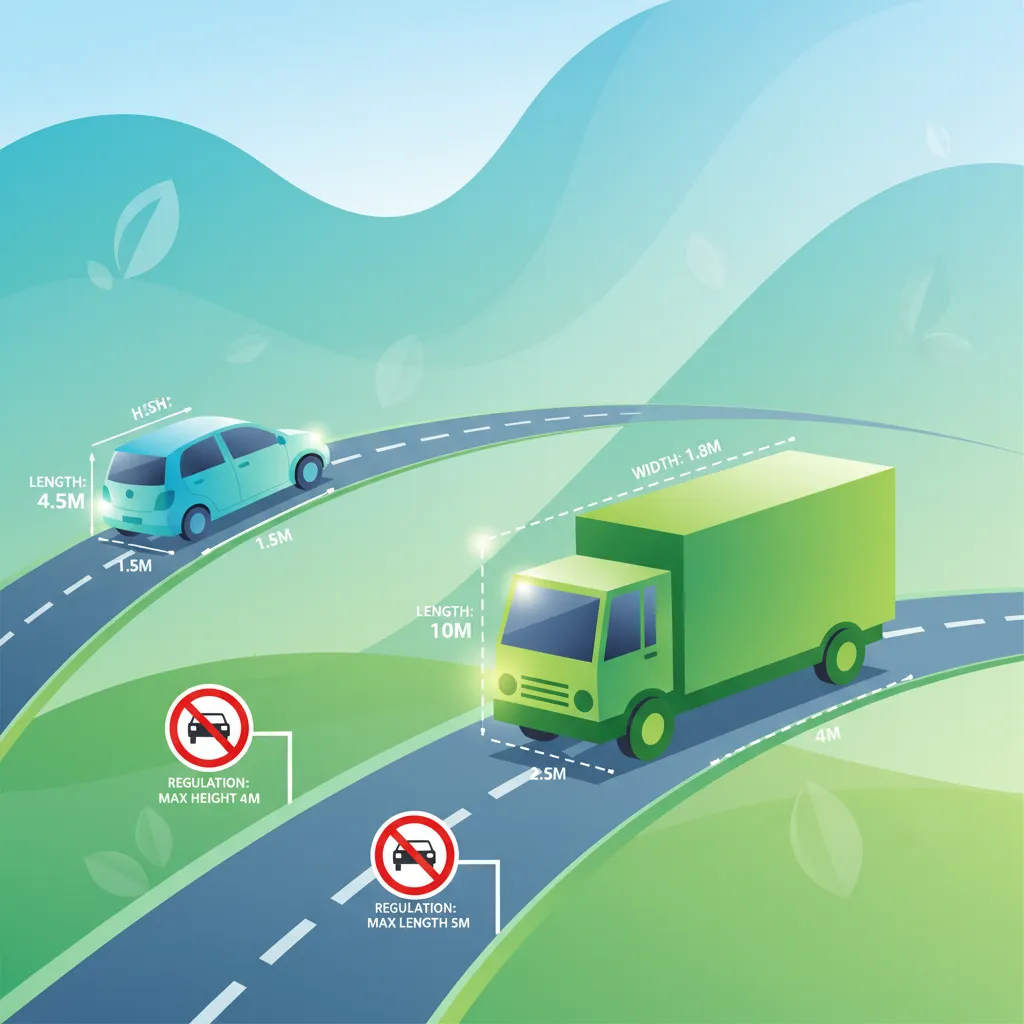
This lesson provides a detailed breakdown of the maximum permissible length, width, and height for heavy vehicles according to Spanish and EU regulations. It explains how these dimensions are measured and how they affect vehicle classification and route planning. The content emphasizes the critical importance of respecting clearance signs for bridges, tunnels, and other overhead structures to prevent accidents.

This lesson provides a step-by-step guide on what to do when a vehicle breaks down on the road. It explains how to safely bring the truck to a stop, activate hazard warnings, and place reflective warning triangles as required by law. The content also covers the procedures for contacting roadside assistance and communicating the nature of the problem and the vehicle's location accurately.

This lesson explains the specific legal framework governing truck operations on Spain's high-speed road network. It details the different speed limits for trucks on autovías versus autopistas and the regulations regarding which lanes heavy vehicles are permitted to use. Learners will also understand how to interpret specific highway signage relevant to commercial vehicles and any applicable toll regulations.

This lesson provides a broad overview of the key traffic regulations in Spain that directly impact professional truck drivers. It details the rules of priority at intersections, the interpretation of different road markings, and the principles of correct lane discipline. Furthermore, it explains the specific speed limits applicable to heavy vehicles and the legal protocols for safe overtaking and signaling.
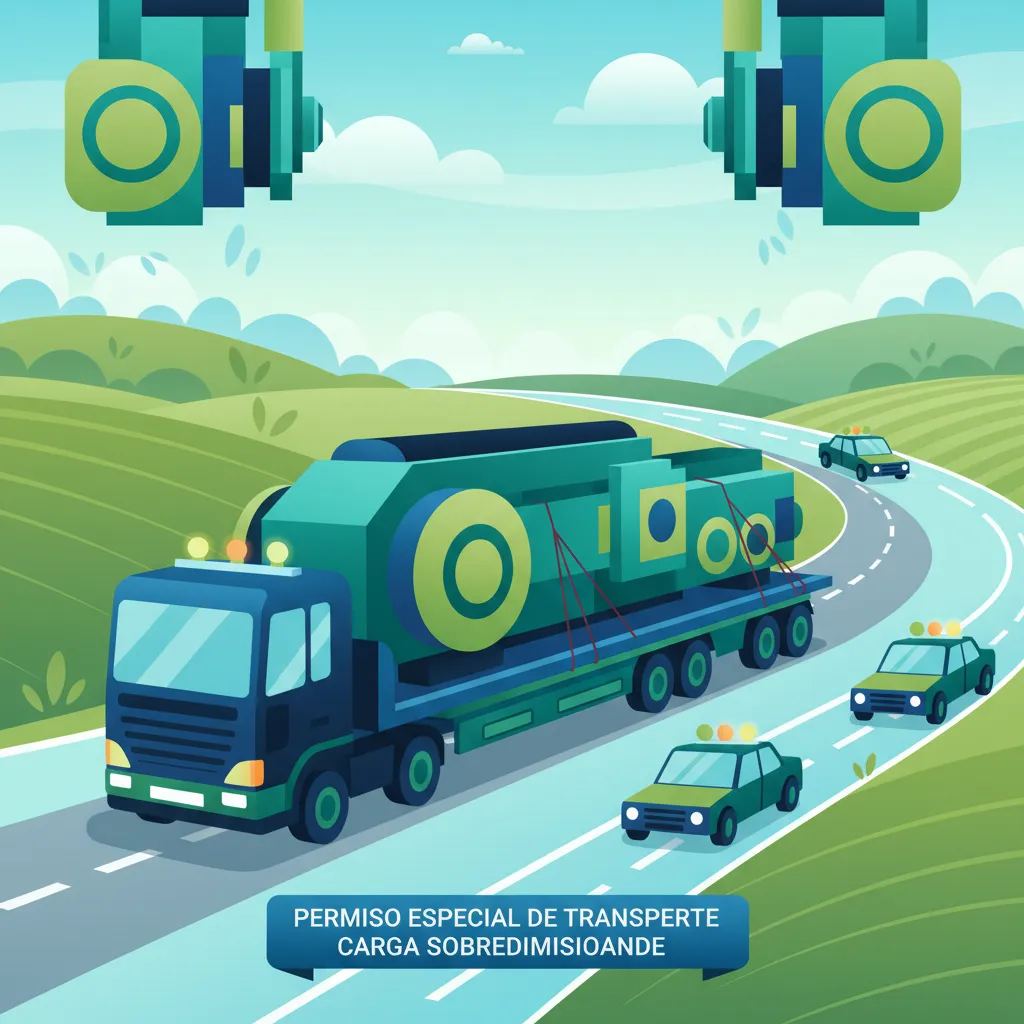
This lesson addresses the special regulations that apply to transporting loads that exceed standard legal dimensions or weight. It explains the process for obtaining the necessary special permits from the DGT and other authorities. The content also covers the requirements for route planning, the use of escort vehicles (pilot cars), and the mandatory signage and lighting for the vehicle.
Find clear answers to common questions learners have about Hydraulic vs. Pneumatic Systems Overview. Learn how the lesson is structured, which driving theory objectives it supports, and how it fits into the overall learning path of units and curriculum progression in Spain. These explanations help you understand key concepts, lesson flow, and exam focused study goals.
Pneumatic systems use compressed air, which can generate significantly more force needed for heavy trucks and long vehicle combinations. Air is also less susceptible to temperature changes and leaks than hydraulic fluid, offering greater reliability and safety. Furthermore, air systems allow for easier integration of auxiliary systems and multiple trailers.
While the primary service brake system on most trucks is pneumatic, some smaller trucks or specialized vehicles might use hydraulic brakes for certain functions or as part of a hybrid system. However, for the DGT Category C/C1 exams, the focus is on understanding the standard pneumatic air brake systems used in heavy goods vehicles.
Pneumatic systems are more complex, require a robust air compressor and storage tanks, and can be susceptible to moisture leading to freezing in cold weather. Leaks in the system can also reduce braking effectiveness if not detected and repaired promptly, which is why regular maintenance is crucial.
Not entirely. While the main braking system for trucks is pneumatic, hydraulic systems are still common for secondary functions like parking brakes or for specific components within the overall braking assembly on some vehicles. However, the core operational braking relies on air.
The DGT exam will test your knowledge of heavy vehicle systems, including braking. Questions often focus on the specific types of brakes used, their operational principles, and why certain systems are chosen for particular vehicle categories. Knowing the difference between hydraulic and pneumatic systems ensures you can correctly answer these questions, especially those concerning safety and efficiency for trucks.
Use our powerful search functionality to pinpoint specific Spanish DGT driving theory practice sets. Filter by road sign categories, traffic law topics, or question difficulty to build custom study sessions and reinforce your knowledge precisely where it matters for your official exam.