
Welcome to the 'Impact of Load on Braking and Acceleration' lesson, part of the 'Load Management & Stability' unit for your Spanish Truck Licence (Category C/C1). Understanding how your vehicle's load affects its performance is crucial for safe driving and passing your DGT theory exam. This lesson builds on basic physics principles to explain practical adjustments you need to make on the road.

Lesson content overview
Driving a heavy goods vehicle (HGV) like those in Category C or C1 requires a deep understanding of how load influences vehicle dynamics. The weight of your cargo, passengers, fuel, and accessories directly affects your truck's ability to brake effectively and accelerate efficiently. This lesson will explore the fundamental physics behind these interactions and provide crucial guidance for safe operation on public roads. Misjudging the effects of a heavy load can lead to serious incidents, including longer stopping distances, reduced control, and increased risk of collisions.
The total mass of your truck—which includes the vehicle's unladen weight plus its entire load—is a critical factor in how it behaves on the road. A fundamental principle in physics is inertia, defined as the resistance of any physical object to any change in its state of motion. The greater an object's mass, the greater its inertia. This means a fully loaded truck has significantly more inertia than an empty one, requiring substantially more force to initiate motion, change direction, or, crucially, to stop.
For professional drivers holding a Spanish Category C or C1 licence, understanding inertia is not merely theoretical; it has direct practical implications. More inertia translates to longer reaction and stopping times, demanding greater anticipation and planning from the driver. It highlights why speed planning, maintaining adequate following distances, and selecting the correct gear are paramount when operating a heavy vehicle.
Always remember: A heavier truck resists changes in speed more than a lighter one. This affects both how quickly you can speed up and, more critically, how long it takes to slow down or stop.
Braking is the process of dissipating the energy of motion, known as kinetic energy, through friction. When you apply the brakes, the kinetic energy of the vehicle is converted into heat by the braking system. The amount of kinetic energy a vehicle possesses is determined by its mass and its speed.
Kinetic energy (KE) is calculated using the formula: KE = ½ mv², where 'm' is the mass of the vehicle and 'v' is its velocity (speed). This formula reveals two critical relationships:
The implications for braking are profound. A heavier truck has more kinetic energy to dissipate, requiring more work from the brakes over a longer distance. This means a fully loaded Category C truck travelling at 80 km/h will have significantly more kinetic energy than the same truck travelling empty at the same speed. For instance, if an 8-tonne truck has a certain kinetic energy at 80 km/h, adding just 2 tonnes of cargo increases its kinetic energy by 25%, demanding a proportionally greater braking effort.
Effective Braking Distance (EBD) is the distance a vehicle travels from the moment the driver applies the brakes until it comes to a complete stop. This distance is influenced by multiple factors:
For heavy vehicles, even a modest increase in load can lead to a substantial increase in EBD. Drivers must factor in this increased distance, especially when planning maneuvers, anticipating traffic, and determining safe following distances.
Heavy trucks, including Category C and C1 vehicles, predominantly use air brake systems. These systems utilize compressed air to actuate brake chambers, which then apply force to the brake linings against the drums or discs. Modern systems also include an Anti-lock Braking System (ABS).
The air brake system comprises multiple circuits, including a primary (service) circuit for normal braking and a secondary (emergency) circuit. Under heavy load, the demands on these systems increase:
Never assume ABS will compensate for the increased stopping distance caused by a heavy load. Its primary function is control, not reduced distance.
Regular maintenance is paramount for ensuring the reliability and efficiency of your truck's air brake system, particularly when frequently carrying heavy loads. This includes:
The way cargo is placed within a truck—its load distribution—is as important as its total weight. Proper distribution ensures that the weight is balanced across the vehicle's axles and that the center of gravity (CG) remains within safe limits.
Each axle on a truck has a specified axle load limit set by the manufacturer and DGT regulations. Overloading an individual axle, even if the total Gross Vehicle Weight (GVW) is within limits, is prohibited and dangerous.
The center of gravity (CG) is the theoretical point where the entire weight of the vehicle and its load is concentrated.
Load securement is a critical aspect of load management. Cargo must be restrained using appropriate methods such as tie-downs, anti-slip mats, dunnage, or nets to prevent any movement during acceleration, braking, or cornering. The DGT has specific regulations governing load securement to ensure stability and safety.
Just as a heavy load increases the effort required to stop, it also increases the effort required to speed up. Acceleration performance refers to the rate at which a vehicle can increase its speed.
A truck's acceleration is determined by the engine's torque (rotational force) transmitted to the wheels, minus any resistive forces (like aerodynamic drag and rolling resistance), all divided by the total vehicle mass.
Proper gear selection is crucial for maintaining optimal acceleration and engine efficiency, especially when heavily loaded.
When approaching a hill, downshift before you lose momentum. This allows the engine to operate within its optimal power band and prevents excessive speed loss.
Given the extended braking distances of heavy vehicles, maintaining an adequate following distance is one of the most critical safety measures a professional driver can take. Additionally, understanding stopping sight distance (SSD) is essential for proactive hazard perception.
Following distance is the temporal or spatial gap between your vehicle and the vehicle ahead. For cars, a common recommendation is the "2-second rule" on dry roads. However, this is insufficient for heavy trucks:
The minimum safe distance, usually measured in seconds or meters, that a driver should maintain behind the vehicle directly ahead to allow for safe stopping.
Stopping Sight Distance (SSD) is the minimum length of road ahead that a driver needs to perceive a hazard and bring the vehicle to a complete stop safely. SSD combines:
For heavy, loaded trucks, all three components contribute to a significantly longer SSD. Drivers must continuously scan the road ahead to ensure they always have enough clear visibility to stop, especially when entering curves, cresting hills, or driving at night. A long SSD is crucial for preventing overruns and collisions, particularly in situations where a heavy load increases braking distance.
The Dirección General de Tráfico (DGT) in Spain, like other national authorities, enforces strict regulations regarding vehicle loads to ensure road safety and prevent infrastructure damage. Professional drivers must be thoroughly familiar with these rules.
DGT regulations, such as those related to load securement (e.g., Reg. 4/2005), mandate that all cargo must be properly secured to prevent movement during transit.
Even experienced drivers can make mistakes, particularly when under pressure or unfamiliar with a specific load. Understanding common errors is vital for preventing them.
Safe driving with a heavy load is highly contextual. Drivers must constantly adjust their approach based on prevailing conditions.
The mechanical condition of the truck plays a magnified role when carrying heavy loads:
These scenarios illustrate how the principles discussed translate into real-world driving decisions.
Understanding and respecting the impact of load on a heavy vehicle's braking and acceleration is fundamental to professional driving.
Safety Checklist for Loaded Trucks:
This lesson explains how a truck's load increases its inertia and kinetic energy, directly resulting in longer braking distances and reduced acceleration performance. Key principles include the kinetic energy formula (KE = ½mv²) showing mass is directly proportional while speed is quadratic, and the importance of maintaining minimum 4-second following distances for loaded heavy vehicles. The content covers air brake system demands under load, the role of ABS in control (not stopping distance), proper load distribution to maintain axle balance and center of gravity, and the critical need for engine braking on descents. DGT regulations for GVW and axle load limits are specified, alongside practical scenarios demonstrating correct behavior for emergency braking, mountain descents, and overtaking maneuvers with heavy loads.
A short set of high-value points that capture the most important learning from this lesson.
A heavy truck's increased mass directly increases its inertia and kinetic energy, requiring more force to change speed.
Kinetic energy is directly proportional to mass but quadratically proportional to speed, meaning loaded trucks at higher speeds have dramatically longer stopping distances.
A fully loaded truck requires a minimum 4-second following distance on dry roads, significantly greater than the 2-second rule for cars.
ABS prevents wheel lock-up and maintains steering control but does not reduce the fundamental stopping distance required for heavy loads.
Load distribution affects braking balance across axles and the vehicle's center of gravity; improper distribution can cause instability or premature brake fade.
Explore all units and lessons included in this driving theory course.
Doubling the mass of a truck doubles its kinetic energy at the same speed, directly increasing braking effort required.
Weight transfers forward during braking and backward during acceleration, with effects being more pronounced in loaded vehicles.
Engine braking and retarders should be used on descents before service brakes to prevent dangerous brake fade.
Each axle has a specific weight limit; overloading one axle even if total GVW is within limits compromises stability and braking.
When climbing hills, downshift before losing momentum to keep the engine in its optimal power band.
Assuming ABS compensates for increased stopping distance caused by heavy loads, when ABS only aids control, not distance.
Applying car-like following distances (2 seconds) to a fully loaded truck, which dangerously underestimates required stopping gap.
Descending steep grades in too high a gear while relying solely on foot brakes, leading to brake fade.
Failing to secure cargo properly, allowing load shift during braking that can destabilize the vehicle or cause jack-knife.
Attempting to maintain speed uphill in too high a gear when loaded, causing loss of momentum and increased fuel consumption.
Lesson content overview
A short set of high-value points that capture the most important learning from this lesson.
A heavy truck's increased mass directly increases its inertia and kinetic energy, requiring more force to change speed.
Kinetic energy is directly proportional to mass but quadratically proportional to speed, meaning loaded trucks at higher speeds have dramatically longer stopping distances.
A fully loaded truck requires a minimum 4-second following distance on dry roads, significantly greater than the 2-second rule for cars.
ABS prevents wheel lock-up and maintains steering control but does not reduce the fundamental stopping distance required for heavy loads.
Load distribution affects braking balance across axles and the vehicle's center of gravity; improper distribution can cause instability or premature brake fade.
Explore all units and lessons included in this driving theory course.
Doubling the mass of a truck doubles its kinetic energy at the same speed, directly increasing braking effort required.
Weight transfers forward during braking and backward during acceleration, with effects being more pronounced in loaded vehicles.
Engine braking and retarders should be used on descents before service brakes to prevent dangerous brake fade.
Each axle has a specific weight limit; overloading one axle even if total GVW is within limits compromises stability and braking.
When climbing hills, downshift before losing momentum to keep the engine in its optimal power band.
Assuming ABS compensates for increased stopping distance caused by heavy loads, when ABS only aids control, not distance.
Applying car-like following distances (2 seconds) to a fully loaded truck, which dangerously underestimates required stopping gap.
Descending steep grades in too high a gear while relying solely on foot brakes, leading to brake fade.
Failing to secure cargo properly, allowing load shift during braking that can destabilize the vehicle or cause jack-knife.
Attempting to maintain speed uphill in too high a gear when loaded, causing loss of momentum and increased fuel consumption.
Explore search topics learners often look for when studying Impact of Load on Braking and Acceleration. These topics reflect common questions about road rules, driving situations, safety guidance, and lesson level theory preparation for learners in Spain.
Browse additional driving theory lessons that cover connected traffic rules, road signs, and common driving situations related to this topic. Improve your understanding of how different rules interact across everyday traffic scenarios.
Understand the physics of inertia and kinetic energy as they relate to how a truck's load affects its braking distances and acceleration performance. Essential knowledge for Category C and C1 drivers in Spain.
This lesson focuses on the coordination of acceleration and deceleration to maintain vehicle stability. It explains how to modulate the accelerator pedal for smooth acceleration and how to apply the brake pedal for controlled deceleration. The content covers the role of the ABS system, the calculation of stopping distances, and the importance of maintaining stability during speed changes.

This lesson addresses the dynamics of accelerating, braking, and turning while towing a trailer. It explains how to adjust for increased load inertia, the impact on stopping distances, and the need for wider turns to account for off-tracking. The content outlines DGT speed guidelines specific to towing and emphasizes smooth control to ensure stability.

This lesson examines the complex braking systems found in heavy passenger vehicles, with a focus on air brakes and anti-lock braking systems (ABS). It covers how these systems impact stopping distance, brake fade, and overall safety under different load and weather conditions. Learners will also study the required maintenance schedules and safety checks to ensure the braking components remain in optimal working order.

This lesson provides a detailed examination of the components that determine a vehicle’s stopping distance: perception time, reaction time, and braking distance. It outlines how to calculate safe stopping distances under various speeds and road conditions like wet or dry surfaces. Learners will be equipped to compute appropriate safety margins and understand the physics of emergency braking.
This lesson explains the critical importance of proper weight distribution and adherence to load limits for buses and coaches, focusing on gross vehicle weight and axle load regulations. It describes how passenger and cargo placement affects the centre of gravity, which in turn influences vehicle stability during acceleration, braking, and cornering. Learners will be taught best practices for load planning to ensure compliance and maintain safe handling.

This lesson covers the critical regulations concerning vehicle weight, including Gross Vehicle Weight (GVW) and individual axle load limits. Learners will understand how to calculate tare weight and maximum payload to avoid overloading. The content also explains how proper weight distribution is essential for vehicle stability, braking efficiency, and minimizing road surface damage.

This lesson explains the physical concept of the center of gravity and its critical importance in heavy vehicle stability. It details how the placement and distribution of cargo can raise or lower the center of gravity, affecting rollover risk and handling. The content also covers factors that contribute to vehicle sway and the principles of load balancing to maintain control during turns and maneuvers.
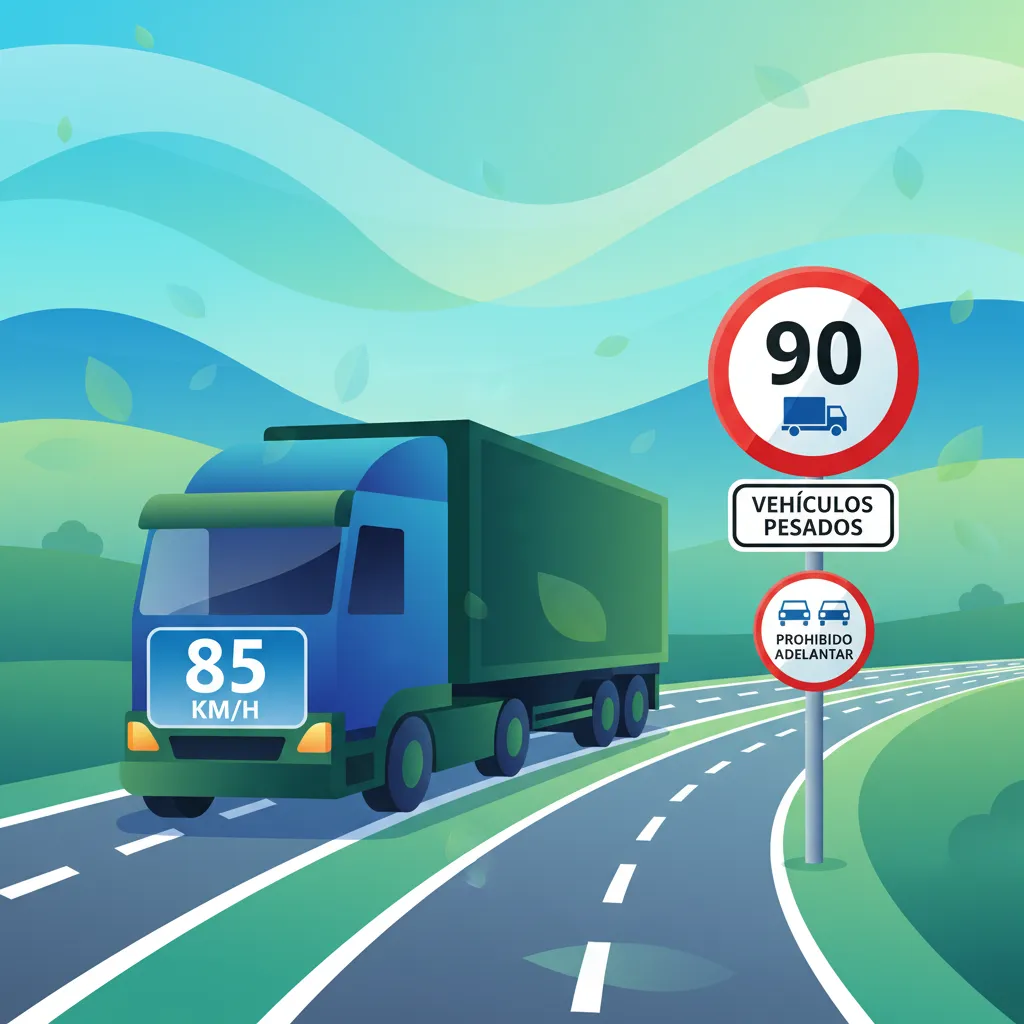
This lesson details the specific legal speed limits that apply to heavy passenger vehicles on Spanish highways, including variable speed zones that adjust based on traffic and weather conditions. Learners will understand the methods for speed monitoring, the function of speed control devices, and the legal consequences of non-compliance. The content also provides guidance on calculating a safe operating speed based on vehicle load and road conditions.
Learn about Spanish DGT regulations concerning gross vehicle weight, axle load limits, and proper load securement. Understand how load distribution impacts truck stability and safe driving.
This lesson covers the critical regulations concerning vehicle weight, including Gross Vehicle Weight (GVW) and individual axle load limits. Learners will understand how to calculate tare weight and maximum payload to avoid overloading. The content also explains how proper weight distribution is essential for vehicle stability, braking efficiency, and minimizing road surface damage.
This lesson explains the physical concept of the center of gravity and its critical importance in heavy vehicle stability. It details how the placement and distribution of cargo can raise or lower the center of gravity, affecting rollover risk and handling. The content also covers factors that contribute to vehicle sway and the principles of load balancing to maintain control during turns and maneuvers.

This lesson provides a detailed breakdown of the maximum permissible length, width, and height for heavy vehicles according to Spanish and EU regulations. It explains how these dimensions are measured and how they affect vehicle classification and route planning. The content emphasizes the critical importance of respecting clearance signs for bridges, tunnels, and other overhead structures to prevent accidents.
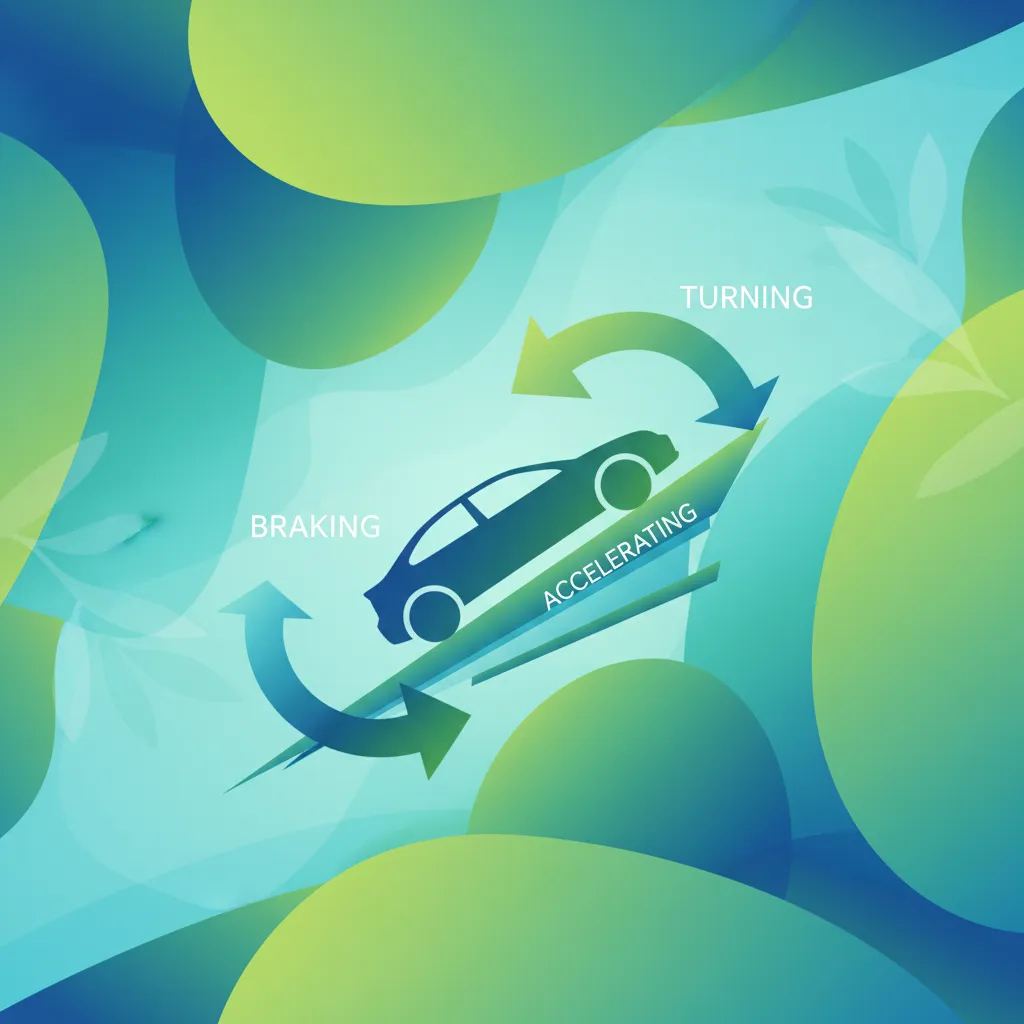
In this lesson, the principles of proper load distribution and maintaining an appropriate center of gravity are explored. It covers how uneven weight can cause trailer sway (snaking) and destabilize the towing vehicle. Learners will be instructed on DGT load limits, proper cargo arrangement, and tie-down methods to ensure safe transport.
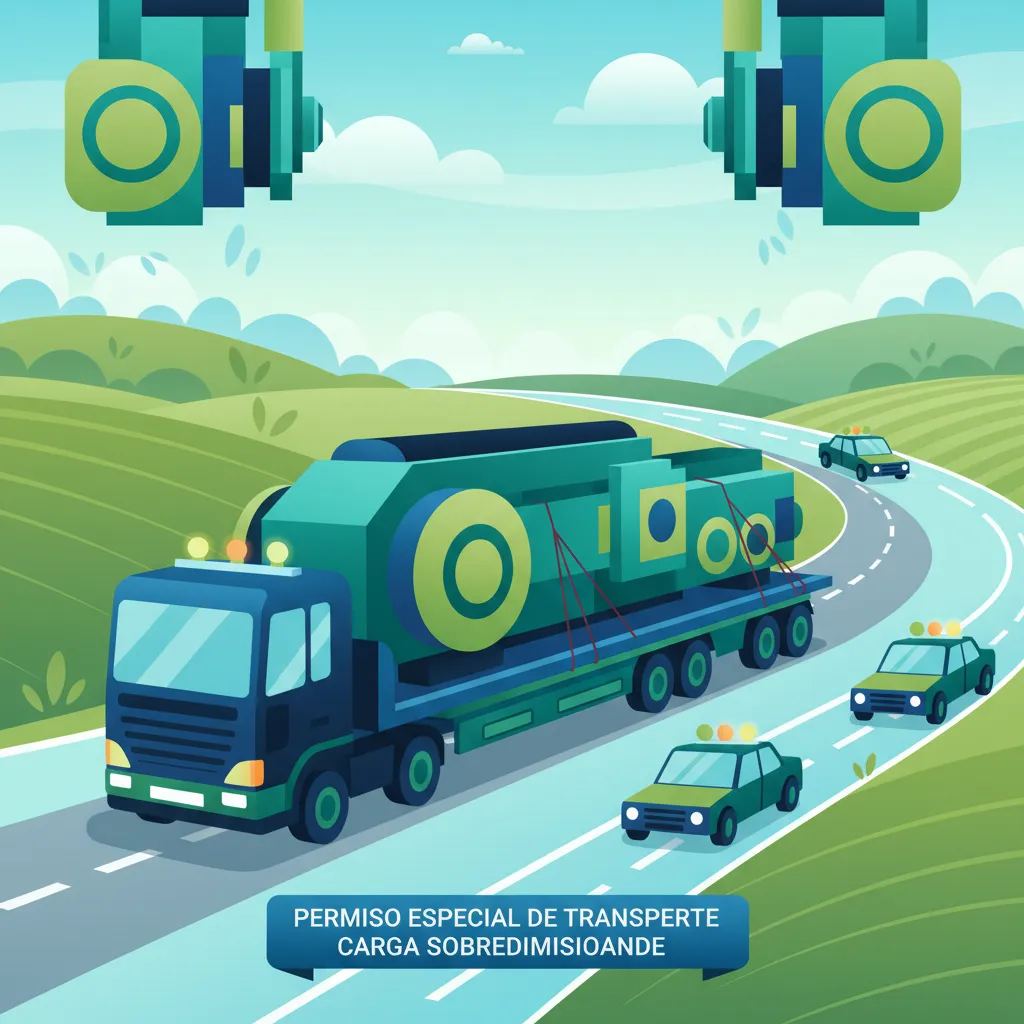
This lesson addresses the special regulations that apply to transporting loads that exceed standard legal dimensions or weight. It explains the process for obtaining the necessary special permits from the DGT and other authorities. The content also covers the requirements for route planning, the use of escort vehicles (pilot cars), and the mandatory signage and lighting for the vehicle.
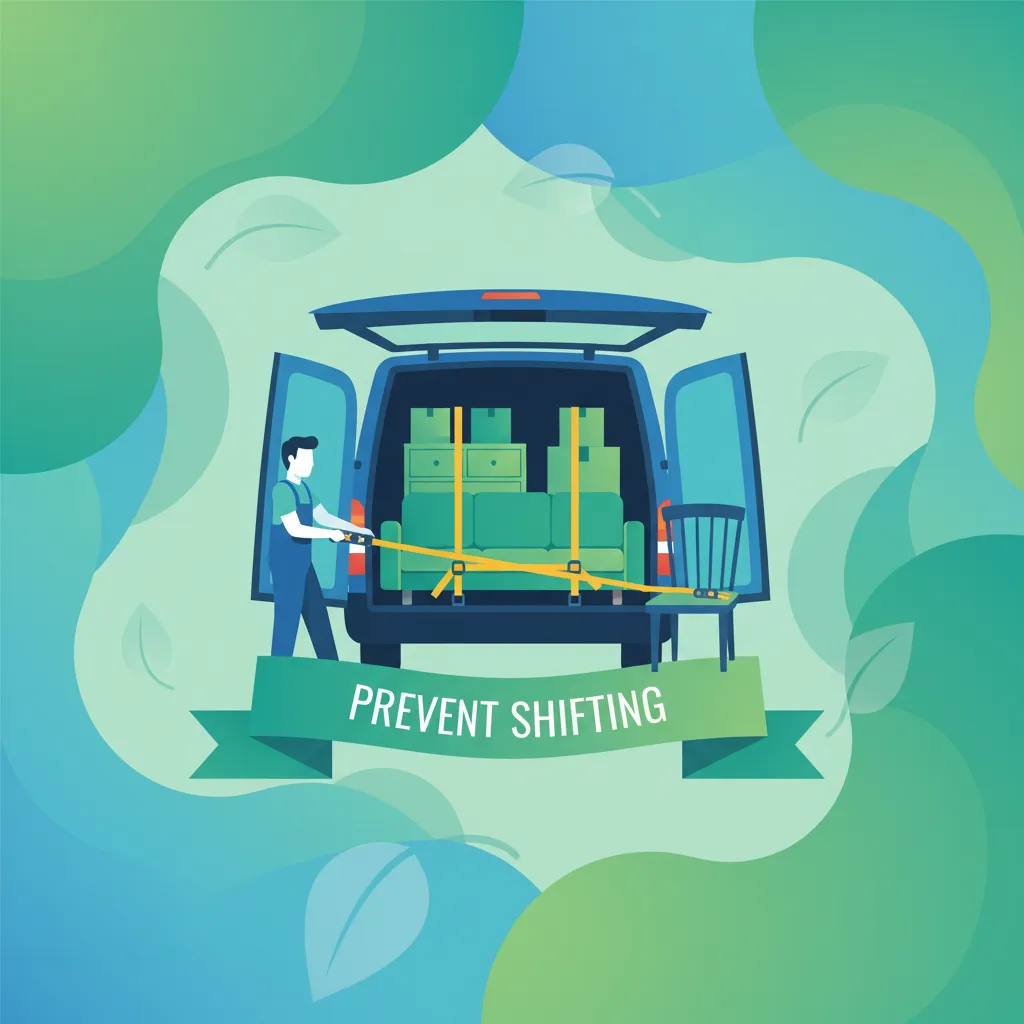
This lesson covers the legal requirements and practical techniques for securing cargo on a commercial vehicle. It details the various types of approved securement equipment, such as straps, chains, and blocking materials. Learners will understand the DGT regulations regarding the number and strength of tie-downs required for different types and weights of cargo to ensure it remains stable.
This lesson explains the critical importance of proper weight distribution and adherence to load limits for buses and coaches, focusing on gross vehicle weight and axle load regulations. It describes how passenger and cargo placement affects the centre of gravity, which in turn influences vehicle stability during acceleration, braking, and cornering. Learners will be taught best practices for load planning to ensure compliance and maintain safe handling.

This lesson focuses on the critical relationship between speed, following distance, and overall traffic safety on highways. It explains how to calculate a safe following distance based on speed and weather conditions, accounting for a truck's longer stopping distance. The content also teaches strategies for managing speed to adapt smoothly to changing traffic flow, enhancing both safety and fuel efficiency.

This lesson provides a broad overview of the key traffic regulations in Spain that directly impact professional truck drivers. It details the rules of priority at intersections, the interpretation of different road markings, and the principles of correct lane discipline. Furthermore, it explains the specific speed limits applicable to heavy vehicles and the legal protocols for safe overtaking and signaling.

This lesson focuses on the core principles of defensive driving as they apply to operating a large truck. It explains the importance of managing the space around the vehicle to create a safety buffer and always having an 'escape route' in mind. The content emphasizes anticipating the actions of other road users and being prepared to react calmly and safely to unexpected situations.
Find clear answers to common questions learners have about Impact of Load on Braking and Acceleration. Learn how the lesson is structured, which driving theory objectives it supports, and how it fits into the overall learning path of units and curriculum progression in Spain. These explanations help you understand key concepts, lesson flow, and exam focused study goals.
While there isn't a fixed percentage increase that applies to all situations, the increase in braking distance is significant and directly proportional to the added mass. A heavier load means greater inertia, requiring more force and distance to slow down or stop the vehicle. You must always assume a longer stopping distance when fully loaded and maintain a safe gap.
Yes, ABS (Anti-lock Braking System) is designed to help maintain steering control during heavy braking by preventing wheel lock-up. However, even with ABS, a heavier load will still result in longer stopping distances. ABS optimises braking but cannot overcome the physical limitations imposed by increased mass and inertia.
A heavier load significantly increases the vehicle's inertia, meaning more force is required to achieve the same rate of acceleration compared to an unladen truck. This translates to slower pick-up speeds, especially from a standstill or when climbing gradients. Drivers must anticipate this and plan their acceleration phases accordingly, particularly when merging or overtaking.
Sway refers to the side-to-side oscillation of a vehicle, often exacerbated by a high center of gravity and poor load distribution. While this lesson focuses on braking and acceleration, it's important to note that an improperly secured or poorly distributed load can also lead to instability and increased sway, impacting overall handling and safety.
Absolutely. When carrying a heavy load, you must drive more defensively. This includes significantly increasing your following distance, reducing your speed, especially on curves and descents, planning your braking well in advance, and being mindful of your acceleration. Always ensure your load is correctly secured as per DGT regulations.
Use our powerful search functionality to pinpoint specific Spanish DGT driving theory practice sets. Filter by road sign categories, traffic law topics, or question difficulty to build custom study sessions and reinforce your knowledge precisely where it matters for your official exam.