
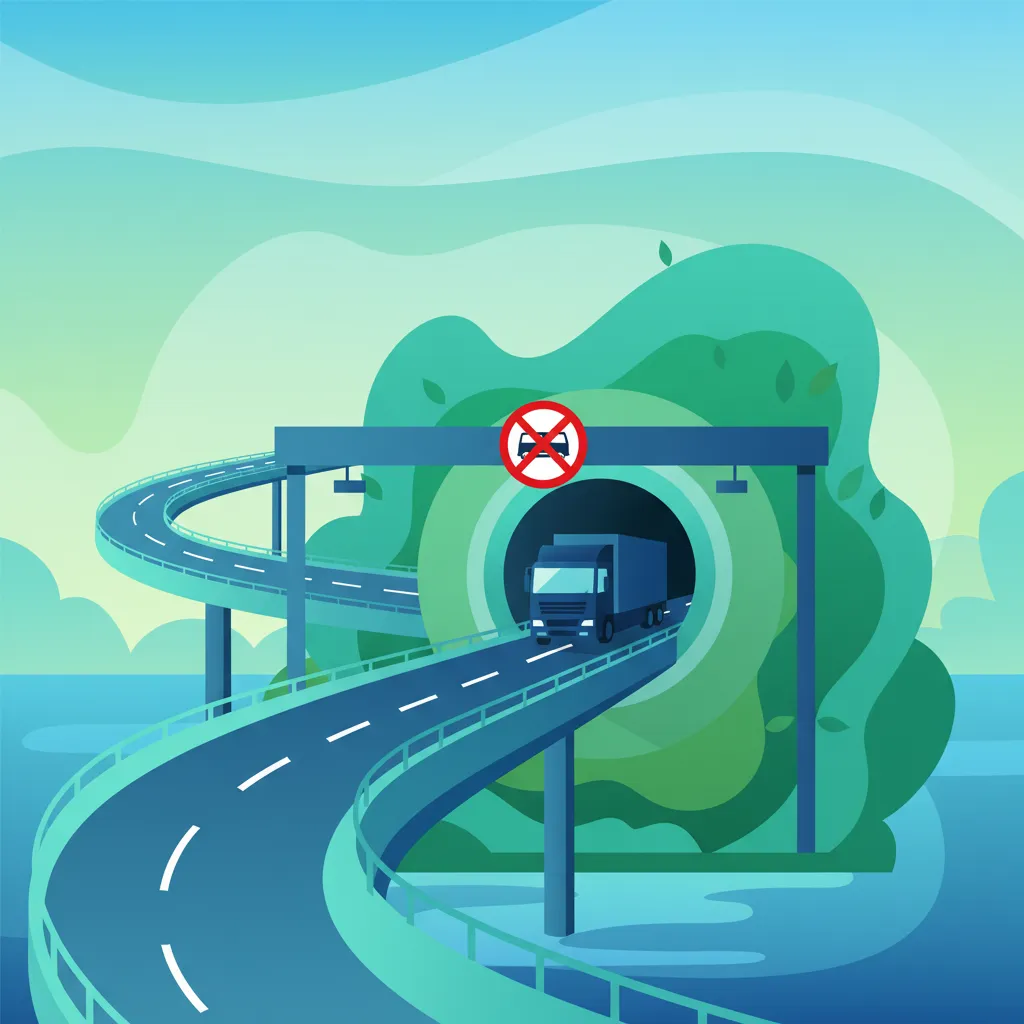
Navigating Spain's roads as a professional truck driver requires a keen understanding of infrastructure limitations. This lesson focuses on the specific restrictions heavy vehicles face on bridges, in tunnels, and within urban areas, covering DGT regulations and practical considerations. It builds on your knowledge of vehicle dimensions and prepares you for critical exam questions.
Lesson content overview
As a professional truck driver holding a Spanish Category C or C1 licence, understanding specific restrictions on public infrastructure and in urban areas is not just a matter of compliance—it's paramount for safety, legal adherence, and protecting valuable infrastructure. This lesson delves into the critical regulations concerning your vehicle's weight and height, as well as municipal rules that govern heavy vehicle access to cities and specific zones.
Non-compliance with these restrictions can lead to severe consequences, including substantial fines, vehicle impoundment, road closures, and even catastrophic accidents or damage to bridges and tunnels. A thorough understanding ensures smooth operations, prevents costly delays, and safeguards both your professional license and public safety.
Professional heavy goods vehicle (HGV) drivers face unique challenges that car drivers do not. The sheer size and weight of trucks, lorries, and articulated vehicles mean they have a significant impact on roads, bridges, and tunnels. Governments and municipalities implement a range of restrictions to mitigate potential damage, manage traffic flow, and protect the environment and public health, especially in densely populated areas.
For Category C and C1 drivers, these restrictions dictate permissible routes, times of travel, and even the type of vehicle allowed in certain areas. Familiarity with these rules is essential for efficient route planning, hazard perception, and maintaining a professional and responsible driving standard. It contributes to preserving the structural integrity of infrastructure, reducing congestion, and improving air quality in urban centers.
Bridges and certain elevated structures are engineered to support a maximum load without compromising their structural integrity. Professional drivers must always be aware of their vehicle's total weight and how it is distributed, ensuring they never exceed the posted limits.
The Maximum Allowable Load (MAL) is the highest total weight a bridge or tunnel is rated to support, typically expressed in tonnes. This limit is determined by engineering standards that consider the bridge's design, materials, age, and condition. Exceeding the MAL can cause structural fatigue, damage, or even a catastrophic collapse, endangering all road users.
Before crossing any bridge, it is the driver's responsibility to verify their vehicle's Gross Vehicle Weight (GVW) against the MAL indicated by road signs. If your vehicle, including its cargo, exceeds this limit, you must seek an alternative route. Route planning software specifically designed for HGVs often incorporates these restrictions to help drivers avoid non-compliant paths.
To comply with weight restrictions, you must first understand the components of your vehicle's total weight:
The weight of the vehicle itself when empty, without any cargo, passengers, or significant fuel.
The total weight of the vehicle, including its tare weight, the weight of the cargo, passengers, and fuel. This is the weight that must not exceed the Maximum Allowable Load (MAL) of a bridge.
It is a common misunderstanding to assume that the posted limit applies only to the cargo's weight, neglecting the vehicle's empty weight. Always remember that the GVW is the figure that counts. For example, if your truck has a tare weight of 12 tonnes and you load 5 tonnes of cargo, your GVW is 17 tonnes. If a bridge has a 15-tonne limit, you would be exceeding it.
Beyond the overall GVW, many bridges and road sections also have specific axle load limits. This refers to the maximum weight permitted on a single axle or a group of axles. Proper axle load distribution is crucial because concentrated weight on one axle can cause localized stress on the bridge structure, even if the overall GVW is within limits.
When loading cargo, it is vital to distribute the weight as evenly as possible across all axles to prevent overloading any individual axle. Overloading a single axle can lead to premature wear on vehicle components (like tires and brakes), affect vehicle handling and stability, and damage the road surface or bridge structure. Drivers should calculate or estimate their axle loads before embarking on a journey that includes bridges with specific axle load signage.
Just as bridges have weight limits, tunnels and underpasses have vertical clearance limits (VCL) to prevent collisions between vehicles and the structure. These restrictions are critical for maintaining safety and preventing significant damage to both the vehicle and the infrastructure.
The Vertical Clearance Limit (VCL) is the maximum height a vehicle can have, including its load, to safely pass through a tunnel or under a bridge or overpass. These limits are prominently displayed on road signs, usually in meters, well in advance of the restriction point. It is imperative for drivers to know their vehicle's exact height, especially when loaded.
Fixed upper limits are permanent structures, while variable limits might be in place during road works or with movable barriers. Always assume the lowest posted limit is the correct one. Neglecting this crucial information can lead to severe accidents, such as a truck "canning" a bridge or tunnel, causing structural damage, traffic chaos, and potential injuries.
Several factors can influence your vehicle's overall height:
Always measure your vehicle's height, including its highest point with the load, before embarking on a route with known height restrictions. This measurement should be regularly checked and communicated to all drivers operating the vehicle.
Attempting to "squeeze" a vehicle under a height restriction is extremely dangerous and illegal. The consequences can range from structural damage to the vehicle and infrastructure to serious injury or death.
Urban centers across Spain implement a variety of regulations to manage the environmental impact, noise, traffic flow, and safety concerns associated with heavy vehicles. These Municipal Access Restrictions (MAR) are crucial for professional drivers to understand.
Municipalities have the authority to impose local rules that limit the entry of heavy vehicles into specific urban zones. These restrictions can be based on several factors:
Low-Emission Zones (LEZs) are designated urban areas where only vehicles meeting specific emission standards are allowed to circulate. These zones are established to improve air quality and public health by reducing pollutants such as nitrogen oxides (NOx) and particulate matter.
In Spain, many major cities like Madrid and Barcelona have implemented or are in the process of implementing LEZs. Vehicles are typically categorized based on their Euro emission standard (e.g., Euro V, Euro VI). Heavy trucks without the required emission classification are often prohibited from entering LEZs or may be required to pay an access fee or obtain a temporary permit. It's essential for drivers to know their vehicle's emission class and to check the specific requirements of any LEZ on their route.
Many urban areas manage commercial deliveries through strict delivery windows. These are specific periods, often in the early morning or late evening, during which heavy vehicles are allowed to enter city centers or designated zones for deliveries. This strategy aims to minimize disruption during peak traffic hours.
Drivers must meticulously plan their routes and schedules to arrive within these permitted windows. Arriving outside these times can lead to fines, forced rerouting, and significant delays for your operations. Some municipalities may offer limited exceptions or special permits for urgent deliveries outside standard windows, but these are rare and usually require prior application.
In some cases, if a heavy vehicle does not meet the standard LEZ requirements or needs to access a restricted area outside designated hours, a special permit (acceso) may be required. These permits are typically issued by local municipal authorities and often have specific conditions, such as limited validity periods, designated routes, or a requirement to pay a fee.
It's crucial not to assume that a permit exempts a driver from all rules; permits often come with their own set of restrictions. Always verify the exact conditions and validity of any permit before relying on it for access. Emergency services vehicles generally have exemptions from most urban access restrictions, but this does not extend to general commercial vehicles, even in minor emergencies.
Compliance with heavy vehicle restrictions is not merely a suggestion; it is a legal obligation enforced by the Dirección General de Tráfico (DGT) and local municipal authorities in Spain. Violations carry significant penalties designed to deter non-compliance and ensure safety and infrastructure protection.
Spanish traffic law, including various DGT Regulations and Municipal Ordinances, mandates strict adherence to all posted weight, height, and access restrictions. These regulations are periodically updated, so professional drivers must stay informed about the latest requirements. Key rules for Category C and C1 vehicles include:
Violations of these regulations can result in substantial fines, ranging from minor to severe, depending on the extent of the infringement and the potential danger caused. For instance, significantly exceeding weight limits can lead to high fines and even the immobilization or impoundment of the vehicle until the excess load is removed.
Collisions due to exceeding height limits can result in charges for obstruction, damage to public property, and fines, alongside potential insurance implications. Driving in restricted urban areas or LEZs without proper authorization or meeting emission standards also incurs fines, which can vary by municipality. Repeated offenses can lead to points deducted from the driver's license or even temporary suspension of professional driving privileges.
To avoid legal penalties and ensure safe operations, professional drivers must integrate awareness of these restrictions into their daily routine:
Verify Vehicle Dimensions: Confirm the current height, length, and width of your vehicle, especially after any load changes or trailer configurations.
Calculate GVW and Axle Loads: Accurately determine your Gross Vehicle Weight and ensure proper axle load distribution.
Route Planning with Restrictions: Utilize specialized HGV navigation systems that incorporate height, weight, and urban access restrictions. Plan alternative routes for non-compliant zones.
Check Urban Access Rules: Review the specific Municipal Access Restrictions and LEZ requirements for your destination and any transit cities.
Obtain Necessary Permits: Secure any required permits for LEZ entry or special urban access in advance.
Inspect Signage: Always remain vigilant for posted road signs indicating upcoming restrictions, as these can change due to road works or temporary measures.
Modern HGV navigation systems often feature selectable vehicle profiles where you can input your truck's dimensions and weight, allowing the system to automatically generate compliant routes. Always keep these profiles updated.
Understanding restrictions goes beyond simply reading signs. Professional drivers must also consider how environmental factors, temporary changes, and specific contexts can influence compliance.
Weather can introduce additional complexities to navigating restricted areas:
Drivers should exercise extra caution and potentially avoid crossing if severe weather conditions compromise safety, even if the static dimensions suggest compliance.
Construction zones or areas undergoing road maintenance often implement temporary restrictions that supersede permanent signage. These can include:
Always pay close attention to temporary yellow or orange signage, as these override standard regulations.
Sometimes, restriction signs may be accompanied by supplementary plates that add context or conditions. For example, a "No Heavy Vehicles" sign might have a plate reading "Except for Local Deliveries" or "06:00-10:00". Understanding these nuances is key to correct interpretation. Road markings might also indicate dedicated lanes for specific vehicle types or offer warnings for upcoming restrictions.
It's a common misconception that all vehicles can bypass restrictions in "emergencies." While authorized emergency services (e.g., ambulances, fire engines, police vehicles) typically have exemptions when responding to an emergency, this does not apply to commercial heavy vehicles in general. Even if you encounter an unexpected problem or a sudden urgent delivery, you are still bound by the posted restrictions. Attempting to misuse an emergency exception can lead to severe legal penalties.
The enforcement of restrictions on bridges, tunnels, and urban areas serves several critical purposes:
By understanding and adhering to these rules, professional drivers contribute significantly to public safety, environmental sustainability, and the efficient operation of Spain's transportation network.
This lesson covers the critical restrictions professional truck drivers face when operating in Spain, focusing on bridge weight limits, tunnel height restrictions, and urban access rules. Key concepts include the difference between Tare Weight and Gross Vehicle Weight (GVW), how Maximum Allowable Load (MAL) applies to bridges, and Vertical Clearance Limits (VCL) for tunnels. Drivers must understand Municipal Access Restrictions (MAR) including time-based delivery windows and Low-Emission Zone (LEZ) requirements based on Euro emission standards. The lesson emphasizes that axle load distribution matters independently of total weight, and that unauthorized emergency exceptions do not apply to commercial vehicles. Compliance with DGT regulations protects infrastructure, avoids substantial fines, and maintains professional driving standards.
A short set of high-value points that capture the most important learning from this lesson.
Gross Vehicle Weight (GVW) is the total you must compare against Maximum Allowable Load (MAL) on bridge signs, not just cargo weight alone.
Vertical Clearance Limit (VCL) applies to your vehicle including all loads and mounted equipment, not just the cab height.
Low-Emission Zones (LEZs) restrict entry based on your vehicle's Euro emission classification, not just size or weight.
Municipal Access Restrictions (MAR) can impose time-based delivery windows that require advance route planning.
Axle load distribution matters independently of total weight—overloading a single axle can damage bridges even if GVW is compliant.
Explore all units and lessons included in this driving theory course.
Bridge weight signs (R-200) require comparing your GVW against the posted limit; axle weight signs (R-202) check individual axle loads.
Height restriction signs (R-203) are displayed well in advance; always allow a safety margin for road surface variations.
Emergency vehicle exemptions do not apply to general commercial heavy vehicles, even for urgent deliveries.
Tare Weight is the empty vehicle weight; GVW includes tare weight plus cargo, fuel, and passengers.
Time-based delivery windows are enforced in many Spanish cities; arriving outside permitted hours can result in fines and delays.
Assuming the posted weight limit applies only to cargo, forgetting to include the vehicle's tare weight in GVW calculations.
Not checking external equipment mounted on the cab roof (air conditioning, lights) when measuring total vehicle height.
Assuming a special permit exempts you from all restrictions; permits often come with their own specific conditions.
Neglecting to account for reduced clearance during road works or temporary construction zone signage.
Confusing general prohibited entry signs (R-100) with specific vehicle restrictions; always read supplementary plates.
Lesson content overview
A short set of high-value points that capture the most important learning from this lesson.
Gross Vehicle Weight (GVW) is the total you must compare against Maximum Allowable Load (MAL) on bridge signs, not just cargo weight alone.
Vertical Clearance Limit (VCL) applies to your vehicle including all loads and mounted equipment, not just the cab height.
Low-Emission Zones (LEZs) restrict entry based on your vehicle's Euro emission classification, not just size or weight.
Municipal Access Restrictions (MAR) can impose time-based delivery windows that require advance route planning.
Axle load distribution matters independently of total weight—overloading a single axle can damage bridges even if GVW is compliant.
Explore all units and lessons included in this driving theory course.
Bridge weight signs (R-200) require comparing your GVW against the posted limit; axle weight signs (R-202) check individual axle loads.
Height restriction signs (R-203) are displayed well in advance; always allow a safety margin for road surface variations.
Emergency vehicle exemptions do not apply to general commercial heavy vehicles, even for urgent deliveries.
Tare Weight is the empty vehicle weight; GVW includes tare weight plus cargo, fuel, and passengers.
Time-based delivery windows are enforced in many Spanish cities; arriving outside permitted hours can result in fines and delays.
Assuming the posted weight limit applies only to cargo, forgetting to include the vehicle's tare weight in GVW calculations.
Not checking external equipment mounted on the cab roof (air conditioning, lights) when measuring total vehicle height.
Assuming a special permit exempts you from all restrictions; permits often come with their own specific conditions.
Neglecting to account for reduced clearance during road works or temporary construction zone signage.
Confusing general prohibited entry signs (R-100) with specific vehicle restrictions; always read supplementary plates.
Explore search topics learners often look for when studying Restrictions on Bridges, Tunnels, and Urban Areas. These topics reflect common questions about road rules, driving situations, safety guidance, and lesson level theory preparation for learners in Spain.
Browse additional driving theory lessons that cover connected traffic rules, road signs, and common driving situations related to this topic. Improve your understanding of how different rules interact across everyday traffic scenarios.
Learn about municipal access rules for HGVs in Spanish cities, including low-emission zones (LEZ), time-based delivery windows, and specific road category restrictions for Category C and C1 drivers.
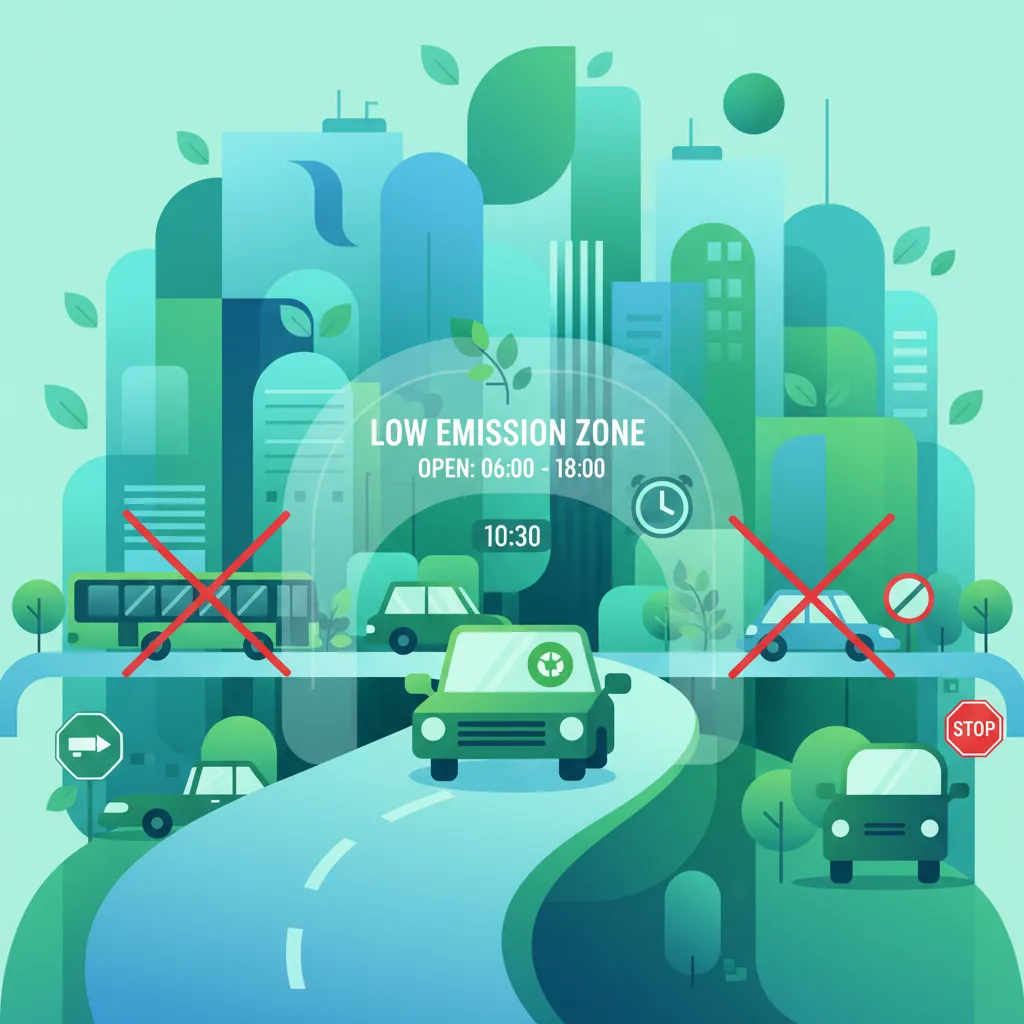
This lesson explains the various access restrictions that trucks face in modern cities. It covers the rules and requirements for entering low-emission zones (LEZ), including necessary vehicle standards and permits. The content also details time-window restrictions, where deliveries are only permitted during specific hours of the day to reduce congestion, requiring careful logistical planning.
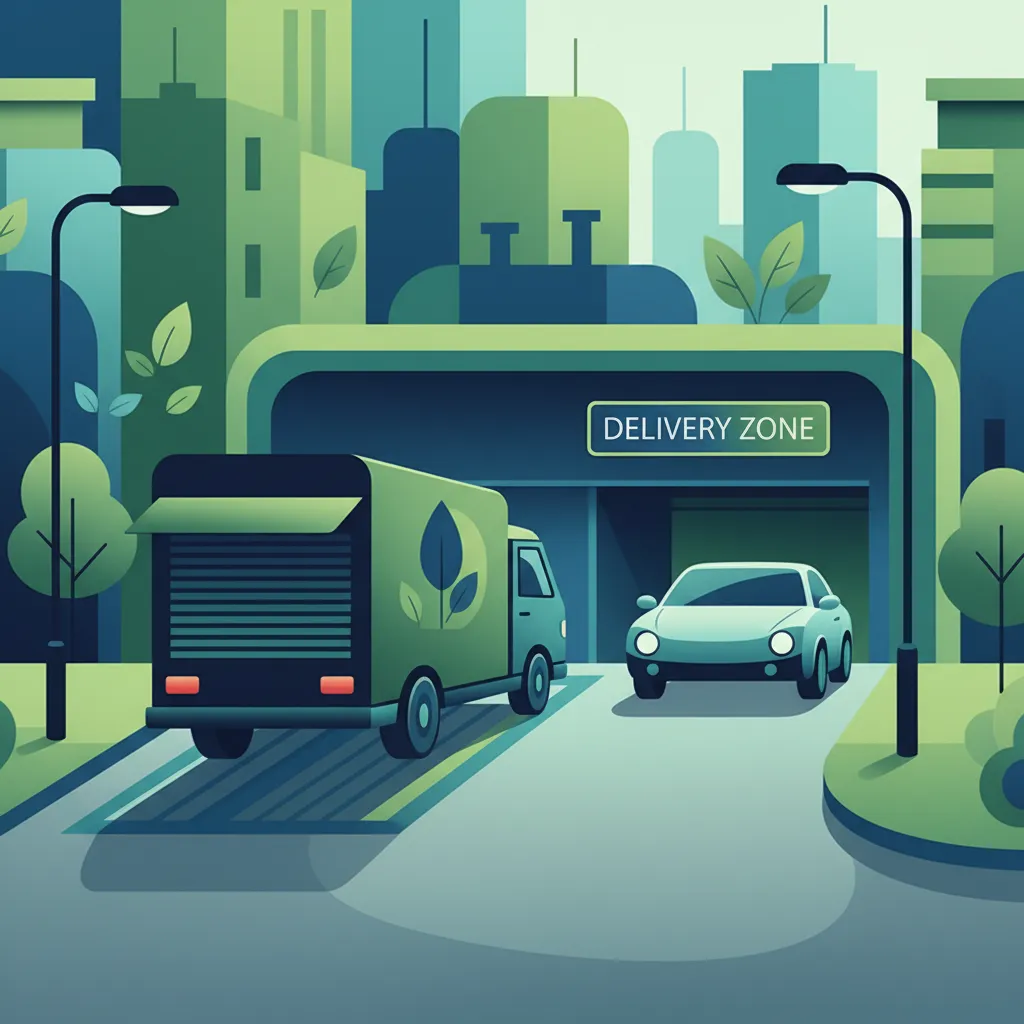
This lesson provides guidance on the practical aspects of parking and making deliveries in urban areas. It covers the techniques for safely maneuvering into and out of loading docks and designated delivery zones, which often involves precise reversing. The content also explains the specific parking regulations that apply to commercial vehicles and best practices for ensuring safety during loading and unloading.
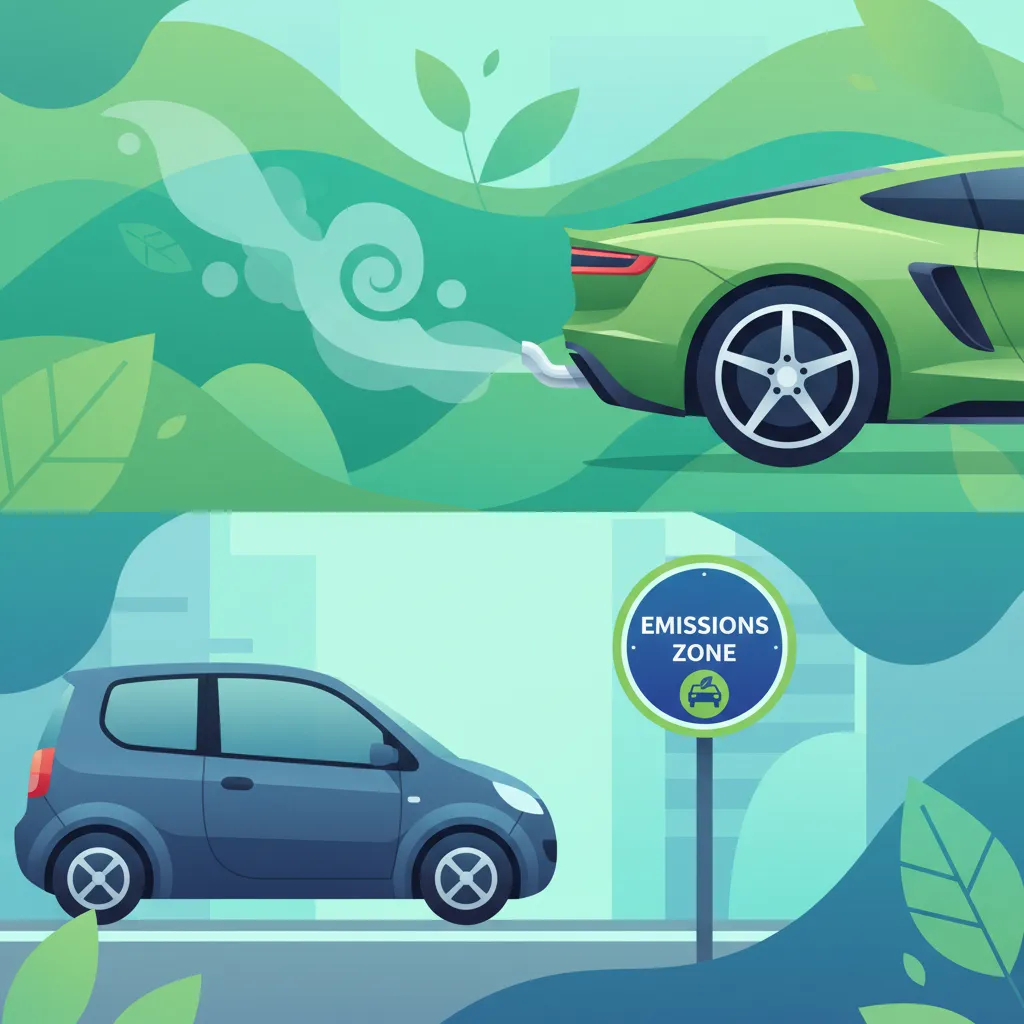
This lesson details the environmental regulations affecting mopeds, including limits on exhaust emissions and noise levels. It explains the concept of low-emission zones (ZBE/LEZ) in major Spanish cities and the requirement for an environmental sticker to gain access. Learners will also be introduced to eco-driving principles, such as smooth acceleration and avoiding unnecessary idling, to minimize fuel consumption and pollution.
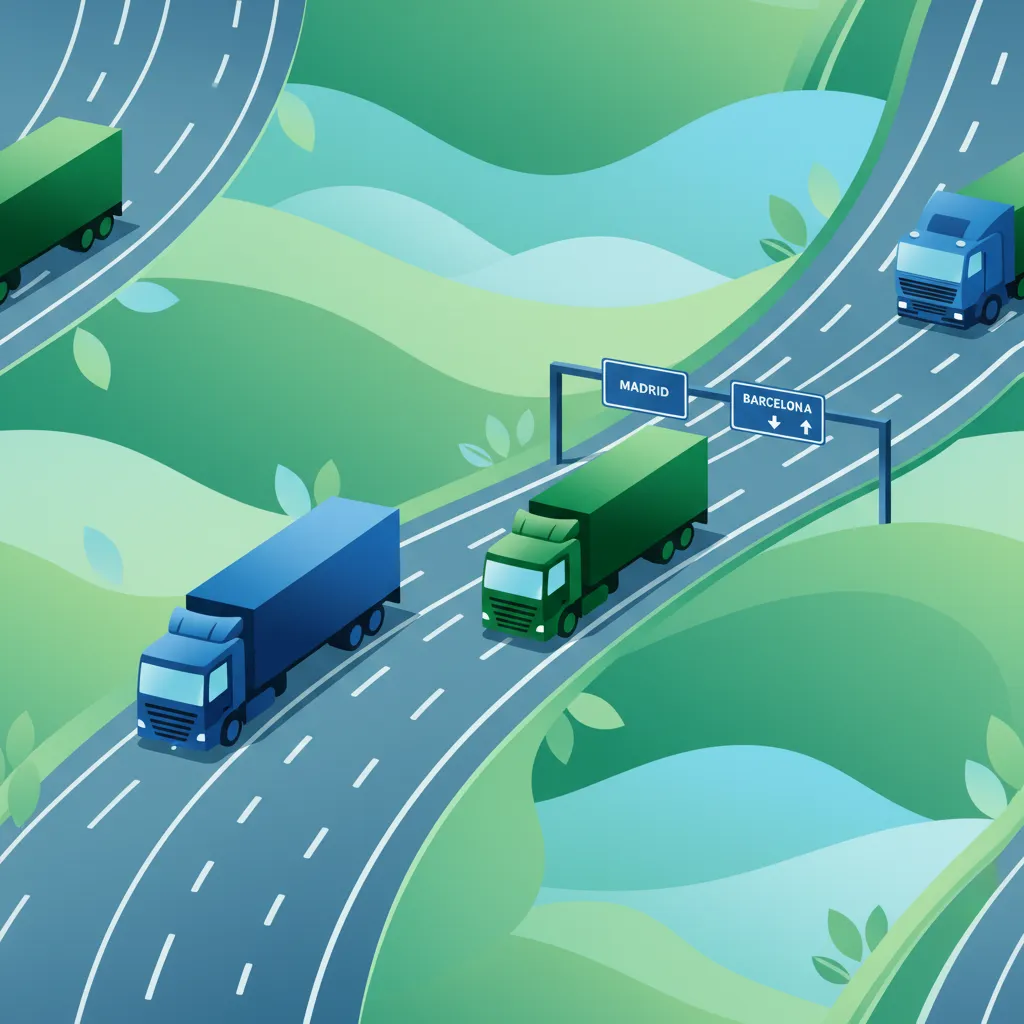
This lesson explains the specific legal framework governing truck operations on Spain's high-speed road network. It details the different speed limits for trucks on autovías versus autopistas and the regulations regarding which lanes heavy vehicles are permitted to use. Learners will also understand how to interpret specific highway signage relevant to commercial vehicles and any applicable toll regulations.

This lesson introduces the different fuel types available and their environmental implications, including gasoline, diesel, and hybrid systems. It explains the specific emissions standards (Euro) applicable in Spain and the concept of low-emission zones (ZBE). Learners will understand the regulatory requirements for vehicles in these areas and strategies for reducing fuel consumption through eco-driving.
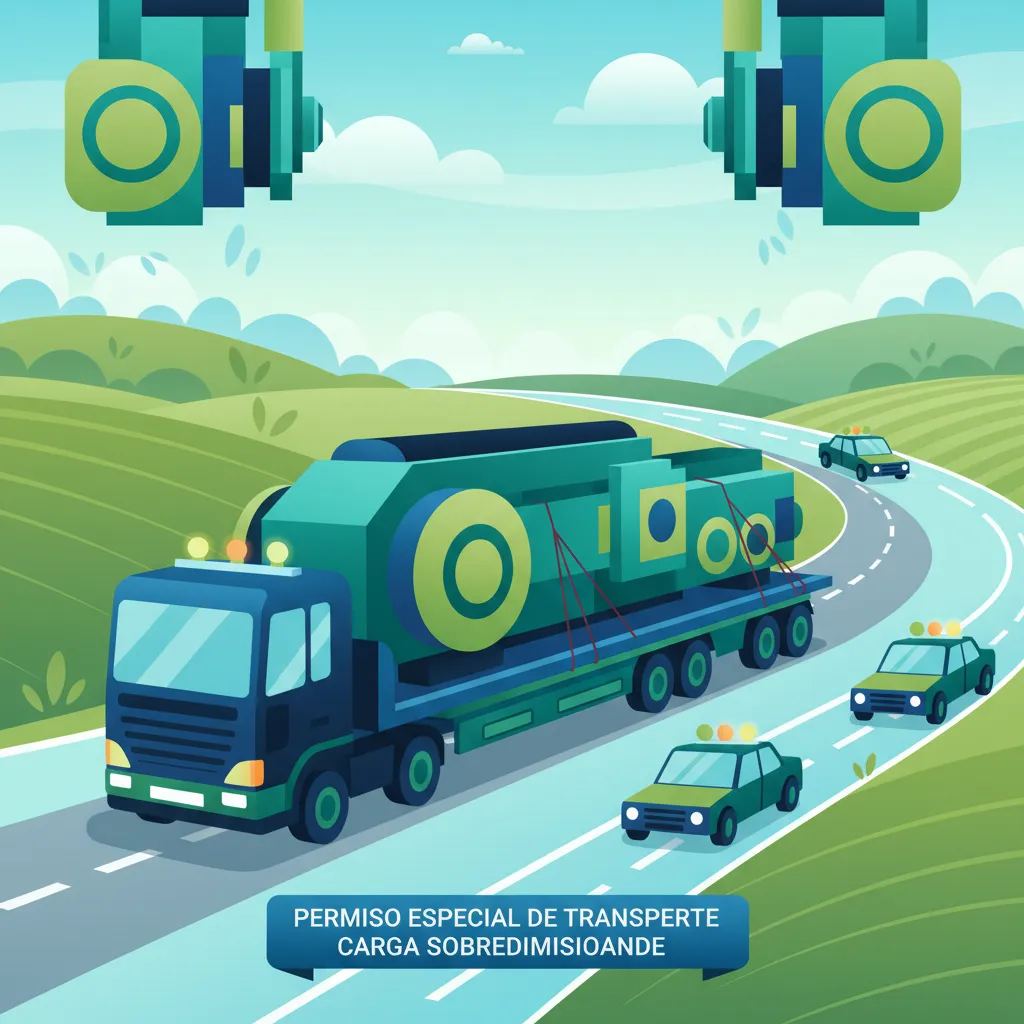
This lesson addresses the special regulations that apply to transporting loads that exceed standard legal dimensions or weight. It explains the process for obtaining the necessary special permits from the DGT and other authorities. The content also covers the requirements for route planning, the use of escort vehicles (pilot cars), and the mandatory signage and lighting for the vehicle.
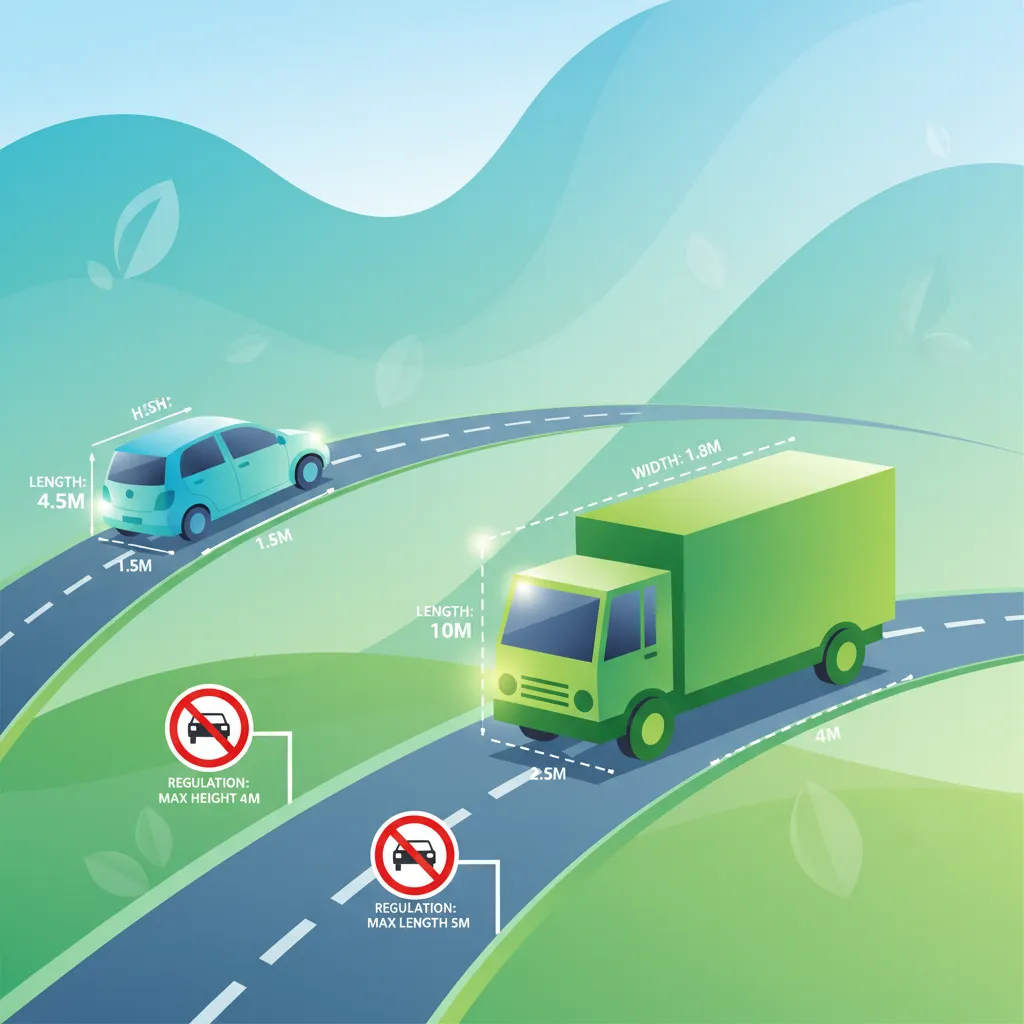
This lesson provides a detailed breakdown of the maximum permissible length, width, and height for heavy vehicles according to Spanish and EU regulations. It explains how these dimensions are measured and how they affect vehicle classification and route planning. The content emphasizes the critical importance of respecting clearance signs for bridges, tunnels, and other overhead structures to prevent accidents.
Understand critical Spanish driving theory for heavy goods vehicles: master bridge weight limits (MAL), axle load distribution, and tunnel vertical clearance limits (VCL) to ensure safe passage.
This lesson provides a detailed breakdown of the maximum permissible length, width, and height for heavy vehicles according to Spanish and EU regulations. It explains how these dimensions are measured and how they affect vehicle classification and route planning. The content emphasizes the critical importance of respecting clearance signs for bridges, tunnels, and other overhead structures to prevent accidents.
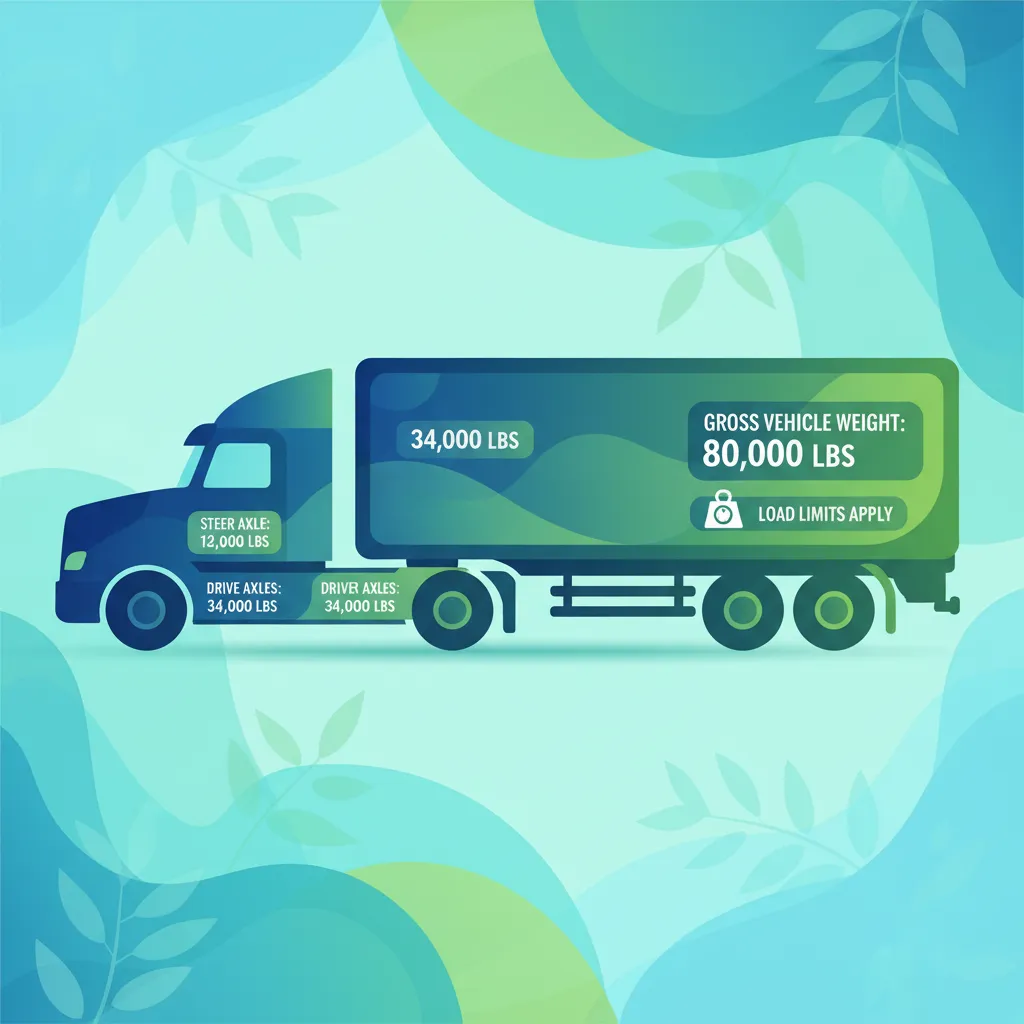
This lesson covers the critical regulations concerning vehicle weight, including Gross Vehicle Weight (GVW) and individual axle load limits. Learners will understand how to calculate tare weight and maximum payload to avoid overloading. The content also explains how proper weight distribution is essential for vehicle stability, braking efficiency, and minimizing road surface damage.
This lesson addresses the special regulations that apply to transporting loads that exceed standard legal dimensions or weight. It explains the process for obtaining the necessary special permits from the DGT and other authorities. The content also covers the requirements for route planning, the use of escort vehicles (pilot cars), and the mandatory signage and lighting for the vehicle.
This lesson explains the specific legal framework governing truck operations on Spain's high-speed road network. It details the different speed limits for trucks on autovías versus autopistas and the regulations regarding which lanes heavy vehicles are permitted to use. Learners will also understand how to interpret specific highway signage relevant to commercial vehicles and any applicable toll regulations.
This lesson focuses on the critical relationship between speed, following distance, and overall traffic safety on highways. It explains how to calculate a safe following distance based on speed and weather conditions, accounting for a truck's longer stopping distance. The content also teaches strategies for managing speed to adapt smoothly to changing traffic flow, enhancing both safety and fuel efficiency.
This lesson provides a broad overview of the key traffic regulations in Spain that directly impact professional truck drivers. It details the rules of priority at intersections, the interpretation of different road markings, and the principles of correct lane discipline. Furthermore, it explains the specific speed limits applicable to heavy vehicles and the legal protocols for safe overtaking and signaling.
This lesson explains the various access restrictions that trucks face in modern cities. It covers the rules and requirements for entering low-emission zones (LEZ), including necessary vehicle standards and permits. The content also details time-window restrictions, where deliveries are only permitted during specific hours of the day to reduce congestion, requiring careful logistical planning.
This lesson explains the critical importance of proper weight distribution and adherence to load limits for buses and coaches, focusing on gross vehicle weight and axle load regulations. It describes how passenger and cargo placement affects the centre of gravity, which in turn influences vehicle stability during acceleration, braking, and cornering. Learners will be taught best practices for load planning to ensure compliance and maintain safe handling.
Find clear answers to common questions learners have about Restrictions on Bridges, Tunnels, and Urban Areas. Learn how the lesson is structured, which driving theory objectives it supports, and how it fits into the overall learning path of units and curriculum progression in Spain. These explanations help you understand key concepts, lesson flow, and exam focused study goals.
A bridge weight limit specifies the maximum total mass your truck can have to safely cross a bridge, preventing structural damage. A tunnel height restriction dictates the maximum vertical clearance, ensuring your truck does not collide with the tunnel ceiling. Both are critical for safe passage and avoiding fines in Spain.
Look for official traffic signs. Warning signs will indicate height limits (often with a truck icon and measurement in meters) and weight limits (usually a number followed by 't' for tonnes or 'kg'). Pay close attention to signs before approaching these structures.
Cities often have restrictions like Low Emission Zones (ZBE) requiring specific emissions standards, time windows for deliveries (e.g., only between 7 AM and 7 PM), weight or size limits for certain streets, or complete prohibitions on larger vehicles in pedestrian areas. Always check local signage and municipal regulations.
Focus on interpreting signs, understanding the DGT rules for vehicle dimensions and weights, and recognizing common urban access limitations. The exam will present scenarios testing your ability to identify prohibited routes or necessary actions based on these restrictions.
Never attempt to pass if your vehicle exceeds the stated limit. Safely find an alternative route. This might involve using a different road, exiting the highway, or waiting for a permitted time window if it's an urban delivery restriction. Your route planning must account for potential obstacles.
Use our powerful search functionality to pinpoint specific Spanish DGT driving theory practice sets. Filter by road sign categories, traffic law topics, or question difficulty to build custom study sessions and reinforce your knowledge precisely where it matters for your official exam.