
Welcome to the 'Engine and Fuel System Fundamentals' lesson, a key part of Unit 3: Motorcycle Controls & Mechanics for your Spanish A, A1, A2 licence exam. Understanding how your motorcycle's engine and fuel systems work is crucial not only for the theory test but also for safe and efficient riding. This lesson will break down the core components and processes, ensuring you're well-prepared for both.
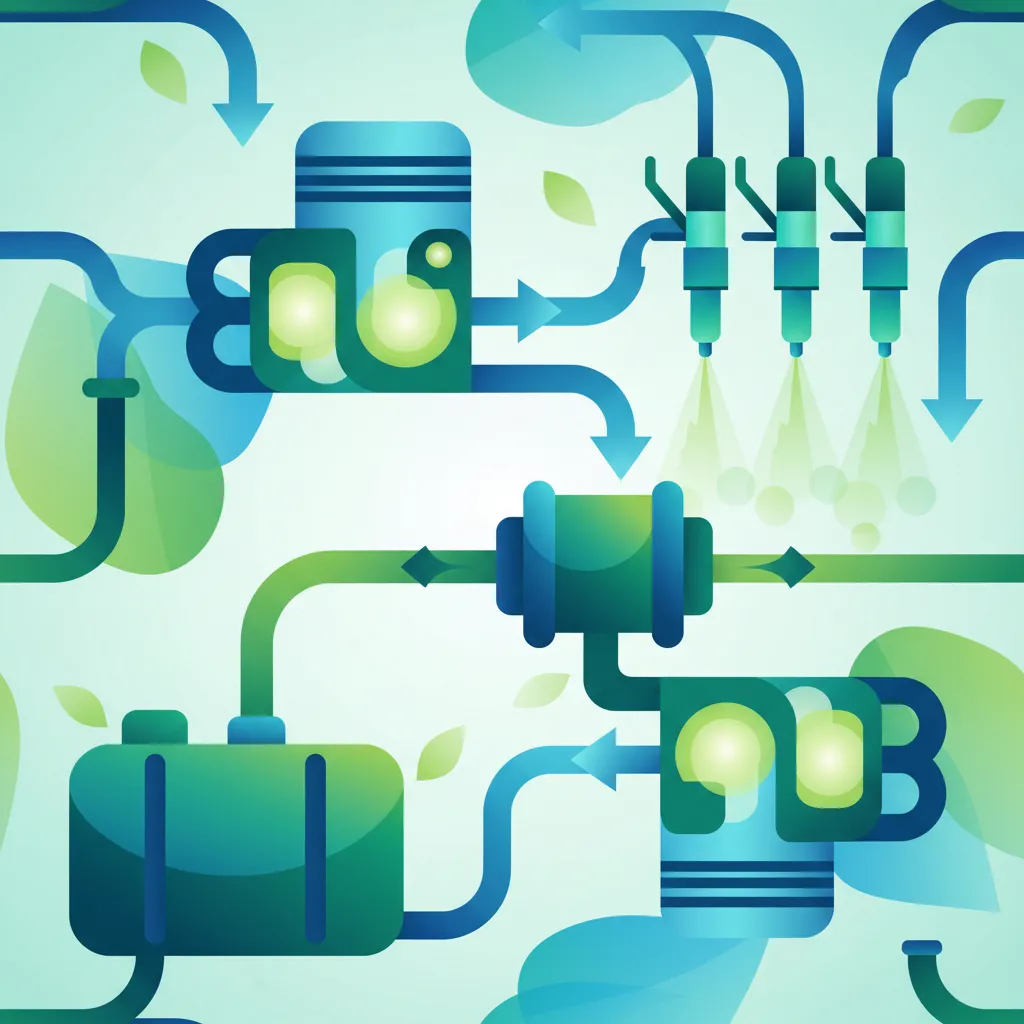
Lesson content overview
Operating a motorcycle safely and efficiently requires a foundational understanding of its mechanical heart: the engine and its associated fuel system. This knowledge not only enhances your riding experience but also ensures compliance with Spanish traffic laws and environmental regulations. From the precise combustion sequence that generates power to the sophisticated systems that manage heat and emissions, every component plays a crucial role in your motorcycle's performance and longevity.
This lesson delves into the inner workings of a typical four-stroke motorcycle engine, explaining how fuel is transformed into kinetic energy. We will explore various fuel delivery methods, critical engine management systems, and the essential maintenance practices that keep your motorcycle running smoothly, all while adhering to the standards set for A, A1, and A2 licence holders in Spain.
Most modern motorcycles utilize a four-stroke engine, a sophisticated mechanism that converts the chemical energy stored in fuel into mechanical power through a repetitive sequence of four distinct piston movements, or "strokes." This cycle is the foundation of how your motorcycle accelerates, maintains speed, and even decelerates through engine braking. Understanding these phases helps riders anticipate power delivery and engine response.
The four-stroke cycle begins with the intake stroke. As the piston moves downward from the top of the cylinder (Top Dead Centre, TDC), the intake valve opens. This downward motion creates a vacuum inside the cylinder, drawing in a precisely mixed charge of air and fuel from the intake manifold. The efficiency of this process is crucial for subsequent combustion.
Once the piston reaches the bottom of its travel (Bottom Dead Centre, BDC) and the cylinder is filled with the air-fuel mixture, the intake valve closes. The piston then begins its upward journey towards TDC, compressing the mixture. This compression significantly increases the pressure and temperature of the air-fuel charge, making it highly volatile and ready for ignition.
Just before the piston reaches TDC on the compression stroke, the spark plug fires, igniting the compressed air-fuel mixture. The rapid combustion causes a sudden and dramatic increase in pressure, forcefully pushing the piston back down towards BDC. This powerful downward motion is the moment the engine generates usable power, which is then transmitted through the crankshaft to the gearbox and ultimately to the rear wheel, propelling the motorcycle forward. This is the primary stroke felt by the rider as acceleration.
After the power stroke, as the piston begins to move back up from BDC towards TDC, the exhaust valve opens. This upward motion of the piston expels the spent combustion gases (exhaust) from the cylinder, through the exhaust port, and into the exhaust system. Once the piston reaches TDC, the exhaust valve closes, and the entire cycle can begin again with a fresh intake of air and fuel. This phase, along with compression, contributes to engine braking when the throttle is closed.
The primary role of the fuel delivery system is to accurately mix fuel with air, creating the optimal Air-Fuel Ratio (AFR) for combustion. Motorcycles employ two main types of systems for this task: carburetors and electronic fuel injection. Each has distinct characteristics that affect performance, fuel economy, and emissions.
A carburetor is a mechanical device that mixes air and fuel using the vacuum created by the engine's intake stroke. It operates on the principle of a venturi, a constricted section in the airflow path that increases air velocity and reduces pressure. This lower pressure draws fuel from a float chamber through precisely sized openings called jets, atomizing it into the incoming air.
Carburetors feature a throttle valve that the rider controls to regulate airflow and, consequently, the amount of fuel delivered. While simpler in design, carburetor performance can be sensitive to changes in altitude, temperature, and humidity, often requiring manual adjustments (known as "jetting") for optimal performance in varying conditions. Some older or smaller displacement motorcycles, particularly those for A1 licences, might still use carburetors.
Modern motorcycles, especially those designed for A and A2 licences, predominantly use Electronic Fuel Injection (EFI) systems. EFI is a highly sophisticated electronic system that precisely meters and injects fuel directly into the intake manifold or, in some advanced designs, directly into the cylinder. It relies on a network of sensors that monitor various engine parameters, such as air pressure (MAP sensor), airflow (MAF sensor), throttle position, and engine temperature.
An Electronic Control Unit (ECU) processes data from these sensors and calculates the exact amount of fuel required for optimal combustion. This precise control allows for much faster throttle response, improved fuel economy, and significantly reduced emissions compared to carburetors. EFI systems can automatically adapt to changes in atmospheric conditions and engine load, ensuring consistent performance. Faults in an EFI system are often indicated by a warning light on the dashboard and can be diagnosed by reading fault codes via an On-Board Diagnostics (OBD) port.
Regardless of whether a carburetor or fuel injection system is used, the goal is to achieve the ideal Air-Fuel Ratio (AFR). This ratio represents the mass of air to the mass of fuel in the combustion mixture. For gasoline engines, the chemically ideal, or "stoichiometric," AFR is approximately 14.7 parts of air to 1 part of fuel (14.7:1).
Maintaining the correct AFR is crucial for engine health, performance, and environmental compliance, especially given the strict emission standards in Spain and the EU.
The ignition system is responsible for generating a high-voltage electrical spark at precisely the right moment to ignite the compressed air-fuel mixture in the engine's cylinders. A reliable and well-timed spark is fundamental to efficient combustion and consistent power delivery.
The core components of a typical ignition system include:
Incorrect ignition timing can lead to reduced power, increased fuel consumption, or even severe engine damage if pre-ignition or detonation occurs. Riders might hear a distinct "pinging" or "knocking" sound, particularly when accelerating under load.
Combustion generates immense heat, and an engine must effectively dissipate this excess thermal energy to prevent overheating, which can lead to component damage, reduced performance, and even catastrophic failure. Motorcycles employ two primary types of cooling systems: air-cooled and liquid-cooled.
Air-cooled engines rely on the flow of air over finned cylinders and cylinder heads to dissipate heat. The fins increase the surface area exposed to the air, allowing heat to radiate away. This system is simpler, lighter, and requires less maintenance, as there are fewer components to fail (no radiator, water pump, or coolant). Many smaller displacement motorcycles, particularly older models or those designed for a simpler A1 licence experience, might still be air-cooled. However, air-cooled engines can be more susceptible to overheating in slow-moving traffic or hot climates if insufficient airflow is present.
Liquid-cooled engines use a circulating coolant (typically a mixture of water and antifreeze) to absorb heat directly from the engine's hottest areas. The coolant then flows through a radiator, where a fan (often thermostatically controlled) pulls or pushes air through its fins to cool the liquid. A thermostat regulates the coolant flow to maintain the engine at its optimal operating temperature.
Liquid cooling offers superior temperature control, allowing engines to run more efficiently and produce more power without overheating, especially in demanding conditions or dense urban traffic. It also contributes to quieter engine operation and allows for tighter component tolerances, which can improve engine longevity. Riders of liquid-cooled bikes must regularly check coolant levels and ensure the radiator is free from obstructions.
The lubrication system is vital for the engine's health and longevity. Its primary functions are to reduce friction and wear between moving metal parts, dissipate heat, clean internal components, and provide a seal between the piston rings and cylinder walls.
Engine oil is circulated under pressure by an oil pump through a series of passages to lubricate critical components such as the crankshaft, connecting rod bearings, camshaft, and transmission gears. An oil filter removes contaminants from the oil, preventing abrasive wear.
Motorcycles typically use either a wet sump or dry sump lubrication system:
Proper oil viscosity, specified by the manufacturer (e.g., 10W-40), is crucial for adequate lubrication across different ambient temperatures. Riders must regularly check the oil level and adhere to the manufacturer's recommended oil change intervals, typically every 3,000 to 6,000 km or every 6-12 months, as oil degrades over time and loses its protective properties. Using non-approved lubricants can void warranties and adversely affect engine performance and emissions.
The exhaust system channels spent gases away from the engine, reduces noise, and plays a critical role in controlling harmful emissions. Modern motorcycles are equipped with sophisticated systems to meet stringent environmental regulations, particularly the Euro standards mandated across the European Union, including Spain.
At the heart of modern emission control systems is the catalytic converter. This device, located in the exhaust stream, contains precious metals (like platinum, palladium, and rhodium) that act as catalysts to convert harmful pollutants—carbon monoxide (CO), unburnt hydrocarbons (HC), and nitrogen oxides (NOx)—into less harmful substances like carbon dioxide, water vapor, and nitrogen.
The oxygen sensor (or lambda sensor) works in conjunction with the catalytic converter and the EFI system. It measures the amount of oxygen in the exhaust gases and sends this data back to the ECU. The ECU then adjusts the fuel injection to maintain the optimal (stoichiometric) AFR, which is essential for the catalytic converter to function efficiently. A faulty oxygen sensor can lead to poor fuel economy, increased emissions, and a "check engine" light.
Tampering with or removing the catalytic converter is illegal in Spain and will result in failure of the Periodic Vehicle Inspection (ITV).
Beyond emissions, motorcycle exhaust noise is also strictly regulated. Excessive noise can be a nuisance to communities and contribute to rider fatigue. Spanish law sets specific limits on the sound pressure level produced by motorcycle exhausts.
While the exact figure may vary slightly depending on the motorcycle's age and class, a common limit for A-class motorcycles is around 80 dB(A) at a specified engine speed (e.g., 3000 rpm). Installing aftermarket exhausts that exceed these legal limits is prohibited and can lead to fines and failure during the ITV. Riders should always choose certified aftermarket exhausts that comply with Spanish regulations.
Adhering to proper maintenance schedules and understanding regulatory requirements is paramount for all motorcycle riders in Spain holding A, A1, or A2 licences. It ensures the motorcycle remains safe, performs optimally, and complies with legal standards.
The Inspección Técnica de Vehículos (ITV) is Spain's mandatory periodic technical inspection for vehicles, including motorcycles. During the ITV, several engine and fuel system components are checked for proper function and compliance:
Failing to pass the ITV means the motorcycle cannot be legally operated on public roads until the issues are rectified and it passes a re-inspection.
Using the correct type of fuel and oil is non-negotiable for engine health and performance.
Riders should be aware of common issues to ensure timely maintenance and avoid potential hazards:
Understanding your engine's characteristics allows for safer and more adaptable riding in diverse conditions.
By mastering these concepts, you gain a deeper appreciation for your motorcycle's mechanics and develop the skills to ride efficiently, safely, and in full compliance with Spanish regulations for your A, A1, or A2 licence.
This lesson explains how a four-stroke motorcycle engine converts fuel into motion through four sequential strokes, and how modern fuel systems (EFI versus carburetors) achieve the ideal air-fuel ratio for efficient combustion. It covers the critical role of catalytic converters and oxygen sensors in meeting emissions standards, the importance of cooling and lubrication systems for engine longevity, and the specific requirements of Spain's ITV inspection for A, A1, and A2 licence holders. Understanding these fundamentals helps riders maintain compliance with Spanish road regulations while riding safely and efficiently.
A short set of high-value points that capture the most important learning from this lesson.
The four-stroke cycle consists of four distinct phases: intake, compression, power, and exhaust, each with a specific piston movement and valve configuration.
Electronic Fuel Injection (EFI) systems use sensors and an ECU to precisely control fuel delivery, offering better performance and lower emissions than carburetor systems.
The stoichiometric Air-Fuel Ratio of 14.7:1 represents the ideal mixture for complete combustion, which catalytic converters require to work effectively.
Catalytic converters convert harmful pollutants (CO, HC, NOx) into less harmful substances and are legally required; tampering is illegal in Spain.
The ITV inspection checks exhaust emissions, noise levels, cooling system integrity, oil levels, and overall engine condition for legal road compliance.
Explore all units and lessons included in this driving theory course.
Intake valve opens at TDC during the intake stroke; exhaust valve opens after the power stroke to expel burnt gases.
Lean mixtures (AFR > 14.7:1) cause overheating and engine knock; rich mixtures (AFR < 14.7:1) cause black smoke and carbon deposits.
Air-cooled engines are simpler but vulnerable to overheating in traffic; liquid-cooled engines offer superior temperature control.
Engine braking occurs when the throttle is closed and the piston compresses air without fuel, slowing the motorcycle.
Regular maintenance intervals for oil are typically 3,000 to 6,000 km or every 6-12 months, using manufacturer-specified viscosity grades.
Skipping engine warm-up, especially in cold weather, leads to increased wear due to thicker oil and incomplete combustion.
Neglecting oil changes causes oil to degrade, reducing its protective and cooling properties and accelerating engine wear.
Using lower octane fuel than specified by the manufacturer causes engine knock and pre-ignition, risking engine damage.
Riding with low coolant or blocked radiator airflow can cause overheating and potentially catastrophic engine seizure.
Carburetor jetting set for sea level will produce a lean mixture at altitude, causing poor performance and potential engine damage; EFI systems adjust automatically.
Lesson content overview
A short set of high-value points that capture the most important learning from this lesson.
The four-stroke cycle consists of four distinct phases: intake, compression, power, and exhaust, each with a specific piston movement and valve configuration.
Electronic Fuel Injection (EFI) systems use sensors and an ECU to precisely control fuel delivery, offering better performance and lower emissions than carburetor systems.
The stoichiometric Air-Fuel Ratio of 14.7:1 represents the ideal mixture for complete combustion, which catalytic converters require to work effectively.
Catalytic converters convert harmful pollutants (CO, HC, NOx) into less harmful substances and are legally required; tampering is illegal in Spain.
The ITV inspection checks exhaust emissions, noise levels, cooling system integrity, oil levels, and overall engine condition for legal road compliance.
Explore all units and lessons included in this driving theory course.
Intake valve opens at TDC during the intake stroke; exhaust valve opens after the power stroke to expel burnt gases.
Lean mixtures (AFR > 14.7:1) cause overheating and engine knock; rich mixtures (AFR < 14.7:1) cause black smoke and carbon deposits.
Air-cooled engines are simpler but vulnerable to overheating in traffic; liquid-cooled engines offer superior temperature control.
Engine braking occurs when the throttle is closed and the piston compresses air without fuel, slowing the motorcycle.
Regular maintenance intervals for oil are typically 3,000 to 6,000 km or every 6-12 months, using manufacturer-specified viscosity grades.
Skipping engine warm-up, especially in cold weather, leads to increased wear due to thicker oil and incomplete combustion.
Neglecting oil changes causes oil to degrade, reducing its protective and cooling properties and accelerating engine wear.
Using lower octane fuel than specified by the manufacturer causes engine knock and pre-ignition, risking engine damage.
Riding with low coolant or blocked radiator airflow can cause overheating and potentially catastrophic engine seizure.
Carburetor jetting set for sea level will produce a lean mixture at altitude, causing poor performance and potential engine damage; EFI systems adjust automatically.
Explore search topics learners often look for when studying Engine and Fuel System Fundamentals. These topics reflect common questions about road rules, driving situations, safety guidance, and lesson level theory preparation for learners in Spain.
Browse additional driving theory lessons that cover connected traffic rules, road signs, and common driving situations related to this topic. Improve your understanding of how different rules interact across everyday traffic scenarios.
Learn the core principles of four-stroke engines, from intake to exhaust. Understand the differences between carburetors and fuel injection, and how air-fuel ratios affect performance and emissions in Spain.
This lesson categorizes the range of motorcycles, distinguishing between sport, naked, touring, off-road, scooter, and electric models. It analyzes each category’s design, performance characteristics, and typical use cases such as urban commuting or long-distance touring. Understanding these attributes helps align a vehicle choice with a specific licence category and riding environment.
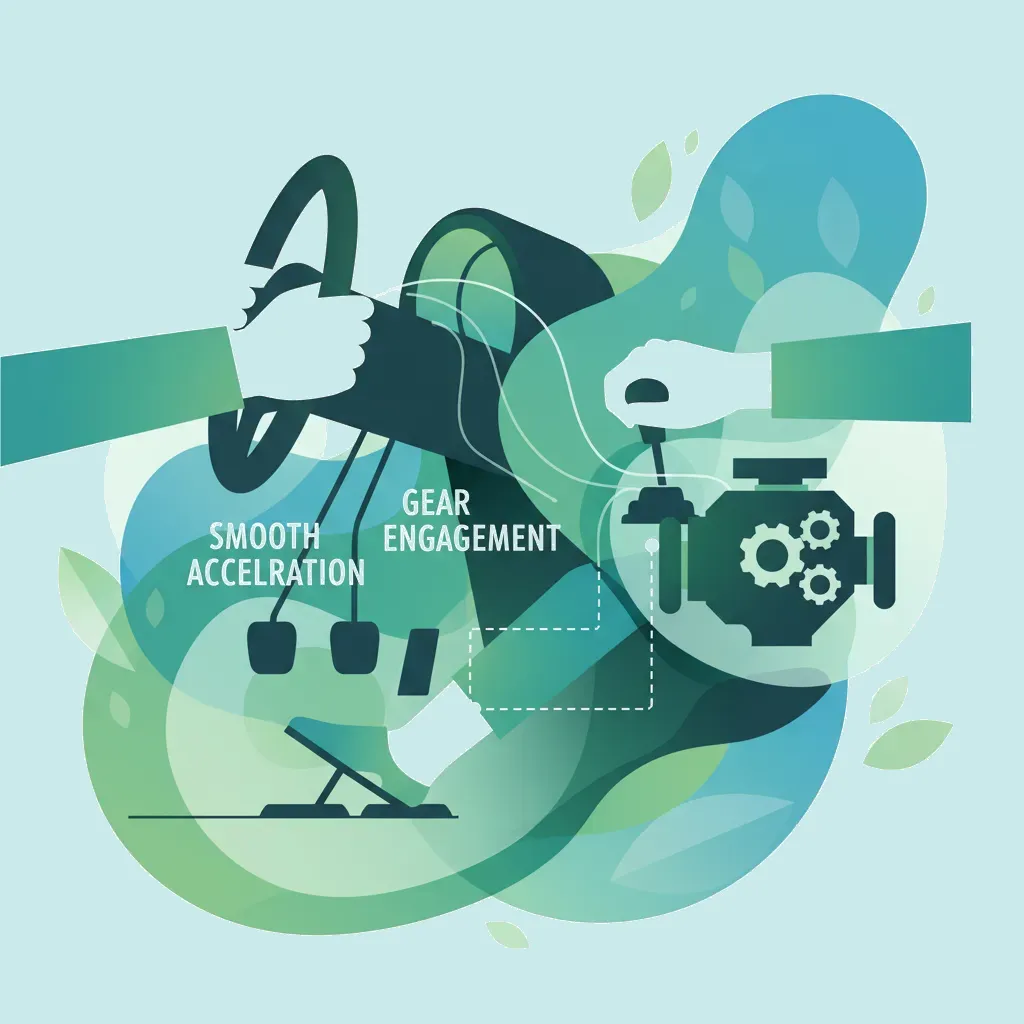
This lesson explains the synchronized operation of the throttle, clutch, and gear selector, detailing how power delivery is modulated. It introduces the typical gear shifting pattern, explains the purpose of neutral, and discusses appropriate rpm ranges for upshifts and downshifts. Emphasis is placed on rider coordination for smooth acceleration and effective engine braking.
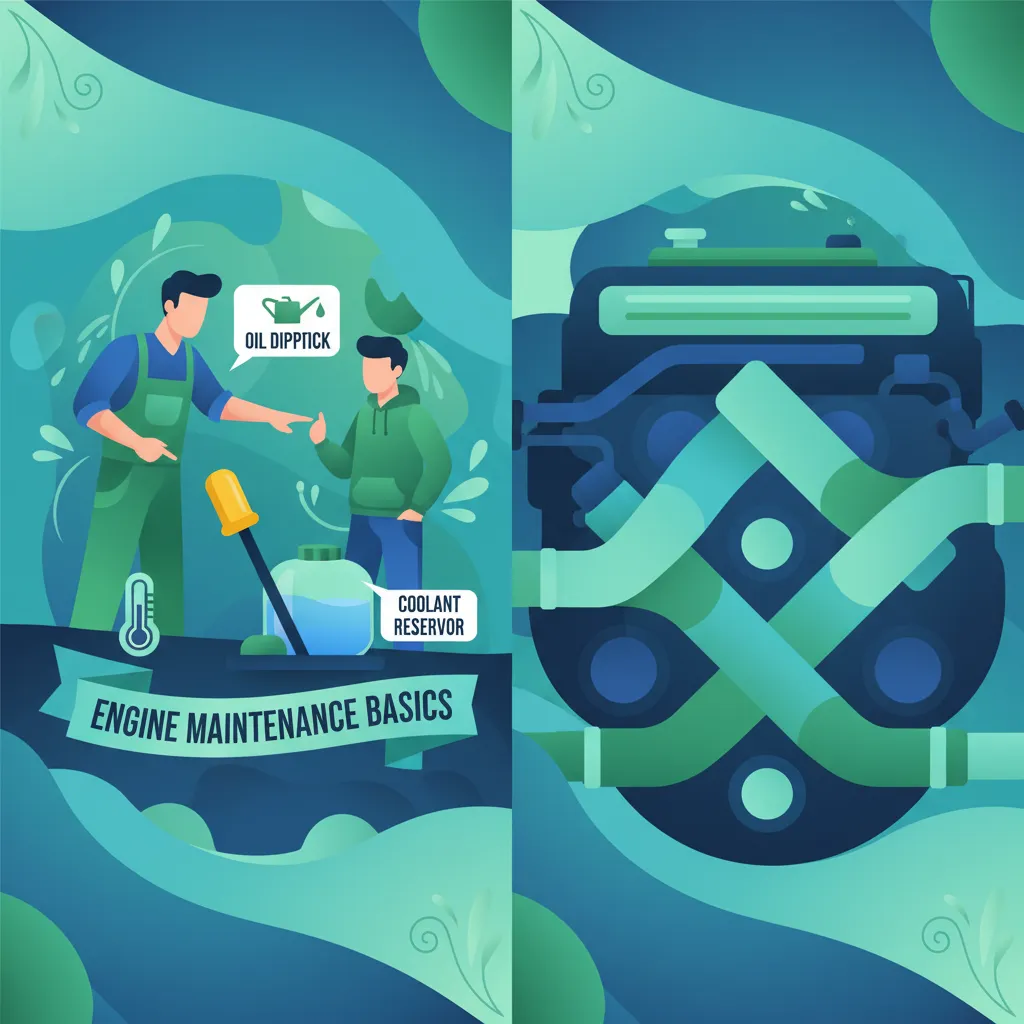
This lesson introduces essential mechanical checks to ensure motorcycle reliability and safety. Topics include monitoring engine oil and coolant levels, chain lubrication procedures, and tire pressure verification. By establishing a routine maintenance schedule, riders can proactively address issues and comply with DGT guidelines.

This lesson outlines procedures for handling emergency situations and accidents. It covers emergency braking techniques, hazard avoidance strategies, and the DGT emergency protocol for accident reporting. Emphasis is placed on rider protective actions, post-crash first aid, roadside safety, and legal obligations after an incident.
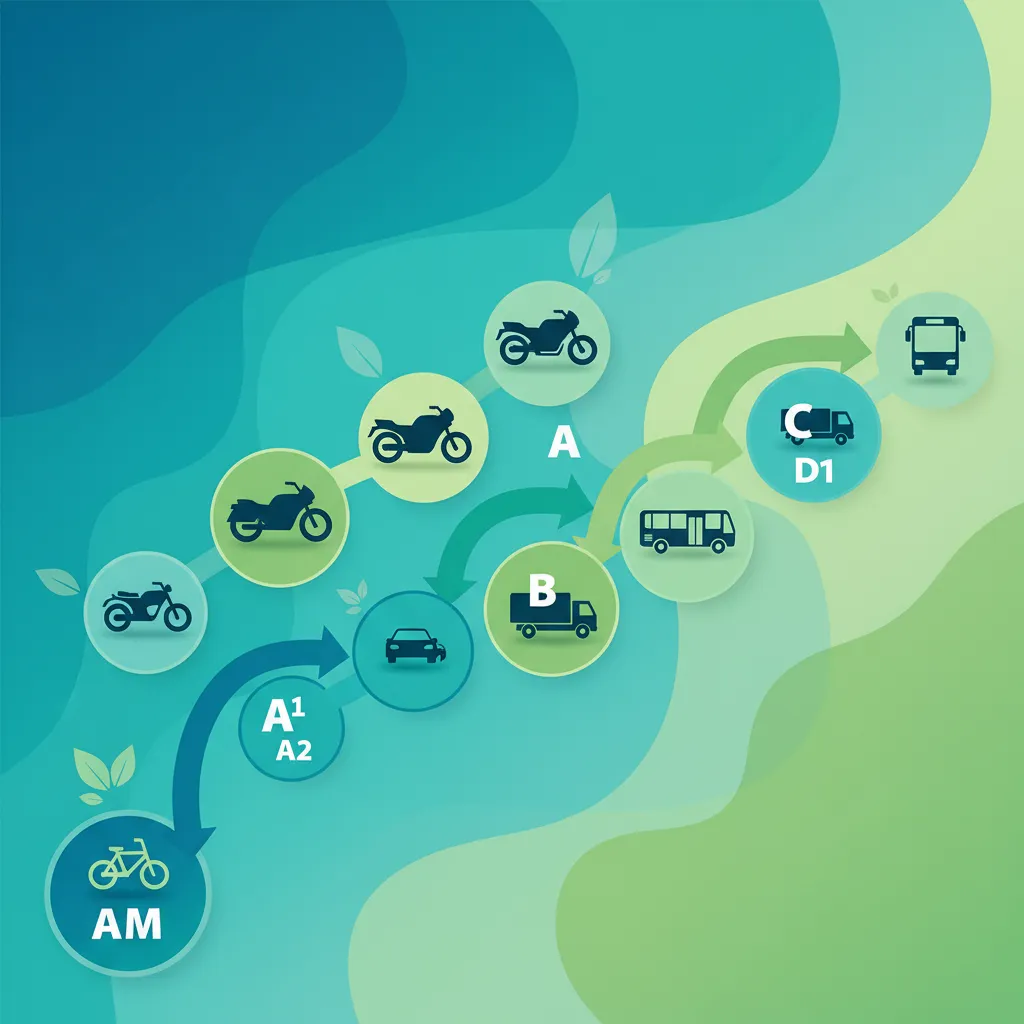
This lesson details the A1, A2, and A motorcycle licence categories recognized by the DGT, focusing on technical specifications like engine displacement and power limits. It explains the progressive licensing path, age thresholds, and mandatory training requirements for each stage. The content also covers the administrative procedures for applying and the legal responsibilities of each licence holder.

This lesson provides a detailed guide to safely starting a moped, from the ignition sequence to the coordinated use of the throttle and brakes. It explains the importance of a pre-ride checklist to verify lights and controls are functional. The content also covers techniques for achieving smooth acceleration from a standstill and performing controlled stops, which is crucial for managing stop-and-go urban traffic conditions.
This lesson examines the legal framework for motorcyclists in Spain, including mandatory registration, compulsory insurance, and equipment standards enforced by the DGT. It covers the legal necessity of a homologated helmet, reflective clothing, and compliance with noise and emission standards. Learners also review documentation checks, vehicle inspections, and penalties for non-compliance.

This lesson breaks down the structure of the DGT theoretical exam for motorcycles, describing the number of multiple-choice questions and the required passing score. It provides study strategies such as revision schedules and the use of official question banks to improve recall. Learners are also advised on managing time allocation per question to align with DGT’s scoring algorithm.

This lesson details overtaking rules specific to motorcyclists, covering safe zones, required visibility distance, and assessment of oncoming traffic. It emphasizes the importance of speed matching and correct timing of lane changes. The module references DGT regulations, including conditions for passing on the left or right in various environments.

This lesson focuses on safe nighttime riding, covering headlight alignment, rear-light visibility, and the use of reflective gear to enhance conspicuity. It explains DGT night riding requirements, including mandatory lighting standards. Topics also include managing glare from oncoming vehicles and mitigating rider fatigue during low-light conditions.
Understand crucial aspects of motorcycle engine care, including cooling and lubrication systems. Learn about exhaust emissions control, catalytic converters, and noise regulations relevant to the Spanish ITV inspection.
This lesson introduces essential mechanical checks to ensure motorcycle reliability and safety. Topics include monitoring engine oil and coolant levels, chain lubrication procedures, and tire pressure verification. By establishing a routine maintenance schedule, riders can proactively address issues and comply with DGT guidelines.

This lesson focuses on essential safety equipment and routine maintenance tasks required for legal road operation. It explains the correct use of seat belts, airbags, and child restraints, as well as the importance of maintaining proper tire pressure and brake condition. Additionally, it clarifies the legal vehicle inspection (ITV) process mandated by the DGT to ensure roadworthiness.
This lesson examines the legal framework for motorcyclists in Spain, including mandatory registration, compulsory insurance, and equipment standards enforced by the DGT. It covers the legal necessity of a homologated helmet, reflective clothing, and compliance with noise and emission standards. Learners also review documentation checks, vehicle inspections, and penalties for non-compliance.
This lesson presents a systematic pre-ride safety checklist covering tire pressure, brake fluid levels, lighting operation, and chain tension to ensure the motorcycle is road-ready. It also emphasizes personal checks such as helmet strap security and appropriate gear for weather conditions. Integrating DGT-recommended inspection procedures helps minimize equipment-related failures.
This lesson outlines procedures for handling emergency situations and accidents. It covers emergency braking techniques, hazard avoidance strategies, and the DGT emergency protocol for accident reporting. Emphasis is placed on rider protective actions, post-crash first aid, roadside safety, and legal obligations after an incident.
This lesson categorizes the range of motorcycles, distinguishing between sport, naked, touring, off-road, scooter, and electric models. It analyzes each category’s design, performance characteristics, and typical use cases such as urban commuting or long-distance touring. Understanding these attributes helps align a vehicle choice with a specific licence category and riding environment.
Find clear answers to common questions learners have about Engine and Fuel System Fundamentals. Learn how the lesson is structured, which driving theory objectives it supports, and how it fits into the overall learning path of units and curriculum progression in Spain. These explanations help you understand key concepts, lesson flow, and exam focused study goals.
Carburetors mechanically mix fuel and air, while fuel injection systems use electronic sensors and injectors to precisely control the air-fuel mixture. For the Spanish theory exam, understanding that fuel injection offers better efficiency, lower emissions, and improved performance across varying conditions is key.
The four-stroke cycle consists of intake, compression, power (combustion), and exhaust. During intake, the air-fuel mixture enters the cylinder; compression squeezes it; combustion ignites the mixture, pushing the piston down; and finally, exhaust gases are expelled. This continuous cycle powers the motorcycle.
The theory test may include questions about engine overheating and its causes or consequences. Knowing whether a motorcycle uses air or liquid cooling helps you understand its operating temperature range and potential risks like engine damage if the cooling system fails.
Expect questions on identifying engine types (e.g., four-stroke), comparing fuel delivery systems (carburetor vs. injection), understanding basic maintenance related to fuel and oil, and the function of components like spark plugs and exhaust systems.
Yes, oil circulation is critical. It lubricates moving parts to reduce friction and wear, helps dissipate heat, and keeps the engine clean. Proper lubrication ensures optimal engine performance and prevents catastrophic failures, which is a safety concern addressed in the DGT exam.
Use our powerful search functionality to pinpoint specific Spanish DGT driving theory practice sets. Filter by road sign categories, traffic law topics, or question difficulty to build custom study sessions and reinforce your knowledge precisely where it matters for your official exam.