
Welcome to the 'Stability at Rest' lesson, a crucial part of your 'Balance & Low-Speed Control' unit in the Spanish Motorcycle Theory Exam prep course. This lesson focuses on the fundamental techniques for maintaining balance when your motorcycle is stationary or moving at very low speeds, essential for safe urban riding and confidence-building.
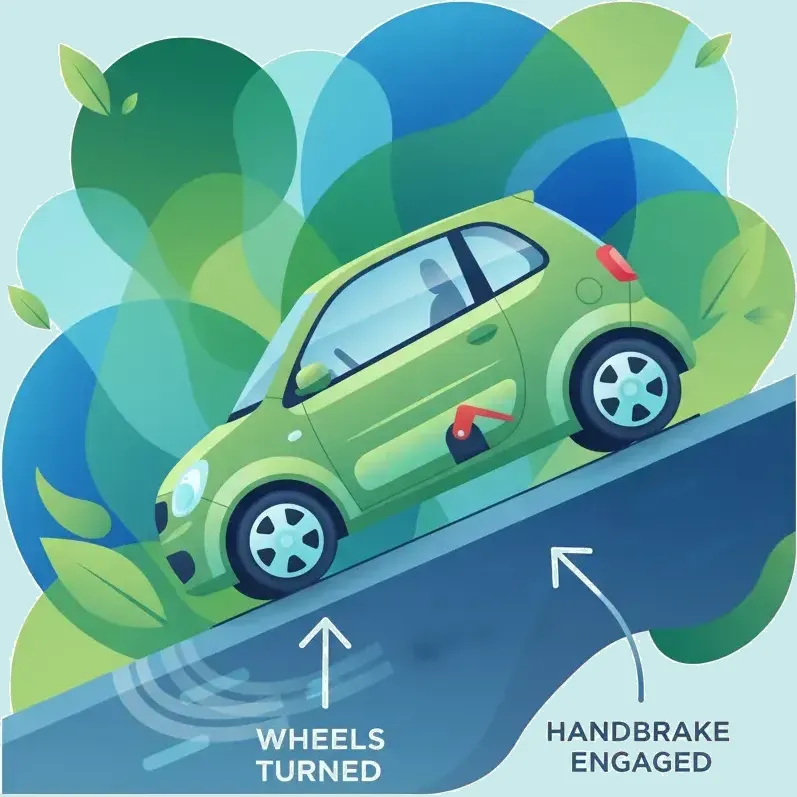
Lesson content overview
Maintaining stable control of a motorcycle is crucial at all speeds, but it takes on a unique importance when the vehicle is stationary or moving at extremely low speeds. For candidates preparing for the Spanish Motorcycle Theory Exam (A, A1, A2 Licence Prep Course), understanding and mastering these stability techniques is fundamental. This lesson delves into the principles and practical applications of static and quasi-static balance, focusing on how to control your motorcycle when gyroscopic forces are minimal and rider input is paramount.
Proper static balance prevents loss of control during routine actions such as stopping at traffic lights, waiting at stop signs, making tight turns, or parking. It significantly reduces the risk of accidental falls, damage to the motorcycle, and potential injuries. This lesson provides the foundation for more advanced maneuvers, ensuring a smooth and safe transition from a standstill to full motion.
At the heart of motorcycle stability, particularly at rest or very low speeds, is the interplay between the motorcycle, the rider, and the forces of gravity. Unlike higher speeds where the gyroscopic effect of the spinning wheels provides significant stability, at speeds below approximately 5 km/h, this effect is largely negligible. Therefore, the rider’s ability to manage weight distribution and body position becomes the primary mechanism for maintaining equilibrium.
Every object has a Centre of Gravity (CoG), which is the theoretical point where its entire mass appears to be concentrated. For a motorcycle and rider, this CoG is a dynamic point that shifts based on the rider's posture, movement, and any cargo being carried. For the system to remain stable, this combined CoG must always be positioned correctly relative to the motorcycle's point of contact with the ground.
The Base of Support (BoS) for a stationary motorcycle is the area formed by the contact patches of its two tires on the road surface. Imagine drawing a line around the points where the tires meet the ground; this enclosed area is your BoS. For the motorcycle to remain upright without external support, the combined CoG of the rider-bike system must fall vertically within this BoS. The smaller the BoS, the more precise the CoG placement needs to be.
Static balance refers to the condition where the motorcycle and rider remain completely stationary without any movement, such as waiting at a red light. In this state, the CoG must be perfectly aligned vertically with the center of the BoS.
Dynamic stability at low speed involves maintaining equilibrium while the motorcycle is rolling at speeds too low for gyroscopic forces to be effective (e.g., parking maneuvers or navigating dense traffic). This requires continuous, subtle micro-adjustments of the rider's body and feet to counteract the motorcycle's natural tendency to tip. It is a critical transitional phase between being completely stopped and accelerating to speeds where gyroscopic forces take over.
Mastering low-speed control hinges on understanding and applying several core principles. These principles guide how a rider interacts with their motorcycle to achieve and maintain equilibrium, whether completely stopped or crawling forward.
Static balance is the ability of the rider-bike system to remain upright without any forward or lateral motion, and crucially, without the rider putting a foot on the ground. This state is achieved when the combined CoG of the rider and motorcycle is perfectly aligned vertically above the support polygon formed by the tire contact patches. Practicing static balance builds the muscle memory and proprioception necessary for confident control at a standstill.
Dynamic stability at very low speeds is the art of keeping the motorcycle upright and controlled while it is barely moving. This is often more challenging than static balance because the slight movement introduces minor imbalances that must be constantly corrected. It requires subtle shifts in body weight and precise control of the handlebars, clutch, and throttle. The goal is to maintain a smooth, controlled roll rather than an uncontrolled wobble or lean.
Weight transfer is the deliberate redistribution of the rider's and motorcycle's mass. This can occur longitudinally (forward or backward) or laterally (side to side). At low speeds, controlled weight transfer is vital for influencing tire loading and maintaining balance. For example, shifting weight backward can prevent the rear wheel from spinning on slippery surfaces during acceleration, while a slight forward lean can aid in precise braking.
As discussed, the BoS is the area within which the CoG must remain for stability. At very low speeds, the effective BoS shrinks, making precise control even more critical. Understanding the limits of this support polygon allows a rider to anticipate when they are approaching an imbalance and make corrective actions before losing control. Maintaining a balanced position ensures the CoG stays within these crucial boundaries.
Applying these principles requires specific techniques involving foot placement, body posture, and weight management. These practical skills are what allow a rider to navigate crowded urban environments, execute tight turns, and stop safely and confidently.
The positioning of a rider’s feet is a cornerstone of low-speed stability and control. It affects balance, readiness for movement, and compliance with regulations.
When a motorcycle is stationary, the standard and safest practice is to keep both feet firmly on the foot pegs. This symmetric placement provides a stable base and ensures an even distribution of the rider's weight, aligning the CoG optimally. It also keeps the feet ready to react quickly for starting or braking. According to the Spanish Reglamento General de Circulación, Article 52.1, this is a mandatory requirement unless the vehicle is parked in a safe location. This prevents loss of balance and ensures quick reaction capability.
While both feet on pegs is ideal, there are specific, extreme low-speed maneuvers where momentarily placing one foot on the ground might be necessary to assist balance or steering. This is typically limited to situations where the motorcycle is moving at a walking pace or is effectively stopped, such as during extremely tight turns in a confined space. This is often referred to as a "foot-drag" technique.
Spanish law is clear on foot placement. According to Article 52.3 of the Reglamento General de Circulación, a rider may place a foot on the ground only when the vehicle is stopped and the foot is used for balance. It is explicitly prohibited to have a foot on the ground while the motorcycle is in motion, except for brief, controlled maneuvers at walking speed where the bike’s speed is effectively zero. Doing so at higher speeds can destabilize the bike, cause injury, and is illegal.
The rider's body posture directly influences the combined CoG of the rider-bike system. Deliberate adjustments to posture are essential for balance and control at low speeds.
A neutral posture involves an upright torso with a slight forward lean, knees slightly bent and gripping the tank, and relaxed arms on the handlebars. This position centers the CoG, distributing weight evenly over the motorcycle and allowing for fluid, subtle adjustments. An overly rigid or leaning posture can shift the CoG unintentionally, making the bike prone to tipping.
Riders must learn to consciously shift their weight by subtly moving their hips, torso, or even shoulders.
Excessive leaning, particularly forward while stationary, can destabilize the front wheel and risk a tip-over. Spanish DGT guidelines (Section 5.2) emphasize keeping the body within a protective envelope and avoiding exaggerated leans at low speeds.
Weight transfer is not just for high-speed cornering or heavy braking; it is critical for stability at low speeds where gyroscopic forces offer minimal assistance.
At a stop, a rider can slightly shift their weight to prepare for movement. For example, a gentle rearward lean before applying throttle on a wet road helps ensure the rear wheel maintains traction. In a tight, slow turn, a slight lean into the turn, combined with the "foot-drag" technique, allows for precise control. DGT safety regulations (Article 24.5) prohibit excessive weight transfer that leads to loss of control.
Without the stabilizing effect of gyroscopic forces, riders must actively counterbalance the motorcycle's natural tendency to tip at very low speeds.
This involves small, continuous adjustments of the hips and torso to counteract imbalances. These are micro-movements, often intuitive, that keep the bike upright. It’s like walking a tightrope – constant, minor adjustments prevent a fall.
The foot-drag technique involves lightly touching one foot on the ground while the bike is moving at an extremely slow, walking pace. This provides an additional point of contact and immediate feedback, allowing the rider to maintain balance, especially during very tight turns where the bike might otherwise fall. It is crucial that this is done lightly and briefly, with the foot ready to return to the peg as soon as stability is regained or speed increases. Spanish law (Art. 52.2) permits this only when the bike is effectively stopped or moving at a speed equivalent to being stopped. The rider must maintain grip on handlebars and keep feet on pegs until the bike is safely underway.
Compliance with local traffic laws is an integral part of safe and responsible motorcycling. For stability at rest, several key articles from the Spanish Reglamento General de Circulación and DGT directives are particularly relevant.
Rule: When a motorcycle is stationary, the rider must keep both feet on the foot pegs unless the vehicle is parked in a safe location.
This rule applies universally in all traffic conditions, whether urban or rural. Its rationale is to prevent loss of balance and ensure the rider maintains full readiness for quick reaction, such as a sudden need to accelerate or brake. Failing to keep both feet on the pegs could lead to an uncontrolled lean or fall, especially if the motorcycle is nudged or encounters an uneven surface.
Correct Example: At a red traffic light, the rider brings the motorcycle to a complete stop and keeps both feet on the foot pegs, maintaining an upright posture.
Rule: A rider must not place a foot on the ground while the motorcycle is in motion, except for brief, controlled maneuvers at walking speed where the bike’s speed is effectively zero.
This regulation strictly prohibits "paddling" with feet on the ground while the motorcycle is moving at any significant speed. The only exception is during extremely low-speed maneuvers, like the foot-drag, where the bike’s speed is akin to being stationary. The reason for this prohibition is that ground contact can destabilize the bike, potentially causing sudden wheel lift, loss of control, and serious injury if the foot gets caught or slips.
Incorrect Example: A rider attempts to balance while riding at 20 km/h by hanging a foot on the curb. This is dangerous and illegal.
Rule: Riders must wear appropriate protective clothing covering the torso and extremities at all times, including when stationary, especially in adverse weather.
While not directly related to stability technique, wearing the correct protective gear is crucial for safety, even when stopped. Gear protects against the elements (cold, rain) and reduces the severity of injuries from unexpected falls, which are more common at low speeds than many realize. It also helps maintain concentration and comfort, which indirectly contributes to better balance and control.
Understanding common errors is as important as learning correct techniques. Many low-speed incidents result from easily preventable mistakes.
A common violation is placing a foot on the ground while the bike is still moving at a moderate speed, perhaps trying to 'paddle' forward or balance. This can lead to the foot being caught, causing the bike to lurch or tip over. The correct behavior is to keep both feet on the pegs until the motorcycle is fully stopped, then if necessary, place one foot down firmly for momentary stability before proceeding.
Over-leaning forward while stationary can cause the front wheel to lift slightly, destabilizing the bike and making it prone to tipping. Similarly, being too rigid can prevent the subtle body movements needed for low-speed dynamic stability. Maintain a neutral posture with weight centered and be ready to make small, corrective hip and torso shifts.
Many riders assume weight transfer is only for high-speed cornering or braking. However, neglecting to adjust your CoG on slippery surfaces during acceleration can lead to rear-wheel spin and loss of control. Always practice gentle, controlled rearward weight shift before applying throttle on wet or loose ground.
Failing to wear appropriate gear, even for short, low-speed rides, increases risk. For example, riding without gloves in cold weather can numb hands, impairing fine motor control needed for clutch and throttle, thereby affecting stability. Always wear complete protective gear to ensure comfort, protection, and optimal control.
Riding conditions are rarely static. Effective riders adapt their stability techniques based on environmental factors, road conditions, vehicle state, and the presence of other road users.
When near pedestrians, cyclists, or other vulnerable road users, maintain an exceptionally stable stance. Avoid sudden movements or abrupt weight shifts that could startle them. Use gentle, predictable movements and weight shifting to signal your intentions clearly, enhancing safety for everyone.
Let's look at practical situations where these techniques are applied, mirroring challenges you might face in the Spanish Motorcycle Theory Exam and on the road.
Setting: You are on a narrow city street in the rain, approaching a red traffic light. Challenge: Maintaining stability on a slippery surface while waiting for the light to change. Correct Behavior: Bring the bike to a smooth stop. Keep both feet firmly on the foot pegs. Maintain an upright, neutral posture, aligning your CoG centrally. Lean slightly forward to maintain front wheel stability and be ready for smooth acceleration. Incorrect Behavior: Trying to balance by hanging a foot on the wet curb while the bike is still rolling, risking a slip and loss of balance.
Setting: You are stopped at a traffic light on a residential street after a light drizzle, meaning the rear wheel has reduced traction. Challenge: Accelerating smoothly without the rear wheel spinning out. Correct Behavior: Before applying throttle, subtly shift your weight slightly rearward. This increases the load on the rear wheel, enhancing traction. Then, apply throttle very gradually while releasing the clutch smoothly. Incorrect Behavior: Leaning forward and applying immediate, aggressive throttle, causing the rear wheel to spin and potentially leading to a loss of control.
Setting: You are making a very tight turn to enter a narrow alleyway, with pedestrians nearby, moving at a speed less than 5 km/h. Challenge: Executing a precise turn without losing balance or colliding with others. Correct Behavior: Move very slowly. Initiate the turn with subtle handlebar input and lean the bike slightly. If needed for extreme balance, use a light foot-drag with your inside foot, providing an additional point of support and control. Keep your eyes up and focus on where you want to go. Incorrect Behavior: Attempting to turn solely with steering input without the aid of foot-drag or body weight shift, leading to an uncontrolled lean and potential tip-over.
Setting: You are at a traffic light on a curved road, with a moderate crosswind. Challenge: Maintaining stability while stationary under external forces. Correct Behavior: Maintain a neutral posture with both feet on the pegs. Distribute your weight evenly and be prepared to make minor, controlled counter-leans against wind gusts. Keep your hands relaxed but firm on the handlebars. Incorrect Behavior: Over-leaning forward, which can make the front wheel unstable and increase susceptibility to wind-induced sway.
Understanding the "why" behind these techniques enhances their effective application. It brings together physics, human psychology, and accident data to underscore the importance of low-speed stability.
At speeds below approximately 5 km/h, the gyroscopic effect of the wheels, which typically stabilizes the motorcycle, is almost entirely absent. This means the rider-bike system behaves much like an inverted pendulum. Therefore, maintaining balance relies solely on the rider's ability to keep the combined CoG directly above the BoS. Any deviation requires immediate and precise counter-movements. The laws of physics dictate that without these active corrections, the system will inevitably fall.
Consistent practice of proper foot-peg usage, neutral posture, and subtle weight shifts develops muscle memory and enhances proprioception (the body's sense of its own position and movement). This allows a rider to make subconscious, instantaneous balance corrections without conscious thought, reducing cognitive load during complex traffic situations. It builds a natural, intuitive connection between rider and machine.
Statistics show that a significant percentage of urban motorcycle accidents, estimated around 27%, involve loss of balance at low speeds or while stationary. These incidents, though often low-impact, can result in injury and damage. Mastery of static and low-speed stability techniques directly reduces this risk, preventing tip-overs, improving reaction times, and enabling safer navigation of intersections and pedestrian zones.
For success in the Spanish Motorcycle Theory Exam and safe riding, internalize these core principles for stability at rest and very low speeds:
Consistent practice of these stability techniques will build confidence, improve your control over the motorcycle, and significantly enhance your safety in urban environments and at traffic stops.
This lesson covers essential techniques for maintaining motorcycle stability when stationary or moving at very low speeds, critical for urban riding and DGT exam preparation. Key concepts include the Centre of Gravity (CoG) and Base of Support (BoS), which determine equilibrium when gyroscopic forces are minimal. Learners must master proper foot placement (both feet on pegs unless effectively stopped), neutral body posture, and deliberate weight transfer for traction and balance. Spanish traffic regulations (Art. 52.1, 52.3) mandate specific foot placement rules, while practical drills and real-world scenarios help develop the muscle memory and proprioception needed for confident low-speed control.
A short set of high-value points that capture the most important learning from this lesson.
Static balance requires keeping the combined Centre of Gravity (CoG) within the Base of Support (BoS) formed by tire contact patches
Both feet on foot pegs when stationary is mandatory under Spanish Art. 52.1 of the Reglamento General de Circulación
At speeds below approximately 5 km/h, gyroscopic forces are negligible, making active rider balance essential
Weight transfer (forward/backward and lateral) is critical for traction and control at low speeds and starts
Subtle, continuous micro-adjustments of hips and torso counteract the motorcycle's natural tipping tendency
Explore all units and lessons included in this driving theory course.
The foot-drag technique is only permitted when the bike is effectively stopped or moving at walking pace (Art. 52.3)
A neutral posture with slight forward lean, knees gripping the tank, and relaxed arms centres the CoG optimally
On wet surfaces, shift weight slightly rearward before accelerating to improve rear-wheel traction
Gyroscopic stability is essentially absent below 5 km/h, so rider input becomes the sole balance mechanism
Spanish DGT guidelines prohibit exaggerated body leans at low speeds that could compromise control (Section 5.2)
Placing a foot on the ground while the motorcycle is still moving at moderate speed, risking foot capture and tip-over
Over-leaning forward while stationary, which destabilizes the front wheel and makes the bike prone to tipping
Neglecting to shift weight rearward on slippery surfaces before accelerating, leading to rear-wheel spin and loss of control
Maintaining a too-rigid posture that prevents the subtle corrective movements needed for dynamic low-speed stability
Attempting to balance by hanging a foot on the curb at 20 km/h, which is both dangerous and illegal under Spanish law
Lesson content overview
A short set of high-value points that capture the most important learning from this lesson.
Static balance requires keeping the combined Centre of Gravity (CoG) within the Base of Support (BoS) formed by tire contact patches
Both feet on foot pegs when stationary is mandatory under Spanish Art. 52.1 of the Reglamento General de Circulación
At speeds below approximately 5 km/h, gyroscopic forces are negligible, making active rider balance essential
Weight transfer (forward/backward and lateral) is critical for traction and control at low speeds and starts
Subtle, continuous micro-adjustments of hips and torso counteract the motorcycle's natural tipping tendency
Explore all units and lessons included in this driving theory course.
The foot-drag technique is only permitted when the bike is effectively stopped or moving at walking pace (Art. 52.3)
A neutral posture with slight forward lean, knees gripping the tank, and relaxed arms centres the CoG optimally
On wet surfaces, shift weight slightly rearward before accelerating to improve rear-wheel traction
Gyroscopic stability is essentially absent below 5 km/h, so rider input becomes the sole balance mechanism
Spanish DGT guidelines prohibit exaggerated body leans at low speeds that could compromise control (Section 5.2)
Placing a foot on the ground while the motorcycle is still moving at moderate speed, risking foot capture and tip-over
Over-leaning forward while stationary, which destabilizes the front wheel and makes the bike prone to tipping
Neglecting to shift weight rearward on slippery surfaces before accelerating, leading to rear-wheel spin and loss of control
Maintaining a too-rigid posture that prevents the subtle corrective movements needed for dynamic low-speed stability
Attempting to balance by hanging a foot on the curb at 20 km/h, which is both dangerous and illegal under Spanish law
Explore search topics learners often look for when studying Stability Techniques at Rest. These topics reflect common questions about road rules, driving situations, safety guidance, and lesson level theory preparation for learners in Spain.
Browse additional driving theory lessons that cover connected traffic rules, road signs, and common driving situations related to this topic. Improve your understanding of how different rules interact across everyday traffic scenarios.
Understand the specific articles of the Spanish Reglamento General de Circulación regarding stationary motorcycle balance, legal foot placement requirements, and riding conduct at low speeds. Essential knowledge for the DGT theory exam.
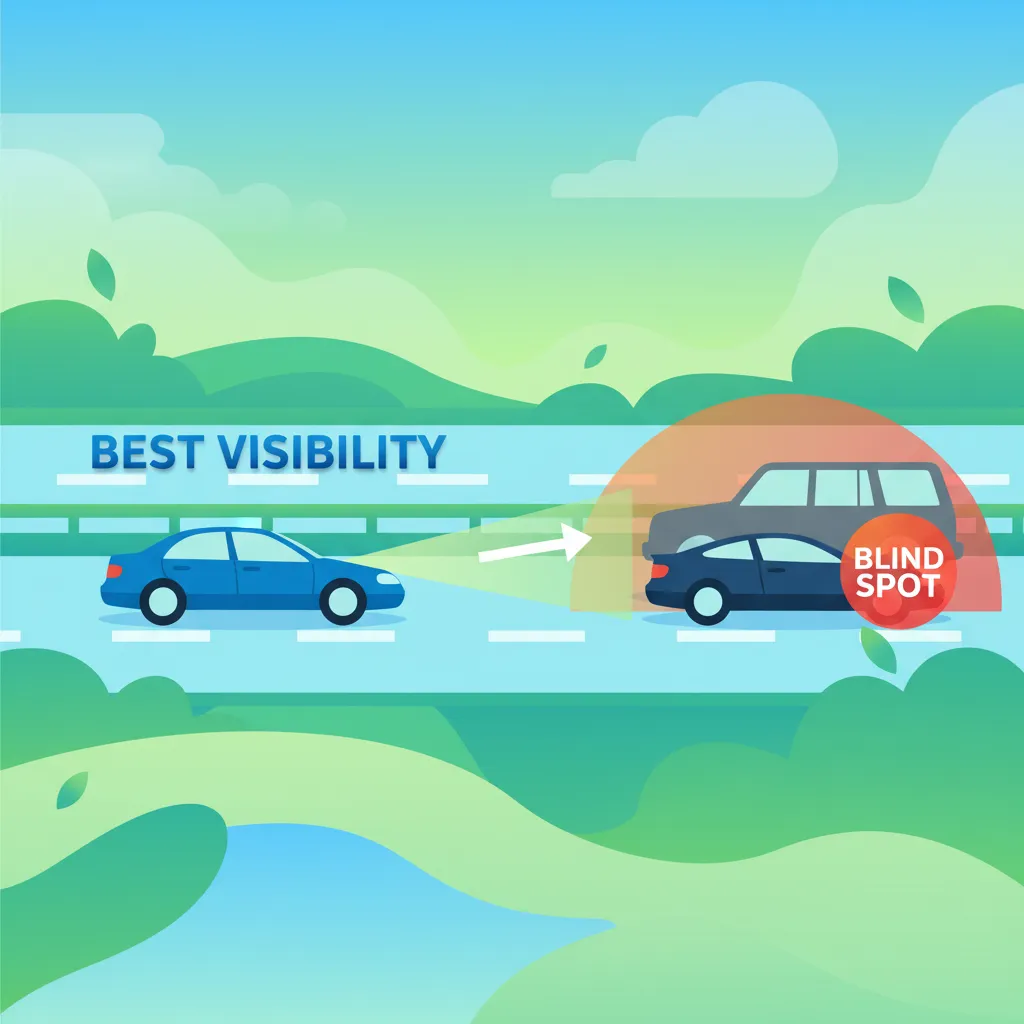
This lesson explores proper lane positioning, emphasizing strategic selection of traffic lanes for optimal visibility. It explains the importance of rider line of sight and peripheral vision in maintaining situational awareness. The content also covers legal aspects of lane splitting and correct usage of road shoulders, abiding by DGT regulations.

This lesson teaches riders the critical importance of maintaining a safe following distance to allow for adequate reaction and braking time. It explains practical methods for judging this distance, such as the 'two-second rule,' and how this gap must be increased in adverse weather or poor visibility. Understanding this principle is fundamental to preventing rear-end collisions, one of the most common types of traffic accidents.

This lesson addresses the legal and practical aspects of carrying passengers, outlining DGT regulations and weight limits. Learners examine how extra weight influences the center of gravity, braking distances, and handling characteristics. Guidance is provided on proper load distribution and communication to maintain control and safety.

This lesson focuses on the optimal position for a moped within a traffic lane to maximize visibility and safety. It discusses the importance of maintaining a safety buffer from other vehicles and hazards, particularly the risk posed by the doors of parked cars. The content explains how to use lane positioning strategically to discourage unsafe overtaking and to be clearly seen by drivers in front and behind, especially when approaching intersections.

This lesson focuses on low-speed manoeuvres within congested urban traffic, detailing techniques for navigating tight corners and weaving through traffic. Learners analyze urban traffic flow, pedestrian zones, and cyclist interactions to anticipate hazards. The lesson also explains DGT regulations regarding slow-speed movement and lane positioning.

This lesson focuses on the absolute priority of pedestrians at marked crosswalks, often known as zebra crossings. It explains that riders must always be prepared to stop and yield the right-of-way to any pedestrian waiting to cross or already crossing. The content also covers signaled pedestrian crossings and general awareness in urban areas where pedestrians may cross unexpectedly, reinforcing safety and legal compliance.

This lesson clarifies the primary rule for roundabouts: all vehicles entering must yield to traffic already on the circular roadway. It explains how to approach a roundabout, select the appropriate lane based on the intended exit, and merge safely into the flow of traffic. Proper signaling before exiting is also covered, ensuring other drivers can anticipate the rider's movements for a smooth and safe negotiation of the junction.

This lesson focuses on defensive maneuvers in mixed traffic environments where various vehicles share the road. It outlines lane discipline, appropriate overtaking safety measures, and strategies for maintaining a safety corridor. The content incorporates DGT defensive guidelines, teaching riders to manage space and anticipate unpredictable driver behavior.

This lesson outlines the mandatory lighting and visibility equipment as per DGT regulations. It covers the correct use of headlights (low and high beams), taillights, and turn signals, ensuring the moped is visible to others, especially at night or in poor weather. The importance of wearing high-visibility or reflective clothing is also emphasized as a critical measure to enhance personal safety by making the rider more conspicuous.

This lesson focuses on the correct application of a moped's brakes for effective and stable deceleration. It explains the concept of balanced braking, using both front and rear brakes simultaneously for maximum stopping power without losing traction. Learners will understand how factors like speed, road surface, and weather dramatically affect total stopping distance, and will learn techniques for emergency braking.
Learn how to apply stability techniques in practical, real-world Spanish driving scenarios. Identify and avoid frequent beginner errors in urban traffic, wet conditions, and tight turns for the A licence theory.
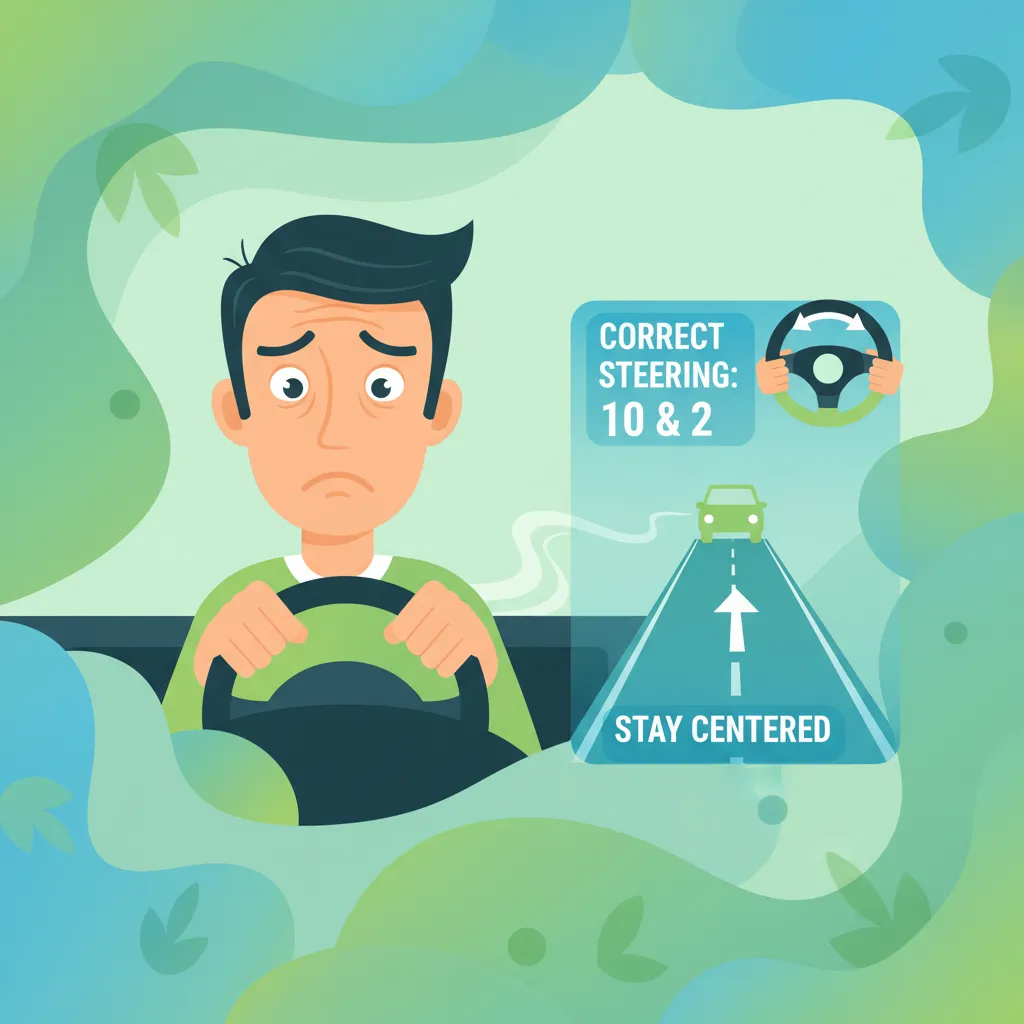
This lesson identifies frequent beginner errors such as over-application of throttle, misuse of the clutch, and improper braking timing. It analyzes the underlying causes of these mistakes and offers corrective techniques to develop safe riding habits. By referencing DGT exam examples, learners gain insight into how to avoid these common pitfalls.
This lesson focuses on low-speed manoeuvres within congested urban traffic, detailing techniques for navigating tight corners and weaving through traffic. Learners analyze urban traffic flow, pedestrian zones, and cyclist interactions to anticipate hazards. The lesson also explains DGT regulations regarding slow-speed movement and lane positioning.

This lesson presents advanced cornering scenarios common on Spanish roads, such as mountain hairpins and high-speed autovía exits. It outlines specific techniques for descent control, ascent maneuvers, and safely merging into traffic after cornering. Interaction with cyclists and emergency cornering strategies are also covered in accordance with DGT regulations.
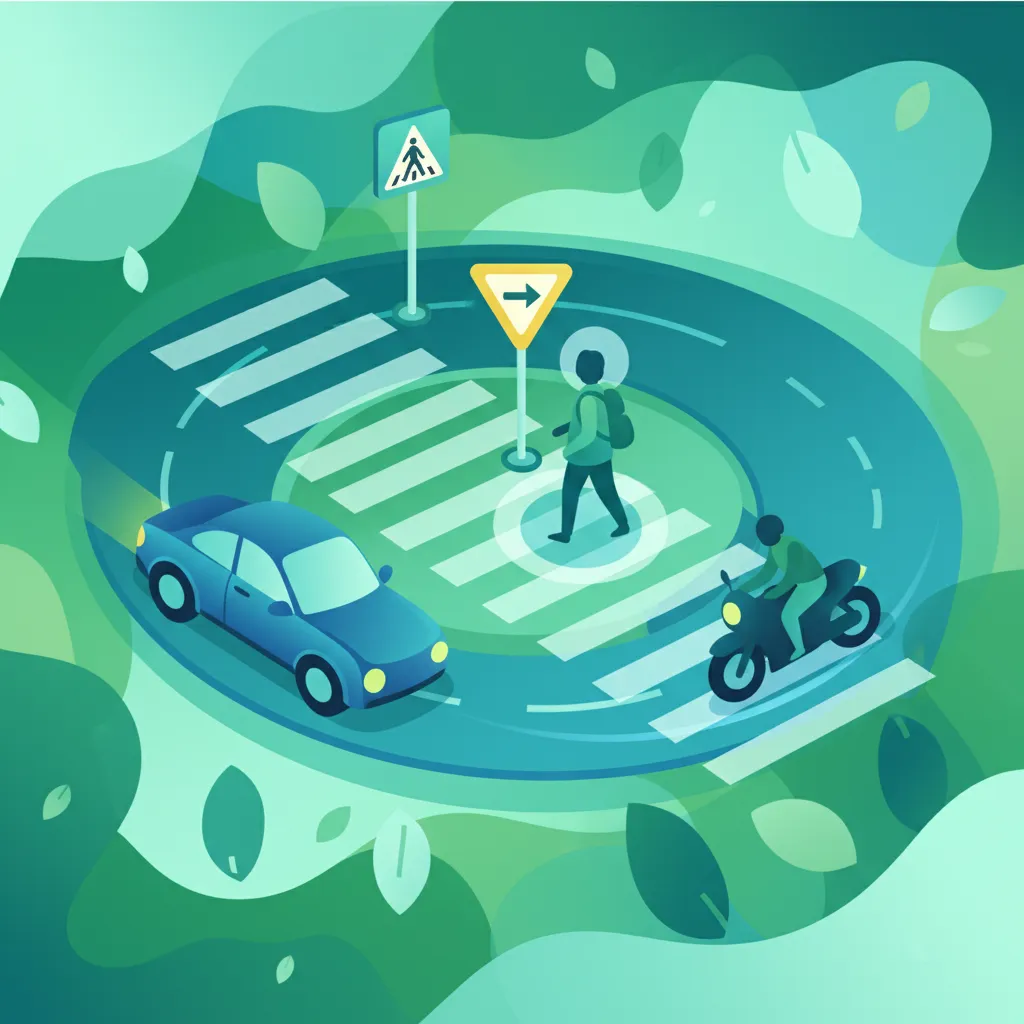
This lesson outlines the proper techniques for negotiating roundabouts and signal-controlled intersections in Spain. It explains priority rules at entry, lane selection based on the intended exit, and yielding to circulating traffic. The content also covers compliance with traffic signals and DGT regulations, including handling cyclist crossings.
This lesson focuses on defensive maneuvers in mixed traffic environments where various vehicles share the road. It outlines lane discipline, appropriate overtaking safety measures, and strategies for maintaining a safety corridor. The content incorporates DGT defensive guidelines, teaching riders to manage space and anticipate unpredictable driver behavior.

This lesson focuses on counter-steering at higher speeds, highlighting how pre-steer torque initiates a lean. It outlines the rider input timing required for effective torque steer and discusses how speed affects the front-wheel angle necessary for stable cornering. The content includes dynamic lean initiation techniques and DGT guidelines for fast turns.

This lesson focuses on interaction dynamics with larger vehicles like cars, trucks, and buses, detailing their specific blind spot zones. Strategies for safely sharing lanes, overtaking etiquette, and proper approach when a bus stops are covered. The lesson also includes guidance on merging onto acceleration lanes following DGT policies.

This lesson outlines procedures for handling emergency situations and accidents. It covers emergency braking techniques, hazard avoidance strategies, and the DGT emergency protocol for accident reporting. Emphasis is placed on rider protective actions, post-crash first aid, roadside safety, and legal obligations after an incident.
This lesson explores proper lane positioning, emphasizing strategic selection of traffic lanes for optimal visibility. It explains the importance of rider line of sight and peripheral vision in maintaining situational awareness. The content also covers legal aspects of lane splitting and correct usage of road shoulders, abiding by DGT regulations.
Find clear answers to common questions learners have about Stability Techniques at Rest. Learn how the lesson is structured, which driving theory objectives it supports, and how it fits into the overall learning path of units and curriculum progression in Spain. These explanations help you understand key concepts, lesson flow, and exam focused study goals.
While the theory exam is primarily written, understanding static stability is a core concept that informs safe riding practices. It's a prerequisite for many practical skills tested and is crucial for everyday urban riding in Spain, where frequent stops are common. Demonstrating this knowledge shows you comprehend fundamental motorcycle control.
For most riders, placing the balls of your feet on the ground provides a stable base while still allowing you to reach the rear brake pedal or gear shift. You should also be prepared to put one or both feet down fully if needed, ensuring you can support the bike's weight comfortably. This varies slightly depending on the motorcycle's height and your own.
Maintaining an upright posture with relaxed shoulders and arms helps you feel connected to the bike and react to any minor shifts in balance. Leaning too far forward or backward can shift your centre of gravity, making it harder to control the motorcycle's weight, especially on slopes or uneven surfaces.
Yes, practicing controlled starts and stops, gentle figure-eights at walking pace, and maintaining balance while stationary on a slight incline are excellent drills. Focusing on smooth throttle control and looking where you want to go, rather than directly down at the front wheel, significantly aids balance.
Ideally, you should feel balanced between your feet on the ground and the bike's weight resting on its suspension. Avoid putting all your weight on the handlebars, as this can make steering difficult if you need to make a quick adjustment. Distribute your weight to feel secure and in control.
Use our powerful search functionality to pinpoint specific Spanish DGT driving theory practice sets. Filter by road sign categories, traffic law topics, or question difficulty to build custom study sessions and reinforce your knowledge precisely where it matters for your official exam.