
This lesson dives into the critical safety equipment and routine maintenance that every driver must understand for legal and safe operation on Spanish roads. Building upon basic vehicle knowledge, we'll explore essential safety features, proper upkeep, and the mandatory vehicle inspection (ITV) process, ensuring you're well-prepared for both the exam and responsible driving.

Lesson content overview
Ensuring your vehicle is equipped with the correct safety features and regularly maintained is paramount for responsible driving in Spain. This lesson, part of the Complete Spanish Driving License Theory Course for Categories B & BE (DGT), details the essential safety equipment and routine maintenance tasks legally required for road operation. Proper use of safety equipment like seat belts, airbags, and child restraints directly reduces injury severity in the event of a collision. Simultaneously, diligent maintenance of components such as tires, brakes, and lighting systems ensures vehicle reliability, compliance with DGT regulations, and significantly prevents accidents caused by mechanical failure.
The Dirección General de Tráfico (DGT), Spain's primary road safety authority, mandates specific standards for vehicle roadworthiness. Adhering to these standards is not only a legal obligation but a fundamental aspect of proactive safety, protecting both vehicle occupants and other road users. This chapter will explore both passive safety features—those that protect occupants during a crash—and active maintenance practices that ensure your vehicle is always in optimal condition.
Passive safety refers to the built-in or installed equipment designed to protect occupants during a collision without requiring active intervention from the driver or passengers at the moment of impact. These systems are crucial for managing the immense kinetic energy involved in a crash, converting it into controlled deformation and deceleration to minimize injury.
Seat belts are arguably the most fundamental passive safety device in any vehicle. They are adjustable webbing restraints designed to secure occupants firmly in their seats, significantly reducing forward movement and preventing ejection during a collision. Most modern vehicles are equipped with three-point seat belts, anchoring at the shoulder, lap, and sometimes a side point, providing comprehensive restraint. Older vehicles might have two-point lap belts, particularly in rear seats, though these offer less protection and are less common today.
Before moving your vehicle, it is mandatory for all occupants—driver and passengers alike—to fasten their seat belts correctly. The seat belt must be snug across the lap and shoulder, without twists, and positioned away from the neck. Article 80 of Royal Decree 1260/1978 of the Spanish traffic law unequivocally states this requirement. Ignoring this rule, even for short trips, not only carries legal penalties but drastically increases the risk of severe injury or fatality in an accident. A common misunderstanding is that seat belts are optional for short distances or that loosening them for comfort is acceptable; both practices are illegal and compromise safety.
Never loosen your seat belt for comfort while driving. A properly fastened seat belt is essential for maximum protection and legal compliance.
Airbags are inflatable safety devices designed to deploy rapidly during a collision, providing a soft cushion between the occupant and the vehicle's interior. They are a supplemental restraint system (SRS), meaning they are designed to work in conjunction with seat belts, not as a replacement for them.
Modern vehicles feature several types of airbags:
While there isn't a specific mandatory rule for the presence of airbags in all vehicles, it is illegal to modify or disable airbags if your vehicle is equipped with them, according to DGT guidelines on vehicle alterations. Airbag systems must be kept functional. A common misunderstanding is believing airbags can replace seat belts; this is false. Airbags deploy with immense force and can cause injury if an occupant is not properly restrained by a seat belt and too close to the deployment path. Tampering with airbag sensors to avoid warning lights is also a serious violation and highly dangerous.
Children, due to their smaller size and developing skeletal structures, require specialized protection in vehicles. Child restraint systems (CRS), commonly known as child seats, are specifically designed to secure children according to their age, weight, and height, providing appropriate crash protection that an adult seat belt cannot.
In Spain, it is mandatory for children under 12 years of age or under 135 cm in height to use an approved child restraint device. This rule applies regardless of whether they are seated in the front or rear of the vehicle. Order 3386/2001 of the DGT dictates these requirements. Child seats must be installed strictly according to the manufacturer's instructions, utilizing correct anchorage points such as ISOFIX (a standardized international fitting system) or the vehicle's seat belts.
Types of child restraints include:
Never place a child in the front passenger seat with an active airbag, especially if they are in a rear-facing restraint. The force of an deploying airbag can cause severe injury or death to a child. Always consult your vehicle manual for specific guidance on deactivating airbags or suitable seating positions for children.
Common misunderstandings include using an adult seat belt alone for a child who is too small, or placing a child in the front seat when the passenger airbag is active. Both actions pose significant risks and are illegal.
Active maintenance involves regular, proactive checks and upkeep of vehicle components that directly impact operational safety. Unlike passive safety features that activate during a crash, active maintenance aims to prevent incidents by ensuring the vehicle functions predictably and reliably.
Tires are the sole contact point between your vehicle and the road, making their condition and correct inflation critical for safety, handling, and fuel efficiency. Tire pressure is the amount of air inside a tire, measured in bar or psi (pounds per square inch), which dictates the tire's shape and its ability to bear load effectively.
Each vehicle manufacturer specifies recommended tire pressures for various conditions (e.g., normal load, heavy load). These values are typically found on a placard inside the driver's door jamb, in the glove compartment, or within the vehicle's manual. It is essential to check tire pressure at least once a month and always before any long journey. Pressure should be checked when tires are cold, as driving heats them up and temporarily increases internal pressure. Temperature variations also affect pressure; for instance, a drop of approximately 1 psi for every 10 °C decrease in ambient temperature.
The depth of the grooves on a tire's surface, essential for evacuating water and maintaining grip. The legal minimum tread depth in Spain is 1.6 mm.
Driving with under-inflated tires is particularly hazardous. It increases stopping distances, reduces steering responsiveness, causes uneven and accelerated tire wear, and significantly increases fuel consumption. The Reglamento General de Circulación (RGC) considers driving with improperly inflated tires an unsafe condition. Additionally, the tread depth is crucial for wet-weather traction. The legal minimum tread depth in Spain is 1.6 mm. Tires worn below this limit severely compromise grip, especially in rain, increasing the risk of aquaplaning and loss of control. Regularly inspect tires for any signs of damage, cracks, or bulges, which could indicate structural weakness.
The braking system is arguably the most critical active safety component, responsible for safely slowing down and stopping your vehicle. Its functional state directly impacts your ability to avoid collisions. A complete braking system encompasses brake pads, discs (or drums), hydraulic fluid, and various control mechanisms.
Key parameters for brake condition include:
The RGC requires all vehicles to have brakes in "proper working order." Ignoring warning signs like squealing noises, a soft brake pedal, or dashboard warning lights for the braking system can lead to severely reduced stopping power, fines, and even vehicle immobilization. Regular inspection, at least annually and always during the ITV, is vital.
Clear visibility is non-negotiable for safe driving, both for the driver to see the road and for other road users to see the vehicle. This depends on the proper functioning of your vehicle's lighting and visibility systems.
Your vehicle's lights are essential for communicating your presence and intentions to other drivers. This includes:
Always ensure all your vehicle's lights are clean and functional. Driving with a burnt-out bulb, especially a headlight or brake light, compromises safety and is illegal under the RGC.
In situations of reduced visibility due to fog, heavy rain, or snow, fog lights (both front and rear) may be used. However, it is crucial to use them correctly: front fog lights can be used in moderately reduced visibility, but rear fog lights, which are very bright, should only be used in extremely poor visibility (e.g., less than 50 meters) to avoid dazzling drivers behind you. Using high beams in fog is counterproductive as the light reflects back, further impairing visibility.
Your windshield wipers are critical for maintaining clear forward visibility in adverse weather. The wiper blades should be in good condition, clearing water and debris effectively without smearing. Worn blades leave streaks, significantly impairing vision. Regularly check and top up the windshield washer fluid. Driving with an obstructed windshield, even in light rain, is considered a violation of safe driving under the RGC.
The Inspección Técnica de Vehículos (ITV) is Spain's mandatory periodic technical inspection. It is a comprehensive check designed to verify that a vehicle meets DGT standards for roadworthiness, safety, and environmental compliance. All vehicles registered in Spain must undergo regular ITV checks.
The frequency of ITV inspections depends on the vehicle's age and type:
The ITV inspection covers a wide range of vehicle components, including:
Schedule an appointment: Book your ITV at an authorized inspection station (estación ITV).
Prepare your vehicle: Ensure all lights, wipers, and essential safety features are functional. Check tire pressures and fluid levels.
Present documentation: You'll need your vehicle's registration certificate (Permiso de Circulación) and the previous ITV card (Tarjeta de Inspección Técnica).
Undergo inspection: Technicians perform a series of tests and visual checks.
Outcome:
It is illegal to operate a vehicle without a valid ITV certificate. Failure to pass or driving with an expired ITV can result in significant fines and potential immobilization of the vehicle. Always keep your ITV certificate in the vehicle and display the ITV sticker on the upper right corner of your windshield.
Compliance with DGT regulations is not merely about avoiding fines; it's about ensuring a minimum standard of safety for all road users. Spanish traffic law, primarily outlined in the Reglamento General de Circulación (RGC) and specific Royal Decrees, sets forth mandatory requirements for vehicle safety equipment and maintenance.
Familiarize yourself with the key articles of the RGC concerning vehicle condition and equipment. Ignorance of the law is not an excuse for non-compliance.
Here's a summary of core legal obligations:
Understanding these regulations is fundamental for obtaining your Spanish driving license and for your ongoing responsibility as a driver.
Effective vehicle safety and maintenance involve more than just knowing the rules; it requires integrating checks into your driving routine and adapting your approach to varying conditions.
Drivers often fall into common traps that lead to violations and, more importantly, compromise safety:
Environmental and operational contexts demand specific adjustments to your maintenance routine and safety practices:
| Context | Variation | Reasoning |
|---|---|---|
| Weather – Rain | Increase frequency of windshield wiper use; enable dipped beams regardless of daylight. | Maintains visibility; reduces glare from wet surfaces for you and makes your vehicle more visible to others. |
| Weather – Snow/Ice | Check tire pressure after exposure to cold (pressure drops); consider using winter tires if driving in mountainous or consistently cold regions. | Cold reduces tire pressure, increasing accident risk; winter tires offer superior grip on cold, icy, or snowy roads. |
| Road Type – Urban | Mandatory use of low beams even during daylight if visibility is reduced (e.g., in a tunnel or dense fog). | Ensures visibility in varied conditions; high beams are prohibited in urban areas. |
| Road Type – Motorway | Faster tire wear due to higher sustained speeds; brake temperature management critical during prolonged braking. | High speeds and loads increase stress on tires and brakes; requires more frequent checks and proper braking technique. |
| Vehicle Load – Fully Loaded | Adjust tire pressure per manufacturer’s “maximum load” chart; be aware of accelerated brake wear and increased stopping distances. | Heavier loads significantly affect tire contact patch, vehicle stability, and braking performance. |
| Vehicle Load – Trailer (BE) | Ensure trailer brakes are functional and connected; verify coupling and proper load distribution. Children in the towing vehicle must still be in appropriate restraints. | Trailers add significant weight and demand on the vehicle's braking system; improper coupling or load distribution severely impacts handling and safety. |
| Nighttime | Use dipped beams at all times; hazard lights if a vehicle breakdown occurs on the roadway. | Ensures visibility for both you and other road users; hazard lights alert others to a stationary obstruction. |
The various safety features and maintenance tasks are not isolated; they form an interconnected system:
Understanding these relationships highlights why a holistic approach to vehicle safety and maintenance is indispensable for passing your Spanish driving license exam and becoming a responsible driver.
Mastering the concepts of safety equipment and maintenance is fundamental for passing the Spanish driving license exam and for your ongoing safety as a driver.
By diligently following these guidelines, you will not only comply with DGT regulations but also significantly enhance your safety and the safety of everyone on the road.
This lesson covers essential vehicle safety equipment and maintenance requirements under Spanish traffic law. Key legal obligations include mandatory seat belt use for all occupants, child restraint requirements for children under 12 or 135 cm (Order 3386/2001), and proper airbag maintenance. Critical maintenance tasks include monthly tire pressure checks (minimum 1.6 mm tread depth), brake pad replacement below 2 mm thickness, and brake fluid replacement every 2 years. The ITV inspection schedule is: first at 4 years, then biennially until 10 years, annually thereafter. Understanding these requirements, along with proper lighting use and visibility maintenance, is essential for passing the DGT theory exam and ensuring legal, safe driving in Spain.
A short set of high-value points that capture the most important learning from this lesson.
Seat belts are mandatory for ALL occupants in all seats, including rear passengers, under Article 80 of RD 1260/1978
Children under 12 years or under 135 cm must use approved child restraints appropriate for their size, primarily in rear seats
ITV inspections are mandatory on a schedule: first at 4 years, then every 2 years until age 10, then annually
Tires must maintain at least 1.6 mm tread depth; check pressure monthly when cold and before long journeys
Airbags are supplemental restraint systems (SRS) that work WITH seat belts—not as replacements—and tampering with them is illegal
Explore all units and lessons included in this driving theory course.
Rear-facing child seats must NEVER be placed in the front passenger seat when the airbag is active—this can be fatal
Brake fluid absorbs moisture over time and must be replaced every 2 years, not just when it looks dark
Dipped beam headlights are mandatory from sunset to sunrise, in tunnels, and whenever visibility is reduced
ISOFIX is the standardized international system for securely attaching child seats directly to the vehicle chassis
ITV certificate must be carried in the vehicle and the corresponding sticker displayed on the upper right of the windshield
Loosening seat belts for comfort reduces their effectiveness significantly and is both unsafe and illegal
Placing children in the front seat with an active airbag, especially in rear-facing restraints, poses a serious safety risk
Neglecting monthly tire pressure checks and failing to adjust for temperature changes increases blowout risk
Assuming brake fluid lasts indefinitely—moisture absorption reduces its boiling point and effectiveness within 2 years
Driving with expired ITV or non-functional lights, including brake lights, which compromises safety and carries fines
Lesson content overview
A short set of high-value points that capture the most important learning from this lesson.
Seat belts are mandatory for ALL occupants in all seats, including rear passengers, under Article 80 of RD 1260/1978
Children under 12 years or under 135 cm must use approved child restraints appropriate for their size, primarily in rear seats
ITV inspections are mandatory on a schedule: first at 4 years, then every 2 years until age 10, then annually
Tires must maintain at least 1.6 mm tread depth; check pressure monthly when cold and before long journeys
Airbags are supplemental restraint systems (SRS) that work WITH seat belts—not as replacements—and tampering with them is illegal
Explore all units and lessons included in this driving theory course.
Rear-facing child seats must NEVER be placed in the front passenger seat when the airbag is active—this can be fatal
Brake fluid absorbs moisture over time and must be replaced every 2 years, not just when it looks dark
Dipped beam headlights are mandatory from sunset to sunrise, in tunnels, and whenever visibility is reduced
ISOFIX is the standardized international system for securely attaching child seats directly to the vehicle chassis
ITV certificate must be carried in the vehicle and the corresponding sticker displayed on the upper right of the windshield
Loosening seat belts for comfort reduces their effectiveness significantly and is both unsafe and illegal
Placing children in the front seat with an active airbag, especially in rear-facing restraints, poses a serious safety risk
Neglecting monthly tire pressure checks and failing to adjust for temperature changes increases blowout risk
Assuming brake fluid lasts indefinitely—moisture absorption reduces its boiling point and effectiveness within 2 years
Driving with expired ITV or non-functional lights, including brake lights, which compromises safety and carries fines
Explore search topics learners often look for when studying Safety Equipment and Maintenance Requirements. These topics reflect common questions about road rules, driving situations, safety guidance, and lesson level theory preparation for learners in Spain.
Browse additional driving theory lessons that cover connected traffic rules, road signs, and common driving situations related to this topic. Improve your understanding of how different rules interact across everyday traffic scenarios.
Understand the legal requirements for vehicle safety equipment, including seat belts, child restraints, and airbags, as mandated by Spanish DGT regulations. Learn essential maintenance tasks for roadworthiness and compliance.

This lesson outlines the proper use and legal requirements of vehicle lighting and mirror systems. It covers headlamps, fog lights, turn signals, and brake lights, clarifying when each must be used according to DGT regulations. The lesson also explains the correct adjustment of rearview and side mirrors and strategies for effective blind-spot monitoring.
This lesson outlines the mandatory lighting and visibility equipment as per DGT regulations. It covers the correct use of headlights (low and high beams), taillights, and turn signals, ensuring the moped is visible to others, especially at night or in poor weather. The importance of wearing high-visibility or reflective clothing is also emphasized as a critical measure to enhance personal safety by making the rider more conspicuous.
This lesson details the legal requirements for the use of seatbelts and child restraint systems in buses and coaches, as stipulated by DGT regulations. It specifies the age and size limits for various restraint devices and explains the verification checks drivers must perform. Learners will also review safety statistics that highlight the importance of correct usage and understand the legal penalties associated with non-compliance.

This lesson outlines the compulsory equipment and documentation required for an AM-class vehicle. It emphasizes the legal mandate for an approved helmet, a valid insurance policy, and a vehicle registration plate. Learners will also understand the requirements for the roadworthiness certificate (ITV) and other essential documents needed to prove compliance with DGT safety and legal standards during a traffic stop.
This lesson focuses on the primary components displayed on a vehicle's dashboard and their functional significance. Learners will identify instruments like the speedometer and fuel gauge and understand the meaning of key warning lights, including ABS, oil pressure, and check engine. The lesson explains how to interpret these signals while driving and the immediate actions required upon their illumination.
This lesson addresses the specific challenges posed by rain and fog, focusing on reduced visibility and loss of traction. It explains the proper use of windshield wipers and fog lights, and the need to adjust speed and increase following distance. The content covers how to prevent and react to hydroplaning (aquaplaning) to maintain vehicle control.

This lesson examines the legal framework for motorcyclists in Spain, including mandatory registration, compulsory insurance, and equipment standards enforced by the DGT. It covers the legal necessity of a homologated helmet, reflective clothing, and compliance with noise and emission standards. Learners also review documentation checks, vehicle inspections, and penalties for non-compliance.
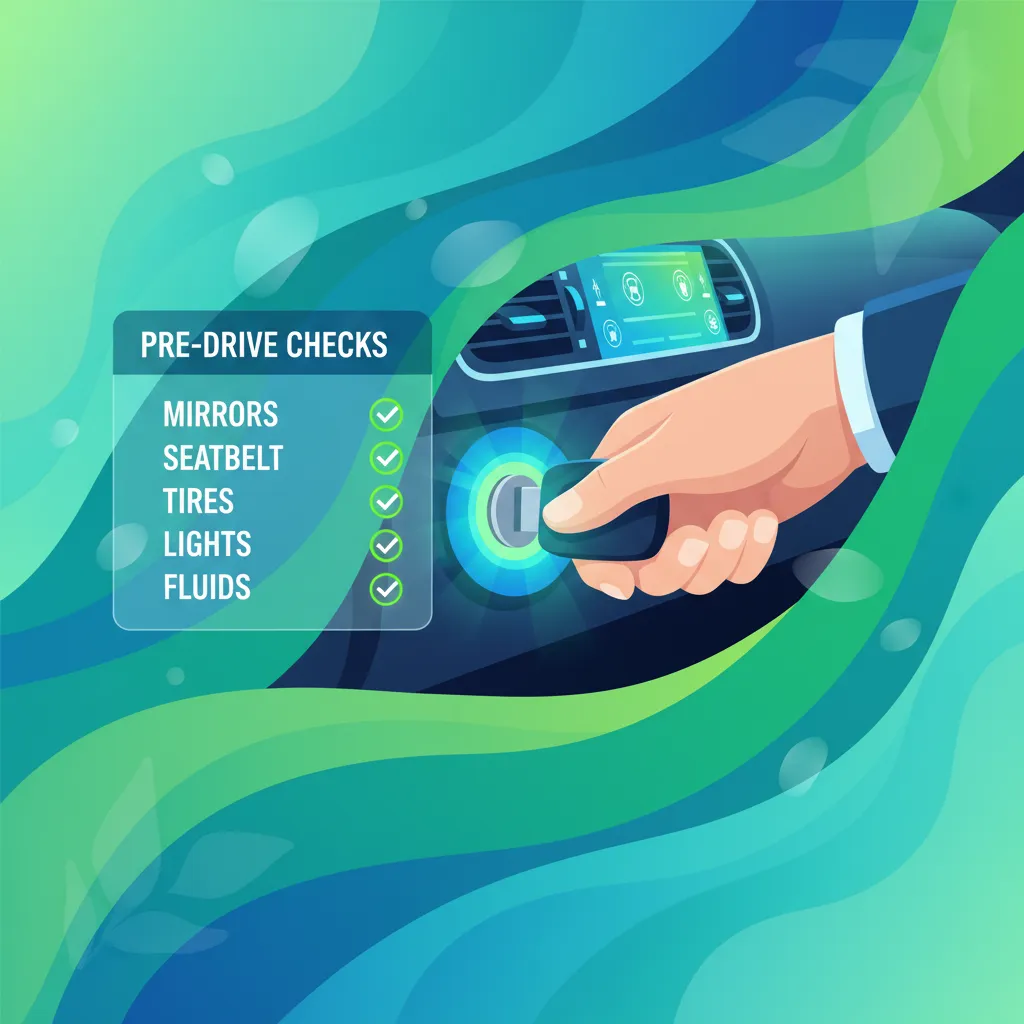
This lesson details the systematic steps required to start a vehicle safely and prepare it for motion. It describes the ignition sequence and confirmation of dashboard indicators before starting the engine. The content also outlines essential pre-drive checks, including verification of fluid levels, tire pressure, mirror adjustment, and seat position.
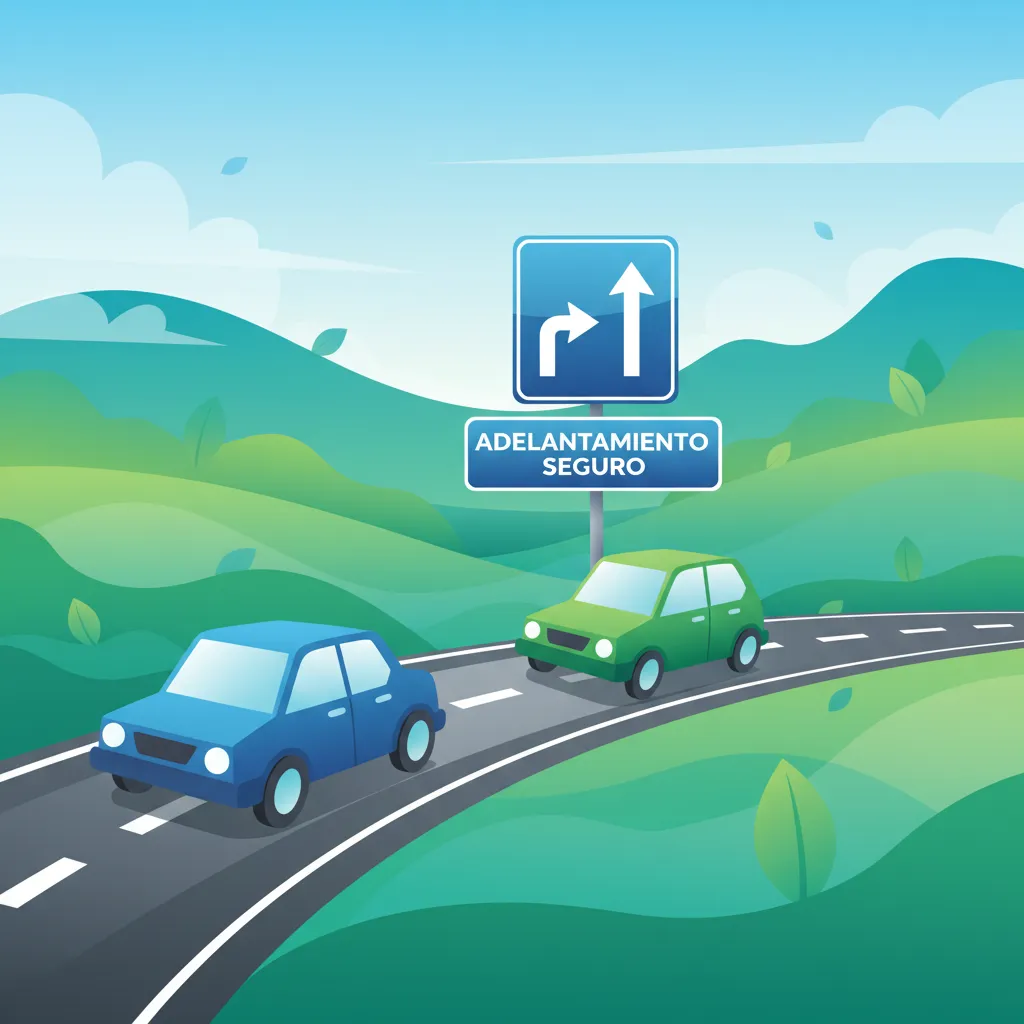
This lesson covers the legal overtaking procedures applicable on different road types, focusing on identifying safe passing zones and executing maneuvers correctly. Learners will be taught how to maintain adequate safety distances before, during, and after overtaking. The content includes DGT regulations for overtaking, appropriate signaling, and visibility checks to ensure safe completion of the maneuver.

This lesson examines the European ECE homologation process that validates helmet safety, detailing required impact resistance tests, retention systems, and visor criteria. Learners will understand the differences between full-face, modular, and integral helmets. The lesson also provides guidance on proper sizing, regular maintenance, and legal obligations for helmet replacement.
Learn about the mandatory ITV (Inspección Técnica de Vehículos) process in Spain, what checks are performed, and how regular maintenance ensures your vehicle meets roadworthiness standards for safety and legal compliance.
This lesson details the systematic steps required to start a vehicle safely and prepare it for motion. It describes the ignition sequence and confirmation of dashboard indicators before starting the engine. The content also outlines essential pre-drive checks, including verification of fluid levels, tire pressure, mirror adjustment, and seat position.
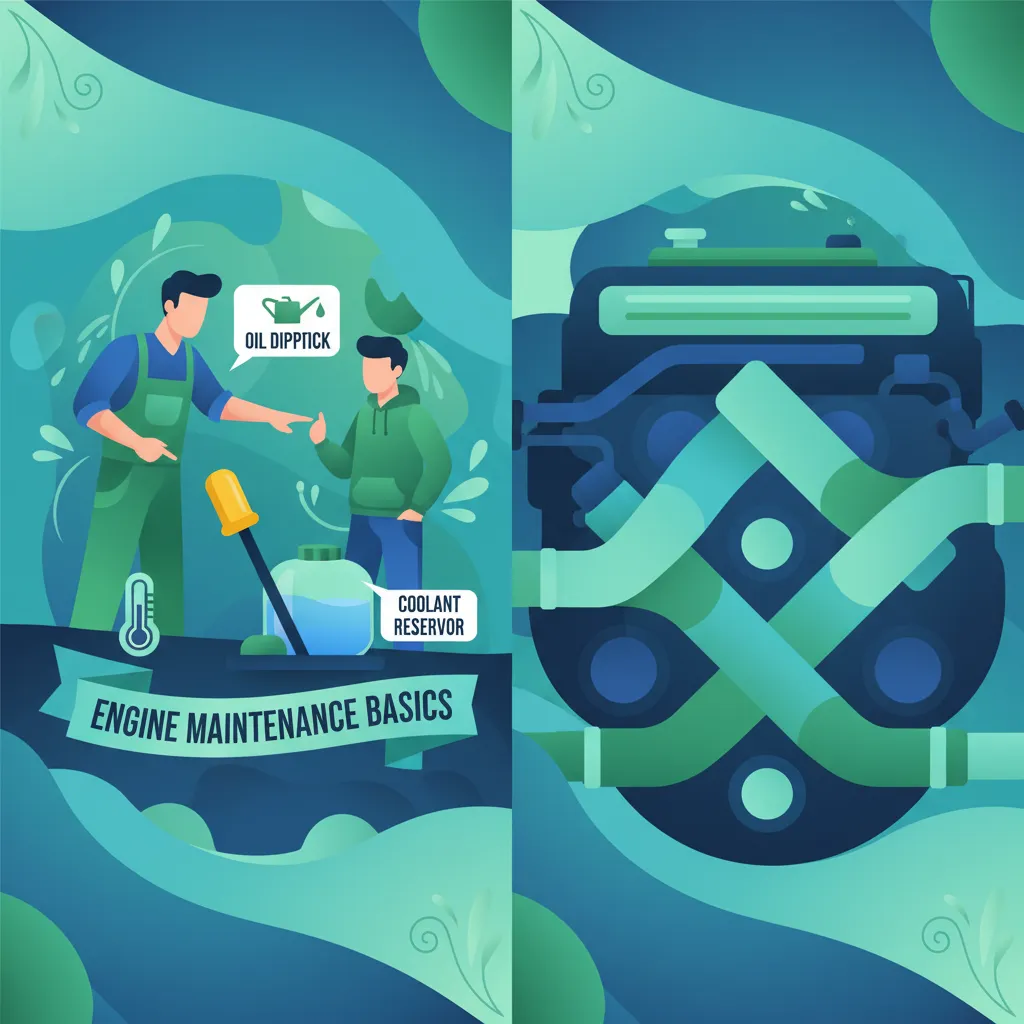
This lesson introduces essential mechanical checks to ensure motorcycle reliability and safety. Topics include monitoring engine oil and coolant levels, chain lubrication procedures, and tire pressure verification. By establishing a routine maintenance schedule, riders can proactively address issues and comply with DGT guidelines.
This lesson focuses on the primary components displayed on a vehicle's dashboard and their functional significance. Learners will identify instruments like the speedometer and fuel gauge and understand the meaning of key warning lights, including ABS, oil pressure, and check engine. The lesson explains how to interpret these signals while driving and the immediate actions required upon their illumination.
This lesson outlines the proper use and legal requirements of vehicle lighting and mirror systems. It covers headlamps, fog lights, turn signals, and brake lights, clarifying when each must be used according to DGT regulations. The lesson also explains the correct adjustment of rearview and side mirrors and strategies for effective blind-spot monitoring.

In this lesson, the structure and administration of the driving licence examinations are explained, covering both the theory and practical components. It details the format of the multiple-choice theory test, the pass criteria, and the process of registering for examinations through the DGT platform. The content also discusses test locations, scheduling, and the issuance of certification upon successful completion.

This lesson details the critical documents necessary for the legal operation of a passenger transport vehicle, such as the vehicle registration, driver's license, and insurance policy. It explains the function of the technical inspection certificate (ITV) and the necessity of maintaining accurate driver logbooks and records. Understanding these documentation requirements is essential for passing compliance audits and ensuring lawful operation.
This lesson presents a systematic pre-ride safety checklist covering tire pressure, brake fluid levels, lighting operation, and chain tension to ensure the motorcycle is road-ready. It also emphasizes personal checks such as helmet strap security and appropriate gear for weather conditions. Integrating DGT-recommended inspection procedures helps minimize equipment-related failures.

This lesson introduces the visual language of road markings, focusing on the distinction between solid and broken lines and what they permit regarding lane changes and overtaking. It explains the meaning of directional arrows painted on the road surface, which guide drivers into the correct lane for their intended maneuver. Understanding these markings is crucial for maintaining proper lane discipline and navigating complex intersections and multi-lane roads.
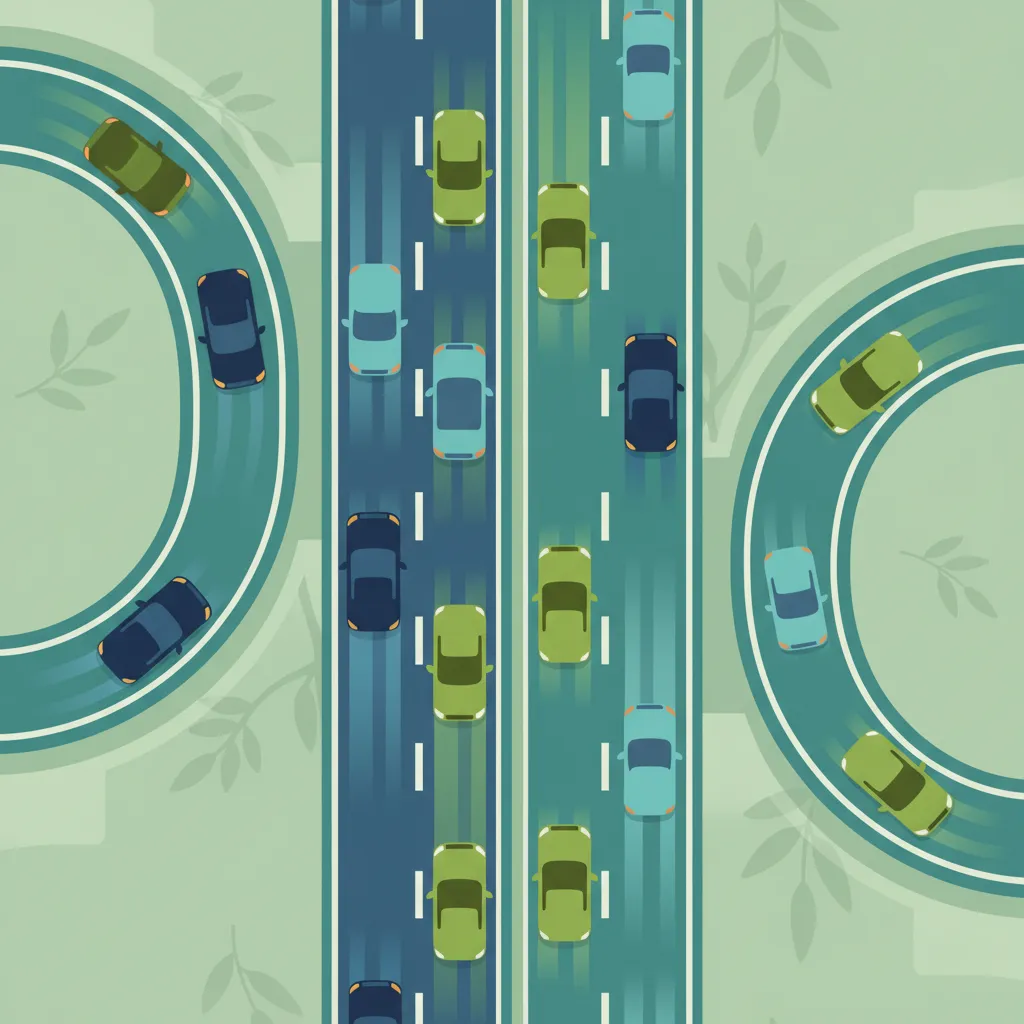
This lesson defines proper lane discipline on highways, emphasizing correct lane positioning and the rule to drive in the right-hand lane except when overtaking. It details safe merging onto main carriageways from an acceleration lane and effective exit strategies using deceleration lanes. Learners will understand DGT merge rules and the importance of signaling lane changes early.
This lesson explains the fundamental DGT regulations that govern public transport services, including requirements for operational permits and route authorizations. It covers the mandatory schedules for vehicle inspections, standards for emissions, and the legal importance of adhering to timetables and service quality. Learners will also understand the nature of regulatory audits and compliance checks that operators must undergo.
Find clear answers to common questions learners have about Safety Equipment and Maintenance Requirements. Learn how the lesson is structured, which driving theory objectives it supports, and how it fits into the overall learning path of units and curriculum progression in Spain. These explanations help you understand key concepts, lesson flow, and exam focused study goals.
The ITV (Inspección Técnica de Vehículos) is a mandatory technical inspection for vehicles in Spain. Its primary purpose is to ensure that vehicles on the road meet minimum safety and environmental standards, thereby contributing to overall road safety and reducing pollution.
Yes, child restraints are mandatory in Spain for children under 12 years old or shorter than 1.35 meters, depending on the specific vehicle and restraint system. They must be appropriate for the child's age and weight, and correctly installed to ensure maximum safety.
Seat belts are mandatory for all occupants of a vehicle in Spain, both in the front and rear seats. Drivers must ensure all passengers are wearing their seat belts correctly before starting the journey. Failure to do so can result in fines and points deductions.
The frequency of ITV inspections depends on the vehicle's age and type. New passenger cars typically require their first inspection after four years, then every two years until they are ten years old, after which they require annual inspections. Specific regulations apply to other vehicle types.
Correct tire pressure is crucial for safety as it affects vehicle handling, braking, and stability. Underinflated tires can lead to overheating and blowouts, while overinflated tires reduce grip and increase the risk of skidding. Maintaining optimal pressure ensures safe driving and reduces tire wear.
Use our powerful search functionality to pinpoint specific Spanish DGT driving theory practice sets. Filter by road sign categories, traffic law topics, or question difficulty to build custom study sessions and reinforce your knowledge precisely where it matters for your official exam.