
Logo
Vulnerable Pedestrians

Practice Safe Driving: Children and Elderly Pedestrians in Spain

This essential practice set prepares you for scenarios involving vulnerable pedestrians, particularly children and the elderly, for your Spanish Driving License Theory exam. You'll learn to recognize their unique challenges, anticipate their movements, and apply safe driving strategies (conducción preventiva) as mandated by DGT regulations, helping you prevent accidents and pass your exam with confidence.

vulnerable groupspedestrianschildrenelderlyhazard perceptiondefensive drivingDGTsafety
Practice Safe Driving: Children and Elderly Pedestrians in Spain

Mastering Safe Driving Around Vulnerable Pedestrians in Spain

This practice set helps you revise crucial hazard perception skills needed when encountering children and the elderly on Spanish roads. It covers common scenarios and defensive driving techniques, essential for passing your DGT theory test. Use this driving theory practice to build confidence for your exam preparation and real-world safety.

Focus on essential hazard perception skills when driving near children and the elderly. This set covers common scenarios, highlights their vulnerabilities, and teaches you the correct defensive actions to take, ensuring you're prepared for the DGT theory exam and real-world Spanish roads.

Example Questions in Children & Elderly Safety

Preview sample questions from the Children & Elderly Safety practice set to see how they help you prepare for the driving theory exam in Spain.

Near School at DismissalElderly Hearing TrafficElderly at Green LightElderly Distinguish Traffic LightsBall Rolling into RoadChildren and Traffic RulesElderly Accidents Alone vs. AccompaniedChildren's ImpulsivityElderly and Sidewalk ObstaclesChildren Accidents School ZoneElderly Judging SpeedChild on Bicycle Near RoadElderly Reaction TimeElderly Poorly Lit StreetChildren's Height Visibility

Why Learners Search for Children & Elderly Safety When Preparing for the Theory Exam

Learners choose Children & Elderly Safety to improve accuracy and understanding of key exam themes in Spain. It offers realistic driving theory questions and targeted revision for effective preparation.

DGT vulnerable pedestrians questionsSpanish driving test children elderly hazardshow to drive safely near schools Spainelderly crossing road rules DGT examconducción preventiva children elderly practice

Questions Learners Have About Children & Elderly Safety

Find answers to the most common queries learners have when practising Children & Elderly Safety, including how questions match the official theory exam in Spain, how scoring works, and how this practice improves exam readiness.

Why are children considered vulnerable pedestrians?

Children are vulnerable because they are shorter (less visible), have less sense of danger, don't know traffic rules, and can be impulsive, making their behavior unpredictable for drivers.

What makes elderly pedestrians vulnerable in traffic?

Elderly pedestrians may have reduced mobility, difficulty hearing approaching vehicles, trouble judging vehicle speed, and issues distinguishing traffic light colors, increasing their risk of accidents.

How should I drive when I see children near the road?

You should slow down, be extra vigilant, anticipate sudden movements (like a child running into the road), and be prepared to stop. Maintain a safe distance and avoid distractions.

What is "conducción preventiva" in the context of vulnerable pedestrians?

"Conducción preventiva" or defensive driving means anticipating potential hazards, such as unpredictable actions from children or slow movements from the elderly, and adjusting your driving to prevent accidents, even if it means sacrificing your immediate right of way.

Are elderly people more careful when crossing with children?

Yes, according to DGT information, elderly people tend to be more prudent when accompanied by children, acting as a good example and to protect them, which can reduce their accident risk.

Skills You Will Build for the Driving Theory Exam

By completing Children & Elderly Safety, you will gain stronger rule knowledge, faster recognition of signs and situations, better decision making in traffic scenarios, and increased accuracy on exam style questions used in Spain. These outcomes directly support higher scoring exam performance.

Understand why children are considered highly vulnerable road users.
Recognize the specific challenges elderly pedestrians face in traffic.
Learn to anticipate unpredictable movements from children and the elderly.
Apply appropriate defensive driving techniques when near schools, parks, or residential areas.
Master DGT rules concerning priority and safety for vulnerable pedestrian groups.

Expand Your Hazard Perception: Related Practice on Vulnerable Pedestrians

Further practice sets help reinforce crucial defensive driving skills when encountering vulnerable groups like children and the elderly on Spanish roads. Engage with more related practice questions to solidify your hazard perception for the DGT theory test and real-world driving scenarios.

Pedestrian Priority at Corners and Crossings in Spanish Traffic

Pedestrian Priority

Master the Rules: Ensure Pedestrian Safety and Ace Your DGT Exam!

pedestrian priorityright of waycrossings
15 questionsView details
Pedestrian Rules on Spanish Interurban Roads: The Left-Side Rule

Interurban Pedestrian Rules

Master Pedestrian Safety for Spanish Interurban Roads and Ace Your DGT Exam!
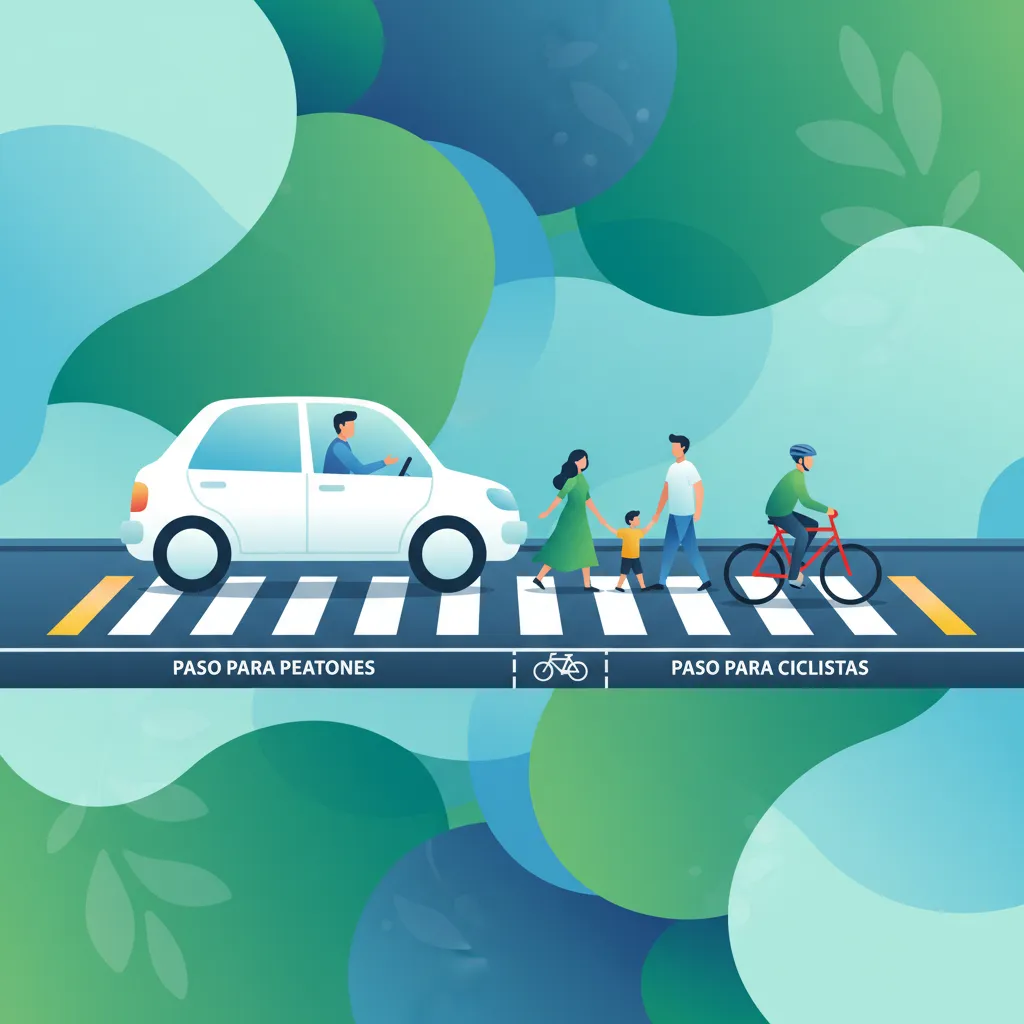
pedestriansinterurban roadssafety
12 questionsView details
Understanding Zebra Crossings and Pedestrian Priority in Spain

Pedestrian & Cycle Priority

Master Spanish Pedestrian and Cycle Priority to Drive Safely and Pass Your Exam.
pedestrianscyclistspriority
15 questionsView details
Safety and License Renewal for Elderly Drivers in Spain

Elderly Drivers & Renewal

Drive safer and stay informed on DGT rules for elderly road users.
elderly driverssenior driversdriving safety
12 questionsView details
Warning Signs: Hazard Perception and Priority in Spain

Warning & Priority Signs

Master Spanish Warning Signs and Priority Rules for Your DGT Exam.
warning signspriorityhazards
37 questionsView details
Mastering Speed and Distance Perception Hazards for the Spanish DGT Exam

Speed & Distance Perception

Beyond the Obvious: Train Your Eyes to See Real Hazards on Spanish Roads.

PerceptionHazardsSpeed
15 questionsView details

Questions in Children & Elderly Safety

Exam focused questionss

0

Difficulty Level

How This Driving Theory Practice Helps You Pass Faster

Children & Elderly Safety offers quick, focused exam style practice to boost your Spanish knowledge for the driving theory exam in Spain.

Reduce exam mistakes related to pedestrian safety and vulnerable groups.
Increase your confidence when encountering children and elderly individuals in traffic.
Develop stronger hazard perception skills for real-world Spanish driving.
Improve your understanding of DGT's emphasis on 'conducción preventiva'.

Who Should Practise Children & Elderly Safety?

Children & Elderly Safety helps learners in Spain with clear explanations and targeted Spanish practice to improve essential driving theory topics.

This set is ideal for all learners preparing for the Spanish driving theory exam, especially those who want to refine their hazard perception skills. It addresses common mistakes in anticipating the actions of children and the elderly, ensuring you understand the extra care required for these vulnerable road users according to DGT standards.

Start Practice

Ready to Start Practicing? Choose Your Theory Category

Dive deeper into your Spanish DGT driving theory preparation by selecting a specific practice category. Whether you need to review road signs, master traffic priority rules, or understand vehicle safety, pick a topic to begin targeted exercises and reinforce your knowledge for the official exam.

Explore Practice Categories

CTA Decorative Squares

Practice Spanish driving theory questions

Spanish road signsSpanish article topicsSearch Spanish road signsSpanish driving theory homeSpanish road sign categoriesSpanish driving theory topicsSpanish Moped Theory AM courseSearch Spanish theory articlesSpanish driving theory coursesSpanish driving theory articlesSpanish driving theory practiceSpanish driving licence proceduresSpanish Driving Theory D & D1 courseSpanish Driving Theory B & BE courseLane Signs Spanish road sign categoryOther Signs Spanish road sign categorySpanish Truck Driving Theory C/C1 courseService Signs Spanish road sign categoryPriority Signs Spanish road sign categoryLocation Signs Spanish road sign categoryMandatory Signs Spanish road sign categoryDirection Signs Spanish road sign categorySpanish Motorcycle Theory (A, A1, A2) courseRestriction Signs Spanish road sign categoryAdditional Panels Spanish road sign categoryRoute Number Signs Spanish road sign categoryConfirmation Signs Spanish road sign categoryPre-signaling Signs Spanish road sign categoryGeneral Danger Signs Spanish road sign categoryDe-restriction Signs Spanish road sign categoryEntry Prohibition Signs Spanish road sign categoryGeneral Indication Signs Spanish road sign categoryConstruction Warning Signs Spanish road sign categoryConstruction Indication Signs Spanish road sign categoryConstruction Speed Limit Signs Spanish road sign categoryConstruction De-restriction Signs Spanish road sign categoryConstruction Reflective Marking Signs Spanish road sign categoryOther Prohibition or Restriction Signs Spanish road sign categorySigns for Specific Use in Built-up Areas Spanish road sign categoryConstruction Regulation and Priority Signs Spanish road sign category