
This lesson introduces the fundamental communication techniques required for safe navigation on Swiss roads. You will learn how to use indicators, mirrors, and eye contact to convey your intentions clearly to other road users, a key competency for both your Category B theoretical exam and practical driving.

Lesson content overview
Effective communication is the bedrock of safe driving. On Swiss roads, mastering how to convey your intentions clearly and predictably is not just good practice; it's a legal obligation and a critical skill for preventing accidents. This lesson delves into the core behaviour rules governing safe communication, focusing on vehicle signals, mirrors, eye contact, and non-verbal cues that foster predictable traffic flow and enhance road safety.
Every manoeuvre you make, from a simple lane change to turning at a complex intersection, impacts other road users. Clear communication minimises uncertainty, allowing everyone to anticipate actions and react safely.
Vehicle signals are your primary tools for communicating your intentions to other drivers, pedestrians, and cyclists. Using them correctly and timely is fundamental to safe and harmonious traffic flow.
Turn indicators, often called blinkers, are electrical lights on the front and rear of your vehicle that flash to signal a planned change in direction or position. They are indispensable for informing others about your intention to turn, change lanes, or merge.
An electrical light signal on a vehicle that flashes to indicate a planned turning manoeuvre, lane change, or merging action.
The timing of your indicator activation is crucial. Swiss Road Traffic Act (SVG) regulations mandate that you activate your indicator at least 5 seconds before executing a manoeuvre. This gives other road users sufficient time to register your intention and adjust their speed or position accordingly. Activating your indicator too late can cause confusion, sudden braking, or even collisions.
Always remember to deactivate your indicator promptly after completing your manoeuvre. Leaving it on can mislead other drivers into thinking you plan another turn or lane change.
Hazard warning lights involve the simultaneous flashing of all your vehicle's turn indicators. They serve a distinct purpose: to alert other road users to a potential danger or an unusual situation involving your vehicle.
The simultaneous flashing of both left and right indicators, used to signal an emergency, vehicle breakdown, or an unusual obstruction on the road.
You should activate hazard warning lights in specific circumstances:
It is a common misunderstanding to use hazard lights while driving normally to signal a lane change or to thank another driver. This is incorrect and can lead to dangerous misinterpretations, as hazard lights primarily communicate a problem or danger, not a routine manoeuvre. Always use regular turn indicators for changes in direction.
Vehicle signals tell others your intent, but equally important is your observation to understand their presence and reactions. Before making any manoeuvre, you must thoroughly check your surroundings using mirrors and direct head turns.
A systematic approach to checking your surroundings is essential before initiating any lane change, turn across traffic, or merging. This involves a sequence of visual assessments:
Activate your turn indicator at least 5 seconds before your intended manoeuvre.
Check your internal rear-view mirror to assess traffic behind you.
Check the side mirror corresponding to the direction of your manoeuvre.
Perform a 'shoulder check' (physical head turn) to scan your blind spot in the direction of the manoeuvre.
If clear, execute the manoeuvre smoothly and gradually.
Deactivate your indicator immediately after completing the manoeuvre.
Neglecting the blind spot scan is a common cause of side-swipe collisions, especially with smaller vehicles like motorcycles or bicycles that can easily be hidden. This is particularly relevant for drivers of taller vehicles (e.g., vans, SUVs) which often have larger blind spots.
While indicators and mirrors are primary, direct interaction with other road users through eye contact and gestures plays a significant supplementary role, especially in complex or low-speed situations.
Direct eye contact is a powerful, non-verbal communication tool. It allows you to confirm that another road user has seen you and understood your intentions, and vice versa. This is particularly crucial when interacting with vulnerable road users.
Eye contact is a valuable supplement, not a replacement, for legally mandated signals like indicators.
Hand gestures can be used to convey specific messages when verbal communication is impossible, or when vehicle signals are insufficient or inoperative.
While hand gestures are useful, especially in low-speed or ambiguous scenarios, they should not be over-relied upon, particularly in fast-moving traffic where they may not be seen or understood. Always prioritize your vehicle's official signals.
Safe communication is not static; it must adapt to varying road conditions, environments, and the specific types of road users you encounter.
Visibility can be significantly reduced by environmental factors, impacting how effectively your signals are perceived.
Pedestrians, cyclists, and motorcyclists are particularly vulnerable due to their lack of protective barriers and smaller profiles. Special attention to communication is required when interacting with them.
The context of the road environment also influences communication strategies.
Swiss traffic law, primarily the Road Traffic Act (SVG), lays down clear mandates regarding communication on the road. Adhering to these is not just about safety but also about legal compliance.
Understanding common mistakes helps you consciously avoid them and cultivate safer driving habits.
The essence of safe communication on the road is predictability. When every driver clearly communicates their intentions and adheres to established rules, the entire traffic system becomes safer and more efficient. This reduces stress, prevents misunderstandings, and significantly lowers the risk of collisions.
Key Checklist for Safe Communication:
By internalizing these core behaviour rules and practicing mindful communication, you contribute not only to your own safety but also to the safety and smooth flow of traffic for everyone on Swiss roads.
This lesson covers essential safe communication techniques required for Swiss Category B theory and driving. The core principle is predictability: clear, timely signals and thorough observation prevent misunderstandings and collisions. Key procedures include activating indicators 5 seconds before manoeuvres, performing a systematic three-point mirror and blind spot check, and using eye contact and hand gestures to supplement communication with vulnerable road users. Swiss law mandates specific requirements including the 1.5-meter minimum clearance when overtaking cyclists and proper yielding at pedestrian crossings. Understanding the distinct purpose of hazard lights versus turn indicators, and knowing hand signals for signal failure, ensures legal compliance and road safety.
A short set of high-value points that capture the most important learning from this lesson.
Activate turn indicators at least 5 seconds before any manoeuvre to give other road users sufficient time to react.
Always perform a three-point check (rear-view mirror, side mirror, blind spot shoulder check) before changing lanes or turning.
Hazard warning lights indicate a problem or danger, not a routine manoeuvre—never use them for lane changes or to say thank you.
Hand signals become mandatory if vehicle indicators fail, with standardized gestures for left turn, right turn, and slowing/stopping.
Maintain the legally required minimum lateral clearance of 1.5 meters when overtaking cyclists.
Explore all units and lessons included in this driving theory course.
5 seconds: minimum indicator activation time before a manoeuvre under Swiss traffic law.
1.5 meters: mandatory minimum lateral clearance when overtaking cyclists in Switzerland.
Three-point check sequence: rear-view mirror → side mirror → blind spot shoulder check.
Eye contact supplements but never replaces legally mandated vehicle signals.
Hazard lights = danger or breakdown; turn indicators = intended direction change.
Activating indicators too late, giving other drivers insufficient time to react and potentially causing sudden braking.
Relying solely on mirrors without performing the physical head turn (shoulder check) to verify blind spots are clear.
Using hazard warning lights for routine manoeuvres instead of turn indicators, leading to dangerous misinterpretations.
Neglecting to deactivate indicators after completing a turn, confusing other drivers about your next intended action.
Assuming signals are always visible in poor weather or sun glare without adjusting signaling distance or speed.
Lesson content overview
A short set of high-value points that capture the most important learning from this lesson.
Activate turn indicators at least 5 seconds before any manoeuvre to give other road users sufficient time to react.
Always perform a three-point check (rear-view mirror, side mirror, blind spot shoulder check) before changing lanes or turning.
Hazard warning lights indicate a problem or danger, not a routine manoeuvre—never use them for lane changes or to say thank you.
Hand signals become mandatory if vehicle indicators fail, with standardized gestures for left turn, right turn, and slowing/stopping.
Maintain the legally required minimum lateral clearance of 1.5 meters when overtaking cyclists.
Explore all units and lessons included in this driving theory course.
5 seconds: minimum indicator activation time before a manoeuvre under Swiss traffic law.
1.5 meters: mandatory minimum lateral clearance when overtaking cyclists in Switzerland.
Three-point check sequence: rear-view mirror → side mirror → blind spot shoulder check.
Eye contact supplements but never replaces legally mandated vehicle signals.
Hazard lights = danger or breakdown; turn indicators = intended direction change.
Activating indicators too late, giving other drivers insufficient time to react and potentially causing sudden braking.
Relying solely on mirrors without performing the physical head turn (shoulder check) to verify blind spots are clear.
Using hazard warning lights for routine manoeuvres instead of turn indicators, leading to dangerous misinterpretations.
Neglecting to deactivate indicators after completing a turn, confusing other drivers about your next intended action.
Assuming signals are always visible in poor weather or sun glare without adjusting signaling distance or speed.
Explore search topics learners often look for when studying Core Behaviour Rules and Safe Communication. These topics reflect common questions about road rules, driving situations, safety guidance, and lesson level theory preparation for learners in Switzerland.
Browse additional driving theory lessons that cover connected traffic rules, road signs, and common driving situations related to this topic. Improve your understanding of how different rules interact across everyday traffic scenarios.
Explore how core communication rules adapt to urban, rural, and motorway environments in Switzerland. Learn specific protocols for interacting safely with pedestrians, cyclists, and other vulnerable road users.
Pedestrians, cyclists, motorcyclists, and e-scooter riders are extremely vulnerable in any interaction with a heavy vehicle. This lesson instills a defensive mindset, teaching drivers to be hyper-aware of VRUs, especially near junctions, crossings, and cycle lanes. It focuses on anticipation and giving VRUs extra space, as they can be unpredictable and are often hidden in blind spots.

This lesson focuses on general driving safety in areas with a high concentration of children. It stresses the importance of significantly reducing speed, being prepared for unexpected events, and scanning for children between parked cars. The driver must exhibit maximum vigilance in these high-risk environments at all times.

This lesson trains drivers to look beyond other vehicles and actively search for pedestrians, cyclists, and motorcyclists, especially those who may be distracted or unaware. It covers common behavioral patterns of different VRU groups. The goal is to see potential hazards developing early and create time and space to react safely.
This lesson examines special traffic situations such as railway level crossings and shared zones where different road users coexist. It explains the specific safety procedures required at railway crossings and how to behave in shared zones with mixed traffic. The content also addresses the need to yield to oncoming trains and follow special signage in these unique zones.
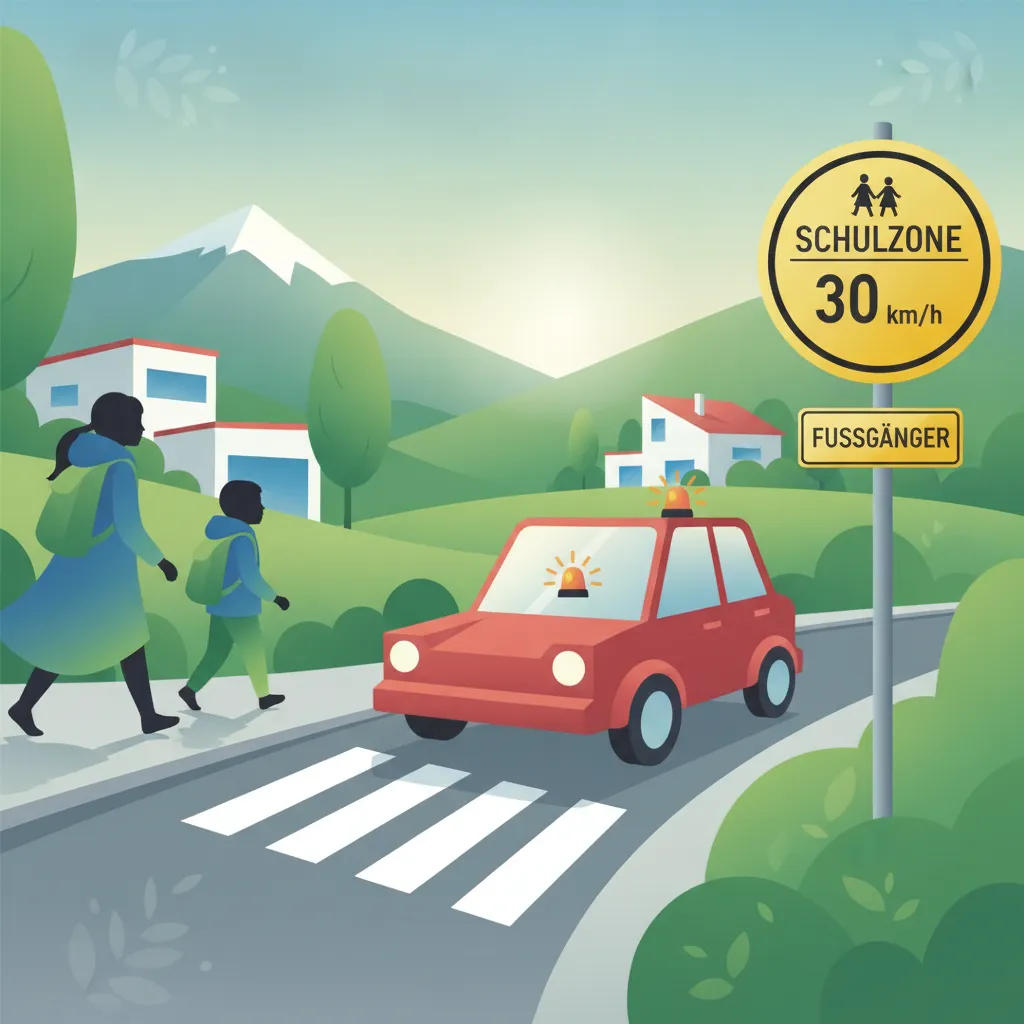
This lesson focuses on school zones, where special speed limits and cautionary measures are required. You will learn to recognize school zone signs, understand reduced speed limits, and be aware of designated child crossing zones. The content also emphasizes the need for heightened vigilance when school buses stop for students to ensure child safety.
This lesson delineates the various categories of road users on Swiss roads, highlighting their specific rights and responsibilities. It explains the legal hierarchy that determines priority at intersections and in shared spaces. The content also discusses the unique considerations for vulnerable users, such as children, emphasizing the need for heightened caution.
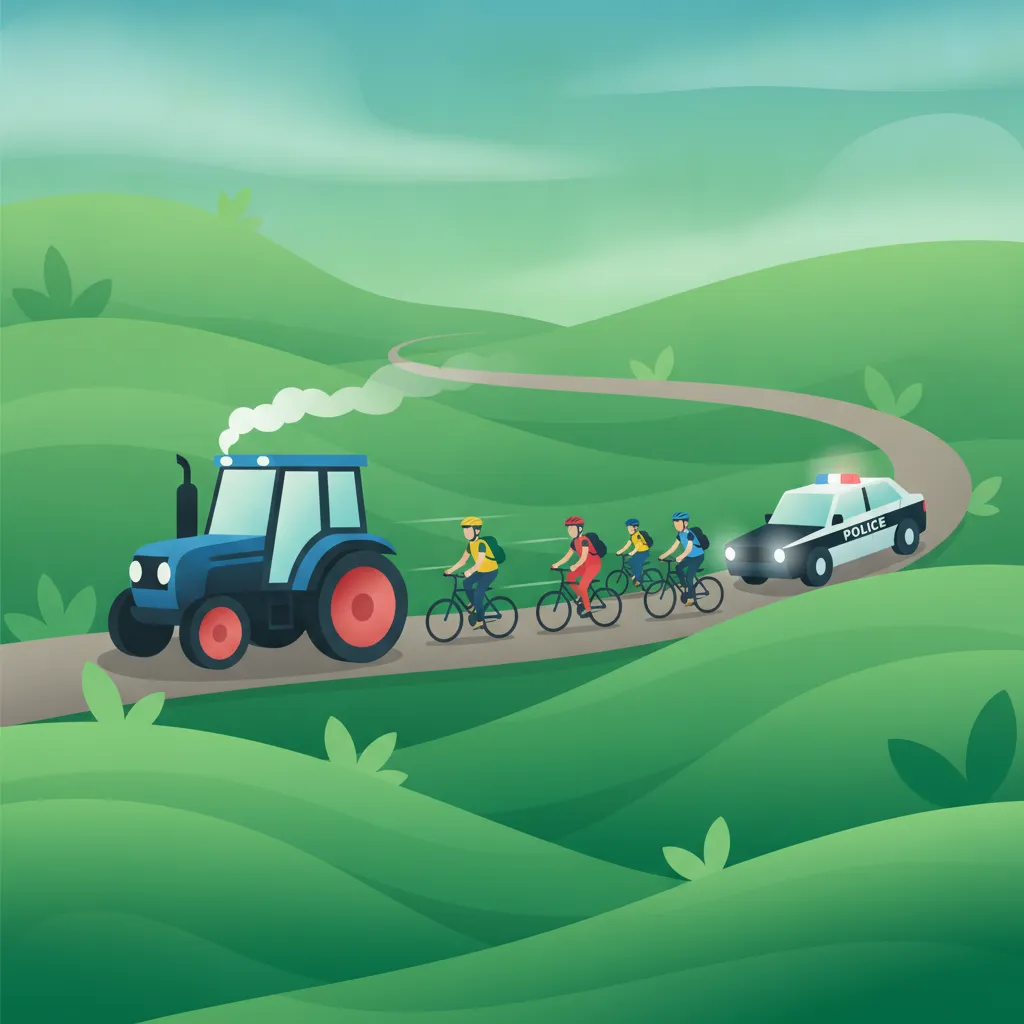
This lesson focuses on strategies for safely interacting with non-standard traffic common on rural roads. It covers how to anticipate the behaviour of slow-moving farm equipment and tourist vehicles, and the legal requirement to yield to emergency services. The importance of patience and safe passing opportunities is stressed.
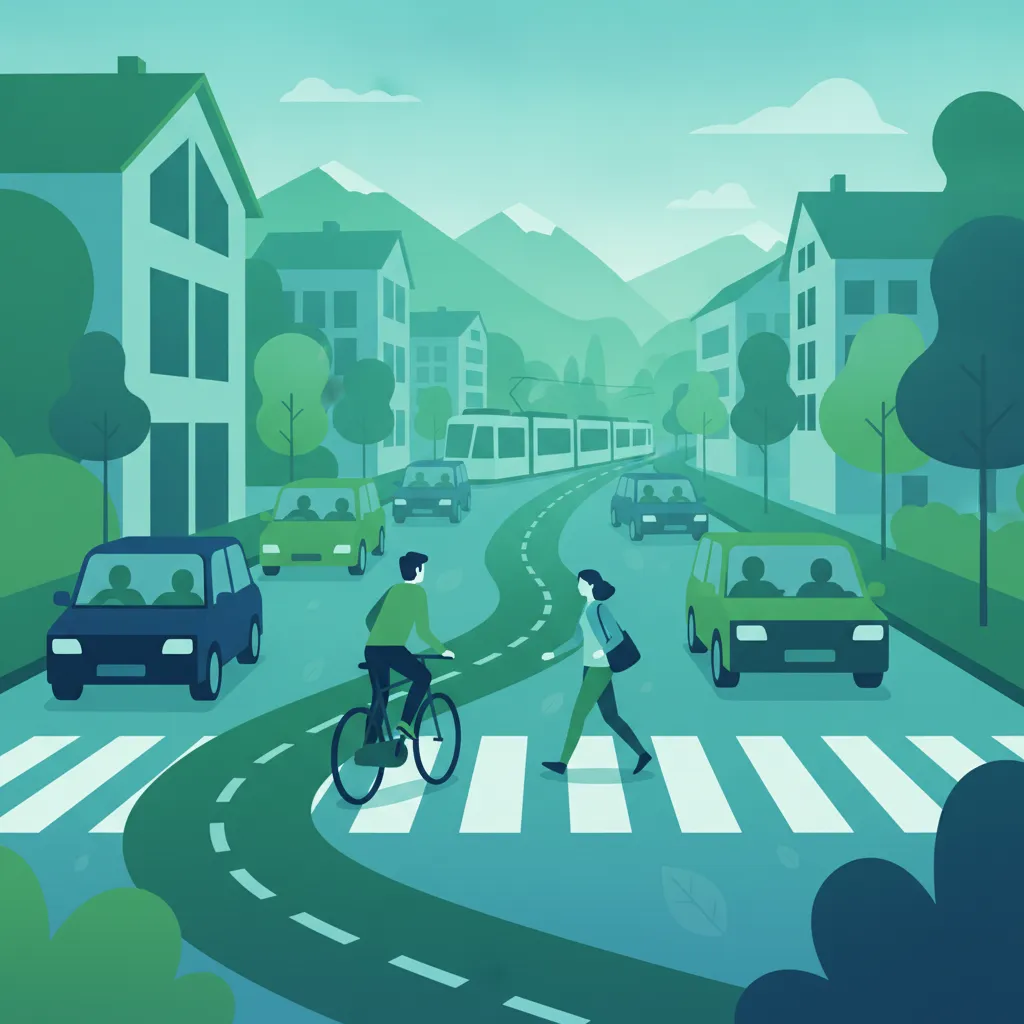
This lesson explores the specific considerations for cyclists and pedestrians, who are among the most vulnerable road users. It covers the proper use of bicycle lanes, the minimum safe overtaking distance for cyclists, and the legal requirements for yielding at pedestrian crossings. The content reinforces the need for heightened vigilance around these users.
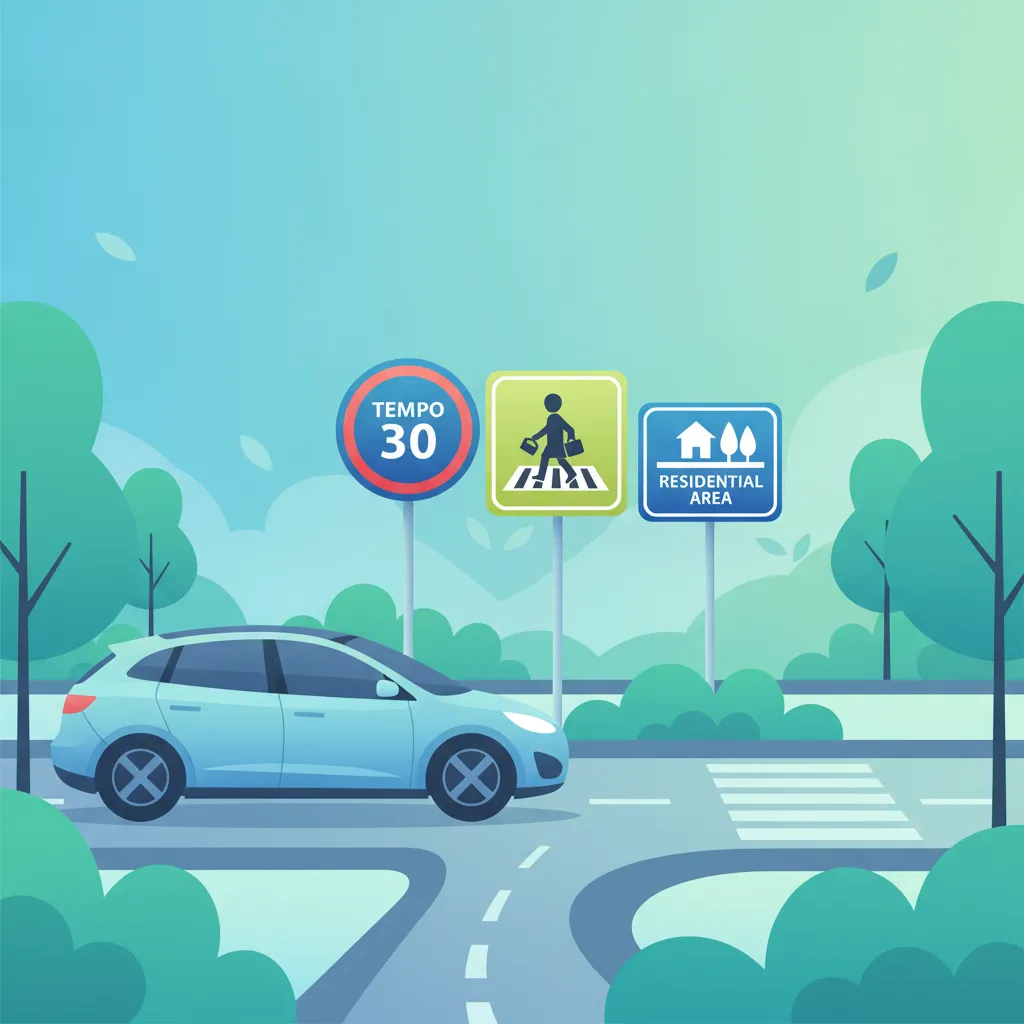
This lesson covers areas with special traffic regulations designed to protect vulnerable road users. Learners will understand the rules and reduced speed limits applicable in Tempo-30 zones, residential areas, and around schools. The content emphasizes the need for heightened awareness and a defensive riding style in these designated zones.
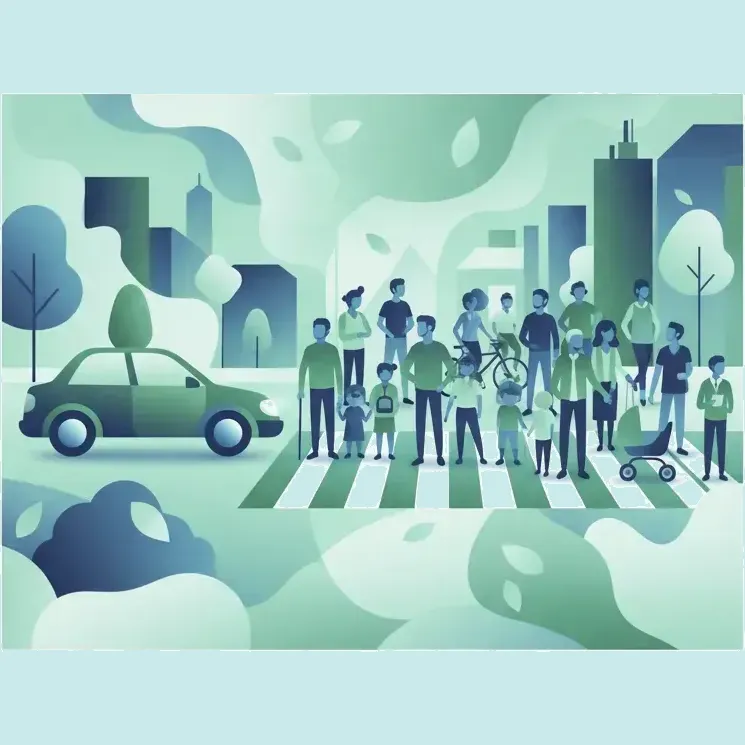
This lesson explores pedestrian right-of-way at various crossings, including zebra crossings and pedestrian islands. It emphasizes the need for drivers to reduce speed, anticipate pedestrian movement, and stop safely when required. The content also covers special regulations that apply in school zones, such as reduced speed limits and heightened vigilance.
Identify and understand common errors in signalling, mirror checks, and blind spot awareness. Learn the legal obligations for communication and observation under Swiss traffic law.
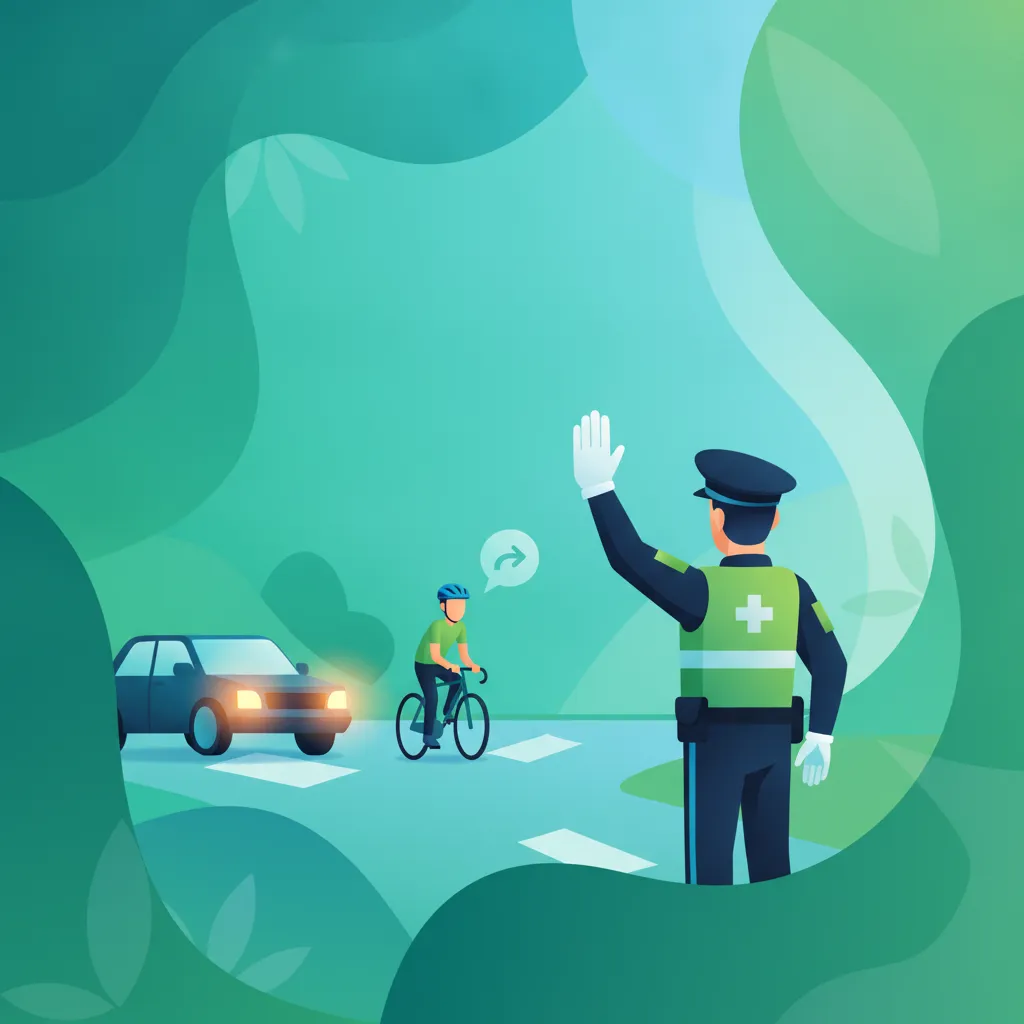
This lesson covers the standard hand signals and the correct use of a motorcycle's lighting system to communicate intentions. It explains the importance of signaling clearly and in a timely manner before turning, changing lanes, or stopping. Effective communication is a key factor in preventing misunderstandings and potential conflicts with other road users.

The driver is legally responsible for the roadworthiness of their vehicle at the start of and during every journey. This lesson outlines the formal process for reporting any identified defects to the transport manager or maintenance staff. It stresses the critical rule that a vehicle with a known safety-critical defect must not be driven until it has been professionally repaired and declared safe.
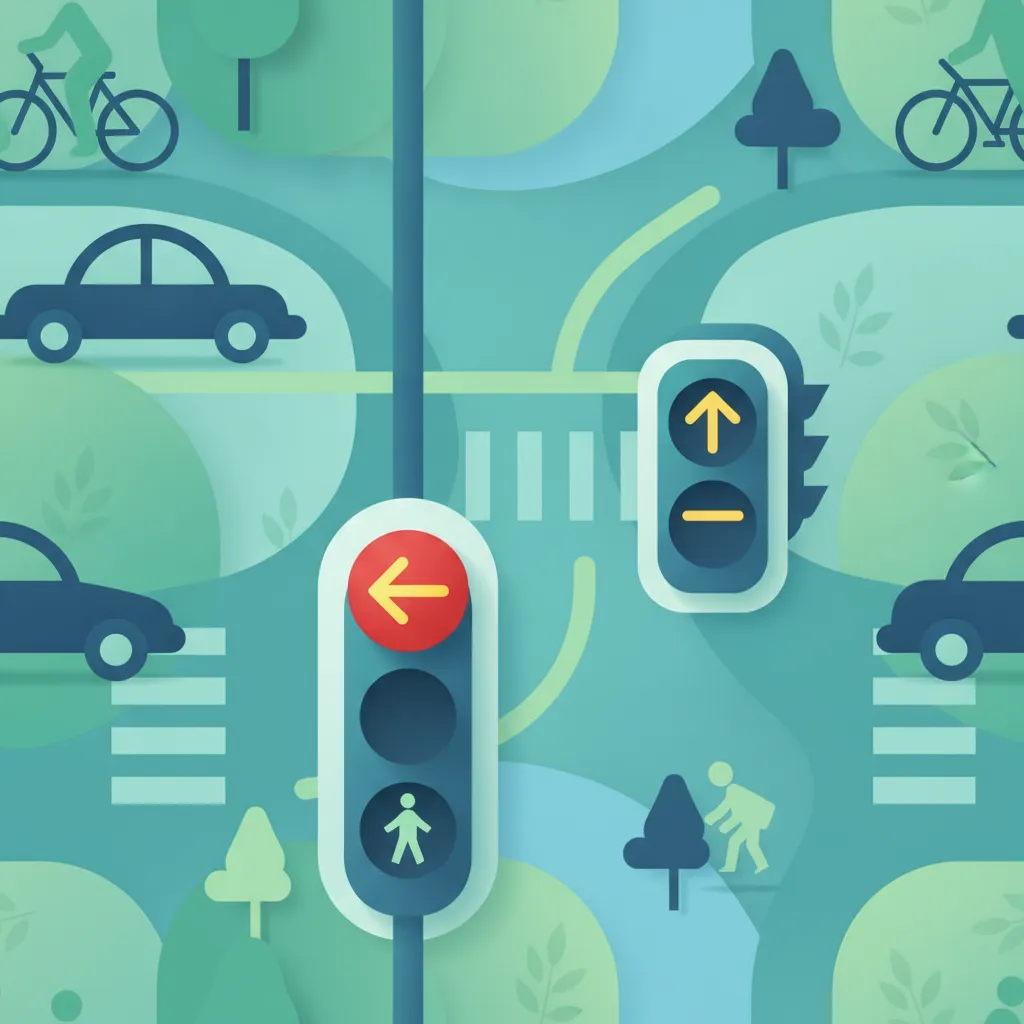
This lesson details the operation of traffic light systems in Switzerland. It explains the sequence and meaning of red, amber, and green lights, including flashing amber signals. The content also covers specific signals for pedestrians and the priority rules associated with tram signals to ensure safe interaction at controlled intersections.
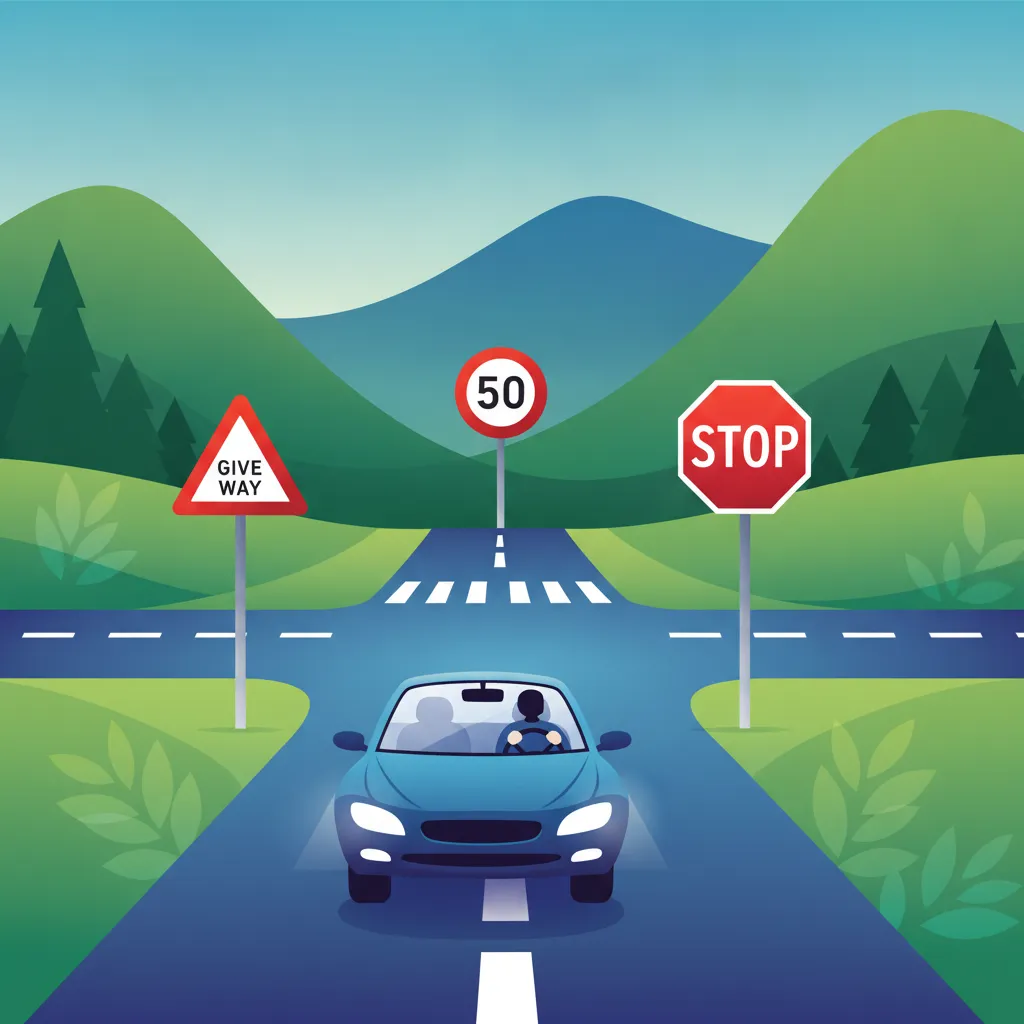
This lesson explores the category of regulatory signs, which dictate permissible and prohibited actions for drivers. It covers speed limit signs, entry restrictions, and mandatory direction signs, explaining their legal significance. Emphasis is placed on recognizing the shapes and colours that distinguish these critical signs within the Swiss traffic system.

This lesson examines the different lighting systems on a vehicle, including headlamps, fog lights, and turn signals. It explains the appropriate use of low-beam and high-beam headlights and the conditions for activating fog lights. Understanding proper lighting usage improves visibility and safety, especially in low-light or adverse weather conditions.
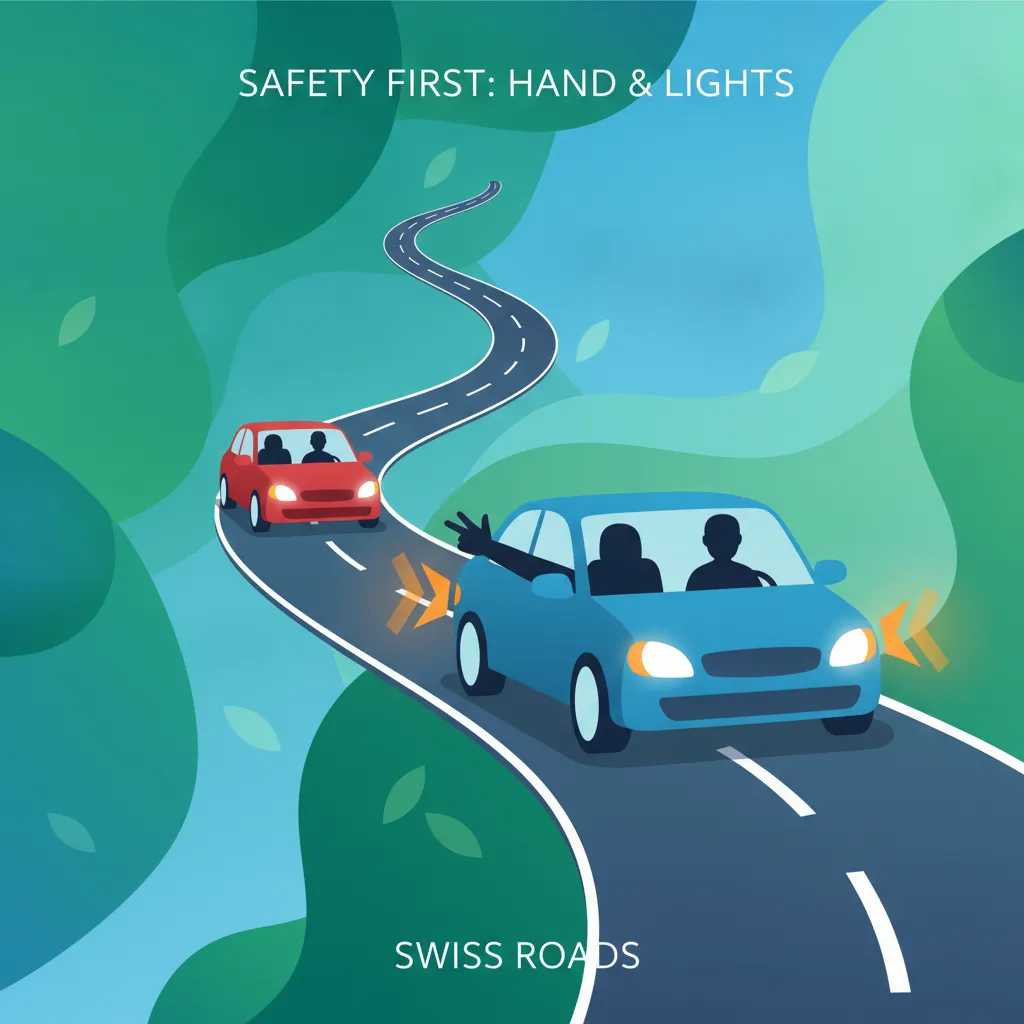
This lesson covers the methods riders use to communicate their intentions to other traffic. It details the correct use of electronic turn indicators and the standard hand signals for turning and stopping. The content emphasizes signaling in a timely manner to ensure other road users can anticipate your actions.

This lesson outlines the mandatory documentation required during any professional transport journey in Switzerland. Drivers must be able to present the vehicle registration document ('Fahrzeugausweis'), their valid driving license, and the OACP qualification card upon request. It also touches upon transport-specific documents like consignment notes, which are crucial for legal compliance during roadside inspections by authorities.

This lesson clarifies the legal requirements for reporting traffic incidents in Switzerland. It provides guidance on how to interact with police and emergency personnel, providing clear and accurate information. Understanding these procedures helps ensure the incident is documented correctly for legal and insurance purposes.
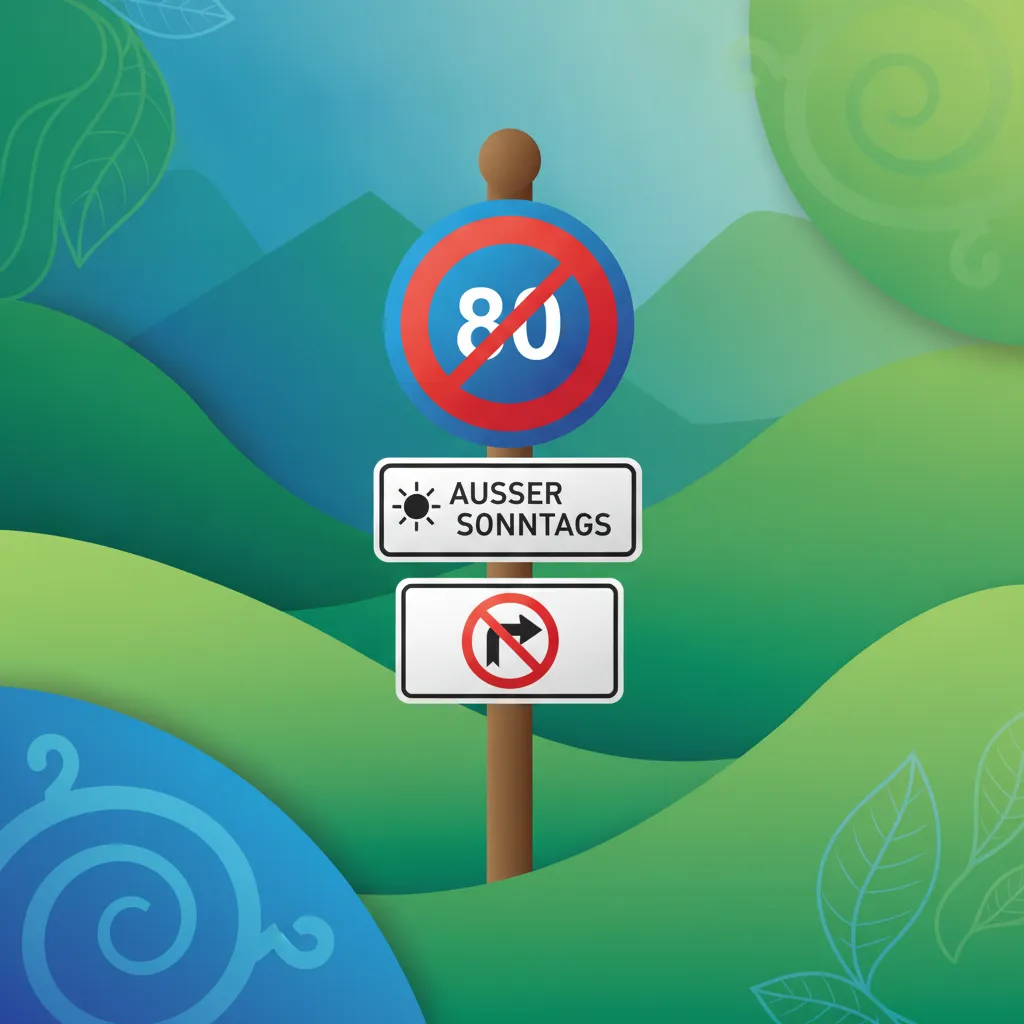
This lesson delves into supplementary signs that modify or clarify the meaning of primary traffic signs. You will learn to interpret signs indicating time restrictions, vehicle-specific limitations, and lane-specific instructions. The content also highlights how these signs interact with main regulatory signs to convey precise, context-sensitive traffic rules.
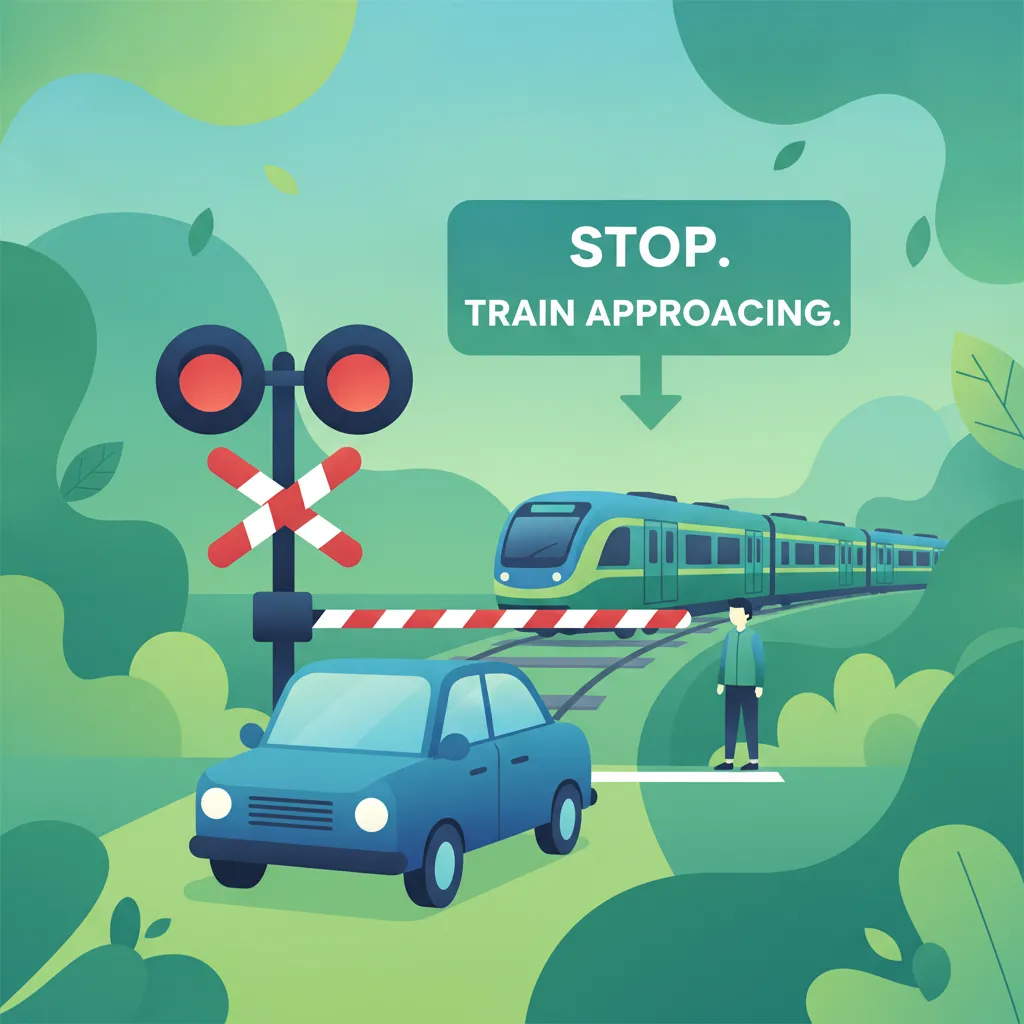
This lesson examines railway crossings, focusing on the signals, barriers, and safety procedures required for safe passage. It explains the different types of level crossings, the meaning of flashing lights and audible warnings, and the required driver actions. You will learn to interpret warning signs and integrate these safety measures into your driving behavior.
Find clear answers to common questions learners have about Core Behaviour Rules and Safe Communication. Learn how the lesson is structured, which driving theory objectives it supports, and how it fits into the overall learning path of units and curriculum progression in Switzerland. These explanations help you understand key concepts, lesson flow, and exam focused study goals.
It establishes a systematic safety process that prevents sudden, unexpected moves. In the exam, you must demonstrate you are aware of your surroundings before initiating any change in vehicle direction.
Yes. Signaling is a matter of habit and legal requirement in Switzerland. It ensures that if a hidden road user—such as a cyclist—is present, your intentions are clear, regardless of whether you currently see them.
Non-verbal cues include positioning your vehicle correctly in the lane to show your direction and using eye contact at pedestrian crossings. These actions help build a predictable traffic flow.
You should check your mirrors frequently and always before any change of speed or direction. This creates a continuous mental map of the traffic behind and beside your vehicle.
Pinpoint specific Swiss traffic rules, road signs, or driving situations you need to master. Use the practice search to start a focused revision session now and build confidence for your official driving theory exam.