
As modern vehicles incorporate increasingly sophisticated technology, understanding these systems is essential for both safe operation and exam success. This article details the impact of electric vehicle specifications on road safety and explains how features like advanced assistance systems and chassis dynamics align with Spanish traffic regulations. By studying these technical foundations, you will be better prepared to answer complex questions regarding modern vehicle capabilities and legal status in the DGT test.
Article content overview
As the Spanish automotive landscape shifts toward sustainable mobility, understanding the intricacies of electric vehicles (EVs) has become a vital component of the DGT theory curriculum. Modern electric vehicles are not simply cars with different engines; they incorporate advanced chassis dynamics, unique safety systems, and complex battery architectures that directly influence how you should behave on the road. For the DGT theory exam, candidates must move beyond basic operation knowledge and grasp how these technological advancements impact vehicle weight, handling, and energy management.
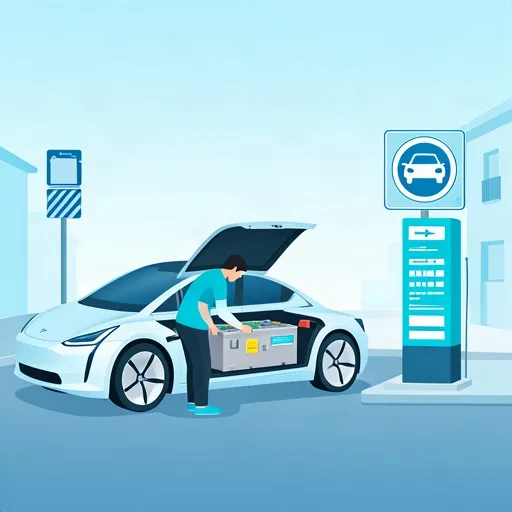
Electric vehicles differ significantly from internal combustion engine (ICE) vehicles in terms of weight distribution and center of gravity. Most EVs house their large battery packs at the base of the chassis, which significantly lowers the center of gravity and improves stability during cornering. However, this increased mass—often exceeding 3,500 kg for larger models—demands a different approach to braking distances and inertia management.
Technological features such as air suspension and rear-axle steering are now becoming common in high-end electric passenger vans and SUVs. These systems are designed to enhance maneuverability in narrow urban environments while maintaining high-speed stability on motorways. Understanding how these features interact with road surfaces and speed limits is essential, as the DGT often tests your knowledge of how vehicle dynamics affect your ability to control a vehicle during emergency maneuvers.
Advanced Driver Assistance Systems (ADAS) are a cornerstone of modern vehicle safety regulations in Spain. The DGT has integrated these systems into both theoretical and practical training because they fundamentally change the relationship between the driver and the vehicle. ADAS encompasses technologies such as lane-keeping assistance, adaptive cruise control, and autonomous emergency braking.
It is crucial to remember that while these systems improve road safety, they do not replace the driver. The law still dictates that the driver remains fully responsible for the safe operation of the vehicle at all times, regardless of the level of automation provided by the car. Exam questions frequently focus on identifying when it is appropriate to use these systems and understanding that they are meant to assist, not override, your responsibilities as a driver.
While electric vehicles are evolving to act as mobile energy storage units, it is important to distinguish between available technology and legal implementation in Spain. Concepts like Vehicle-to-Grid (V2G) and Vehicle-to-Home (V2H) allow an electric vehicle to supply power back to the electrical grid or a household. However, these systems are not yet widely permitted or standardized within the current Spanish regulatory framework.
When you encounter questions regarding the utility of electric vehicles in the DGT exam, focus on their current legal status. You should be prepared to identify that while the hardware might exist to support energy export, the Spanish traffic and energy regulations prioritize the vehicle's role in mobility and safety above its potential role as a power source for static infrastructure.
The Worldwide Harmonized Light Vehicles Test Procedure (WLTP) provides a standardized way to measure the range of electric vehicles. Understanding that this range is an estimate based on laboratory conditions is vital for safe driving planning. Drivers must learn to account for variables such as mountainous terrain, high-speed motorway driving, and cabin climate control, all of which significantly reduce the actual range compared to the laboratory figure.
This article covers the technical and regulatory aspects of electric vehicles relevant to the DGT theory exam. Key focus areas include how EV chassis design affects vehicle dynamics and braking, the role and limitations of ADAS in maintaining driver responsibility, and the distinction between emerging V2G/V2H technology and current Spanish legal frameworks. Understanding WLTP range as an estimate influenced by real-world conditions is essential for questions involving journey planning. The content emphasizes that while modern EVs incorporate sophisticated assistance systems, the driver's legal obligations remain unchanged under Spanish traffic regulations.
A short set of high-value points that capture the most important ideas from this article.
EV battery placement lowers the center of gravity, improving cornering stability but increasing total vehicle mass, which affects braking distances.
ADAS systems like lane-keeping and autonomous emergency braking assist drivers but do not replace their legal responsibility for safe vehicle operation.
Vehicle-to-Grid (V2G) and Vehicle-to-Home (V2H) technologies exist in hardware but are not yet standardized or permitted under current Spanish regulations.
WLTP range figures are laboratory estimates; real-world factors like mountainous terrain, high-speed driving, and climate control significantly reduce actual range.
Air suspension and rear-axle steering systems improve maneuverability in urban areas while maintaining motorway stability, affecting how drivers should approach emergency maneuvers.
The driver remains fully responsible for vehicle control at all times, regardless of ADAS intervention level.
V2G and V2H are not legally recognized energy-export methods in Spain for road vehicles.
EV range calculations must account for external variables; the WLTP figure is a controlled test result, not a guarantee.
Maximum Authorized Mass (MAM) limits apply to electric vehicles, particularly for larger models used in commercial transport.
ADAS features like adaptive cruise control can reduce attention during adverse weather or on complex rural roads.
Assuming V2G or V2H is an approved function in Spain, leading to incorrect answers about vehicle energy use.
Over-relying on ADAS features during the exam, forgetting that the driver retains ultimate legal responsibility.
Confusing WLTP laboratory range with real-world achievable distance, causing miscalculations in route planning scenarios.
Believing that ADAS makes autonomous driving legal without driver supervision, which contradicts Spanish traffic law.
Underestimating the braking distance impact of heavier electric vehicles, particularly in emergency maneuver questions.
Article content overview
A short set of high-value points that capture the most important ideas from this article.
EV battery placement lowers the center of gravity, improving cornering stability but increasing total vehicle mass, which affects braking distances.
ADAS systems like lane-keeping and autonomous emergency braking assist drivers but do not replace their legal responsibility for safe vehicle operation.
Vehicle-to-Grid (V2G) and Vehicle-to-Home (V2H) technologies exist in hardware but are not yet standardized or permitted under current Spanish regulations.
WLTP range figures are laboratory estimates; real-world factors like mountainous terrain, high-speed driving, and climate control significantly reduce actual range.
Air suspension and rear-axle steering systems improve maneuverability in urban areas while maintaining motorway stability, affecting how drivers should approach emergency maneuvers.
The driver remains fully responsible for vehicle control at all times, regardless of ADAS intervention level.
V2G and V2H are not legally recognized energy-export methods in Spain for road vehicles.
EV range calculations must account for external variables; the WLTP figure is a controlled test result, not a guarantee.
Maximum Authorized Mass (MAM) limits apply to electric vehicles, particularly for larger models used in commercial transport.
ADAS features like adaptive cruise control can reduce attention during adverse weather or on complex rural roads.
Assuming V2G or V2H is an approved function in Spain, leading to incorrect answers about vehicle energy use.
Over-relying on ADAS features during the exam, forgetting that the driver retains ultimate legal responsibility.
Confusing WLTP laboratory range with real-world achievable distance, causing miscalculations in route planning scenarios.
Believing that ADAS makes autonomous driving legal without driver supervision, which contradicts Spanish traffic law.
Underestimating the braking distance impact of heavier electric vehicles, particularly in emergency maneuver questions.
Explore related topics, search based questions, and concepts that learners often look up when studying Electric Vehicle Tech for DGT. These themes reflect real search intent and help you understand how this topic connects to wider driving theory knowledge in Spain.
Find clear and practical answers to common questions learners often have about Electric Vehicle Tech for DGT. This section helps explain difficult points, remove confusion, and reinforce the key driving theory concepts that matter for learners in Spain.
Yes, understanding Advanced Driver Assistance Systems (ADAS) is part of the current DGT curriculum, as these systems are crucial for modern road safety and are frequently referenced in theory test content.
While Vehicle-to-Grid (V2G) and Vehicle-to-Home (V2H) technologies are advanced features available in some modern EVs, their integration into the national electricity grid or domestic use is subject to specific legal and regulatory limitations in Spain.
Features like rear-axle steering and air suspension improve maneuverability and stability, which are key concepts in understanding vehicle control and hazard prevention on narrow or winding Spanish roads.
WLTP is the Worldwide Harmonized Light Vehicles Test Procedure, which provides a realistic estimate of an electric vehicle's range, helping drivers better plan their journeys and manage battery levels safely.
Now that you have found specific articles, continue to deepen your understanding by exploring related DGT regulations or other driving theory topics. Strengthen your knowledge of road signs, traffic scenarios, and essential Spanish driving procedures to prepare for your official driving license exam.