
This lesson is crucial for aspiring Category D and D1 bus and coach drivers, focusing on vital fire safety and first aid skills. You'll learn how to detect and respond to vehicle fires and administer essential first aid to passengers. It's a key part of the Emergency & Evacuation unit, preparing you for critical situations on the road and DGT exam questions on emergency protocols.
Lesson content overview
Operating a professional bus or coach, whether for Category D or D1 licenses in Spain, carries significant responsibility for passenger safety. This lesson provides essential knowledge on fire safety protocols and fundamental first aid techniques, equipping drivers to respond effectively to emergencies. Understanding these procedures is not only crucial for protecting passengers, crew, and vehicle assets but also ensures compliance with stringent legal obligations under Spanish traffic regulations and DGT guidelines.
This module integrates critical aspects of emergency management into the daily operations of large passenger vehicles, reinforcing principles learned in other parts of the Professional Bus and Coach Theory curriculum.
Effective management of fire and medical emergencies relies on a structured approach guided by several core principles. Adhering to these principles minimizes risks and optimizes outcomes in critical situations.
Prevention involves taking proactive measures to avert fire ignition and medical emergencies. For professional drivers, this means routine vehicle inspections for potential fire hazards (e.g., fuel leaks, faulty wiring), ensuring the proper storage of flammable materials, and verifying that first-aid kits are fully stocked and accessible. By addressing potential issues before they escalate, the reliance on emergency response can be significantly reduced.
Early detection is paramount in limiting the spread of fire and improving medical outcomes. Drivers must be vigilant, using visual and auditory cues, and being responsive to passenger reports of abnormal smells, heat, or suspicious activity. Regular checks of onboard smoke detectors are also a vital part of early detection systems. The quicker an emergency is identified, the more effective the subsequent response can be.
Once a hazard is identified, immediate and appropriate action is critical. This involves promptly using the correct extinguishing agent for a fire or initiating the appropriate first-aid technique for a medical emergency. Drivers must be proficient in operating various types of fire extinguishers and possess basic life support skills, such as Cardiopulmonary Resuscitation (CPR) and severe bleeding control, to contain the situation and preserve life until professional help arrives.
In the event of a significant fire or other threat, the organized and rapid removal of all passengers and crew from the hazardous environment is essential. Drivers must be thoroughly familiar with the location and operation of all emergency exits, understand the correct sequence for their use, and be prepared to provide clear instructions and assistance, particularly to passengers with reduced mobility. The goal is to minimize exposure to danger and ensure everyone's safety.
Following any incident, accurate documentation of details and timely communication with authorities and fleet management are crucial. This ensures legal compliance, facilitates investigations, and provides valuable data for improving future safety measures and protocols. Comprehensive reporting helps in understanding the causes and consequences of emergencies, leading to continuous safety enhancements.
Fire safety on buses and coaches requires specialized knowledge, given the enclosed environment, passenger capacity, and presence of flammable materials. Drivers must understand fire classes, equipment requirements, and detection systems.
Fires are categorized into different classes based on the type of fuel involved. Using the correct extinguisher for each class is vital to effectively suppress the fire and prevent re-ignition or further hazards like electrocution.
Involves solid combustible materials such as wood, paper, textiles, and plastics. These are common materials found within a vehicle's interior.
Involves flammable liquids like petrol, diesel, oils, lubricants, and solvents. These are particularly dangerous in vehicles due to the presence of fuel tanks and engine fluids.
Involves flammable gases such as propane, butane, or natural gas. While less common on conventional buses, some specialized vehicles might carry such fuels.
Involves combustible metals like magnesium, titanium, or potassium. These are rare in standard bus operations but are included for comprehensive understanding.
Involves energized electrical equipment. While not a distinct class in some systems, it's crucial to identify due to the risk of electrocution if water is used. These are typically covered by Class C extinguishers (e.g., CO₂ or powder).
Professional drivers must be familiar with the various types of fire extinguishers found on buses and coaches, and crucially, know which type to use for which fire class.
Water extinguishers are effective only on Class A fires (solid combustibles). They cool the burning material. Never use water on electrical fires or flammable liquid fires, as it can spread the liquid or cause electrocution.
Foam extinguishers are suitable for Class A and Class B fires. The foam creates a blanket that smothers the fire and cools the fuel. They are particularly useful for liquid fires as they prevent re-ignition by sealing the surface.
Powder extinguishers, also known as dry chemical extinguishers, are highly versatile and often multi-purpose (ABC or ABCD rated). They work by interrupting the chemical reaction of the fire. They are effective on solid combustibles, flammable liquids, and electrical fires, and sometimes combustible metals. However, they can leave a messy residue and impair visibility.
Carbon Dioxide (CO₂) extinguishers are best for Class B (flammable liquids) and Class C (electrical) fires. They work by displacing oxygen and cooling the fire. A significant advantage is that they leave no residue, making them ideal for sensitive electrical equipment. However, they are less effective in open-air environments and carry a risk of asphyxiation in confined spaces if used improperly.
Spanish traffic regulations mandate specific fire safety equipment for professional passenger vehicles.
It is mandatory for passenger vehicles exceeding 9 meters in length or with a capacity of more than 30 passengers to carry at least one powder extinguisher (≥ 6 kg) and one CO₂ extinguisher (≥ 2 kg). These must be easily accessible to the driver.
Failure to comply with these regulations can result in significant penalties and, more importantly, can compromise passenger safety in an emergency. Drivers should perform daily checks to ensure extinguishers are present, correctly mounted, in good condition, and within their expiry date.
Beyond visual inspection, modern buses and coaches are equipped with systems designed to detect fires quickly.
These devices sense smoke particles in the air and trigger an alarm. There are two main types:
Heat sensors activate when the ambient temperature reaches a predefined threshold. They are particularly useful in engine compartments or areas where smoke may not be the first sign of fire.
These are "break-glass" stations that allow occupants to manually trigger a fire alarm. A manual call-point must be located near the driver's seat, providing an immediate way for the driver or a passenger to raise the alarm.
Never assume visual detection is sufficient. Regularly check and test all fire detection systems as part of your pre-trip inspection.
In the event of a fire or other severe emergency, the driver's primary responsibility is the safe and rapid evacuation of all passengers. This requires clear leadership and a thorough understanding of all vehicle exits.
The driver must have a pre-planned strategy for evacuation, which includes:
Secure the Vehicle: Stop the bus safely, apply the parking brake, switch off the engine, and activate hazard warning lights. If possible, stop in a safe location away from traffic and hazards.
Assess the Situation: Quickly determine the location and severity of the hazard (e.g., fire, smoke, structural damage) to identify the safest evacuation routes.
Activate Alarm and Contact Emergency Services: Immediately sound the internal alarm and use the manual call-point if appropriate. Call 112 (Spain's emergency number) as soon as it is safe to do so, providing precise location and nature of the emergency.
Open Primary Exits: Unlock and open all regular passenger doors (front, middle, rear) first. Instruct passengers calmly and clearly to use these exits.
Open Emergency Exits: If primary exits are compromised or insufficient, open emergency hatches (roof exits) and emergency windows. Explain how to use them.
Direct Passengers: Provide clear, concise instructions on where to go after exiting the bus (e.g., "Move at least 50 meters away from the bus, uphill and upwind if possible").
Conduct a Final Sweep: After most passengers have evacuated, perform a quick check of the vehicle to ensure no one is left behind, especially in lavatories or sleeping compartments on coaches.
Account for Passengers: Try to get a headcount of evacuated passengers and report any missing individuals to emergency services.
Passengers with reduced mobility, the elderly, children, or those with disabilities require special attention during an evacuation. Drivers must be trained to assist these individuals without causing further injury.
Spanish regulations (RGC Art. 71-3) stipulate that drivers must be capable of evacuating all passengers within 2 minutes of a fire alarm activation.
Beyond fire safety, professional bus and coach drivers must possess fundamental first aid skills to address medical emergencies until professional medical help arrives. The prompt application of first aid can be life-saving.
CPR is an emergency life-saving procedure performed when the heart stops beating, combining chest compressions and rescue breaths to maintain blood flow and oxygenation to the brain and other vital organs.
CPR is necessary when an adult is unresponsive and not breathing normally.
The DGT recommends that professional drivers undergo Basic Life Support (BLS) training. Hands-Only CPR is often emphasized for bystanders due to its simplicity and effectiveness.
Check for Responsiveness: Tap the person's shoulder and shout, "Are you okay?" If there's no response, call 112 immediately.
Position the Person: Lay the person flat on their back on a firm surface.
Locate Hand Position: Kneel beside the person. Place the heel of one hand in the center of their chest, on the lower half of the breastbone. Place your other hand on top of the first, interlocking your fingers.
Start Compressions: Keep your arms straight and position your shoulders directly over your hands. Push hard and fast, compressing the chest about 5-6 cm (2-2.4 inches) deep at a rate of 100-120 compressions per minute. Allow the chest to fully recoil after each compression.
Continue Until Help Arrives: Maintain continuous compressions until paramedics or other trained medical personnel take over, or an Automated External Defibrillator (AED) is available and ready for use.
If trained and comfortable, conventional CPR involves alternating 30 chest compressions with 2 rescue breaths. However, for untrained individuals, hands-only CPR is recommended as it still provides vital blood flow.
Severe bleeding can quickly lead to shock and be life-threatening. Prompt action to control blood loss is essential.
Ensure Safety: Put on gloves if available to protect yourself from bloodborne pathogens.
Apply Direct Pressure: Use a clean cloth, sterile gauze from the first-aid kit, or even your hand to apply firm, direct pressure to the wound. Do not remove the cloth if it becomes soaked; simply add more material on top.
Elevate the Injured Part: If possible and if no fracture is suspected, raise the injured limb above the level of the heart to help reduce blood flow.
Apply a Pressure Bandage: Once bleeding slows, apply a firm bandage over the dressing to maintain pressure. Ensure it's tight enough to control bleeding but not so tight that it cuts off circulation to the rest of the limb.
Consider a Tourniquet: If bleeding is severe, arterial, and cannot be controlled by direct pressure, a tourniquet may be necessary as a last resort. Apply it proximally (closer to the body) above the wound, tighten it until bleeding stops, and note the time of application. Never remove a tourniquet once applied; only medical professionals should do this.
Monitor for Shock: While controlling bleeding, continuously monitor the patient for signs of shock.
Tourniquet application is a critical skill for life-threatening limb hemorrhage. Ensure you are trained in its correct use to avoid further injury.
Shock is a life-threatening condition that occurs when the body isn't getting enough blood flow. It can result from severe bleeding, allergic reactions, heart problems, or other traumas. Recognizing and managing shock is crucial.
Call Emergency Services: Immediately call 112.
Lay the Person Down: Have the person lie flat on their back. If they are conscious and their legs are not injured, elevate their legs about 30 cm (12 inches) to improve blood flow to vital organs.
Maintain Body Temperature: Cover the person with a blanket or coat to keep them warm. Prevent chilling or overheating.
Control Bleeding: If there is any visible bleeding, control it immediately.
Reassure the Patient: Keep the person calm and comfortable. Speak in a reassuring tone.
Monitor Vital Signs: Continuously check their pulse and breathing until emergency medical personnel arrive. Do not give them anything to eat or drink.
Spanish regulations (RGC Art. 56-5) mandate that professional passenger vehicles must be equipped with a specific first-aid kit. This kit should be readily accessible and regularly checked to ensure all contents are present and within their expiry dates.
Typically includes sterile dressings, various sizes of compresses, adhesive bandages, antiseptic wipes, medical tape, scissors, disposable gloves, and a tourniquet. Specific requirements may vary, so drivers should check the official list.
The DGT Recommendation 2021-03 suggests that drivers of passenger buses hold a valid Basic Life Support (BLS) certificate, refreshed every two years. While this is a recommendation, many fleet operators now make it a mandatory requirement, recognizing the critical role drivers play as first responders. BLS training covers CPR, AED (Automated External Defibrillator) use, and basic first aid techniques.
Compliance with Spanish and European regulations is fundamental to professional bus and coach operations.
Understanding common pitfalls can help drivers avoid critical errors during emergencies.
Emergency situations are rarely textbook. Drivers must adapt their response based on various contextual factors.
This lesson underscores the critical role of professional drivers in ensuring passenger safety during fire and medical emergencies. Mastering fire prevention, detection, and suppression, alongside essential first aid skills like CPR, bleeding control, and shock management, is non-negotiable for holders of a Spanish Driving License – Category D & D1.
Adherence to Spanish regulations regarding fire extinguishers, first-aid kits, and evacuation protocols, coupled with ongoing training, equips drivers to act decisively and effectively. By integrating these safety practices into daily operations, drivers not only comply with legal obligations but, more importantly, safeguard lives and contribute to a safer public transport environment. The ability to respond competently to unforeseen events is a hallmark of a responsible and professional driver.
Professional bus and coach drivers (Category D/D1) must understand fire safety and first aid to protect passengers under Spanish regulations. Fires are classified by fuel type (A: solids, B: liquids, C: gases, D: metals, Electrical), and each class requires a specific extinguisher—water for Class A only, while powder and CO₂ handle broader fire types including electrical hazards. Legal requirements mandate specific extinguisher sizes, first-aid kits (RGC Art. 56-5), and the ability to evacuate all passengers within 2 minutes of an alarm (RGC Art. 71-3). Essential first aid skills include hands-only CPR at 100-120 compressions per minute, controlling severe bleeding through direct pressure and tourniquet as last resort, and managing shock by keeping the victim warm and calling 112 immediately.
A short set of high-value points that capture the most important learning from this lesson.
Fire extinguisher type must match fire class: water only for solid combustibles (Class A), never use water on electrical or flammable liquid fires.
Vehicles over 9m length or 30+ passengers must carry at least one powder extinguisher (≥6 kg) and one CO₂ extinguisher (≥2 kg) per RGC Art. 24-12.
CPR requires 100-120 compressions per minute at 5-6 cm depth, with chest fully recoiling between compressions, until help arrives or an AED is ready.
Evacuate all passengers within 2 minutes of fire alarm activation using primary doors first, then emergency hatches/windows (RGC Art. 71-3).
Shock management: lay person flat, elevate legs 30 cm if no leg injuries, keep warm, call 112 immediately, and never give food or drink.
Explore all units and lessons included in this driving theory course.
Powder extinguishers (ABC/ABCD rated) are multi-purpose and work on solids, liquids, gases, and electrical fires, but leave messy residue.
CO₂ extinguishers leave no residue and are ideal for electrical and liquid fires, but are less effective outdoors and pose asphyxiation risk in confined spaces.
Apply tourniquet proximal to wound for severe arterial bleeding only as last resort—never remove once applied, only medical professionals should do this.
Shock signs: pale cold clammy skin, rapid weak pulse, rapid shallow breathing, confusion, thirst.
Smoke detectors require regular testing—photoelectric for smoldering fires, ionization for flaming fires. Never assume detection systems work without verification.
Using water on electrical or fuel fires causes electrocution risk and spreads burning liquids—always use powder or CO₂ extinguishers instead.
Neglecting fire detector checks leads to delayed alarms and uncontrolled fire spread—test all systems during daily pre-trip inspections.
Blocking emergency exits with luggage prevents rapid evacuation and endangers lives—ensure all exits remain clear before departure.
Performing CPR without opening the airway first (head-tilt/chin-lift) renders chest compressions ineffective.
Applying tourniquet too loosely or in the wrong position fails to stop bleeding—proper training is essential to avoid causing further tissue damage.
Lesson content overview
A short set of high-value points that capture the most important learning from this lesson.
Fire extinguisher type must match fire class: water only for solid combustibles (Class A), never use water on electrical or flammable liquid fires.
Vehicles over 9m length or 30+ passengers must carry at least one powder extinguisher (≥6 kg) and one CO₂ extinguisher (≥2 kg) per RGC Art. 24-12.
CPR requires 100-120 compressions per minute at 5-6 cm depth, with chest fully recoiling between compressions, until help arrives or an AED is ready.
Evacuate all passengers within 2 minutes of fire alarm activation using primary doors first, then emergency hatches/windows (RGC Art. 71-3).
Shock management: lay person flat, elevate legs 30 cm if no leg injuries, keep warm, call 112 immediately, and never give food or drink.
Explore all units and lessons included in this driving theory course.
Powder extinguishers (ABC/ABCD rated) are multi-purpose and work on solids, liquids, gases, and electrical fires, but leave messy residue.
CO₂ extinguishers leave no residue and are ideal for electrical and liquid fires, but are less effective outdoors and pose asphyxiation risk in confined spaces.
Apply tourniquet proximal to wound for severe arterial bleeding only as last resort—never remove once applied, only medical professionals should do this.
Shock signs: pale cold clammy skin, rapid weak pulse, rapid shallow breathing, confusion, thirst.
Smoke detectors require regular testing—photoelectric for smoldering fires, ionization for flaming fires. Never assume detection systems work without verification.
Using water on electrical or fuel fires causes electrocution risk and spreads burning liquids—always use powder or CO₂ extinguishers instead.
Neglecting fire detector checks leads to delayed alarms and uncontrolled fire spread—test all systems during daily pre-trip inspections.
Blocking emergency exits with luggage prevents rapid evacuation and endangers lives—ensure all exits remain clear before departure.
Performing CPR without opening the airway first (head-tilt/chin-lift) renders chest compressions ineffective.
Applying tourniquet too loosely or in the wrong position fails to stop bleeding—proper training is essential to avoid causing further tissue damage.
Explore search topics learners often look for when studying Fire Safety and First Aid Basics. These topics reflect common questions about road rules, driving situations, safety guidance, and lesson level theory preparation for learners in Spain.
Browse additional driving theory lessons that cover connected traffic rules, road signs, and common driving situations related to this topic. Improve your understanding of how different rules interact across everyday traffic scenarios.
Understand critical procedures for planning and executing emergency evacuations from buses and coaches. Covers assisting vulnerable passengers and complying with Spanish DGT regulations for rapid passenger removal.
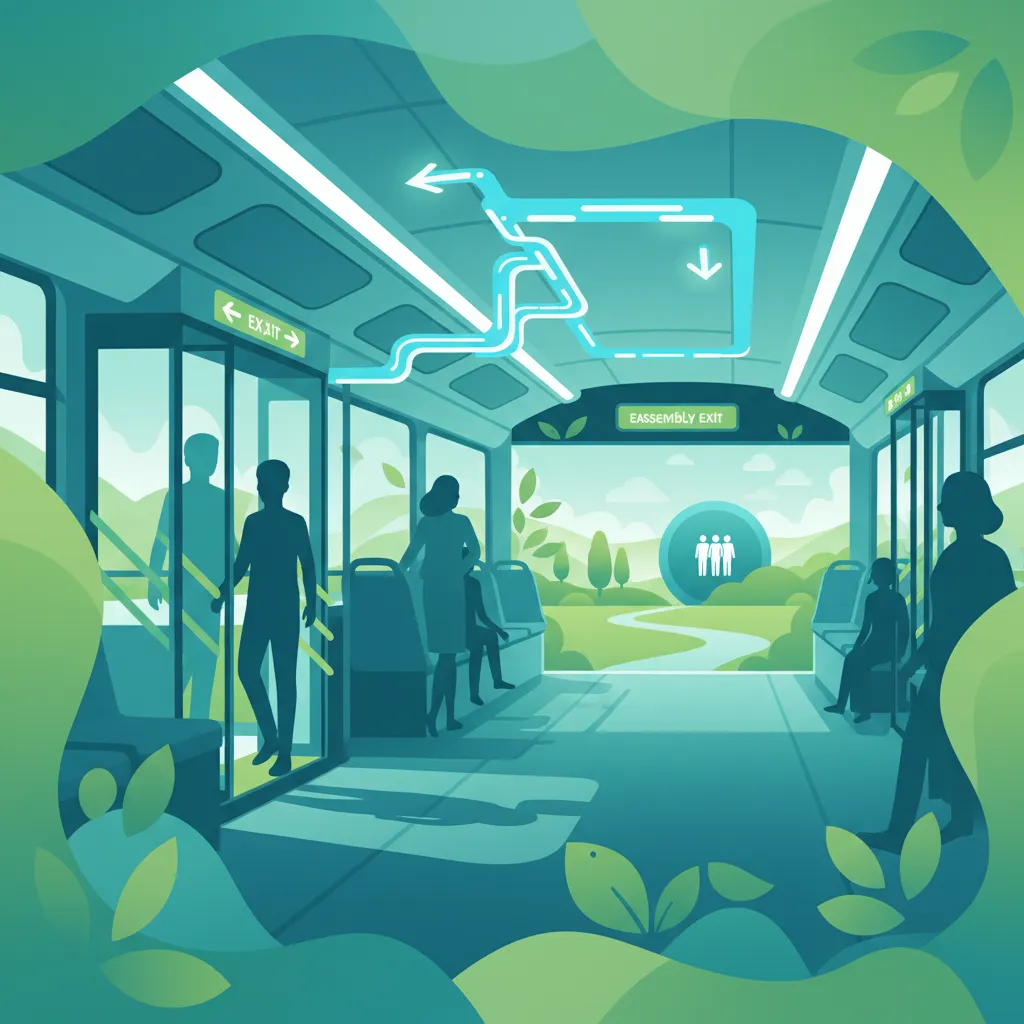
This lesson examines the locations and proper use of all emergency exits on buses and coaches, as well as the development and execution of clear evacuation plans. Learners will explore the designation of passenger assembly points, the interpretation of emergency signage, and procedures for assisting passengers with reduced mobility. The content emphasizes the value of conducting regular evacuation drills and delivering pre-trip safety briefings.

This lesson focuses on safe and efficient methods for passenger boarding and alighting at designated stops and stations, highlighting correct stop positioning and controlled door operation. It covers the proper deployment of wheelchair ramps, the use of safety signage, and the delivery of clear announcements to manage passenger movement effectively. Learners will develop techniques for controlling speed and performing safety checks to minimize stop times while maximizing safety.
This lesson focuses on the legal duty of care that professional bus drivers owe to their passengers, emphasizing the obligation to ensure safe transport. It examines the specific traffic laws applicable to heavy vehicles and the consequences of violations, such as fines and license sanctions. The content also details the mandatory procedures for reporting incidents and the essential insurance coverage required by the DGT.

This lesson addresses the legal and practical aspects of carrying passengers, outlining DGT regulations and weight limits. Learners examine how extra weight influences the center of gravity, braking distances, and handling characteristics. Guidance is provided on proper load distribution and communication to maintain control and safety.
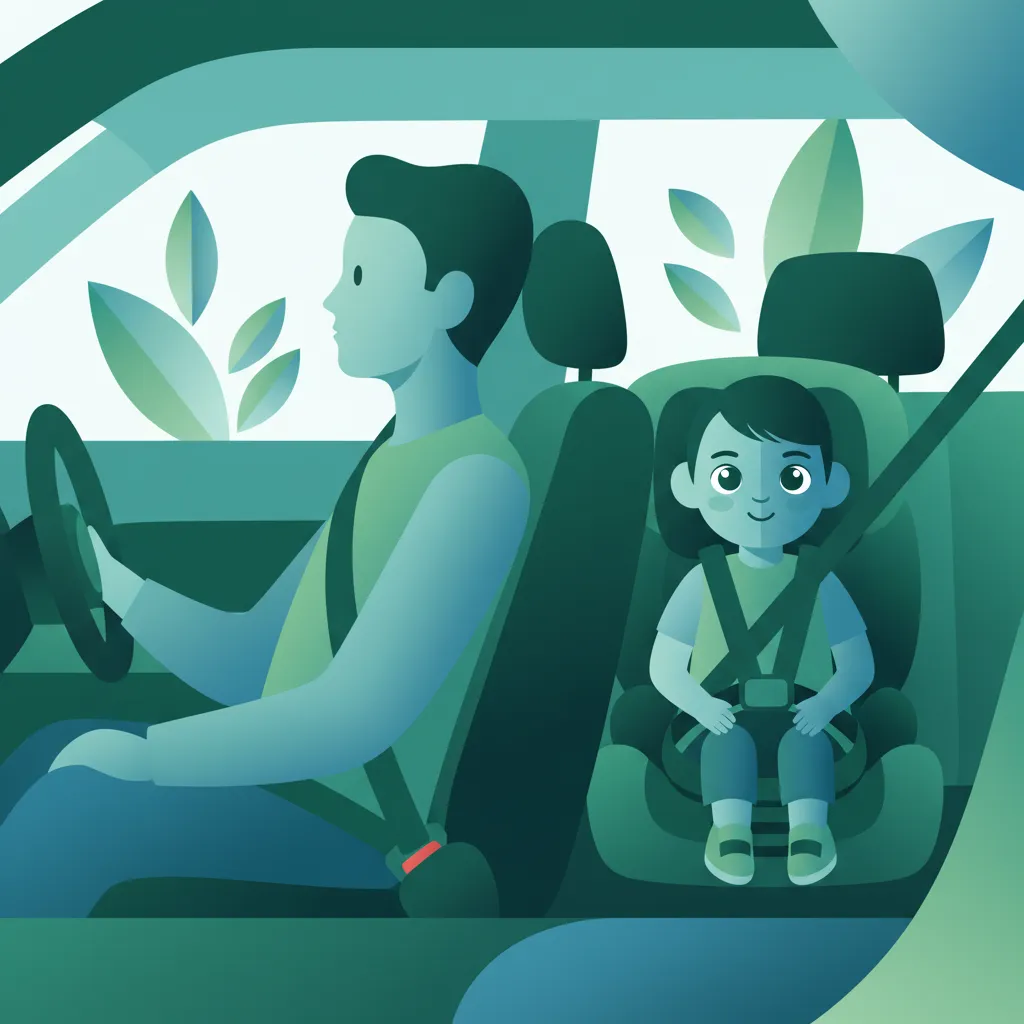
This lesson details the legal requirements for the use of seatbelts and child restraint systems in buses and coaches, as stipulated by DGT regulations. It specifies the age and size limits for various restraint devices and explains the verification checks drivers must perform. Learners will also review safety statistics that highlight the importance of correct usage and understand the legal penalties associated with non-compliance.
This lesson provides detailed guidance on accommodating passengers with disabilities, covering the correct operation of wheelchair ramps, allocation of priority seating, and use of communication aids. Learners will understand the legal accessibility standards set by the DGT, the training required for staff, and techniques for preserving passenger dignity during boarding and travel. Emphasis is placed on safety, respect, and full compliance with all accessibility regulations.
Learn fundamental fire safety protocols, including operating extinguishers, and essential first aid skills like CPR and bleeding control, crucial for professional drivers in Spain. Covers emergency response and safety equipment.
This lesson examines the locations and proper use of all emergency exits on buses and coaches, as well as the development and execution of clear evacuation plans. Learners will explore the designation of passenger assembly points, the interpretation of emergency signage, and procedures for assisting passengers with reduced mobility. The content emphasizes the value of conducting regular evacuation drills and delivering pre-trip safety briefings.
This lesson focuses on safe and efficient methods for passenger boarding and alighting at designated stops and stations, highlighting correct stop positioning and controlled door operation. It covers the proper deployment of wheelchair ramps, the use of safety signage, and the delivery of clear announcements to manage passenger movement effectively. Learners will develop techniques for controlling speed and performing safety checks to minimize stop times while maximizing safety.
This lesson details the legal requirements for the use of seatbelts and child restraint systems in buses and coaches, as stipulated by DGT regulations. It specifies the age and size limits for various restraint devices and explains the verification checks drivers must perform. Learners will also review safety statistics that highlight the importance of correct usage and understand the legal penalties associated with non-compliance.
This lesson outlines the comprehensive steps required to safely manage an accident scene, including securing the area and providing immediate aid to any injured parties. Learners will be taught the legal reporting requirements, how to properly notify the DGT, and the specific documentation needed for insurance claims. The module also covers the process for collecting witness statements and interacting effectively with responding police authorities.
This lesson focuses on the legal duty of care that professional bus drivers owe to their passengers, emphasizing the obligation to ensure safe transport. It examines the specific traffic laws applicable to heavy vehicles and the consequences of violations, such as fines and license sanctions. The content also details the mandatory procedures for reporting incidents and the essential insurance coverage required by the DGT.
This lesson focuses on the correct procedures for managing mechanical failures while ensuring the safety of all passengers. Learners will study safe pull-over techniques, the proper use of hazard warning lights, and effective communication with passengers during a breakdown. The content also covers the use of emergency tools, coordination with roadside assistance, and protocols for maintaining a safe environment until help arrives or service is restored.

This lesson details the critical documents necessary for the legal operation of a passenger transport vehicle, such as the vehicle registration, driver's license, and insurance policy. It explains the function of the technical inspection certificate (ITV) and the necessity of maintaining accurate driver logbooks and records. Understanding these documentation requirements is essential for passing compliance audits and ensuring lawful operation.

This lesson addresses overtaking procedures and lane discipline specifically for large coaches, emphasizing correct lane positioning and safe passing practices on multi-lane highways. It covers the legal rules for overtaking, the critical need for comprehensive blind spot checks before changing lanes, and the importance of signaling intentions early. Learners will also be taught how to maintain appropriate safety gaps when maneuvering around slower-moving traffic.
This lesson provides detailed guidance on accommodating passengers with disabilities, covering the correct operation of wheelchair ramps, allocation of priority seating, and use of communication aids. Learners will understand the legal accessibility standards set by the DGT, the training required for staff, and techniques for preserving passenger dignity during boarding and travel. Emphasis is placed on safety, respect, and full compliance with all accessibility regulations.

This lesson addresses the procedures for responding to two critical emergencies: vehicle fires and hazardous material spills. It covers the different classes of fire and the correct use of a fire extinguisher. The content also explains the initial steps a driver should take in the event of a hazardous material leak, including isolating the area, notifying authorities, and following established safety protocols.
Find clear answers to common questions learners have about Fire Safety and First Aid Basics. Learn how the lesson is structured, which driving theory objectives it supports, and how it fits into the overall learning path of units and curriculum progression in Spain. These explanations help you understand key concepts, lesson flow, and exam focused study goals.
Spanish DGT regulations specify certain types and capacities of fire extinguishers depending on the vehicle size and passenger capacity. Drivers must know their location and proper use for Class A, B, and C fires commonly found in vehicles, which could include solid materials, flammable liquids, and electrical equipment.
DGT questions for Category D and D1 often present scenarios requiring quick judgment on applying first aid, such as managing a passenger who has fainted, is bleeding, or requires CPR. These questions focus on the immediate, appropriate steps a professional driver should take to ensure passenger well-being while awaiting professional medical help.
The absolute priority is the safety of passengers and crew, followed by containing the fire. This involves safely stopping the vehicle, initiating an evacuation if necessary, and only then attempting to extinguish the fire if it's safe to do so with onboard equipment, always contacting emergency services immediately per Spanish DGT protocols.
Yes, Spanish DGT regulations dictate the contents and maintenance of first aid kits for public transport vehicles. Drivers must be aware of its exact storage location, what it contains, and how to use its contents effectively for common injuries or medical situations that may arise during a journey.
Firstly, ensure the vehicle is safely stopped and secured. Check for responsiveness and breathing. If the passenger is unresponsive and not breathing normally, immediately call emergency services (112 in Spain) and commence CPR, if trained, following the basic life support guidelines while continuously monitoring the situation.
Use our powerful search functionality to pinpoint specific Spanish DGT driving theory practice sets. Filter by road sign categories, traffic law topics, or question difficulty to build custom study sessions and reinforce your knowledge precisely where it matters for your official exam.