
This lesson is crucial for any professional bus driver, focusing on how to safely manage mechanical failures. Building on previous units about emergency procedures, this module ensures you know exactly what to do when your vehicle breaks down, prioritizing passenger safety and regulatory compliance as required by the DGT for D and D1 licenses.
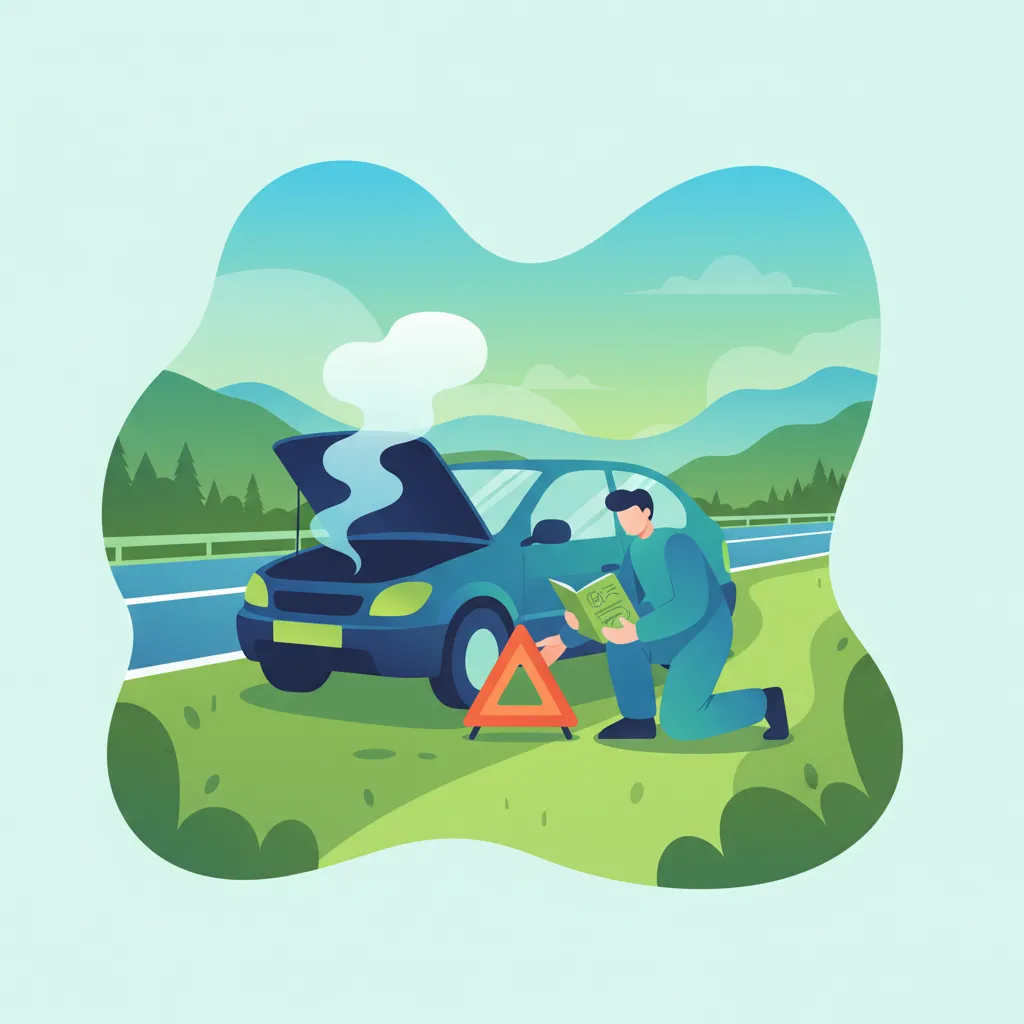
Lesson content overview
Operating a professional bus or coach requires not only skill in driving but also a thorough understanding of how to manage unforeseen emergencies. Mechanical failures, though infrequent, demand a systematic and calm response to ensure the safety of all passengers, other road users, and the driver. This lesson, part of the Professional Bus and Coach Theory for Spanish Driving License – Category D & D1, provides a comprehensive guide to handling such situations, from immediate assessment to coordinating with emergency services and completing essential documentation. Mastering these procedures is crucial for minimizing risks, maintaining passenger confidence, and complying with Spanish traffic regulations for professional drivers.
The first critical step in managing any mechanical issue is its rapid and accurate assessment. Professional drivers must be adept at recognizing the early warning signs of a potential failure to decide whether to continue the journey, pull over safely, or stop immediately. This initial evaluation focuses on observing unusual vehicle behavior, listening for abnormal noises, and monitoring instrument panel warnings.
Common symptoms can include a sudden loss of engine power, unusual vibrations from the chassis or steering wheel, changes in brake pedal feel (e.g., spongy, hard, or grinding), or the illumination of warning lights on the dashboard. Examples of specific failures include an engine stalling on the highway, brake failure indicated by a soft pedal, or a transmission malfunction leading to difficulty shifting gears. Ignoring these symptoms, even if seemingly minor, can quickly escalate into a dangerous situation. Your ability to quickly interpret these signals without endangering traffic is paramount. If any immediate danger is perceived, activating hazard lights and preparing for a safe stop becomes an instant priority.
Once a mechanical failure is identified, the immediate objective is to move the vehicle to a secure location, minimizing risk to traffic and passengers. This procedure, known as a safe pull-over, involves carefully maneuvering the large vehicle off the main carriageway. The exact technique varies depending on the road environment, but the core principles remain consistent: gradual deceleration, clear signaling, and thorough observation.
autovías or autopistas), the hard shoulder (arcén) or emergency lane (carril de emergencia) is the primary safe location. Drivers must use the right-hand lane to exit onto the hard shoulder, signaling intentions early and gradually reducing speed. Never stop directly on the carriageway unless it is absolutely unavoidable, as this presents an extreme hazard.apartaderos), or off-road areas. Always ensure that the chosen spot does not obstruct visibility for other drivers, especially on curves or near crests.Throughout this process, continuous checking of mirrors and blind spots is essential to prevent secondary collisions. For instance, if a bus engine overheats, the driver should signal their intention, slow down, move into the emergency lane, and come to a controlled stop. This methodical approach significantly reduces the risk of further incident.
Assess Immediately: Recognize the failure and determine the urgency of stopping.
Signal Clearly: Activate the appropriate turn signal (usually right) well in advance to alert other drivers of your intention to move over.
Gradual Deceleration: Reduce speed smoothly. For heavy vehicles like buses, abrupt braking can be unstable and dangerous, especially with passengers.
Check Mirrors and Blind Spots: Continuously monitor traffic around you, particularly when moving towards the side of the road.
Maneuver to Safe Location: Steer the vehicle to the hard shoulder, lay-by, or safest available spot off the main flow of traffic.
Come to a Complete Stop: Once in a safe location, bring the vehicle to a controlled stop.
Activate Hazard Warning Lights: Immediately turn on intermitentes de emergencia (hazard warning lights) to alert other road users.
The hazard warning lights (intermitentes de emergencia) are crucial safety devices designed to indicate to other road users that a vehicle is stationary, slow-moving, or posing a potential hazard. In Spain, their correct and immediate activation is a legal requirement following a breakdown. These amber flashing lights provide an early visual warning, giving approaching drivers more time to react and adjust their speed or lane position.
You must activate the hazard lights immediately before or upon stopping your bus or coach in a potentially dangerous location. This includes stopping on the hard shoulder of a motorway, on the side of a rural road, or even in an urban area where your stationary vehicle might obstruct traffic. The lights should remain active until the vehicle is repaired and ready to move, or until it has been safely towed away. A common misunderstanding is to use hazard lights while driving slowly or in bad weather; their primary purpose is to signal a stationary hazard. Leaving them on while resuming motion can confuse other drivers, as it incorrectly indicates a continued breakdown.
During a mechanical failure, passengers can quickly become anxious or even panic, especially in unfamiliar or potentially dangerous situations. Effective passenger communication is therefore paramount to maintaining order, reducing stress, and ensuring their safety. The driver, or conductor if present, must act calmly and professionally to provide clear and concise information.
Upon securing the vehicle, use the bus's public address (PA) system to announce the situation. Explain that there is a mechanical issue, that the vehicle has been safely stopped, and that assistance is being contacted. Crucially, instruct passengers to remain seated unless otherwise directed, and never to exit the vehicle onto a busy road without explicit instruction. For instance, a driver might calmly announce, "Ladies and gentlemen, we are experiencing a minor mechanical issue. For your safety, please remain seated while we await assistance. We will keep you updated." Such instructions prevent passengers from making impulsive, unsafe decisions, such as stepping out into traffic.
Professional buses and coaches are equipped with specific emergency tools designed to enhance safety during a breakdown. Drivers must know the location and correct deployment of these items, as mandated by Spanish regulations.
Triángulos de preseñalización de peligro): These reflective devices must be placed behind the broken-down vehicle to warn approaching traffic. On dual carriageways or motorways, a single triangle must be placed at least 50 meters behind the vehicle, visible from a distance of 100 meters. On conventional roads, two triangles should be placed, one in front and one behind the vehicle, also at a minimum distance of 50 meters, visible from 100 meters, ensuring they do not obstruct traffic.Chaleco reflectante): It is mandatory for the driver and any other person who exits the vehicle on a public road or hard shoulder due to a breakdown or accident to wear a high-visibility reflective vest. This significantly increases visibility, especially in low light conditions.Extintor): Buses and coaches are legally required to carry fire extinguishers. Drivers must be trained in their use but should only attempt to extinguish small, contained fires if it is safe to do so. For larger fires, immediate evacuation and calling emergency services are the priority.Botiquín de primeros auxilios): A well-stocked first-aid kit is mandatory for addressing minor injuries that might occur during the incident or while awaiting assistance.Always wear your reflective vest before exiting the vehicle on a roadway or hard shoulder. Failing to do so is a serious safety risk and can incur a fine.
Once the vehicle is safely stopped and passengers are informed, the next critical step is to coordinate with roadside assistance. This involves contacting the transport company's designated support team or external towing and repair services. Prompt and accurate reporting is essential for a swift resolution.
vehicle identification number (VIN) or bus fleet number.Delaying the call or providing incomplete information can significantly prolong the wait time for assistance, increasing the discomfort and potential risk for passengers.
While awaiting roadside assistance, the driver's responsibility extends to maintaining a safe environment around and within the bus. This involves continuous vigilance and proactive measures to prevent secondary incidents and ensure passenger comfort.
The driver or conductor should remain with the vehicle and passengers until help arrives, acting as the primary point of contact and authority. Abandoning passengers, particularly on a motorway verge, is not only unprofessional but also a severe breach of duty.
Following any mechanical failure, documentation and reporting are crucial steps for fleet management, insurance purposes, and legal compliance. Professional drivers are required to accurately record the details of the incident.
This incident report typically needs to be completed promptly, often within 24 hours of the event, and submitted according to company policy. Accurate and timely reporting is vital for maintenance records, insurance claims, and compliance audits, providing a clear account of what transpired.
Compliance with Spanish traffic laws is non-negotiable for professional drivers. Several regulations specifically govern how mechanical failures must be managed on public roads.
This regulation mandates that hazard warning lights (intermitentes de emergencia) must be activated whenever a vehicle is stationary on a public road due to a breakdown or any other incident that creates a hazard. This rule applies to all public roads and is fundamental for increasing the visibility of the disabled vehicle, thus significantly reducing the risk of a rear-end collision. Failing to activate these lights can lead to fines and is considered a serious safety lapse.
According to Article 124 of the General Traffic Regulations, after a breakdown, vehicles must be moved to the side of the carriageway (arcén or hard shoulder) or completely off the road if possible. The primary goal is to prevent the obstruction of traffic flow and minimize danger. Drivers should steer the bus into the hard shoulder as quickly and safely as possible. Remaining in a traffic lane after a breakdown, unless physically impossible to move, is a serious violation that can cause severe traffic congestion and accidents.
This Royal Decree states that the driver or vehicle owner must report any significant mechanical failure that could affect safety or cause prolonged downtime to the vehicle’s insurer within a prescribed timeframe, usually within 48 hours. This ensures proper insurance processing and enables monitoring of safety-related incidents. Prompt notification is critical; neglecting to inform the insurer can lead to complications with claims.
This regulation outlines the mandatory availability and correct use of emergency equipment, specifically warning triangles and the reflective vest. Drivers must carry these items and deploy them as prescribed: the reflective vest must be worn whenever exiting the vehicle on a public road, and warning triangles must be placed at least 50 meters behind the vehicle (and ahead if on a conventional road) to be visible from 100 meters. These standards are proven to reduce accident rates by providing adequate warning to approaching traffic.
Article 85 of the Traffic Law establishes the driver's unequivocal duty to ensure passenger safety during any incident, including a breakdown. This includes calmly instructing passengers, ensuring they remain in a safe position (usually seated inside the vehicle), and preventing them from leaving the bus onto a dangerous roadway without instruction. Any neglect of this duty can be deemed reckless and lead to severe legal penalties. The driver is the primary guardian of passenger welfare in such situations.
Even experienced drivers can make errors during the stress of a breakdown. Awareness of common violations and how to prevent them is crucial for effective mechanical failure management.
Effective mechanical failure management is not a one-size-fits-all procedure; it must adapt to conditional variations in the environment and vehicle state.
safe pull-over, requiring even earlier detection of issues and more gradual braking.Each of these factors influences the optimal course of action, emphasizing the need for adaptable decision-making by the professional driver.
Managing mechanical failures is an inherent part of a professional bus and coach driver's responsibilities. It is a complex task that integrates technical knowledge, adherence to legal requirements, and effective communication strategies. By quickly assessing the situation, executing a safe pull-over, deploying all necessary warning equipment, and communicating calmly with passengers, drivers can significantly mitigate risks and prevent secondary incidents.
Strict compliance with Spanish regulations regarding hazard lights, vehicle positioning, emergency equipment, and passenger safety is not merely a legal obligation but a fundamental commitment to the well-being of everyone on the road. Continuous vigilance, proper training, and an unwavering focus on safety are the cornerstones of effective mechanical failure management, ensuring that even in unexpected circumstances, professional drivers uphold the highest standards of safety and care.
This lesson covers the complete procedure for managing mechanical failures in professional bus operations, from recognizing early warning signs and executing a safe pull-over to deploying emergency equipment and coordinating with assistance services. Key regulatory requirements under Spanish law mandate immediate activation of hazard lights, correct placement of warning triangles at prescribed distances, and wearing reflective vests before exiting the vehicle. Passenger safety is the driver's paramount responsibility, requiring calm communication via the PA system and continuous supervision until help arrives. Documentation of the incident must be completed within company-specified timeframes for fleet management, insurance, and legal compliance.
A short set of high-value points that capture the most important learning from this lesson.
Recognize early warning signs of mechanical failure such as sudden power loss, unusual vibrations, brake pedal changes, or dashboard warning lights, and act immediately.
Safe pull-over requires gradual deceleration, clear signaling, continuous mirror checks, and moving the vehicle to the hard shoulder, lay-by, or safest available location.
Hazard warning lights (intermitentes de emergencia) must be activated immediately upon stopping and remain on until the vehicle is repaired or towed away.
Warning triangles must be placed at least 50 meters behind the vehicle (visible from 100 meters) and reflective vests must be worn before exiting the vehicle on any public road.
The driver is legally and personally responsible for passenger safety during a breakdown, including calm communication via the PA system and preventing unsafe passenger actions.
Explore all units and lessons included in this driving theory course.
On motorways, use the hard shoulder (arcén); on conventional roads, place two triangles (front and back); on motorways, one triangle 50 meters behind is sufficient.
Hazard lights are for stationary vehicles only—switch them off before resuming motion to avoid confusing other drivers.
Driver must wear the reflective vest (chaleco reflectante) before stepping out of the vehicle on any public road or hard shoulder.
Passengers should remain seated inside the vehicle unless instructed otherwise; never allow them to exit onto busy roads without explicit direction.
Incident reports must be completed promptly (typically within 24 hours) with vehicle ID, location, failure description, actions taken, and passenger impact details.
Stopping on curves, blind spots, or crests where visibility is limited, increasing the risk of secondary collisions.
Continuing to drive when brake warning signs appear (spongy pedal, warning light), which can lead to complete brake failure.
Leaving passengers unattended on the hard shoulder or failing to supervise them, breaching the driver's duty of care.
Placing warning triangles too close to the vehicle or failing to deploy them altogether, reducing warning time for approaching traffic.
Using the PA system for unclear or panic-inducing announcements instead of calm, specific instructions telling passengers to remain seated.
Lesson content overview
A short set of high-value points that capture the most important learning from this lesson.
Recognize early warning signs of mechanical failure such as sudden power loss, unusual vibrations, brake pedal changes, or dashboard warning lights, and act immediately.
Safe pull-over requires gradual deceleration, clear signaling, continuous mirror checks, and moving the vehicle to the hard shoulder, lay-by, or safest available location.
Hazard warning lights (intermitentes de emergencia) must be activated immediately upon stopping and remain on until the vehicle is repaired or towed away.
Warning triangles must be placed at least 50 meters behind the vehicle (visible from 100 meters) and reflective vests must be worn before exiting the vehicle on any public road.
The driver is legally and personally responsible for passenger safety during a breakdown, including calm communication via the PA system and preventing unsafe passenger actions.
Explore all units and lessons included in this driving theory course.
On motorways, use the hard shoulder (arcén); on conventional roads, place two triangles (front and back); on motorways, one triangle 50 meters behind is sufficient.
Hazard lights are for stationary vehicles only—switch them off before resuming motion to avoid confusing other drivers.
Driver must wear the reflective vest (chaleco reflectante) before stepping out of the vehicle on any public road or hard shoulder.
Passengers should remain seated inside the vehicle unless instructed otherwise; never allow them to exit onto busy roads without explicit direction.
Incident reports must be completed promptly (typically within 24 hours) with vehicle ID, location, failure description, actions taken, and passenger impact details.
Stopping on curves, blind spots, or crests where visibility is limited, increasing the risk of secondary collisions.
Continuing to drive when brake warning signs appear (spongy pedal, warning light), which can lead to complete brake failure.
Leaving passengers unattended on the hard shoulder or failing to supervise them, breaching the driver's duty of care.
Placing warning triangles too close to the vehicle or failing to deploy them altogether, reducing warning time for approaching traffic.
Using the PA system for unclear or panic-inducing announcements instead of calm, specific instructions telling passengers to remain seated.
Explore search topics learners often look for when studying Mechanical Failure Management. These topics reflect common questions about road rules, driving situations, safety guidance, and lesson level theory preparation for learners in Spain.
Browse additional driving theory lessons that cover connected traffic rules, road signs, and common driving situations related to this topic. Improve your understanding of how different rules interact across everyday traffic scenarios.
Understand essential procedures for managing bus mechanical failures in Spain. This lesson covers safe pull-over techniques, passenger communication, and regulatory requirements for professional drivers.
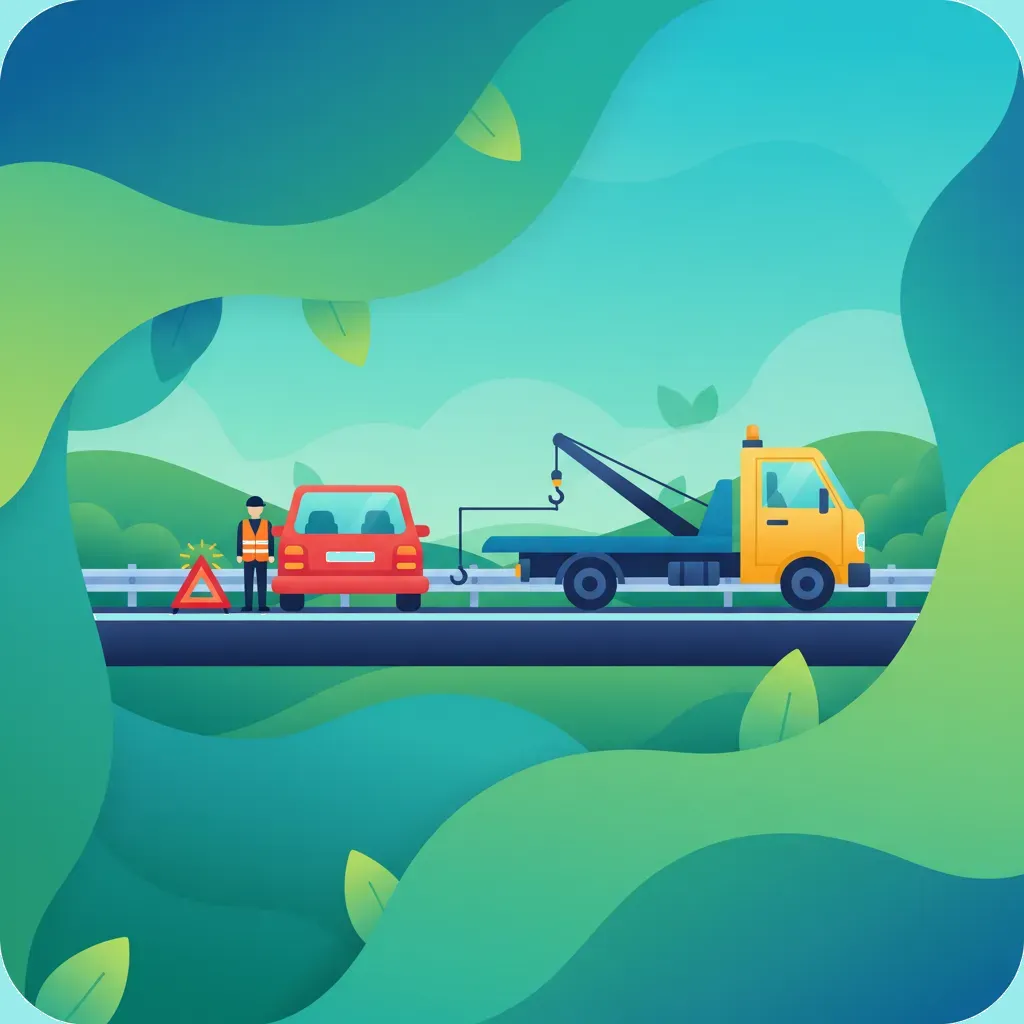
In this lesson, drivers learn the correct actions to take during a vehicle breakdown. It outlines steps for safely stopping on the hard shoulder, activating hazard lights, and deploying warning devices like the triangle or V16 light. The lesson covers DGT procedures for roadside emergencies, including wearing a high-visibility vest and contacting assistance safely.
This lesson provides a step-by-step guide on what to do when a vehicle breaks down on the road. It explains how to safely bring the truck to a stop, activate hazard warnings, and place reflective warning triangles as required by law. The content also covers the procedures for contacting roadside assistance and communicating the nature of the problem and the vehicle's location accurately.

This lesson focuses on safe and efficient methods for passenger boarding and alighting at designated stops and stations, highlighting correct stop positioning and controlled door operation. It covers the proper deployment of wheelchair ramps, the use of safety signage, and the delivery of clear announcements to manage passenger movement effectively. Learners will develop techniques for controlling speed and performing safety checks to minimize stop times while maximizing safety.
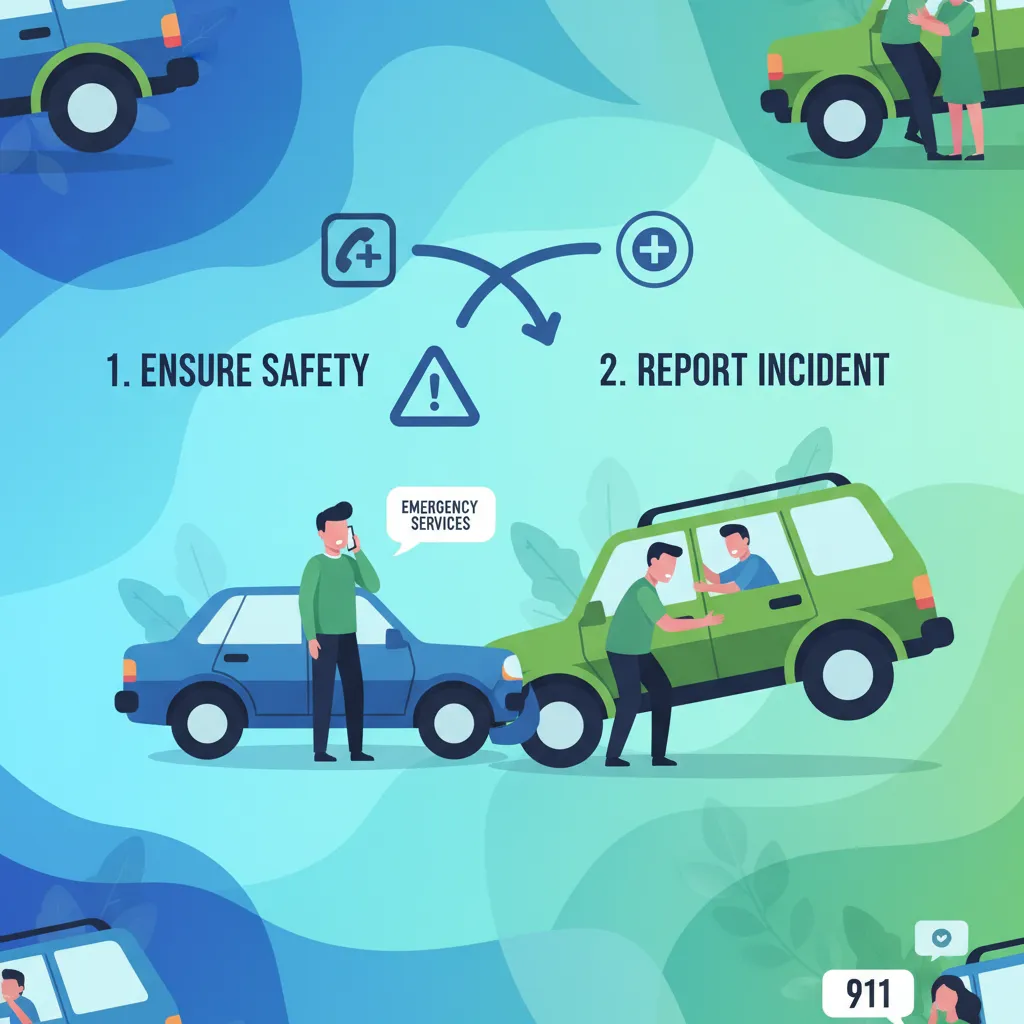
This lesson outlines the comprehensive steps required to safely manage an accident scene, including securing the area and providing immediate aid to any injured parties. Learners will be taught the legal reporting requirements, how to properly notify the DGT, and the specific documentation needed for insurance claims. The module also covers the process for collecting witness statements and interacting effectively with responding police authorities.
This lesson details the legal requirements for the use of seatbelts and child restraint systems in buses and coaches, as stipulated by DGT regulations. It specifies the age and size limits for various restraint devices and explains the verification checks drivers must perform. Learners will also review safety statistics that highlight the importance of correct usage and understand the legal penalties associated with non-compliance.

This lesson addresses overtaking procedures and lane discipline specifically for large coaches, emphasizing correct lane positioning and safe passing practices on multi-lane highways. It covers the legal rules for overtaking, the critical need for comprehensive blind spot checks before changing lanes, and the importance of signaling intentions early. Learners will also be taught how to maintain appropriate safety gaps when maneuvering around slower-moving traffic.
This lesson focuses on the legal duty of care that professional bus drivers owe to their passengers, emphasizing the obligation to ensure safe transport. It examines the specific traffic laws applicable to heavy vehicles and the consequences of violations, such as fines and license sanctions. The content also details the mandatory procedures for reporting incidents and the essential insurance coverage required by the DGT.
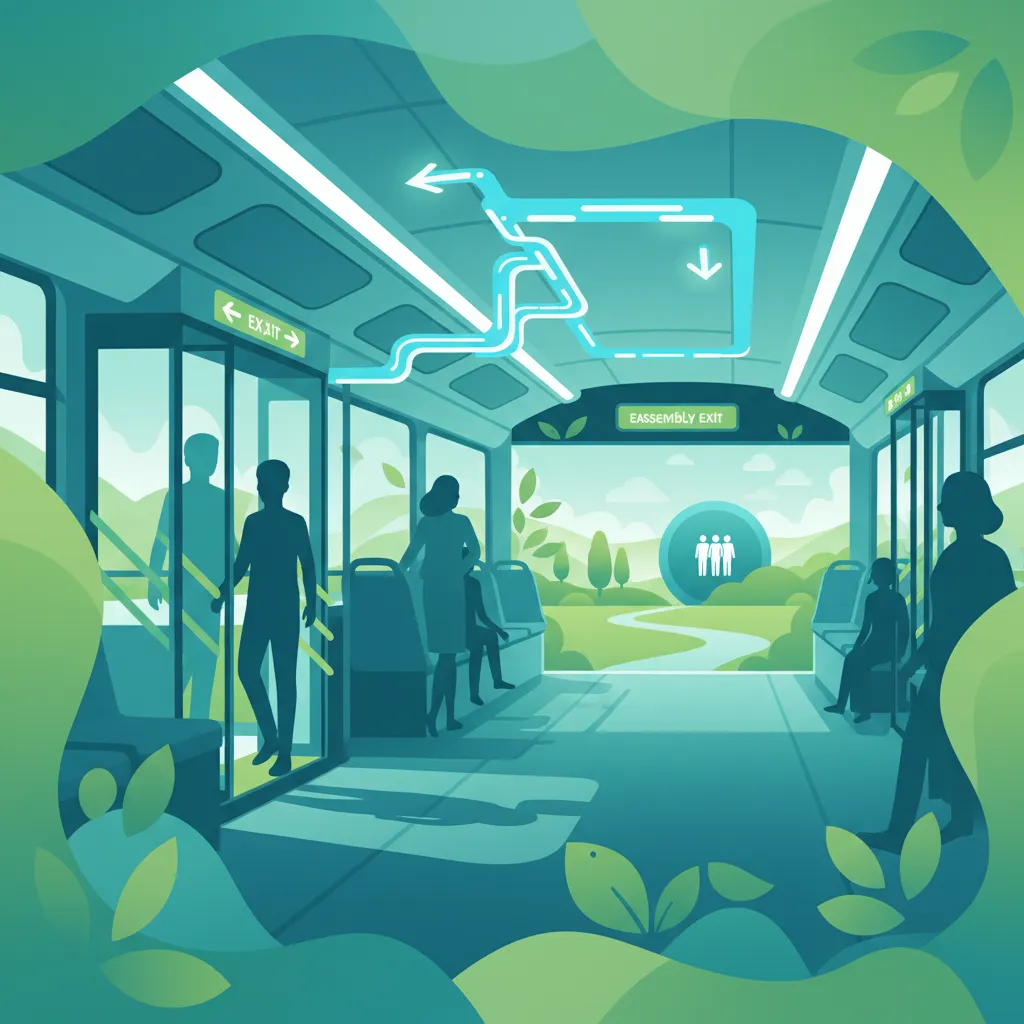
This lesson examines the locations and proper use of all emergency exits on buses and coaches, as well as the development and execution of clear evacuation plans. Learners will explore the designation of passenger assembly points, the interpretation of emergency signage, and procedures for assisting passengers with reduced mobility. The content emphasizes the value of conducting regular evacuation drills and delivering pre-trip safety briefings.

This lesson focuses on effective communication strategies for drivers, including clear verbal announcements, the use of standard hand signals, and providing multilingual support where necessary. Learners will study best practices for delivering concise information regarding routes, upcoming stops, and essential safety instructions. The content also highlights the importance of timing these announcements correctly to prevent confusion and ensure passenger confidence.
This lesson explains the fundamental DGT regulations that govern public transport services, including requirements for operational permits and route authorizations. It covers the mandatory schedules for vehicle inspections, standards for emissions, and the legal importance of adhering to timetables and service quality. Learners will also understand the nature of regulatory audits and compliance checks that operators must undergo.
Learn about mandatory safety equipment and Spanish legal regulations for managing vehicle breakdowns. Focuses on driver obligations for passenger safety and compliance with DGT rules.
In this lesson, drivers learn the correct actions to take during a vehicle breakdown. It outlines steps for safely stopping on the hard shoulder, activating hazard lights, and deploying warning devices like the triangle or V16 light. The lesson covers DGT procedures for roadside emergencies, including wearing a high-visibility vest and contacting assistance safely.
This lesson provides a step-by-step guide on what to do when a vehicle breaks down on the road. It explains how to safely bring the truck to a stop, activate hazard warnings, and place reflective warning triangles as required by law. The content also covers the procedures for contacting roadside assistance and communicating the nature of the problem and the vehicle's location accurately.
This lesson details the legal requirements for the use of seatbelts and child restraint systems in buses and coaches, as stipulated by DGT regulations. It specifies the age and size limits for various restraint devices and explains the verification checks drivers must perform. Learners will also review safety statistics that highlight the importance of correct usage and understand the legal penalties associated with non-compliance.
This lesson focuses on the legal duty of care that professional bus drivers owe to their passengers, emphasizing the obligation to ensure safe transport. It examines the specific traffic laws applicable to heavy vehicles and the consequences of violations, such as fines and license sanctions. The content also details the mandatory procedures for reporting incidents and the essential insurance coverage required by the DGT.
This lesson examines the locations and proper use of all emergency exits on buses and coaches, as well as the development and execution of clear evacuation plans. Learners will explore the designation of passenger assembly points, the interpretation of emergency signage, and procedures for assisting passengers with reduced mobility. The content emphasizes the value of conducting regular evacuation drills and delivering pre-trip safety briefings.

This lesson provides a comprehensive overview of the legal and practical requirements for making public transport accessible to all passengers, including those with disabilities. It covers the correct use of designated wheelchair spaces, ramp operation, priority seating, and the function of tactile and auditory alerts. Learners will understand their obligations to assist passengers safely and respectfully, ensuring full compliance with accessibility legislation.

This lesson focuses on essential safety equipment and routine maintenance tasks required for legal road operation. It explains the correct use of seat belts, airbags, and child restraints, as well as the importance of maintaining proper tire pressure and brake condition. Additionally, it clarifies the legal vehicle inspection (ITV) process mandated by the DGT to ensure roadworthiness.
This lesson outlines the comprehensive steps required to safely manage an accident scene, including securing the area and providing immediate aid to any injured parties. Learners will be taught the legal reporting requirements, how to properly notify the DGT, and the specific documentation needed for insurance claims. The module also covers the process for collecting witness statements and interacting effectively with responding police authorities.
This lesson explains the driver's legal and ethical responsibilities when involved in or witnessing an accident. It covers the immediate priorities of protecting the scene from further incidents and providing aid to the injured within one's capabilities. The content details the legal requirements for exchanging information with other parties and reporting the accident to the police and DGT.

This lesson provides guidance on responding to a road accident, following the 'Protect, Alert, Assist' protocol. It details the steps for securing the scene, notifying emergency services, and providing basic aid if necessary. The content covers the legal responsibilities of the driver, including completing an accident report form (parte amistoso) and exchanging insurance information.
Find clear answers to common questions learners have about Mechanical Failure Management. Learn how the lesson is structured, which driving theory objectives it supports, and how it fits into the overall learning path of units and curriculum progression in Spain. These explanations help you understand key concepts, lesson flow, and exam focused study goals.
The absolute first step is to ensure the safety of your passengers and yourself. This means activating your hazard warning lights immediately. Then, assess the situation to determine if you can safely maneuver the vehicle to the side of the road, preferably to a safe hard shoulder or designated stopping area. If immediate safe pullover is not possible, focus on alerting other drivers.
Announce the issue calmly and clearly to your passengers. Explain that there is a mechanical problem and you are taking steps to ensure their safety and to get assistance. Reassure them that you are following DGT procedures. Inform them about what you are doing, such as pulling over or contacting roadside assistance, and advise them to remain seated unless instructed otherwise or if there is an immediate safety concern.
Evacuation is typically a last resort for breakdowns, only performed if there is an immediate and severe danger, such as a fire, risk of collision, or if the vehicle is in a highly unsafe location (e.g., blocking live traffic lanes without possibility of safe egress). Always prioritize a safe pullover and await professional assistance if the situation does not present an imminent threat.
When contacting roadside assistance, be ready to provide your exact location (including road name, direction of travel, and nearest kilometer marker if on a highway), the type of vehicle (bus/coach, D/D1 category), a description of the mechanical problem, and your contact details. This information helps them dispatch the correct service vehicle and personnel efficiently.
While some very minor issues might be resolvable, it is generally advised not to attempt significant repairs on a professional passenger vehicle, especially on the roadside. Your primary responsibility is passenger safety. Attempting repairs could be dangerous for you and others, and you risk further damaging the vehicle. Always rely on qualified roadside assistance for mechanical issues.
Use our powerful search functionality to pinpoint specific Spanish DGT driving theory practice sets. Filter by road sign categories, traffic law topics, or question difficulty to build custom study sessions and reinforce your knowledge precisely where it matters for your official exam.