
This crucial lesson in Unit 10 prepares you for emergencies by covering fire safety and procedures for hazardous material incidents, essential for Category C and C1 licence holders in Spain. Building on basic safety principles, you will learn how to respond effectively to fires and spills, ensuring you can protect yourself, others, and the environment.
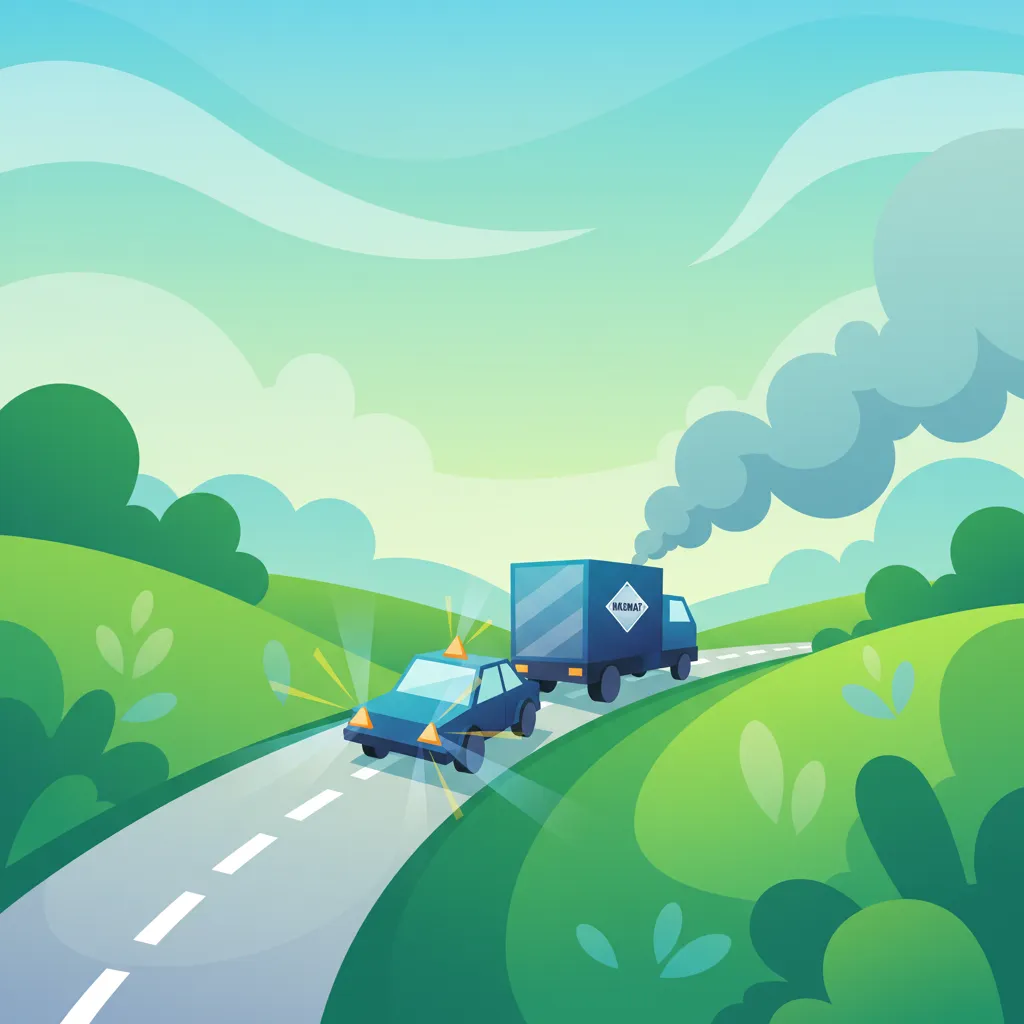
Lesson content overview
Operating a professional truck, especially one carrying goods for hire, involves a significant responsibility for safety. Among the most critical emergencies a driver might face are vehicle fires and incidents involving hazardous materials. Understanding the correct procedures for these situations is not only crucial for personal safety and the protection of property and the environment but also a mandatory requirement under DGT regulations and European ADR agreements for professional drivers in Spain. This lesson provides an in-depth guide to classifying fires, using fire extinguishers effectively, identifying hazardous materials, and implementing a systematic incident response.
Fires are not all the same; their classification depends on the type of fuel burning. This classification is vital because using the wrong extinguishing agent can be ineffective, dangerous, or even worsen the situation. Professional drivers must be able to quickly assess the fire type and select the appropriate extinguisher.
The most common fire classes encountered in road transport are A, B, C, and D. Each class corresponds to a specific type of combustible material.
Class A fires involve ordinary combustible materials such as wood, paper, textiles, rubber, and certain plastics. These materials typically leave an ash when they burn. Fires involving the cargo area (if carrying such materials) or parts of the cabin made of fabric and wood are often Class A.
Class B fires involve flammable liquids like gasoline, diesel, oils, lubricants, and solvents. These fires are particularly dangerous because flammable liquids can spread quickly and their vapours are highly combustible. A common vehicle fire scenario, such as a fuel tank rupture or a diesel spill igniting, falls into this category. Water should never be used on Class B fires as it can spread the burning liquid.
Class C fires involve flammable gases such as propane, butane, natural gas, and acetylene. While less common in general vehicle fires, a truck carrying gas cylinders could experience a Class C fire. Electrical fires are often mistakenly classified as Class C, but they are fires involving energized electrical equipment which, once de-energized, become Class A, B, or C fires. The key danger with gas fires is the potential for explosion or rapid spread.
Class D fires involve combustible metals such as magnesium, titanium, zirconium, sodium, lithium, and potassium. These fires are very rare in standard vehicle operations but could occur if a truck is specifically transporting such materials. They require very specific extinguishing agents, as water or standard extinguishers can react violently with burning metals, causing explosions or intensifying the fire.
Using the incorrect type of fire extinguisher can be extremely dangerous. Water on a Class B (flammable liquid) fire can spread the flames, and water on an electrical fire (energized equipment) can lead to electrocution. Always identify the fire class before attempting to extinguish.
Every professional vehicle, especially those in Category C and C1, must carry a fire extinguisher. Knowing its location, how to operate it, and its suitability for different fire classes is paramount. Extinguishers are typically identified by a colour-coded label or specific markings indicating their contents and the fire classes they can tackle.
These are identifiable by a red body, sometimes with a 'Water' label. Water extinguishers are primarily effective on Class A fires, cooling the burning material and removing the heat component of the fire triangle. They are ineffective and dangerous on Class B, C, and D fires.
Often identifiable by a cream-coloured label, foam extinguishers are versatile and effective on both Class A and Class B fires. The foam creates a barrier between the fuel and oxygen, smothering the flames, and also has a cooling effect. These are a common type of extinguisher required for trucks due to their dual-class suitability.
Typically identifiable by a blue label, powder extinguishers are multi-purpose, effective on Class A, B, and C fires. Specialized dry powder extinguishers are also available for Class D fires. They work by smothering the fire and interrupting the chemical reaction. However, powder can create a mess and obscure visibility.
Identifiable by a black label, CO₂ extinguishers are suitable for Class B fires and fires involving energized electrical equipment (often referred to as 'electrical fires' or sometimes incorrectly as Class C in older classifications for electrical fires). CO₂ displaces oxygen, suffocating the fire, and leaves no residue, making it ideal for electrical equipment. It has a limited cooling effect and may not prevent re-ignition.
Pull the pin: This unlocks the operating lever and allows you to discharge the extinguisher.
Aim low: Direct the nozzle or hose at the base of the fire, not at the flames themselves.
Squeeze the lever: Depress the operating lever slowly and evenly.
Sweep side-to-side: Move the nozzle or hose from side to side, covering the entire base of the fire until it appears to be out. Continue to watch the area for re-ignition.
Familiarize yourself with the fire extinguisher carried in your vehicle. Know its location, how to operate it, and which fire classes it is rated for. Ensure it is regularly inspected as per DGT regulations.
The transport of hazardous materials (HazMat) requires strict adherence to international and national regulations. As a professional driver, you are the first line of defence in preventing and mitigating incidents involving these dangerous goods.
The transport of dangerous goods by road across Europe is governed by the ADR (European Agreement concerning the International Carriage of Dangerous Goods by Road). This agreement mandates strict rules for classification, packaging, labelling, and documentation.
Hazardous materials are categorised into classes based on their primary hazard, such as:
Vehicles transporting dangerous goods must display specific placards (orange plates and hazard diamonds) that immediately inform emergency services about the type of hazard. These placards carry a UN number, which identifies the specific substance, and a hazard identification number (HIN), which indicates the primary and secondary risks.
The European Agreement concerning the International Carriage of Dangerous Goods by Road. It sets out the rules for the safe transport of dangerous goods across international borders.
In the event of a hazardous material leak or spill, a systematic approach is crucial to minimise risks and ensure an effective response. This "Incident Command Sequence" provides a clear mental checklist.
Immediate Hazard Assessment and Safe Vehicle Stop: As soon as you suspect a leak or spill, assess the immediate danger. Find a safe location to pull over, away from ignition sources, water drains, or vulnerable areas. Turn off the engine.
Alerting Other Road Users: Activate your hazard lights immediately. Place warning triangles (signalling the presence of a hazard) to alert approaching traffic. On motorways, the triangle must be at least 30 metres behind the vehicle; on other roads, at least 15 metres.
Communication with Emergency Services: Call emergency services (112 in Spain) without delay. Clearly state your exact location, the type of vehicle, and most importantly, the specific hazardous material involved (from the transport documents or ADR placards), and the nature of the incident (e.g., "diesel leak," "corrosive liquid spill").
Containment and Initial Actions: If safe to do so and you have the appropriate Personal Protective Equipment (PPE) and training, attempt to contain a minor spill using absorbent materials from your emergency kit. Do not attempt to extinguish a large fire or contain a large, unknown, or highly dangerous HazMat spill.
Evacuation and Safety Perimeters: Move yourself and any passengers or nearby bystanders to a safe distance, upwind and uphill from the spill if possible, to avoid fumes or spread. Maintain a safe perimeter around the incident.
Post-Incident Reporting: After the immediate emergency is managed, complete an incident report for your employer and ensure all legal reporting obligations to the competent authorities are met.
Professional drivers have specific legal obligations when it comes to fire safety and hazardous material incidents, mandated by Spanish traffic law (Código de Tráfico), Real Decreto 1211/1990, and the ADR regulations.
All Category C and C1 vehicles are legally required by the DGT (Dirección General de Tráfico) to carry a fire extinguisher. This extinguisher must be suitable for at least Class A and B fires. It must also be regularly inspected, accessible, and in good working order.
Fire Extinguisher Inspection: Your vehicle's fire extinguisher must be inspected annually to ensure it remains functional and properly pressurised. Always check the pressure gauge before starting a journey.
Beyond the fire extinguisher, drivers must also carry and use other mandatory emergency equipment, such as warning triangles and high-visibility vests. These are crucial for securing the scene and making the driver visible to other road users.
For drivers transporting hazardous materials, compliance with ADR regulations is extensive. This includes:
Drivers of professional trucks carrying hazardous goods must hold a valid Certificate of Professional Competence (CPC). This certification includes modules specifically on hazardous materials transport, ensuring drivers have the necessary knowledge for safe handling, emergency procedures, and legal compliance. Without a valid CPC, a driver cannot legally transport dangerous goods.
A mandatory qualification for professional drivers in Europe, ensuring they have up-to-date knowledge and skills, including specific modules for hazardous materials transport.
Any fire or hazardous material incident, no matter how small, typically requires reporting. For HazMat spills, drivers must notify emergency services (112) immediately and then report to the competent authority (e.g., Central Traffic Office) and their fleet manager within 24 hours. Failure to report can lead to significant fines and legal penalties.
Emergency situations are rarely textbook. Environmental conditions, road type, and the specific nature of the hazard can all influence the best course of action.
In any emergency, consider the presence of vulnerable road users such as pedestrians, cyclists, and motorcyclists. Ensure they are made aware of the stopped vehicle and the hazard, and guide them to a safe distance if necessary. Use acoustic warnings if appropriate.
| Scenario | Why Wrong | Correct Behavior | Consequence |
|---|---|---|---|
| Driver uses water extinguisher on an electrical fire. | Water conducts electricity, causing electrocution risk and potentially spreading the fire. | Use a powder or CO₂ extinguisher. | Risk of severe injury or fatality, fire escalation. |
| Driver fails to place a warning triangle on a motorway after stopping. | Other drivers are unaware of the stopped vehicle, increasing the risk of high-speed rear-end collisions. | Place the warning triangle at least 30 metres behind the vehicle and activate hazard lights. | Serious accident, legal liability, fines. |
| Driver attempts to extinguish a large fuel spill fire with a hand extinguisher. | A hand-held extinguisher has insufficient capacity for large fires; re-ignition is highly likely. | Evacuate the area immediately, call emergency services (112), and do not attempt to extinguish large fires yourself. | Fire spreads rapidly, potential explosion, injury. |
| Driver does not report a small hazardous material leak. | Any hazardous release must be reported to prevent environmental contamination and ensure legal compliance. | Notify 112 immediately, and report to the competent authority (e.g., fleet manager, environmental agencies) within 24 hours. | Environmental damage, significant fines, regulatory penalties. |
| Driver continues to drive after a minor fire starts in the engine bay. | The fire can rapidly spread, leading to extensive vehicle damage and potential personal injury. | Pull over immediately and safely, turn off the engine, activate hazard lights, assess the fire, and use an extinguisher if safe. | Fire worsens, possible total loss of vehicle, injury. |
| Driver does not wear protective gloves when attempting to contain a chemical spill. | Direct skin contact with corrosive or toxic chemicals can cause severe burns or health issues. | Always wear appropriate Personal Protective Equipment (PPE) such as chemical-resistant gloves and eye protection. | Chemical burns, skin irritation, long-term health risks. |
| Driver neglects to inform their fleet manager after a HazMat incident. | Prevents proper documentation, investigation, and implementation of corrective actions within the company. | Fill out a detailed incident report and inform the fleet manager promptly, following company protocols. | Administrative penalties, insurance complications, lack of organizational learning. |
This lesson covers essential emergency response procedures for professional truck drivers in Spain, focusing on vehicle fires and hazardous material incidents. It explains the four fire classes (A for solids, B for flammable liquids, C for gases, D for metals) and the appropriate extinguisher types for each, emphasizing that using the wrong agent—such as water on a flammable liquid fire—can be dangerous. Learners must master the PASS method for extinguisher operation and the six-step Incident Command Sequence for hazmat incidents, which prioritizes safe stopping, alerting others, calling emergency services, containment when safe, evacuation, and mandatory reporting. The content addresses DGT and ADR legal requirements, including mandatory equipment, CPC certification, and the 24-hour reporting obligation for any hazmat release.
A short set of high-value points that capture the most important learning from this lesson.
Fires are classified A through D based on their fuel type, and selecting the correct extinguishing agent is critical—using the wrong one can worsen the situation.
The PASS method (Pull the pin, Aim low, Squeeze the lever, Sweep side-to-side) is the universal procedure for operating any fire extinguisher.
When responding to a hazardous material incident, follow the Incident Command Sequence: assess hazards, alert others, communicate with emergency services, contain if safe, evacuate, and report.
ADR regulations govern the transport of dangerous goods in Europe, requiring specific placards, transport documents, and driver certification.
Any hazardous material spill or fire, no matter how minor, must be reported to emergency services immediately and to competent authorities within 24 hours.
Explore all units and lessons included in this driving theory course.
Class B fires (flammable liquids like diesel and gasoline) require foam or powder extinguishers—water will spread the flames and make it worse.
Warning triangles must be placed at least 30 metres behind the vehicle on motorways and at least 15 metres on other roads.
A hand-held extinguisher has limited capacity; do not attempt to extinguish large fires—evacuate and call emergency services.
DGT requires Category C and C1 vehicles to carry an extinguisher suitable for at least Class A and B fires, with annual inspection.
Drivers transporting hazardous materials must hold a valid Certificate of Professional Competence (CPC) with specific hazmat training modules.
Using a water extinguisher on a Class B flammable liquid fire or an electrical fire, which can spread flames or cause electrocution.
Failing to place warning triangles after stopping on a motorway, leaving other drivers unaware of the stopped vehicle hazard.
Attempting to extinguish a large fuel spill fire with a hand-held extinguisher, which has insufficient capacity and risks re-ignition.
Not reporting a small hazardous material leak, which violates legal obligations and can lead to environmental damage and fines.
Continuing to drive after a minor engine bay fire starts, allowing it to spread rapidly before taking emergency action.
Lesson content overview
A short set of high-value points that capture the most important learning from this lesson.
Fires are classified A through D based on their fuel type, and selecting the correct extinguishing agent is critical—using the wrong one can worsen the situation.
The PASS method (Pull the pin, Aim low, Squeeze the lever, Sweep side-to-side) is the universal procedure for operating any fire extinguisher.
When responding to a hazardous material incident, follow the Incident Command Sequence: assess hazards, alert others, communicate with emergency services, contain if safe, evacuate, and report.
ADR regulations govern the transport of dangerous goods in Europe, requiring specific placards, transport documents, and driver certification.
Any hazardous material spill or fire, no matter how minor, must be reported to emergency services immediately and to competent authorities within 24 hours.
Explore all units and lessons included in this driving theory course.
Class B fires (flammable liquids like diesel and gasoline) require foam or powder extinguishers—water will spread the flames and make it worse.
Warning triangles must be placed at least 30 metres behind the vehicle on motorways and at least 15 metres on other roads.
A hand-held extinguisher has limited capacity; do not attempt to extinguish large fires—evacuate and call emergency services.
DGT requires Category C and C1 vehicles to carry an extinguisher suitable for at least Class A and B fires, with annual inspection.
Drivers transporting hazardous materials must hold a valid Certificate of Professional Competence (CPC) with specific hazmat training modules.
Using a water extinguisher on a Class B flammable liquid fire or an electrical fire, which can spread flames or cause electrocution.
Failing to place warning triangles after stopping on a motorway, leaving other drivers unaware of the stopped vehicle hazard.
Attempting to extinguish a large fuel spill fire with a hand-held extinguisher, which has insufficient capacity and risks re-ignition.
Not reporting a small hazardous material leak, which violates legal obligations and can lead to environmental damage and fines.
Continuing to drive after a minor engine bay fire starts, allowing it to spread rapidly before taking emergency action.
Explore search topics learners often look for when studying Fire Safety and Hazardous Material Incidents. These topics reflect common questions about road rules, driving situations, safety guidance, and lesson level theory preparation for learners in Spain.
Browse additional driving theory lessons that cover connected traffic rules, road signs, and common driving situations related to this topic. Improve your understanding of how different rules interact across everyday traffic scenarios.
Understand critical procedures for vehicle fires and hazardous material spills according to Spanish DGT and ADR regulations. Covers fire extinguisher use, spill containment, and emergency communication for Category C and C1 licences.
This lesson outlines the correct and legally required procedures to follow in the event of a traffic incident or accident. It covers the driver's immediate responsibilities at the scene, including securing the area and contacting emergency services. The content details the process for documenting the incident and formally reporting it to the DGT and insurance companies as required by law.
This lesson provides a step-by-step guide on what to do when a vehicle breaks down on the road. It explains how to safely bring the truck to a stop, activate hazard warnings, and place reflective warning triangles as required by law. The content also covers the procedures for contacting roadside assistance and communicating the nature of the problem and the vehicle's location accurately.
This lesson provides a broad overview of the key traffic regulations in Spain that directly impact professional truck drivers. It details the rules of priority at intersections, the interpretation of different road markings, and the principles of correct lane discipline. Furthermore, it explains the specific speed limits applicable to heavy vehicles and the legal protocols for safe overtaking and signaling.
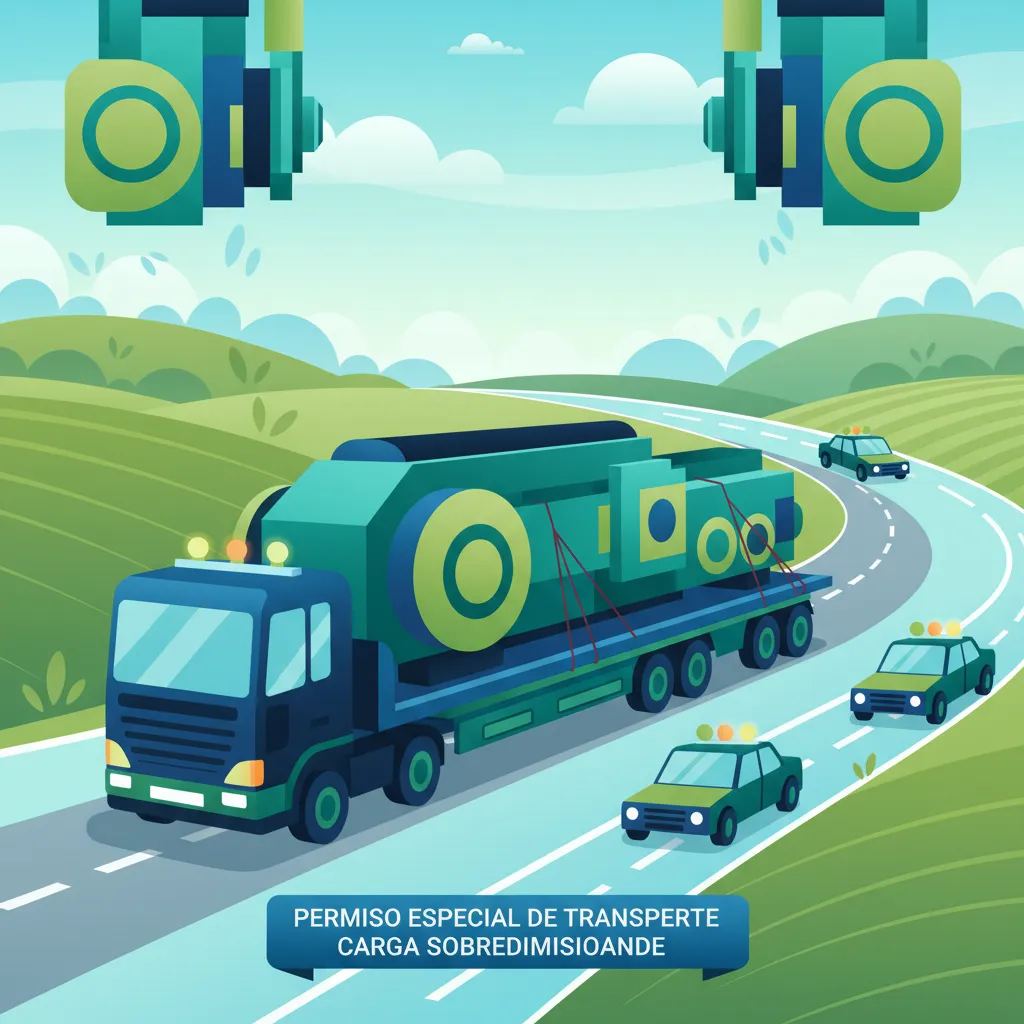
This lesson addresses the special regulations that apply to transporting loads that exceed standard legal dimensions or weight. It explains the process for obtaining the necessary special permits from the DGT and other authorities. The content also covers the requirements for route planning, the use of escort vehicles (pilot cars), and the mandatory signage and lighting for the vehicle.
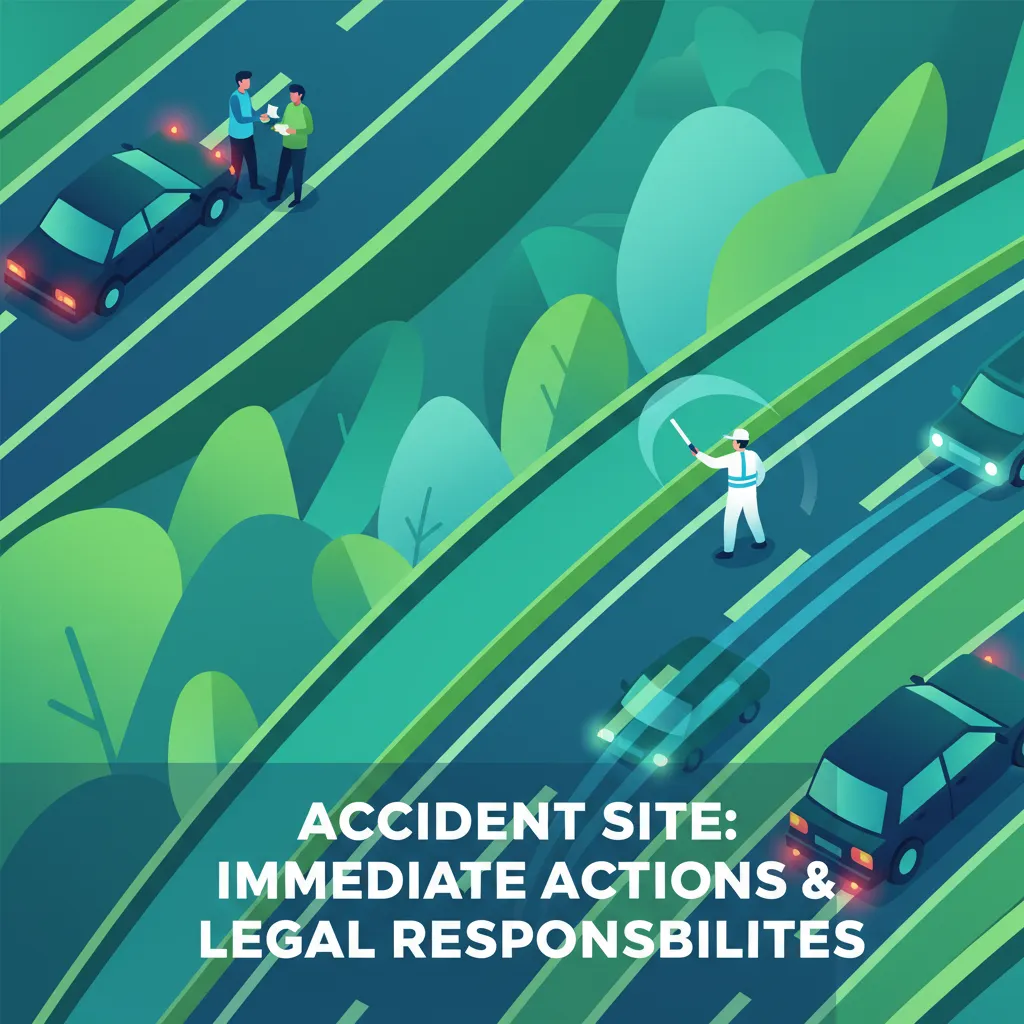
This lesson explains the driver's legal and ethical responsibilities when involved in or witnessing an accident. It covers the immediate priorities of protecting the scene from further incidents and providing aid to the injured within one's capabilities. The content details the legal requirements for exchanging information with other parties and reporting the accident to the police and DGT.
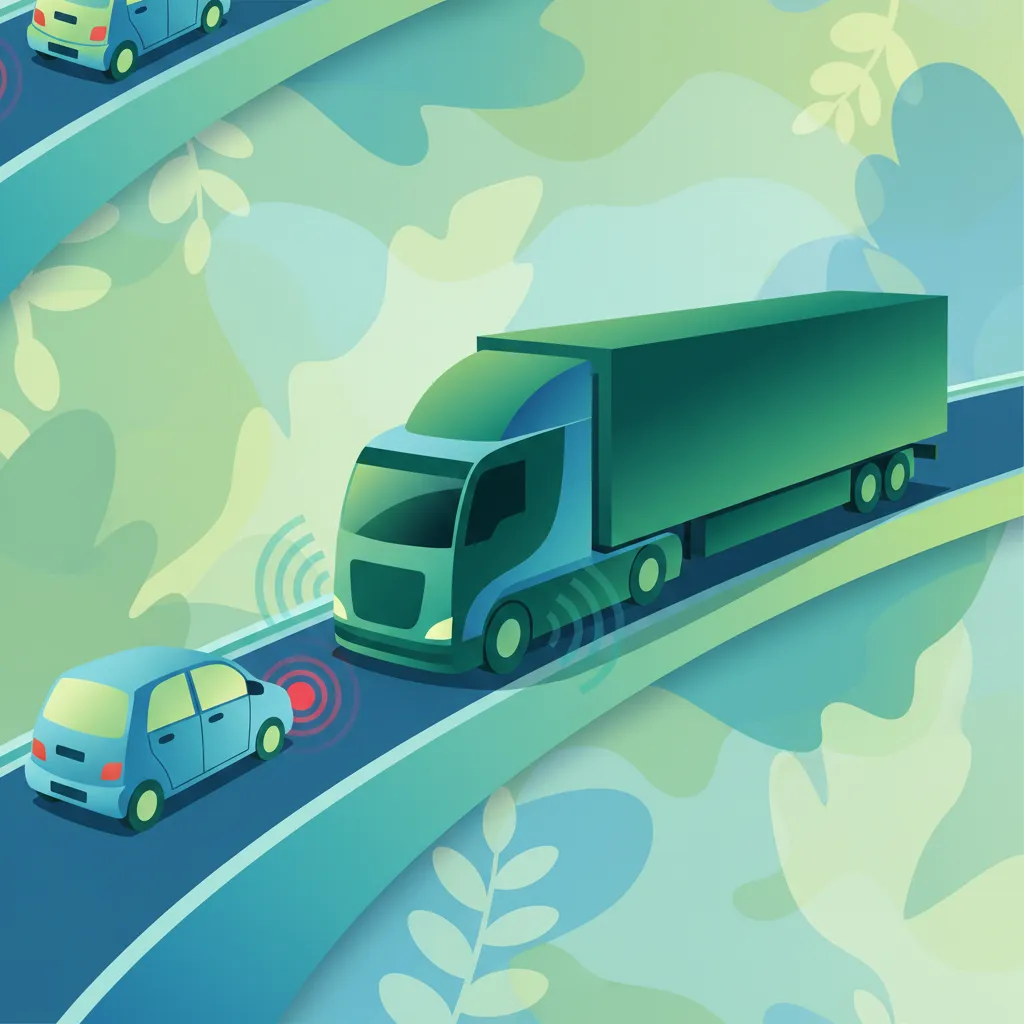
This lesson focuses on the core principles of defensive driving as they apply to operating a large truck. It explains the importance of managing the space around the vehicle to create a safety buffer and always having an 'escape route' in mind. The content emphasizes anticipating the actions of other road users and being prepared to react calmly and safely to unexpected situations.
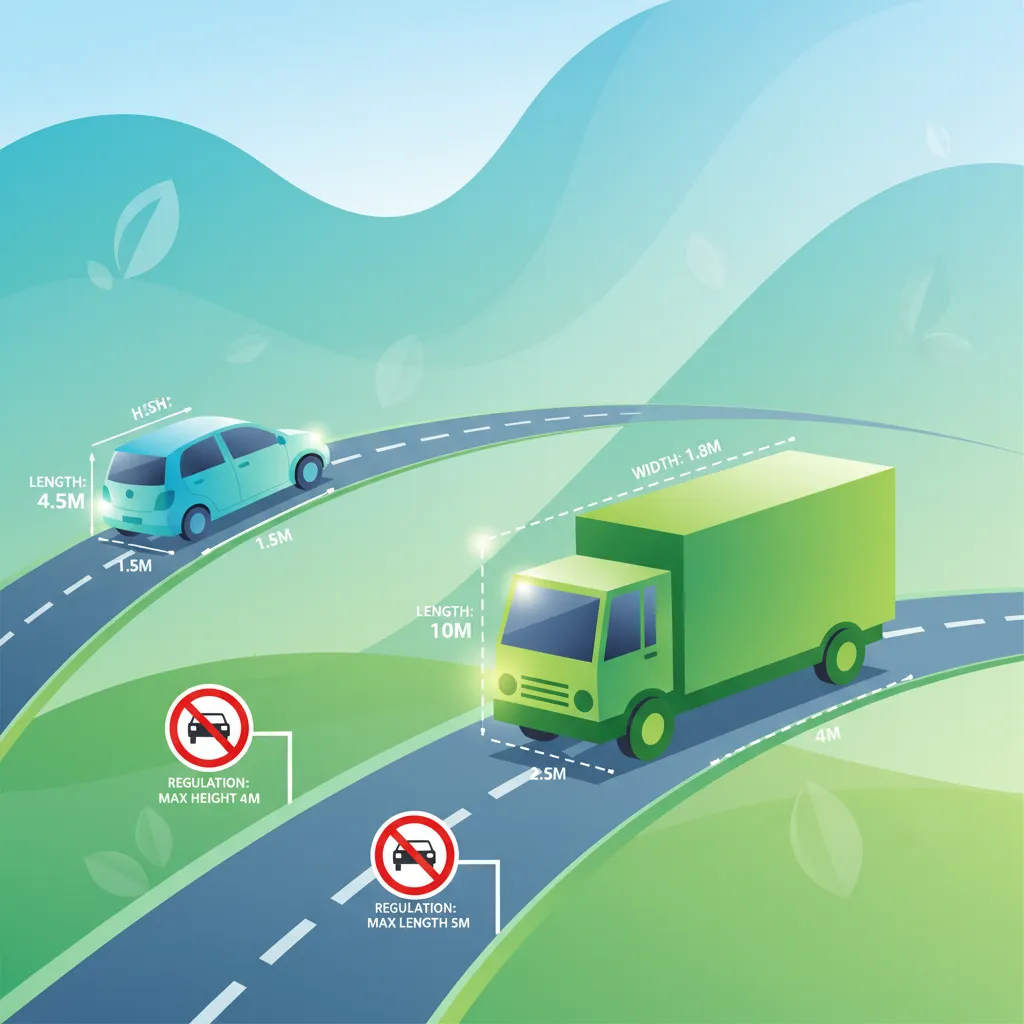
This lesson provides a detailed breakdown of the maximum permissible length, width, and height for heavy vehicles according to Spanish and EU regulations. It explains how these dimensions are measured and how they affect vehicle classification and route planning. The content emphasizes the critical importance of respecting clearance signs for bridges, tunnels, and other overhead structures to prevent accidents.
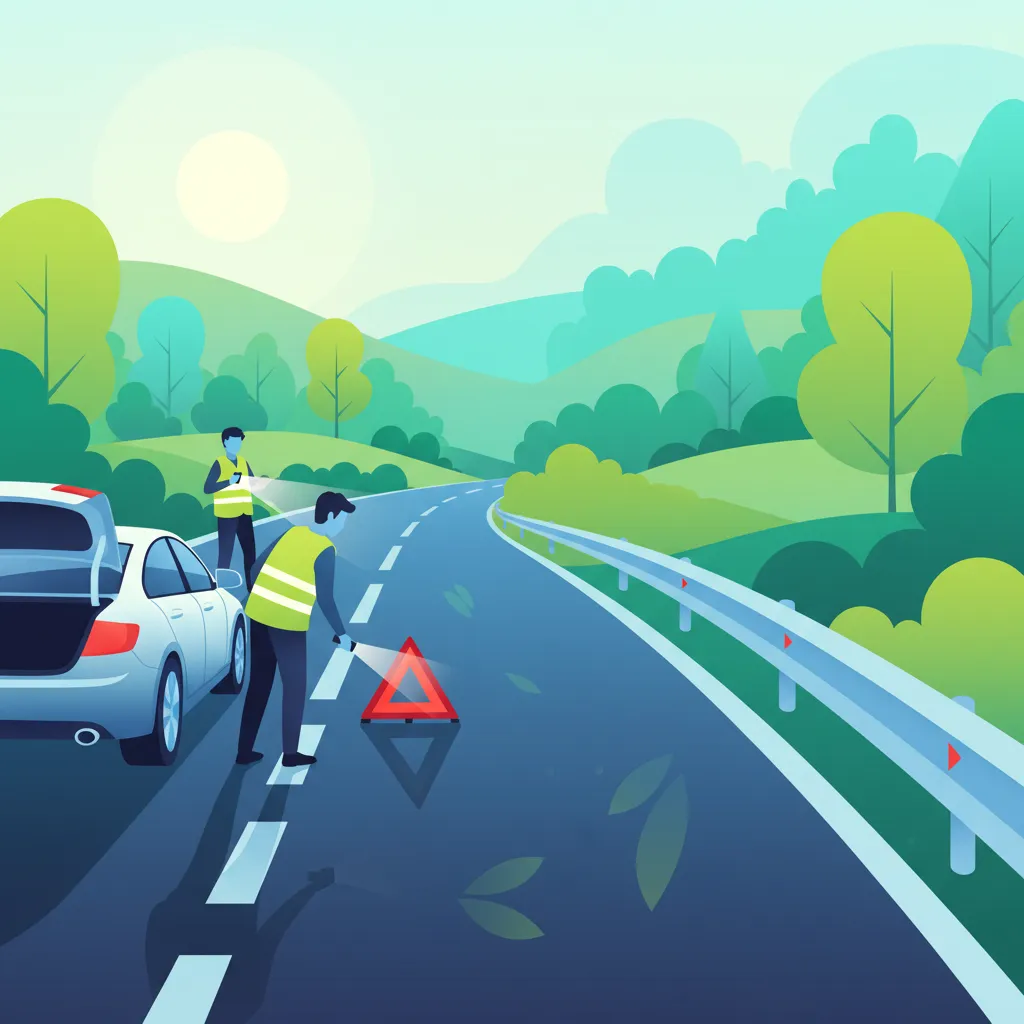
This lesson ensures drivers are familiar with the location and use of all legally required emergency equipment in their vehicle. This includes the first-aid kit, fire extinguisher, warning triangles, and high-visibility safety vest. The content stresses the importance of regularly checking that this equipment is present and in good condition, and it promotes the concept of mental safety drills to prepare for emergency responses.
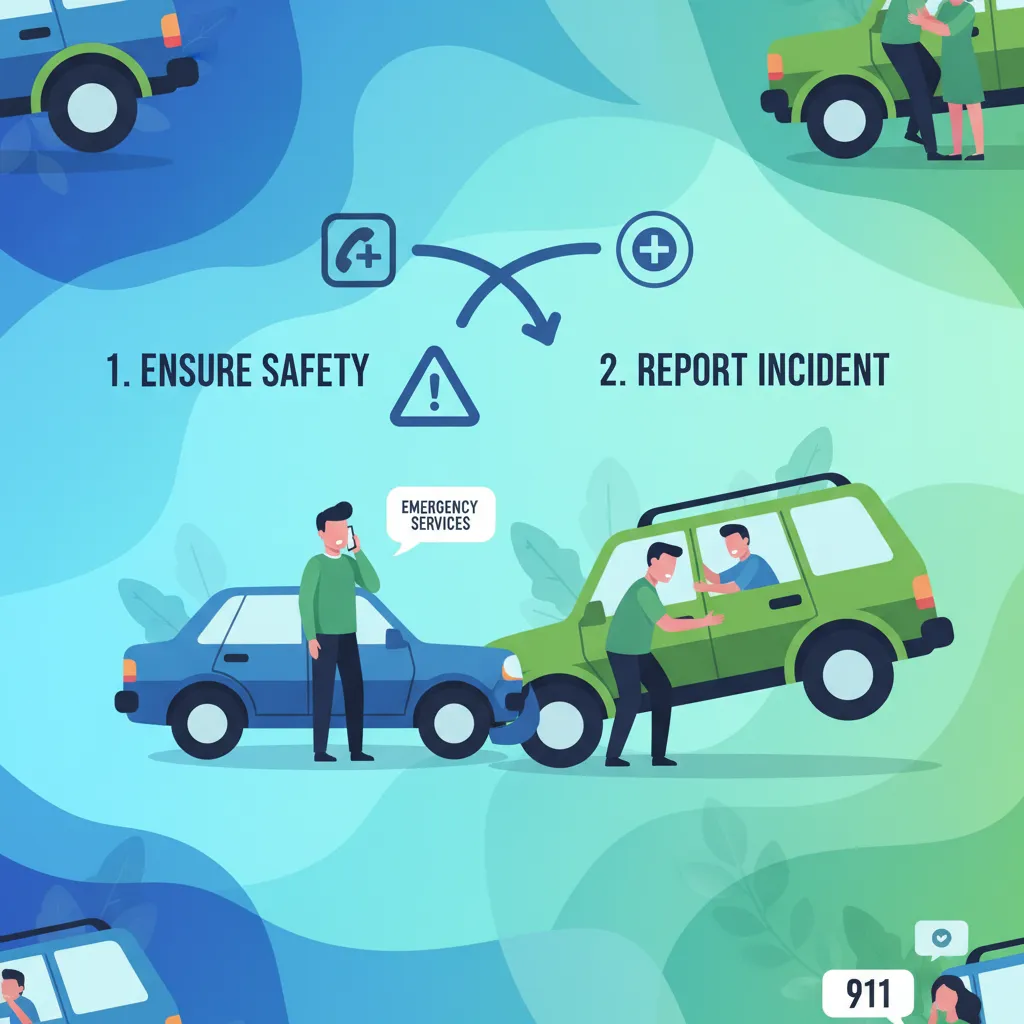
This lesson outlines the comprehensive steps required to safely manage an accident scene, including securing the area and providing immediate aid to any injured parties. Learners will be taught the legal reporting requirements, how to properly notify the DGT, and the specific documentation needed for insurance claims. The module also covers the process for collecting witness statements and interacting effectively with responding police authorities.
This lesson explains the specific legal framework governing truck operations on Spain's high-speed road network. It details the different speed limits for trucks on autovías versus autopistas and the regulations regarding which lanes heavy vehicles are permitted to use. Learners will also understand how to interpret specific highway signage relevant to commercial vehicles and any applicable toll regulations.
Explore the legal framework and essential emergency equipment required for professional truck drivers in Spain when transporting hazardous materials. Covers DGT regulations, ADR compliance, and driver CPC responsibilities for safe incident management.
This lesson ensures drivers are familiar with the location and use of all legally required emergency equipment in their vehicle. This includes the first-aid kit, fire extinguisher, warning triangles, and high-visibility safety vest. The content stresses the importance of regularly checking that this equipment is present and in good condition, and it promotes the concept of mental safety drills to prepare for emergency responses.
This lesson addresses the special regulations that apply to transporting loads that exceed standard legal dimensions or weight. It explains the process for obtaining the necessary special permits from the DGT and other authorities. The content also covers the requirements for route planning, the use of escort vehicles (pilot cars), and the mandatory signage and lighting for the vehicle.
This lesson explains the driver's legal and ethical responsibilities when involved in or witnessing an accident. It covers the immediate priorities of protecting the scene from further incidents and providing aid to the injured within one's capabilities. The content details the legal requirements for exchanging information with other parties and reporting the accident to the police and DGT.
This lesson provides a broad overview of the key traffic regulations in Spain that directly impact professional truck drivers. It details the rules of priority at intersections, the interpretation of different road markings, and the principles of correct lane discipline. Furthermore, it explains the specific speed limits applicable to heavy vehicles and the legal protocols for safe overtaking and signaling.
This lesson provides a step-by-step guide on what to do when a vehicle breaks down on the road. It explains how to safely bring the truck to a stop, activate hazard warnings, and place reflective warning triangles as required by law. The content also covers the procedures for contacting roadside assistance and communicating the nature of the problem and the vehicle's location accurately.
This lesson outlines the correct and legally required procedures to follow in the event of a traffic incident or accident. It covers the driver's immediate responsibilities at the scene, including securing the area and contacting emergency services. The content details the process for documenting the incident and formally reporting it to the DGT and insurance companies as required by law.

This lesson examines the overarching legal framework that governs professional drivers in Spain, focusing on the Reglamento General de Circulación. It details the statutory obligations of a driver, such as maintaining mandatory insurance, ensuring vehicle roadworthiness, and carrying all required documentation. Learners will understand their legal responsibilities and the importance of compliance with DGT regulations to operate lawfully.
This lesson provides a detailed breakdown of the maximum permissible length, width, and height for heavy vehicles according to Spanish and EU regulations. It explains how these dimensions are measured and how they affect vehicle classification and route planning. The content emphasizes the critical importance of respecting clearance signs for bridges, tunnels, and other overhead structures to prevent accidents.
This lesson focuses on the legal duty of care that professional bus drivers owe to their passengers, emphasizing the obligation to ensure safe transport. It examines the specific traffic laws applicable to heavy vehicles and the consequences of violations, such as fines and license sanctions. The content also details the mandatory procedures for reporting incidents and the essential insurance coverage required by the DGT.
This lesson details the legal framework for towing in Spain. It covers the concepts of maximum authorized mass, towing capacities of vehicles, and specific weight limits for different axle configurations. The content also explains the documentation and periodic technical inspection (ITV) requirements for trailers to ensure full legal compliance.
Find clear answers to common questions learners have about Fire Safety and Hazardous Material Incidents. Learn how the lesson is structured, which driving theory objectives it supports, and how it fits into the overall learning path of units and curriculum progression in Spain. These explanations help you understand key concepts, lesson flow, and exam focused study goals.
Fires are classified by the type of combustible material. For truck drivers, key classes include Class A (ordinary combustibles like wood, paper), Class B (flammable liquids like fuel, oil), and Class C (electrical fires). Understanding these classes is crucial for selecting the correct fire extinguisher.
Most commercial trucks in Spain are equipped with multi-purpose dry chemical (ABC) extinguishers, which are effective against Class A, B, and C fires. Always check the extinguisher's rating and ensure it is suitable for the potential hazards on your vehicle, such as fuel or electrical systems. Regular maintenance and checks are mandatory.
Your immediate priorities are safety and containment. First, assess the situation from a safe distance. If safe to do so, stop the vehicle and try to identify the substance if possible without risk. Then, isolate the area by keeping people and other vehicles away. Finally, notify the relevant emergency services or company contacts immediately, providing as much detail as you can.
While the specific requirements depend on the type of hazardous materials being transported, drivers are generally responsible for carrying appropriate safety equipment and information. This may include personal protective equipment (PPE), spill containment kits, and specific documentation related to the cargo. Always refer to the ADR (European Agreement concerning the International Carriage of Dangerous Goods by Road) regulations and your company's specific policies.
A fire involves combustion, producing heat, smoke, and flames, and is typically tackled with an extinguisher. A hazardous material incident involves the release of a dangerous substance (liquid, gas, solid) that can pose risks of toxicity, flammability, or reactivity. Response focuses on containment, isolation, and specialized clean-up, often requiring professional intervention beyond basic driver training.
Use our powerful search functionality to pinpoint specific Spanish DGT driving theory practice sets. Filter by road sign categories, traffic law topics, or question difficulty to build custom study sessions and reinforce your knowledge precisely where it matters for your official exam.