
This lesson explores the legal speed limits on Swiss roads and the crucial skill of selecting a safe speed based on current conditions. It is a vital component of your Category B theory preparation, building on your understanding of traffic signs and preparing you for effective hazard perception.
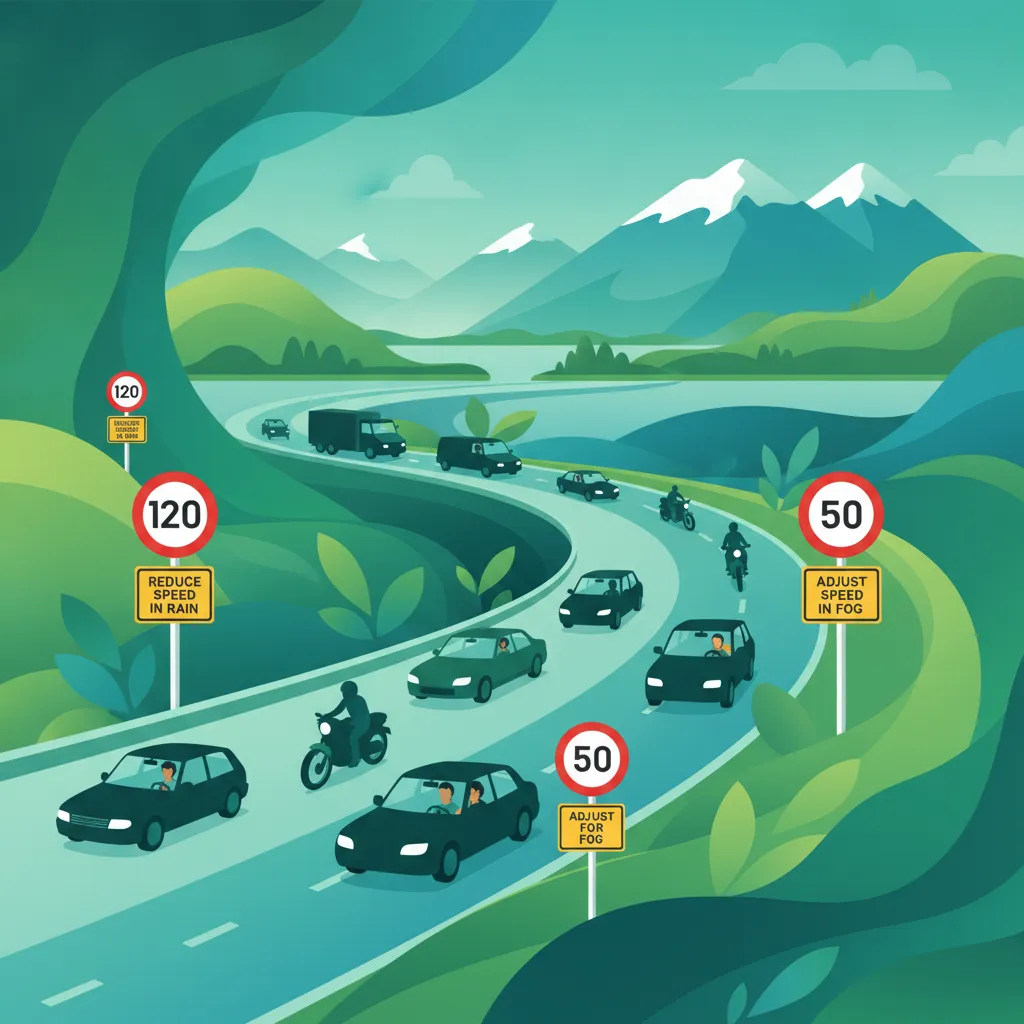
Lesson content overview
Driving safely and legally in Switzerland requires a comprehensive understanding of both statutory speed limits and the dynamic principles of selecting a safe speed. While legal speed limits define the maximum speed permitted on a given road, a safe speed is the speed at which you can maintain full control of your vehicle, stop safely within your visible distance, and react appropriately to any developing hazards. This lesson, part of your Comprehensive Swiss Driving Theory Course for Category B License, delves into these crucial aspects, equipping you with the knowledge to navigate Swiss roads confidently and responsibly.
Legal speed limits are the maximum speeds prescribed by law for specific road categories or indicated by official signage. These limits are absolute, meaning exceeding them is a direct violation of traffic law, regardless of the prevailing conditions. They are set to ensure orderly traffic flow, minimize accident risk, and protect all road users.
In Switzerland, default speed limits apply when no specific speed limit signs are present. It is essential for every driver to know these default values.
Speed limit signs are regulatory signs that inform drivers of the maximum permissible speed for a stretch of road.
These signs are circular, featuring a white background with a red border and the speed in black numbers. When you see such a sign, the indicated limit applies from that point until it is superseded by another speed limit sign, an end of speed limit sign, or the end of a specific zone (e.g., leaving a built-up area).
While legal speed limits define the maximum allowed speed, the concept of a "safe speed" is paramount. A safe speed is always equal to or lower than the legal limit and is determined by actual driving conditions. Choosing a speed that is higher than what is safe for the current circumstances, even if it is within the legal limit, is a breach of your fundamental duty of care as a driver.
The primary goal of selecting a safe speed is to prevent accidents by ensuring you always have sufficient time and distance to react. This means constantly evaluating various factors and adjusting your speed proactively.
Several interconnected factors dictate what constitutes a safe speed at any given moment:
One of the most critical principles of safe speed selection is ensuring that your total stopping distance never exceeds the distance you can see clearly ahead. If you cannot stop within the visible range, you are driving too fast for the conditions.
Stopping distance comprises two main elements:
The relationship between speed and stopping distance is not linear; kinetic energy increases quadratically with speed. This means doubling your speed quadruples the kinetic energy, leading to significantly longer braking distances. Therefore, even small reductions in speed can dramatically improve your ability to stop in time.
Weather plays a major role in determining a safe speed. Each type of adverse weather presents unique challenges that demand speed adjustment.
Rain reduces tire grip on the road surface, making it easier to skid and increasing braking distances. Heavy rain can also significantly reduce visibility.
Snow and ice drastically reduce tire friction, extending braking distances substantially and making vehicle control much more challenging.
Fog severely limits visibility, often to just a few meters. This is one of the most dangerous conditions for driving, as the visible distance can become shorter than your stopping distance very quickly.
Although not "adverse weather," driving at night inherently reduces visibility due to the limited range of headlights.
Temporary speed restrictions are imposed for specific periods or circumstances to enhance safety during atypical road conditions. These restrictions are legally binding and take precedence over permanent speed limits.
Temporary limits are commonly applied in situations such as:
Temporary speed limit signs often feature a distinctive orange or yellow background to make them stand out from permanent white-backed signs. They may be accompanied by supplementary signs indicating the reason for the restriction (e.g., "Road Works Ahead") or its duration.
The state of your vehicle and the load it carries directly affect its handling and braking capabilities, thus influencing your safe speed.
When a vehicle carries a significant load (passengers, cargo, or a trailer/caravan), its overall weight increases. This added mass increases the vehicle's inertia, meaning it requires more force and distance to slow down and stop.
Towing a trailer or caravan introduces additional complexities:
The operational state of your vehicle's critical systems is paramount for safe speed selection.
Always ensure your vehicle is in optimal technical condition before driving, especially when planning longer journeys or anticipating challenging conditions.
Vulnerable road users – pedestrians, cyclists, motorcyclists, and children – are at a much higher risk of severe injury in a collision due to their lack of physical protection. Drivers have a special responsibility to protect them by adjusting speed.
By reducing your speed in areas with a high presence of vulnerable road users, you significantly increase your reaction time and reduce the severity of potential impacts, thereby enhancing safety for everyone.
Exceeding the legal speed limit is a serious offense in Switzerland and carries various penalties depending on the severity of the transgression and the location (urban, rural, motorway).
It is crucial to understand that driving too fast for conditions, even if within the legal limit, can still lead to legal consequences under the "duty of care" principle (§ 75 StVG), as it is considered negligent driving.
Mastering speed selection is a cornerstone of safe and responsible driving.
By consistently applying these principles, you contribute to a safer road environment for everyone and ensure your compliance with Swiss traffic laws.
Explore all units and lessons included in this driving theory course.
Lesson content overview
Explore all units and lessons included in this driving theory course.
Explore search topics learners often look for when studying Legal Speed Limits and Safe Speed Selection. These topics reflect common questions about road rules, driving situations, safety guidance, and lesson level theory preparation for learners in Switzerland.
Browse additional driving theory lessons that cover connected traffic rules, road signs, and common driving situations related to this topic. Improve your understanding of how different rules interact across everyday traffic scenarios.
Understand the legal speed limits in urban, rural, and motorway areas in Switzerland. Learn how to select a safe speed by considering visibility, weather, road conditions, and traffic for Category B drivers.
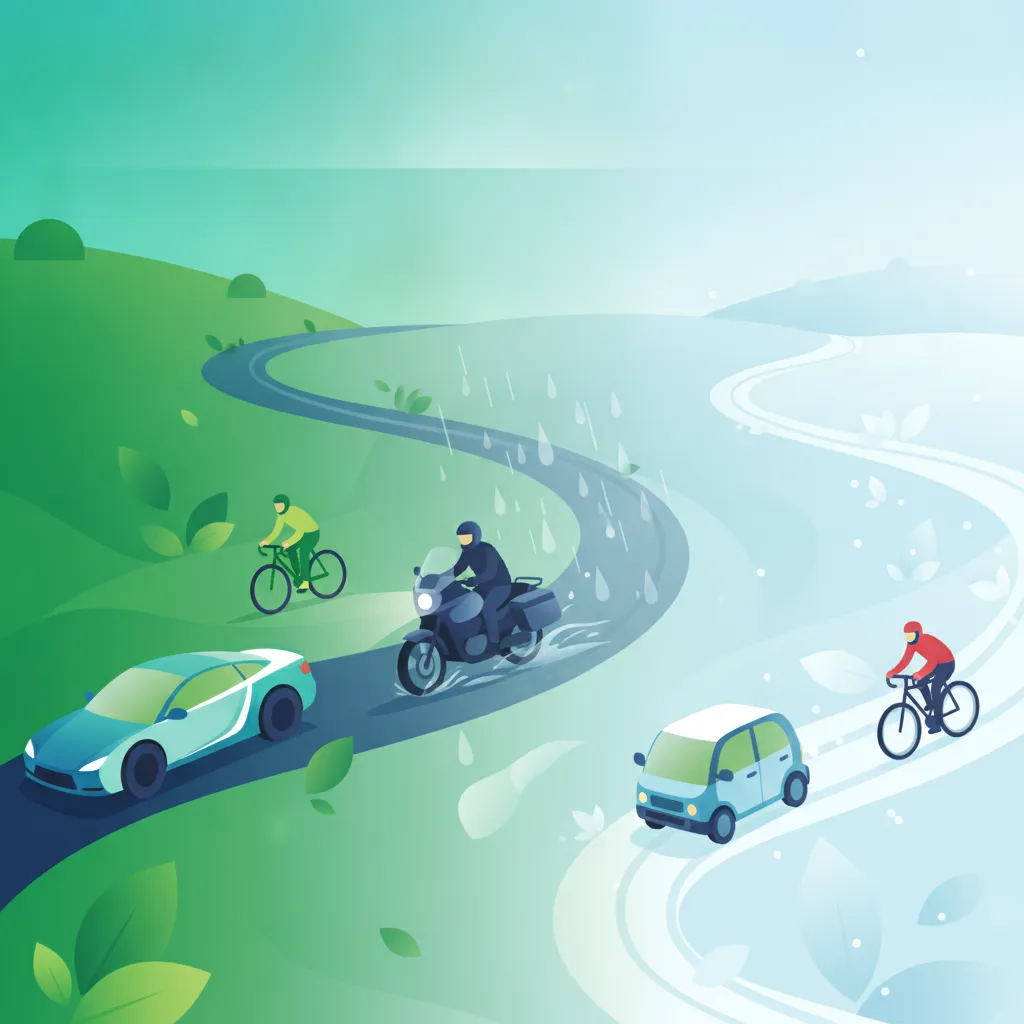
The legal speed limit is a maximum, not a target. This lesson teaches the professional driver's approach to speed management, which involves constantly assessing traffic, road, and weather conditions. You will learn to adjust your speed to ensure you can always stop safely within the distance you can see to be clear.
This lesson details the maximum legal speed limits applicable to Category M vehicles in Switzerland. It explains how to identify speed limits through signage and differentiates between built-up areas, rural roads, and motorways where permitted. The content stresses that the legal limit is a maximum, and riders must always adapt their speed to traffic, weather, and road conditions.

This lesson focuses on general driving safety in areas with a high concentration of children. It stresses the importance of significantly reducing speed, being prepared for unexpected events, and scanning for children between parked cars. The driver must exhibit maximum vigilance in these high-risk environments at all times.
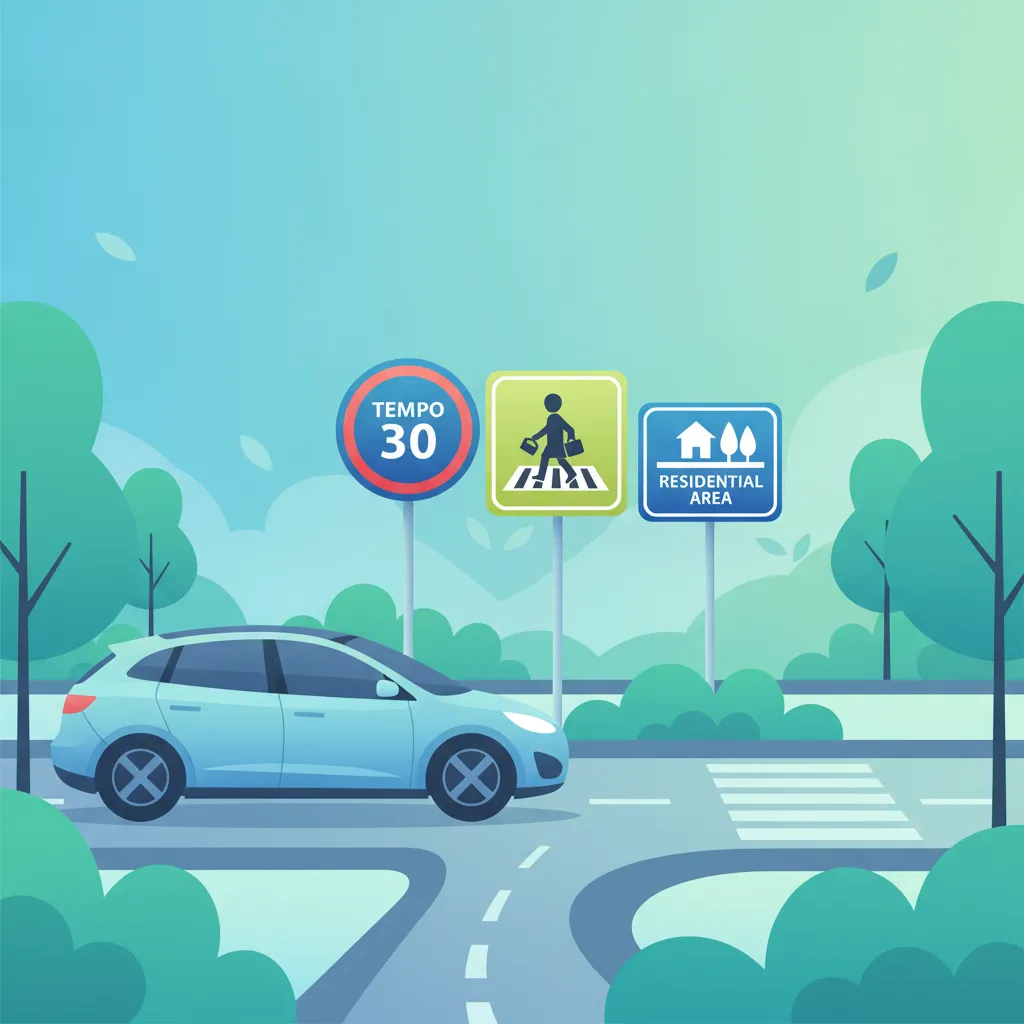
This lesson covers areas with special traffic regulations designed to protect vulnerable road users. Learners will understand the rules and reduced speed limits applicable in Tempo-30 zones, residential areas, and around schools. The content emphasizes the need for heightened awareness and a defensive riding style in these designated zones.
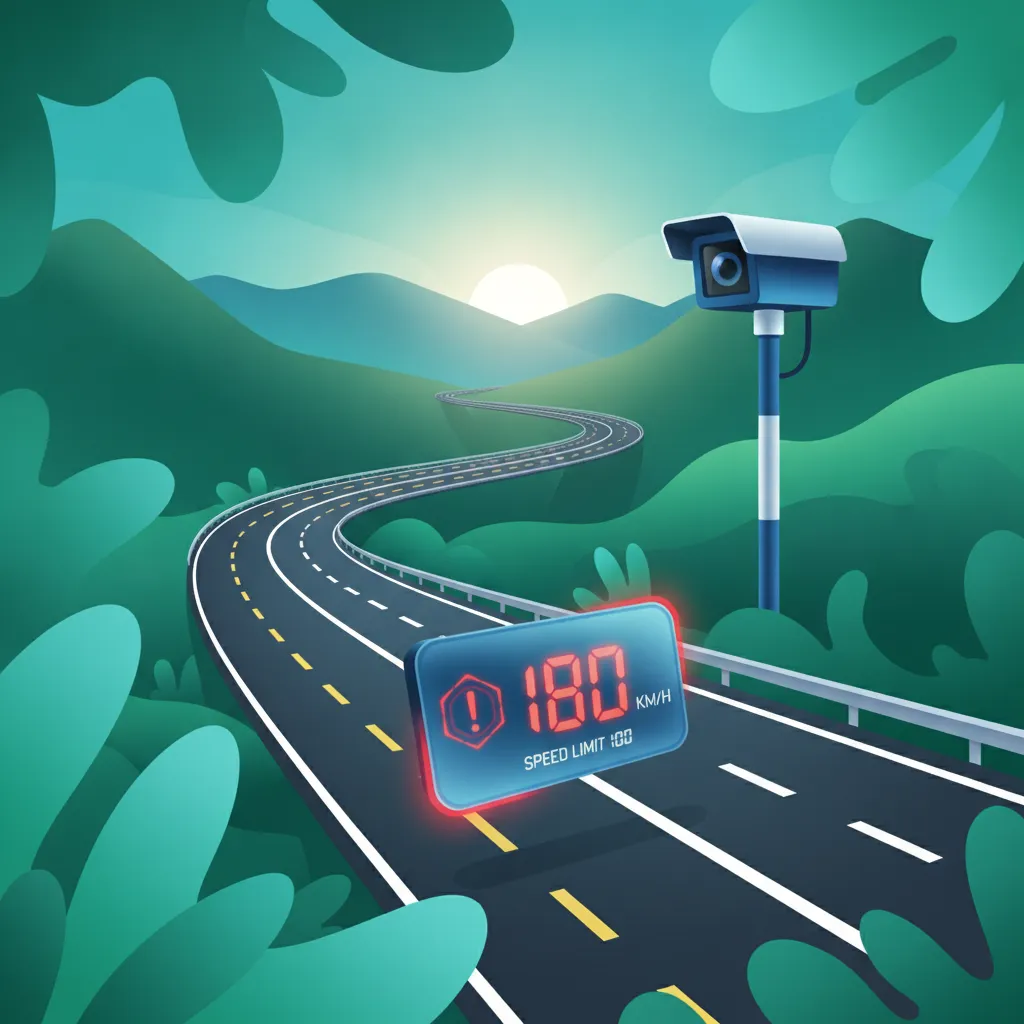
This lesson explores the various methods of speed enforcement in Switzerland, including speed cameras and police checks. It explains the legal consequences of speeding, such as fines, penalty points, and possible licence suspension. Understanding enforcement mechanisms helps drivers maintain compliance with the law and avoid legal repercussions.
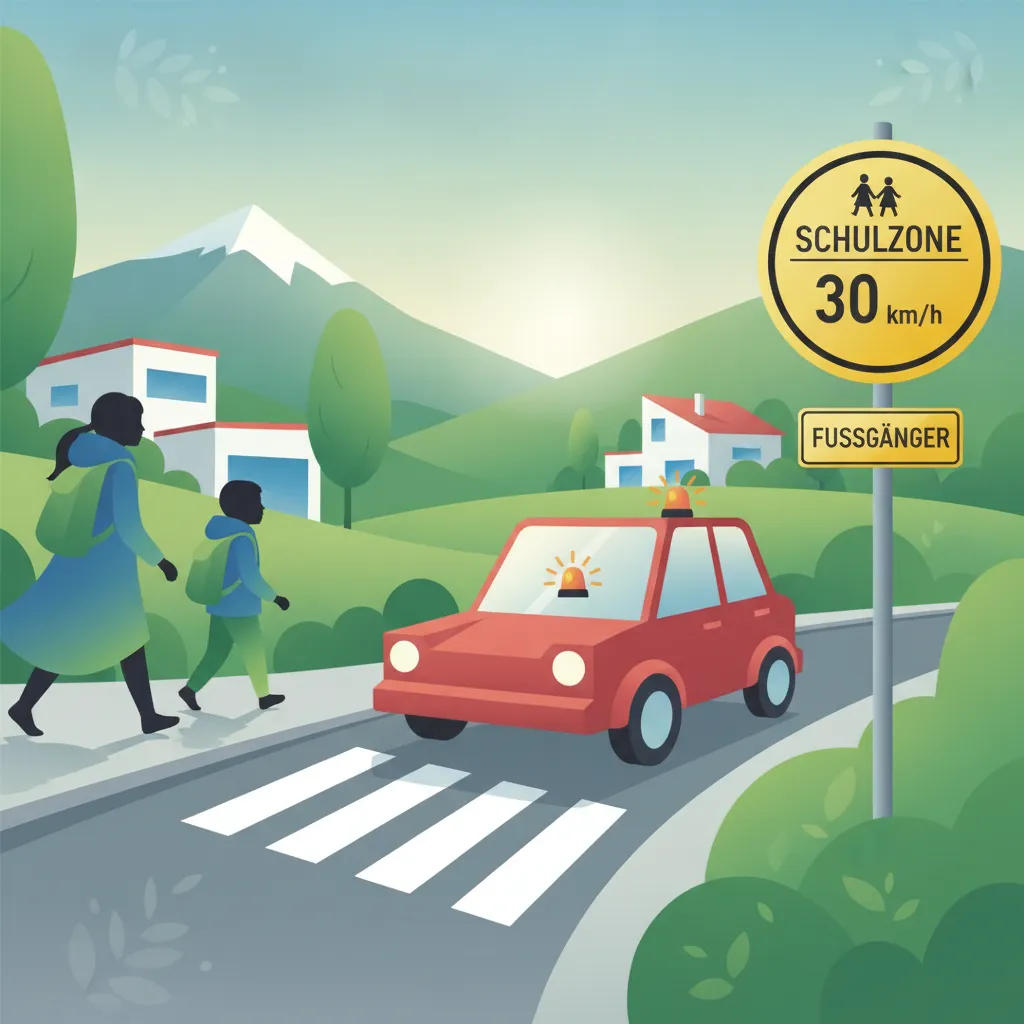
This lesson focuses on school zones, where special speed limits and cautionary measures are required. You will learn to recognize school zone signs, understand reduced speed limits, and be aware of designated child crossing zones. The content also emphasizes the need for heightened vigilance when school buses stop for students to ensure child safety.

This lesson demonstrates how speed dramatically affects a motorcycle's total stopping distance, which includes both reaction time and braking distance. It explains the physics involved and teaches riders how to choose a safe speed based on traffic, weather, and visibility. Adhering to Swiss speed limits and adjusting for conditions is presented as a critical safety skill.
This lesson examines the impact of weather and visibility on driving safety and speed selection. It covers how fog, rain, snow, and darkness affect visibility and reaction times, providing guidelines on adjusting speed. It also includes strategies for improving visibility, such as proper headlamp use, to ensure you can adapt to varying weather conditions.
Motorway driving involves high speeds and requires constant concentration. This lesson covers correct lane discipline, safe procedures for joining and leaving the motorway, and techniques for overtaking other large vehicles. Maintaining appropriate speed and a safe following distance is emphasized throughout.
Motorway driving requires constant concentration due to high speeds. This lesson emphasizes the importance of staying in the right-hand lane unless overtaking and the specific restrictions on lorry overtaking in Switzerland. It reinforces the need for a following distance of at least four seconds to compensate for the vehicle's long stopping distance and provides guidance on safely merging and exiting.
Learn how to adjust your speed for rain, snow, ice, and fog in Switzerland. Understand the critical importance of speed for protecting vulnerable road users and what to do in temporary speed restriction zones.
This lesson examines the impact of weather and visibility on driving safety and speed selection. It covers how fog, rain, snow, and darkness affect visibility and reaction times, providing guidelines on adjusting speed. It also includes strategies for improving visibility, such as proper headlamp use, to ensure you can adapt to varying weather conditions.

This lesson examines the impact of various weather conditions on driving safety. It explains how to adjust speed in low visibility and the risks of aquaplaning in heavy rain. The content also covers using snow chains in snowy conditions, handling icy surfaces, and dealing with strong winds, particularly on bridges and open roads.
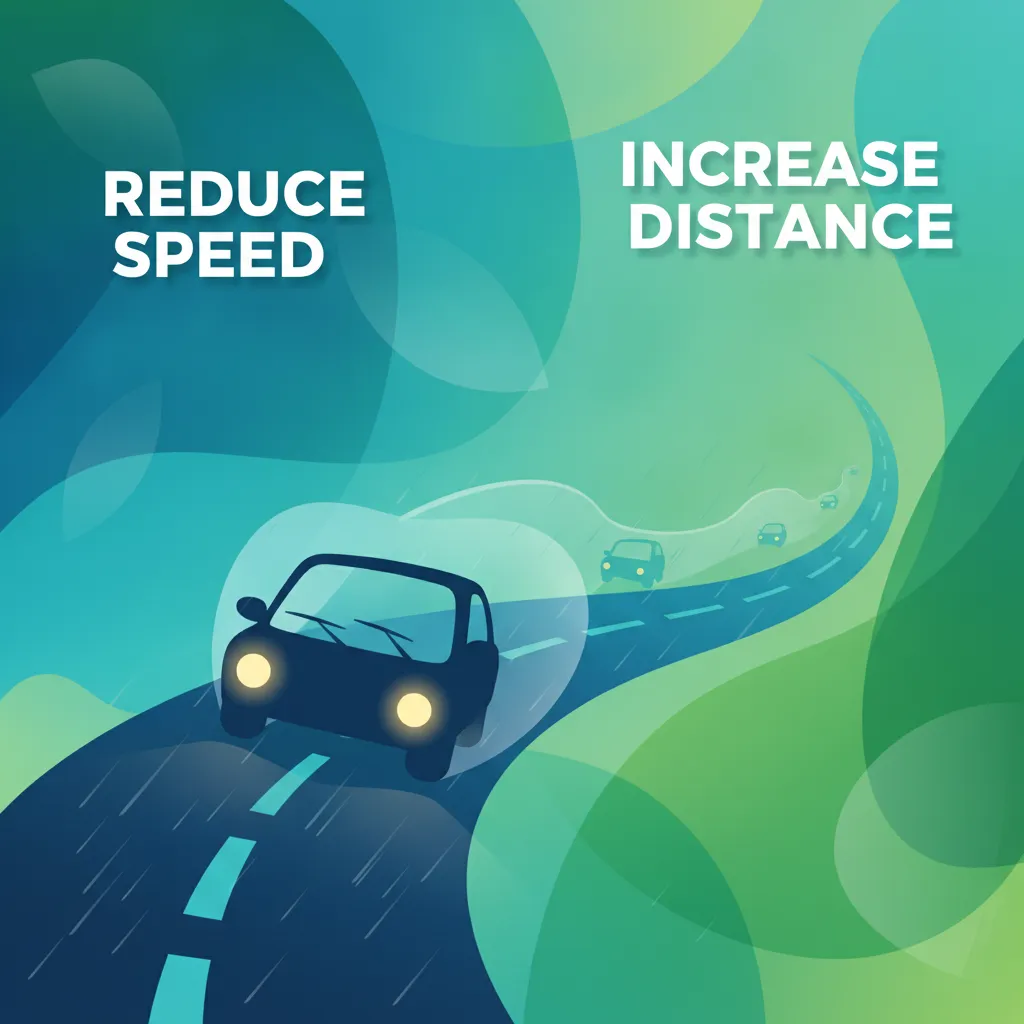
Weather has a profound impact on vehicle handling and visibility. This lesson teaches you how to reduce speed, increase following distances, and use controls smoothly to maintain traction in poor conditions. It also covers the legal requirements and practical application of snow chains in winter.
The legal speed limit is a maximum, not a target. This lesson teaches the professional driver's approach to speed management, which involves constantly assessing traffic, road, and weather conditions. You will learn to adjust your speed to ensure you can always stop safely within the distance you can see to be clear.

Wet or icy roads drastically reduce tyre grip and can double or triple braking distances. This lesson stresses the importance of significantly reducing overall speed and increasing following distances in such conditions. It advises on using brakes with extreme care to avoid skidding and explains how the vehicle's retarder should be used with caution as it can cause the drive wheels to lock up on slippery surfaces.

This lesson details how adverse weather conditions like rain, fog, and snow affect motorcycle safety. It explains how wet surfaces reduce tyre grip, requiring smoother control inputs and longer braking distances. Strategies for managing reduced visibility in fog and the extreme hazards of riding on snow and ice are also covered.
This lesson focuses on general driving safety in areas with a high concentration of children. It stresses the importance of significantly reducing speed, being prepared for unexpected events, and scanning for children between parked cars. The driver must exhibit maximum vigilance in these high-risk environments at all times.
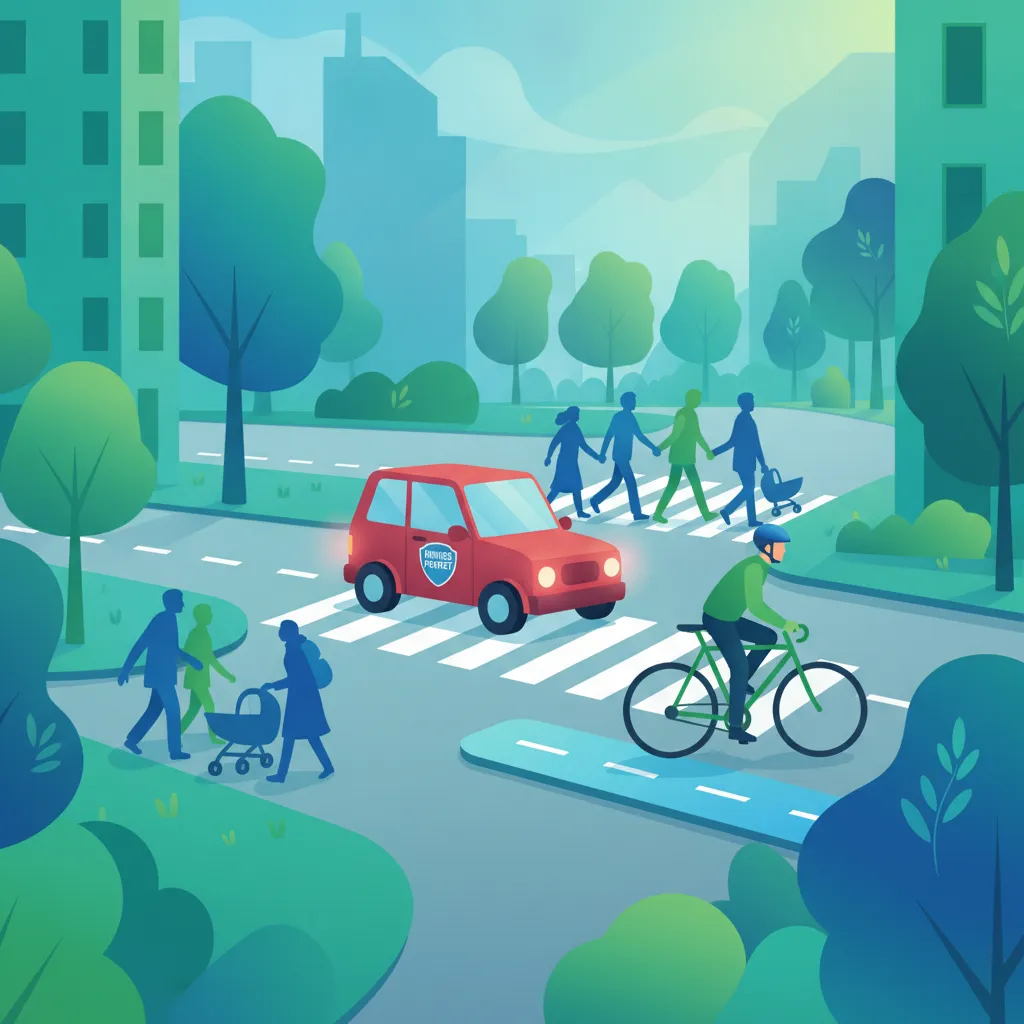
Pedestrians, cyclists, motorcyclists, and e-scooter riders are extremely vulnerable in any interaction with a heavy vehicle. This lesson instills a defensive mindset, teaching drivers to be hyper-aware of VRUs, especially near junctions, crossings, and cycle lanes. It focuses on anticipation and giving VRUs extra space, as they can be unpredictable and are often hidden in blind spots.
Find clear answers to common questions learners have about Legal Speed Limits and Safe Speed Selection. Learn how the lesson is structured, which driving theory objectives it supports, and how it fits into the overall learning path of units and curriculum progression in Switzerland. These explanations help you understand key concepts, lesson flow, and exam focused study goals.
In Swiss built-up areas, the general speed limit is 50 km/h, unless otherwise indicated by signs. You must always watch for 'Tempo 30' zones or residential 'walking zones' where the limit is much lower.
The exam expects you to demonstrate that you know the legal speed limit is a maximum, not a target. In poor conditions like heavy rain, snow, or fog, you must reduce your speed regardless of what the sign says to maintain a safe distance and control.
Yes, the standard speed limit on Swiss motorways is 120 km/h. However, you must pay attention to variable signs in tunnels or roadwork areas which may lower this limit significantly for safety reasons.
Always prioritize safety. Even if a sign permits a higher speed, you are legally required to drive at a speed that allows you to stop within your field of vision and handle unexpected hazards. Defensive driving is a core focus of the Swiss exam.
Pinpoint specific Swiss traffic rules, road signs, or driving situations you need to master. Use the practice search to start a focused revision session now and build confidence for your official driving theory exam.