
This lesson focuses on the critical interactions between heavy goods vehicles and vulnerable road users (VRUs) in Switzerland. By mastering these defensive driving techniques, you will improve your safety profile and ensure you are fully prepared for the specific hazard perception requirements of your C or C1 theory exam.
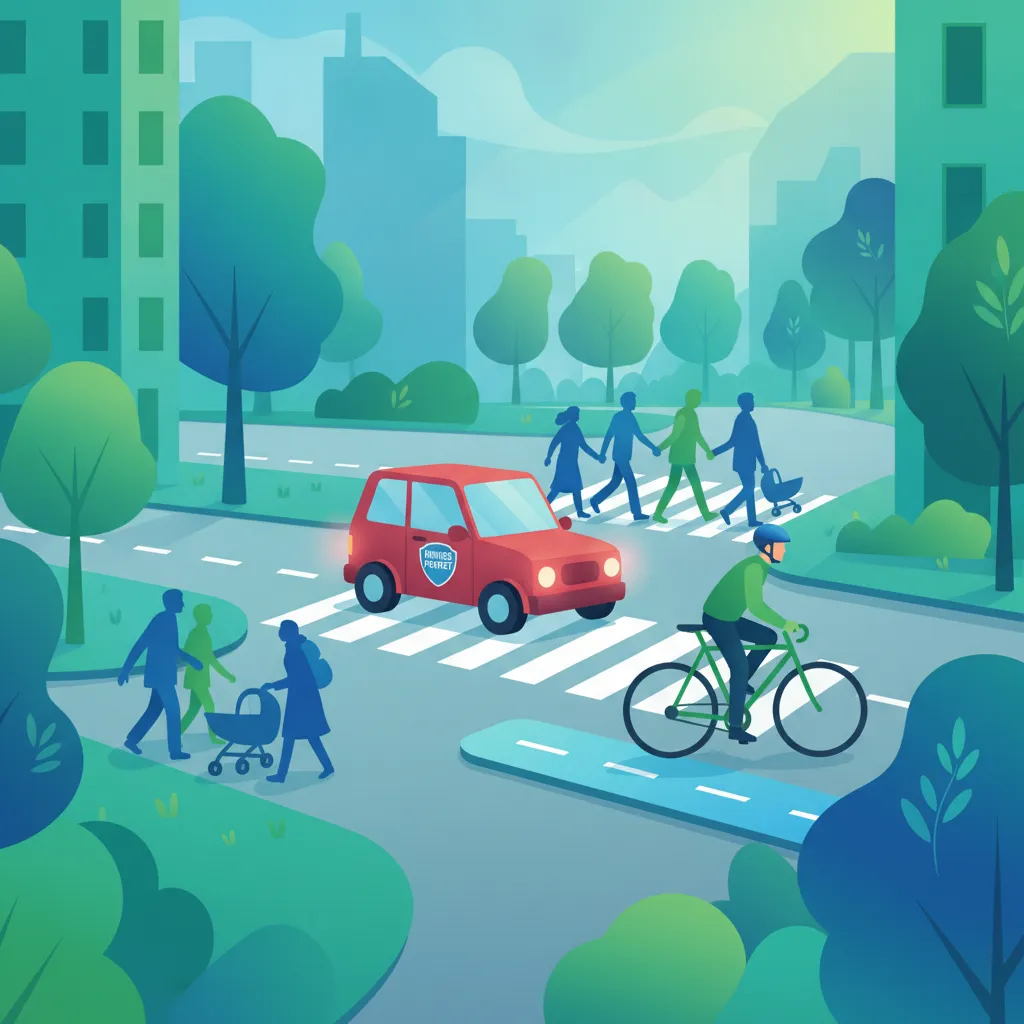
Lesson content overview
Driving a heavy goods vehicle in Switzerland, whether a Category C or C1 lorry or bus, comes with significant responsibilities, particularly when sharing the road with vulnerable road users (VRUs). Due to their size, mass, and complex blind spots, heavy vehicles pose a disproportionately high risk to pedestrians, cyclists, motorcyclists, and e-scooter riders in the event of a collision. This lesson, part of the Official Swiss Driving Theory Course for Category C & C1 Goods Vehicles, instills a defensive driving mindset, emphasizing hyper-awareness, anticipation, and generous space management to ensure the safety of everyone on Swiss roads.
The term "vulnerable road users" encompasses individuals who lack the protective enclosure of a motor vehicle. This inherent lack of physical protection means they are at a much higher risk of serious injury or fatality in any interaction with a heavy vehicle. Recognizing who these individuals are and understanding their unique challenges is the first step toward preventing accidents.
Vulnerable Road Users (VRUs) typically include:
These groups are collectively categorized as VRUs because they have limited ability to protect themselves in a collision.
The fundamental difference in mass and physical presence between a heavy vehicle and a VRU creates an immense safety disparity. Several factors exacerbate this risk:
Operating a Category C or C1 vehicle demands a proactive, defensive driving approach focused on preventing incidents rather than reacting to them. Adhering to specific safety principles is paramount when interacting with vulnerable road users.
This principle acknowledges that VRUs are the most susceptible to injury in a collision. As a heavy vehicle driver, you must operate with the understanding that you carry a greater responsibility to protect those around you. This often means exercising greater caution and, where applicable, yielding the right-of-way, even if no immediate danger is perceived. Prioritizing their safety over your immediate progress is a fundamental aspect of professional driving.
Defensive driving means actively anticipating potential hazards, rather than merely reacting to them. For heavy vehicle drivers, this translates into:
This proactive approach significantly reduces the likelihood of a collision.
Heavy goods vehicles inherently possess larger blind spots compared to passenger cars due to their dimensions. These "Kornfelder" (blind fields) are areas around your vehicle that cannot be seen directly or via conventional mirrors.
You must always assume a VRU might be hidden in one of these zones. Relying solely on mirrors is insufficient. Head checks, especially before changing lanes or turning, are mandatory. Modern heavy vehicles often come equipped with advanced driver assistance systems (ADAS), such as blind spot monitoring, which use sensors to detect objects. While these systems are invaluable aids, they are supplementary and do not replace the driver's direct observation and judgment.
Areas around a heavy vehicle that are not visible to the driver, even with properly adjusted mirrors or direct line of sight, posing a significant risk for obscuring vulnerable road users.
Understanding and respecting right-of-way is critical. In Switzerland, VRUs typically have priority in specific situations:
Due to the size and air displacement of heavy vehicles, maintaining adequate lateral and longitudinal clearance is vital when interacting with VRUs.
Appropriate speed management is fundamental to safety. While speed limits provide a maximum, your actual speed should always be adjusted to the prevailing conditions, traffic density, and presence of VRUs.
Lower speeds provide more time to detect VRUs, react safely, and reduce the force of any potential collision.
Swiss traffic law (based on the Road Traffic Act, SVG, and the Road Traffic Ordinance, VZV) provides clear guidelines for interactions with vulnerable road users. As a professional Category C or C1 driver, strict adherence to these regulations is not only a legal requirement but a moral imperative.
In Switzerland, pedestrians have absolute priority at marked pedestrian crossings, also known as zebra crossings.
Failing to yield at a zebra crossing is a serious offence, carrying significant penalties and a high risk of severe injury.
When overtaking vulnerable road users, maintaining sufficient lateral clearance is legally mandated and crucial for their safety.
Overtake only when it is safe to do so and when you can guarantee these minimum distances. If the road is too narrow, you must wait behind the VRU until a wider section or a clear opportunity arises.
To enhance safety where VRUs are highly present, specific speed limits are enforced:
Before any change in direction or lane, a thorough blind spot check is mandatory.
Turning, especially right turns, presents a significant risk for cyclists and pedestrians who may be in your blind spot or attempting to cross.
Beyond adherence to specific rules, mastering advanced defensive techniques and maintaining keen situational awareness are hallmarks of a safe heavy vehicle operator.
Effective scanning involves more than just glancing around; it's a systematic and predictive process.
Modern heavy vehicles are equipped with an array of mirrors and often sophisticated driver assistance systems.
Driving conditions significantly impact visibility and vehicle performance, requiring adaptive driving techniques.
The characteristics of your heavy vehicle also influence how you interact safely with VRUs.
Even experienced drivers can sometimes fall into common traps when interacting with vulnerable road users. Recognizing these pitfalls is key to avoiding them.
Ignoring Pedestrians at Marked Crossings:
Insufficient Lateral Clearance When Overtaking Cyclists:
Neglecting Blind Spots During Lane Changes or Turns:
Speeding in Residential or High-VRU Density Zones:
Turning Without Yielding to Crossing VRUs:
Operating heavy goods vehicles demands the highest standards of safety and awareness, especially when it comes to vulnerable road users. Your professional responsibility extends to protecting every individual on the road. By consistently applying the principles discussed in this lesson, you significantly contribute to a safer environment for everyone.
To recap the most critical actions:
This lesson teaches Category C and C1 drivers how to safely interact with vulnerable road users (VRUs) including pedestrians, cyclists, motorcyclists, and e-scooter riders on Swiss roads. Heavy vehicles create specific hazards—large blind spots called Kornfelder, extended braking distances, air turbulence, and limited maneuverability—that make VRU protection a critical professional responsibility. Key Swiss rules include mandatory stopping at zebra crossings, minimum overtaking distances of 1.5m for cyclists and 2.5m for pedestrians, and reduced speeds in 30 km/h zones. The lesson emphasizes defensive driving through continuous anticipatory scanning, proper mirror use with mandatory head checks, and adapting driving to weather and lighting conditions.
A short set of high-value points that capture the most important learning from this lesson.
Heavy vehicles pose disproportionate risk to VRUs due to mass, extended blind spots (Kornfelder), longer braking distances, and limited maneuverability
Pedestrians have unconditional right-of-way at zebra crossings; you must stop if they are on or clearly intending to cross
Maintain minimum lateral overtaking distances: 1.5 meters for cyclists and 2.5 meters for pedestrians on the roadway
Defensive driving for VRUs means continuous anticipatory scanning, not just reacting—always assume they might make unexpected moves
Right-hand turns are the highest-risk maneuver for cyclists as they can ride in your blind spot alongside the truck
Explore all units and lessons included in this driving theory course.
Swiss law mandates 1.5m lateral clearance when overtaking cyclists and 2.5m when passing pedestrians walking on the road
At any pedestrian crossing (marked or unmarked), yield to VRUs crossing the road you are entering before turning
Kornfelder (blind spots) can completely hide cyclists and pedestrians even with properly adjusted mirrors—head checks are mandatory
Reduce speed in 30 km/h residential zones and always match speed to actual VRU presence and road conditions
Wet roads, snow, ice, and poor lighting dramatically increase danger for VRUs and require extra caution and greater following distances
Relying solely on mirrors and skipping head checks before turning or changing lanes, missing VRUs hidden in blind spots
Passing cyclists too closely on narrow roads rather than waiting for a safe opportunity to maintain the 1.5m minimum distance
Attempting to 'sneak through' a zebra crossing before pedestrians finish crossing, even if they momentarily disappeared from view
Failing to yield to pedestrians or cyclists when turning at intersections, particularly cutting off cyclists proceeding straight
Driving at the posted speed limit in residential or school zones without reducing further when VRUs are present
Lesson content overview
A short set of high-value points that capture the most important learning from this lesson.
Heavy vehicles pose disproportionate risk to VRUs due to mass, extended blind spots (Kornfelder), longer braking distances, and limited maneuverability
Pedestrians have unconditional right-of-way at zebra crossings; you must stop if they are on or clearly intending to cross
Maintain minimum lateral overtaking distances: 1.5 meters for cyclists and 2.5 meters for pedestrians on the roadway
Defensive driving for VRUs means continuous anticipatory scanning, not just reacting—always assume they might make unexpected moves
Right-hand turns are the highest-risk maneuver for cyclists as they can ride in your blind spot alongside the truck
Explore all units and lessons included in this driving theory course.
Swiss law mandates 1.5m lateral clearance when overtaking cyclists and 2.5m when passing pedestrians walking on the road
At any pedestrian crossing (marked or unmarked), yield to VRUs crossing the road you are entering before turning
Kornfelder (blind spots) can completely hide cyclists and pedestrians even with properly adjusted mirrors—head checks are mandatory
Reduce speed in 30 km/h residential zones and always match speed to actual VRU presence and road conditions
Wet roads, snow, ice, and poor lighting dramatically increase danger for VRUs and require extra caution and greater following distances
Relying solely on mirrors and skipping head checks before turning or changing lanes, missing VRUs hidden in blind spots
Passing cyclists too closely on narrow roads rather than waiting for a safe opportunity to maintain the 1.5m minimum distance
Attempting to 'sneak through' a zebra crossing before pedestrians finish crossing, even if they momentarily disappeared from view
Failing to yield to pedestrians or cyclists when turning at intersections, particularly cutting off cyclists proceeding straight
Driving at the posted speed limit in residential or school zones without reducing further when VRUs are present
Explore search topics learners often look for when studying Protecting Vulnerable Road Users: Pedestrians and Cyclists. These topics reflect common questions about road rules, driving situations, safety guidance, and lesson level theory preparation for learners in Switzerland.
Browse additional driving theory lessons that cover connected traffic rules, road signs, and common driving situations related to this topic. Improve your understanding of how different rules interact across everyday traffic scenarios.
Learn critical maneuvers for heavy vehicles when turning at intersections. Focus on anticipating and safely interacting with vulnerable road users like pedestrians and cyclists to prevent accidents and comply with Swiss traffic laws.
Turning a long vehicle requires careful planning and execution. This lesson covers the correct procedure: approach, observation, signalling, and positioning the vehicle correctly to allow for the trailer's off-tracking without mounting the kerb. It also highlights the need for constant mirror checks throughout the turn to monitor for cyclists or other vulnerable road users who may enter the danger zone.
The left-hand turn (in Switzerland) is a moment of high risk, as a cyclist can easily be hidden in the vehicle's nearside blind spot. This lesson provides a detailed analysis of this scenario, mandating a slow approach and meticulous, repeated mirror checks before and during the turn. It emphasizes that the driver must assume a cyclist could be there, even if one isn't immediately visible.

This lesson focuses on general driving safety in areas with a high concentration of children. It stresses the importance of significantly reducing speed, being prepared for unexpected events, and scanning for children between parked cars. The driver must exhibit maximum vigilance in these high-risk environments at all times.

This lesson focuses on safe interaction with large vehicles. It highlights the significant blind spots (or 'no-zones') around trucks and buses and teaches riders how to position themselves to remain visible. The content also provides guidance on overtaking large vehicles safely and anticipating their wide turning radius at intersections.
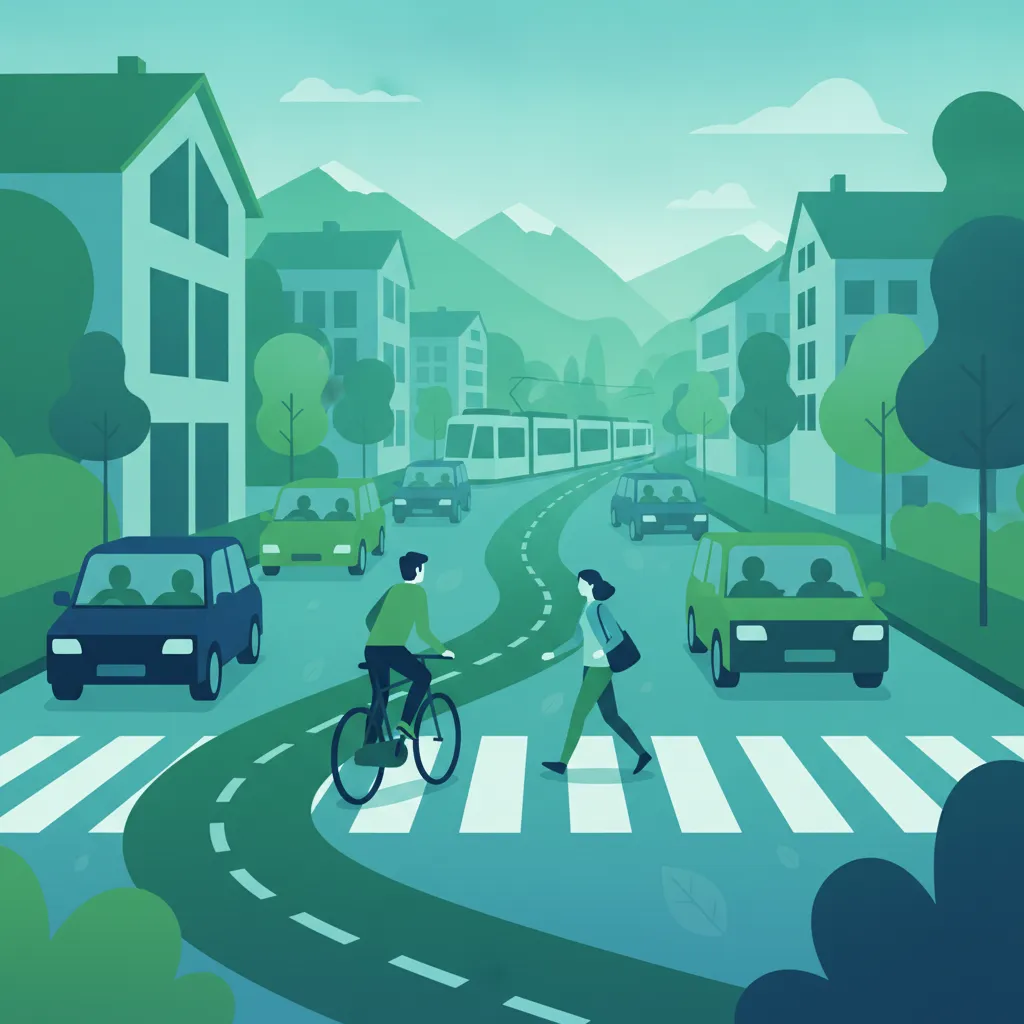
This lesson explores the specific considerations for cyclists and pedestrians, who are among the most vulnerable road users. It covers the proper use of bicycle lanes, the minimum safe overtaking distance for cyclists, and the legal requirements for yielding at pedestrian crossings. The content reinforces the need for heightened vigilance around these users.
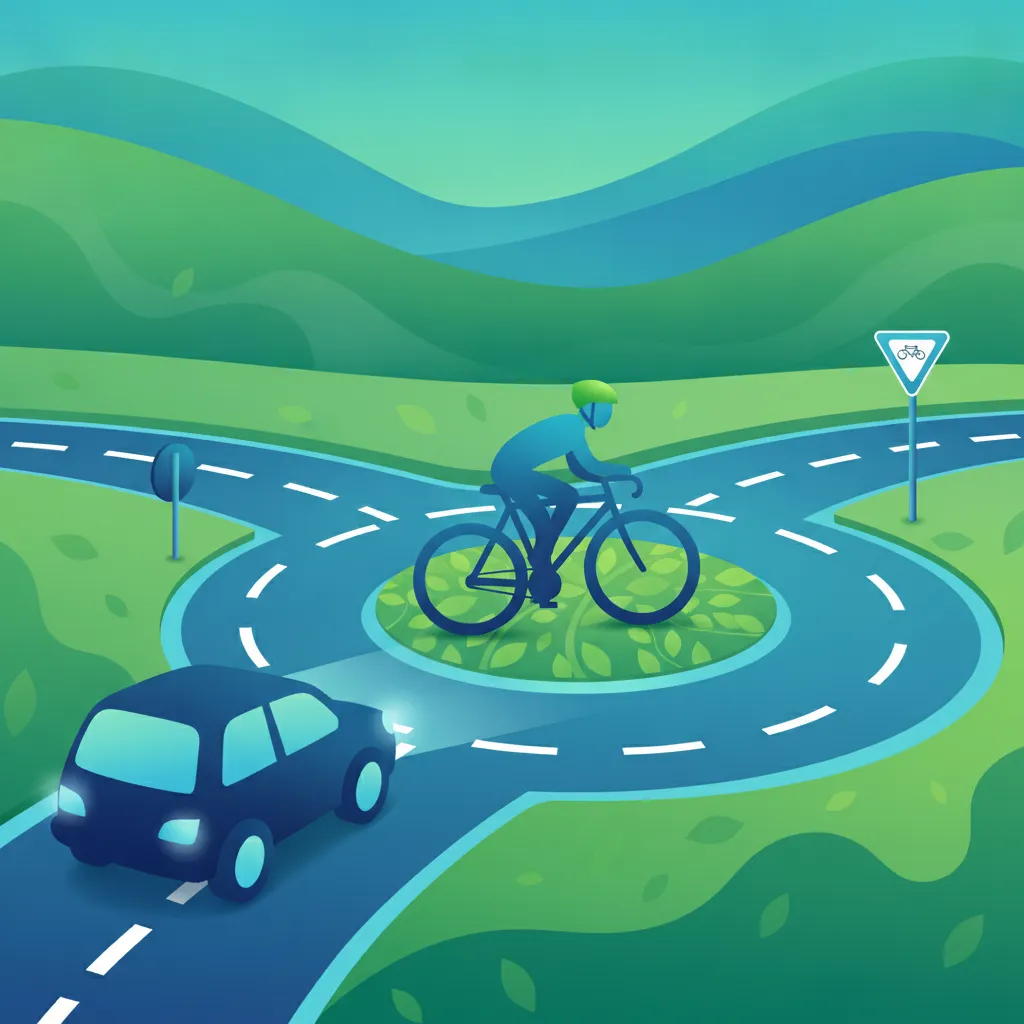
This lesson explores the correct procedures for turning at intersections and navigating roundabouts, focusing on lane selection and signaling. It covers the right-of-way rules for right and left turns and the importance of positioning the vehicle correctly before the turn. In roundabouts, the content emphasizes yielding to circulating traffic and selecting the correct exit lane.
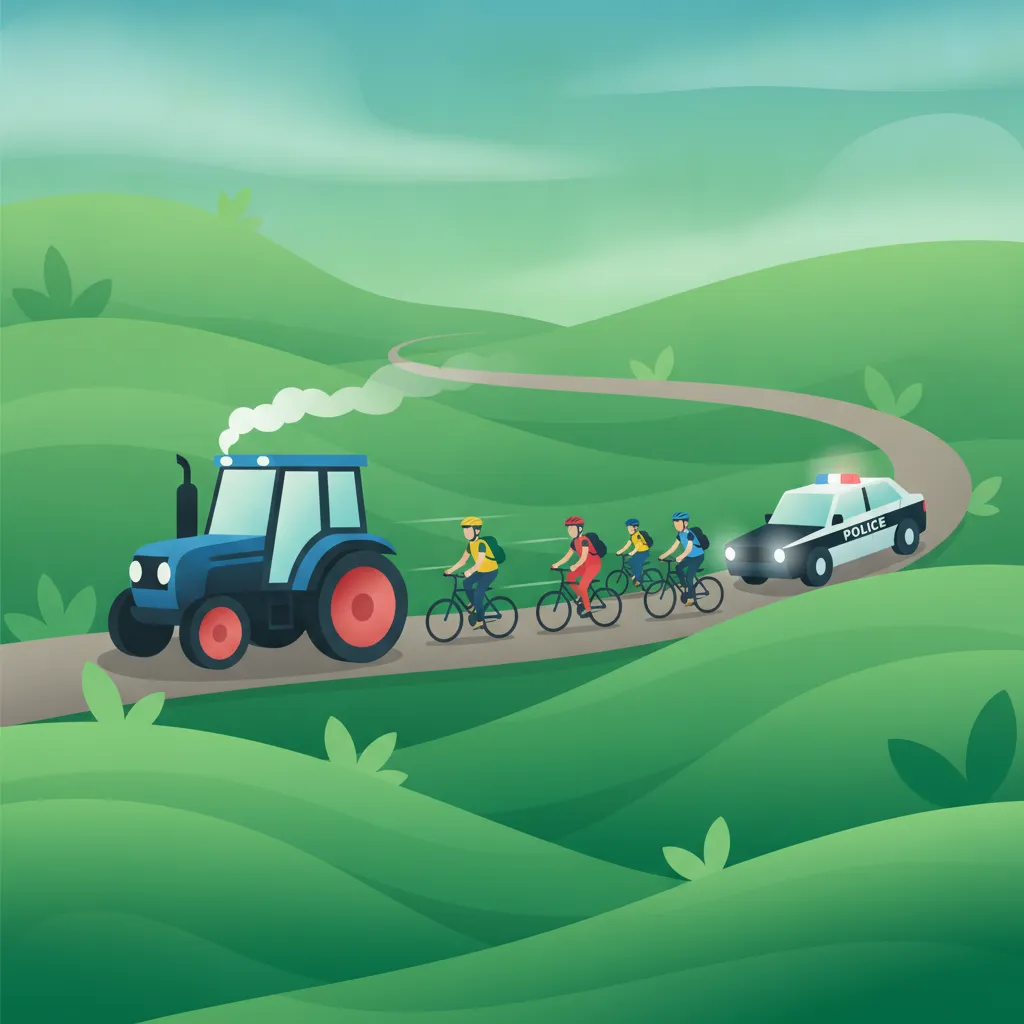
This lesson focuses on strategies for safely interacting with non-standard traffic common on rural roads. It covers how to anticipate the behaviour of slow-moving farm equipment and tourist vehicles, and the legal requirement to yield to emergency services. The importance of patience and safe passing opportunities is stressed.
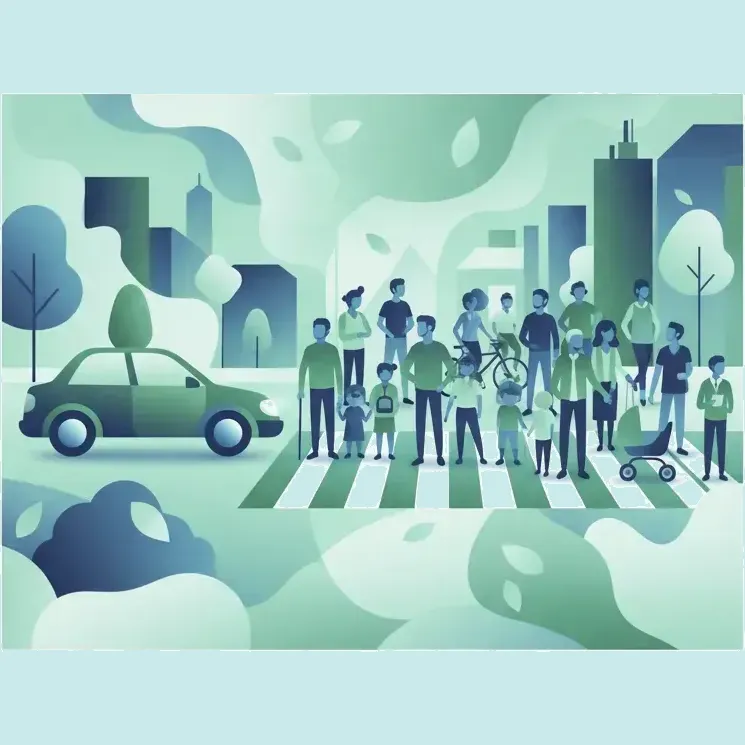
This lesson explores pedestrian right-of-way at various crossings, including zebra crossings and pedestrian islands. It emphasizes the need for drivers to reduce speed, anticipate pedestrian movement, and stop safely when required. The content also covers special regulations that apply in school zones, such as reduced speed limits and heightened vigilance.

When a long vehicle turns, the rear wheels follow a shorter path than the front wheels (swept path), and the rear of the vehicle swings outwards (tail swing). This lesson explains these critical concepts. You will learn how to position the vehicle before a turn to avoid mounting the kerb or striking objects like signs and pedestrians with the rear corner.
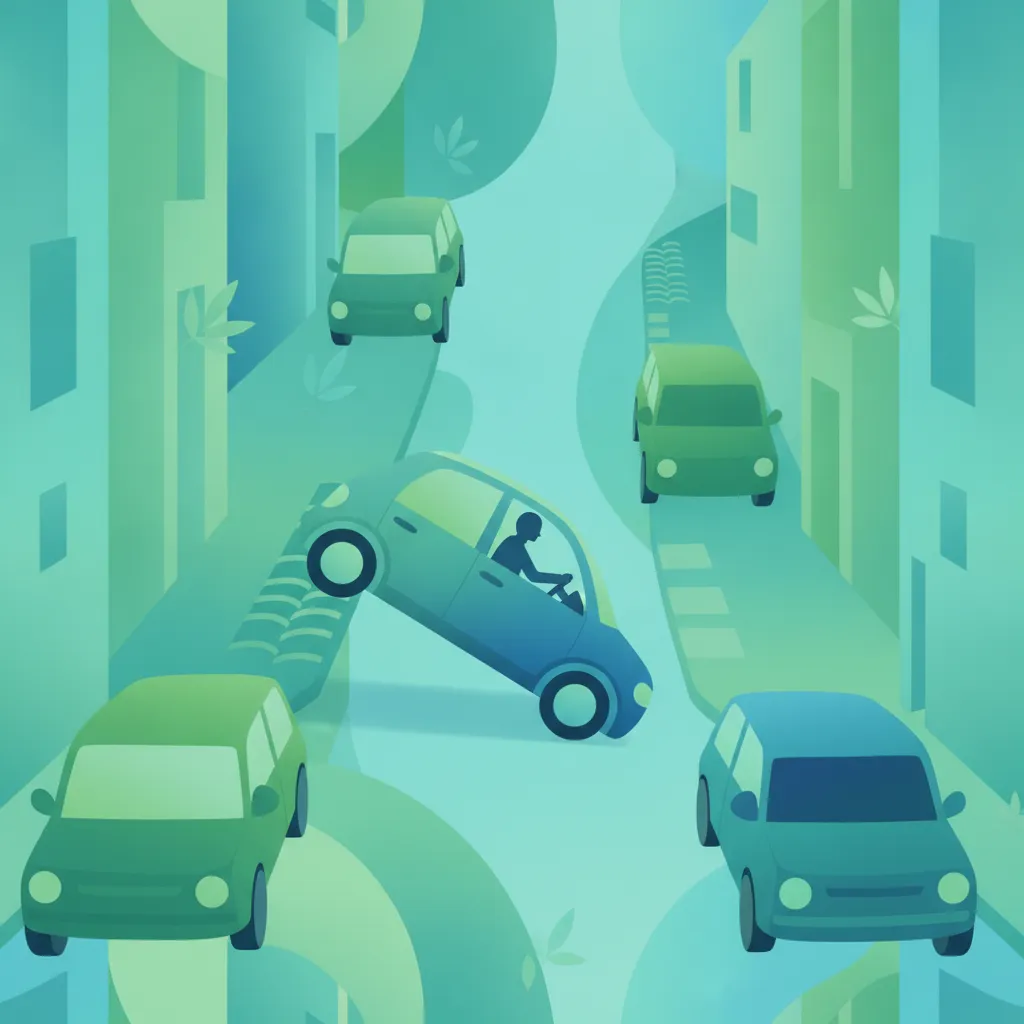
This lesson covers complex manoeuvres such as three-point turns, U-turns, and parking in tight spaces. You will learn the step-by-step process for performing a three-point turn and the legal requirements for a U-turn. The content also provides guidance for parking in confined areas, ensuring proper lane usage and positioning during these manoeuvres.
Understand frequent errors made by heavy vehicle drivers concerning pedestrians and cyclists. This lesson highlights typical oversights in blind spot checks, speed adaptation, and right-of-way, providing insights to avoid dangerous situations.
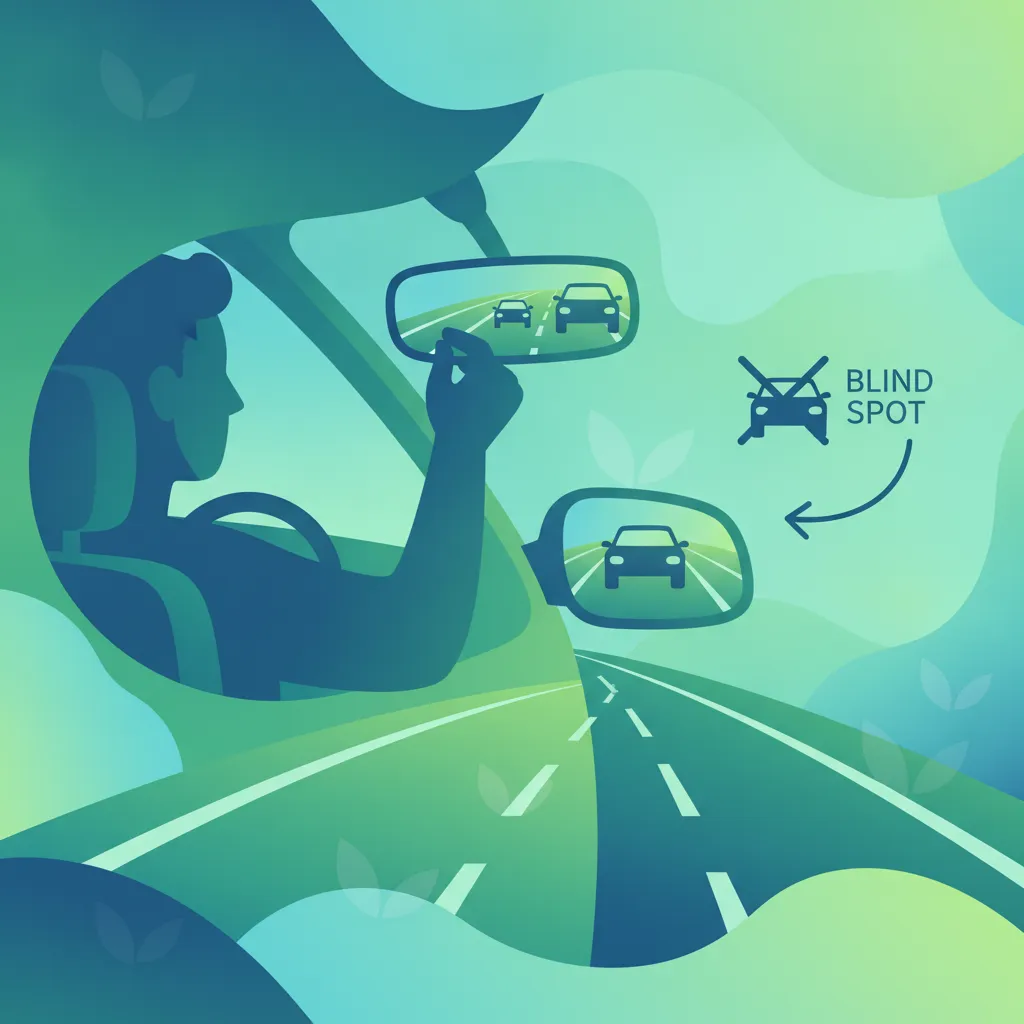
Despite the complex mirror systems, large areas around a truck remain hidden from the driver's view. This lesson maps out these significant blind spots: directly in front, behind, and along both sides of the vehicle. It teaches drivers to be constantly aware of these 'no-zones' and to anticipate that smaller vehicles, cyclists, or pedestrians may be hidden within them, especially before changing lanes or turning.

This lesson trains drivers to look beyond other vehicles and actively search for pedestrians, cyclists, and motorcyclists, especially those who may be distracted or unaware. It covers common behavioral patterns of different VRU groups. The goal is to see potential hazards developing early and create time and space to react safely.

Overloading is a serious offence with severe safety and legal ramifications. This lesson details how excess weight drastically increases braking distances, puts extreme stress on tyres leading to blowouts, and negatively affects steering and overall stability. Furthermore, it discusses the substantial fines, potential license withdrawal, and driver liability that result from violating Swiss weight regulations.

Heavy goods vehicles are fitted with specific safety structures to mitigate the severity of collisions with smaller vehicles and vulnerable road users. This lesson explains the function of the rear underrun bar, which prevents cars from going underneath the truck in a rear-end collision. It also covers side guards, which are designed to stop cyclists and pedestrians from falling under the vehicle's wheels during a side impact.
This lesson explores the specific considerations for cyclists and pedestrians, who are among the most vulnerable road users. It covers the proper use of bicycle lanes, the minimum safe overtaking distance for cyclists, and the legal requirements for yielding at pedestrian crossings. The content reinforces the need for heightened vigilance around these users.

Rural roads present challenges like narrow lanes, poor surfaces, sharp bends, and limited visibility. This lesson teaches drivers how to position their large vehicle to maximize space and visibility, anticipate oncoming traffic at blind corners, and be aware of specific rural hazards. These hazards include slow-moving agricultural vehicles, animals on the road, and concealed farm entrances.
This lesson focuses on safe interaction with large vehicles. It highlights the significant blind spots (or 'no-zones') around trucks and buses and teaches riders how to position themselves to remain visible. The content also provides guidance on overtaking large vehicles safely and anticipating their wide turning radius at intersections.
The left-hand turn (in Switzerland) is a moment of high risk, as a cyclist can easily be hidden in the vehicle's nearside blind spot. This lesson provides a detailed analysis of this scenario, mandating a slow approach and meticulous, repeated mirror checks before and during the turn. It emphasizes that the driver must assume a cyclist could be there, even if one isn't immediately visible.
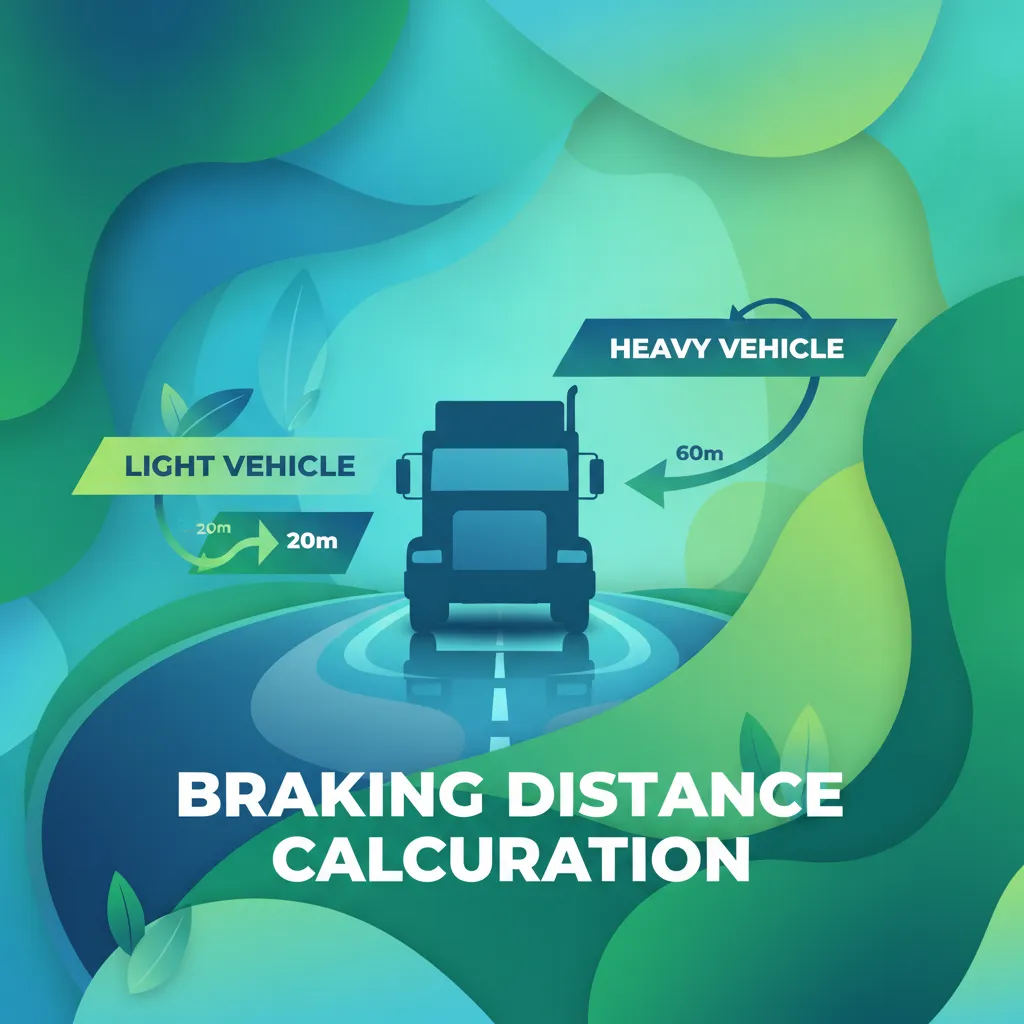
The immense mass of a loaded truck means its braking distance is far greater than that of a car. This lesson breaks down total stopping distance into reaction distance and braking distance, explaining how speed, weight, and road conditions have an exponential effect. It reinforces the necessity of maintaining a significantly larger following distance to ensure enough space to stop safely in an emergency.
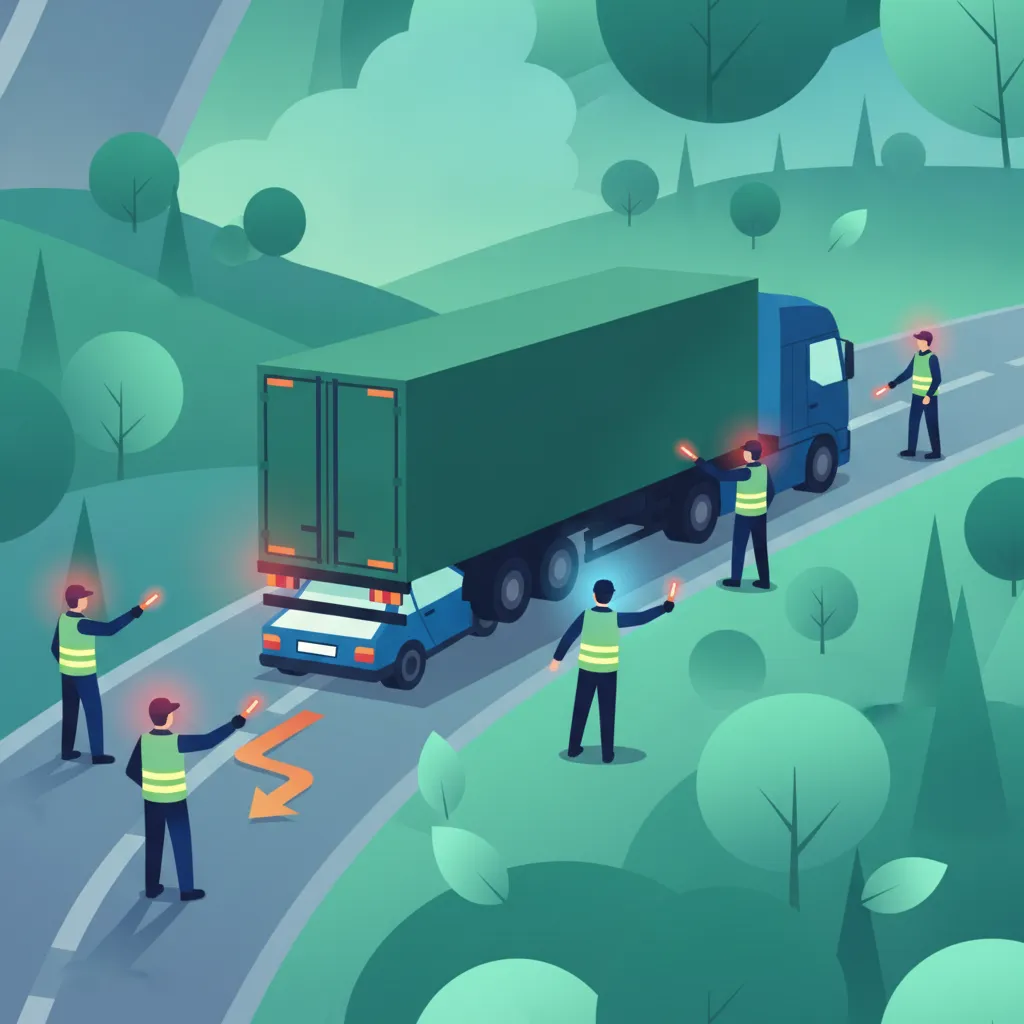
This lesson provides a structured guide for managing the scene of a road traffic accident. It covers the internationally recognized priorities: assess for danger, make the scene safe, send for help by calling emergency services (112), and provide first aid to the injured if trained to do so. It also details the legal requirement to stop and exchange information after being involved in a collision.
Find clear answers to common questions learners have about Protecting Vulnerable Road Users: Pedestrians and Cyclists. Learn how the lesson is structured, which driving theory objectives it supports, and how it fits into the overall learning path of units and curriculum progression in Switzerland. These explanations help you understand key concepts, lesson flow, and exam focused study goals.
Because heavy vehicles have massive blind spots along the passenger side, cyclists often move into this space while the driver is focused on the front. This is a primary cause of severe accidents and a heavily tested scenario in the Swiss theory exam.
You must leave as much lateral space as possible, ideally at least 1.5 meters. In narrow Swiss streets, if you cannot provide this distance, you should follow behind at a safe speed until it is safe to overtake.
Yes, e-scooter riders (e-trottinettes) generally follow the same rules as cyclists regarding road positioning and priority. You must extend the same level of caution and defensive distance to them as you would to a pedal cyclist.
These mirrors, such as the front-view and curb-view mirrors, are specifically designed to minimize the area immediately around the cab where pedestrians and cyclists are often invisible. You must check these systematically before every movement.
Pinpoint specific Swiss traffic rules, road signs, or driving situations you need to master. Use the practice search to start a focused revision session now and build confidence for your official driving theory exam.