
This lesson focuses on how to interpret traffic signs that limit access for heavy goods vehicles, including weight, height, and environmental zone restrictions. Mastering these rules is essential for the Swiss C and C1 theory exam and ensures safe, legal operations on Swiss roads.
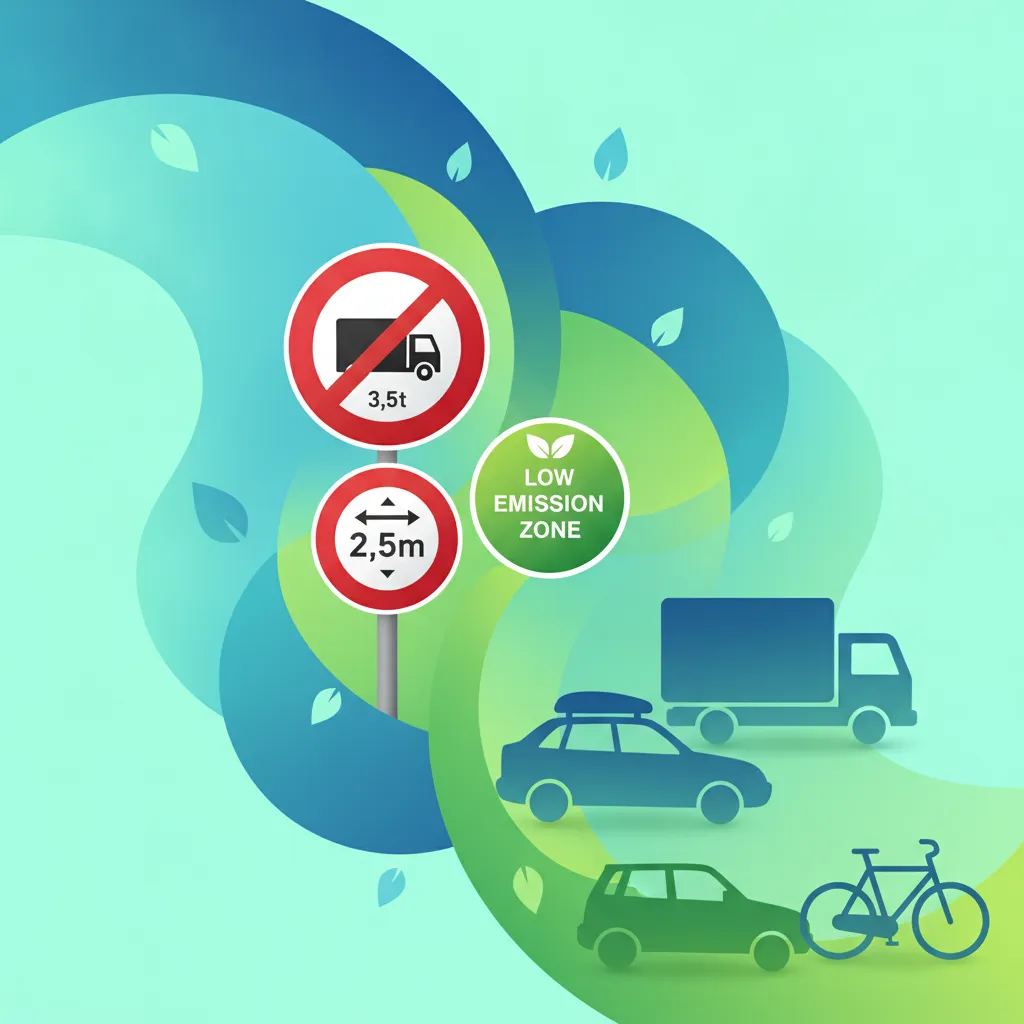
Lesson content overview
Operating heavy goods vehicles (HGVs) in Switzerland, as a Category C or C1 license holder, requires a thorough understanding of various access restrictions. Many urban centers, historical towns, and infrastructure-sensitive areas implement specific rules to manage traffic flow, protect delicate structures like bridges and tunnels, and mitigate environmental impact. This lesson provides essential knowledge for identifying, interpreting, and complying with these critical traffic regulations, ensuring safe, legal, and environmentally responsible operation of your commercial vehicle.
Gross Vehicle Weight (GVW), often referred to as Maximum Authorized Mass (MAM) in regulations, represents the total maximum permissible mass of a vehicle and its entire load. This includes the vehicle's unladen weight, fuel, fluids, passengers, and all cargo. GVW restrictions are paramount for heavy goods vehicles, as exceeding these limits can have severe consequences for both infrastructure and road safety.
GVW restrictions are primarily imposed to prevent structural damage to roads, bridges, and other civil engineering works. Heavier vehicles exert more stress on infrastructure, leading to accelerated wear, cracks, and potential collapse, especially on older or less robust structures. Adhering to these limits is also vital for the vehicle's own stability and braking performance; an overloaded truck can become unstable, difficult to control, and may take significantly longer to stop, posing a serious hazard to all road users.
Drivers of heavy goods vehicles must be vigilant for signs that indicate a maximum GVW limit. These signs are typically circular with a red border and display the maximum permissible weight in tonnes (t). The number represents the total weight a vehicle is allowed to have, including its load, to enter the restricted area.
Always know your vehicle's current gross weight before starting a journey, especially when entering unknown routes or urban areas. This proactive approach allows for route adjustments before encountering a restriction.
A frequent misunderstanding is confusing GVW with axle load. While both relate to weight, they are distinct: GVW is the total weight of the entire vehicle, whereas axle load refers to the weight concentrated on a single axle or group of axles. It is crucial to respect both limits, as they often apply independently and protect different aspects of infrastructure. Another common error is assuming a small payload automatically keeps a vehicle under the GVW limit; even relatively light loads can push a vehicle's total weight over a strict restriction, especially for larger commercial vehicles.
Beyond the total vehicle weight, the distribution of that weight across the vehicle's axles is also subject to strict regulation. Axle load refers to the total weight supported by a single axle or a closely spaced group of axles (e.g., tandem or triple axles). These limits are critical for protecting specific points of infrastructure.
Axle load restrictions are typically implemented to protect structures that are sensitive to concentrated loads, such as older bridges, underground utilities, or specific road sections with weaker foundations. While a bridge might withstand a high total GVW, it may fail if that weight is poorly distributed, causing excessive stress on individual support points. Exceeding axle load limits can lead to localized damage, such as cracks in bridge decks or subsidence of road surfaces, which are costly to repair and dangerous for other road users.
Signs indicating axle load restrictions are similar in appearance to GVW signs, but they often feature a diagram of a single axle with the weight limit in tonnes below it. Drivers must calculate and understand their vehicle's individual axle loads before entering zones with such restrictions. Proper load distribution is key to staying within these limits, as an unevenly loaded vehicle might meet the total GVW requirement but still violate an axle load limit.
It is imperative not to confuse axle load limits with gross vehicle weight limits. A vehicle may be within its permitted GVW but still exceed an axle load limit if its cargo is not properly distributed. For instance, a truck carrying a heavy, concentrated load at one end might have an axle bearing more weight than permitted, even if the total vehicle weight is below the overall GVW limit. Always consider both the total weight and its distribution.
Heavy goods vehicles, by their nature, have significant dimensions. Therefore, encountering height and width restrictions is a common challenge, especially in urban areas, underpasses, tunnels, and older infrastructure. Failing to observe these restrictions can lead to severe accidents, significant vehicle damage, and prolonged traffic disruptions.
Height restriction signs are typically circular with a red border, depicting a truck with an arrow pointing vertically from the road to the top of the vehicle, accompanied by the maximum permissible height in meters (m). Width restriction signs follow a similar format but show horizontal arrows and the maximum width. These signs are critical at the entrances to tunnels, underpasses, and beneath low bridges or overhead gantries.
Before embarking on any journey, particularly into unfamiliar territory, drivers must accurately know their vehicle's total height and width, including any cargo, tarpaulins, or projections. For height, remember that items placed on the roof, such as special equipment or containers, add to the total. For width, consider side mirrors, safety lighting, or wide loads that extend beyond the vehicle's standard profile. Always measure from the highest/widest point. It is safer to re-measure if in doubt, especially when approaching a tight clearance.
Never assume clearance. Always compare your vehicle's actual dimensions (including load) with the posted restriction. The margin of error is often minimal.
Ignoring height or width restrictions can result in serious collisions with fixed structures. This can lead to significant damage to the vehicle and cargo, structural damage to the bridge or tunnel, and severe traffic congestion as emergency services work to clear the obstruction. Such incidents often incur hefty fines, recovery costs, and potential legal liability for damages. Always plan alternative routes if your vehicle's dimensions exceed the posted limits.
In a growing effort to improve air quality and public health, many urban areas in Switzerland and across Europe have implemented Low-Emission Zones (LEZs), also known as environmental zones. These zones restrict access to vehicles that do not meet certain emission standards, primarily targeting older, more polluting heavy goods vehicles.
Low-Emission Zones are geographically defined areas, typically in city centers or densely populated regions, where specific vehicle types are prohibited based on their emission class. The goal is to reduce concentrations of harmful pollutants like nitrogen oxides (NOx) and particulate matter, which are significantly contributed to by diesel engines. For heavy goods vehicles, these zones often represent a major operational challenge, requiring careful route planning and vehicle compliance.
Switzerland has adopted European emission standards, known as "Euro standards," to categorize vehicles based on their pollutant output. For diesel heavy goods vehicles, these standards range from Euro 1 (older, higher emissions) up to Euro 6 (newer, lower emissions). LEZs specify the minimum Euro standard required for entry. For example, a zone might require vehicles to be at least Euro 5 diesel or Euro 6 petrol. The exact requirements can vary between cantons and municipalities. Basel, for instance, has implemented its own LEZ.
To demonstrate compliance within an LEZ, vehicles are often required to display a specific emission badge or sticker on their windshield. This badge visually identifies the vehicle's emission class, allowing authorities to quickly verify compliance. Vehicles without the correct badge or those not meeting the required emission standard for the zone are prohibited from entering. It is the driver's responsibility to ensure their vehicle possesses the correct, valid badge for the area they intend to enter.
For heavy goods vehicle drivers, proactive route planning is essential. Before entering any urban area, check if it operates an LEZ and what the current requirements are. Navigation systems for commercial vehicles often include LEZ data, but it is always wise to double-check local regulations. If your vehicle does not meet the specified emission class, you must plan an alternative route around the zone to avoid fines and ensure legal operation.
Not all access restrictions are static and permanent. Many areas implement dynamic regulations that change based on the time of day, day of the week, season, or even real-time traffic conditions. Understanding these variable restrictions is crucial for efficient and compliant heavy goods vehicle operations.
Time-dependent restrictions are common for managing traffic congestion, noise levels in residential areas, or protecting infrastructure during specific periods. For example, some bridges might have seasonal weight limits during winter months when freezing and thawing cycles make structures more vulnerable. Similarly, certain urban delivery zones might restrict access for HGVs during peak morning or evening rush hours to reduce congestion.
These restrictions are almost always indicated by supplementary panels beneath the main restriction sign. These panels will clearly state the days, hours, or dates during which the restriction applies.
Supplementary panels (often rectangular plates below the main sign) provide crucial additional information that modifies or clarifies the primary restriction. These panels can specify:
In addition to static signs with supplementary panels, drivers will encounter dynamic variable message signs (VMS). These electronic signs display real-time information and temporary restrictions, often in response to accidents, congestion, roadworks, or specific weather events. VMS messages supersede permanent signs and must be obeyed immediately.
Always read the entire signage package: the main sign AND any supplementary panels. A hasty glance at only the primary sign can lead to unexpected violations.
Adhering to access restrictions is not just about avoiding fines; it's about contributing to road safety, infrastructure preservation, and environmental protection. For Category C and C1 drivers, specific rules form the bedrock of compliant operation.
Know Your Vehicle's Dimensions and Weight: Before any journey, be fully aware of your vehicle's current gross vehicle weight (GVW), individual axle loads, total height, and total width, including any cargo.
Observe All Restriction Signage: Pay close attention to all permanent and temporary signs indicating limits for weight, axle load, height, width, and environmental zones. Read supplementary panels thoroughly.
Respect Axle Load Limits: Ensure your load is properly distributed to prevent any single axle from exceeding its legal or signposted limit. Uneven loading can lead to infrastructure damage.
Comply with Low-Emission Zones (LEZ): Verify your vehicle's emission class and ensure it meets the requirements for any LEZ you intend to enter. Display the correct emission badge if required.
Heed Time-Dependent Restrictions: Be aware of restrictions that apply only during specific hours, days, or seasons. Adjust your route or schedule accordingly.
Plan Alternative Routes: If your vehicle dimensions, weight, or emission class do not comply with a restriction, always plan and use an alternative route. Do not attempt to proceed.
React to Variable Message Signs (VMS): Immediately obey any instructions or restrictions displayed on electronic VMS, as they provide real-time information crucial for current road conditions.
These rules are not merely guidelines; they are legally binding under Swiss road traffic regulations. Non-compliance can lead to significant penalties, including fines, points on your license, and liability for any damage caused to public or private property.
Even experienced heavy goods vehicle drivers can sometimes make errors when interpreting access restrictions. Understanding these common pitfalls can help you avoid them and maintain a safe and compliant driving record.
Effective planning is the most powerful tool for heavy goods vehicle drivers navigating restricted environments. By integrating knowledge of your vehicle, route, and regulations, you can avoid costly errors and ensure smooth operations.
By proactively managing these aspects, you transform potential hazards into manageable elements of your journey, ensuring compliance and enhancing safety for yourself and others on the road.
Understanding the specialized vocabulary related to heavy goods vehicle access restrictions is fundamental for clear communication and compliance.
This lesson covers how Swiss Category C and C1 drivers must interpret and comply with access restrictions for heavy goods vehicles, including weight limits, axle load limits, dimension restrictions, and environmental zones. Drivers must know their vehicle's exact GVW, axle loads, height, and width, and compare these against posted limits before entering restricted areas. Low-Emission Zones require knowledge of the vehicle's Euro emission standard and proper emission badge display, with requirements varying by canton. Time-dependent and seasonal restrictions are communicated through supplementary panels and Variable Message Signs, both of which must be observed carefully to avoid violations.
A short set of high-value points that capture the most important learning from this lesson.
Gross Vehicle Weight (GVW) is the total loaded mass of the vehicle including fuel, fluids, passengers, and cargo—distinct from axle load which measures weight on a single axle or axle group.
Axle load limits protect specific infrastructure points and are independent of GVW limits; an evenly loaded vehicle may meet GVW requirements but still exceed an axle load limit.
Height, width, and weight restriction signs are circular with red borders displaying limits in tonnes or meters; always read supplementary panels that modify the primary restriction.
Low-Emission Zones (LEZ) restrict entry based on Euro emission standards; drivers must know their vehicle's Euro class and display the correct emission badge.
Variable Message Signs (VMS) provide real-time restrictions that supersede permanent signs and must be obeyed immediately.
Explore all units and lessons included in this driving theory course.
GVW and axle load are separate limits—both must be respected independently, and proper load distribution is essential to meet axle load requirements.
LEZ requirements vary by canton and municipality; Basel has its own specific LEZ regulations and other cities may follow suit.
Supplementary panels below signs specify time periods, dates, vehicle categories, or conditions that modify the primary restriction—always read the complete sign assembly.
Seasonal weight limits may apply during winter months due to freeze-thaw cycles weakening bridge structures.
Euro 6 is the strictest current standard for heavy diesel vehicles; higher Euro numbers indicate lower emissions and greater LEZ compliance.
Confusing GVW with axle load—drivers may assume that a light payload keeps the vehicle under all weight limits when individual axles could still be overloaded.
Overlooking supplementary panels that specify time-dependent restrictions, leading to violations during hours or seasons when the restriction is active.
Entering a Low-Emission Zone without checking local emission requirements or displaying the correct emission badge, assuming general compliance is sufficient.
Failing to account for cargo height, roof equipment, or antenna protrusions when measuring total vehicle height before approaching low clearances.
Disregarding Variable Message Signs because they appear to contradict permanent signage, without realizing VMS instructions override all fixed signs.
Lesson content overview
A short set of high-value points that capture the most important learning from this lesson.
Gross Vehicle Weight (GVW) is the total loaded mass of the vehicle including fuel, fluids, passengers, and cargo—distinct from axle load which measures weight on a single axle or axle group.
Axle load limits protect specific infrastructure points and are independent of GVW limits; an evenly loaded vehicle may meet GVW requirements but still exceed an axle load limit.
Height, width, and weight restriction signs are circular with red borders displaying limits in tonnes or meters; always read supplementary panels that modify the primary restriction.
Low-Emission Zones (LEZ) restrict entry based on Euro emission standards; drivers must know their vehicle's Euro class and display the correct emission badge.
Variable Message Signs (VMS) provide real-time restrictions that supersede permanent signs and must be obeyed immediately.
Explore all units and lessons included in this driving theory course.
GVW and axle load are separate limits—both must be respected independently, and proper load distribution is essential to meet axle load requirements.
LEZ requirements vary by canton and municipality; Basel has its own specific LEZ regulations and other cities may follow suit.
Supplementary panels below signs specify time periods, dates, vehicle categories, or conditions that modify the primary restriction—always read the complete sign assembly.
Seasonal weight limits may apply during winter months due to freeze-thaw cycles weakening bridge structures.
Euro 6 is the strictest current standard for heavy diesel vehicles; higher Euro numbers indicate lower emissions and greater LEZ compliance.
Confusing GVW with axle load—drivers may assume that a light payload keeps the vehicle under all weight limits when individual axles could still be overloaded.
Overlooking supplementary panels that specify time-dependent restrictions, leading to violations during hours or seasons when the restriction is active.
Entering a Low-Emission Zone without checking local emission requirements or displaying the correct emission badge, assuming general compliance is sufficient.
Failing to account for cargo height, roof equipment, or antenna protrusions when measuring total vehicle height before approaching low clearances.
Disregarding Variable Message Signs because they appear to contradict permanent signage, without realizing VMS instructions override all fixed signs.
Explore search topics learners often look for when studying Interpreting Access Restrictions: Weight, Height, and Environmental Zones. These topics reflect common questions about road rules, driving situations, safety guidance, and lesson level theory preparation for learners in Switzerland.
Browse additional driving theory lessons that cover connected traffic rules, road signs, and common driving situations related to this topic. Improve your understanding of how different rules interact across everyday traffic scenarios.
Explore in-depth the complexities of Swiss access restrictions for heavy goods vehicles. Understand detailed rules on weight limits, axle loads, height and width clearances, and environmental zones, crucial for professional driving theory.
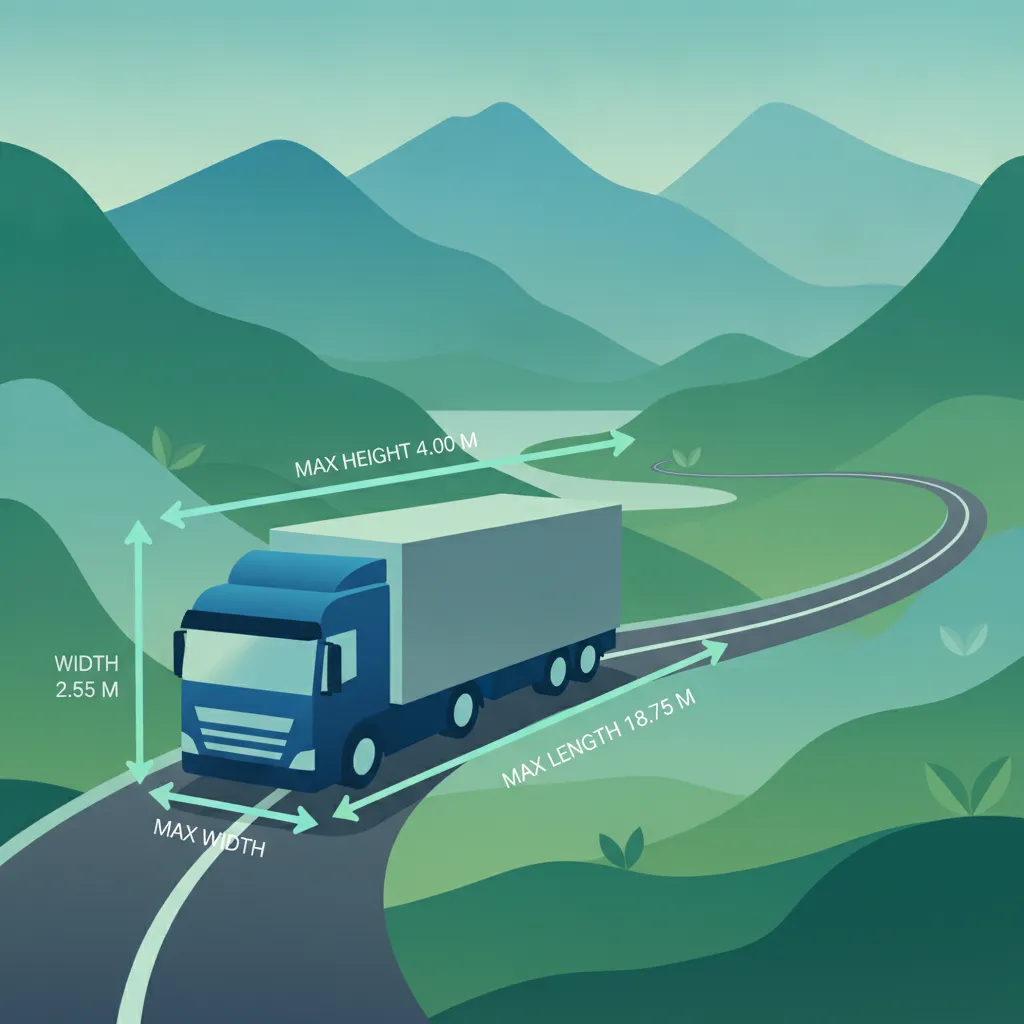
Swiss law strictly regulates the maximum dimensions of commercial vehicles to ensure they can safely navigate the infrastructure. This lesson specifies the standard limits for vehicle height (4.0m), width (2.55m), and length for various lorry and trailer combinations. Adhering to these dimensions is crucial for avoiding collisions with bridges, tunnels, and other structures, and for navigating narrow roads.
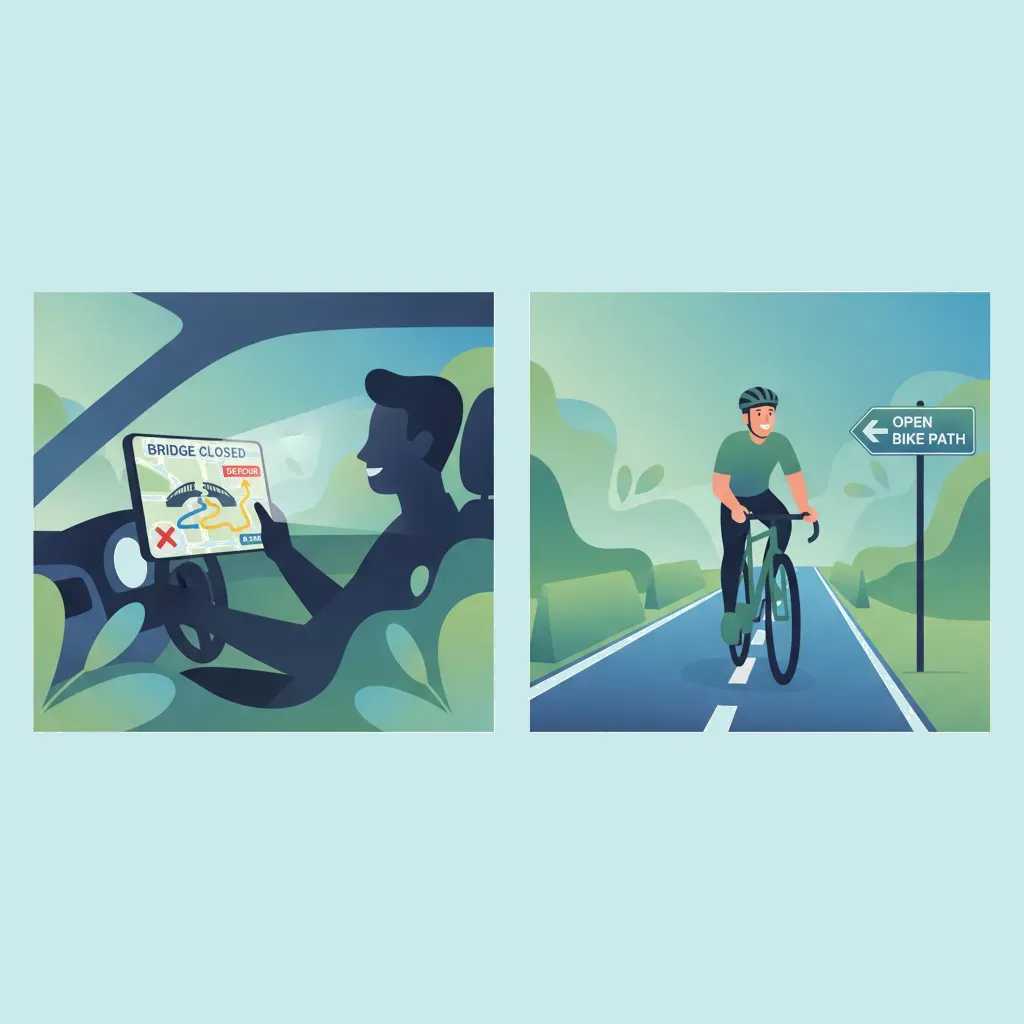
Unlike cars, heavy vehicles cannot travel on every road. This lesson stresses the importance of using HGV-specific satellite navigation systems or carefully checking maps to plan routes that avoid low bridges, weak bridges, and roads with weight or width restrictions. Proper planning saves time, fuel, and prevents dangerous situations or costly damage.
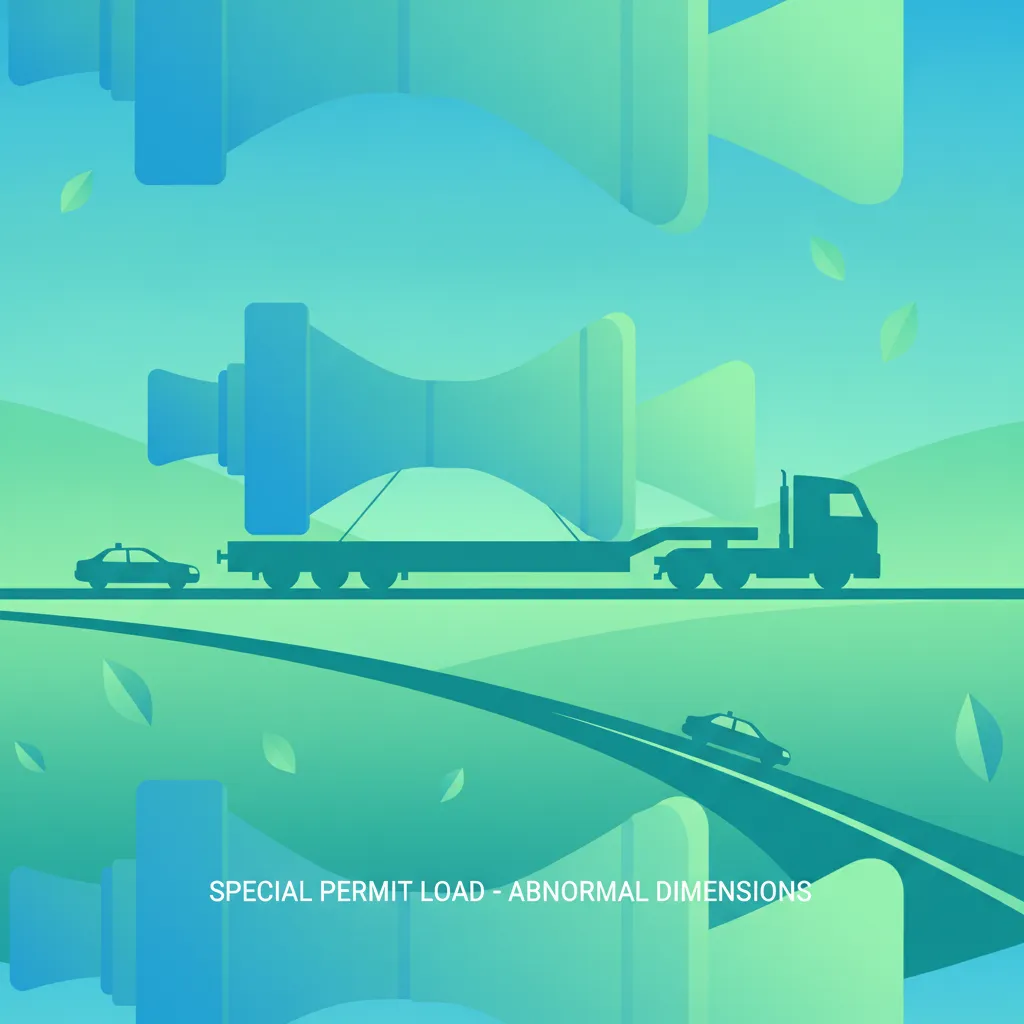
Transporting loads that are wider, longer, taller, or heavier than standard regulations allow requires special authorization. This lesson explains the concept of exceptional transport and the legal requirement to obtain a special permit from the relevant cantonal authorities. It highlights that such operations require careful route planning, often mandating specific times of travel and sometimes the use of escort vehicles.
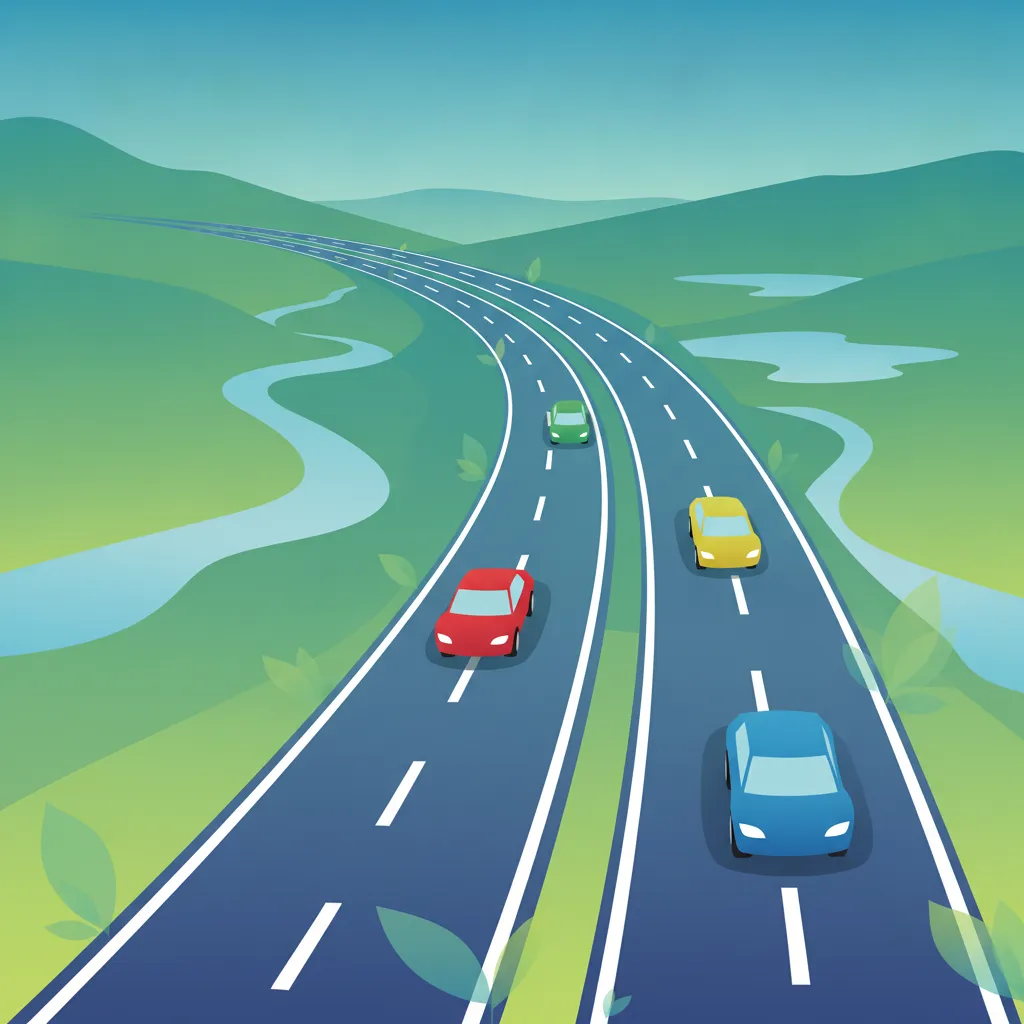
Motorway driving requires constant concentration due to high speeds. This lesson emphasizes the importance of staying in the right-hand lane unless overtaking and the specific restrictions on lorry overtaking in Switzerland. It reinforces the need for a following distance of at least four seconds to compensate for the vehicle's long stopping distance and provides guidance on safely merging and exiting.

Driving in the Alps requires a high level of skill and vehicle sympathy. This lesson covers techniques for climbing steep gradients by selecting the correct gear to maintain momentum without straining the engine. It reiterates the critical importance of using low gears and auxiliary brakes for descending, to ensure the service brakes remain cool and effective for the entire descent.
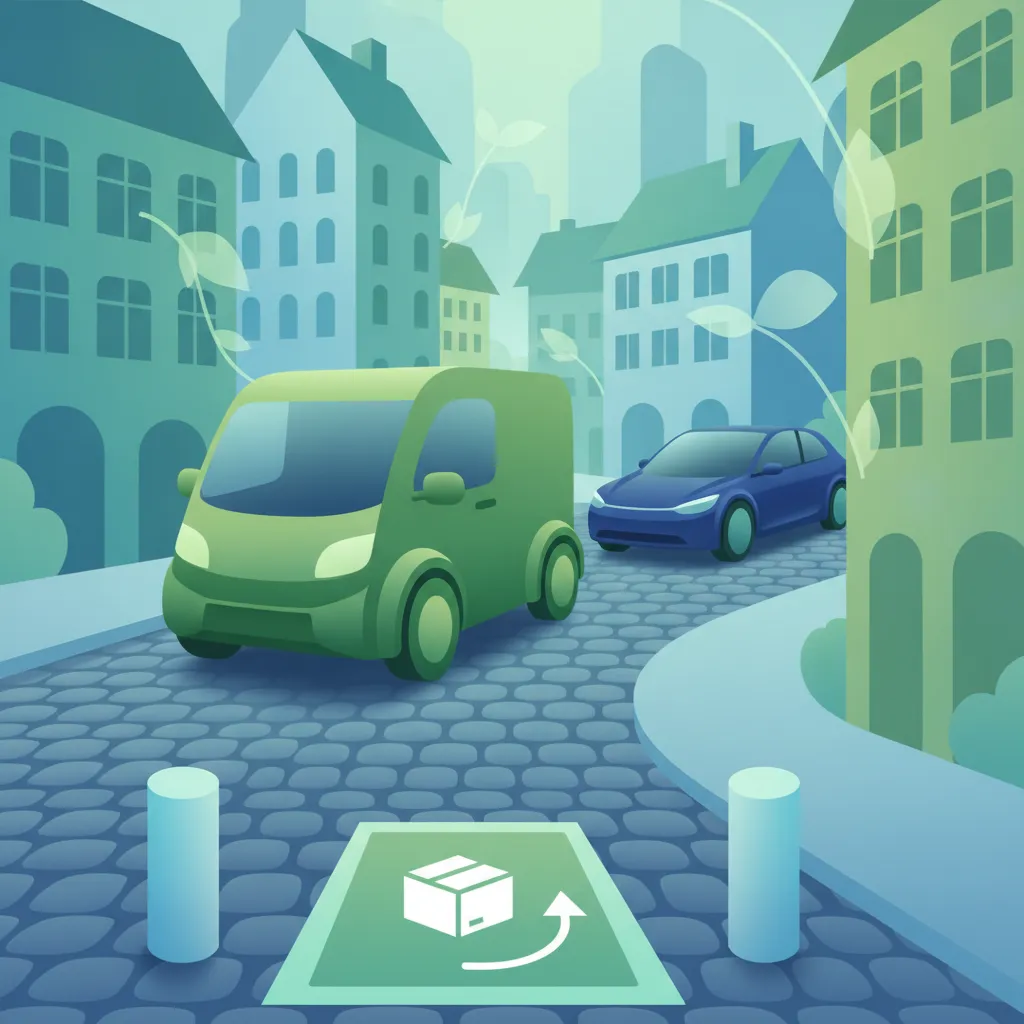
Urban driving requires heightened awareness and careful planning. This lesson covers the challenges of narrow streets, heavy traffic, and the need to identify designated loading and unloading zones. It emphasizes the importance of planning routes in advance to account for time-based access restrictions and to avoid unsuitable roads.

This lesson provides a clear definition of the Swiss heavy goods vehicle license categories. It details the weight limits and vehicle configurations for Category C (lorries over 3.5t) and C1 (lorries from 3.5t to 7.5t). Furthermore, it explains how categories CE and C1E grant the entitlement to tow heavy trailers, forming articulated vehicles or road trains, which is crucial for professional transport operations.

Overloading is a serious offence with severe safety and legal ramifications. This lesson details how excess weight drastically increases braking distances, puts extreme stress on tyres leading to blowouts, and negatively affects steering and overall stability. Furthermore, it discusses the substantial fines, potential license withdrawal, and driver liability that result from violating Swiss weight regulations.
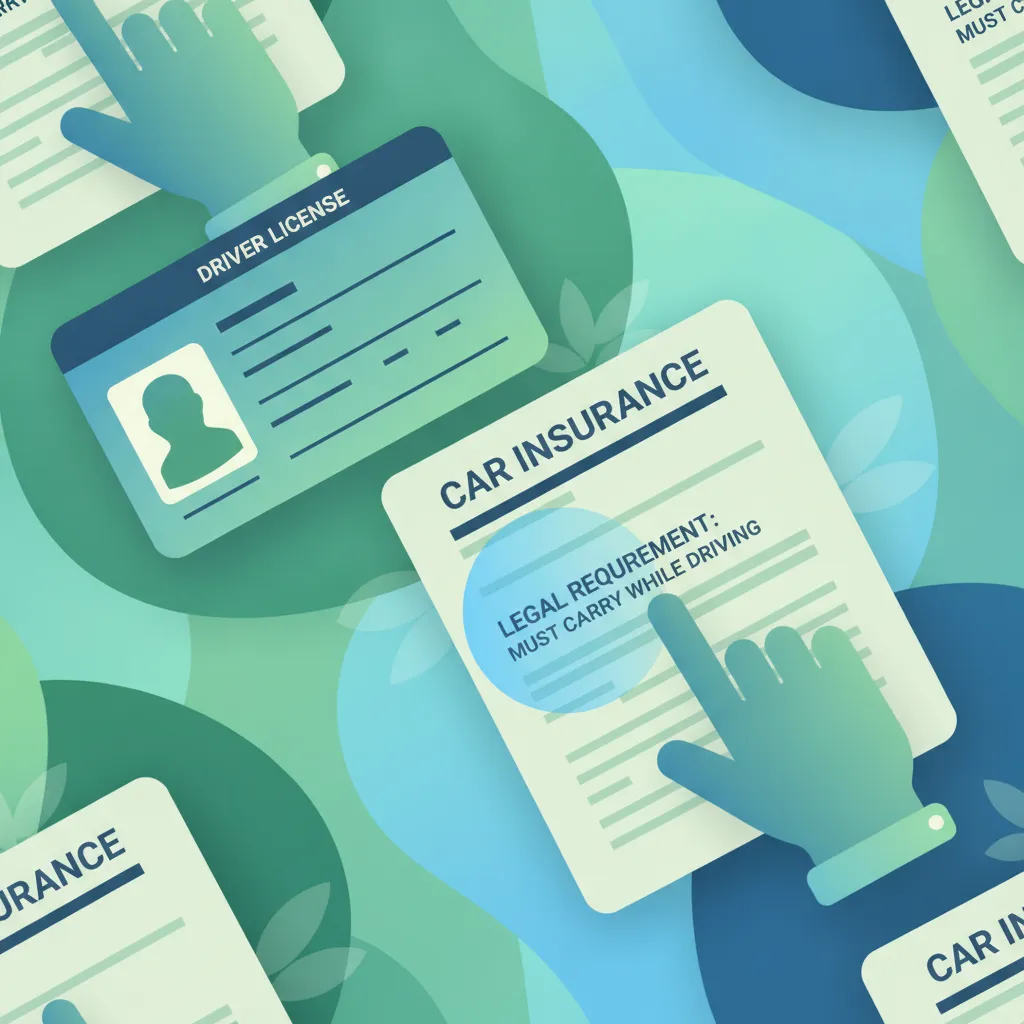
This lesson outlines the mandatory documentation required during any professional transport journey in Switzerland. Drivers must be able to present the vehicle registration document ('Fahrzeugausweis'), their valid driving license, and the OACP qualification card upon request. It also touches upon transport-specific documents like consignment notes, which are crucial for legal compliance during roadside inspections by authorities.
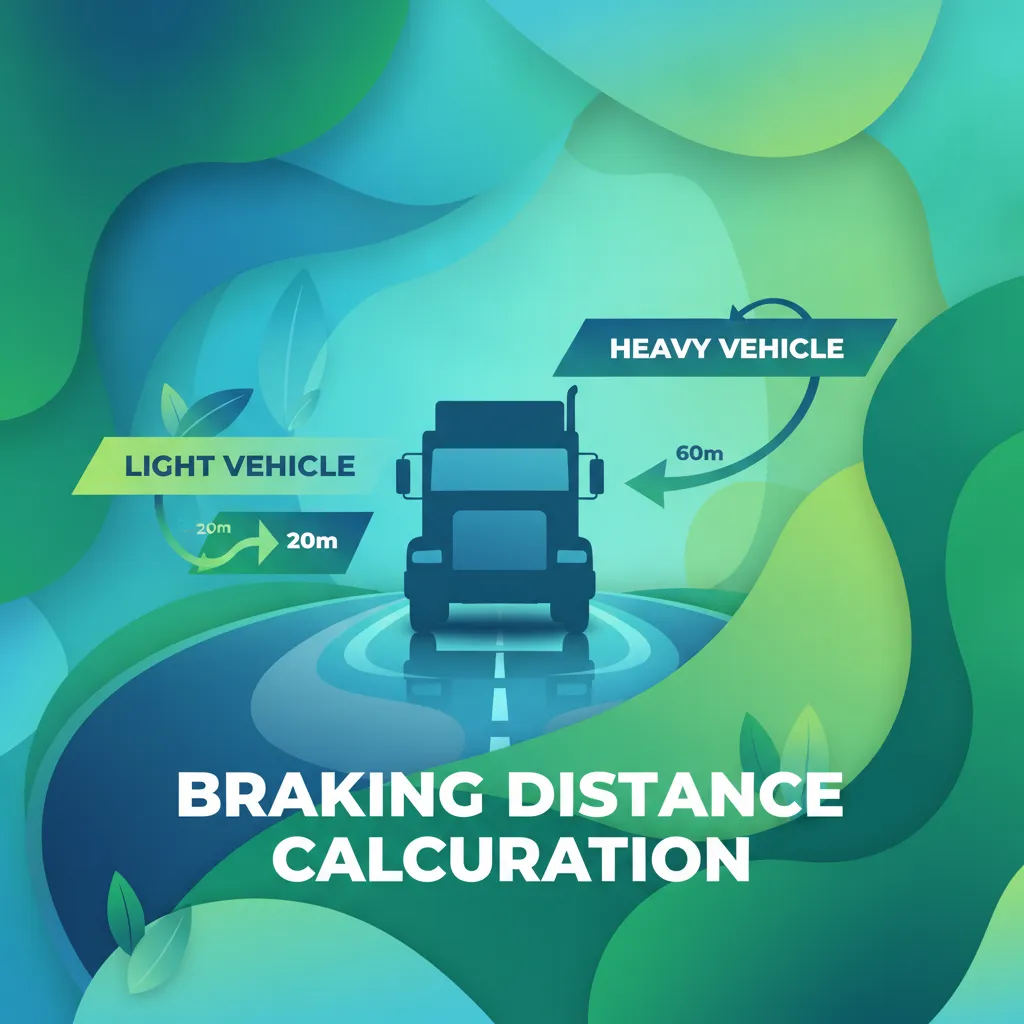
The immense mass of a loaded truck means its braking distance is far greater than that of a car. This lesson breaks down total stopping distance into reaction distance and braking distance, explaining how speed, weight, and road conditions have an exponential effect. It reinforces the necessity of maintaining a significantly larger following distance to ensure enough space to stop safely in an emergency.
Learn about typical errors drivers make when interpreting Swiss access restrictions for heavy vehicles, covering weight, height, and environmental zones. Discover practical solutions and strategies to ensure compliance and safety on the road.
Unlike cars, heavy vehicles cannot travel on every road. This lesson stresses the importance of using HGV-specific satellite navigation systems or carefully checking maps to plan routes that avoid low bridges, weak bridges, and roads with weight or width restrictions. Proper planning saves time, fuel, and prevents dangerous situations or costly damage.
Motorway driving requires constant concentration due to high speeds. This lesson emphasizes the importance of staying in the right-hand lane unless overtaking and the specific restrictions on lorry overtaking in Switzerland. It reinforces the need for a following distance of at least four seconds to compensate for the vehicle's long stopping distance and provides guidance on safely merging and exiting.
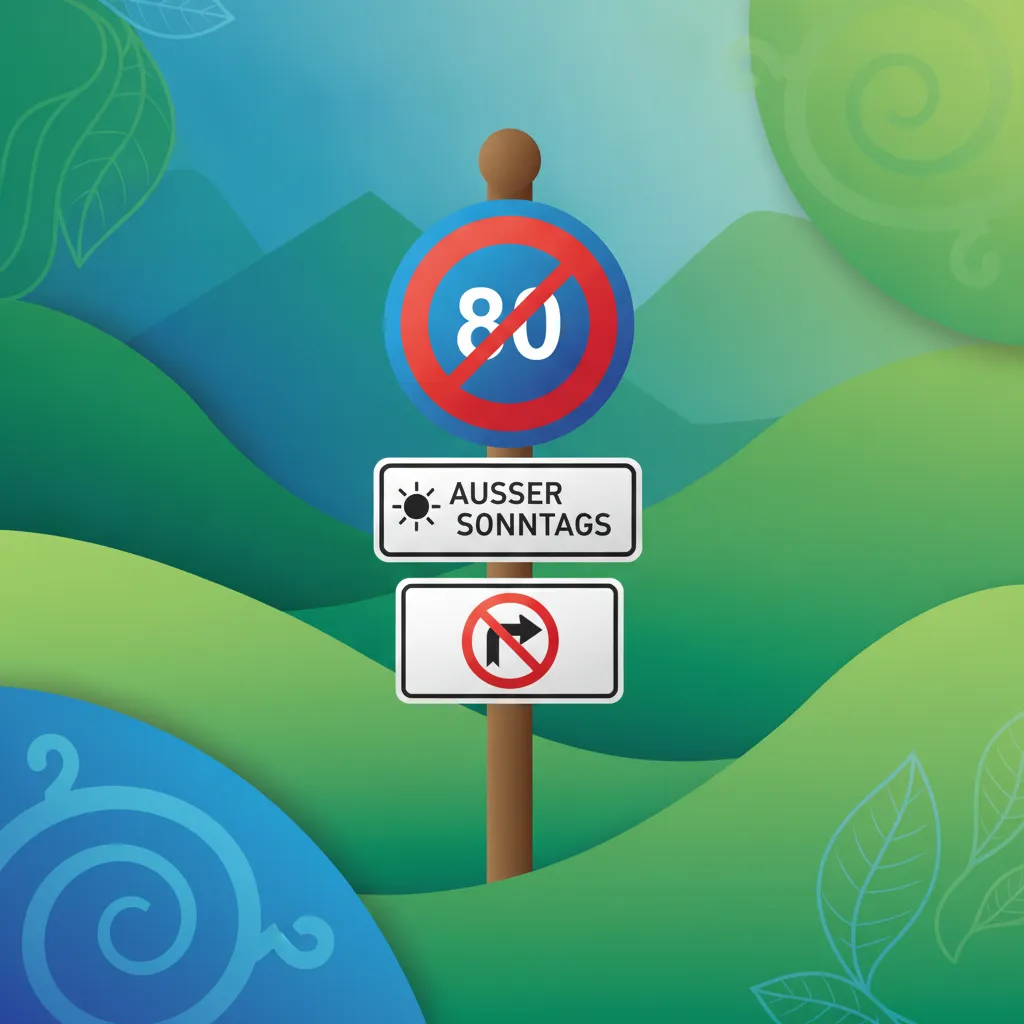
This lesson delves into supplementary signs that modify or clarify the meaning of primary traffic signs. You will learn to interpret signs indicating time restrictions, vehicle-specific limitations, and lane-specific instructions. The content also highlights how these signs interact with main regulatory signs to convey precise, context-sensitive traffic rules.
This lesson focuses on warning signs that alert drivers to potential hazards ahead, such as curves, steep descents, and roadwork zones. You will understand how these signs prompt anticipatory driving behavior, allowing for adjustments in speed and position. The content also discusses the typical placement of warning signs to help you react safely to changing conditions.
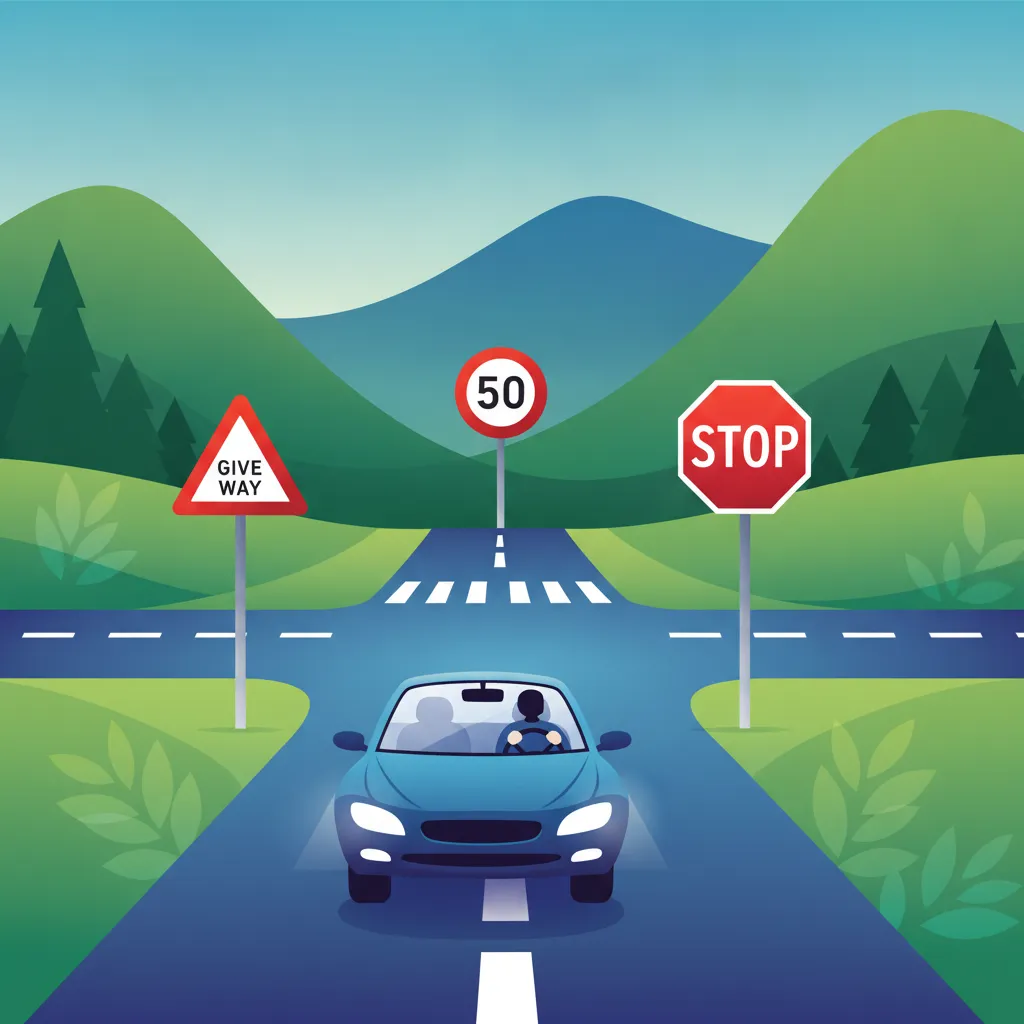
This lesson explores the category of regulatory signs, which dictate permissible and prohibited actions for drivers. It covers speed limit signs, entry restrictions, and mandatory direction signs, explaining their legal significance. Emphasis is placed on recognizing the shapes and colours that distinguish these critical signs within the Swiss traffic system.
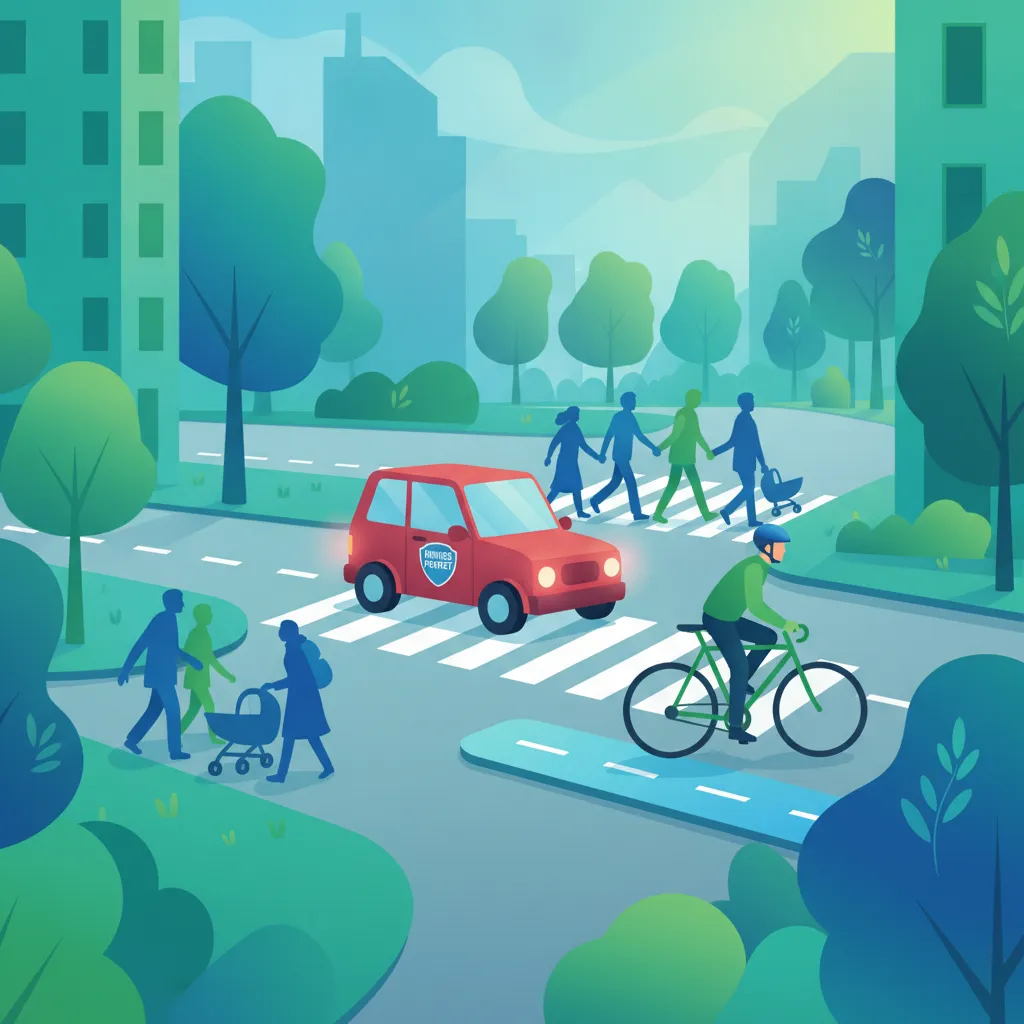
Pedestrians, cyclists, motorcyclists, and e-scooter riders are extremely vulnerable in any interaction with a heavy vehicle. This lesson instills a defensive mindset, teaching drivers to be hyper-aware of VRUs, especially near junctions, crossings, and cycle lanes. It focuses on anticipation and giving VRUs extra space, as they can be unpredictable and are often hidden in blind spots.
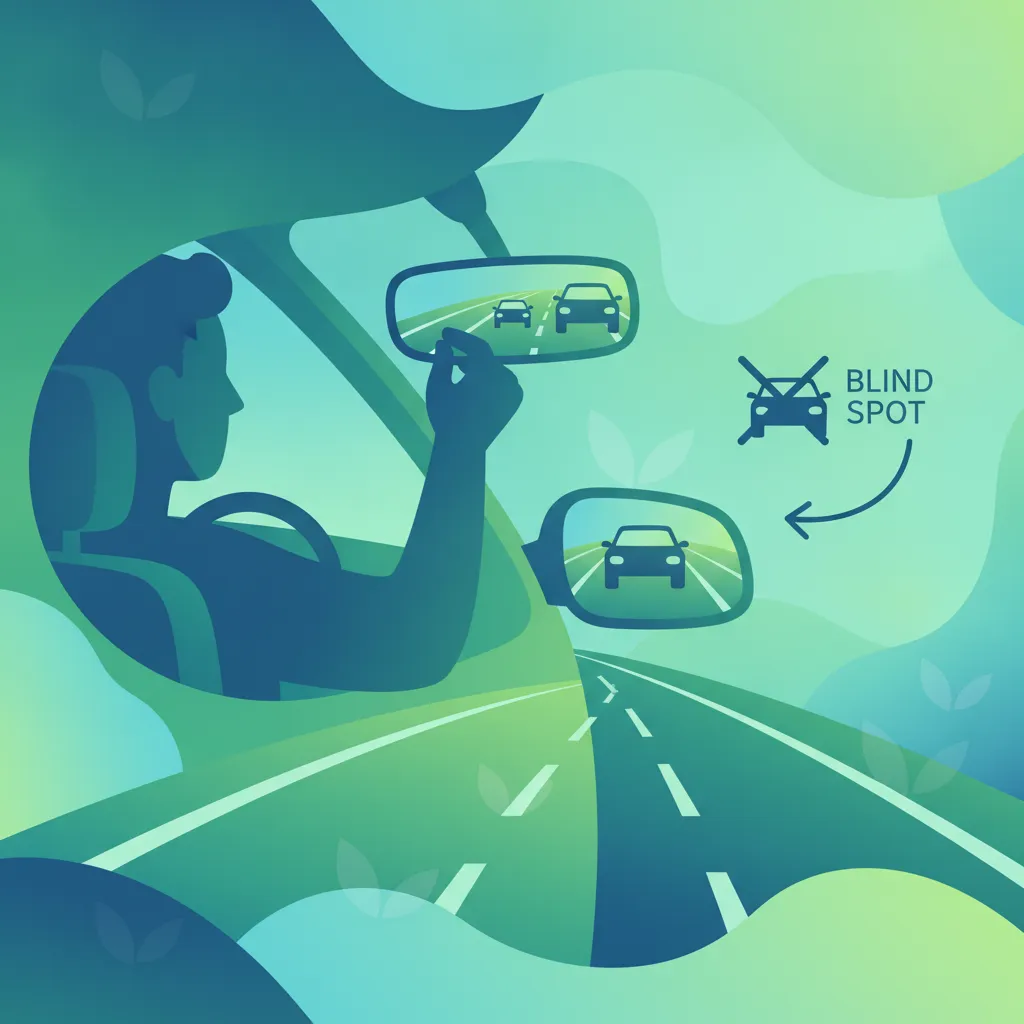
Despite the complex mirror systems, large areas around a truck remain hidden from the driver's view. This lesson maps out these significant blind spots: directly in front, behind, and along both sides of the vehicle. It teaches drivers to be constantly aware of these 'no-zones' and to anticipate that smaller vehicles, cyclists, or pedestrians may be hidden within them, especially before changing lanes or turning.

Rural roads present challenges like narrow lanes, poor surfaces, sharp bends, and limited visibility. This lesson teaches drivers how to position their large vehicle to maximize space and visibility, anticipate oncoming traffic at blind corners, and be aware of specific rural hazards. These hazards include slow-moving agricultural vehicles, animals on the road, and concealed farm entrances.
This lesson examines informational signs that provide route guidance, destination distances, and tourist information. It explains how direction signs, distance markers, and service area signs assist drivers in planning routes and making informed decisions. Understanding the logic of informational signage ensures efficient and safe navigation through the Swiss road network.

Reversing a heavy vehicle is inherently dangerous due to severely restricted visibility. This lesson outlines a safe-reversing protocol, which includes a thorough check of the area behind the vehicle before starting and using a competent banksman (signaller) whenever possible. It covers the standardized hand signals used for communication and emphasizes moving at a slow, walking pace.
Find clear answers to common questions learners have about Interpreting Access Restrictions: Weight, Height, and Environmental Zones. Learn how the lesson is structured, which driving theory objectives it supports, and how it fits into the overall learning path of units and curriculum progression in Switzerland. These explanations help you understand key concepts, lesson flow, and exam focused study goals.
You must always refer to your vehicle's Gross Vehicle Mass (GVM) or 'Gesamtgewicht' as stated on your registration document, rather than the current tare weight, unless the sign specifically states 'actual weight'.
Environmental zones often restrict vehicles based on their Euro emission standard. You must ensure your vehicle meets the minimum requirements indicated by the signage or local ordinance for the specific zone.
An axle load limit restricts the maximum weight allowed on any single axle to protect road surfaces, while a total weight limit restricts the overall weight of the entire vehicle combination.
Generally, access is prohibited unless you possess a specific permit for local delivery or an exemption granted by the local authority. Never assume you have automatic access to restricted zones.
Pinpoint specific Swiss traffic rules, road signs, or driving situations you need to master. Use the practice search to start a focused revision session now and build confidence for your official driving theory exam.