
This lesson guides you through the essential daily walk-around procedure required for all professional Category D bus drivers in Switzerland. By mastering this systematic check, you ensure both legal compliance and the highest standard of passenger safety before you even start your engine.

Lesson content overview
Operating a bus or coach is a profound responsibility, demanding not just driving skill but also an unwavering commitment to safety. For professional drivers undertaking the Swiss Category D Driving License Theory Course, understanding and meticulously performing daily walk-around checks is paramount. This routine inspection is more than just a good practice; it is a fundamental legal requirement designed to ensure the safety of passengers, other road users, and the driver before a vehicle embarks on any service.
This lesson will guide you through a systematic, logical sequence for inspecting both the exterior and interior of your bus or coach. You will learn precisely what to look for, from subtle fluid leaks and body damage to the critical condition of tyres and the accessibility of passenger emergency areas. By mastering these checks, you will be equipped to identify and address potential hazards, guaranteeing that your vehicle is safe, compliant, and ready for service every single day.
The daily walk-around check is the frontline defence against accidents caused by equipment failure. Before turning the ignition key and taking on passengers, a professional driver must visually and tactually inspect the vehicle to confirm its roadworthiness. This proactive approach significantly mitigates risks, ensuring operational efficiency and, most importantly, preventing catastrophic failures that could endanger lives.
It is a core component of a professional driver's duty of care, extending beyond mere compliance to a personal commitment to public safety. Early detection of a defect, no matter how minor, can prevent major service disruptions, costly repairs, and potential legal ramifications.
In Switzerland, the legal framework governing road safety, particularly for commercial passenger vehicles, is stringent. The Swiss Road Traffic Act (OR 7 Art. 53 ff.) explicitly mandates that drivers of Category D vehicles (buses and coaches) perform a comprehensive inspection before each service. This legal requirement underscores the critical role of pre-trip checks in maintaining high safety standards across public and private transport sectors.
The Ordinance on Vehicle Technical Requirements (VTS) further details specific technical aspects that must be in perfect working order, from braking systems and lighting to tyre condition and emergency equipment. Failure to comply with these regulations can lead to severe penalties, including fines, vehicle grounding, service suspension, and increased liability in the event of an accident. Therefore, a thorough daily walk-around is not just a recommendation but a mandatory procedure that guarantees public safety and driver accountability.
A successful daily walk-around check hinges on several core principles that ensure its effectiveness and compliance. Adhering to these principles transforms the inspection from a mere formality into a critical safety routine.
The exterior inspection forms the bulk of the daily walk-around check. It involves a detailed visual and tactile examination of the vehicle's outer surfaces and critical components. This systematic scan is designed to catch any physical damage, missing parts, or potential hazards before the bus begins its journey.
Begin your walk-around by observing the overall condition of the bus. Look for any visible signs of damage, such as dents, scratches, or corrosion on the bodywork. Pay close attention to any hanging parts, loose panels, or unusual modifications that could pose a risk or indicate an underlying issue. The chassis should also be visually inspected for any signs of cracks, excessive rust, or other structural integrity concerns.
Check the general cleanliness of the vehicle, as excessive dirt can obscure damage or warning signs. Ensure that all license plates are securely attached, clean, and clearly visible. Any unusual odours, such as burning rubber or leaking fuel, should prompt an immediate and thorough investigation before proceeding.
Tyres are the sole point of contact between the bus and the road, making their condition paramount for safety. During your walk-around, thoroughly inspect each tyre for adequate tread depth, ensuring it meets the legal minimum of 1.6 mm in Switzerland, though many bus operators may specify a higher minimum for safety. Look for any cuts, bulges, cracks, or embedded objects in the sidewalls and tread that could lead to a blowout.
Examine the wheel rims for any bends, cracks, or signs of impact damage. Check that all lug nuts are present and appear secure; any signs of rust streaks around them could indicate loosening. Finally, inspect the suspension components, looking for leaking shock absorbers (dampers), broken springs, or any abnormal sagging of the vehicle, which could affect handling and stability.
Proper lighting is crucial for visibility, both for the driver and for other road users. Systematically check the functionality of all external lighting devices:
Headlights: Test both low beam and high beam for proper illumination and adjustment.
Taillights and Brake Lights: Verify they illuminate correctly when the brakes are applied.
Reverse Lights: Ensure they activate when reverse gear is engaged.
Turn Signals and Hazard Lights: Check all four turn signals and the hazard lights for correct flashing operation and brightness.
Side Marker Lights and Reflectors: Confirm their presence, cleanliness, and functionality, especially on long vehicles.
Also, inspect the cleanliness and integrity of all reflective elements on the bus. The Swiss Ordinance on Vehicle Technical Requirements (VTS) strictly mandates functional and correctly adjusted lighting for safe operation, especially during night driving or in adverse weather conditions. Any non-functioning light or damaged reflector must be addressed immediately.
Clear visibility is non-negotiable for safe driving. Inspect all side and rear-view mirrors for cleanliness, cracks, or damage. Ensure they are securely mounted and can be adjusted correctly to provide optimal views of blind spots. Pay attention to any vibrations or looseness that could impair vision during travel.
Test the functionality of the windshield wipers and washers. Verify that the wiper blades are not worn, torn, or brittle, which would prevent them from clearing the windshield effectively. Check that the washer fluid reservoir is adequately filled and that the nozzles spray evenly. In adverse weather, clear mirrors and functional wipers are essential for maintaining awareness of your surroundings and communicating your intentions to other road users.
During your walk-around, test the operation of all external doors, including passenger entry/exit doors and any service hatches. Ensure they open and close smoothly, latch securely, and that their seals are intact to prevent water ingress or rattling during transit. For passenger doors, confirm that emergency release mechanisms (if present externally) are accessible and functional.
Crucially, perform a thorough check for any fluid leaks underneath the vehicle and around critical components. Look for puddles or drips of:
Any visible leak, no matter how small, must be investigated and reported. Leaks can indicate a serious underlying problem that could compromise safety, such as a loss of braking efficiency or engine damage, and must be rectified before operation as per VTS.
After completing the exterior checks, the next critical phase involves a thorough inspection of the bus's interior. This ensures that the driver’s controls are fully operational and that all passenger safety equipment is in place and functioning correctly. A safe interior environment is just as vital as a roadworthy exterior for the well-being of everyone on board.
Your first focus inside the bus should be the driver's cockpit. Adjust your seat to the correct driving position and ensure it is securely mounted and comfortable. Check the condition and functionality of your seatbelt, ensuring it latches correctly and retracts smoothly without fraying or damage.
Operate all control levers and pedals to confirm their freedom of movement and responsiveness. These include the steering wheel, gear shifter, accelerator, brake pedal, and clutch (if applicable). Look for any obstructions, excessive play, or signs of wear that could impair their operation. Verify that the instrument panel illuminates correctly and that all warning lights extinguish as expected after startup. Ensure the horn is functional and easily accessible.
The integrity and accessibility of emergency exits are paramount for passenger safety in critical situations. Walk through the passenger compartment and systematically check all emergency exits:
Inspect all passenger seating to ensure seats are securely fastened to the floor and that any individual seatbelts (if equipped) are functional and free from damage. Look for any sharp edges, protruding objects, or general disrepair that could cause injury. Ensure gangways and aisles are clear of obstructions and debris, maintaining a clear path to all exits.
Every Category D vehicle in Switzerland is legally required to carry specific safety equipment, and checking its condition is a vital part of your interior inspection.
These items are not just for compliance; they are essential tools that can mitigate injury and save lives in the event of an incident.
Fluid leaks are a significant red flag during any vehicle inspection, particularly for heavy commercial vehicles like buses. They often indicate a deteriorating component or a system under stress, which, if ignored, can lead to severe mechanical failure and pose significant safety risks. Early identification is crucial for preventing breakdowns and maintaining safe operation.
During your walk-around, you must be vigilant for any unintended discharge of fluids from the vehicle. Different types of fluids signify different potential issues:
To effectively detect leaks, start by looking for fresh puddles or drips on the ground beneath the bus, especially after the vehicle has been stationary for some time. Observe the colour and consistency of any fluid present to identify its type.
Visually inspect around specific components:
If you detect any fluid leak, regardless of its size, it is imperative to report it immediately. Small leaks can quickly escalate, and driving a bus with a known fluid leak, particularly brake fluid, is a severe safety violation and illegal under VTS. Prompt action can prevent a minor issue from becoming a dangerous and costly failure.
The systematic execution of daily walk-around checks is incomplete without accurate and timely documentation. The vehicle logbook serves as the official record of your inspections, providing a crucial paper trail for regulatory compliance, maintenance scheduling, and incident investigation. It is an indispensable tool for accountability and safety management.
In Switzerland, operators of Category D vehicles are legally obligated to maintain inspection records for a minimum period (typically one year, as per VTS). This requirement highlights the importance of documentation beyond just confirming the vehicle's immediate roadworthiness.
Accurate logbook entries demonstrate:
Incomplete or inaccurate entries defeat the purpose of the logbook. Every item checked, every defect noted, and every corrective action taken must be precisely recorded.
When a defect is identified during a walk-around check, it’s not enough to simply note it. Effective reporting involves clear, detailed communication with the maintenance team or fleet manager.
Identify the Defect: Clearly pinpoint the specific issue (e.g., "front left tyre tread below minimum," "coolant leak under engine," "passenger door sticking").
Assess Severity: Determine if the defect grounds the vehicle immediately or requires scheduled repair (e.g., a brake fluid leak is immediate; a small scratch might be scheduled).
Record in Logbook: Document the defect in detail, including its location, nature, and any immediate actions taken (e.g., "tyre inflated, still monitoring"). Sign and date the entry.
Notify Relevant Personnel: Communicate the defect verbally or via established electronic systems to the appropriate maintenance or management staff. Ensure they understand the urgency.
Follow Up: Confirm that the defect has been acknowledged and that a plan for rectification is in place. Do not operate the vehicle if the defect renders it unsafe.
Transparent and timely communication is vital. It allows maintenance to prioritize repairs effectively, ensuring that vehicles are kept in optimal condition and that no bus operates with a safety-critical fault.
While the core sequence of a daily walk-around check remains consistent, a professional driver must adapt their focus and intensity based on prevailing conditions. Environmental factors, the type of route, and even the vehicle's specific configuration all demand a nuanced approach to ensure comprehensive safety.
Weather and light conditions significantly impact visibility and vehicle performance, necessitating adjustments to your inspection routine:
The intended operational environment and the vehicle’s state also influence the focus of your walk-around:
By adapting your inspection routine, you proactively address the unique challenges posed by different operating conditions, enhancing safety and reliability.
Ignoring or poorly executing walk-around checks can lead to significant safety risks and legal consequences. Understanding common violations helps drivers avoid them, while adopting best practices ensures a thorough and effective inspection every time.
Several recurring mistakes undermine the effectiveness of daily walk-around checks:
The daily walk-around check is the first step in a larger proactive maintenance strategy. By diligently identifying and reporting defects, drivers directly contribute to a system that prioritizes prevention over reaction. This approach offers several benefits:
Adopting these best practices and understanding the rationale behind each check ensures that you are not just complying with regulations but actively contributing to a safer and more reliable public transport system.
The systematic daily walk-around check is a cornerstone of professional bus and coach operation in Switzerland. It is a comprehensive procedure that combines legal obligation with a deep commitment to safety. By internalizing and diligently applying the principles outlined in this lesson, you ensure that your vehicle is always in optimal condition to transport passengers safely.
Remember these essential points:
By mastering and consistently applying these checks, you not only fulfill your duties as a professional driver but also significantly contribute to the safety and reliability of passenger transport in Switzerland.
This lesson covers the mandatory daily walk-around inspection procedure for Swiss Category D bus drivers, combining legal obligations under OR 7 Art. 53 ff. and VTS with systematic safety protocols. Learners must master a consistent exterior inspection covering tyres, lights, mirrors, bodywork, and fluid leak detection, followed by interior checks of driver controls, emergency exits, and mandatory safety equipment. The lesson emphasizes that any detected fluid leak—especially brake fluid—requires immediate reporting and vehicle grounding. Accurate logbook documentation is both a legal requirement and critical for maintenance traceability, while inspections must be adapted to weather conditions, route types, and vehicle load. Common errors include superficial checks, ignoring minor defects, and inadequate record-keeping.
A short set of high-value points that capture the most important learning from this lesson.
Daily walk-around checks are a legal requirement under Swiss law for all Category D vehicles, not optional good practice
A systematic, repeatable inspection sequence covering exterior and interior prevents missed safety items
Fluid leaks—especially brake fluid—require immediate grounding of the vehicle before service
All emergency exits, escape hammers, fire extinguishers, and first-aid kits must be verified functional and accessible
Every inspection finding must be documented in the vehicle logbook with specific defect details
Explore all units and lessons included in this driving theory course.
Swiss legal minimum tyre tread depth is 1.6 mm, though operators may set higher safety thresholds
Brake fluid leaks represent the most critical safety hazard and mandate immediate vehicle grounding
Fire extinguishers must show green-zone pressure and current expiry date; first-aid kits must be sealed and accessible
Adverse conditions (mountainous terrain, full load, fog) require intensified focus on brakes, tyres, and lighting
Logbook entries serve as legal evidence of due diligence and must be specific—not vague or omitted
Assuming small fluid leaks are harmless and postponing investigation until they escalate
Failing to physically test emergency exits, assuming they work without verification
Conducting inspections in poor lighting or rushing through checks to save time
Making vague logbook entries like 'all OK' instead of documenting specific items checked and their condition
Neglecting to check side mirrors for small cracks or improper adjustment that create blind spots
Lesson content overview
A short set of high-value points that capture the most important learning from this lesson.
Daily walk-around checks are a legal requirement under Swiss law for all Category D vehicles, not optional good practice
A systematic, repeatable inspection sequence covering exterior and interior prevents missed safety items
Fluid leaks—especially brake fluid—require immediate grounding of the vehicle before service
All emergency exits, escape hammers, fire extinguishers, and first-aid kits must be verified functional and accessible
Every inspection finding must be documented in the vehicle logbook with specific defect details
Explore all units and lessons included in this driving theory course.
Swiss legal minimum tyre tread depth is 1.6 mm, though operators may set higher safety thresholds
Brake fluid leaks represent the most critical safety hazard and mandate immediate vehicle grounding
Fire extinguishers must show green-zone pressure and current expiry date; first-aid kits must be sealed and accessible
Adverse conditions (mountainous terrain, full load, fog) require intensified focus on brakes, tyres, and lighting
Logbook entries serve as legal evidence of due diligence and must be specific—not vague or omitted
Assuming small fluid leaks are harmless and postponing investigation until they escalate
Failing to physically test emergency exits, assuming they work without verification
Conducting inspections in poor lighting or rushing through checks to save time
Making vague logbook entries like 'all OK' instead of documenting specific items checked and their condition
Neglecting to check side mirrors for small cracks or improper adjustment that create blind spots
Explore search topics learners often look for when studying Systematic Daily Walk-Around Checks. These topics reflect common questions about road rules, driving situations, safety guidance, and lesson level theory preparation for learners in Switzerland.
Browse additional driving theory lessons that cover connected traffic rules, road signs, and common driving situations related to this topic. Improve your understanding of how different rules interact across everyday traffic scenarios.
Learn the critical procedures for documenting and reporting vehicle defects found during daily walk-around checks for Category D buses in Switzerland. Understand the link between driver reporting and effective fleet maintenance to ensure ongoing safety.

The driver is legally responsible for the roadworthiness of their vehicle at the start of and during every journey. This lesson outlines the formal process for reporting any identified defects to the transport manager or maintenance staff. It stresses the critical rule that a vehicle with a known safety-critical defect must not be driven until it has been professionally repaired and declared safe.

The condition of tyres and wheels is paramount to safety. This lesson details how to check tyre pressures, tread depth, and sidewalls for any damage or defects. You will also learn to inspect wheel nuts for security and look for signs of issues with the suspension system.

This lesson focuses on the legally required safety equipment that must be on board every passenger vehicle. You will learn how to locate and check the fire extinguisher, first aid kit, and emergency hammers. It also covers the inspection of emergency exits to ensure they are unobstructed and functional.

Transporting children carries the highest level of responsibility. This lesson covers the specific legal requirements for school buses in Switzerland, including the use of special signs and warning lights. It details the safe procedures for stopping, boarding, and alighting, and the driver's role in supervising children.

Being seen and being able to see are critical for safety. This lesson covers the systematic check of all exterior lights, including headlights, brake lights, and indicators. It also emphasizes the importance of ensuring all mirrors and camera lenses are clean, undamaged, and properly adjusted for maximum visibility.

This lesson provides a foundational overview of a passenger vehicle's main components. You will learn to identify and understand the function of the engine, transmission, suspension, and electrical systems. This knowledge is essential for effective pre-trip checks and for communicating with maintenance staff about potential vehicle issues.

This lesson details the specific documents that must be present in the vehicle and on the driver's person during service. It covers the driving license, OACP card, vehicle registration, and tachograph records. You will learn the importance of ensuring all paperwork is current and correct to ensure legal compliance at all times.

Departing from a bus stop is a high-risk manoeuvre. This lesson details the critical sequence of actions: checking all passengers are clear of the doors, performing a comprehensive mirror and blind spot check, signalling, and waiting for a safe gap in traffic. This systematic approach is essential for preventing collisions with overtaking vehicles, cyclists, or pedestrians.

Bus lanes are a key tool for improving service reliability, but they come with specific rules. This lesson covers how to correctly interpret bus lane signs and markings. It also explains the regulations for entering and leaving the lane to make turns or avoid obstructions, and the priority rules associated with them.
The driver must ensure all boarding passengers are safely on board and stable before moving off. This lesson covers managing the flow of passengers, dealing with fares or tickets efficiently, and encouraging people to move away from the doorway. The primary goal is to prevent falls that can occur if the vehicle moves prematurely.
Discover how to adapt your daily bus walk-around checks for adverse weather conditions in Switzerland, including rain, snow, and fog. Understand the specific safety points to verify for a fully compliant and safe vehicle.
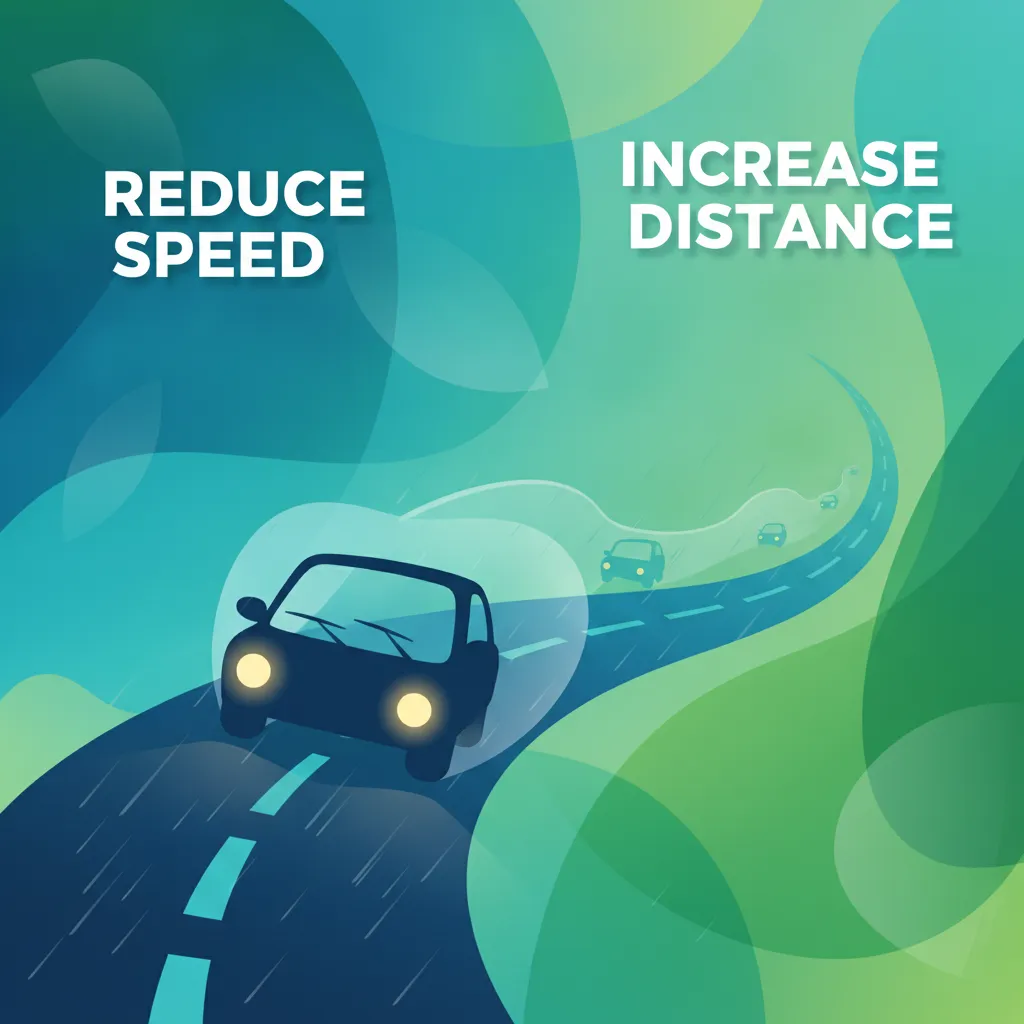
Weather has a profound impact on vehicle handling and visibility. This lesson teaches you how to reduce speed, increase following distances, and use controls smoothly to maintain traction in poor conditions. It also covers the legal requirements and practical application of snow chains in winter.
The condition of tyres and wheels is paramount to safety. This lesson details how to check tyre pressures, tread depth, and sidewalls for any damage or defects. You will also learn to inspect wheel nuts for security and look for signs of issues with the suspension system.
Being seen and being able to see are critical for safety. This lesson covers the systematic check of all exterior lights, including headlights, brake lights, and indicators. It also emphasizes the importance of ensuring all mirrors and camera lenses are clean, undamaged, and properly adjusted for maximum visibility.

Driving a large vehicle on mountain passes is a demanding skill. This lesson covers selecting the correct gear for both ascents and descents to maintain control and avoid overheating the brakes. It also explains the specific priority rules that apply on mountain roads and the importance of being aware of sudden weather changes.
This lesson focuses on the legally required safety equipment that must be on board every passenger vehicle. You will learn how to locate and check the fire extinguisher, first aid kit, and emergency hammers. It also covers the inspection of emergency exits to ensure they are unobstructed and functional.

This lesson examines the impact of various weather conditions on driving safety. It explains how to adjust speed in low visibility and the risks of aquaplaning in heavy rain. The content also covers using snow chains in snowy conditions, handling icy surfaces, and dealing with strong winds, particularly on bridges and open roads.

This lesson examines the impact of weather and visibility on driving safety and speed selection. It covers how fog, rain, snow, and darkness affect visibility and reaction times, providing guidelines on adjusting speed. It also includes strategies for improving visibility, such as proper headlamp use, to ensure you can adapt to varying weather conditions.
Departing from a bus stop is a high-risk manoeuvre. This lesson details the critical sequence of actions: checking all passengers are clear of the doors, performing a comprehensive mirror and blind spot check, signalling, and waiting for a safe gap in traffic. This systematic approach is essential for preventing collisions with overtaking vehicles, cyclists, or pedestrians.

Wet or icy roads drastically reduce tyre grip and can double or triple braking distances. This lesson stresses the importance of significantly reducing overall speed and increasing following distances in such conditions. It advises on using brakes with extreme care to avoid skidding and explains how the vehicle's retarder should be used with caution as it can cause the drive wheels to lock up on slippery surfaces.

The legal speed limit is a maximum, not a target. This lesson teaches the professional driver's approach to speed management, which involves constantly assessing traffic, road, and weather conditions. You will learn to adjust your speed to ensure you can always stop safely within the distance you can see to be clear.
Find clear answers to common questions learners have about Systematic Daily Walk-Around Checks. Learn how the lesson is structured, which driving theory objectives it supports, and how it fits into the overall learning path of units and curriculum progression in Switzerland. These explanations help you understand key concepts, lesson flow, and exam focused study goals.
As a professional driver, you are legally responsible for the vehicle's roadworthiness. A systematic check ensures the safety of your passengers and other road users while helping you identify faults before they lead to breakdowns or accidents.
You must check fluid levels, tyre pressure and tread depth, lighting systems, mirrors, emergency equipment, and the condition of the bus bodywork. The key is to follow a consistent sequence every time so nothing is overlooked.
Yes, the Swiss theory exam often tests your knowledge of vehicle safety and maintenance responsibilities. You may be asked to identify which components must be verified to ensure a vehicle is fit for public passenger transport.
If you identify a significant safety issue, such as malfunctioning brakes, faulty lights, or worn tyres, you must not operate the vehicle. You are required to report it to your operator or maintenance department according to company and legal procedures.
Pinpoint specific Swiss traffic rules, road signs, or driving situations you need to master. Use the practice search to start a focused revision session now and build confidence for your official driving theory exam.