
This lesson provides a foundational overview of the key mechanical and electrical systems in a bus or coach. Understanding these components is critical for performing effective pre-trip inspections and ensuring passenger safety as a professional driver.
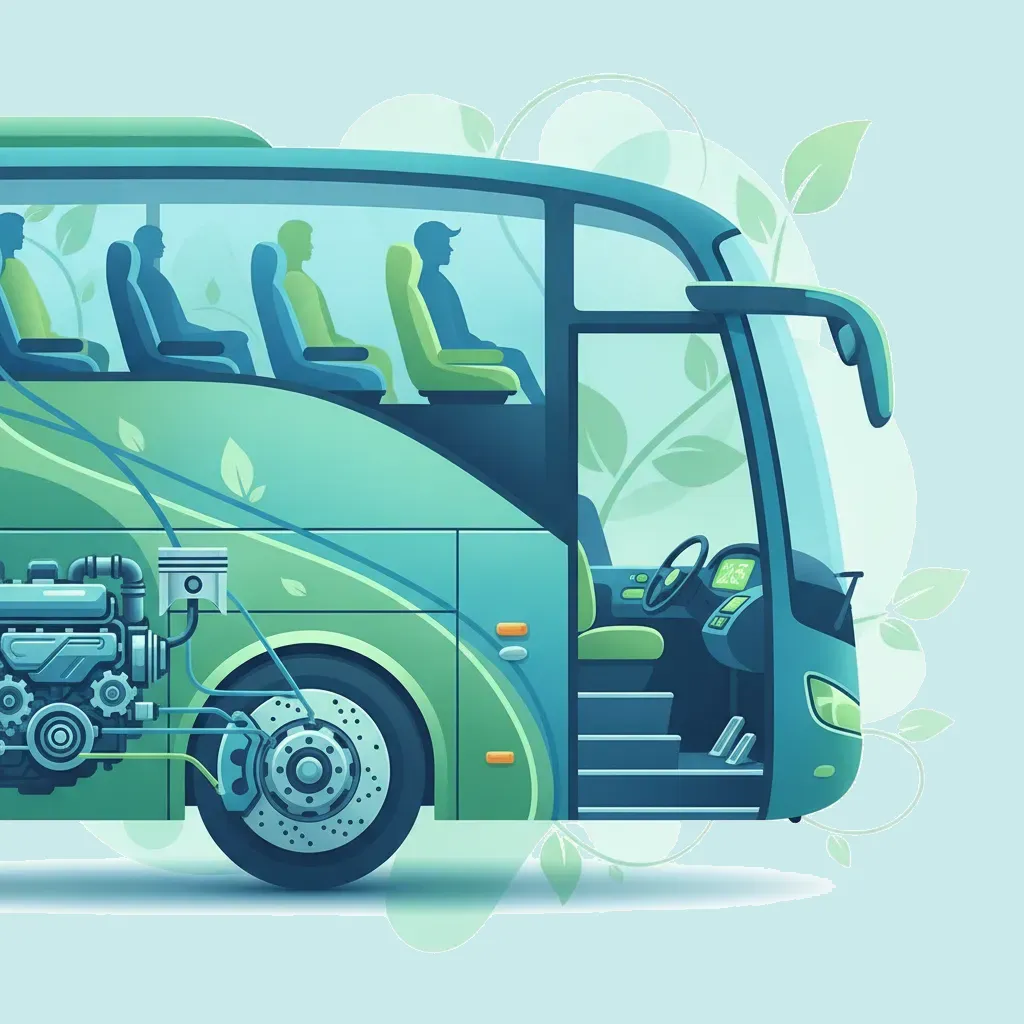
Lesson content overview
This lesson provides a foundational overview of the main components and systems found in modern buses and coaches. For professional drivers aiming for a Swiss Category D Driving License, a thorough understanding of these systems is crucial. It not only empowers you to conduct effective pre-trip inspections and communicate accurately with maintenance personnel but also helps you anticipate how system failures can impact vehicle operation and passenger safety.
Buses and coaches are complex passenger vehicles, integrating numerous subsystems to ensure safe operation, passenger comfort, and regulatory compliance. As a professional driver, your ability to identify and understand these subsystems is not merely theoretical; it directly supports routine inspections, early fault detection, and appropriate corrective actions when issues arise. This knowledge forms the technical backbone for safe and responsible operation, connecting directly to subsequent modules on braking systems, daily walk-around checks, and onboard safety equipment.
The intricate design combines mechanical engineering (engine, transmission, suspension), fluid dynamics (hydraulic and pneumatic systems), electricity (electrical wiring, battery, lighting), and advanced safety systems (braking, warning devices). A comprehensive grasp of how these elements work together is essential for proactive maintenance and responsive problem-solving on the road.
The engine is the heart of any bus or coach, providing the necessary power to move the vehicle and operate its numerous auxiliary systems. Understanding its function and common types is fundamental for efficient and safe driving.
The engine is the primary power-producing unit, converting fuel energy into mechanical work to propel the vehicle. In buses and coaches, the most common type is the diesel engine, known for its torque, fuel efficiency, and durability, especially under heavy loads. More recently, hybrid-electric propulsion systems, combining a diesel engine with electric motors, and fully electric powertrains are becoming increasingly prevalent, offering reduced emissions and quieter operation.
The engine provides torque to the transmission and powers auxiliary systems such as the air compressor for the braking system and the alternator for electrical power. Drivers must be aware of specific operational conditions, such as pre-heating requirements in cold weather to ensure optimal performance and prevent damage. Frequent idling, contrary to common misconceptions, can increase fuel consumption and engine wear, and should be avoided where possible. For instance, a diesel engine might run at around 1300 rpm in gear while cruising at 30 km/h on a city route, a typical operational scenario.
The transmission is a critical set of gear mechanisms responsible for transmitting engine power to the drive wheels, allowing for precise adjustment of speed and torque. It enables the driver to select appropriate gear ratios for varying speeds, road gradients, and vehicle loads, ensuring efficient power delivery.
Buses and coaches can feature various transmission types:
Proper gear selection is vital for reducing fuel consumption, preventing engine strain, and maintaining control, especially on varied terrain. For example, downshifting before a steep descent allows for effective engine braking, reducing reliance on the service brakes and preventing overheating. Riding the clutch excessively in a manual transmission is a common mistake that leads to premature wear.
In vehicles equipped with a manual transmission, the clutch is a crucial frictional device that connects and disconnects the engine from the transmission. This mechanism allows the driver to change gears smoothly without stalling the engine when coming to a stop or shifting.
Most buses with manual transmissions use a single-plate dry clutch, while high-torque applications might employ multi-plate wet clutches. For safe and efficient operation, the clutch pedal must be fully depressed before changing gears. It is imperative to avoid "riding the clutch"—keeping your foot partially on the pedal while idle or driving—as this causes unnecessary friction, heat, and rapid wear of clutch components. A common example of correct clutch use is fully depressing the pedal before moving from a standstill at a bus stop, ensuring a smooth engagement of power to the wheels.
Drive axles are mechanical assemblies designed to transmit engine power from the transmission to the wheels, propelling the vehicle. The differential is a specialized gear set within the drive axle that allows wheels on the same axle to rotate at different speeds, which is particularly important when the vehicle turns. Without a differential, turning would be impossible as the inner and outer wheels travel different distances.
Buses and coaches often feature live rear axles, which are driven, though many also have non-driven front axles. Some larger coaches may incorporate tandem rear axles, where one axle is driven and the other serves as a tag axle to support additional weight, enhancing load capacity. Drivers must regularly inspect drive axles and differentials for any signs of leaks, ensuring proper lubrication and checking for excessive wear, which can indicate potential mechanical issues.
Beyond propulsion, a bus or coach relies on robust systems for stability, passenger comfort, and, critically, stopping safely. The suspension and braking systems are paramount in these aspects.
The suspension system is a complex combination of springs, dampers (shock absorbers), and linkages. Its primary functions are to absorb road shocks, maintain consistent tyre contact with the road surface, and support the vehicle's weight, including its passengers and luggage.
Common types of suspension systems in buses include:
A well-functioning suspension system ensures passenger comfort, stable handling, and even tyre wear. Daily checks are essential, including inspecting for abnormal tyre wear, verifying air-suspension pressure, and observing the vehicle's bounce characteristics, particularly after carrying uneven loads. A common misunderstanding is to over-inflate air-suspension to minimize bounce; however, this significantly reduces ride comfort and can lead to chassis damage.
The braking system is undoubtedly one of the most critical safety features of any vehicle, and for buses, it predominantly relies on pneumatic (air) brakes. This system is designed to effectively reduce vehicle speed or bring it to a complete stop, even with a full complement of passengers and luggage.
Key components of an air-brake system include:
Understanding the air-brake system's principles and conducting regular inspections for leaks, correct pressure, and proper function of all components is paramount for safe operation. A significant difference from passenger cars is that hydraulic brakes, while common in smaller vehicles, operate on a fundamentally different principle than air brakes. Low air pressure, if ignored, can lead to severely reduced braking efficiency and pose a significant safety risk. An audible alarm will typically sound if air-brake pressure drops below safe operational levels, requiring immediate and safe stopping.
The air compressor is a vital component of a bus's pneumatic system, responsible for generating and maintaining the supply of compressed air. This compressed air is not only crucial for the operation of the air brakes but also powers other essential systems such as door operation, the air-suspension system, and sometimes even the horn or windshield wipers.
Typically, a bus employs a belt-driven rotary compressor, although auxiliary electric compressors might also be present. Before every departure, drivers must check the system pressure, ensuring that the main air-pressure gauge reads within the manufacturer-specified range, usually at least 5 bar. Ignoring low-pressure warnings can have severe consequences, potentially leading to brake failure or impaired operation of other pneumatic components. For instance, a typical main air-pressure gauge might show 6 bar before starting a busy city route, indicating a ready and safe system.
Modern buses and coaches rely heavily on sophisticated electrical and electronic systems to power everything from essential lighting and engine management to passenger amenities and diagnostic capabilities.
The electrical system is a complex network comprising batteries, an alternator, extensive wiring, and multiple electronic control units (ECUs). This system is responsible for powering all electrical devices, including starting the engine, providing lighting, running instrumentation, and operating auxiliary devices like the heating, ventilation, and air-conditioning (HVAC) system.
Typically, buses use multiple batteries:
The alternator generates electrical power while the engine is running, charging both the starting and service batteries and supplying power to the vehicle's electrical load. Drivers must ensure battery voltage is within specified limits and that the alternator is functioning correctly to ensure continuous charging. A common misunderstanding is that the service battery's charge is irrelevant; however, a depleted service battery can lead to critical failures such as windshield wiper malfunction or lighting issues, especially in adverse weather conditions. For example, an alternator voltage regulator should maintain around 13.8 V while the engine idles, confirming proper charging.
The lighting system is a comprehensive collection of various lamps and indicators that serve two critical purposes: enabling the driver to see the road ahead and ensuring the vehicle is visible to other road users, while also communicating the driver's intentions.
Key components include:
Headlamps must be used from sunset to sunrise and during conditions of reduced visibility (e.g., fog, heavy rain). Main beams should not be used when an oncoming vehicle is within approximately 150 metres. Hazard lights are specifically for when the vehicle is stationary and poses a hazard, and their use while moving is generally illegal and can confuse other drivers.
A frequent mistake is forgetting to activate the main beam on dark rural roads when appropriate, or conversely, using it continuously and dazzling oncoming traffic.
Modern buses are equipped with sophisticated sensors and diagnostic systems that continuously monitor the health and performance of critical subsystems, including the engine, transmission, braking, and various auxiliary components. These electronic devices relay data to the driver through dashboard warning lights and provide detailed information to maintenance staff via diagnostic tools.
Key components of these systems include:
These systems enable early fault detection, alert the driver to potential issues, and significantly assist mechanics in troubleshooting. Drivers must pay close attention to warning lights; however, it is important to understand that not all illuminated lights indicate a critical fault requiring immediate cessation of operation (always consult the vehicle's manual or maintenance procedures). A common misunderstanding is that simply turning off and restarting the engine will reset all sensor warnings; many faults require proper diagnostic reset procedures by trained personnel. For example, an ABS warning lamp may illuminate after a hard stop on a slippery road, indicating the system has been active, but it should clear if no fault exists.
Beyond the operational mechanics, a bus or coach must also provide a comfortable and safe environment for its passengers and driver. The heating, ventilation, and air-conditioning (HVAC) system plays a significant role in this.
The HVAC system is responsible for regulating the cabin temperature, providing fresh airflow, and maintaining clear visibility through defrosting and defogging capabilities. A comfortable and well-ventilated cabin enhances passenger experience and reduces driver fatigue.
Key components of the HVAC system include:
Ensuring the HVAC system is fully functional is not just about passenger comfort; it is a critical safety feature. The defrost function, for example, must be active and effective before departure in cold or humid weather to prevent windshield fogging, which is essential for maintaining clear visibility. During daily walk-around inspections, drivers should check for proper airflow from vents and ensure all temperature controls are operational. A common error is viewing the HVAC system as solely a comfort feature, when in reality, its role in preventing windshield fogging is critical for safe driving.
The efficient and environmentally responsible operation of a bus or coach relies on properly functioning fuel and exhaust systems that comply with stringent emission regulations.
The fuel system is responsible for the safe storage, delivery, and precise metering of fuel from the tank to the engine's combustion chambers. It is a closed system designed to minimize leaks and optimize fuel efficiency.
Its main components include:
Before starting a route, drivers must verify the fuel level and check for any signs of fuel leaks around connections. Regular replacement of fuel filters according to the maintenance schedule is crucial for engine longevity and performance. It is a common mistake to assume a full fuel gauge guarantees the exact quantity; gauge inaccuracies can sometimes lead to overestimation of actual fuel remaining.
The exhaust and emission control system plays a vital role in routing combustion gases safely away from the vehicle and, critically, in reducing harmful pollutants before they are discharged into the atmosphere. Modern environmental regulations require sophisticated systems to meet emission standards.
Key components of this system include:
These emission control devices must not be tampered with. The DPF, in particular, requires periodic regeneration cycles to burn off accumulated soot; drivers must respect these cycles and heed any associated warning lights. Ignoring DPF regeneration alerts can lead to filter clogging, a significant loss of engine power, and potentially very costly repairs. An example is the DPF automatically initiating a regeneration cycle after a period of highway driving, indicated by a dashboard light.
Beyond the active operating systems, every bus and coach is legally required to carry specific on-board safety equipment to ensure preparedness for emergencies. This equipment is a last line of defense in critical situations.
This equipment typically includes:
Drivers must know the location and proper use of all on-board safety equipment. It is a common misunderstanding to assume an emergency hammer is solely for emergency exits; it can also be used to break other windows if required. Regular inspections are mandated to ensure all equipment is present, functional, and correctly secured. For instance, a fire extinguisher is typically located near the driver's seat for immediate access.
Operating a bus or coach in Switzerland under a Category D license demands adherence to specific regulations concerning vehicle components and their operation. These rules are designed to ensure maximum safety for passengers and other road users.
A mandatory systematic check of a vehicle's critical components and systems before each journey to ensure it is safe and roadworthy.
According to Swiss regulations (SR 4.2.1), drivers must perform a thorough visual inspection of all critical components—including the engine, transmission, brakes, lights, mirrors, and safety equipment—before commencing any journey. Failure to conduct this pre-trip check is considered an offence. This ensures that any potential issues are identified and addressed before the vehicle is put into service, significantly reducing the risk of breakdowns or accidents.
Lighting Usage (SR 4.2.2): Headlamps must be switched on from sunset to sunrise and during any conditions of reduced visibility, such as fog or heavy rain. When using main (high) beams, drivers must dim them to dipped (low) beams if an oncoming vehicle is within 150 metres to prevent dazzling other drivers.
Air-Brake Pressure (SR 4.2.3): The service air-pressure gauge must indicate a pressure of at least 5 bar before departure. If the pressure falls below this critical level, the driver must immediately stop the vehicle safely and investigate the cause before attempting to proceed. Operating with insufficient air pressure compromises braking efficiency and is extremely dangerous.
Brake Warning Devices (SR 4.2.4): If the parking brake is engaged while the vehicle is moving (which should be prevented by interlocks), the driver must immediately stop safely and disengage the brake. This situation triggers an audible warning to alert the driver to the potential hazard.
Hazard Warning Lights (SR 4.2.5): These lights must only be used when the vehicle is stationary and poses a hazard to other road users, such as during a breakdown or when obstructing traffic. Using hazard lights while the vehicle is in motion is illegal and can cause confusion, potentially leading to traffic incidents.
Engine Starting Procedure (SR 4.2.6): The engine may only be started when the transmission is in neutral (for manual gearboxes) or park (for automatic gearboxes) and the parking brake is fully engaged. This prevents unintended vehicle movement upon engine start.
Battery Maintenance (SR 4.2.7): All batteries must be securely mounted within the vehicle, and their terminals must be kept clean and free from corrosion to ensure optimal electrical contact. The charging system, driven by the alternator, must be checked regularly to confirm that batteries are being adequately recharged while the engine is running.
Professional drivers must be acutely aware of common errors related to vehicle components, as these can lead to serious safety risks, accelerated wear, and costly repairs.
The performance and safe operation of a bus or coach's components can vary significantly based on environmental conditions and vehicle state. Professional drivers must adapt their actions accordingly.
The systems within a bus or coach are highly integrated; a fault in one area can cascade and affect others. Understanding these cause-and-effect relationships is fundamental for diagnostic reasoning and safe operation.
This lesson builds upon a prerequisite understanding of driver duties and legal frameworks from the Swiss D, D1, D1E & DE Scope and Professional Responsibility lesson, and practical inspection procedures covered in Systematic Daily Walk-Around Checks. It also serves as a technical foundation for future lessons such as Understanding Braking Systems: Air Brakes and Retarders, which will expand on pneumatic system details, and On-Board Safety Equipment, which applies component knowledge to emergency readiness.
Understanding vehicle components in isolation is one thing; applying that knowledge in real-world driving scenarios is another. Here are practical examples demonstrating the relevance of component knowledge.
This lesson covers the essential mechanical, pneumatic, and electrical systems of buses and coaches for Swiss Category D drivers, connecting technical knowledge to mandatory pre-trip inspection responsibilities. Key systems include diesel and hybrid engines, manual and automatic transmissions, air-brake systems requiring minimum 5 bar pressure, air suspension, electrical systems with separate starting and service batteries, and emission control devices including the DPF. Swiss regulations specify requirements for lighting use (dipped beams from sunset, main beams dimmed at 150m), engine starting procedures, and brake warning devices. Understanding these interconnected systems enables drivers to detect faults early, communicate effectively with maintenance staff, and maintain the safety standards required for professional passenger transport.
A short set of high-value points that capture the most important learning from this lesson.
Professional bus drivers must understand engine, transmission, braking, suspension, and electrical systems to perform effective pre-trip inspections and ensure passenger safety
Air-brake systems require a minimum of 5 bar pressure before departure; low pressure severely compromises braking efficiency and is extremely dangerous
The lighting system serves both visibility and communication functions; main beams must be dimmed to dipped beams within approximately 150 metres of oncoming traffic
The Diesel Particulate Filter (DPF) requires periodic regeneration cycles; ignoring regeneration alerts can cause filter clogging and costly engine damage
The service battery powers critical auxiliary systems including HVAC, wipers, and interior lighting—its depletion can create safety hazards in adverse conditions
Explore all units and lessons included in this driving theory course.
Pre-trip inspection is mandatory under Swiss regulations (SR 4.2.1) and must cover all critical components before every journey
Engine may only be started with transmission in neutral/park and parking brake fully engaged to prevent unintended vehicle movement
Hazard warning lights are for stationary vehicles only—using them while moving is illegal and can confuse other road users
Air-suspension over-inflation reduces ride comfort and can damage the chassis; maintain manufacturer-specified pressure
A fault in one system can cascade to affect others—regular inspections help detect issues before they escalate
Neglecting the air-brake pressure check before departure, leading to reduced braking efficiency and increased stopping distances
Riding the clutch while stopped or moving slowly, causing premature wear and potential clutch failure
Using main beam headlights in foggy conditions, which creates glare that reduces visibility for both the driver and oncoming traffic
Ignoring DPF regeneration warning lights, which can result in filter clogging, power loss, and expensive repairs
Assuming hazard lights can be used while driving to indicate caution; they are only legal when the vehicle is stationary and poses a hazard
Lesson content overview
A short set of high-value points that capture the most important learning from this lesson.
Professional bus drivers must understand engine, transmission, braking, suspension, and electrical systems to perform effective pre-trip inspections and ensure passenger safety
Air-brake systems require a minimum of 5 bar pressure before departure; low pressure severely compromises braking efficiency and is extremely dangerous
The lighting system serves both visibility and communication functions; main beams must be dimmed to dipped beams within approximately 150 metres of oncoming traffic
The Diesel Particulate Filter (DPF) requires periodic regeneration cycles; ignoring regeneration alerts can cause filter clogging and costly engine damage
The service battery powers critical auxiliary systems including HVAC, wipers, and interior lighting—its depletion can create safety hazards in adverse conditions
Explore all units and lessons included in this driving theory course.
Pre-trip inspection is mandatory under Swiss regulations (SR 4.2.1) and must cover all critical components before every journey
Engine may only be started with transmission in neutral/park and parking brake fully engaged to prevent unintended vehicle movement
Hazard warning lights are for stationary vehicles only—using them while moving is illegal and can confuse other road users
Air-suspension over-inflation reduces ride comfort and can damage the chassis; maintain manufacturer-specified pressure
A fault in one system can cascade to affect others—regular inspections help detect issues before they escalate
Neglecting the air-brake pressure check before departure, leading to reduced braking efficiency and increased stopping distances
Riding the clutch while stopped or moving slowly, causing premature wear and potential clutch failure
Using main beam headlights in foggy conditions, which creates glare that reduces visibility for both the driver and oncoming traffic
Ignoring DPF regeneration warning lights, which can result in filter clogging, power loss, and expensive repairs
Assuming hazard lights can be used while driving to indicate caution; they are only legal when the vehicle is stationary and poses a hazard
Explore search topics learners often look for when studying Key Components and Systems of a Bus and Coach. These topics reflect common questions about road rules, driving situations, safety guidance, and lesson level theory preparation for learners in Switzerland.
Browse additional driving theory lessons that cover connected traffic rules, road signs, and common driving situations related to this topic. Improve your understanding of how different rules interact across everyday traffic scenarios.
Understand the fundamental mechanical and safety systems of a bus or coach, including engine, transmission, brakes, and electrical systems. Essential knowledge for professional drivers and pre-trip inspections in Switzerland.

This lesson focuses on the legally required safety equipment that must be on board every passenger vehicle. You will learn how to locate and check the fire extinguisher, first aid kit, and emergency hammers. It also covers the inspection of emergency exits to ensure they are unobstructed and functional.
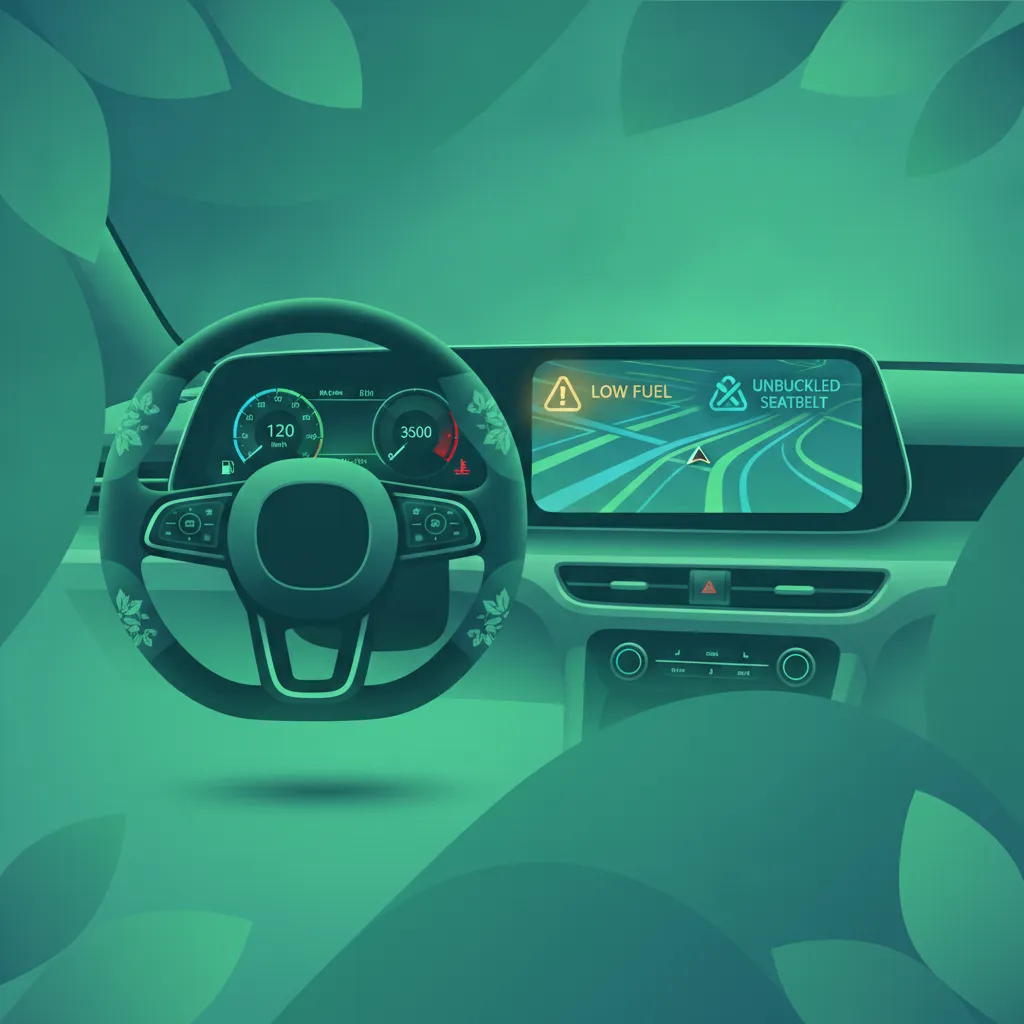
This lesson provides a detailed tour of the driver's area in a typical bus or coach. You will learn the function of every switch, lever, and button, from the main driving controls to secondary systems like heating and door operation. Interpreting the instrument panel and responding correctly to warning lights is a key focus.

The condition of tyres and wheels is paramount to safety. This lesson details how to check tyre pressures, tread depth, and sidewalls for any damage or defects. You will also learn to inspect wheel nuts for security and look for signs of issues with the suspension system.

A daily walk-around check is a legal requirement and a critical safety routine. This lesson teaches a logical sequence for inspecting the exterior and interior of the bus. You will learn what to look for, from fluid leaks and body damage to the condition of passenger areas, ensuring the vehicle is safe before starting service.
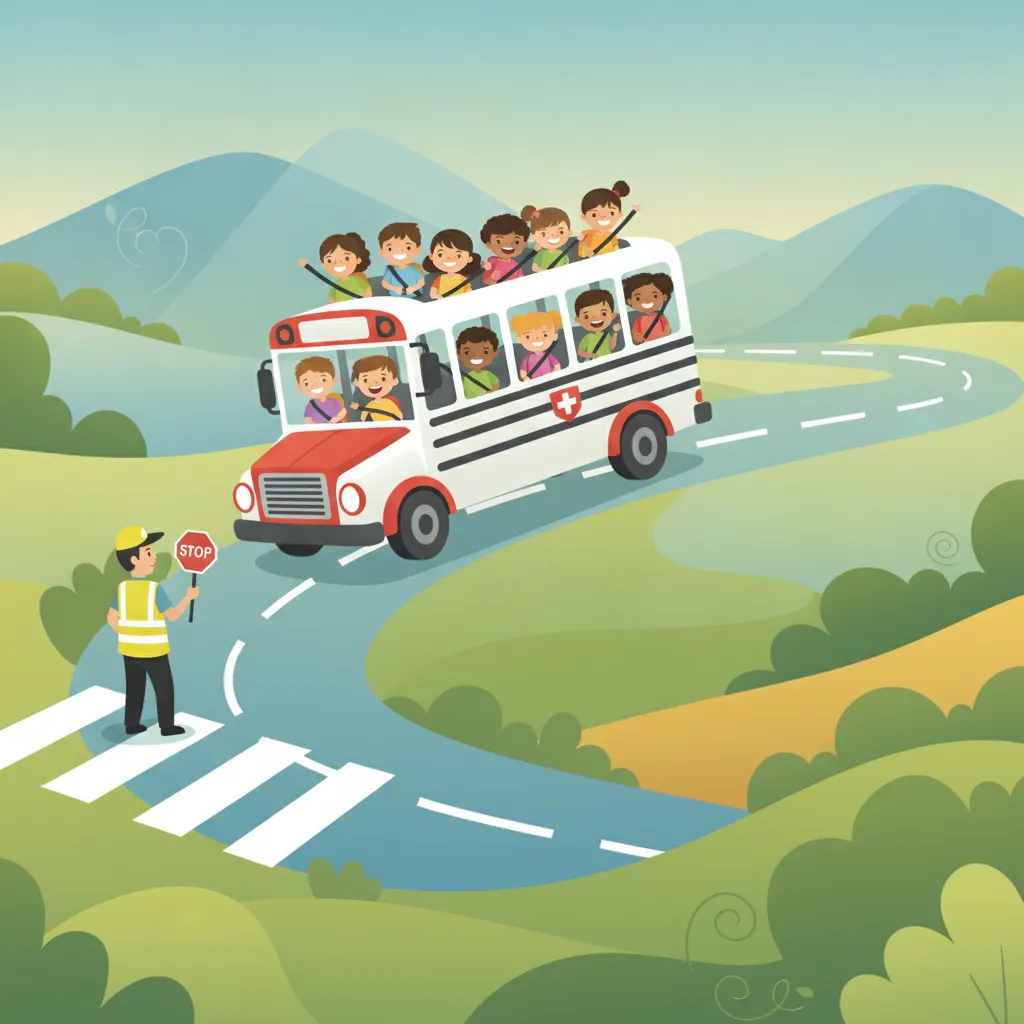
Transporting children carries the highest level of responsibility. This lesson covers the specific legal requirements for school buses in Switzerland, including the use of special signs and warning lights. It details the safe procedures for stopping, boarding, and alighting, and the driver's role in supervising children.
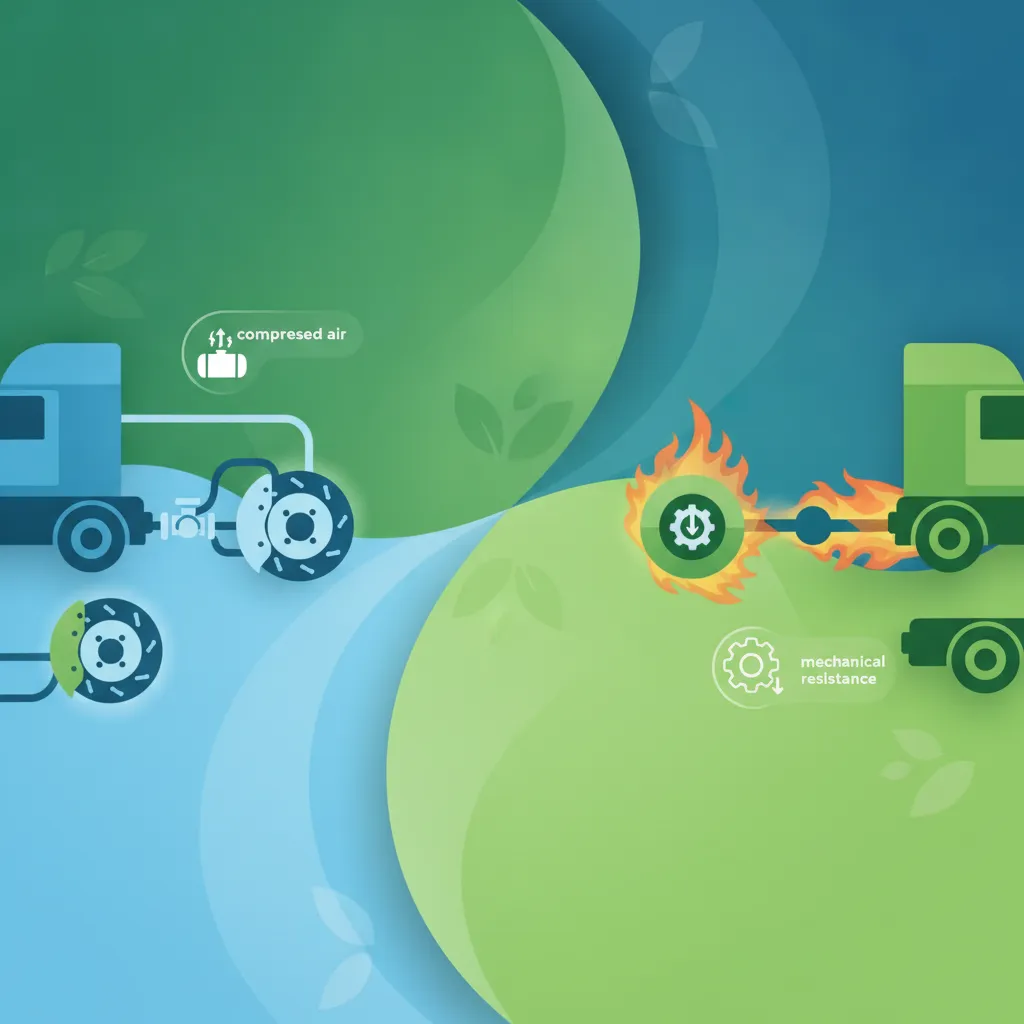
Large passenger vehicles rely on powerful air brake systems. This lesson explains how these systems work, including the importance of monitoring air pressure. It also details the function and proper use of auxiliary braking systems (retarders) to control speed on long descents and reduce wear on the service brakes.
The driver must ensure all boarding passengers are safely on board and stable before moving off. This lesson covers managing the flow of passengers, dealing with fares or tickets efficiently, and encouraging people to move away from the doorway. The primary goal is to prevent falls that can occur if the vehicle moves prematurely.

Motorway driving involves high speeds and requires constant concentration. This lesson covers correct lane discipline, safe procedures for joining and leaving the motorway, and techniques for overtaking other large vehicles. Maintaining appropriate speed and a safe following distance is emphasized throughout.

Being seen and being able to see are critical for safety. This lesson covers the systematic check of all exterior lights, including headlights, brake lights, and indicators. It also emphasizes the importance of ensuring all mirrors and camera lenses are clean, undamaged, and properly adjusted for maximum visibility.

Driving a large vehicle on mountain passes is a demanding skill. This lesson covers selecting the correct gear for both ascents and descents to maintain control and avoid overheating the brakes. It also explains the specific priority rules that apply on mountain roads and the importance of being aware of sudden weather changes.
Explore how different bus and coach systems interact and learn about common operational errors drivers make. Understand the consequences and how to avoid them for safe driving and vehicle maintenance in Switzerland.

Buses and coaches have significant blind spots to the front, sides, and rear. This lesson maps out these 'no-zones' and teaches a continuous and active scanning process using all available mirrors and direct vision. The goal is to minimize the time any other road user spends undetected in a blind spot.
This lesson provides a detailed tour of the driver's area in a typical bus or coach. You will learn the function of every switch, lever, and button, from the main driving controls to secondary systems like heating and door operation. Interpreting the instrument panel and responding correctly to warning lights is a key focus.

Departing from a bus stop is a high-risk manoeuvre. This lesson details the critical sequence of actions: checking all passengers are clear of the doors, performing a comprehensive mirror and blind spot check, signalling, and waiting for a safe gap in traffic. This systematic approach is essential for preventing collisions with overtaking vehicles, cyclists, or pedestrians.

Terminals and depots are busy environments with other large vehicles, maintenance staff, and cleaning crews. This lesson focuses on the specific hazards present in these off-road locations. It emphasizes adherence to site-specific rules, maintaining low speeds, and being highly aware of people working around vehicles.
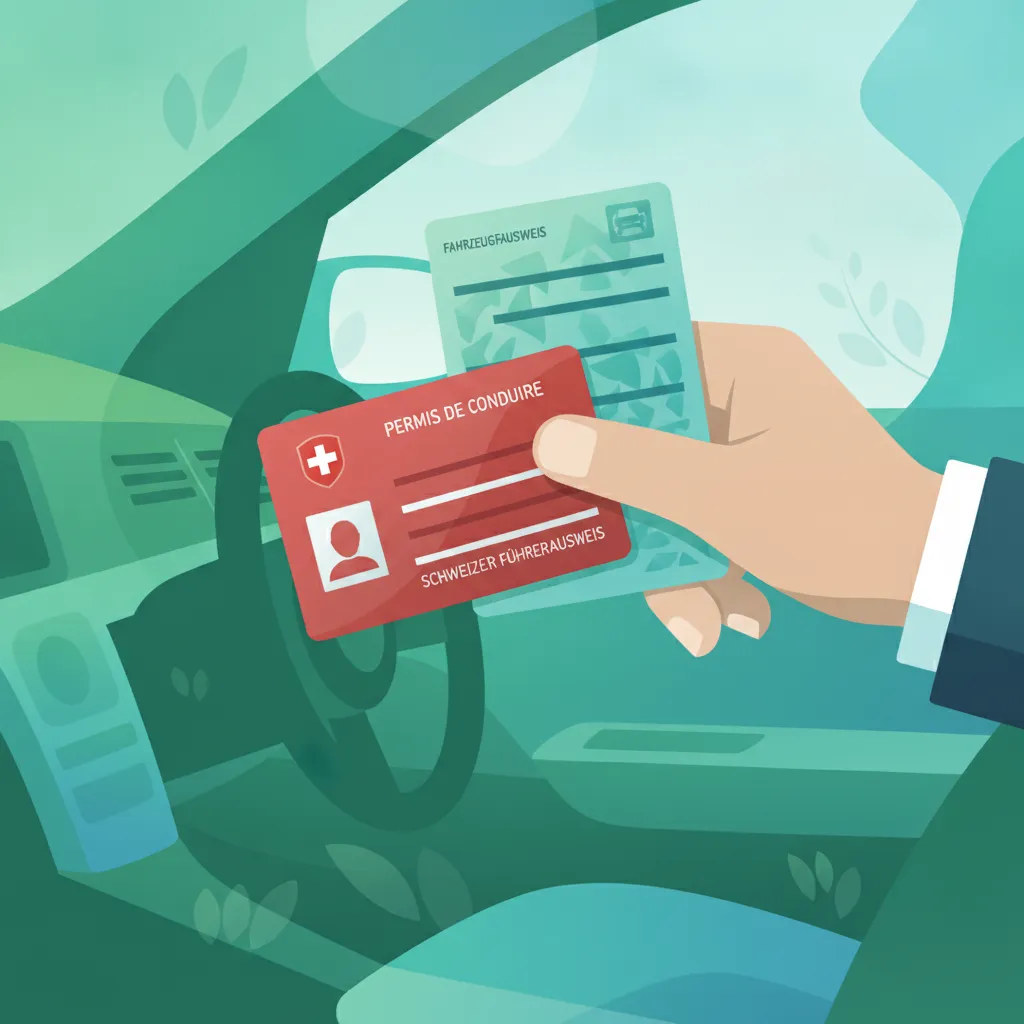
This lesson details the specific documents that must be present in the vehicle and on the driver's person during service. It covers the driving license, OACP card, vehicle registration, and tachograph records. You will learn the importance of ensuring all paperwork is current and correct to ensure legal compliance at all times.
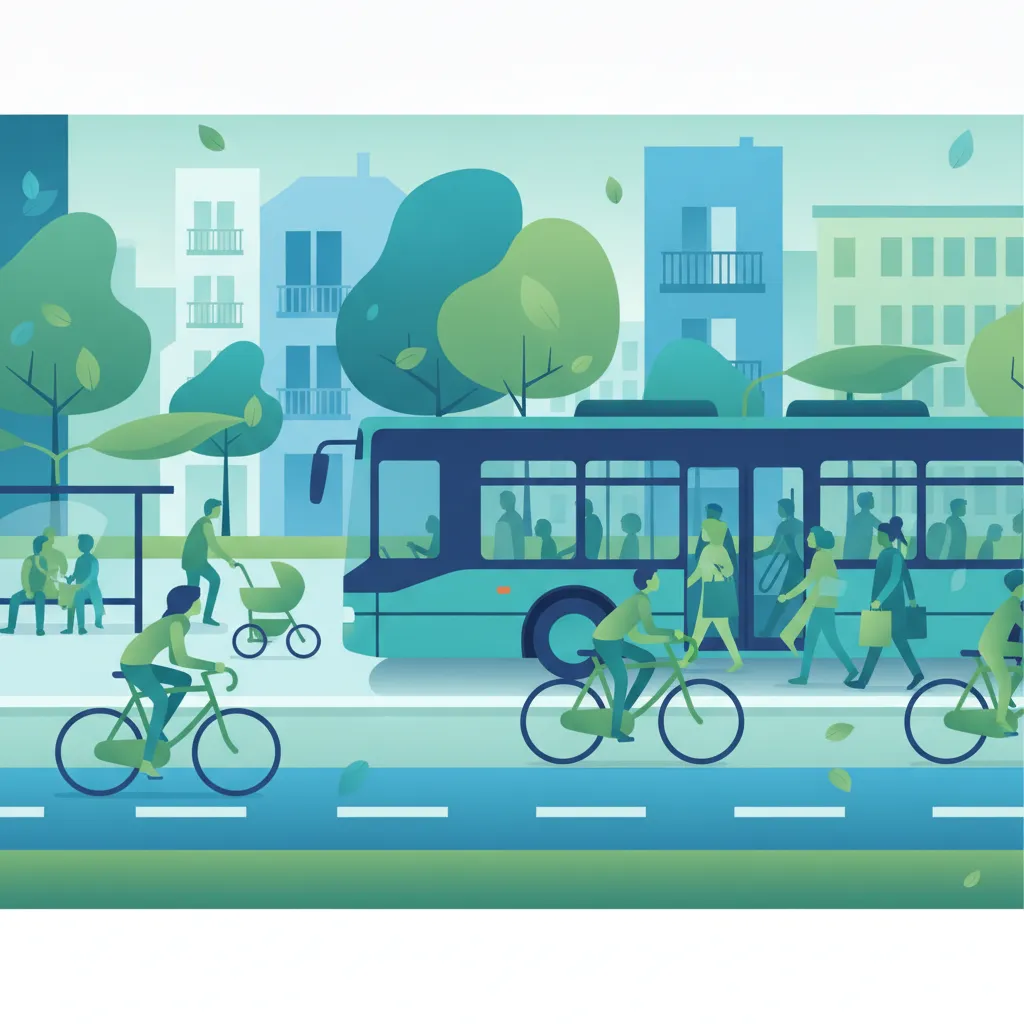
A stopped bus creates a significant visual obstruction for other road users. This lesson focuses on the risk of pedestrians stepping out from in front of the bus and cyclists passing unexpectedly on either side. It reinforces the need for exhaustive mirror and blind spot checks before moving off to prevent tragic 'pull-away' accidents.

Reversing is the most dangerous manoeuvre a large vehicle can perform and should be avoided whenever possible. This lesson details a safe system of work for when reversing is unavoidable. It covers the importance of a 360-degree check before starting, the use of a banksman, and how to interpret standard hand signals.
The driver must ensure all boarding passengers are safely on board and stable before moving off. This lesson covers managing the flow of passengers, dealing with fares or tickets efficiently, and encouraging people to move away from the doorway. The primary goal is to prevent falls that can occur if the vehicle moves prematurely.
The approach to a stop sets the stage for a safe passenger exchange. This lesson covers signalling in good time, decelerating smoothly, and aiming for a final position that is close and parallel to the kerb. Proper positioning minimizes the step for passengers and prevents them from having to step into traffic.

Modern bus doors are equipped with safety features, but the driver remains ultimately responsible. This lesson covers the correct procedures for opening and closing doors, emphasizing the need to check that no person or item is at risk of being trapped. It also explains how brake interlock systems work to prevent the bus from moving while doors are open.
Find clear answers to common questions learners have about Key Components and Systems of a Bus and Coach. Learn how the lesson is structured, which driving theory objectives it supports, and how it fits into the overall learning path of units and curriculum progression in Switzerland. These explanations help you understand key concepts, lesson flow, and exam focused study goals.
The Swiss Category D theory exam tests your knowledge of vehicle safety and maintenance responsibilities. As a professional driver, you are legally required to ensure your vehicle is roadworthy, which requires understanding its core systems.
The braking system, including air pressure and parking brakes, is the most critical. You must be able to identify proper pressure levels and verify that these systems are fully functional before moving passengers.
No, you do not need to be a mechanic. You must, however, understand the function of the engine, cooling, and electrical systems well enough to conduct a proper pre-trip inspection and report issues accurately to maintenance personnel.
Yes, understanding the role of auxiliary brakes like retarders is essential for driving in mountainous Swiss regions and often appears in theory questions regarding vehicle stability and descent control.
Pinpoint specific Swiss traffic rules, road signs, or driving situations you need to master. Use the practice search to start a focused revision session now and build confidence for your official driving theory exam.