
This lesson explores the physical forces acting on large passenger vehicles, such as buses and coaches, in varying conditions. You will learn how center of gravity, passenger load, and vehicle dimensions influence stability, helping you navigate turns and maneuvers safely. This knowledge is a fundamental component of the Swiss Category D theory curriculum for professional drivers.

Lesson content overview
Operating a bus or coach (Category D vehicle) requires a profound understanding of how its physical characteristics – particularly its dimensions and weight – influence its dynamics on the road. Unlike smaller passenger cars, the substantial size and variable load of a bus dramatically impact its handling, stability, and overall safety. This lesson will explore these critical relationships, providing essential knowledge for safe cornering, navigating various road conditions, and preventing incidents such as rollovers. Mastering these principles is fundamental for any professional driver seeking a Swiss Category D Driving License.
The centre of gravity (CoG) is a pivotal concept in vehicle dynamics, representing the average location of the total weight of an object. For a bus or coach, the CoG is the single point where the vehicle's entire mass is considered to act. Its height above the road surface is particularly crucial, as it directly determines the vehicle's roll stability – its resistance to tipping over. A higher CoG means a greater tendency to tip under lateral forces, which can arise from cornering, strong crosswinds, or uneven road surfaces.
The CoG isn't static; it changes based on how a vehicle is loaded and how it moves.
Buses and coaches, by their very design, have a naturally higher CoG compared to cars due to their height and capacity to carry passengers on elevated decks. This inherent characteristic makes them more susceptible to rollover – the tipping of the vehicle onto its side or roof – when subjected to excessive lateral forces.
To mitigate this heightened rollover risk, drivers must consciously manage factors that influence the CoG. Reducing speed when cornering or making turns is paramount. Avoiding sharp or sudden steering inputs is equally important, as these actions generate strong lateral forces. Furthermore, drivers must ensure that luggage is stored as low as possible, ideally in underfloor compartments, and that passengers remain seated while the vehicle is in motion. These practices help to keep the CoG low and centered, enhancing stability.
The wheelbase is defined as the distance between the centre points of the front and rear axles. This dimension is a key factor influencing a vehicle's agility and turning characteristics. Buses and coaches typically have a long wheelbase to accommodate their passenger capacity and provide a smoother ride. While a longer wheelbase often contributes to better directional stability at higher speeds, it also significantly impacts manoeuvrability, particularly in urban environments or confined spaces.
A direct consequence of a longer wheelbase is an increased turning radius – the minimum radius of the path the vehicle's outer front wheel can follow when turning. This means buses require a much wider path to complete a turn compared to shorter vehicles. Drivers must anticipate this requirement well in advance, adjusting their lane positioning and approach to corners. Failing to do so can lead to the rear wheels clipping curbs, encroaching on adjacent lanes, or colliding with obstacles.
For instance, when making a right-hand turn, a long-wheelbase bus might need to initially swing slightly to the left before turning right to ensure the rear of the vehicle clears the corner. This manoeuvre is known as "cutting the corner" (in the opposite direction) or "sweeping wide."
Driving a long-wheelbase vehicle effectively demands strategic planning and awareness. When approaching intersections or roundabouts, drivers must:
The track width refers to the lateral distance between the centres of the tires on the same axle. It is another crucial dimension affecting a vehicle's lateral stability, particularly its resistance to rolling. Generally, a wider track width provides a larger base, increasing the leverage against lateral forces and thus enhancing stability.
For buses and coaches, which are inherently tall, a sufficient track width is vital. It creates a broader "support base" for the vehicle, making it more stable against forces that try to tip it over, such as those experienced during cornering, sudden evasive manoeuvres, or when encountering strong crosswinds.
Vehicles with a comparatively narrower track width are more susceptible to the effects of road camber and strong crosswinds.
When driving a tall vehicle like a bus or coach, always be extra cautious on roads with noticeable camber or in areas known for strong crosswinds. Reducing speed provides a crucial safety margin.
The overall vehicle length is the total dimension of the vehicle from its foremost to its rearmost point, including any overhangs – the sections of the vehicle that extend beyond the front or rear axles. For buses and coaches, this length can be substantial, often exceeding 12 metres (e.g., a double-decker bus). This significant length impacts numerous aspects of driving, from simple lane changes to complex overtaking manoeuvres.
The considerable length of a bus or coach necessitates specific considerations for safe operation:
Gross Vehicle Weight (GVW) is the total weight of the vehicle when fully loaded. This includes the vehicle's curb weight (its own weight), the weight of passengers, luggage, and fuel. Understanding and managing GVW and its distribution is paramount for safe bus and coach operation. Exceeding the permissible GVW or axle load limits can have severe consequences, affecting braking, steering, stability, and even the structural integrity of the vehicle.
Every vehicle has a maximum permissible GVW and specific axle load limits – the maximum weight that each individual axle is legally allowed to carry. These limits are set by manufacturers and regulations to ensure safety and prevent damage to the vehicle and infrastructure.
Load distribution refers to how the total weight is spread across the vehicle, particularly between its axles and within the passenger and luggage compartments. Balanced loading is crucial for maintaining optimal handling and stability.
Never assume that if a bus can still move, it is safe to drive. Exceeding GVW or axle load limits is illegal and dangerously compromises safety.
Dynamic load shift is the phenomenon where the effective weight distribution of a vehicle changes during acceleration, deceleration, and cornering. This transfer of weight between axles or from side to side is a fundamental aspect of vehicle dynamics and has significant implications for handling and stability.
When a bus turns, centrifugal force pushes the vehicle outwards from the centre of the turn. This causes weight to shift laterally to the wheels on the outside of the turn.
Professional drivers must anticipate dynamic load shifts and adjust their speed and steering inputs to minimize their impact, ensuring a smooth, safe, and stable ride for passengers.
Rollover is arguably the most dangerous incident a bus or coach can experience. It typically results in severe injuries or fatalities due to the vehicle's high CoG and the forces involved. Mitigating this risk is a cornerstone of professional passenger vehicle driving.
Several interconnected factors contribute to the probability of a rollover:
Professional drivers hold the primary responsibility for preventing rollovers through conscious and careful driving practices:
Manage Speed Aggressively: Reduce speed significantly before entering corners, especially tight turns, roundabouts, or on slippery surfaces. Always obey posted speed limits, but understand that the safe cornering speed for a bus is often lower than for other vehicles.
Smooth Steering: Make gentle, progressive steering inputs. Avoid sudden changes in direction or sharp swerves.
Proper Load Management: Ensure all luggage is stored securely and as low as possible within the vehicle. Distribute passenger weight as evenly as possible where practical.
Mandate Passenger Seating: Insist that all passengers remain seated while the vehicle is in motion to prevent uncontrolled dynamic CoG shifts and potential injury.
Anticipate Crosswinds: Be highly vigilant in open areas, on bridges, or during stormy weather. Reduce speed and maintain a firm, steady grip on the steering wheel to counteract wind gusts.
Awareness of Road Conditions: Pay attention to road camber, uneven surfaces, and potential hazards like potholes that could destabilize the vehicle.
Maintain Vehicle: Ensure tires are correctly inflated and in good condition, and that the suspension system is functioning properly.
Adhering to specific rules and regulations is not just a matter of legal compliance but a critical safety measure when operating a Category D vehicle in Switzerland. These regulations are designed to account for the unique dynamics of large passenger vehicles.
Safe driving for Category D vehicles is not static; it requires constant adaptation to changing conditions. Vehicle dynamics are highly influenced by the environment, and a professional driver must adjust their actions accordingly.
The dimensions and weight characteristics of buses and coaches fundamentally dictate their behaviour on the road. A professional driver earning a Swiss Category D Driving License must not only be aware of these principles but actively integrate them into every aspect of their driving. Understanding the implications of a high centre of gravity, long wheelbase, and substantial gross vehicle weight is not merely theoretical knowledge; it is the foundation for safe, responsible, and proficient operation of passenger vehicles.
By diligently managing speed, ensuring proper load distribution, adhering to regulations, and adapting to ever-changing conditions, drivers can significantly mitigate risks like rollovers and ensure the safety and comfort of all passengers. Mastering these dynamics allows for confident, smooth, and predictable driving, ultimately leading to safer roads for everyone.
This lesson covers the physics of how vehicle dimensions and weight affect handling and stability in buses and coaches. Key concepts include the centre of gravity and its critical role in rollover risk, the impact of wheelbase on turning radius and lane positioning, track width's contribution to lateral stability, and the importance of proper load distribution and axle load limits. Dynamic load shifts during braking, acceleration, and cornering continuously affect stability, making speed management and smooth inputs essential. Swiss regulations mandate that passengers remain seated and luggage be stored low, and drivers must adapt their techniques for adverse weather, slippery surfaces, and mountain roads to maintain safety.
A short set of high-value points that capture the most important learning from this lesson.
A high centre of gravity makes buses inherently more susceptible to rollover, requiring careful speed management especially in corners and strong crosswinds.
The turning radius of a long-wheelbase vehicle means drivers must swing wide and anticipate lane positioning well in advance.
Gross Vehicle Weight and axle load limits must never be exceeded, as overloading compromises braking, steering, and structural integrity.
Dynamic load shift during braking, acceleration, and cornering continuously alters the vehicle's effective centre of gravity, affecting stability.
Passengers must remain seated while the vehicle moves, and luggage must be stored as low as possible to maintain a low centre of gravity.
Explore all units and lessons included in this driving theory course.
Centre of Gravity (CoG) height above the road surface directly determines rollover resistance — the higher the CoG, the greater the tipping tendency.
Track width provides lateral stability; a narrower track offers less leverage against lateral forces from cornering or crosswinds.
Weight transfer during cornering shifts load to outer wheels, increasing rollover risk proportionally to speed and turn sharpness.
Axle load limits are legally mandated maximum weights per axle that must not be exceeded for safety and legal compliance.
Swiss regulations require passengers seated while the bus moves and luggage stored in designated low compartments.
Assuming bus cornering speed can match that of a car; the higher CoG requires significantly lower speeds on bends and roundabouts.
Forgetting that passengers moving or standing raise the dynamic CoG unpredictably, increasing instability during manoeuvres.
Underestimating rear overhang swing when turning, leading to clipping curbs or striking pedestrians and cyclists.
Driving too fast on exposed roads or bridges where crosswinds can push a tall vehicle sideways with little warning.
Loading heavy luggage in overhead racks instead of underfloor compartments, which raises the CoG and increases rollover risk.
Lesson content overview
A short set of high-value points that capture the most important learning from this lesson.
A high centre of gravity makes buses inherently more susceptible to rollover, requiring careful speed management especially in corners and strong crosswinds.
The turning radius of a long-wheelbase vehicle means drivers must swing wide and anticipate lane positioning well in advance.
Gross Vehicle Weight and axle load limits must never be exceeded, as overloading compromises braking, steering, and structural integrity.
Dynamic load shift during braking, acceleration, and cornering continuously alters the vehicle's effective centre of gravity, affecting stability.
Passengers must remain seated while the vehicle moves, and luggage must be stored as low as possible to maintain a low centre of gravity.
Explore all units and lessons included in this driving theory course.
Centre of Gravity (CoG) height above the road surface directly determines rollover resistance — the higher the CoG, the greater the tipping tendency.
Track width provides lateral stability; a narrower track offers less leverage against lateral forces from cornering or crosswinds.
Weight transfer during cornering shifts load to outer wheels, increasing rollover risk proportionally to speed and turn sharpness.
Axle load limits are legally mandated maximum weights per axle that must not be exceeded for safety and legal compliance.
Swiss regulations require passengers seated while the bus moves and luggage stored in designated low compartments.
Assuming bus cornering speed can match that of a car; the higher CoG requires significantly lower speeds on bends and roundabouts.
Forgetting that passengers moving or standing raise the dynamic CoG unpredictably, increasing instability during manoeuvres.
Underestimating rear overhang swing when turning, leading to clipping curbs or striking pedestrians and cyclists.
Driving too fast on exposed roads or bridges where crosswinds can push a tall vehicle sideways with little warning.
Loading heavy luggage in overhead racks instead of underfloor compartments, which raises the CoG and increases rollover risk.
Explore search topics learners often look for when studying How Vehicle Dimensions and Weight Affect Handling and Stability. These topics reflect common questions about road rules, driving situations, safety guidance, and lesson level theory preparation for learners in Switzerland.
Browse additional driving theory lessons that cover connected traffic rules, road signs, and common driving situations related to this topic. Improve your understanding of how different rules interact across everyday traffic scenarios.
Understand the critical factors like high centre of gravity, speed, and load distribution that contribute to bus rollover risks. Learn essential Swiss Category D driving techniques to maintain stability and prevent accidents on various road conditions.

Heavy vehicles, especially those with a high centre ofgravity, are susceptible to rolling over. This lesson examines the primary causes, including excessive speed on bends or roundabouts, sudden steering manoeuvres, and the 'sloshing' effect of liquid loads in tankers. It reinforces that maintaining a sensible speed and driving smoothly are the best ways to mitigate this serious risk.

When a long vehicle turns, the rear wheels follow a shorter path than the front wheels (swept path), and the rear of the vehicle swings outwards (tail swing). This lesson explains these critical concepts. You will learn how to position the vehicle before a turn to avoid mounting the kerb or striking objects like signs and pedestrians with the rear corner.

This lesson moves beyond simply staying within the lines, teaching how to actively position your vehicle within the lane to manage risk. You will learn to create a 'safety cushion' of space around your bus. This proactive approach improves your reaction time and gives other road users more space, reducing the likelihood of conflicts.

Driving a large vehicle on mountain passes is a demanding skill. This lesson covers selecting the correct gear for both ascents and descents to maintain control and avoid overheating the brakes. It also explains the specific priority rules that apply on mountain roads and the importance of being aware of sudden weather changes.

A key aspect of professionalism is the ability to provide a smooth ride. This lesson explains how harsh inputs to the accelerator, brakes, and steering can affect passenger comfort and safety. You will learn anticipation and vehicle control techniques to minimize G-forces and ensure a stable, pleasant journey for everyone on board.

Reversing is the most dangerous manoeuvre a large vehicle can perform and should be avoided whenever possible. This lesson details a safe system of work for when reversing is unavoidable. It covers the importance of a 360-degree check before starting, the use of a banksman, and how to interpret standard hand signals.

Departing from a bus stop is a high-risk manoeuvre. This lesson details the critical sequence of actions: checking all passengers are clear of the doors, performing a comprehensive mirror and blind spot check, signalling, and waiting for a safe gap in traffic. This systematic approach is essential for preventing collisions with overtaking vehicles, cyclists, or pedestrians.

The condition of tyres and wheels is paramount to safety. This lesson details how to check tyre pressures, tread depth, and sidewalls for any damage or defects. You will also learn to inspect wheel nuts for security and look for signs of issues with the suspension system.

Rural driving requires a different mindset from urban driving. This lesson covers how to position your vehicle on narrow roads, how to use passing places effectively, and how to anticipate hazards like slow-moving farm machinery, animals, and concealed junctions. Managing vehicle width and height is a key focus.

Driving a bus in older parts of a city requires exceptional spatial awareness and precise control. This lesson focuses on assessing clearances, managing front and rear overhang, and negotiating tight turns around parked cars and buildings. A key theme is slow, careful, and deliberate manoeuvring to avoid contact.
Explore the impact of a bus's dimensions, wheelbase, track width, and gross vehicle weight on its handling characteristics. Essential Swiss Category D theory for understanding safe cornering, braking, and managing load distribution for optimal stability.
Driving a bus in older parts of a city requires exceptional spatial awareness and precise control. This lesson focuses on assessing clearances, managing front and rear overhang, and negotiating tight turns around parked cars and buildings. A key theme is slow, careful, and deliberate manoeuvring to avoid contact.

Adding a trailer (D1E) or driving an articulated bus (DE) changes the vehicle's dynamics significantly. This lesson covers the key differences in handling, braking, and reversing. It explains the concept of the pivot point and how to manage the increased length and swept path when turning and manoeuvring.
When a long vehicle turns, the rear wheels follow a shorter path than the front wheels (swept path), and the rear of the vehicle swings outwards (tail swing). This lesson explains these critical concepts. You will learn how to position the vehicle before a turn to avoid mounting the kerb or striking objects like signs and pedestrians with the rear corner.

Buses and coaches require significantly more distance to stop than cars. This lesson explains why the 'two-second rule' is insufficient and teaches the appropriate methods for calculating a safe gap in various conditions. Maintaining an adequate safety cushion is one of the most important defensive driving skills.
A key aspect of professionalism is the ability to provide a smooth ride. This lesson explains how harsh inputs to the accelerator, brakes, and steering can affect passenger comfort and safety. You will learn anticipation and vehicle control techniques to minimize G-forces and ensure a stable, pleasant journey for everyone on board.
Heavy vehicles, especially those with a high centre ofgravity, are susceptible to rolling over. This lesson examines the primary causes, including excessive speed on bends or roundabouts, sudden steering manoeuvres, and the 'sloshing' effect of liquid loads in tankers. It reinforces that maintaining a sensible speed and driving smoothly are the best ways to mitigate this serious risk.
This lesson moves beyond simply staying within the lines, teaching how to actively position your vehicle within the lane to manage risk. You will learn to create a 'safety cushion' of space around your bus. This proactive approach improves your reaction time and gives other road users more space, reducing the likelihood of conflicts.

This lesson breaks down total stopping distance into its two components: thinking (reaction) distance and braking distance. You will learn how factors like speed, vehicle weight, driver fatigue, and road surface conditions dramatically affect how long it takes to come to a complete stop. This understanding is critical for proactive hazard management.
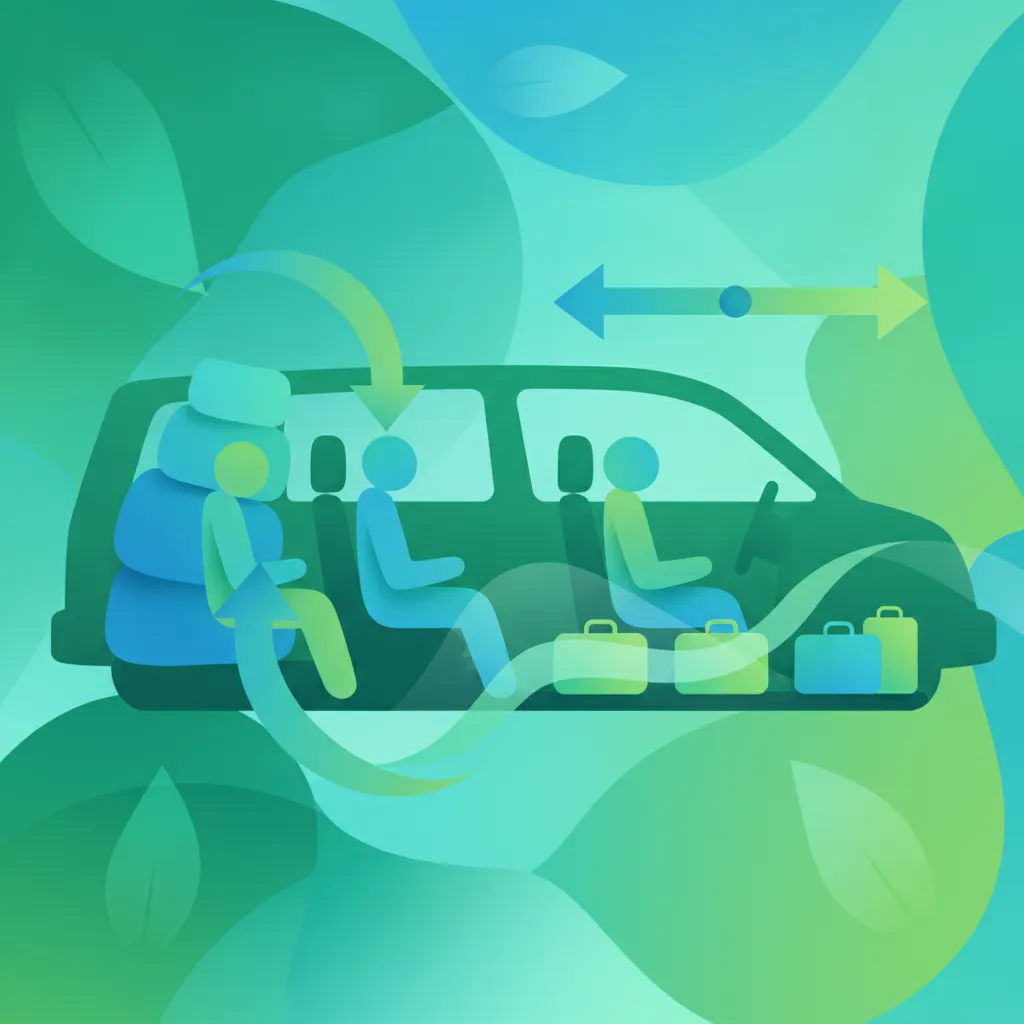
Correct load distribution is essential for safe handling and braking. This lesson explains that loads should be placed as low as possible and distributed evenly to maintain a low centre of gravity and comply with axle weight limits. A high or poorly positioned centre of gravity dramatically increases the risk of rollover, especially when cornering or in an emergency manoeuvre.
The condition of tyres and wheels is paramount to safety. This lesson details how to check tyre pressures, tread depth, and sidewalls for any damage or defects. You will also learn to inspect wheel nuts for security and look for signs of issues with the suspension system.
Find clear answers to common questions learners have about How Vehicle Dimensions and Weight Affect Handling and Stability. Learn how the lesson is structured, which driving theory objectives it supports, and how it fits into the overall learning path of units and curriculum progression in Switzerland. These explanations help you understand key concepts, lesson flow, and exam focused study goals.
Buses are designed with taller body structures to accommodate passenger headroom and luggage storage. This architectural height moves the center of gravity higher, increasing the risk of body roll and instability during high-speed cornering or sudden evasive maneuvers.
Heavy luggage should always be stored in the lowest compartments possible to keep the center of gravity low. Placing heavy items in overhead racks or loading the roof shifts the center of gravity upward, making the vehicle much more prone to tipping on curves.
Because buses have a large side surface area, they act like a sail in strong crosswinds. You should reduce your speed, maintain a firm grip on the steering wheel, and be prepared for sudden lateral movements, especially when exiting tunnels or crossing bridges.
A fully loaded bus has significantly more mass than an empty one, resulting in a longer total stopping distance. You must account for this extra weight by increasing your following distance and beginning your braking sequence earlier and more progressively.
Pinpoint specific Swiss traffic rules, road signs, or driving situations you need to master. Use the practice search to start a focused revision session now and build confidence for your official driving theory exam.