
Reversing a large passenger vehicle is one of the most high-risk manoeuvres you will face as a professional driver. This lesson guides you through a formal system of work designed to minimize danger when reversing is unavoidable, building on your knowledge of vehicle handling and stability from previous units.

Lesson content overview
Reversing is inherently one of the most hazardous manoeuvres a large vehicle, such as a bus or coach, can perform. Due to their significant size, numerous blind spots, and considerable rear overhang, buses present unique challenges when moving backward. This lesson details a comprehensive system of work designed to minimise risks and ensure safety when reversing is unavoidable for professional drivers operating a Swiss Category D passenger vehicle.
Understanding and applying these safe procedures is paramount not only for protecting your vehicle and infrastructure but, critically, for safeguarding pedestrians, cyclists, and passengers.
Large passenger vehicles, by their very nature, possess characteristics that amplify the risks associated with reversing. Unlike smaller cars, buses have extensive blind spots, especially directly behind the vehicle and along its sides. The driver's forward-facing position means their primary line of sight is opposite to the direction of travel during a reverse manoeuvre. This limited visibility, combined with the vehicle’s substantial length and width, makes detecting hazards incredibly challenging.
Furthermore, the phenomenon of "tail swing" or rear overhang means that the rear portion of the bus can sweep a much wider arc than anticipated during turns, often extending into areas not visible in mirrors. This risk is compounded in confined environments like depots, bus terminals, or narrow urban streets where clearance is minimal. Professional drivers must adopt a highly structured and cautious approach to counteract these inherent dangers.
Successful and safe reversing in a large passenger vehicle hinges on adhering to several core principles. These principles act as fundamental pillars, ensuring that all potential risks are systematically addressed before and during the manoeuvre.
A 360-degree check is a thorough, systematic visual inspection of the entire area surrounding your vehicle before you even begin to move. This means physically walking around the bus, inspecting the front, sides, and especially the rear, to identify any hidden pedestrians, cyclists, vehicles, or fixed obstacles. It is a critical step because mirrors and camera systems, while helpful, cannot provide a complete, real-time view of every potential hazard, particularly those that may appear suddenly.
The check should cover the entire swept path of the vehicle, including areas where the tail swing might occur. Only when you have visually confirmed that the path is clear should you return to the driver's seat. This proactive measure significantly mitigates the risk of collisions.
In situations where visibility is limited, or the manoeuvre is complex, such as in busy depots, tight turning spaces, or adverse weather conditions, the use of a banksman (also known as a traffic marshal) becomes indispensable. A banksman is an external person positioned to safely guide the driver using standardised hand signals.
The banksman acts as the driver's eyes in areas the driver cannot see. Their role is to provide clear, unambiguous instructions, ensuring the vehicle follows a safe path and stops immediately if a hazard is detected. For Category D drivers, relying on a trained banksman greatly enhances safety, transforming a high-risk manoeuvre into a controlled operation.
Effective communication between the driver and the banksman is vital. This is achieved through a set of universally recognised standard hand signals, which eliminate misinterpretation and ensure the driver understands exactly what action is required. Drivers must be thoroughly familiar with these signals and respond immediately to them.
Common signals include "stop," "reverse straight back," "turn left while reversing," "turn right while reversing," and "slow down." The banksman should be positioned where they are clearly visible to the driver at all times, ideally from the driver's side mirror, maintaining eye contact whenever possible.
Tail swing, or rear overhang, refers to the portion of the vehicle that extends behind the rear axle. When a long vehicle like a bus turns, this rear section swings out in the opposite direction to the front, creating a larger clearance zone requirement than the vehicle's actual width. This is particularly critical during reverse turns.
Ignoring the tail swing is a common cause of collisions with fixed objects, other vehicles, or even pedestrians. Drivers must constantly anticipate this arc and adjust their steering and path accordingly, ensuring sufficient clearance from obstacles at the rear corners of the vehicle. Understanding the swept path—the total area the vehicle occupies during a manoeuvre, including all overhangs—is crucial for safely navigating confined spaces.
Modern buses are equipped with a range of mirrors (exterior side mirrors, interior rear-view mirrors) and often advanced camera systems (rear-view cameras, 360-degree cameras). These technologies are invaluable aids that supplement direct visual checks, providing continuous feedback on the vehicle's immediate surroundings.
However, it is crucial to remember that mirrors and cameras have their own limitations, including blind spots, glare, and potential lag. They should never be relied upon as the sole means of observation. Before any manoeuvre, ensure all mirrors are correctly adjusted for optimal visibility, and camera displays are clear and functional. Integrate their use with physical checks and banksman guidance for maximum safety.
A structured, step-by-step approach is the most effective way to manage the risks associated with reversing. This systematic procedure ensures consistency and reduces the likelihood of error.
Preparation and Passenger Notification: Before initiating any reverse, ensure the vehicle is in a safe condition. Adjust all mirrors correctly. Inform passengers of your intention to reverse, advising them to remain seated and brace themselves. This prevents injury from unexpected movement.
Perform a 360-Degree Check: Exit the vehicle or use camera systems and mirrors to conduct a thorough visual inspection of the entire area around the bus. Confirm the path is completely clear of all obstacles, pedestrians, and other vehicles. Pay special attention to areas obscured by blind spots and the tail swing zone.
Banksman Coordination (If Required): If visibility is limited, or the manoeuvre is complex, engage a banksman. Ensure they are in a safe, clearly visible position and establish clear communication using standard hand signals.
Signal Your Intent: Activate your hazard warning lights or appropriate turn signals to alert other road users and pedestrians to your intended movement.
Begin Slow Reverse: Select reverse gear. Release the brake gently and allow the vehicle to move backward at a very slow pace – no faster than walking speed. This low speed is crucial for reaction time and precise control.
Continuous Monitoring: Maintain constant vigilance. Continuously check all mirrors, the rear-view camera display, and maintain eye contact with your banksman. Scan for new hazards that may enter your path.
Steering Corrections and Immediate Stopping: Make small, smooth steering adjustments. If any unexpected obstacle or person enters your path, or if the banksman signals "stop," bring the vehicle to an immediate and controlled halt. Re-evaluate the situation before proceeding.
Compliance with Swiss traffic regulations is not just a legal obligation but a cornerstone of safe driving practice for Category D licence holders. Several articles specifically address reversing and manoeuvring, underscoring the driver's responsibility.
Ignoring established safety procedures when reversing can lead to serious consequences, ranging from minor vehicle damage to severe injuries or fatalities, alongside legal penalties.
| Violation | Why It's Wrong | Correct Behaviour | Potential Consequence |
|---|---|---|---|
| Reversing without a 360-degree check. | Blind spots can hide pedestrians, children, or unexpected obstacles. | Always perform a physical walk-around or thorough camera/mirror check. | Collision with persons or property, legal charges. |
| Disregarding a banksman's "stop" signal. | Overrides crucial external safety guidance, leading to uncontrolled movement. | Stop immediately upon receiving any "stop" signal. | Serious accident, loss of control, liability. |
| Exceeding walking speed (approx. 5 km/h) with a banksman. | Reduces reaction time for both driver and banksman; increases collision force. | Maintain a slow, controlled walking pace. | Violation of Art. 27, increased damage/injury severity. |
| Neglecting tail swing in a reverse turn. | The rear of the vehicle sweeps wider, causing impacts with adjacent objects. | Plan the manoeuvre carefully, allowing ample space for the tail swing arc. | Vehicle damage, property damage, potential injuries. |
| Relying solely on a rear-view camera. | Cameras have blind spots, can have lag, and may distort perception. | Integrate camera view with mirror checks and physical observation. | Collision with unseen objects in camera blind spots. |
| Reversing with passengers standing or near doors. | Sudden stops or movements can cause passengers to fall and injure themselves. | Ensure passengers are seated or stable; announce your intention to reverse. | Passenger injuries, legal liability for the driver. |
| Failing to signal intent before reversing onto a public road. | Other road users are unaware of your movement, leading to confusion or accidents. | Activate hazard lights or appropriate turn indicators well in advance. | Accidents with other vehicles or pedestrians. |
The environment and conditions in which you operate significantly impact the safest way to reverse. Professional drivers must be adept at adjusting their procedures accordingly.
Understanding the "why" behind these stringent reversing procedures reinforces their importance and encourages consistent application.
Safe procedures for reversing and manoeuvring in confined spaces are critical skills for every professional Swiss Category D driver. The inherent dangers of reversing large passenger vehicles necessitate a proactive, systematic, and highly cautious approach. By consistently performing 360-degree checks, effectively utilising banksmen and standard hand signals, accounting for tail swing, and integrating modern mirror and camera systems, you can dramatically reduce the risk of incidents.
Always remember your legal obligations under Swiss traffic regulations and adapt your procedures to varying environmental conditions. Diligence, communication, and strict adherence to the systematic reversal procedure are the hallmarks of a safe and responsible professional driver.
Safe reversing of Category D vehicles requires treating it as a last resort and following a strict systematic procedure. The 360-degree check—physically walking around the vehicle to confirm the path is clear—is mandatory and cannot be replaced by mirrors or cameras alone. When visibility is limited or the manoeuvre is complex, a trained banksman using standardised hand signals becomes essential, and drivers must obey their stop signals immediately. Understanding tail swing (rear overhang) is critical: the bus's rear swings outward during turns, requiring more clearance space than the vehicle's width suggests. Swiss regulations (Art. 23, 25, 27 VRV) codify these requirements, mandating that the reversing path must be clear, banksman signals must be obeyed, and speed must not exceed walking pace (~5 km/h) when guidance is provided. Adapting procedures to weather, light conditions, vehicle load, and environment is equally important for professional Category D drivers.
A short set of high-value points that capture the most important learning from this lesson.
Reversing should always be your last resort, not a routine choice, due to the extensive blind spots and tail swing of large passenger vehicles.
A mandatory 360-degree check (physically walking around the vehicle) must be performed before any reverse manoeuvre to identify hidden pedestrians, cyclists, or obstacles.
A trained banksman becomes indispensable when visibility is limited or the manoeuvre is complex, providing external guidance the driver cannot achieve alone.
Understanding tail swing (rear overhang) is critical—the rear of the bus sweeps a wider arc than the front during turns, extending into areas not visible in mirrors.
Swiss law (Art. 27 VRV) mandates reversing no faster than walking speed (approximately 5 km/h) when a banksman is present, maximising reaction time.
Explore all units and lessons included in this driving theory course.
Art. 23 VRV requires confirming the area behind the vehicle is completely clear before reversing; Art. 25 VRV obligates drivers to obey a banksman's hand signals without question.
Tail swing means the rear of the bus swings outward during turns, requiring extra clearance space beyond the vehicle's actual width.
Mirrors and cameras are valuable aids but have limitations (blind spots, glare, lag)—they supplement but never replace direct observation and the 360-degree check.
Common banksman hand signals include: arm raised vertically for 'stop', both arms extended and moved back for 'reverse straight', and directional arm pointing for turns.
In confined spaces like depots and bus terminals, a banksman is almost always essential due to tight clearances and the constant movement of personnel and other vehicles.
Skipping the 360-degree check and relying solely on mirrors or cameras, assuming they provide complete visibility—blind spots can hide children, pedestrians, or small obstacles.
Disregarding a banksman's 'stop' signal, believing the driver has better situational awareness, which overrides critical external safety guidance.
Exceeding the 5 km/h walking speed limit when a banksman is present, reducing reaction time and increasing collision force (kinetic energy increases exponentially with speed).
Neglecting tail swing during reverse turns, causing the rear corners to strike fixed objects, walls, or parked vehicles that seemed safely distant.
Reversing with passengers standing near doors or unprepared, risking injury from unexpected stops or movements—passengers must be informed and seated.
Lesson content overview
A short set of high-value points that capture the most important learning from this lesson.
Reversing should always be your last resort, not a routine choice, due to the extensive blind spots and tail swing of large passenger vehicles.
A mandatory 360-degree check (physically walking around the vehicle) must be performed before any reverse manoeuvre to identify hidden pedestrians, cyclists, or obstacles.
A trained banksman becomes indispensable when visibility is limited or the manoeuvre is complex, providing external guidance the driver cannot achieve alone.
Understanding tail swing (rear overhang) is critical—the rear of the bus sweeps a wider arc than the front during turns, extending into areas not visible in mirrors.
Swiss law (Art. 27 VRV) mandates reversing no faster than walking speed (approximately 5 km/h) when a banksman is present, maximising reaction time.
Explore all units and lessons included in this driving theory course.
Art. 23 VRV requires confirming the area behind the vehicle is completely clear before reversing; Art. 25 VRV obligates drivers to obey a banksman's hand signals without question.
Tail swing means the rear of the bus swings outward during turns, requiring extra clearance space beyond the vehicle's actual width.
Mirrors and cameras are valuable aids but have limitations (blind spots, glare, lag)—they supplement but never replace direct observation and the 360-degree check.
Common banksman hand signals include: arm raised vertically for 'stop', both arms extended and moved back for 'reverse straight', and directional arm pointing for turns.
In confined spaces like depots and bus terminals, a banksman is almost always essential due to tight clearances and the constant movement of personnel and other vehicles.
Skipping the 360-degree check and relying solely on mirrors or cameras, assuming they provide complete visibility—blind spots can hide children, pedestrians, or small obstacles.
Disregarding a banksman's 'stop' signal, believing the driver has better situational awareness, which overrides critical external safety guidance.
Exceeding the 5 km/h walking speed limit when a banksman is present, reducing reaction time and increasing collision force (kinetic energy increases exponentially with speed).
Neglecting tail swing during reverse turns, causing the rear corners to strike fixed objects, walls, or parked vehicles that seemed safely distant.
Reversing with passengers standing near doors or unprepared, risking injury from unexpected stops or movements—passengers must be informed and seated.
Explore search topics learners often look for when studying Safe Procedures for Reversing and Manoeuvring in Confined Spaces. These topics reflect common questions about road rules, driving situations, safety guidance, and lesson level theory preparation for learners in Switzerland.
Browse additional driving theory lessons that cover connected traffic rules, road signs, and common driving situations related to this topic. Improve your understanding of how different rules interact across everyday traffic scenarios.
Understand the significant risks associated with reversing buses and coaches in confined spaces. Learn essential safety principles, including the 360-degree check and the critical role of a banksman, as required by Swiss driving theory.

Buses and coaches have significant blind spots to the front, sides, and rear. This lesson maps out these 'no-zones' and teaches a continuous and active scanning process using all available mirrors and direct vision. The goal is to minimize the time any other road user spends undetected in a blind spot.
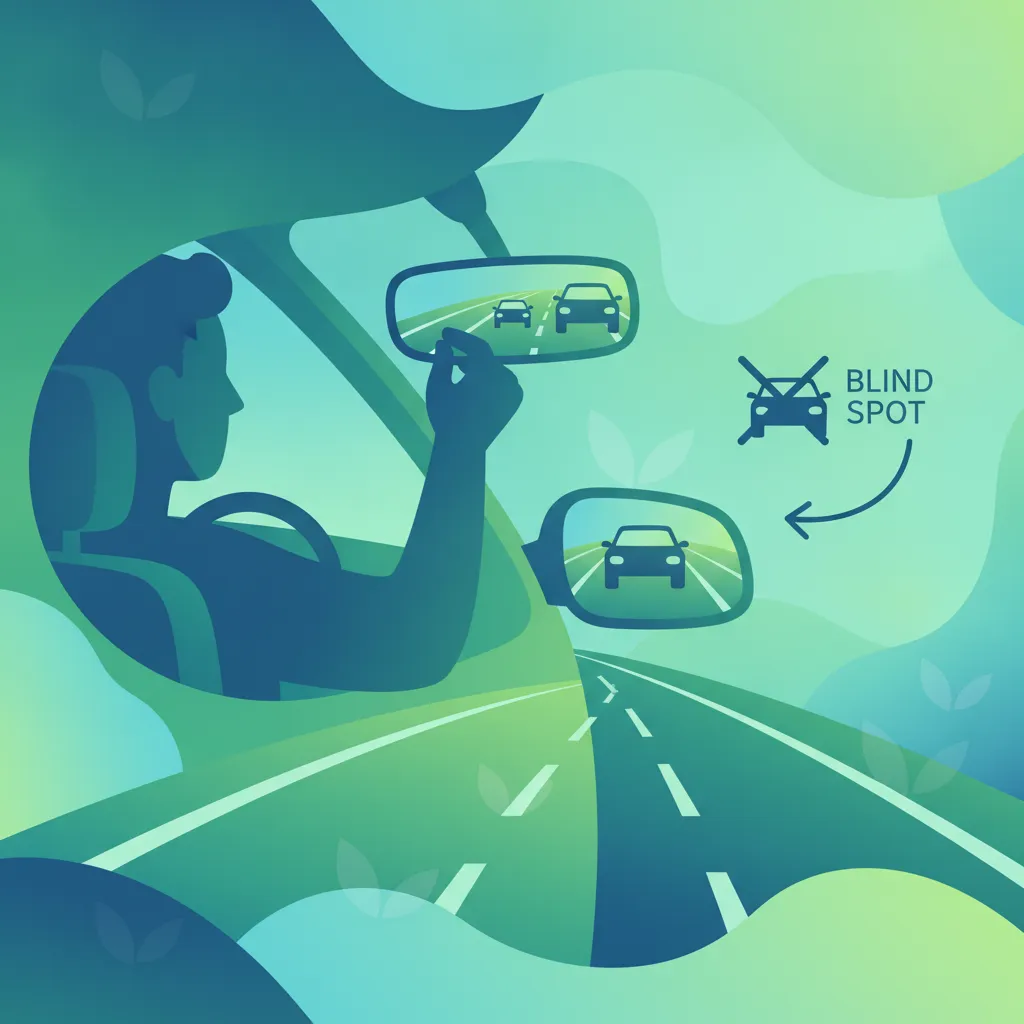
Despite the complex mirror systems, large areas around a truck remain hidden from the driver's view. This lesson maps out these significant blind spots: directly in front, behind, and along both sides of the vehicle. It teaches drivers to be constantly aware of these 'no-zones' and to anticipate that smaller vehicles, cyclists, or pedestrians may be hidden within them, especially before changing lanes or turning.

Reversing a heavy vehicle is inherently dangerous due to severely restricted visibility. This lesson outlines a safe-reversing protocol, which includes a thorough check of the area behind the vehicle before starting and using a competent banksman (signaller) whenever possible. It covers the standardized hand signals used for communication and emphasizes moving at a slow, walking pace.

When a long vehicle turns, the rear wheels follow a shorter path than the front wheels (swept path), and the rear of the vehicle swings outwards (tail swing). This lesson explains these critical concepts. You will learn how to position the vehicle before a turn to avoid mounting the kerb or striking objects like signs and pedestrians with the rear corner.
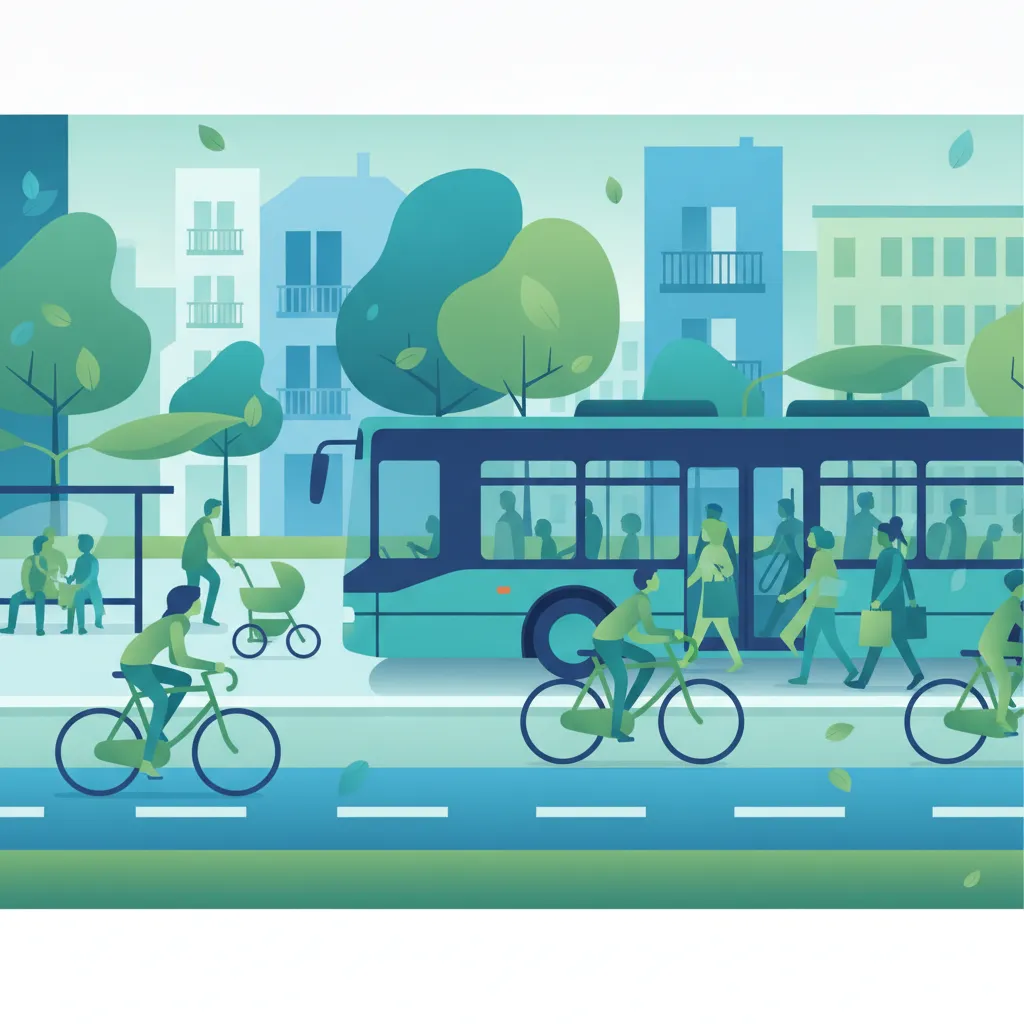
A stopped bus creates a significant visual obstruction for other road users. This lesson focuses on the risk of pedestrians stepping out from in front of the bus and cyclists passing unexpectedly on either side. It reinforces the need for exhaustive mirror and blind spot checks before moving off to prevent tragic 'pull-away' accidents.

This lesson focuses on safe interaction with large vehicles. It highlights the significant blind spots (or 'no-zones') around trucks and buses and teaches riders how to position themselves to remain visible. The content also provides guidance on overtaking large vehicles safely and anticipating their wide turning radius at intersections.
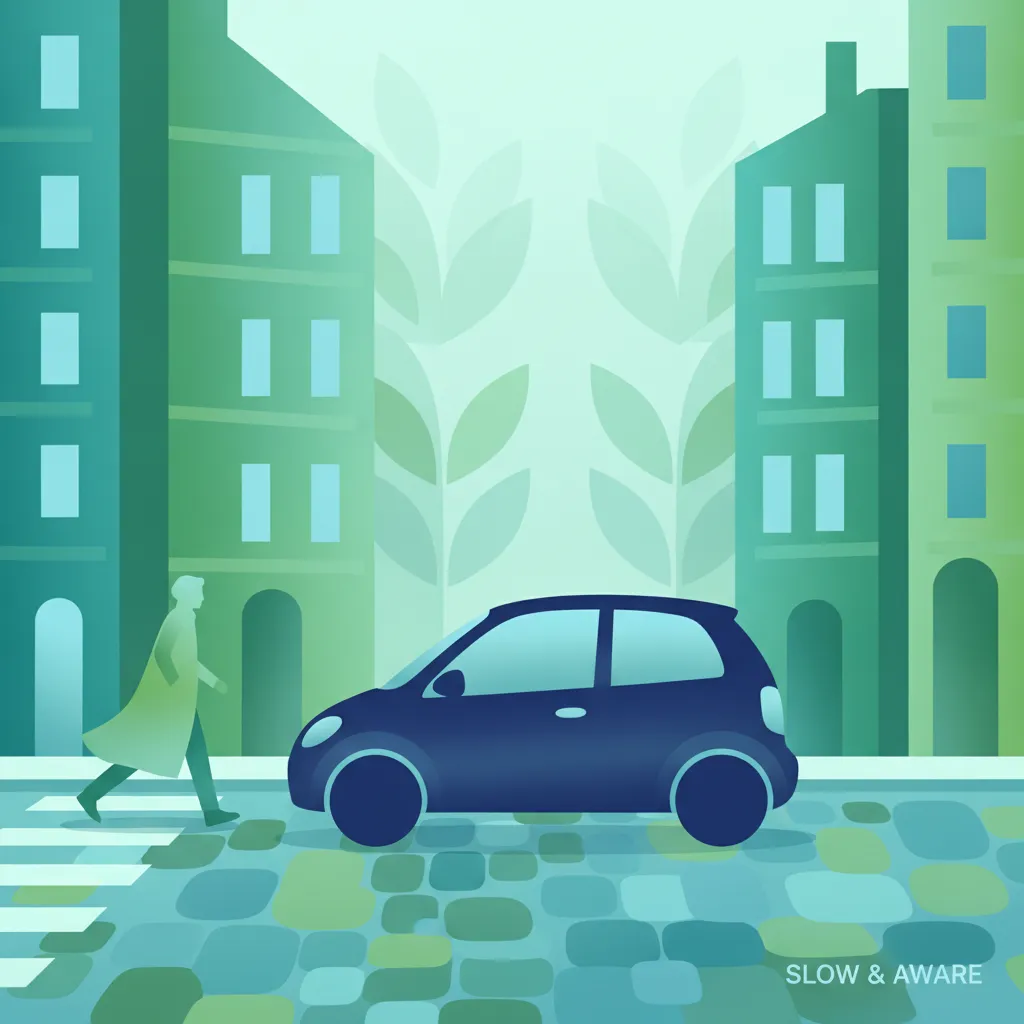
Driving a bus in older parts of a city requires exceptional spatial awareness and precise control. This lesson focuses on assessing clearances, managing front and rear overhang, and negotiating tight turns around parked cars and buildings. A key theme is slow, careful, and deliberate manoeuvring to avoid contact.
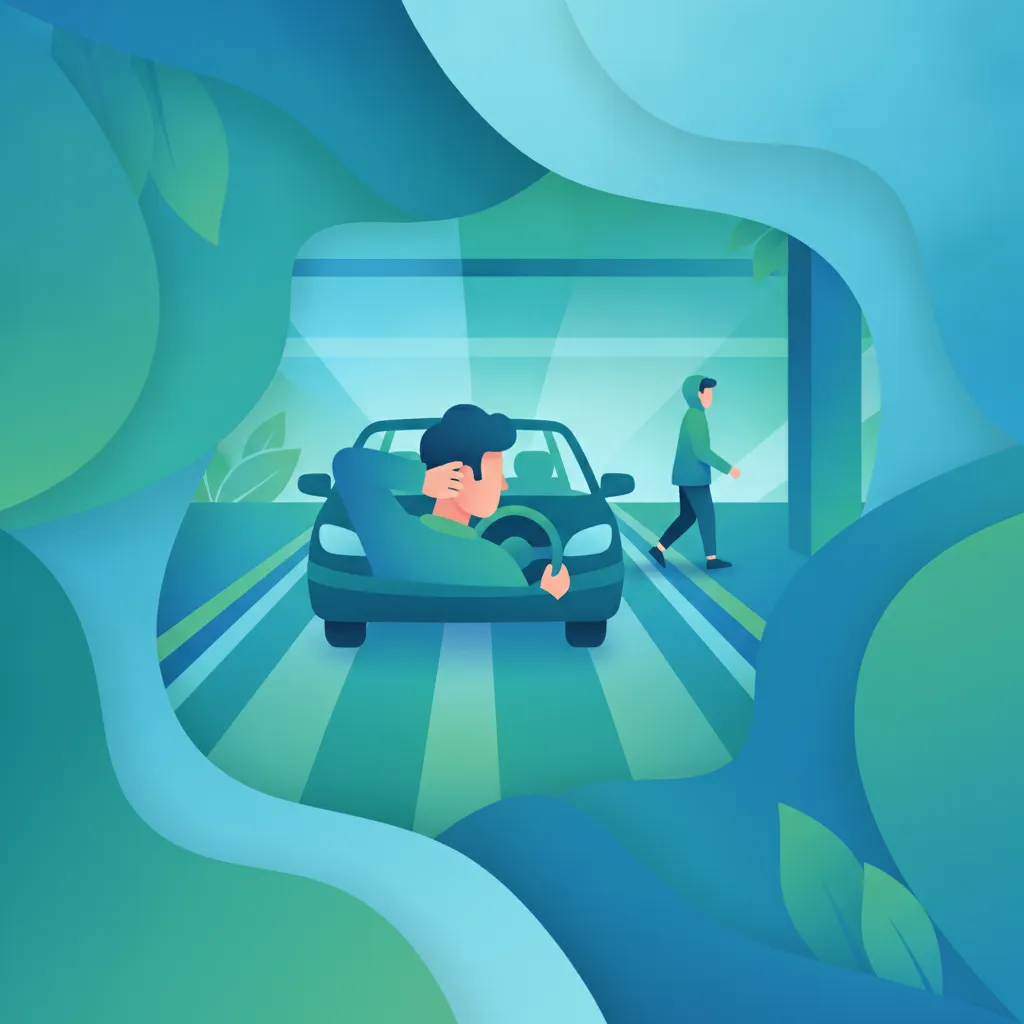
This lesson focuses on safe reversing techniques, emphasizing the use of mirrors, rearview cameras, and checking rear visibility. You will learn to control reversing speed and safely reverse around corners or in narrow spaces. The content also outlines the necessary safety checks to perform before and during any reversing maneuver to prevent accidents.
Departing from a bus stop is a high-risk manoeuvre. This lesson details the critical sequence of actions: checking all passengers are clear of the doors, performing a comprehensive mirror and blind spot check, signalling, and waiting for a safe gap in traffic. This systematic approach is essential for preventing collisions with overtaking vehicles, cyclists, or pedestrians.

When a long vehicle makes a sharp turn, the rear overhang swings out in a wide arc. This lesson illustrates the danger of rear swing, particularly when pulling away from a kerb or turning in confined spaces. Drivers must be aware of this effect and use their mirrors to check for pedestrians, cyclists, or obstacles in the path of the swinging rear of the vehicle or trailer.
Master the systematic procedures and Swiss legal requirements for safe reversing and manoeuvring in confined spaces. This lesson covers essential steps like pre-reversal checks, communication, and adherence to articles relevant to professional drivers.
This lesson focuses on safe reversing techniques, emphasizing the use of mirrors, rearview cameras, and checking rear visibility. You will learn to control reversing speed and safely reverse around corners or in narrow spaces. The content also outlines the necessary safety checks to perform before and during any reversing maneuver to prevent accidents.
Reversing a heavy vehicle is inherently dangerous due to severely restricted visibility. This lesson outlines a safe-reversing protocol, which includes a thorough check of the area behind the vehicle before starting and using a competent banksman (signaller) whenever possible. It covers the standardized hand signals used for communication and emphasizes moving at a slow, walking pace.
Driving a bus in older parts of a city requires exceptional spatial awareness and precise control. This lesson focuses on assessing clearances, managing front and rear overhang, and negotiating tight turns around parked cars and buildings. A key theme is slow, careful, and deliberate manoeuvring to avoid contact.
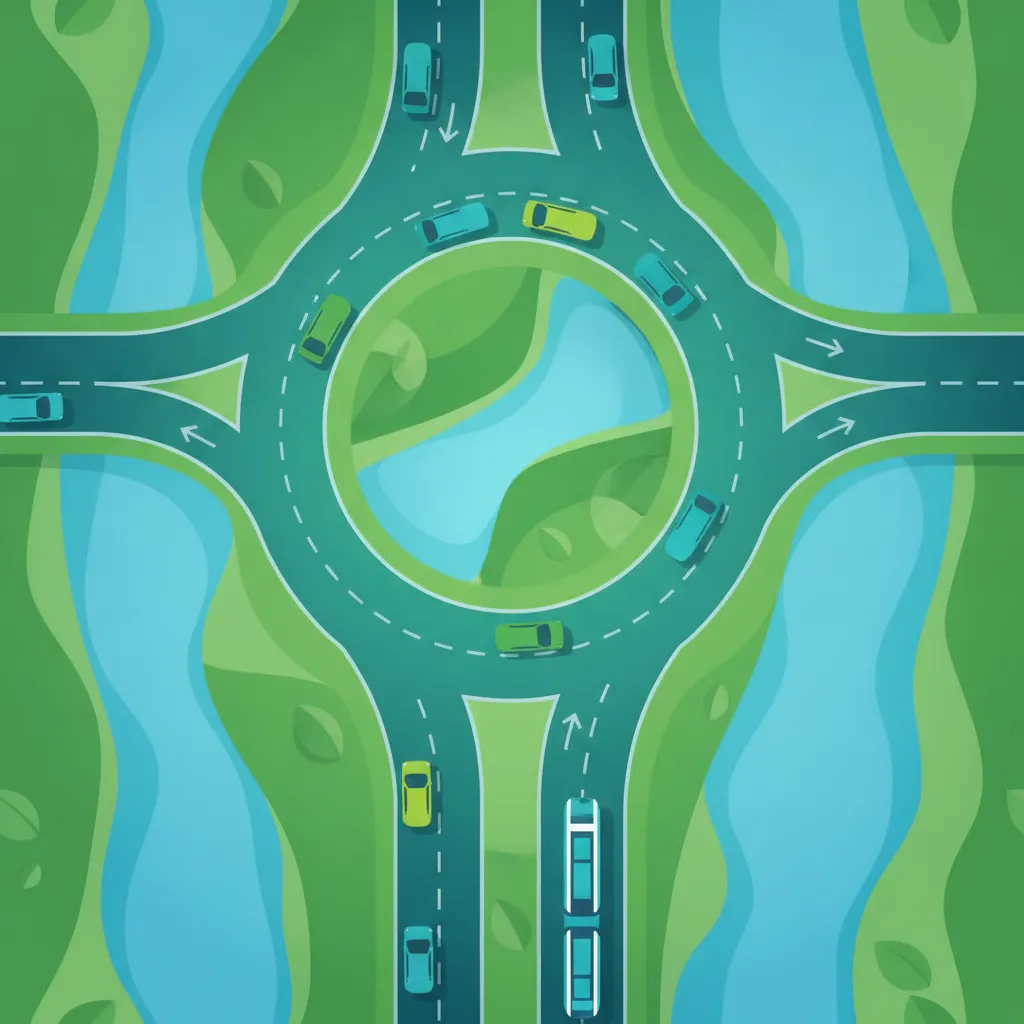
The size of a bus requires careful planning when negotiating complex intersections. This lesson teaches the importance of early lane selection, clear signalling, and comprehensive observation. It provides specific techniques for managing the vehicle's swept path through multi-lane roundabouts and other challenging urban junctions.
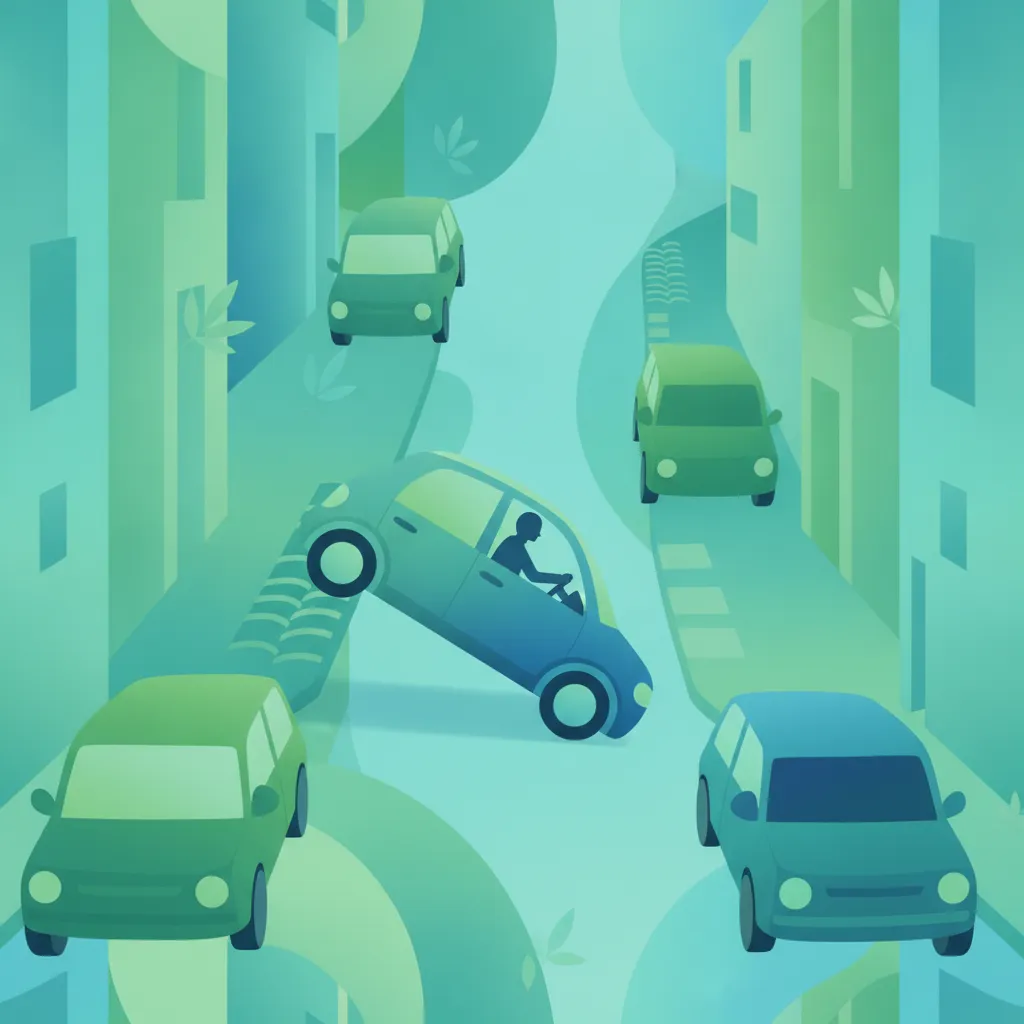
This lesson covers complex manoeuvres such as three-point turns, U-turns, and parking in tight spaces. You will learn the step-by-step process for performing a three-point turn and the legal requirements for a U-turn. The content also provides guidance for parking in confined areas, ensuring proper lane usage and positioning during these manoeuvres.

Turning a long vehicle requires careful planning and execution. This lesson covers the correct procedure: approach, observation, signalling, and positioning the vehicle correctly to allow for the trailer's off-tracking without mounting the kerb. It also highlights the need for constant mirror checks throughout the turn to monitor for cyclists or other vulnerable road users who may enter the danger zone.
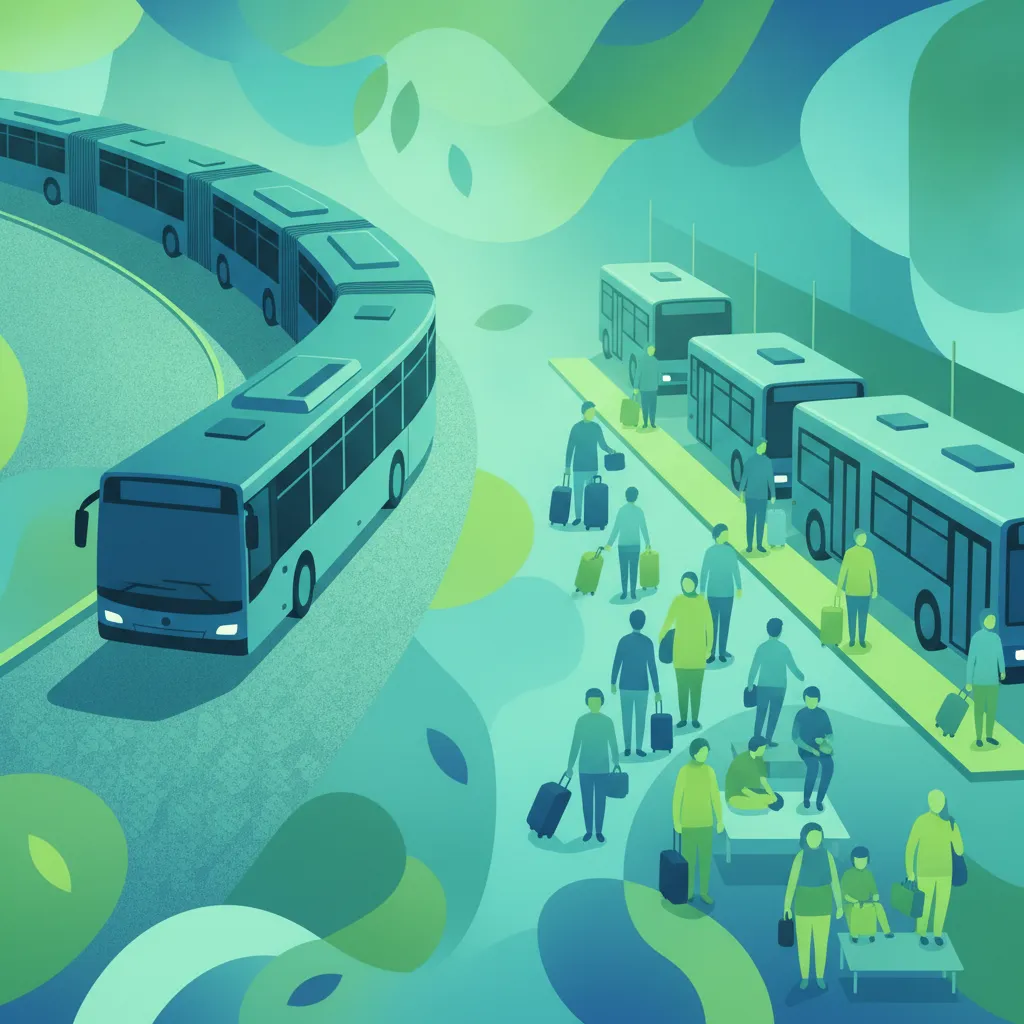
Terminals and depots are busy environments with other large vehicles, maintenance staff, and cleaning crews. This lesson focuses on the specific hazards present in these off-road locations. It emphasizes adherence to site-specific rules, maintaining low speeds, and being highly aware of people working around vehicles.
Departing from a bus stop is a high-risk manoeuvre. This lesson details the critical sequence of actions: checking all passengers are clear of the doors, performing a comprehensive mirror and blind spot check, signalling, and waiting for a safe gap in traffic. This systematic approach is essential for preventing collisions with overtaking vehicles, cyclists, or pedestrians.
When a long vehicle turns, the rear wheels follow a shorter path than the front wheels (swept path), and the rear of the vehicle swings outwards (tail swing). This lesson explains these critical concepts. You will learn how to position the vehicle before a turn to avoid mounting the kerb or striking objects like signs and pedestrians with the rear corner.
Motorway driving involves high speeds and requires constant concentration. This lesson covers correct lane discipline, safe procedures for joining and leaving the motorway, and techniques for overtaking other large vehicles. Maintaining appropriate speed and a safe following distance is emphasized throughout.
Find clear answers to common questions learners have about Safe Procedures for Reversing and Manoeuvring in Confined Spaces. Learn how the lesson is structured, which driving theory objectives it supports, and how it fits into the overall learning path of units and curriculum progression in Switzerland. These explanations help you understand key concepts, lesson flow, and exam focused study goals.
Buses have significant blind spots, rear overhangs that swing out during turns, and potential for pedestrians or cyclists to be hidden from the driver's view. Any contact or error in judgment can have severe consequences for passenger safety.
A banksman is a person on the ground who guides the driver during complex reversing manoeuvres. You should use one whenever visibility is restricted, the space is tight, or there is a high density of pedestrians and other traffic.
It ensures you are aware of all immediate hazards, including low-level objects or vulnerable road users, that cannot be seen using mirrors or cameras alone. It is a mandatory safety step for professional Category D drivers.
The longer the wheelbase and the greater the rear overhang, the wider the 'tail swing' will be. You must account for this by positioning the bus carefully so that the rear end does not strike stationary objects or sweep into lanes occupied by other vehicles.
Pinpoint specific Swiss traffic rules, road signs, or driving situations you need to master. Use the practice search to start a focused revision session now and build confidence for your official driving theory exam.