
This lesson teaches you how to maintain complete 360-degree situational awareness when driving a bus or coach. You will learn to integrate standard, wide-angle, and kerb-side mirrors with modern camera systems to safely manage the significant blind spots inherent in large passenger vehicles.
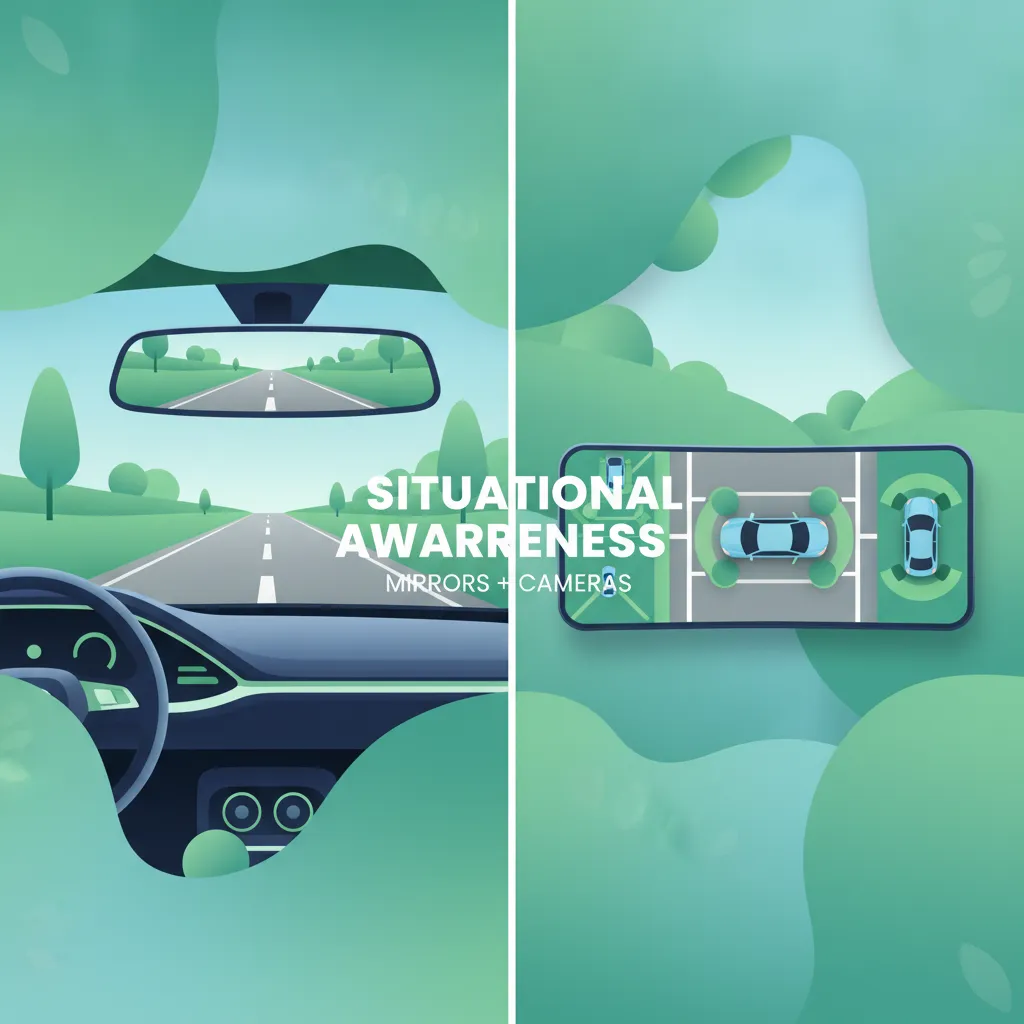
Lesson content overview
Operating a bus or coach within the Swiss Category D Driving License Theory Course demands an exceptional level of situational awareness, primarily achieved through effective use of mirrors and modern camera systems. Passenger vehicles, by their very nature, are large and have extensive blind spots, making constant and precise monitoring of the surroundings paramount for safety. This lesson explores how to correctly use the various mirrors and how camera systems serve as invaluable supplements to your visual checks, ensuring a comprehensive understanding of the vehicle's immediate environment.
Successful driving of a large passenger vehicle hinges on developing specific habits and understanding the functionalities of your vehicle's visual aids. Integrating mirrors and camera systems into a continuous scanning routine is fundamental to maintaining comprehensive situational awareness and preventing collisions.
Continuous scanning is the habit of regularly and systematically checking all available mirrors and camera displays at predefined moments and intervals. This proactive approach ensures you maintain an up-to-date mental picture of the traffic and obstacles around your bus or coach. By consistently monitoring your surroundings, you can detect potential threats early, anticipate the actions of other road users, and make informed decisions, especially before executing any manoeuvre. Developing a disciplined scanning sequence prevents neglecting any critical area around the vehicle.
Before embarking on any journey, and particularly after adjusting your driver's seat, it is crucial to properly calibrate each mirror. Mirror calibration involves setting each mirror to its optimal angle to maximise the field of view while minimising blind zones. Incorrectly adjusted mirrors can lead to misinterpretation of traffic positions and distances, significantly increasing the risk of unsafe decisions. A correctly calibrated mirror provides accurate visual information, ensuring you see what you need to see.
It is vital to understand that each mirror on your bus or coach offers a distinct viewing angle and serves a specific purpose. No single mirror can provide a complete picture, and relying on just one mirror will inevitably lead to critical blind spots. Effective drivers integrate data from all mirrors – standard side, wide-angle side, and external rear-view – to build a reliable and comprehensive overall view of the vehicle's perimeter. This multi-mirror strategy is key to reducing reliance on a sole mirror and ensuring full coverage.
Modern buses and coaches are often equipped with advanced camera systems, including rear-view, side-view, and even 360° surround-view cameras. These systems provide additional visual information, enhancing visibility, especially in low-light conditions or when mirrors might be temporarily obstructed. However, it is crucial to remember that camera systems are always supplementary; they do not replace the fundamental skill of effective mirror use and direct visual checks. Drivers must still monitor mirrors as primary references, as cameras can be affected by weather conditions like rain or dirt.
Blind spots, or dead zones, are areas around the vehicle that are not visible through any of the mirrors. For large passenger vehicles like buses and coaches, these blind spots are significantly larger due to the vehicle's length, width, and often its rear overhang. Effective blind spot management requires drivers to actively recognise these zones and employ additional checks, such as physical head turns (shoulder checks) and the judicious use of camera systems, to monitor them. Failure to properly manage blind spots is a leading cause of collisions during lane changes, merging, or turning manoeuvres.
Buses and coaches are equipped with a suite of mirrors, each designed to provide specific visual information about the vehicle's surroundings. Understanding the function and proper use of each is fundamental for professional drivers.
The standard side mirror, also known as the domestic mirror, is mounted on the driver's side of the vehicle. Its primary function is to provide a clear view of the lane directly beside your bus or coach and a small portion of the area slightly behind it. This mirror is essential for monitoring traffic in the adjacent lane when you are preparing to change lanes, merge, or exit a junction. It helps you assess the immediate proximity of other vehicles and allows you to judge distances effectively. For optimal use, the standard side mirror should be adjusted so that the side of your own vehicle is barely visible at the horizon, ensuring maximum coverage of the adjacent lane without an excessive view of your own vehicle.
The wide-angle side mirror, also often referred to as a convex mirror, is typically located on the driver's side, often below or adjacent to the standard side mirror. Its convex or wide-angle surface significantly expands the field of view, capturing peripheral traffic that the standard side mirror might miss, especially in the far adjacent lanes or slightly behind your vehicle. While this expanded view is invaluable for detecting smaller vehicles, motorcycles, or cyclists approaching from the side, it's crucial to be aware of the inherent image distortion: objects appear smaller and further away than they actually are. Drivers must compensate for this distortion when estimating distances and closing speeds.
Unlike passenger cars which typically use an internal rear-view mirror, buses and coaches primarily rely on an external rear-view mirror (or combination of mirrors) for monitoring traffic directly behind the vehicle. This mirror, often positioned above the side mirrors or as part of a larger mirror assembly, provides a direct view of the area behind your bus. It is indispensable for monitoring following traffic when driving straight, preparing to slow down or stop, or before pulling out from a bus stop or lay-by. Regular checks of the external rear-view mirror help you understand the flow of traffic behind you and identify any fast-approaching vehicles. Like all mirrors, it must be kept clean and unobstructed to provide a clear view.
Blind spots, or dead zones, are inherent to all vehicles, but they are significantly more pronounced in buses and coaches due to their substantial dimensions. These are areas around your vehicle that cannot be seen through any of your mirrors.
For professional drivers, understanding the specific locations and sizes of these blind spots is critical.
Mitigating these blind spots requires a combination of vigilance:
Proper mirror calibration is not a one-time task but an essential pre-drive routine and an adjustment required whenever the driver's seat position changes. For buses and coaches, specific calibration steps ensure maximum coverage and safety.
Adjust Your Seat First: Always set your driver's seat to your preferred and most ergonomic driving position before adjusting any mirrors. Your eye point is the reference for all mirror settings.
External Rear-View Mirror: Adjust this mirror to provide a clear and wide view of the area directly behind your bus. Ideally, you should see the full rear field, allowing you to monitor following traffic without significant blind spots directly behind.
Standard Side Mirrors (Left and Right): For each standard side mirror, adjust it outwards until the side of your own vehicle is just barely visible along the innermost edge of the mirror, roughly at the horizon line. This setting maximises the view of the adjacent lane and minimises the redundant view of your own vehicle.
Wide-Angle Side Mirrors (Left and Right): Position these mirrors to capture the broader peripheral zones that the standard mirrors miss. The wide-angle mirror should show the far side lanes and an extended area to the side and slightly behind, effectively bridging the gap between your direct vision and the standard mirror view. Remember to account for distortion.
Over-adjusting mirrors to see too much of your own vehicle is a common error. While it provides a comforting reference, it drastically reduces your field of view into critical adjacent lanes, increasing the risk of not detecting approaching traffic.
Integrated camera systems in modern buses and coaches represent a significant technological advancement in driver assistance. However, their role is strictly supplementary to traditional mirrors and direct observation.
Rear-view cameras, often automatically activated when reverse gear is engaged, provide a clear, real-time video feed of the area directly behind the vehicle. This is particularly valuable for buses and coaches, which have substantial rear blind spots and limited direct rear visibility. The camera feed, typically displayed on the infotainment screen or a dedicated monitor, helps drivers identify obstacles, pedestrians, or other vehicles during reversing manoeuvres, especially in confined spaces like depots or bus terminals.
Some advanced systems include side-view cameras, which expand visibility into critical side blind zones, particularly useful during lane changes or tight turns. Even more comprehensive are 360° surround-view systems, which stitch together feeds from multiple cameras positioned around the vehicle to create a bird's-eye view. This provides an invaluable overview of the entire perimeter, assisting in parking, manoeuvring in crowded areas, and detecting objects that might otherwise be hidden.
Always remember that camera feeds can be affected by dirt, water droplets, snow, glare, or system malfunctions. Professional drivers must continuously verify the functionality and clarity of camera displays and never solely rely on them, always cross-referencing with mirror checks and physical head turns.
Adherence to specific regulations regarding mirror and camera use is mandatory for professional drivers in Switzerland, as stipulated by the Swiss Road Traffic Act (SVG) and Swiss Vehicle Standards (SVV). These regulations emphasise safety and comprehensive situational awareness.
Before Every Manoeuvre: Before changing lanes, merging, turning, or slowing down, the driver must conduct a systematic check of the external rear-view mirror, the standard side mirror, and the wide-angle side mirror. This multi-mirror check is non-negotiable.
Blind Spot Verification: In addition to mirror checks, a physical head turn (shoulder check) to verify the blind spot (Zone D) is legally required before any lane change or merge. This accounts for areas mirrors cannot cover.
Supplementary Camera Use: Camera systems are approved as supplementary aids. Drivers must not use them as a replacement for primary mirror checks and direct observation. Mirrors remain the primary reference.
Mirror Cleanliness and Adjustment: All external mirrors must be kept clean, free from obstructions (e.g., dirt, snow, frost), and correctly adjusted at all times. Impaired mirrors provide inaccurate information and are a violation. Any adjustment to the driver's seat necessitates immediate readjustment of all mirrors.
These rules are in place to ensure that drivers of large vehicles, which pose a greater risk due to their size and mass, maintain the highest possible level of vigilance and control over their surroundings.
Ignoring or improperly using mirrors and camera systems can lead to severe consequences. Professional drivers must be aware of and actively avoid these common mistakes.
Ignoring these best practices and legal requirements can result in fines, licence points, and most importantly, serious accidents involving other road users, pedestrians, or property damage. For professional drivers, maintaining a spotless safety record is paramount.
Effective mirror and camera usage is not static; it must adapt dynamically to various environmental and operational conditions encountered in the Swiss Category D Driving License Theory Course.
Understanding the cause-and-effect relationships between mirror/camera usage and safety outcomes reinforces the importance of these skills.
Let's illustrate these concepts with real-world driving situations for a bus or coach driver.
Mastering mirror and camera usage is a foundational skill that builds upon and prepares you for many other complex driving challenges.
This lesson teaches Category D drivers how to effectively use standard side mirrors, wide-angle mirrors, and external rear-view mirrors to build a complete 360-degree awareness around their bus or coach. It emphasises that no single mirror provides full coverage, so drivers must develop a disciplined, continuous scanning routine that integrates all mirrors with physical head turns. While modern camera systems enhance visibility, they remain supplementary to mirrors and cannot replace them. Understanding and actively managing the large blind spots inherent in large passenger vehicles—through correct mirror calibration, systematic checks, and blind spot verification—is essential for safe driving in Swiss urban, motorway, and mountain conditions.
A short set of high-value points that capture the most important learning from this lesson.
Each mirror type on a bus serves a distinct purpose: standard side mirrors cover the adjacent lane, wide-angle mirrors expand peripheral vision, and external rear-view mirrors monitor traffic behind.
Camera systems are strictly supplementary aids and cannot replace the fundamental skill of mirror use and direct observation.
Blind spots in buses and coaches are significantly larger than in cars due to vehicle length, width, and rear overhang, requiring additional verification methods.
Continuous, systematic mirror scanning combined with physical head turns is essential before every manoeuvre to maintain complete situational awareness.
Environmental conditions such as rain, snow, glare, and low light can impair both mirrors and cameras, requiring increased scanning frequency and head checks.
Explore all units and lessons included in this driving theory course.
Wide-angle (convex) mirrors distort the image, making objects appear smaller and further away than they actually are—compensate for this when judging distances and closing speeds.
Every time you adjust your driver's seat, you must recalibrate all mirrors to restore optimal visibility angles.
Physical head turns (shoulder checks) are not optional—they are legally required before any lane change or merge in Switzerland under SVG/SVV regulations.
Camera feeds can be obscured by dirt, water droplets, snow, or glare; always cross-reference with mirrors and direct observation.
Over-adjusting mirrors to see too much of your own vehicle drastically reduces coverage of adjacent lanes and increases collision risk.
Relying exclusively on camera systems for reversing or manoeuvring, especially in adverse weather when camera lenses may be obscured.
Skipping the wide-angle mirror check, which reduces detection range for fast-approaching vehicles in far adjacent lanes, particularly motorcycles and cyclists.
Failing to perform a physical head turn to verify blind spots before lane changes, assuming mirrors alone provide sufficient coverage.
Driving with mirrors covered in dirt, snow, or frost, or with mirrors adjusted to show excessive portions of the vehicle's own body.
Misjudging the speed or proximity of vehicles seen in wide-angle mirrors due to the inherent image distortion of convex mirrors.
Lesson content overview
A short set of high-value points that capture the most important learning from this lesson.
Each mirror type on a bus serves a distinct purpose: standard side mirrors cover the adjacent lane, wide-angle mirrors expand peripheral vision, and external rear-view mirrors monitor traffic behind.
Camera systems are strictly supplementary aids and cannot replace the fundamental skill of mirror use and direct observation.
Blind spots in buses and coaches are significantly larger than in cars due to vehicle length, width, and rear overhang, requiring additional verification methods.
Continuous, systematic mirror scanning combined with physical head turns is essential before every manoeuvre to maintain complete situational awareness.
Environmental conditions such as rain, snow, glare, and low light can impair both mirrors and cameras, requiring increased scanning frequency and head checks.
Explore all units and lessons included in this driving theory course.
Wide-angle (convex) mirrors distort the image, making objects appear smaller and further away than they actually are—compensate for this when judging distances and closing speeds.
Every time you adjust your driver's seat, you must recalibrate all mirrors to restore optimal visibility angles.
Physical head turns (shoulder checks) are not optional—they are legally required before any lane change or merge in Switzerland under SVG/SVV regulations.
Camera feeds can be obscured by dirt, water droplets, snow, or glare; always cross-reference with mirrors and direct observation.
Over-adjusting mirrors to see too much of your own vehicle drastically reduces coverage of adjacent lanes and increases collision risk.
Relying exclusively on camera systems for reversing or manoeuvring, especially in adverse weather when camera lenses may be obscured.
Skipping the wide-angle mirror check, which reduces detection range for fast-approaching vehicles in far adjacent lanes, particularly motorcycles and cyclists.
Failing to perform a physical head turn to verify blind spots before lane changes, assuming mirrors alone provide sufficient coverage.
Driving with mirrors covered in dirt, snow, or frost, or with mirrors adjusted to show excessive portions of the vehicle's own body.
Misjudging the speed or proximity of vehicles seen in wide-angle mirrors due to the inherent image distortion of convex mirrors.
Explore search topics learners often look for when studying Using Mirrors and Camera Systems Effectively. These topics reflect common questions about road rules, driving situations, safety guidance, and lesson level theory preparation for learners in Switzerland.
Browse additional driving theory lessons that cover connected traffic rules, road signs, and common driving situations related to this topic. Improve your understanding of how different rules interact across everyday traffic scenarios.
Explore advanced strategies for identifying and mitigating blind spots specific to buses and coaches. Learn how to effectively integrate mirrors, camera systems, and physical checks to ensure comprehensive awareness and avoid collisions with vulnerable road users in Swiss traffic.

Buses and coaches have significant blind spots to the front, sides, and rear. This lesson maps out these 'no-zones' and teaches a continuous and active scanning process using all available mirrors and direct vision. The goal is to minimize the time any other road user spends undetected in a blind spot.
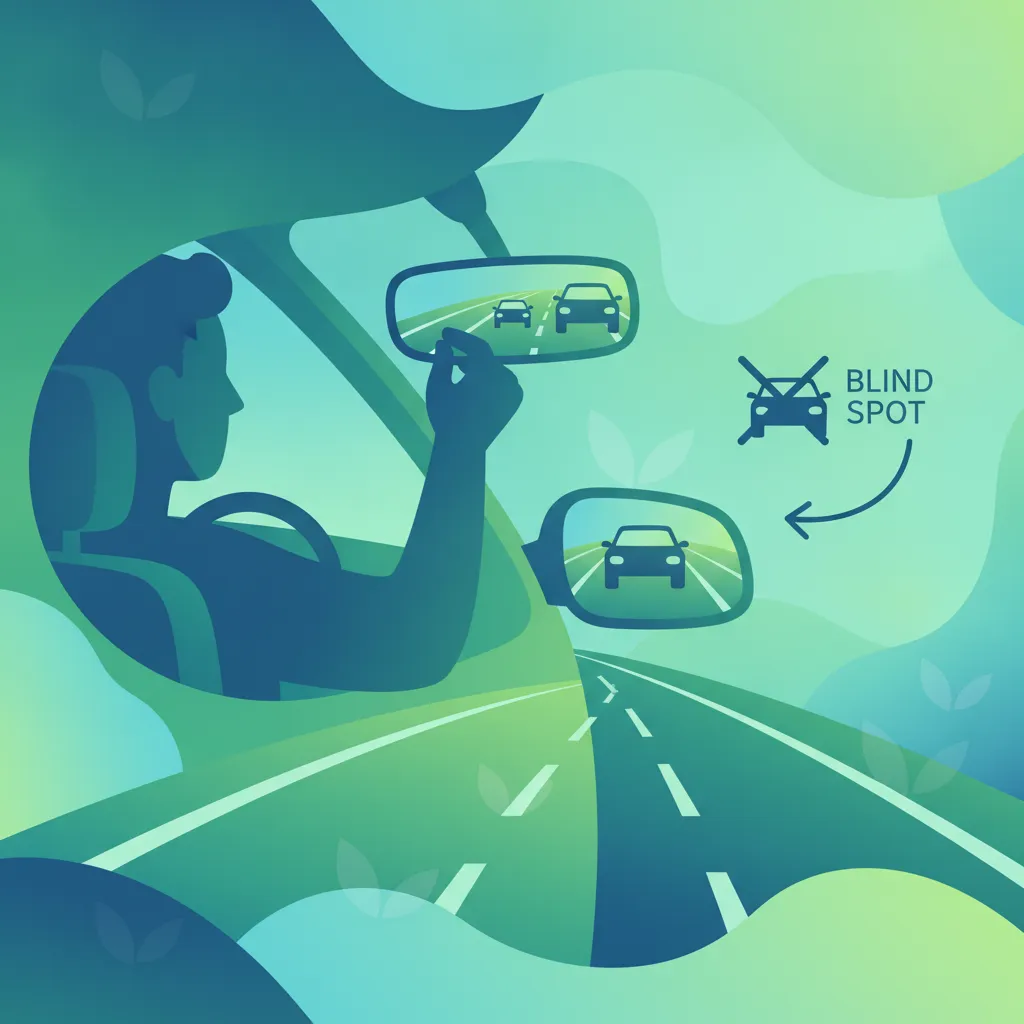
Despite the complex mirror systems, large areas around a truck remain hidden from the driver's view. This lesson maps out these significant blind spots: directly in front, behind, and along both sides of the vehicle. It teaches drivers to be constantly aware of these 'no-zones' and to anticipate that smaller vehicles, cyclists, or pedestrians may be hidden within them, especially before changing lanes or turning.
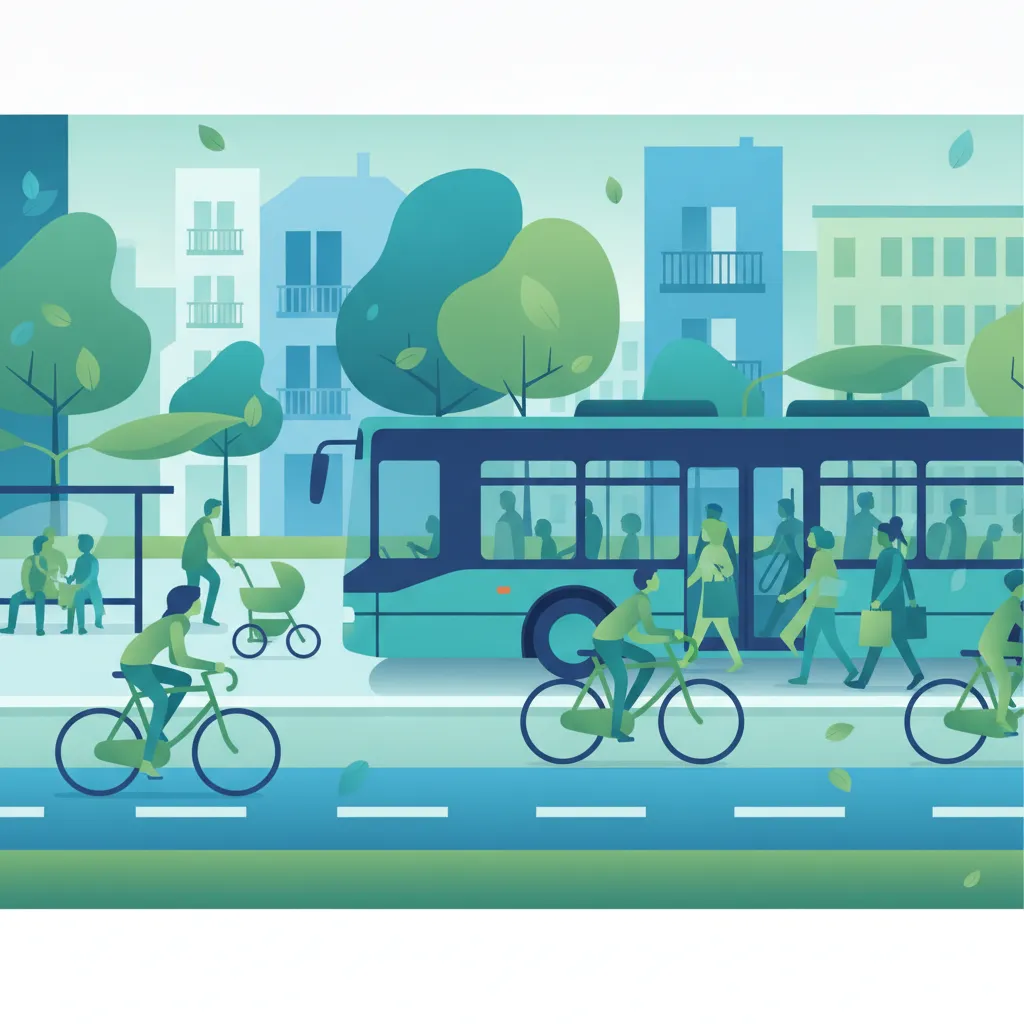
A stopped bus creates a significant visual obstruction for other road users. This lesson focuses on the risk of pedestrians stepping out from in front of the bus and cyclists passing unexpectedly on either side. It reinforces the need for exhaustive mirror and blind spot checks before moving off to prevent tragic 'pull-away' accidents.
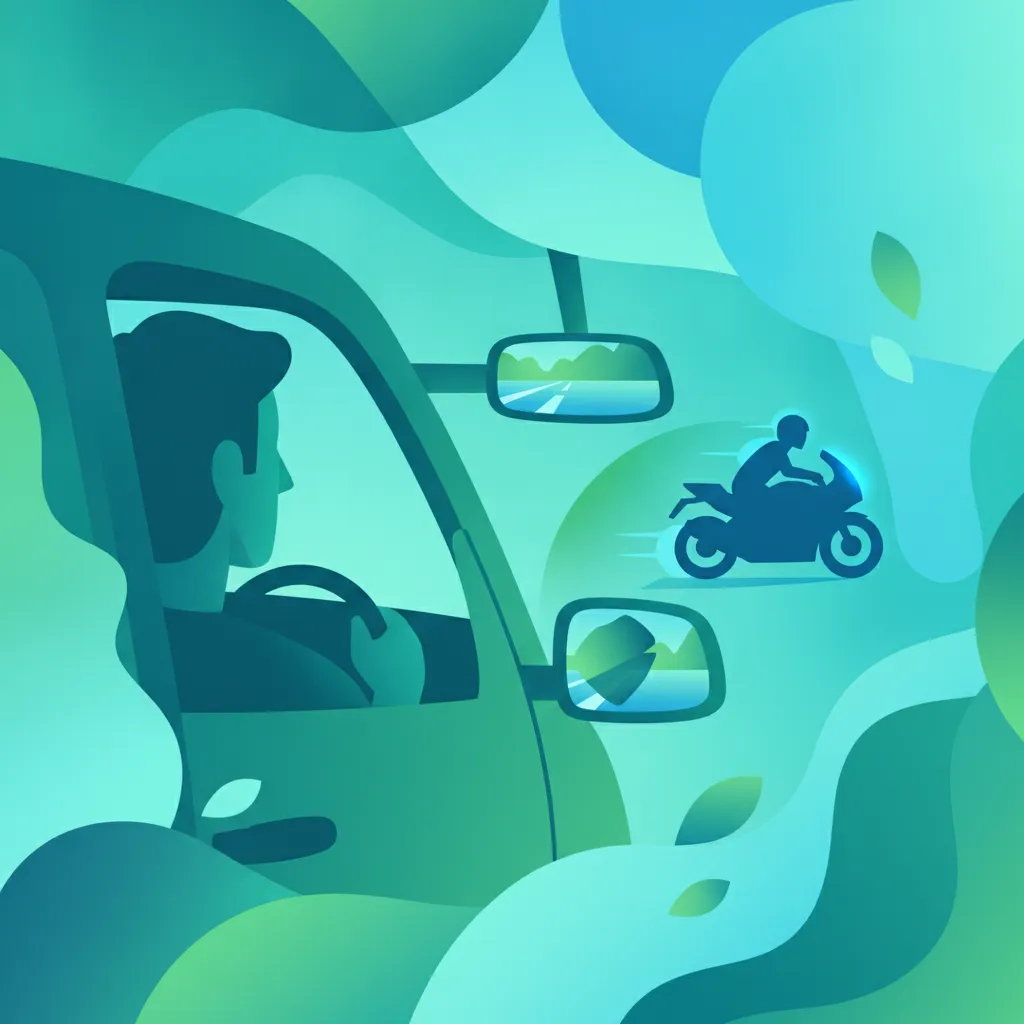
This lesson covers the systematic use of rearview and side mirrors, combined with head checks, to maintain full awareness of surrounding traffic. It emphasizes frequent observation to detect vehicles in blind spots, especially during lane changes and turns. The content also details the proper timing for head checks and the role of scanning techniques in preventing collisions.

Being seen and being able to see are critical for safety. This lesson covers the systematic check of all exterior lights, including headlights, brake lights, and indicators. It also emphasizes the importance of ensuring all mirrors and camera lenses are clean, undamaged, and properly adjusted for maximum visibility.

This lesson trains drivers to look beyond other vehicles and actively search for pedestrians, cyclists, and motorcyclists, especially those who may be distracted or unaware. It covers common behavioral patterns of different VRU groups. The goal is to see potential hazards developing early and create time and space to react safely.

Reversing is the most dangerous manoeuvre a large vehicle can perform and should be avoided whenever possible. This lesson details a safe system of work for when reversing is unavoidable. It covers the importance of a 360-degree check before starting, the use of a banksman, and how to interpret standard hand signals.

Departing from a bus stop is a high-risk manoeuvre. This lesson details the critical sequence of actions: checking all passengers are clear of the doors, performing a comprehensive mirror and blind spot check, signalling, and waiting for a safe gap in traffic. This systematic approach is essential for preventing collisions with overtaking vehicles, cyclists, or pedestrians.

This lesson focuses on safe interaction with large vehicles. It highlights the significant blind spots (or 'no-zones') around trucks and buses and teaches riders how to position themselves to remain visible. The content also provides guidance on overtaking large vehicles safely and anticipating their wide turning radius at intersections.

Even after checking exterior mirrors, a late-running passenger may approach the bus. This lesson emphasizes the final, critical glance in the interior mirror to check the passenger cabin and stop area just before the vehicle begins to move. This simple, final habit can prevent serious incidents involving passengers who are late or have fallen.
Understand how to effectively integrate mirrors and camera systems in diverse real-world driving scenarios. This lesson focuses on practical application for buses and coaches, covering urban navigation, motorway driving, and common situations, highlighting correct procedures and potential pitfalls.
Being seen and being able to see are critical for safety. This lesson covers the systematic check of all exterior lights, including headlights, brake lights, and indicators. It also emphasizes the importance of ensuring all mirrors and camera lenses are clean, undamaged, and properly adjusted for maximum visibility.
Buses and coaches have significant blind spots to the front, sides, and rear. This lesson maps out these 'no-zones' and teaches a continuous and active scanning process using all available mirrors and direct vision. The goal is to minimize the time any other road user spends undetected in a blind spot.
This lesson covers the systematic use of rearview and side mirrors, combined with head checks, to maintain full awareness of surrounding traffic. It emphasizes frequent observation to detect vehicles in blind spots, especially during lane changes and turns. The content also details the proper timing for head checks and the role of scanning techniques in preventing collisions.
Even after checking exterior mirrors, a late-running passenger may approach the bus. This lesson emphasizes the final, critical glance in the interior mirror to check the passenger cabin and stop area just before the vehicle begins to move. This simple, final habit can prevent serious incidents involving passengers who are late or have fallen.

A lorry is equipped with multiple mirrors (up to six) to cover different fields of view. This lesson explains the function of each type: the main mirrors, wide-angle mirrors, and close-proximity (kerb and front) mirrors. It stresses the importance of adjusting them properly before every journey and developing a routine of constantly scanning all mirrors to maintain situational awareness.

Rural driving requires a different mindset from urban driving. This lesson covers how to position your vehicle on narrow roads, how to use passing places effectively, and how to anticipate hazards like slow-moving farm machinery, animals, and concealed junctions. Managing vehicle width and height is a key focus.
Driving a bus in older parts of a city requires exceptional spatial awareness and precise control. This lesson focuses on assessing clearances, managing front and rear overhang, and negotiating tight turns around parked cars and buildings. A key theme is slow, careful, and deliberate manoeuvring to avoid contact.
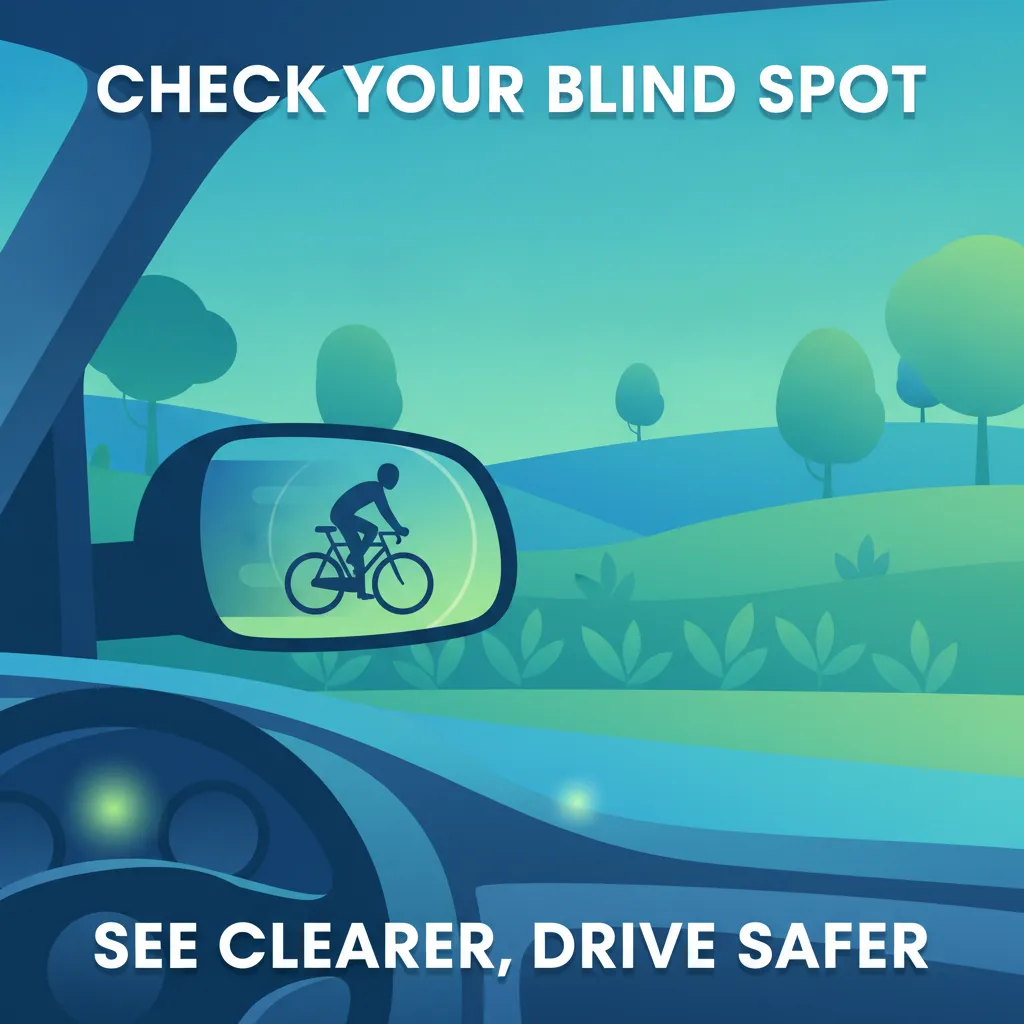
This lesson teaches the correct techniques for positioning and using mirrors to maintain situational awareness. It emphasizes that mirrors alone are insufficient and must be supplemented with physical shoulder and head checks to cover blind spots. Combining these observation methods is essential for making safe lane changes and maneuvers in traffic.

Motorway driving involves high speeds and requires constant concentration. This lesson covers correct lane discipline, safe procedures for joining and leaving the motorway, and techniques for overtaking other large vehicles. Maintaining appropriate speed and a safe following distance is emphasized throughout.
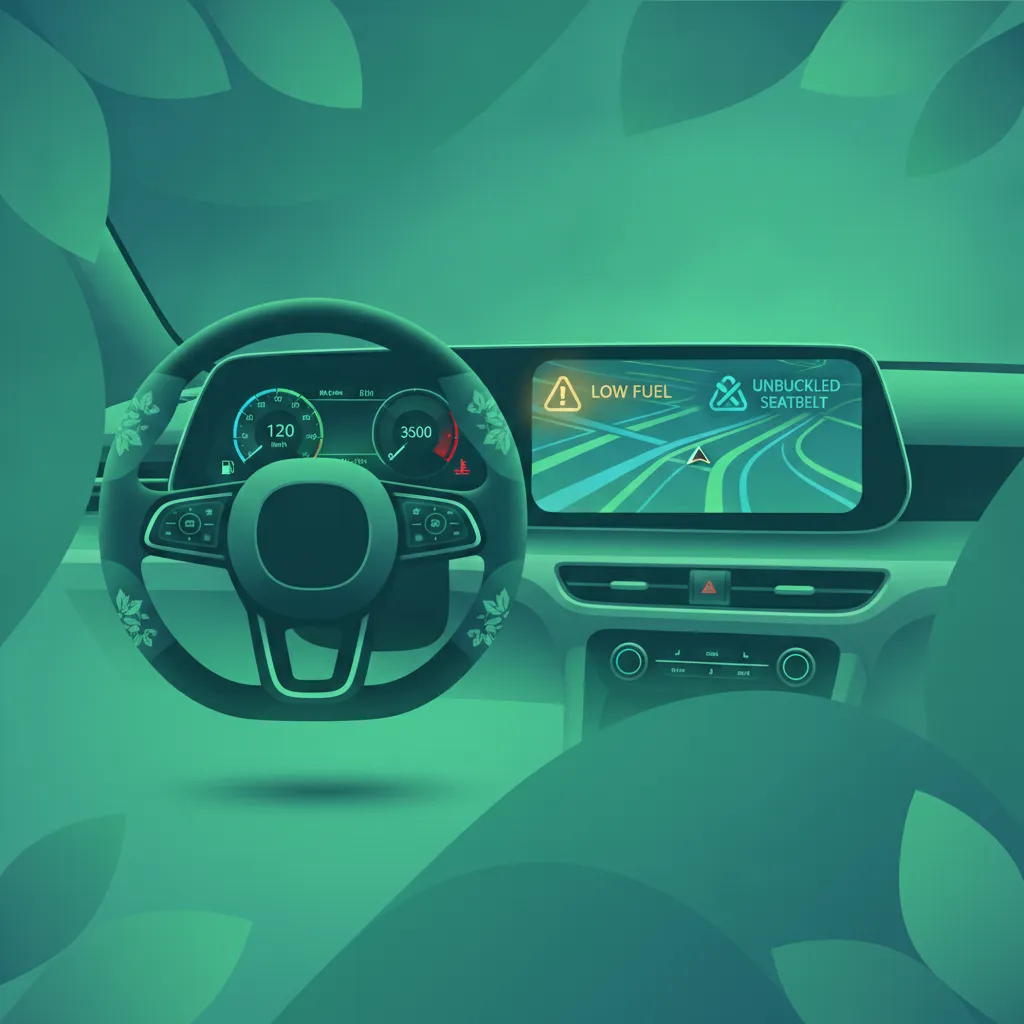
This lesson provides a detailed tour of the driver's area in a typical bus or coach. You will learn the function of every switch, lever, and button, from the main driving controls to secondary systems like heating and door operation. Interpreting the instrument panel and responding correctly to warning lights is a key focus.
Find clear answers to common questions learners have about Using Mirrors and Camera Systems Effectively. Learn how the lesson is structured, which driving theory objectives it supports, and how it fits into the overall learning path of units and curriculum progression in Switzerland. These explanations help you understand key concepts, lesson flow, and exam focused study goals.
No. In the Swiss theory exam and in practice, cameras are considered a supplemental aid. You must always use your primary, wide-angle, and kerb-side mirrors as your main source of information, as they provide depth perception and reliability that cameras cannot match.
The kerb-side mirror is vital for monitoring the area immediately alongside the bus at passenger stops. It allows you to ensure that no passengers, cyclists, or pedestrians are caught near the door or wheels during boarding and alighting.
You should maintain a continuous cycle of observation. Check your mirrors frequently, especially before any change in speed, direction, or when approaching a junction or bus stop, to maintain an updated mental picture of the traffic surrounding your vehicle.
Pinpoint specific Swiss traffic rules, road signs, or driving situations you need to master. Use the practice search to start a focused revision session now and build confidence for your official driving theory exam.