
This lesson focuses on the essential traffic lights and their signals, a critical component of navigating Spanish urban environments for AM category riders. Understanding each phase of the traffic light is fundamental for safe and legal operation, building directly on foundational knowledge of road rules.
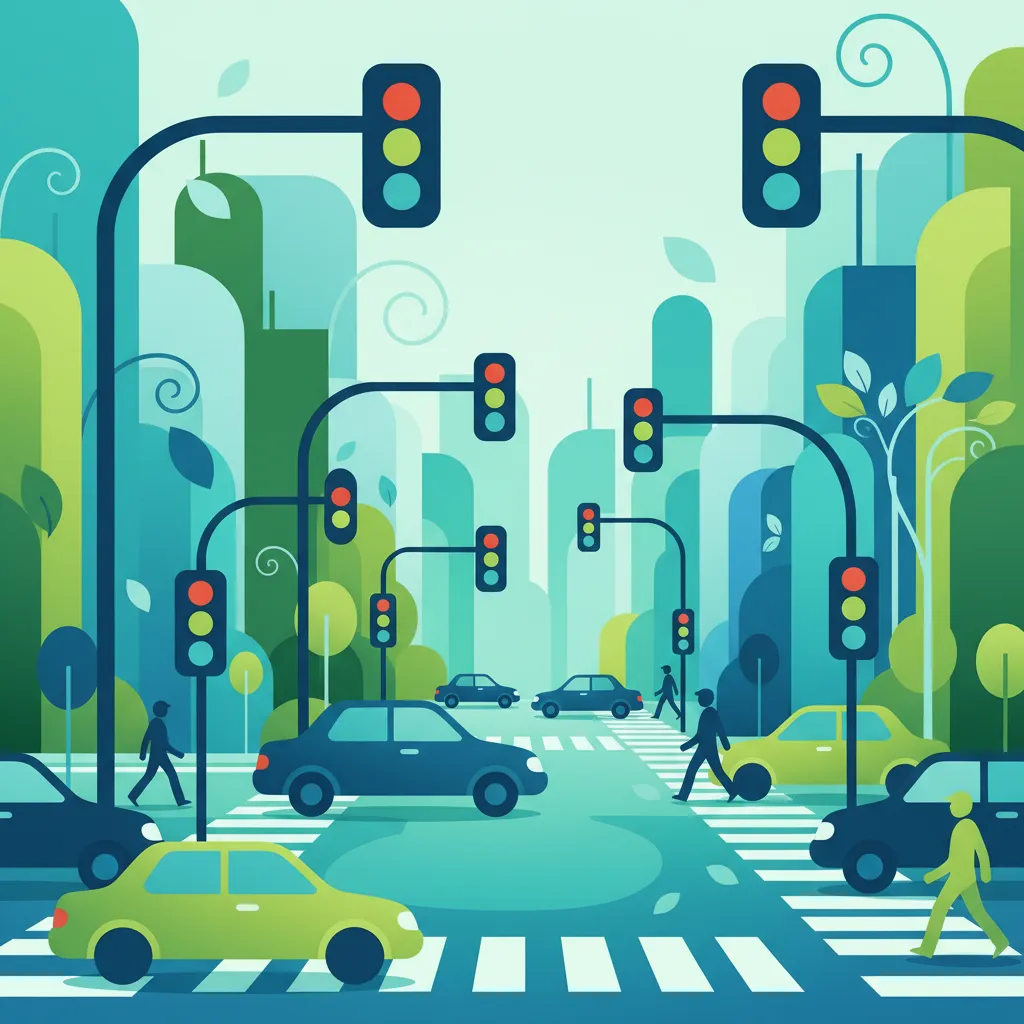
Lesson content overview
Traffic lights are fundamental elements of urban and interurban road infrastructure, playing a crucial role in regulating traffic flow and ensuring safety at intersections. For all drivers, especially those operating mopeds under the Spanish Category AM license, a precise understanding of each traffic light signal and its corresponding action is not just a recommendation, but a legal obligation. This lesson will meticulously detail every phase of Spanish traffic lights, clarifying the specific actions required for red, amber, and green signals, including the unique red-amber combination found in Spain.
Traffic lights serve as the primary means of controlling vehicular and pedestrian movement at complex junctions, crossroads, and sometimes even at pedestrian crossings. They assign the right-of-way sequentially, preventing conflicts and allowing for an organized flow of vehicles, mopeds, cyclists, and pedestrians. Mastering these signals is essential for safe navigation and compliance with DGT (Dirección General de Tráfico) regulations, the Spanish traffic authority.
Correctly interpreting and reacting to traffic lights is paramount for preventing accidents. Misunderstanding or ignoring a signal can lead to serious collisions, especially at busy intersections where multiple streams of traffic converge. For moped drivers, who are often more vulnerable in traffic, correctly anticipating light changes and understanding yielding requirements are critical for personal safety and the safety of others.
The underlying logic of traffic lights is to reduce conflict points by giving exclusive rights of way to different traffic streams at different times. This time-based phasing system minimizes collision risks and synchronizes movement. The chosen colors—red, amber (yellow), and green—are universally recognized and convey distinct, unambiguous commands, leveraging human perception and reaction-time limits for maximum effectiveness.
Spanish traffic light systems follow core principles designed to provide clarity and predictability for all road users. These principles govern the sequence of signals and the actions expected from drivers.
The standard color coding of traffic lights is internationally recognized: red for stop, green for go, and amber for prepare to stop or clear the intersection. The sequence of these lights is fixed and predictable: typically red, followed by a red-amber combination, then green, then steady amber, and finally back to red. This predictable order ensures that drivers can anticipate the next phase, allowing for safe and timely maneuvers.
It is crucial to differentiate between a steady amber light and a flashing amber light, as they demand entirely different actions from the driver. A steady amber light signals an imminent change to red, requiring drivers to stop if safe. A flashing amber light, however, indicates a caution or yield condition, meaning drivers must give way to other traffic or pedestrians but may proceed when safe.
One notable feature of Spanish traffic lights, shared with some other European countries, is the red-amber combination. This phase occurs after a steady red light and before the green light. It signifies that the light will soon turn green, allowing drivers to prepare to move but explicitly prohibiting them from entering the intersection until the green light appears.
Traffic light systems are designed to protect all road users, including pedestrians and cyclists, who are considered vulnerable users. Many intersections feature separate pedestrian signals (green man/red hand) that are coordinated with vehicle phases, granting pedestrians exclusive crossing periods. Cyclists typically follow vehicle signals unless dedicated cyclist signals are present, which must be obeyed independently.
Understanding the precise meaning and required action for each traffic light signal is paramount for safe driving on Spanish roads. The DGT outlines these obligations clearly in its regulations.
The red light is the uppermost circular light, illuminated steadily.
When you encounter a red light, you must come to a complete stop. This stop must occur before the white stop line painted on the road, or if there is no stop line, before the pedestrian crossing, or if neither is present, before the intersection itself. You are prohibited from moving your vehicle until the light changes to green. Attempting to proceed or even performing a "rolling stop" (slowing down but not fully halting) on a red light is a serious traffic violation and highly dangerous, as cross-traffic may have the right-of-way.
The red-amber combination occurs when both the red and the amber lights are illuminated simultaneously. This signal is unique to Spain and a few other European countries.
This phase is a preparatory signal. It informs drivers that the green light is imminent, allowing them to engage their clutch (for manual mopeds) or otherwise get ready to move. However, it is absolutely crucial to understand that movement is strictly prohibited during this phase. Advancing on a red-amber light is a traffic violation, as it creates a risk of entering the intersection prematurely while cross-traffic might still be clearing or reacting. Remain stationary until the green light illuminates.
The green light is the lowest circular light, illuminated steadily.
A green light grants you permission to proceed through the intersection. However, this permission is not absolute. You must always ensure that your path is clear before advancing. This means yielding to any vehicles, mopeds, or cyclists who may still be lawfully within the intersection (e.g., turning traffic, or those who entered on a previous green). You must also yield to pedestrians who are crossing with a green pedestrian signal. Never assume that a green light guarantees an entirely clear path; always scan the intersection for other road users.
The steady amber light is the middle circular light, illuminated steadily (not flashing).
When the steady amber light appears, it signals that the light is about to turn red. The general rule is that you must stop if you can do so safely before the stop line. If you are already so close to the stop line that stopping safely would require harsh braking, creating a risk of a rear-end collision, then you may proceed through the intersection. However, you should not accelerate to "beat" the red light. The intent of the amber light is to provide a brief warning to clear the intersection or to stop safely. Accelerating or attempting to cross the stop line after the amber light appears, when it was possible to stop safely, is a violation.
The flashing amber light is the amber light repeatedly turning on and off.
A flashing amber light does not mean "go." Instead, it signifies a yield condition. This means you must exercise extreme caution, reduce your speed, and be prepared to stop. You must give way to any traffic already within the intersection, and particularly to pedestrians who may be crossing. You may only proceed through the intersection when it is absolutely safe to do so, after confirming that there are no other road users with priority. This type of signal is common at less busy junctions, pedestrian crossings without full traffic light control, or when traffic lights are operating outside peak hours.
Many intersections have separate signal heads specifically for pedestrians and, in some cases, for cyclists.
Pedestrian signals typically display a green walking figure (green man) or a red standing hand (red hand). Pedestrians must only cross when the green man is illuminated. Similarly, if dedicated cyclist signals are present, cyclists must obey these signals independently of the vehicle signals. As a moped driver, you must always stop and yield to pedestrians who have a green signal, even if your vehicle signal is green and allows you to turn across their path. The safety of vulnerable road users is paramount.
The rules governing traffic lights in Spain are codified in the Reglamento General de Circulación (General Traffic Regulations), specifically under Article 74 for vehicle signals and Article 97 for pedestrian and cyclist signals. Adhering to these articles is mandatory for all road users, including Category AM moped drivers.
| Rule | Applicability | Legal Status |
|---|---|---|
| Stop at Red | Any intersection with a red vehicle signal. | Mandatory (DGT Art. 74‑1) |
| Do Not Move on Red‑Amber | Transition period after red before green. | Mandatory (DGT Art. 74‑2) |
| Proceed on Green if Clear | When green is displayed. | Mandatory (DGT Art. 74‑3) |
| Stop on Steady Amber if Not Yet Crossed Stop Line | When amber appears while approaching. | Mandatory (DGT Art. 74‑4) |
| Yield on Flashing Amber | Flashing amber displayed. | Mandatory (DGT Art. 74‑5) |
| Pedestrian Crossing Priority | Pedestrian green signal active. | Mandatory (DGT Art. 97‑1‑3) |
| Cyclist Signal Compliance | Dedicated cyclist signals present. | Mandatory (DGT Art. 97‑1‑3) |
It is essential for drivers to periodically review the latest DGT regulations as they may be updated. Always prioritize safety and caution at all intersections.
Violating traffic light rules carries significant penalties in Spain, including substantial fines and a loss of points on your driving license. For instance, failing to stop at a red light is considered a very serious infraction. Advancing on a red-amber light or failing to yield on a flashing amber also constitutes serious violations. These penalties are designed to deter dangerous driving behavior and reinforce the importance of compliance for road safety.
Even experienced drivers can sometimes make errors at traffic lights, leading to dangerous situations or violations. For new moped drivers, understanding these common pitfalls is vital.
A frequent mistake, particularly among those unfamiliar with Spanish traffic rules, is interpreting the red-amber combination as a signal to move. This is incorrect. The red-amber light explicitly means "prepare to move, but remain stopped." Moving forward on this signal can lead to a collision with cross-traffic that may still be clearing the intersection or is preparing to stop. Always wait for the solid green light before advancing.
Some drivers mistakenly treat a flashing amber light as a "free pass" or a simple advisory. This is dangerous and incorrect. A flashing amber light signifies a yield requirement. You must slow down, approach with caution, and be prepared to stop for any other road users who have the right-of-way, such as pedestrians or vehicles already in the intersection. Proceed only when you are certain the path is clear and safe.
The steady amber light is a clear signal that the light is about to turn red. Unless you are already past the point of no return (i.e., too close to the stop line to stop safely), you are legally obliged to stop. Accelerating to try and "beat the red" is not only illegal but also extremely dangerous, as it can put you in the intersection when cross-traffic is beginning to move, or cause a rear-end collision with a vehicle behind you that is stopping safely.
Even when you have a green light, if pedestrians have a green signal to cross your path (e.g., when turning), you must yield to them. Pedestrians are vulnerable road users, and their safety takes absolute priority. Failing to stop for pedestrians in a marked crossing with a green signal is a serious offense that puts lives at risk.
Driving conditions, road environment, and the type of vehicle you are operating can all influence how you should approach and react to traffic light signals. Moped drivers must adapt their behavior accordingly.
Weather conditions such as rain, fog, or snow significantly impact visibility and braking distances. In such conditions:
The environment in which you encounter traffic lights can also vary their impact:
Mopeds (Category AM vehicles) are agile and can accelerate quickly, but they also have lighter mass and can be less visible to other drivers.
Modern traffic light systems often use automatic sensors to detect traffic volume and adjust light timings. While this optimizes flow, drivers should never assume the lights will change based on perceived traffic. Always adhere strictly to the signal currently displayed, regardless of whether you think it "should" change or seems delayed.
The entire system of traffic lights is predicated on the idea of predictable, orderly movement to enhance safety. When every driver understands and adheres to the rules:
Conversely, any deviation from these rules, such as running a red light or ignoring a yield sign, introduces chaos and immediately elevates the risk of an accident, endangering yourself and others.
Here are key terms related to traffic lights and their phases that every moped driver in Spain should understand:
Let's consider a few practical situations to solidify your understanding of traffic light phases.
Imagine you are riding your moped through a bustling city street on a clear afternoon. You approach a traffic light and it turns solid red. After a moment, it changes to the red-amber combination.
You're navigating a less-trafficked rural road in foggy conditions, approaching a junction where the traffic light is displaying a flashing amber signal.
It's nighttime, and you're at an urban crosswalk with your moped. Your vehicle light is green, allowing you to make a right turn. However, a group of pedestrians is simultaneously attempting to cross the street you intend to turn into, and their pedestrian signal is green.
Mastering traffic light phases is a foundational step in your journey to becoming a safe and compliant moped driver. To reinforce your understanding and prepare for your Spanish Category AM theoretical exam, consider exploring related topics and practicing with specific questions.
This lesson covers all phases of Spanish traffic lights as regulated by the DGT for Category AM moped riders. The red light demands a mandatory stop, while the red-amber combination (unique to Spain) requires preparation to move without actually moving. The steady amber signals an imminent red and a stop if safe, whereas a flashing amber signals a yield condition requiring caution before proceeding when clear. A green light permits movement but always requires yielding to traffic or pedestrians already present. Understanding these signals and their distinctions is essential for safe urban riding and passing the Spanish theory test.
A short set of high-value points that capture the most important learning from this lesson.
A red light requires a mandatory complete stop before the stop line, pedestrian crossing, or intersection entry point.
The red-amber combination (unique to Spain) signals imminent green but explicitly prohibits any movement until the solid green light appears.
A steady amber light means stop if safe; a flashing amber light means yield and proceed only when the path is clear.
A green light grants permission to proceed but you must always yield to traffic already in the intersection and to pedestrians with a green signal.
Pedestrians with an active green signal have absolute priority over vehicles, even when the vehicle has a green light to turn.
Explore all units and lessons included in this driving theory course.
Red = stop completely; Green = proceed if clear; Steady amber = stop if safe; Flashing amber = yield and proceed when safe.
Red-amber combination is Spain-specific and means 'prepare but do not move' until green appears.
Stopping distance increases significantly in wet or slippery conditions, requiring earlier anticipation of amber lights.
Moped riders must obey dedicated cyclist signals independently of vehicle signals when present.
Never attempt to 'beat' a red light by accelerating through an amber; the intent is to stop safely or clear the intersection, not to race.
Assuming the red-amber combination permits forward movement, leading to premature entry into the intersection.
Treating a flashing amber light as a 'go' signal rather than a yield condition requiring caution and readiness to stop.
Attempting to accelerate through a steady amber light to 'beat' the red instead of stopping safely when possible.
Failing to yield to pedestrians who have a green signal when turning, assuming the vehicle's green light takes precedence.
Proceeding on green without checking for other road users still clearing the intersection or for pedestrians crossing.
Lesson content overview
A short set of high-value points that capture the most important learning from this lesson.
A red light requires a mandatory complete stop before the stop line, pedestrian crossing, or intersection entry point.
The red-amber combination (unique to Spain) signals imminent green but explicitly prohibits any movement until the solid green light appears.
A steady amber light means stop if safe; a flashing amber light means yield and proceed only when the path is clear.
A green light grants permission to proceed but you must always yield to traffic already in the intersection and to pedestrians with a green signal.
Pedestrians with an active green signal have absolute priority over vehicles, even when the vehicle has a green light to turn.
Explore all units and lessons included in this driving theory course.
Red = stop completely; Green = proceed if clear; Steady amber = stop if safe; Flashing amber = yield and proceed when safe.
Red-amber combination is Spain-specific and means 'prepare but do not move' until green appears.
Stopping distance increases significantly in wet or slippery conditions, requiring earlier anticipation of amber lights.
Moped riders must obey dedicated cyclist signals independently of vehicle signals when present.
Never attempt to 'beat' a red light by accelerating through an amber; the intent is to stop safely or clear the intersection, not to race.
Assuming the red-amber combination permits forward movement, leading to premature entry into the intersection.
Treating a flashing amber light as a 'go' signal rather than a yield condition requiring caution and readiness to stop.
Attempting to accelerate through a steady amber light to 'beat' the red instead of stopping safely when possible.
Failing to yield to pedestrians who have a green signal when turning, assuming the vehicle's green light takes precedence.
Proceeding on green without checking for other road users still clearing the intersection or for pedestrians crossing.
Explore search topics learners often look for when studying Traffic Lights and Their Phases. These topics reflect common questions about road rules, driving situations, safety guidance, and lesson level theory preparation for learners in Spain.
Browse additional driving theory lessons that cover connected traffic rules, road signs, and common driving situations related to this topic. Improve your understanding of how different rules interact across everyday traffic scenarios.
Understand the complete sequence of Spanish traffic lights, including red, amber, green, and the unique red-amber combination. Learn the specific rules for each phase to safely navigate urban intersections and comply with DGT regulations.
This lesson focuses on the comprehensive understanding of traffic light signals and their timing sequences. It defines the meanings of steady red, amber, and green lights, as well as flashing amber and arrow signals. The content also covers pedestrian and cyclist phases, describing the actions drivers must take during each signal change to maintain safety and compliance.

This lesson addresses the crucial 'priority to the right' rule that governs traffic at intersections without signs or signals. It explains that drivers must yield to any vehicle approaching from their right-hand side. The content provides practical examples of how to assess traffic, determine the correct order of passage, and proceed with caution to safely navigate these common but potentially confusing intersections.
This lesson outlines the proper techniques for negotiating roundabouts and signal-controlled intersections in Spain. It explains priority rules at entry, lane selection based on the intended exit, and yielding to circulating traffic. The content also covers compliance with traffic signals and DGT regulations, including handling cyclist crossings.

This lesson outlines the proper use and legal requirements of vehicle lighting and mirror systems. It covers headlamps, fog lights, turn signals, and brake lights, clarifying when each must be used according to DGT regulations. The lesson also explains the correct adjustment of rearview and side mirrors and strategies for effective blind-spot monitoring.
This lesson clarifies the primary rule for roundabouts: all vehicles entering must yield to traffic already on the circular roadway. It explains how to approach a roundabout, select the appropriate lane based on the intended exit, and merge safely into the flow of traffic. Proper signaling before exiting is also covered, ensuring other drivers can anticipate the rider's movements for a smooth and safe negotiation of the junction.

This lesson introduces the visual language of road markings, focusing on the distinction between solid and broken lines and what they permit regarding lane changes and overtaking. It explains the meaning of directional arrows painted on the road surface, which guide drivers into the correct lane for their intended maneuver. Understanding these markings is crucial for maintaining proper lane discipline and navigating complex intersections and multi-lane roads.
This lesson addresses the specific challenges posed by rain and fog, focusing on reduced visibility and loss of traction. It explains the proper use of windshield wipers and fog lights, and the need to adjust speed and increase following distance. The content covers how to prevent and react to hydroplaning (aquaplaning) to maintain vehicle control.
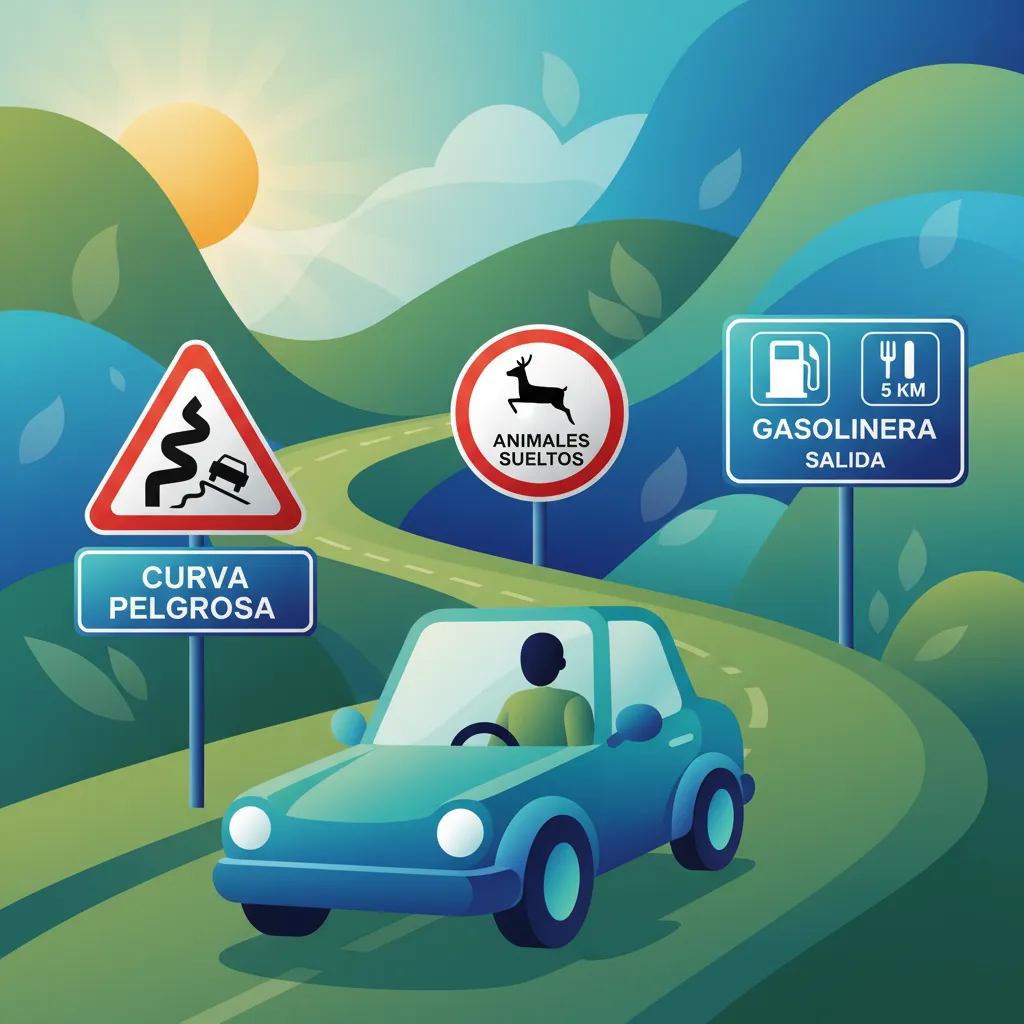
This lesson covers warning and informational signs, which are crucial for anticipating road conditions. It explains how triangular warning signs alert riders to upcoming hazards like sharp curves, slippery surfaces, or pedestrian crossings. The content also describes rectangular informational signs that provide directions, distances, and other useful guidance, helping riders to plan their route and adjust their driving in advance.

This lesson focuses on the primary components displayed on a vehicle's dashboard and their functional significance. Learners will identify instruments like the speedometer and fuel gauge and understand the meaning of key warning lights, including ABS, oil pressure, and check engine. The lesson explains how to interpret these signals while driving and the immediate actions required upon their illumination.
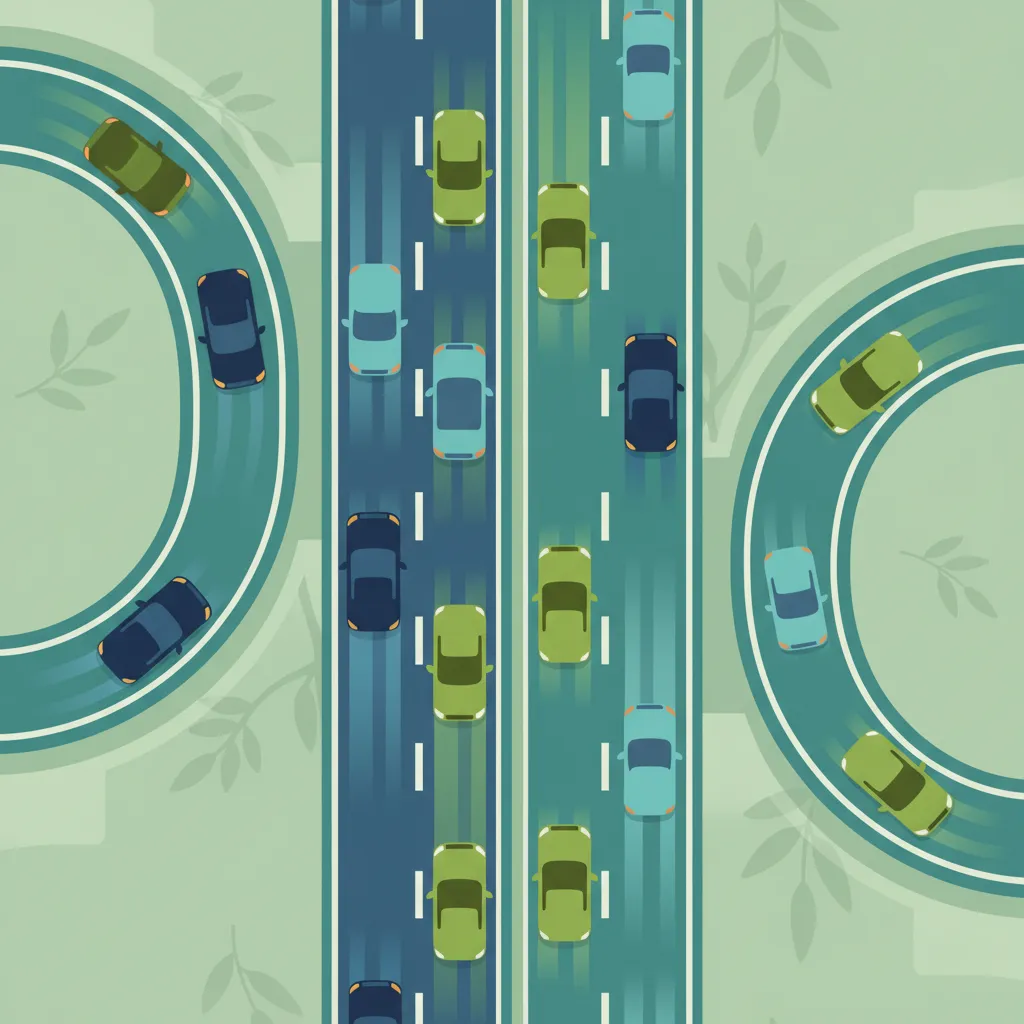
This lesson defines proper lane discipline on highways, emphasizing correct lane positioning and the rule to drive in the right-hand lane except when overtaking. It details safe merging onto main carriageways from an acceleration lane and effective exit strategies using deceleration lanes. Learners will understand DGT merge rules and the importance of signaling lane changes early.
Learn the critical difference between steady and flashing amber lights in Spain. This lesson clarifies yielding requirements, pedestrian crossing signals, and how to safely manage complex intersection scenarios according to DGT rules.
This lesson focuses on the comprehensive understanding of traffic light signals and their timing sequences. It defines the meanings of steady red, amber, and green lights, as well as flashing amber and arrow signals. The content also covers pedestrian and cyclist phases, describing the actions drivers must take during each signal change to maintain safety and compliance.
This lesson outlines the proper use and legal requirements of vehicle lighting and mirror systems. It covers headlamps, fog lights, turn signals, and brake lights, clarifying when each must be used according to DGT regulations. The lesson also explains the correct adjustment of rearview and side mirrors and strategies for effective blind-spot monitoring.
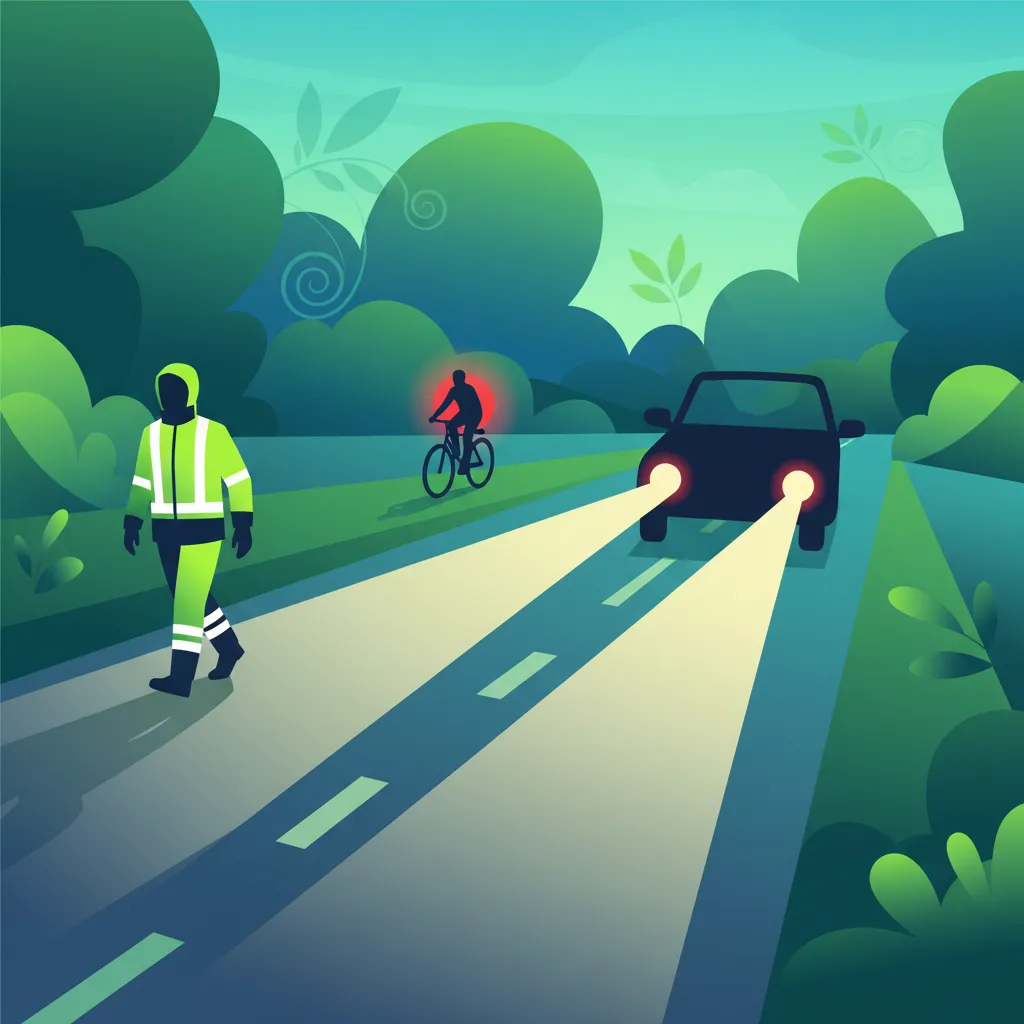
This lesson outlines the mandatory lighting and visibility equipment as per DGT regulations. It covers the correct use of headlights (low and high beams), taillights, and turn signals, ensuring the moped is visible to others, especially at night or in poor weather. The importance of wearing high-visibility or reflective clothing is also emphasized as a critical measure to enhance personal safety by making the rider more conspicuous.

This lesson focuses on the absolute priority of pedestrians at marked crosswalks, often known as zebra crossings. It explains that riders must always be prepared to stop and yield the right-of-way to any pedestrian waiting to cross or already crossing. The content also covers signaled pedestrian crossings and general awareness in urban areas where pedestrians may cross unexpectedly, reinforcing safety and legal compliance.
This lesson focuses on the primary components displayed on a vehicle's dashboard and their functional significance. Learners will identify instruments like the speedometer and fuel gauge and understand the meaning of key warning lights, including ABS, oil pressure, and check engine. The lesson explains how to interpret these signals while driving and the immediate actions required upon their illumination.

This lesson explores the design and legal requirements of pedestrian crossings in Spanish urban areas. It clarifies the rules at zebra crossings, signal-controlled crossings, and areas where cyclists or other vulnerable users share space. The content explains the required safety distances and signage indicating crossing zones to ensure drivers respect all road users.
This lesson addresses the specific challenges posed by rain and fog, focusing on reduced visibility and loss of traction. It explains the proper use of windshield wipers and fog lights, and the need to adjust speed and increase following distance. The content covers how to prevent and react to hydroplaning (aquaplaning) to maintain vehicle control.
This lesson covers warning and informational signs, which are crucial for anticipating road conditions. It explains how triangular warning signs alert riders to upcoming hazards like sharp curves, slippery surfaces, or pedestrian crossings. The content also describes rectangular informational signs that provide directions, distances, and other useful guidance, helping riders to plan their route and adjust their driving in advance.
This lesson addresses the crucial 'priority to the right' rule that governs traffic at intersections without signs or signals. It explains that drivers must yield to any vehicle approaching from their right-hand side. The content provides practical examples of how to assess traffic, determine the correct order of passage, and proceed with caution to safely navigate these common but potentially confusing intersections.
This lesson covers how environmental conditions such as rain, fog, and darkness affect driving safety. It instructs drivers on adjusting speed, using appropriate lighting, and increasing following distance to compensate for reduced visibility and traction. The lesson incorporates DGT safety recommendations for handling adverse weather to mitigate risk and maintain control.
Find clear answers to common questions learners have about Traffic Lights and Their Phases. Learn how the lesson is structured, which driving theory objectives it supports, and how it fits into the overall learning path of units and curriculum progression in Spain. These explanations help you understand key concepts, lesson flow, and exam focused study goals.
A flashing amber light in Spain indicates that you should proceed with caution. It means the traffic signal is about to change or is malfunctioning, and you must yield to other traffic and pedestrians already in or approaching the intersection. Always be prepared to stop if necessary.
You must always stop completely when you see a solid red traffic light. Stop before the stop line or, if there isn't one, before entering the intersection or the pedestrian crossing. Remain stopped until the light turns green.
The red-amber signal in Spain is shown before the light turns green. It indicates that the light is about to change. You should remain stopped at the red light and prepare to move off when the green light appears. Do not proceed on the red-amber signal.
No, the fundamental rules for traffic lights are the same for all vehicles, including mopeds, in Spain. You must obey all signals as indicated by the DGT. However, always be extra vigilant for other vehicles and pedestrians, especially at intersections.
Disobeying a traffic light is a serious traffic violation in Spain. It can result in fines, penalty points on your license, and potentially lead to dangerous situations or accidents. Adhering to traffic light signals is crucial for safety and legal compliance.
Use our powerful search functionality to pinpoint specific Spanish DGT driving theory practice sets. Filter by road sign categories, traffic law topics, or question difficulty to build custom study sessions and reinforce your knowledge precisely where it matters for your official exam.