
Welcome to the first lesson of your Professional Bus and Coach Theory course! This module focuses on the essential D and D1 licence categories, outlining the DGT's specific requirements, including vehicle specifications, age, and medical standards. Understanding these foundational elements is crucial for a successful journey towards obtaining your professional driving licence in Spain.

Lesson content overview
Operating a passenger vehicle professionally in Spain, such as a bus or a coach, requires specific driving licences tailored to the size and capacity of the vehicle. The Dirección General de Tráfico (DGT) sets stringent requirements to ensure the safety and competence of professional drivers. This lesson provides a comprehensive breakdown of the D and D1 licence categories, detailing vehicle specifications, eligibility criteria, and the essential steps to legally operate large passenger vehicles in Spain.
The legal framework for driving passenger vehicles in Spain is robust, designed to uphold public safety and transport efficiency. Unlike a standard Category B licence for cars, professional passenger transport demands a higher level of skill, responsibility, and medical-psychological fitness. This is due to the inherent risks associated with carrying multiple passengers and operating larger, heavier vehicles. The DGT's differentiated licensing system ensures that only qualified individuals, who meet specific age, health, and training standards, are authorised to undertake this vital role. Understanding these categories and requirements is the first crucial step for any aspiring professional bus or coach driver in Spain.
The Category D licence is the primary credential for operating full-sized buses and coaches in Spain. It covers vehicles designed and constructed for the transport of more than eight passengers, in addition to the driver. This licence is essential for a wide array of professional driving roles, from urban public transport to long-distance intercity coach services.
A key characteristic of the Category D licence is its flexibility regarding vehicle length and weight. While vehicles must adhere to general legal maximums for buses, there isn't a specific length limit imposed by the D licence itself, allowing for the operation of vehicles up to the maximum permitted dimensions (e.g., 12 metres for standard rigid buses, 18.75 metres for articulated buses). The maximum permitted weight for vehicles operated under a D licence is generally 12,000 kg. This capacity allows drivers to operate various types of buses, including large city buses, school buses, and luxury touring coaches.
For professional purposes, a standard Category D licence must always be accompanied by a valid Professional Driver's Card (Carné de Conductor), which confirms the driver has completed the mandatory professional training. Furthermore, if a bus is equipped to tow a trailer (e.g., for luggage), an additional endorsement (D+E) might be required, subject to combined weight limits. The D licence enables drivers to contribute to essential public transport services, demonstrating the significant responsibility associated with this category.
The Category D1 licence caters to the operation of smaller passenger transport vehicles, commonly known as minibuses. This licence is specifically designed for vehicles that are more compact than full-sized buses but still exceed the passenger capacity of a standard car. It is ideal for drivers involved in small group tours, private hire services, or niche school transport routes.
The D1 licence comes with precise restrictions on both passenger capacity and vehicle dimensions. A D1 licence holder is authorised to drive vehicles with a maximum of 16 passenger seats, in addition to the driver's seat. Crucially, the maximum length of the vehicle permitted under a D1 licence is strictly 8 metres. These limits differentiate D1 from Category D, ensuring drivers are licenced for vehicles proportionate to their specific training and assessment.
Similar to Category D, operating a D1 vehicle for professional or commercial purposes necessitates possessing a valid Professional Driver's Card (Carné de Conductor). This ensures that even for smaller passenger vehicles, the driver has undergone the necessary professional training and psychological assessment. Misunderstanding the strict length and passenger seat limits for D1 is a common error; any vehicle exceeding 8 metres in length or carrying more than 16 passengers (excluding the driver) automatically falls under Category D requirements.
Obtaining a professional passenger vehicle licence in Spain involves meeting several stringent eligibility criteria set by the DGT. These requirements are in place to ensure that all professional drivers possess the necessary maturity, physical health, and psychological stability to safely transport passengers.
The minimum age requirement for professional driving licences reflects the increased responsibility associated with operating large passenger vehicles. These age limits are designed to ensure drivers have a certain level of maturity and driving experience before taking on such a demanding role.
These age reductions underscore the DGT's emphasis on comprehensive professional training as a means to accelerate a driver's entry into the profession while maintaining safety standards.
All professional drivers must undergo a thorough medical assessment to confirm their fitness to drive passenger vehicles. This certification is not a one-time requirement but a periodic one, ensuring that drivers maintain their health standards throughout their professional careers. The medical examination typically evaluates several critical aspects of a driver's health:
This initial certification is required before a licence can be issued. Subsequently, professional drivers must undergo periodic re-evaluation, typically every 5 years, or more frequently if specific medical conditions warrant closer monitoring. A certified medical report (informe médico) from an approved medical examination centre must be submitted to the DGT for licence issuance and renewal.
Beyond physical health, the DGT mandates a psychological assessment for all professional drivers (Category D and D1). This evaluation is designed to assess a driver's mental health, cognitive abilities, stress handling capacity, decision-making skills, and reaction times—all critical factors for safely managing a large vehicle and numerous passengers, especially in emergency situations.
The assessment typically involves a combination of standardized psychometric tests, designed to measure various cognitive and personality traits relevant to driving, along with a structured interview. In some cases, a more in-depth clinical evaluation might be required. The psychological assessment is a prerequisite for obtaining the Professional Driver’s Card (Carné de Conductor) and is also required upon each renewal, typically every 5 years, aligning with the medical certification schedule. This ensures that drivers maintain the necessary mental resilience and stability throughout their professional career.
The Professional Driver's Card, known as the "Carné de Conductor" in Spain, is a mandatory document for anyone operating a Category D or D1 vehicle for commercial or professional purposes. It is distinct from the driving licence itself and serves as official proof that the driver has completed the required professional training and assessments.
Eligibility for the Professional Driver's Card hinges on the successful completion of the "Curso de Conductor Profesional," a comprehensive training program. This course, often referred to by its European acronym "CAP inicial" (Certificado de Aptitud Profesional), typically consists of 120 hours of theoretical and practical modules. The curriculum covers a wide range of topics, including advanced vehicle dynamics, passenger safety protocols, legal responsibilities, economic driving, and hazard perception.
The Professional Driver's Card contains essential information about the driver, including their personal data, the categories for which they are qualified (e.g., D, D1), and the validity period. The card is generally valid for 5 years and must be renewed through a refresher course (CAP continua) and updated medical and psychological reassessments. Failure to hold a valid Professional Driver's Card while operating a professional passenger vehicle can lead to significant administrative penalties, including fines and potential licence suspension.
Meet Minimum Age Requirements: Ensure you meet the age criteria for Category D or D1, with or without professional training reductions.
Obtain Driving Licence: Successfully pass the DGT's theoretical and practical exams for the D or D1 licence category.
Complete "Curso de Conductor Profesional" (CAP Initial): Enroll in and complete the mandatory 120-hour training course at an approved centre. This covers both theoretical knowledge and practical driving skills specific to professional passenger transport.
Pass CAP Initial Exam: Successfully pass the specific exam for the Certificate of Professional Competence.
Undergo Medical and Psychological Assessments: Obtain valid medical and psychological certificates from DGT-approved centres.
Apply for the Card: Submit all required documentation (licence, CAP certificate, medical and psychological reports) to the DGT to receive your Professional Driver's Card.
For professional bus and coach drivers in Spain, obtaining the necessary licences and certifications is only the first step. A continuous obligation exists to maintain all legal documents up-to-date and accessible. This commitment to ongoing compliance is fundamental to ensuring transport safety and adhering to Spanish transport legislation.
Key documents that a professional D or D1 licence holder must always carry and be able to present upon request include:
Failure to produce any of these documents during a roadside inspection by traffic authorities (such as the Guardia Civil or local police) can lead to significant administrative penalties, including fines. In serious cases, it can even result in the temporary suspension of the licence or impoundment of the vehicle, disrupting transport services and incurring substantial costs. Regular checks of expiry dates and prompt renewal procedures are crucial to avoid these consequences and ensure uninterrupted, legal operation.
Ignoring the specific regulations for professional bus and coach driving in Spain carries serious consequences, not just for the driver but also for passenger safety and public trust. Understanding common violations can help drivers avoid costly errors and ensure adherence to DGT regulations.
These examples highlight the DGT's strict stance on professional driver compliance. The rigorous requirements are not arbitrary; they are meticulously designed to mitigate risks and ensure the highest standards of safety for the public.
The stringent licensing requirements for Category D and D1 professional drivers in Spain are rooted in a fundamental commitment to public safety and risk management. Operating a large passenger vehicle involves inherent complexities and significant responsibilities that extend far beyond driving a private car.
Risk Management: Buses and coaches, due to their size and weight, possess substantially higher kinetic energy than smaller vehicles. This translates to longer braking distances, wider turning radii, and different handling characteristics, especially when fully loaded. Proper licensing ensures that drivers have been specifically trained to understand and manage these dynamics, significantly reducing the risk of accidents.
Human Factors: The role of a professional driver demands not only technical skill but also significant mental and psychological resilience. Psychological assessments address crucial human factors such as stress tolerance, decision-making under pressure, and the ability to maintain concentration over long periods. These are vital for managing large passenger loads in diverse traffic and weather conditions, responding calmly to emergencies, and dealing with passenger interactions.
Medical Fitness: Regular medical certifications are a proactive measure to prevent health-related incidents that could jeopardize passengers. Conditions affecting vision, hearing, cardiovascular health, or musculoskeletal function could suddenly impair a driver's ability to operate the vehicle safely. Continuous monitoring ensures that professional drivers remain in optimal health to perform their duties without compromise.
Legal and Ethical Safeguards: The minimum age requirements and mandatory professional training programs act as legal and ethical safeguards. They aim to ensure that drivers possess sufficient maturity, experience, and specialized knowledge before being entrusted with the lives of many passengers. This structured approach helps prevent inexperienced or inadequately trained individuals from operating high-capacity vehicles, thereby drastically decreasing the probability of incidents caused by lack of competence.
Data Insight: Statistics from the DGT and other European transport authorities consistently show that professional driver training programs significantly reduce crash rates in buses and coaches compared to untrained operators. This underscores the effectiveness and necessity of the rigorous licensing process.
In essence, every component of the DGT's licensing framework, from age limits to medical and psychological evaluations and the professional driver's card, contributes to creating a safer transport environment. These measures collectively ensure that professional bus and coach drivers in Spain are well-prepared, healthy, and psychologically fit to uphold the highest standards of passenger safety and operational excellence.
This lesson covers the complete requirements for obtaining Category D (full-sized buses) and D1 (minibuses up to 8 metres and 16 passengers) professional passenger transport licences in Spain. It explains that D licence holders can operate larger vehicles with higher weight limits, while D1 is restricted to smaller vehicles with strict dimensional and capacity limits. Minimum age requirements are 24 for D and 21 for D1, both reducible by one year upon completing the mandatory 120-hour CAP inicial professional training course. Both licence categories require passing a comprehensive medical examination assessing vision, hearing, cardiovascular health, and musculoskeletal fitness, along with a psychological assessment evaluating cognitive abilities, stress tolerance, and decision-making capacity. The Professional Driver's Card (Carné de Conductor) is mandatory for professional operation, valid for 5 years, and must be renewed through refresher training and updated medical and psychological assessments.
A short set of high-value points that capture the most important learning from this lesson.
Category D licences cover full-sized buses designed for more than eight passengers with a maximum permitted weight of 12,000 kg and no specific length limit beyond legal maximums.
Category D1 licences are restricted to minibuses with a maximum length of 8 metres and a maximum of 16 passenger seats excluding the driver.
A Professional Driver's Card (Carné de Conductor) is mandatory for anyone operating D or D1 vehicles for professional or commercial purposes, separate from the driving licence itself.
Both medical and psychological assessments are required prerequisites for obtaining and renewing professional passenger transport licences, typically every 5 years.
The mandatory CAP inicial course (120 hours) enables age reductions for both D and D1 licences, allowing younger drivers to enter the profession with proper training.
Explore all units and lessons included in this driving theory course.
D licence: no specific length limit (up to legal maximums like 12m rigid, 18.75m articulated), max weight 12,000 kg, drives buses with more than 8 passengers.
D1 licence: strictly max 8 metres length, max 16 passenger seats, for minibuses only—any vehicle exceeding these limits requires a D licence.
Age limits: D requires 24 years (or 21 with CAP training); D1 requires 21 years (or 18 with CAP training).
Medical certificate (informe médico) covers vision, hearing, cardiovascular, musculoskeletal, and neurological/psychiatric fitness and must be renewed every 5 years.
The Carné de Conductor is a separate mandatory card from the licence—it proves professional competence through CAP completion and must also be renewed every 5 years.
Confusing D1 vehicle limits—driving a vehicle exceeding 8 metres in length or more than 16 passenger seats automatically requires a D licence, not D1.
Assuming a Category B licence covers buses—standard car licences only permit vehicles with up to 8 passenger seats, not full-sized buses.
Operating a D or D1 vehicle professionally without a valid Professional Driver's Card, even if the driving licence itself is valid.
Letting medical or psychological certificates expire—driving with expired certification means your fitness has not been confirmed and can invalidate your professional qualification.
Failing to carry all required documentation during inspections, leading to fines and delays, even when licences are valid.
Lesson content overview
A short set of high-value points that capture the most important learning from this lesson.
Category D licences cover full-sized buses designed for more than eight passengers with a maximum permitted weight of 12,000 kg and no specific length limit beyond legal maximums.
Category D1 licences are restricted to minibuses with a maximum length of 8 metres and a maximum of 16 passenger seats excluding the driver.
A Professional Driver's Card (Carné de Conductor) is mandatory for anyone operating D or D1 vehicles for professional or commercial purposes, separate from the driving licence itself.
Both medical and psychological assessments are required prerequisites for obtaining and renewing professional passenger transport licences, typically every 5 years.
The mandatory CAP inicial course (120 hours) enables age reductions for both D and D1 licences, allowing younger drivers to enter the profession with proper training.
Explore all units and lessons included in this driving theory course.
D licence: no specific length limit (up to legal maximums like 12m rigid, 18.75m articulated), max weight 12,000 kg, drives buses with more than 8 passengers.
D1 licence: strictly max 8 metres length, max 16 passenger seats, for minibuses only—any vehicle exceeding these limits requires a D licence.
Age limits: D requires 24 years (or 21 with CAP training); D1 requires 21 years (or 18 with CAP training).
Medical certificate (informe médico) covers vision, hearing, cardiovascular, musculoskeletal, and neurological/psychiatric fitness and must be renewed every 5 years.
The Carné de Conductor is a separate mandatory card from the licence—it proves professional competence through CAP completion and must also be renewed every 5 years.
Confusing D1 vehicle limits—driving a vehicle exceeding 8 metres in length or more than 16 passenger seats automatically requires a D licence, not D1.
Assuming a Category B licence covers buses—standard car licences only permit vehicles with up to 8 passenger seats, not full-sized buses.
Operating a D or D1 vehicle professionally without a valid Professional Driver's Card, even if the driving licence itself is valid.
Letting medical or psychological certificates expire—driving with expired certification means your fitness has not been confirmed and can invalidate your professional qualification.
Failing to carry all required documentation during inspections, leading to fines and delays, even when licences are valid.
Explore search topics learners often look for when studying Licence Categories and Requirements. These topics reflect common questions about road rules, driving situations, safety guidance, and lesson level theory preparation for learners in Spain.
Browse additional driving theory lessons that cover connected traffic rules, road signs, and common driving situations related to this topic. Improve your understanding of how different rules interact across everyday traffic scenarios.
Understand the specific DGT eligibility criteria for Category D and D1 licences in Spain. Covers minimum age, mandatory medical certifications, and psychological assessments for professional bus and coach drivers.
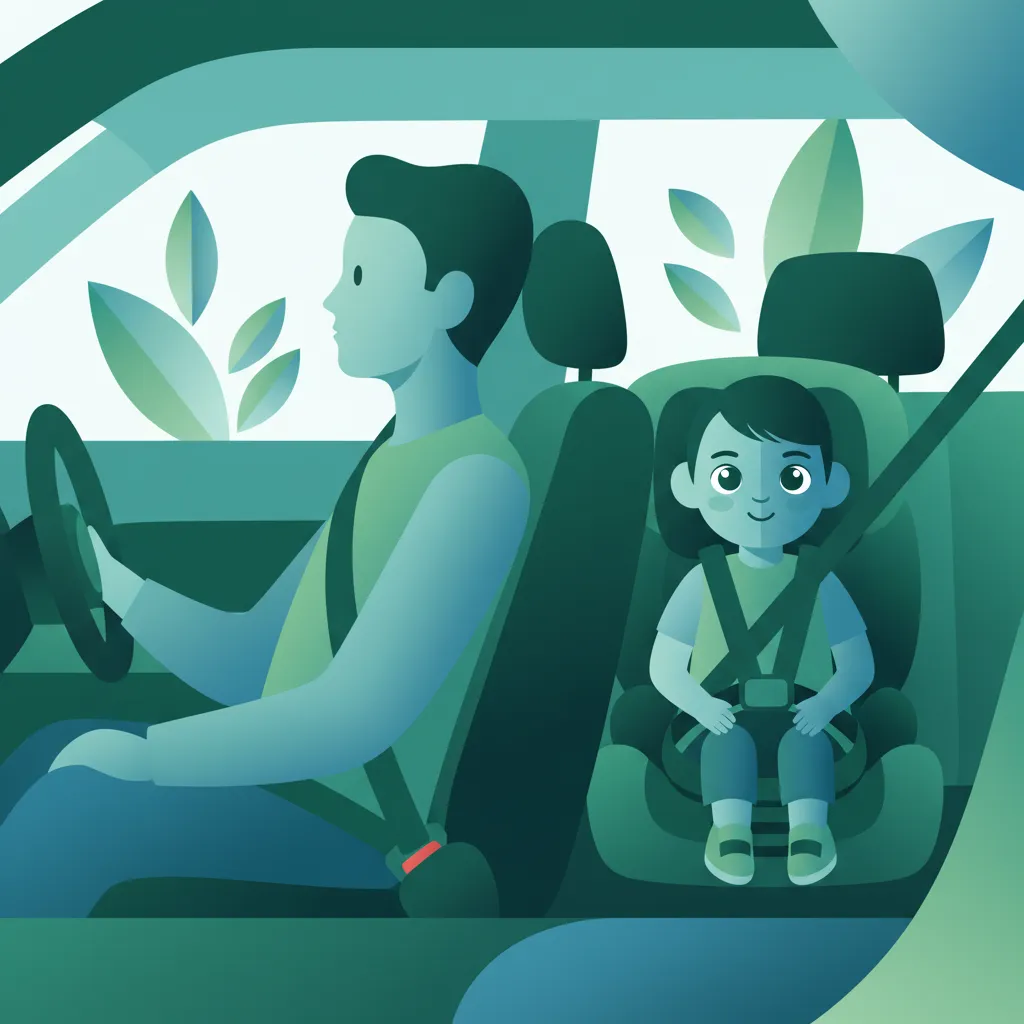
This lesson details the legal requirements for the use of seatbelts and child restraint systems in buses and coaches, as stipulated by DGT regulations. It specifies the age and size limits for various restraint devices and explains the verification checks drivers must perform. Learners will also review safety statistics that highlight the importance of correct usage and understand the legal penalties associated with non-compliance.

This lesson addresses overtaking procedures and lane discipline specifically for large coaches, emphasizing correct lane positioning and safe passing practices on multi-lane highways. It covers the legal rules for overtaking, the critical need for comprehensive blind spot checks before changing lanes, and the importance of signaling intentions early. Learners will also be taught how to maintain appropriate safety gaps when maneuvering around slower-moving traffic.
This lesson focuses on the legal duty of care that professional bus drivers owe to their passengers, emphasizing the obligation to ensure safe transport. It examines the specific traffic laws applicable to heavy vehicles and the consequences of violations, such as fines and license sanctions. The content also details the mandatory procedures for reporting incidents and the essential insurance coverage required by the DGT.

This lesson provides detailed guidance on accommodating passengers with disabilities, covering the correct operation of wheelchair ramps, allocation of priority seating, and use of communication aids. Learners will understand the legal accessibility standards set by the DGT, the training required for staff, and techniques for preserving passenger dignity during boarding and travel. Emphasis is placed on safety, respect, and full compliance with all accessibility regulations.

This lesson details the critical documents necessary for the legal operation of a passenger transport vehicle, such as the vehicle registration, driver's license, and insurance policy. It explains the function of the technical inspection certificate (ITV) and the necessity of maintaining accurate driver logbooks and records. Understanding these documentation requirements is essential for passing compliance audits and ensuring lawful operation.

This lesson provides a comprehensive overview of the legal and practical requirements for making public transport accessible to all passengers, including those with disabilities. It covers the correct use of designated wheelchair spaces, ramp operation, priority seating, and the function of tactile and auditory alerts. Learners will understand their obligations to assist passengers safely and respectfully, ensuring full compliance with accessibility legislation.

This lesson outlines the core principles of defensive driving, focusing on maintaining a safe following distance, creating a protective space cushion around the vehicle, and anticipating potential hazards. Learners will be taught how to develop contingency plans for unexpected events and employ risk mitigation techniques to actively avoid accidents. The content reinforces the vital importance of remaining vigilant and proactive at all times when driving.
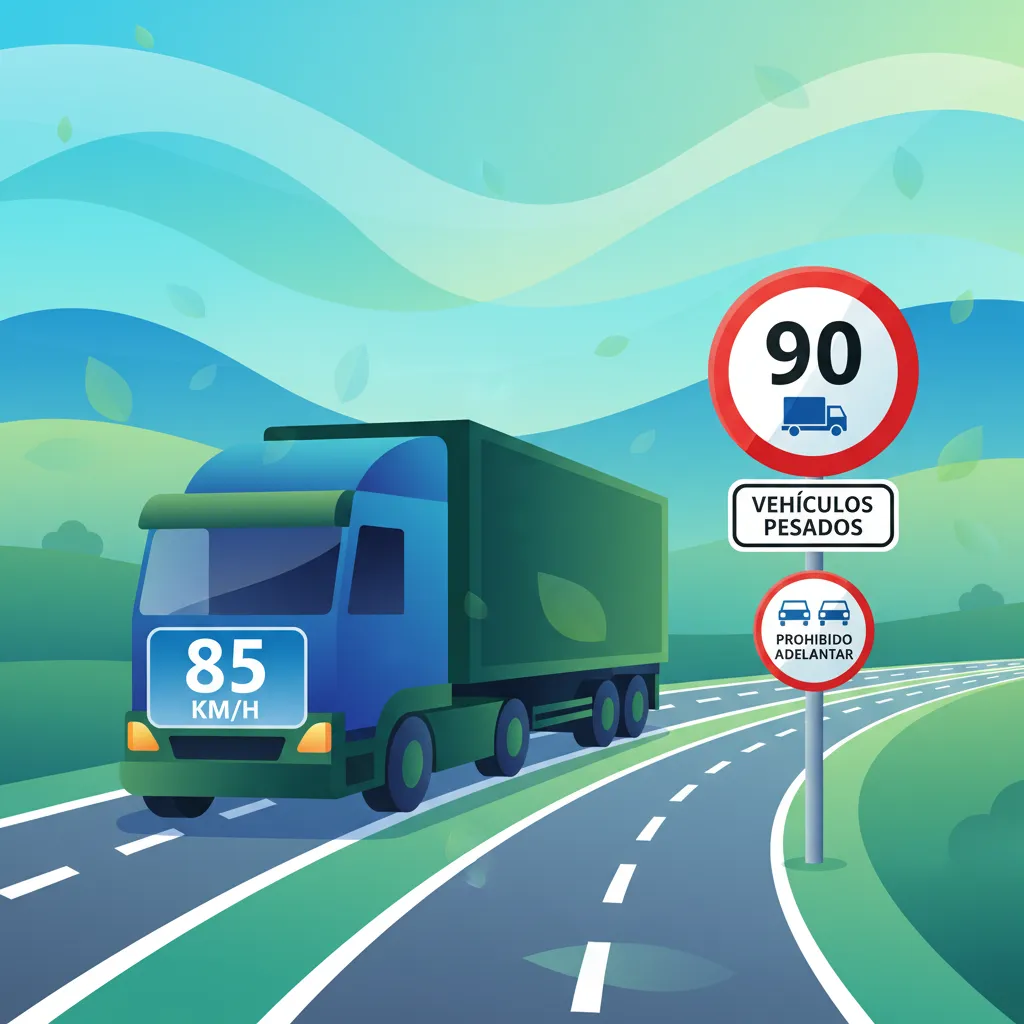
This lesson details the specific legal speed limits that apply to heavy passenger vehicles on Spanish highways, including variable speed zones that adjust based on traffic and weather conditions. Learners will understand the methods for speed monitoring, the function of speed control devices, and the legal consequences of non-compliance. The content also provides guidance on calculating a safe operating speed based on vehicle load and road conditions.

This lesson defines the minimum legal ages for driving categories B and BE and explains the importance of medical fitness for safe vehicle operation. It covers the specific health criteria set by the DGT, such as visual acuity, hearing capacity, and other physical capabilities. The content also outlines the distinctions between the two categories, focusing on the legal permissions and requirements for each.
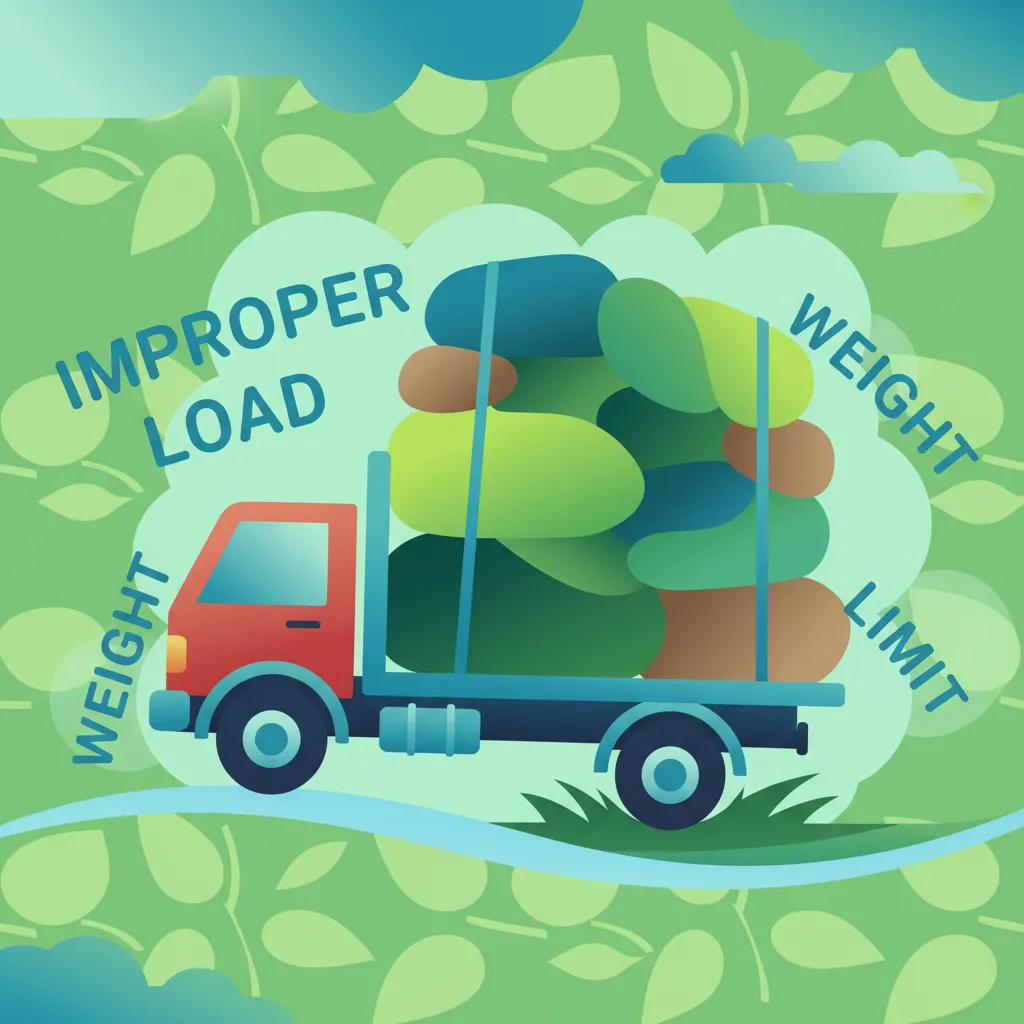
This lesson explains the critical importance of proper weight distribution and adherence to load limits for buses and coaches, focusing on gross vehicle weight and axle load regulations. It describes how passenger and cargo placement affects the centre of gravity, which in turn influences vehicle stability during acceleration, braking, and cornering. Learners will be taught best practices for load planning to ensure compliance and maintain safe handling.
Learn about the mandatory Professional Driver's Card (Carné de Conductor) for D and D1 licences in Spain. Covers training requirements, renewal processes, and essential documentation for professional bus and coach operators.
This lesson details the critical documents necessary for the legal operation of a passenger transport vehicle, such as the vehicle registration, driver's license, and insurance policy. It explains the function of the technical inspection certificate (ITV) and the necessity of maintaining accurate driver logbooks and records. Understanding these documentation requirements is essential for passing compliance audits and ensuring lawful operation.
This lesson focuses on the legal duty of care that professional bus drivers owe to their passengers, emphasizing the obligation to ensure safe transport. It examines the specific traffic laws applicable to heavy vehicles and the consequences of violations, such as fines and license sanctions. The content also details the mandatory procedures for reporting incidents and the essential insurance coverage required by the DGT.

This lesson examines the overarching legal framework that governs professional drivers in Spain, focusing on the Reglamento General de Circulación. It details the statutory obligations of a driver, such as maintaining mandatory insurance, ensuring vehicle roadworthiness, and carrying all required documentation. Learners will understand their legal responsibilities and the importance of compliance with DGT regulations to operate lawfully.

This lesson provides a detailed outline of the legal framework that governs driver duty hours in Spain, specifying the maximum continuous driving time and mandatory rest periods defined by the DGT. Learners will understand the limits on cumulative work hours, the necessity of meticulous record-keeping, and methods for monitoring compliance with these regulations. The module also discusses the penalties for violations and reinforces the safety imperative of adherence.
Find clear answers to common questions learners have about Licence Categories and Requirements. Learn how the lesson is structured, which driving theory objectives it supports, and how it fits into the overall learning path of units and curriculum progression in Spain. These explanations help you understand key concepts, lesson flow, and exam focused study goals.
The primary difference lies in the vehicle's capacity. A D licence allows you to drive buses with more than 16 passenger seats (excluding the driver), whereas a D1 licence is for vehicles with a maximum of 16 passenger seats and a maximum length of 8 metres. Both licences are for passenger transport.
For the D licence, the minimum age is 24 years old, though it can be obtained at 21 with the Certificate of Professional Competence (CPC). For the D1 licence, the minimum age is also 21 years old, or 20 if you possess the CPC.
The DGT requires candidates to pass a medical examination assessing vision, hearing, reflexes, and general health, as well as a psychotechnical test that evaluates cognitive abilities, coordination, and reaction times relevant to professional driving.
Yes, obtaining the Certificate of Professional Competence (CPC) is mandatory in Spain for professional drivers of buses and coaches. It involves initial training and passing an exam separate from the DGT theory test, and it affects the minimum age for obtaining the licence.
Generally, you will need your National Identity Document (DNI) or Foreigner Identity Number (NIE), passport-sized photographs, proof of residency, the completed application form, the medical and psychotechnical certificates, and proof of payment of relevant DGT fees.
Use our powerful search functionality to pinpoint specific Spanish DGT driving theory practice sets. Filter by road sign categories, traffic law topics, or question difficulty to build custom study sessions and reinforce your knowledge precisely where it matters for your official exam.