
This lesson dives into the fundamental legal framework for professional truck drivers holding Category C and C1 licences in Spain. You will explore the specific regulations from the DGT's Reglamento General de Circulación, covering essential driver obligations. Understanding these responsibilities is crucial for operating legally, ensuring road safety, and succeeding in your DGT theory exam.

Lesson content overview
Operating a heavy goods vehicle (HGV) in Spain, whether a Category C or C1 truck, demands a thorough understanding of the specific legal framework that governs professional drivers. This lesson serves as an introduction to these statutory obligations, focusing on the foundational principles established by the Reglamento General de Circulación (RGC), Spain's general traffic code, and the directives issued by the Dirección General de Tráfico (DGT), the national authority responsible for road safety. Compliance with these regulations is not merely an administrative task; it is the cornerstone of safe, legal, and responsible professional driving.
The importance of mastering these legal requirements cannot be overstated. They directly influence every aspect of professional truck operation, from the initial licensing process to daily vehicle maintenance, load management, and what documentation must always be carried. Adhering to these laws ensures public safety, protects the environment, and promotes equitable road usage for all. As you progress through this Official DGT Theory Course for Spanish Truck Licence Category C & C1, you will see how these initial legal tenets underpin all subsequent modules, from vehicle dimensions and braking systems to hazard perception and emergency procedures.
The legal framework for professional driving in Spain is a comprehensive system designed to ensure that all heavy vehicle operators meet uniform safety and operational standards. At its heart lies the Reglamento General de Circulación (RGC), which provides the overarching rules for road users, including specific provisions for goods vehicles. Complementing the RGC are regulations and directives from the Dirección General de Tráfico (DGT), which detail technical requirements, inspection protocols, and licensing standards.
The underlying logic behind this extensive legal structure is multifaceted. It prioritizes public safety by mitigating risks associated with large, heavy vehicles, such as increased stopping distances and potential for greater damage in accidents. Environmental protection is addressed through regulations like emissions standards, while equitable road usage is promoted by ensuring vehicles adhere to weight and dimension limits that prevent undue wear on infrastructure. For professional drivers, the law translates these risk-mitigation strategies—like mandatory insurance and periodic technical inspections—into clear, enforceable obligations.
This foundational understanding directly connects to other vital areas of your training. Knowledge of required licence types (covered in "Licensing & Professional Responsibilities") is a prerequisite, while an understanding of vehicle dimensions and weight limits (detailed in "Vehicle Dimensions & Limitations") relies heavily on the legal constraints discussed here. Whether it's the proper functioning of braking systems ("Controls & Systems") or the safe distribution of cargo ("Load Management & Stability"), legal compliance is paramount.
One of the most fundamental legal obligations for any vehicle operating on public roads in Spain, especially heavy goods vehicles, is to possess valid mandatory insurance. This is typically a compulsory civil liability policy, also known as third-party liability insurance, designed to cover damages caused to third parties in the event of an accident. It guarantees that victims of an accident will receive compensation for injuries or property damage, regardless of the driver's financial situation.
In Spain, RGC Article 23 explicitly mandates that every vehicle circulating on public roads must be insured. While the basic requirement is third-party only, professional drivers often opt for more comprehensive policies that include coverage for fire, theft, or even full comprehensive protection, depending on the value and operational context of the vehicle. Regardless of the policy's breadth, the minimum civil liability coverage is non-negotiable. Before commencing any journey, a professional driver must verify that their vehicle has a current and valid insurance policy, and the insurer’s details are typically recorded on an insurance certificate, often referred to as the Carta Verde (Green Card) for international travel.
A common misunderstanding is believing that a temporary or foreign policy is automatically sufficient for prolonged operation within Spain without proper Spanish registration or recognition. This can lead to serious complications. For instance, a truck driver might believe their existing policy from another EU country is sufficient without realizing the specific requirements for long-term operation or Spanish-registered vehicles. Driving without valid insurance in Spain carries severe penalties, including substantial fines and the immediate immobilization and seizure of the vehicle. Beyond the legal ramifications, the driver becomes personally and fully liable for all damages caused in an accident, which can result in devastating financial consequences.
Driving a heavy goods vehicle in Spain without valid mandatory insurance is a serious offense. It can lead to fines of up to €3,000, immediate vehicle immobilization, and potential personal liability for any damages caused in an accident. Always verify your insurance coverage before every journey.
The Inspección Técnica de Vehículos (ITV) is a periodic technical inspection that all vehicles in Spain must undergo to confirm their roadworthiness, adherence to emissions standards, and proper functioning of safety equipment. For heavy goods vehicles, particularly those in Category C and C1, the ITV is even more critical and frequent due to the increased risks associated with their size and weight. This stringent inspection process is designed to prevent unsafe or environmentally non-compliant vehicles from circulating on public roads, thereby safeguarding both road users and the environment.
The frequency of ITV inspections for heavy vehicles varies based on their weight and use. According to RGC Annex II, newly registered vehicles over 3,500 kg (3.5 tonnes) generally require their first ITV after a certain period, followed by subsequent inspections at more frequent intervals. For many heavier or commercial vehicles (e.g., those over 6 tonnes), inspections might be required quarterly or every six months. Professional drivers must be fully aware of their specific vehicle's inspection schedule, schedule appointments in advance, and ensure the vehicle passes the inspection. Upon successful completion, an ITV certificate is issued, and a distinctive sticker must be displayed on the vehicle's windshield.
A frequent misunderstanding is the belief that an expired ITV is acceptable if the vehicle appears to have no visible defects. This is incorrect and highly risky. Even a perfectly functioning vehicle is considered non-compliant if its ITV has expired. For example, a 7-tonne truck registered for commercial use will have a demanding ITV schedule, potentially every six months. If a driver fails to renew this ITV, they face a fine and the potential immobilization of their vehicle, preventing them from continuing their journey until a valid ITV is obtained.
Operating a heavy goods vehicle in Spain legally requires the physical presence of specific documents within the vehicle at all times. This obligation is crucial for on-the-spot verification by law enforcement authorities, allowing them to quickly confirm the vehicle's compliance with regulations and the driver's authorization to operate. Failure to produce these documents during a traffic stop can result in immediate administrative penalties.
The mandatory documents include:
Your valid Driving Licence (Permiso de Conducir) for Category C or C1. This confirms your authorization to operate the specific type of heavy vehicle.
The Vehicle Registration Certificate (Permiso de Circulación), which legally identifies the vehicle and its registered owner.
The Insurance Certificate (Certificado de Seguro or Carta Verde), proving the vehicle has valid mandatory civil liability insurance.
The ITV Card (Tarjeta de Inspección Técnica) and the corresponding ITV sticker displayed on the windshield, confirming the vehicle has passed its technical inspection.
For vehicles transporting cargo, Load Documents such as a Bill of Lading (Carta de Porte) or other weight certificates detailing the goods being transported.
Any additional permits required for specific types of cargo (e.g., hazardous materials) or routes (e.g., special transport authorizations).
RGC Articles 23-24 specifically outline these documentation requirements and the penalties for non-presentation. A common misunderstanding in the digital age is believing that a digital copy of documents on a smartphone satisfies the requirement. While some authorities may tolerate digital evidence in certain situations, the general rule in Spain is that the original physical documents must be carried and presented immediately upon request. For example, if an inspection officer stops a truck and the driver can only show a photo of their ITV card, they may still receive a fine, as the physical document was not present. Always keep original, valid documents securely in the vehicle.
For professional drivers of Category C and C1 vehicles, effective load management is a critical legal and safety obligation. This involves not only adhering to legally defined maximum laden weight (MML) limits but also ensuring the proper distribution and robust securing of cargo within the vehicle. These measures are designed to maintain vehicle stability, protect road infrastructure from excessive wear, and prevent dangerous cargo shifts during transit.
Key parameters in load management include the overall vehicle weight (MML), individual axle load limits, the vehicle's centre of gravity, and the integrity of securement points. Drivers must meticulously calculate the load before departure, considering the weight of the vehicle itself (tare weight), the cargo, and any occupants. It is also crucial to use appropriate tie-downs and securing methods that are suitable for the type and weight of the cargo. Verification of axle loads, often done using weighbridges, is essential to ensure weight is evenly distributed and does not exceed limits for specific axles, which could lead to structural damage or loss of control.
RGC Article 46 clearly defines MML limits for various vehicle configurations, while specific guidance on load securing is provided by DGT directives, such as DGT Circular 2023-12. A common misunderstanding among drivers is that a vehicle's advanced braking performance can compensate for an overloaded state. This is highly dangerous, as overloading severely increases braking distances, compromises steering, and can lead to tyre blowouts or axle failures. For instance, a truck with a declared MML of 26 tonnes that exceeds this limit by just 2 tonnes could lead to the driver facing fines of up to €3,000 and potential loss of driving licence points, as well as significantly increasing accident risk.
Beyond the vehicle itself, the legal framework in Spain places significant emphasis on the driver's fitness to operate heavy goods vehicles. This refers to the specific health, vision, and hearing standards that individuals must meet to obtain and retain a Category C or C1 driving licence. The rationale is clear: professional drivers spend long hours on the road, often under challenging conditions, and their physical and mental capabilities directly impact road safety.
The medical assessment for professional drivers is comprehensive, evaluating various components such as:
Professional drivers holding Category C or C1 licences are required to undergo periodic medical examinations, typically every five years (or more frequently for older drivers or specific health conditions), to ensure they continue to meet these stringent standards. Upon passing, a medical certificate is issued, which may need to be presented alongside other documentation. Royal Decree 2822/1998 outlines the detailed medical criteria for professional drivers in Spain.
A prevalent misunderstanding is believing that a general health check from a family doctor suffices, without undergoing the specific DGT-approved examination conducted by authorized medical centres. Only these specialized assessments are recognized for licence renewal purposes. A driver who fails, for example, the required vision test cannot legally operate a heavy truck until their vision is corrected and re-assessed, as doing so would invalidate their licence and insurance in the event of an incident.
Adherence to specific rules and regulations forms the bedrock of professional driving in Spain. These guidelines, primarily derived from the Reglamento General de Circulación (RGC) and DGT directives, ensure a standardized approach to safety and compliance across the transport sector. Understanding the rationale behind each rule is as important as knowing the rule itself, as it fosters a deeper commitment to road safety.
Professional truck drivers face significant penalties for non-compliance with Spain's legal framework. Understanding common violations is key to avoiding costly fines, licence points deductions, vehicle immobilization, and, most importantly, preventing dangerous situations.
The application and enforcement of legal obligations for professional drivers are not always static; they can vary significantly based on different contextual factors. Understanding these nuances is crucial for maintaining continuous compliance and ensuring safety.
Understanding the cause-and-effect relationships inherent in legal compliance highlights why these obligations are non-negotiable for professional drivers. Each rule is designed to prevent specific negative outcomes and promote overall road safety and efficiency.
This lesson on the legal framework and driver obligations serves as a crucial foundation for all subsequent topics within the Official DGT Theory Course for Spanish Truck Licence Category C & C1. It establishes the mandatory parameters within which all other driving skills and knowledge must operate.
Understanding the legal framework is best solidified through practical examples that simulate real-world situations professional drivers might encounter.
A professional driver is making urban deliveries in a city centre. The weather is clear, and traffic is light. The rule is that the vehicle must possess a valid ITV certificate and display the corresponding sticker, as per RGC Annex II.
A driver is transporting goods on a motorway at a typical cruising speed. Conditions are dry, and the speed limit is 80 km/h for trucks. The rule is that Maximum Laden Weight (MML) limits must not be exceeded, as defined in RGC Article 46.
Driving on a rural road late at night with low visibility, a professional driver encounters a DGT road check. The rule is that the insurance certificate must be physically carried in the vehicle, as mandated by RGC Article 23.
A truck is navigating a mountainous route with wet road conditions and steep gradients. The rule is that cargo must be secured according to DGT Circular 2023-12 and RGC provisions to prevent movement.
The legal framework for professional driving in Spain is built upon fundamental safety principles and statistical evidence. Understanding these insights provides a deeper appreciation for why compliance is so crucial.
Navigating the roads of Spain as a professional Category C or C1 truck driver requires an unwavering commitment to the established legal framework. This framework is primarily defined by the Reglamento General de Circulación (RGC) and the specific directives issued by the Dirección General de Tráfico (DGT).
Key obligations for every professional driver include:
Violations of these fundamental obligations can lead to severe penalties, including substantial fines, deductions of licence points, vehicle immobilization, or even licence suspension. Furthermore, contextual variations such as adverse weather, different road types, or whether the vehicle is loaded versus unloaded, can significantly alter the application of these rules and underscore the paramount importance of strict compliance.
Integrating a thorough understanding of these legal obligations is not just about avoiding penalties; it is about embracing a professional mindset that prioritizes safety, responsibility, and operational integrity. This foundational knowledge is essential for building competence as you delve into more technical units of your Category C and C1 training, such as advanced braking systems, complex manoeuvring techniques, and critical hazard perception strategies.
This lesson covers the foundational Spanish DGT legal framework for Category C and C1 professional truck drivers, established through the Reglamento General de Circulación and DGT directives. Key obligations include maintaining mandatory third-party civil liability insurance (RGC Article 23), passing periodic ITV inspections at mandated intervals, physically carrying all required documents including driving licence, vehicle registration, insurance certificate, and ITV card, adhering to Maximum Laden Weight limits with proper load distribution and DGT-approved securing methods, and meeting periodic DGT-authorised medical fitness standards. Non-compliance can result in substantial fines up to €3,000, vehicle immobilisation, licence points deductions, and personal liability for damages, while contextual factors such as weather, road type, and loaded versus unloaded status all influence how these obligations are applied and enforced on the road.
A short set of high-value points that capture the most important learning from this lesson.
The Reglamento General de Circulación (RGC) and DGT directives form the mandatory legal framework governing all Category C and C1 professional drivers in Spain.
Every vehicle on Spanish public roads must carry valid mandatory third-party civil liability insurance at all times, with no exceptions.
The Inspección Técnica de Vehículos (ITV) is a non-negotiable periodic technical inspection for heavy goods vehicles, with intervals varying by vehicle weight and registration date.
Professional drivers must physically carry original documentation including their licence, vehicle registration, insurance certificate, ITV card, and load documents at all times.
Maximum Laden Weight (MML) limits and proper load securing using DGT-approved methods are legally mandatory to maintain vehicle stability and road safety.
Explore all units and lessons included in this driving theory course.
RGC Article 23 mandates third-party insurance; RGC Article 46 sets MML limits; RGC Annex II defines ITV intervals; RGC Article 24 requires physical document carrying.
Digital copies on smartphones are generally not accepted as substitutes for original physical documents during traffic stops in Spain.
ITV for vehicles over 6 tonnes typically requires inspection every six months, and an expired ITV renders the vehicle non-compliant regardless of apparent mechanical condition.
Driver medical fitness for Category C/C1 must be assessed by DGT-authorised medical centres, not a general family doctor.
DGT Circular 2023-12 provides specific guidance on load securing methods and requirements for heavy goods vehicles.
Assuming a digital photo of insurance or ITV documents on a smartphone satisfies the requirement, when physical originals must be carried and presented.
Believing that an expired ITV is acceptable if the vehicle appears to function normally; expired ITV equals non-compliance regardless of vehicle condition.
Thinking a foreign insurance policy automatically covers prolonged operation in Spain without proper validation or translation documentation.
Underestimating braking distance increases caused by overloading, assuming a vehicle's advanced braking system can compensate for excess weight.
Relying on general health checks instead of undergoing the specific DGT-approved medical examination required for professional licence renewal.
Lesson content overview
A short set of high-value points that capture the most important learning from this lesson.
The Reglamento General de Circulación (RGC) and DGT directives form the mandatory legal framework governing all Category C and C1 professional drivers in Spain.
Every vehicle on Spanish public roads must carry valid mandatory third-party civil liability insurance at all times, with no exceptions.
The Inspección Técnica de Vehículos (ITV) is a non-negotiable periodic technical inspection for heavy goods vehicles, with intervals varying by vehicle weight and registration date.
Professional drivers must physically carry original documentation including their licence, vehicle registration, insurance certificate, ITV card, and load documents at all times.
Maximum Laden Weight (MML) limits and proper load securing using DGT-approved methods are legally mandatory to maintain vehicle stability and road safety.
Explore all units and lessons included in this driving theory course.
RGC Article 23 mandates third-party insurance; RGC Article 46 sets MML limits; RGC Annex II defines ITV intervals; RGC Article 24 requires physical document carrying.
Digital copies on smartphones are generally not accepted as substitutes for original physical documents during traffic stops in Spain.
ITV for vehicles over 6 tonnes typically requires inspection every six months, and an expired ITV renders the vehicle non-compliant regardless of apparent mechanical condition.
Driver medical fitness for Category C/C1 must be assessed by DGT-authorised medical centres, not a general family doctor.
DGT Circular 2023-12 provides specific guidance on load securing methods and requirements for heavy goods vehicles.
Assuming a digital photo of insurance or ITV documents on a smartphone satisfies the requirement, when physical originals must be carried and presented.
Believing that an expired ITV is acceptable if the vehicle appears to function normally; expired ITV equals non-compliance regardless of vehicle condition.
Thinking a foreign insurance policy automatically covers prolonged operation in Spain without proper validation or translation documentation.
Underestimating braking distance increases caused by overloading, assuming a vehicle's advanced braking system can compensate for excess weight.
Relying on general health checks instead of undergoing the specific DGT-approved medical examination required for professional licence renewal.
Explore search topics learners often look for when studying Legal Framework and Driver Obligations. These topics reflect common questions about road rules, driving situations, safety guidance, and lesson level theory preparation for learners in Spain.
Browse additional driving theory lessons that cover connected traffic rules, road signs, and common driving situations related to this topic. Improve your understanding of how different rules interact across everyday traffic scenarios.
Explore the specific legal duties of professional truck drivers in Spain. This lesson covers mandatory insurance requirements, vehicle technical inspection (ITV) compliance, and essential documentation needed to operate heavy goods vehicles lawfully according to DGT regulations.

This lesson provides a step-by-step guide to the licensing process for professional truck drivers in Spain. It covers the necessary administrative procedures, including the mandatory medical examination and psychotechnical tests required for eligibility. Learners will understand the full scope of documentation needed for the application, such as training certificates and identity verification, to ensure a smooth process.

This lesson details the critical documents necessary for the legal operation of a passenger transport vehicle, such as the vehicle registration, driver's license, and insurance policy. It explains the function of the technical inspection certificate (ITV) and the necessity of maintaining accurate driver logbooks and records. Understanding these documentation requirements is essential for passing compliance audits and ensuring lawful operation.
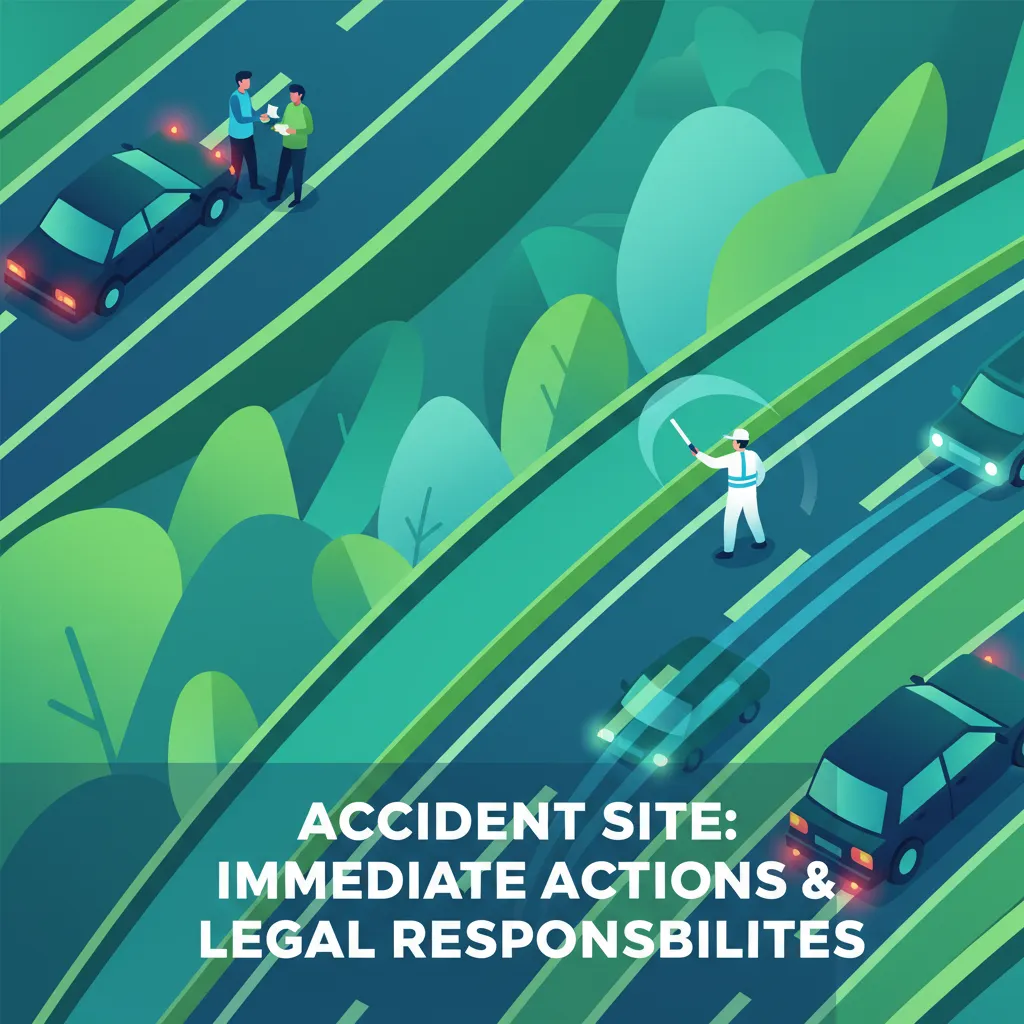
This lesson explains the driver's legal and ethical responsibilities when involved in or witnessing an accident. It covers the immediate priorities of protecting the scene from further incidents and providing aid to the injured within one's capabilities. The content details the legal requirements for exchanging information with other parties and reporting the accident to the police and DGT.

This lesson provides a broad overview of the key traffic regulations in Spain that directly impact professional truck drivers. It details the rules of priority at intersections, the interpretation of different road markings, and the principles of correct lane discipline. Furthermore, it explains the specific speed limits applicable to heavy vehicles and the legal protocols for safe overtaking and signaling.
This lesson focuses on the legal duty of care that professional bus drivers owe to their passengers, emphasizing the obligation to ensure safe transport. It examines the specific traffic laws applicable to heavy vehicles and the consequences of violations, such as fines and license sanctions. The content also details the mandatory procedures for reporting incidents and the essential insurance coverage required by the DGT.

This lesson focuses on the ethical standards and professional conduct expected from commercial vehicle operators. It emphasizes the driver's role in promoting a positive safety culture and maintaining public trust through responsible behavior on the road. Key concepts include integrity, adherence to a professional code of conduct, and understanding the impact of a driver's actions on their company and the public.
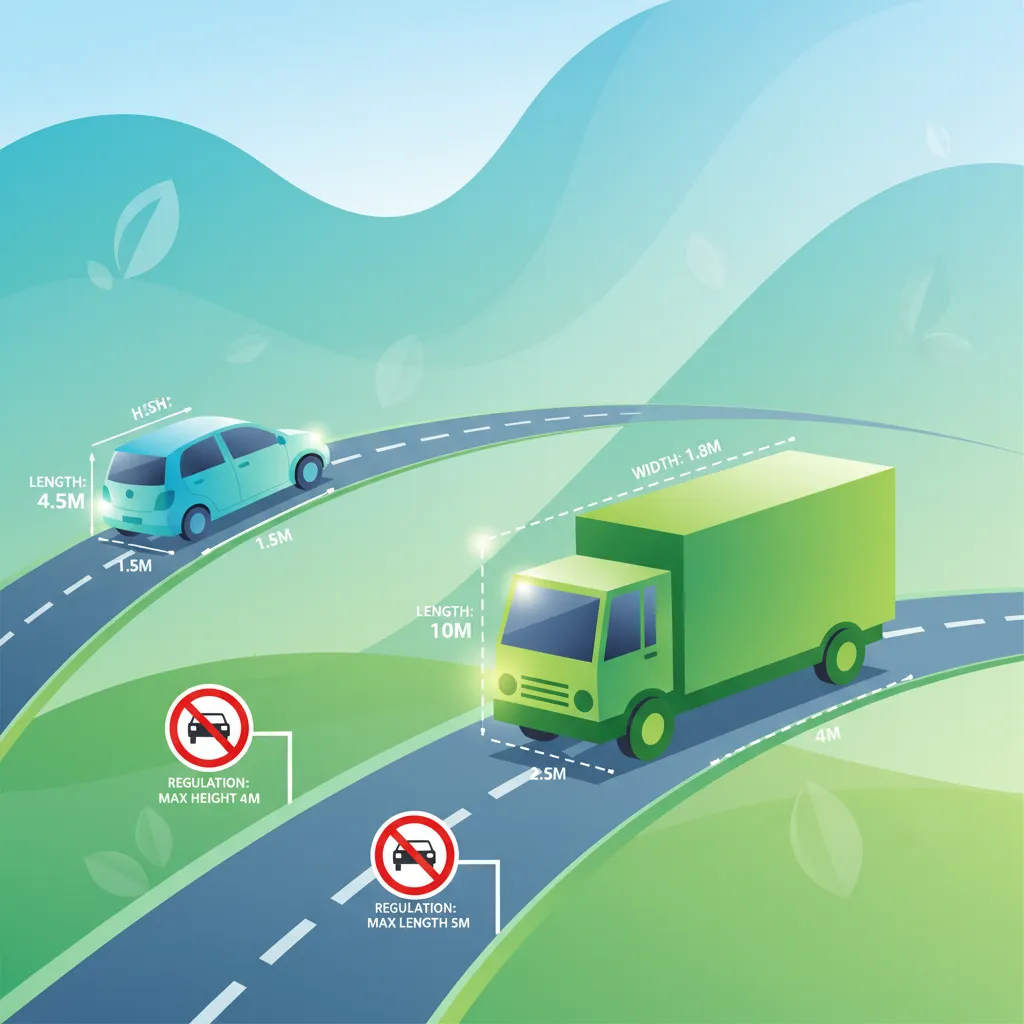
This lesson provides a detailed breakdown of the maximum permissible length, width, and height for heavy vehicles according to Spanish and EU regulations. It explains how these dimensions are measured and how they affect vehicle classification and route planning. The content emphasizes the critical importance of respecting clearance signs for bridges, tunnels, and other overhead structures to prevent accidents.

This lesson details the strict EU and Spanish regulations governing drivers' working hours, driving times, and mandatory rest periods. It explains how to use a tachograph to record activity and ensure compliance with daily and weekly limits. The content also provides practical strategies for managing fatigue to maintain driver alertness and prevent accidents, a critical aspect of professional road safety.

This lesson outlines the correct and legally required procedures to follow in the event of a traffic incident or accident. It covers the driver's immediate responsibilities at the scene, including securing the area and contacting emergency services. The content details the process for documenting the incident and formally reporting it to the DGT and insurance companies as required by law.

This lesson details the legal framework for towing in Spain. It covers the concepts of maximum authorized mass, towing capacities of vehicles, and specific weight limits for different axle configurations. The content also explains the documentation and periodic technical inspection (ITV) requirements for trailers to ensure full legal compliance.
Understand how to comply with Spain's traffic laws for professional truck drivers. This lesson focuses on key regulations like MML limits, load securing, and driver fitness, highlighting common violations and their consequences under DGT rules.
This lesson provides a broad overview of the key traffic regulations in Spain that directly impact professional truck drivers. It details the rules of priority at intersections, the interpretation of different road markings, and the principles of correct lane discipline. Furthermore, it explains the specific speed limits applicable to heavy vehicles and the legal protocols for safe overtaking and signaling.
This lesson details the strict EU and Spanish regulations governing drivers' working hours, driving times, and mandatory rest periods. It explains how to use a tachograph to record activity and ensure compliance with daily and weekly limits. The content also provides practical strategies for managing fatigue to maintain driver alertness and prevent accidents, a critical aspect of professional road safety.
This lesson provides a detailed breakdown of the maximum permissible length, width, and height for heavy vehicles according to Spanish and EU regulations. It explains how these dimensions are measured and how they affect vehicle classification and route planning. The content emphasizes the critical importance of respecting clearance signs for bridges, tunnels, and other overhead structures to prevent accidents.
This lesson focuses on the ethical standards and professional conduct expected from commercial vehicle operators. It emphasizes the driver's role in promoting a positive safety culture and maintaining public trust through responsible behavior on the road. Key concepts include integrity, adherence to a professional code of conduct, and understanding the impact of a driver's actions on their company and the public.

This lesson explains the specific legal framework governing truck operations on Spain's high-speed road network. It details the different speed limits for trucks on autovías versus autopistas and the regulations regarding which lanes heavy vehicles are permitted to use. Learners will also understand how to interpret specific highway signage relevant to commercial vehicles and any applicable toll regulations.
This lesson focuses on the critical relationship between speed, following distance, and overall traffic safety on highways. It explains how to calculate a safe following distance based on speed and weather conditions, accounting for a truck's longer stopping distance. The content also teaches strategies for managing speed to adapt smoothly to changing traffic flow, enhancing both safety and fuel efficiency.
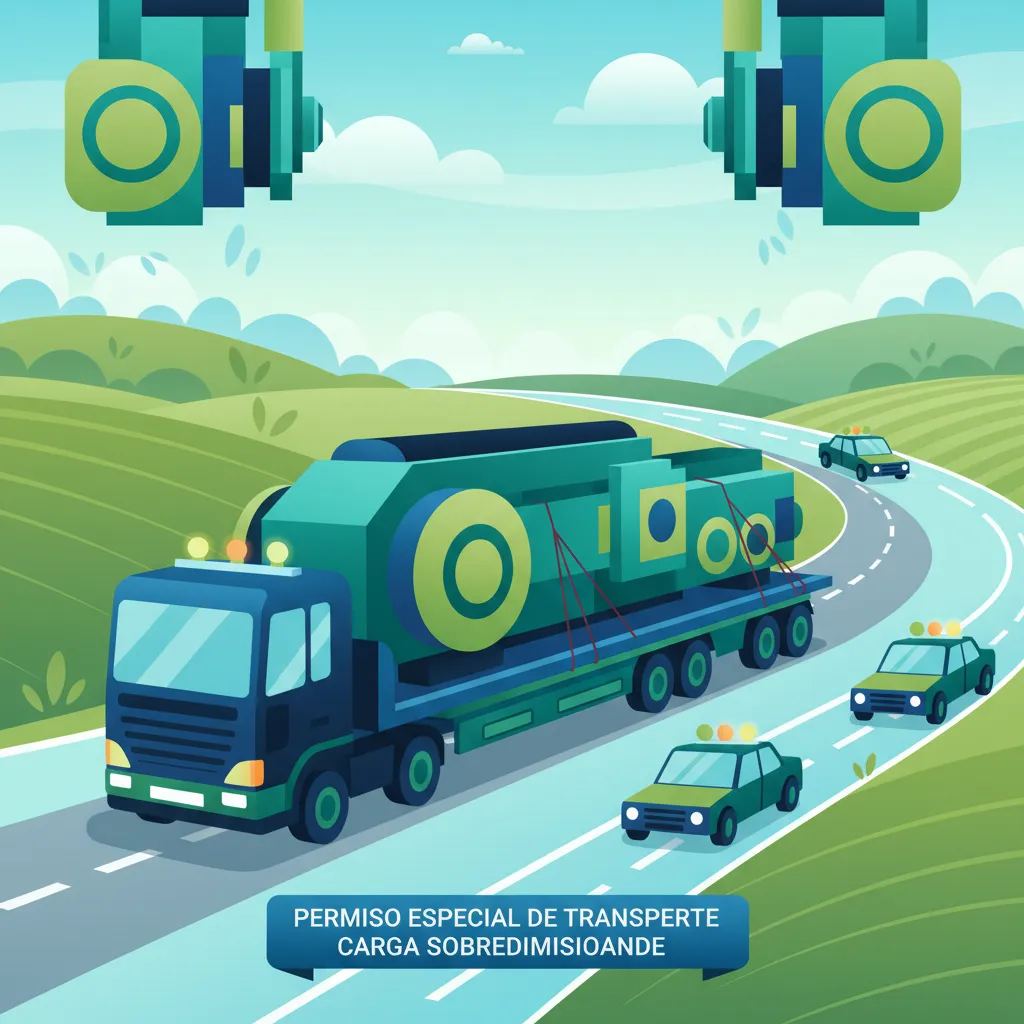
This lesson addresses the special regulations that apply to transporting loads that exceed standard legal dimensions or weight. It explains the process for obtaining the necessary special permits from the DGT and other authorities. The content also covers the requirements for route planning, the use of escort vehicles (pilot cars), and the mandatory signage and lighting for the vehicle.

This lesson covers the regulations and best practices regarding the use of rest areas and service stations during long-haul journeys. It reinforces the rules on mandatory rest periods to combat driver fatigue and explains how to plan routes to include necessary stops. The content also provides guidance on safe parking procedures within designated truck areas and using stops to perform quick vehicle safety checks.

This lesson focuses on the specific restrictions that heavy vehicles face on public infrastructure and in urban centers. It covers how to interpret signs indicating weight limits for bridges and height restrictions for tunnels and overpasses. The content also explains the various municipal regulations that can restrict truck access to certain urban areas, such as low-emission zones or time-based delivery windows.
This lesson outlines the correct and legally required procedures to follow in the event of a traffic incident or accident. It covers the driver's immediate responsibilities at the scene, including securing the area and contacting emergency services. The content details the process for documenting the incident and formally reporting it to the DGT and insurance companies as required by law.
Find clear answers to common questions learners have about Legal Framework and Driver Obligations. Learn how the lesson is structured, which driving theory objectives it supports, and how it fits into the overall learning path of units and curriculum progression in Spain. These explanations help you understand key concepts, lesson flow, and exam focused study goals.
The primary legal document is the Reglamento General de Circulación, which outlines the general rules of traffic, vehicle circulation, and road safety, applicable to all drivers, including professionals, in Spain.
Yes, all vehicles, including heavy goods vehicles under Category C or C1, must have mandatory civil liability insurance (seguro obligatorio) to cover damages to third parties. Specific commercial policies may also be required depending on the nature of the transport.
You must carry your driving licence (permiso de conducir), the vehicle's circulation permit (permiso de circulación), and the vehicle's technical inspection card (tarjeta de inspección técnica). For professional drivers, additional documents like the transport card (tarjeta de transporte) may also be required.
Vehicle roadworthiness refers to ensuring your truck is in a safe and legal condition to be on the road. This involves regular maintenance and passing the ITV (Inspección Técnica de Vehículos), Spain's mandatory vehicle inspection, to verify components like brakes, lights, and tires meet safety standards.
While many core obligations are the same (insurance, roadworthiness, basic traffic rules), the specific details of licensing, permissible loads, and certain operational aspects can differ slightly due to the weight and size distinctions between C1 (vehicles between 3,500 and 7,500 kg) and C (vehicles over 3,500 kg without upper limit).
Use our powerful search functionality to pinpoint specific Spanish DGT driving theory practice sets. Filter by road sign categories, traffic law topics, or question difficulty to build custom study sessions and reinforce your knowledge precisely where it matters for your official exam.