
This lesson provides an essential overview of the core traffic regulations in Spain that are particularly relevant to professional truck drivers with Category C and C1 licences. Building on your understanding of basic road safety, we'll cover DGT rules on priority, road markings, speed limits, and lane discipline. This foundational knowledge is crucial for preparing for your official DGT theory exam and ensuring safe driving.
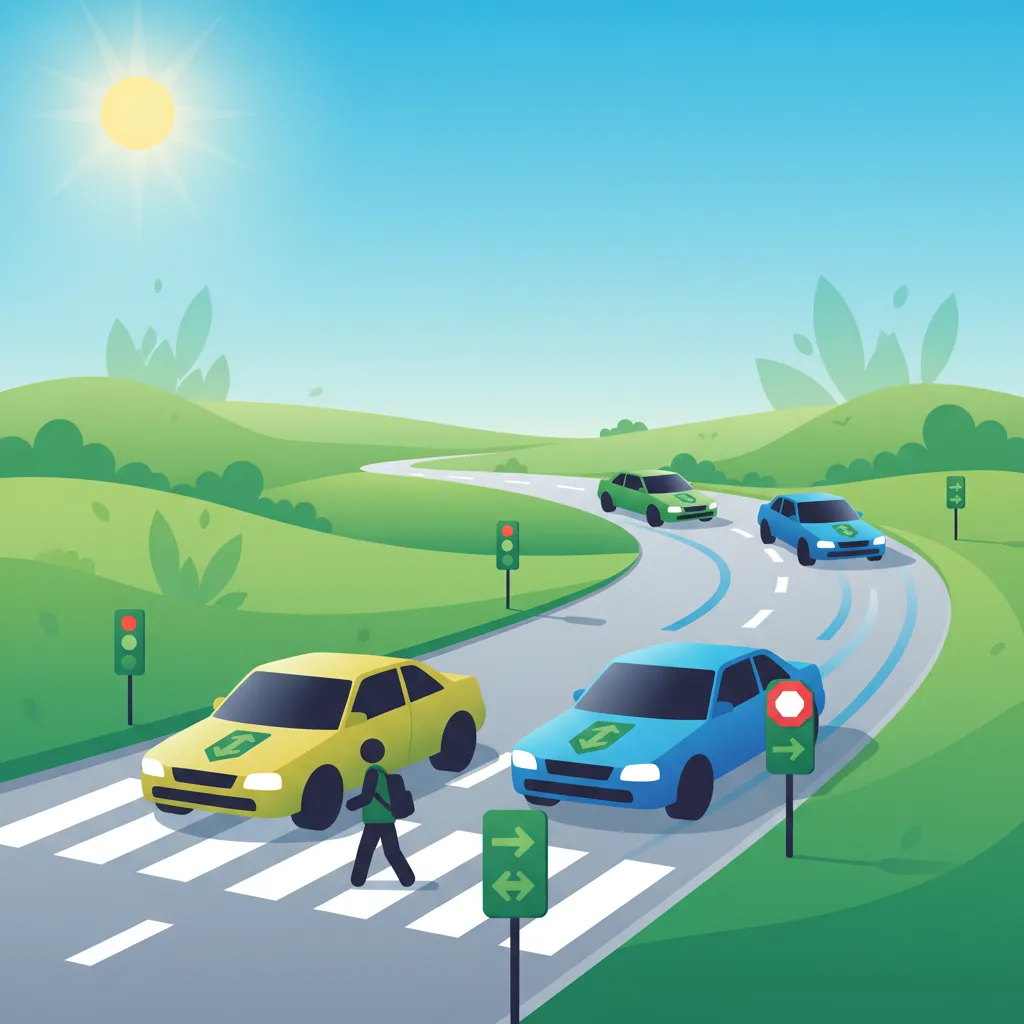
Lesson content overview
Driving a heavy goods vehicle (HGV) such as a truck or tractor-trailer in Spain demands an in-depth understanding of specific traffic regulations. The sheer size, weight, and unique dynamics of Category C and C1 vehicles necessitate adherence to a distinct set of rules designed to ensure safety, maintain traffic flow, and prevent accidents. This comprehensive lesson provides a detailed overview of the core traffic regulations in Spain that directly impact professional truck drivers, covering everything from priority rules at intersections to specific speed limits and signaling protocols.
The Official DGT Theory Course for Spanish Truck Licence Category C & C1 emphasizes that professional drivers must master not only general traffic laws but also the nuanced regulations specific to their vehicle class. These rules are crucial for legal compliance, safe operation, and successful completion of the DGT theory exam. They address the unique challenges posed by large vehicles, such as longer braking distances, wider turning radii, and considerations for load stability.
Heavy goods vehicles interact with road infrastructure and other traffic participants in fundamentally different ways than passenger cars. Their increased mass directly translates to significantly longer stopping distances, particularly when fully loaded or traveling at higher speeds. Moreover, the dimensions of trucks require specific lane discipline and careful maneuvering, especially at intersections and roundabouts, to avoid collisions and obstructions.
Regulations for trucks are also crafted to manage the kinetic energy associated with their weight, reducing the severity of potential accidents. By establishing clear rules for lane usage, speed, and overtaking, the aim is to create predictability and safety on Spanish roads, allowing all users to anticipate and react appropriately to the presence of large vehicles.
In Spain, traffic rules follow a clear hierarchy, which professional drivers must always respect. This hierarchy ensures that the most immediate and critical instructions take precedence. The general order of priority is:
Understanding this hierarchy is vital, especially when conflicting instructions are present. For instance, a traffic officer directing you to proceed will override a red traffic light.
Priority rules dictate which vehicle has the right-of-way, preventing conflicts and collisions, especially where vehicle dynamics differ significantly. For truck drivers, correctly assessing and yielding priority is paramount due to the difficulty of abrupt braking or maneuvering a heavy vehicle.
At intersections without specific signs, traffic lights, or road markings, the general rule is to yield to vehicles approaching from the right. This is known as priority to the right (RGC Art. 11).
This rule applies universally unless otherwise specified by signs. Professional drivers must approach such intersections with caution, reducing speed and being prepared to stop if a vehicle is approaching from their right. Assuming priority due to vehicle size is a common and dangerous misunderstanding.
A Priority Road (Ruta Prioritaria) is designated by specific signs, indicating that traffic on this road has priority over traffic entering from side roads. Vehicles on a priority road generally maintain their movement unless directed otherwise by signs, traffic lights, or traffic agents (RGC Art. 12).
Even on a priority road, drivers must remain alert for signs like Ceda el Paso (Yield) or STOP that might temporarily revoke their priority. These signs will typically be placed on the priority road itself to indicate a change in priority at a specific junction.
Roundabouts are designed to improve traffic flow, but they require specific priority rules. In Spain, traffic already circulating within the roundabout has priority over vehicles attempting to enter it (RGC Art. 14).
Entering a roundabout with a large truck requires careful planning and a thorough check of mirrors, particularly for smaller vehicles that might be in blind spots. Due to their size, trucks often need to use more than one lane to navigate a roundabout correctly. This means that entering drivers must yield and wait for a clear, safe gap before proceeding, ensuring they do not impede circulating traffic.
Road markings are visual cues painted on the pavement that provide immediate guidance on lane usage, overtaking zones, and prohibited maneuvers. Correct interpretation is vital for truck drivers to avoid illegal actions and ensure road safety.
Arrows painted on the road surface indicate the only permitted directions of travel from that lane. For example, an arrow pointing left means only left turns are allowed from that lane. Lane use markings can also designate lanes for specific vehicle types or purposes, such as bus lanes or lanes for slow-moving traffic. Truck drivers must always ensure they are in the correct lane well in advance of their intended maneuver, as sudden lane changes are particularly hazardous for heavy vehicles.
Lane discipline for heavy vehicles is not just about staying within the lines; it involves specific guidelines on which lanes trucks may occupy, how they should position themselves, and when they must use dedicated lanes. These rules are crucial for managing traffic flow and preventing congestion and accidents.
On motorways (autopistas) and dual carriageways (autovías) with three or more lanes in the same direction, trucks and other heavy vehicles (over 3,500 kg Maximum Permissible Mass, or MPW) are generally required to use the rightmost lane. They may only use the adjacent lane to their left for overtaking, and must return to the rightmost lane as soon as the overtaking maneuver is safely completed (RGC Art. 90-93).
Using the leftmost lane for normal travel is strictly prohibited for trucks unless specific circumstances dictate it (e.g., lane closures, preparing for a left turn where no other option exists, or a lane is designated for specific vehicle types). This rule helps maintain traffic flow and allows faster vehicles to pass safely.
Avoid "lane hogging" in the middle or left lanes. Always return to the rightmost lane as soon as it is safe and practicable after overtaking.
In some areas, especially near urban centers or on steep inclines, dedicated truck lanes may be provided. These lanes are typically marked with specific signs or road markings. Truck drivers must use these lanes when they are available and designated for heavy vehicles. Ignoring such markings can lead to fines and disrupt designated traffic flow.
Professional drivers must strive to maintain a central position within their chosen lane, respecting its width. This provides adequate space on both sides, minimizing the risk of side-swiping other vehicles or fixed objects. For wider vehicles, this might mean occasionally encroaching slightly on shoulder markings during turns, but within normal driving, strict lane centering is expected.
Speed limits for heavy vehicles are specifically tailored to account for their longer braking distances and reduced maneuverability. Professional truck drivers must always be aware of these limits, which vary depending on the road type and whether the truck is unladen or towing a trailer.
A truck (Category C) traveling without cargo.
A truck (Category C) towing a trailer, including articulated vehicles or road trains. Article 155 of the Spanish Traffic Regulations (RGC) covers specific definitions and rules for towing.
Here are the general maximum speed limits for Category C and C1 vehicles in Spain:
| Road Type | Unladen Truck (Category C) | Truck with Trailer (C + Art. 155) |
|---|---|---|
| Motorway (Autopista) | 90 km/h | 80 km/h |
| Dual carriageway (Autovía) | 90 km/h | 80 km/h |
| Primary road (interurban) | 80 km/h | 70 km/h |
| Secondary road (rural) | 70 km/h | 60 km/h |
| Urban road | 50 km/h | 50 km/h (unless local ordinances reduce) |
| Residential zones | 30 km/h | 30 km/h |
Always observe posted speed limits. If a sign indicates a lower speed limit than the general rule for your vehicle type, you must comply with the sign.
The stated speed limits are maximums under ideal conditions. Professional drivers must dynamically adjust their speed based on:
Exceeding these limits compromises stopping ability, increases the risk of tire blowouts, and can lead to severe legal penalties. Always prioritize safety over maintaining maximum legal speed.
Overtaking is one of the most hazardous maneuvers for heavy vehicles due to their size, acceleration capabilities, and the space required. A precise and legal overtaking protocol must always be followed (RGC Art. 86-88).
Before even initiating an overtake, a truck driver must perform a series of critical checks:
Once the preconditions are met:
After overtaking:
Signal left turn indicator for at least 5 seconds.
Check all mirrors and blind spots; ensure at least 150m (motorways) or 100m (dual carriageways) clear view ahead.
Verify road markings permit overtaking (broken lines).
Maintain safe speed, accelerate to pass the vehicle ahead.
Maintain safe lateral distance from the overtaken vehicle.
Once the overtaken vehicle is visible in your right mirror, signal right.
Smoothly return to the rightmost lane.
Cancel turn indicator.
Overtaking is explicitly prohibited in several zones, regardless of road markings, to prevent high-risk situations:
Clear and timely communication of intent is fundamental to road safety, especially for large vehicles. Signaling and lighting requirements are legal obligations designed to provide other road users with adequate warning of a truck driver's actions (RGC Art. 5.1.4, 5.1.5).
Turn indicators (or turn signals) must be activated well in advance of any maneuver involving a change of direction or lane. The rule specifies activation at least 5 seconds before changing lanes or turning. This extended signaling time is particularly important for trucks, as their larger size means other drivers need more time to perceive and react to their intended movements.
Always double-check that your turn indicator has cancelled itself after a maneuver. If not, manually switch it off to avoid misleading other drivers.
Hazard warning lights are amber flashing lights used to signal that a vehicle is temporarily stationary and constitutes a danger or obstruction to other traffic. Their use is strictly limited to situations such as breakdowns, accidents, or when forced to stop abruptly in traffic.
It is illegal to use hazard lights while driving, even at a reduced speed in adverse weather conditions like heavy rain or fog. This can confuse other drivers, as it implies the vehicle is stopped. In such conditions, proper headlights (low beams) should be used.
Understanding common violations helps professional drivers avoid legal penalties and dangerous situations.
Driving a heavy vehicle requires constant adaptation to changing conditions. Regulations often have implied or explicit variations based on environmental factors, vehicle state, and the presence of vulnerable users.
Mastering Spanish traffic regulations for heavy vehicles is an ongoing process that requires continuous attention to detail, adherence to legal requirements, and a proactive approach to safety. This lesson has provided a fundamental overview of critical areas:
These foundational principles build upon your existing knowledge from Legal Framework and Driver Obligations and Basic Road Safety Principles. They also serve as essential preparation for more advanced topics such as Turning & Manoeuvring and Highway Driving & Overtaking, where these rules will be applied in complex real-world scenarios.
Explore all units and lessons included in this driving theory course.
Lesson content overview
Explore all units and lessons included in this driving theory course.
Explore search topics learners often look for when studying Overview of Traffic Regulations. These topics reflect common questions about road rules, driving situations, safety guidance, and lesson level theory preparation for learners in Spain.
Browse additional driving theory lessons that cover connected traffic rules, road signs, and common driving situations related to this topic. Improve your understanding of how different rules interact across everyday traffic scenarios.
Explore specific scenarios where standard Spanish traffic regulations for trucks may differ. Learn about unique situations at intersections, roadworks, and during adverse weather, enhancing your understanding beyond basic rules.
This lesson explains the specific legal framework governing truck operations on Spain's high-speed road network. It details the different speed limits for trucks on autovías versus autopistas and the regulations regarding which lanes heavy vehicles are permitted to use. Learners will also understand how to interpret specific highway signage relevant to commercial vehicles and any applicable toll regulations.
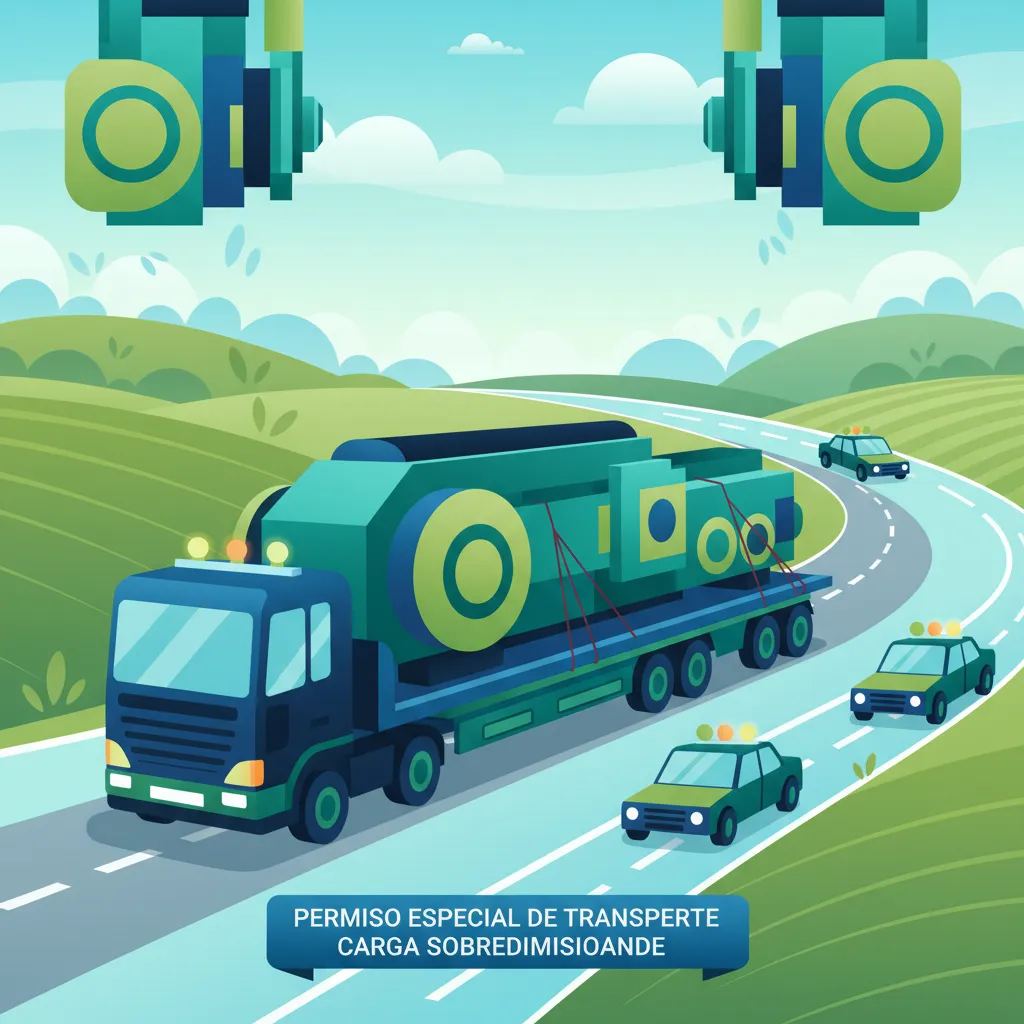
This lesson addresses the special regulations that apply to transporting loads that exceed standard legal dimensions or weight. It explains the process for obtaining the necessary special permits from the DGT and other authorities. The content also covers the requirements for route planning, the use of escort vehicles (pilot cars), and the mandatory signage and lighting for the vehicle.
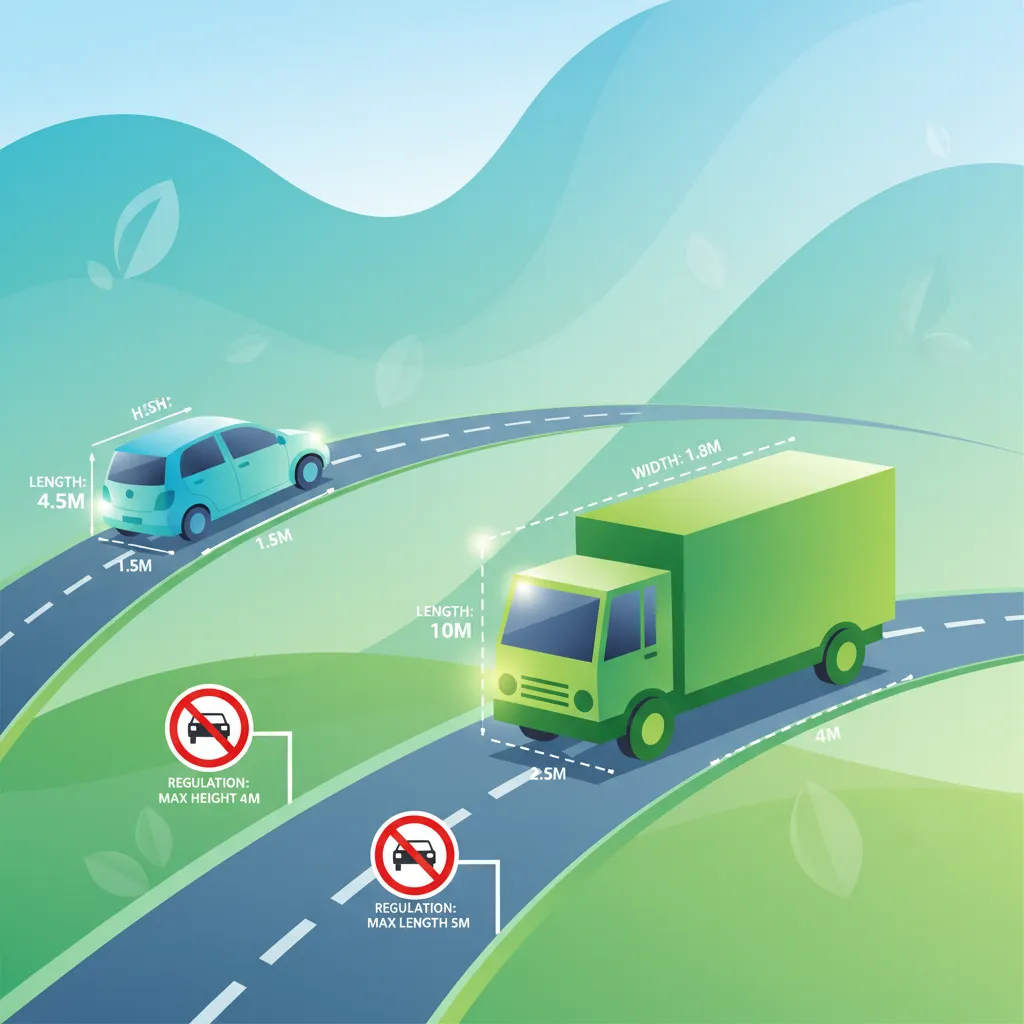
This lesson provides a detailed breakdown of the maximum permissible length, width, and height for heavy vehicles according to Spanish and EU regulations. It explains how these dimensions are measured and how they affect vehicle classification and route planning. The content emphasizes the critical importance of respecting clearance signs for bridges, tunnels, and other overhead structures to prevent accidents.

This lesson focuses on the specific restrictions that heavy vehicles face on public infrastructure and in urban centers. It covers how to interpret signs indicating weight limits for bridges and height restrictions for tunnels and overpasses. The content also explains the various municipal regulations that can restrict truck access to certain urban areas, such as low-emission zones or time-based delivery windows.

This lesson focuses on the core principles of defensive driving as they apply to operating a large truck. It explains the importance of managing the space around the vehicle to create a safety buffer and always having an 'escape route' in mind. The content emphasizes anticipating the actions of other road users and being prepared to react calmly and safely to unexpected situations.
This lesson focuses on the critical relationship between speed, following distance, and overall traffic safety on highways. It explains how to calculate a safe following distance based on speed and weather conditions, accounting for a truck's longer stopping distance. The content also teaches strategies for managing speed to adapt smoothly to changing traffic flow, enhancing both safety and fuel efficiency.
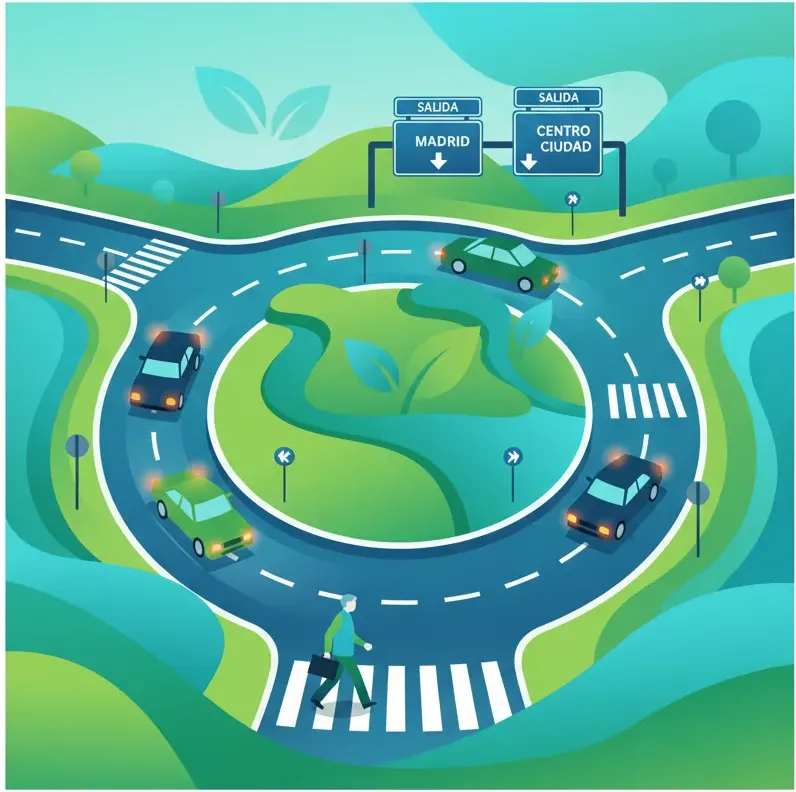
This lesson provides specific instructions on how to safely navigate complex junctions such as roundabouts and intersections with a large vehicle. It explains the rules of priority, the correct lane to use based on the intended exit, and the importance of proper vehicle positioning to account for off-tracking. The content also covers clear signaling to communicate intentions to other road users for safe and efficient passage.
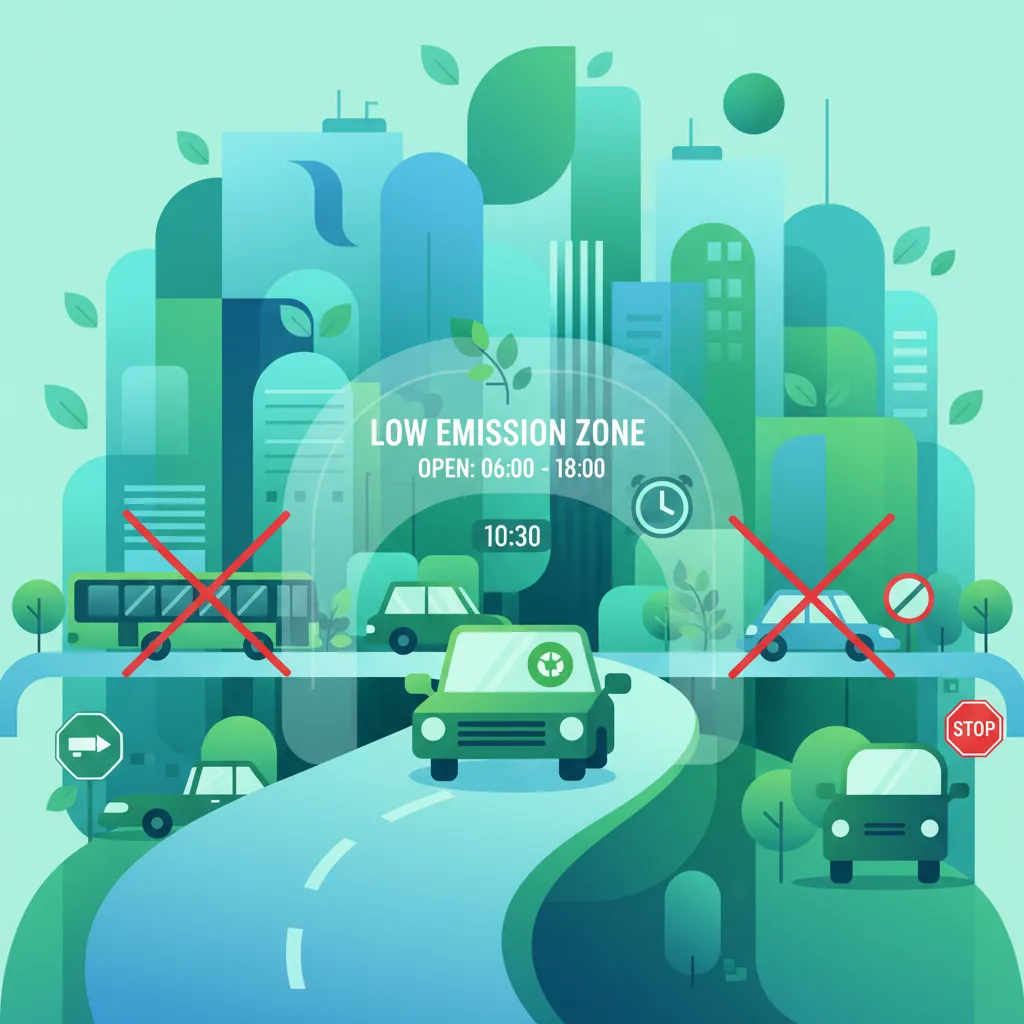
This lesson explains the various access restrictions that trucks face in modern cities. It covers the rules and requirements for entering low-emission zones (LEZ), including necessary vehicle standards and permits. The content also details time-window restrictions, where deliveries are only permitted during specific hours of the day to reduce congestion, requiring careful logistical planning.
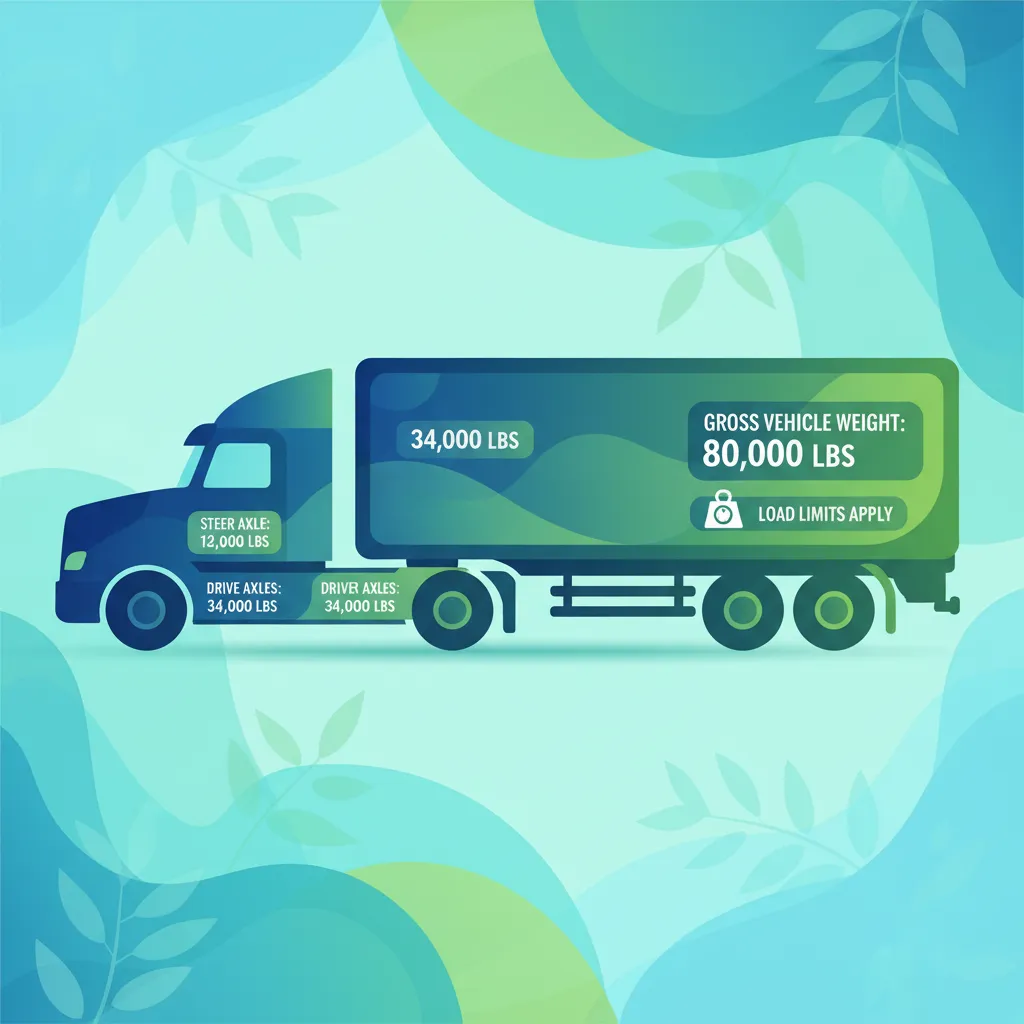
This lesson covers the critical regulations concerning vehicle weight, including Gross Vehicle Weight (GVW) and individual axle load limits. Learners will understand how to calculate tare weight and maximum payload to avoid overloading. The content also explains how proper weight distribution is essential for vehicle stability, braking efficiency, and minimizing road surface damage.
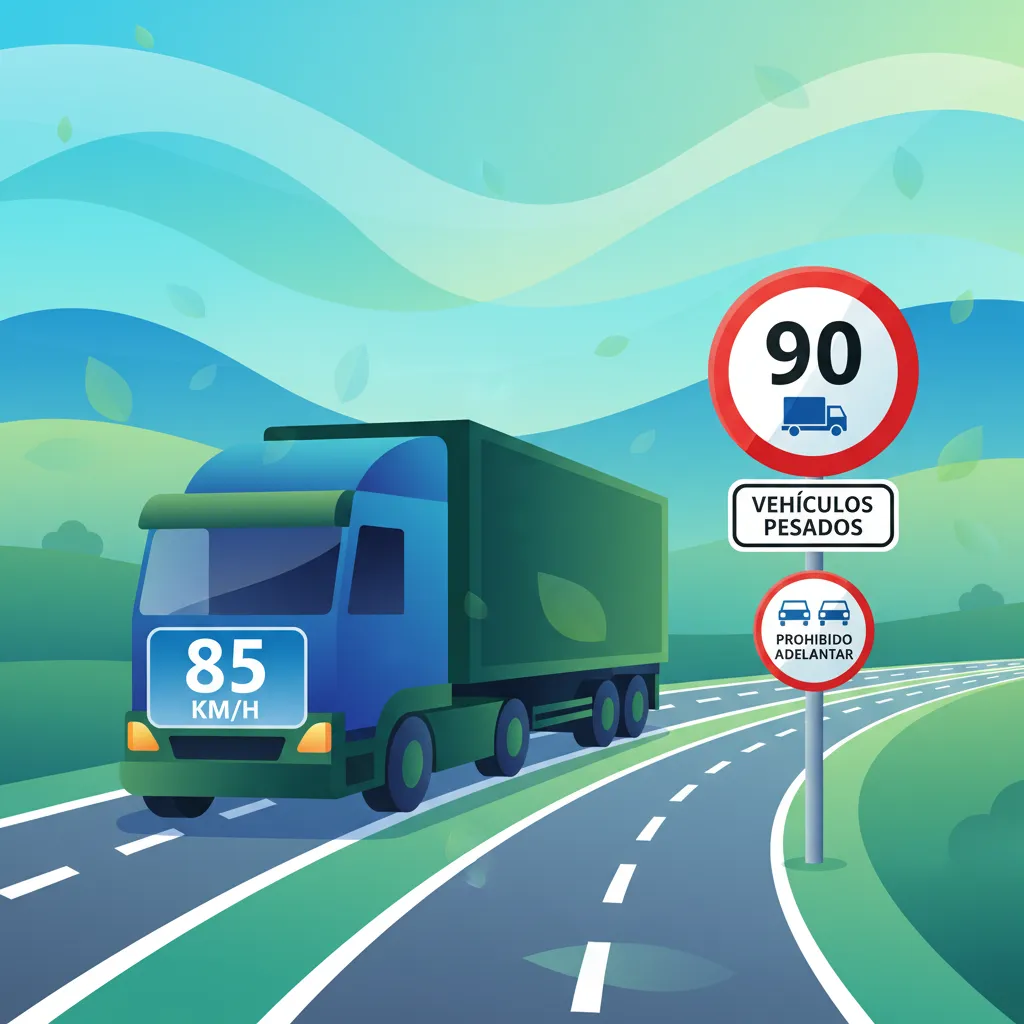
This lesson details the specific legal speed limits that apply to heavy passenger vehicles on Spanish highways, including variable speed zones that adjust based on traffic and weather conditions. Learners will understand the methods for speed monitoring, the function of speed control devices, and the legal consequences of non-compliance. The content also provides guidance on calculating a safe operating speed based on vehicle load and road conditions.
Understand essential lane discipline and positioning for heavy trucks on Spanish roads. Covers specific rules for motorways, urban areas, and roundabouts to ensure safe and legal vehicle placement.

This lesson focuses on the principles of safe lane selection and overtaking on multi-lane roads and highways. It covers the importance of maintaining proper lane discipline and the legal protocols for executing a safe pass, including checking blind spots and ensuring sufficient speed differential. The content also stresses the need for clear signaling and judging adequate space before returning to the original lane.
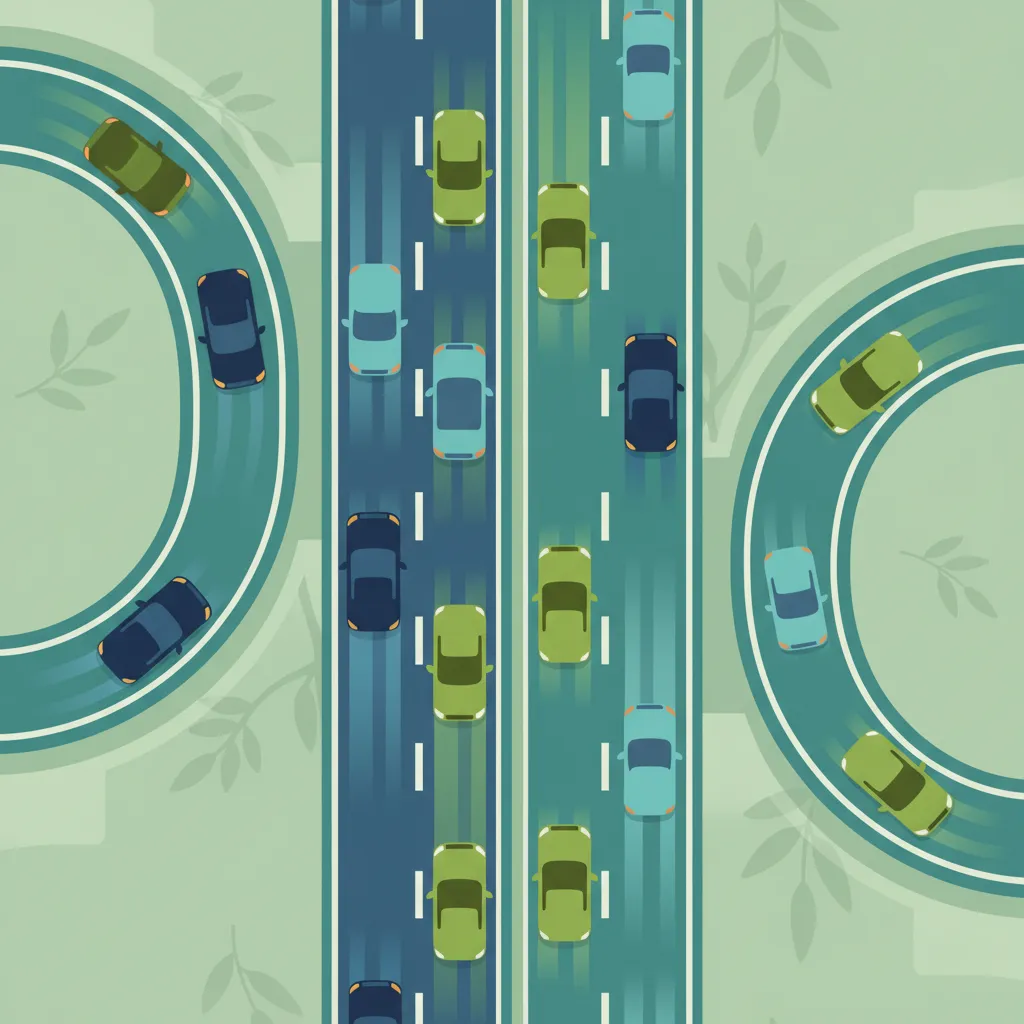
This lesson defines proper lane discipline on highways, emphasizing correct lane positioning and the rule to drive in the right-hand lane except when overtaking. It details safe merging onto main carriageways from an acceleration lane and effective exit strategies using deceleration lanes. Learners will understand DGT merge rules and the importance of signaling lane changes early.
This lesson provides specific instructions on how to safely navigate complex junctions such as roundabouts and intersections with a large vehicle. It explains the rules of priority, the correct lane to use based on the intended exit, and the importance of proper vehicle positioning to account for off-tracking. The content also covers clear signaling to communicate intentions to other road users for safe and efficient passage.
This lesson focuses on the critical relationship between speed, following distance, and overall traffic safety on highways. It explains how to calculate a safe following distance based on speed and weather conditions, accounting for a truck's longer stopping distance. The content also teaches strategies for managing speed to adapt smoothly to changing traffic flow, enhancing both safety and fuel efficiency.
This lesson explains the specific legal framework governing truck operations on Spain's high-speed road network. It details the different speed limits for trucks on autovías versus autopistas and the regulations regarding which lanes heavy vehicles are permitted to use. Learners will also understand how to interpret specific highway signage relevant to commercial vehicles and any applicable toll regulations.
This lesson focuses on the core principles of defensive driving as they apply to operating a large truck. It explains the importance of managing the space around the vehicle to create a safety buffer and always having an 'escape route' in mind. The content emphasizes anticipating the actions of other road users and being prepared to react calmly and safely to unexpected situations.

This lesson provides a detailed guide to performing safe and legal overtaking maneuvers on the highway. It places strong emphasis on the techniques for thoroughly checking the large blind spots around a truck before initiating a lane change. The content also covers judging the necessary speed differential and distance required to complete the pass and return to the lane safely.
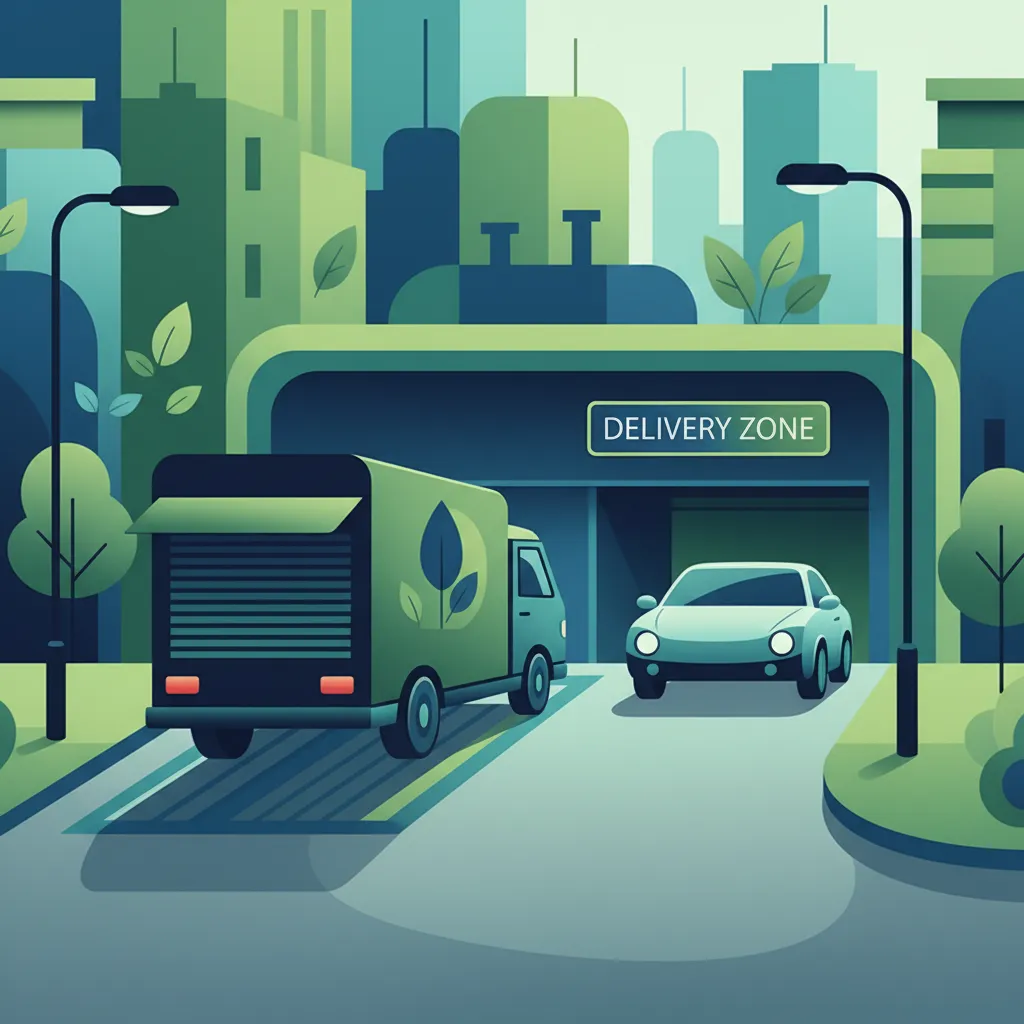
This lesson provides guidance on the practical aspects of parking and making deliveries in urban areas. It covers the techniques for safely maneuvering into and out of loading docks and designated delivery zones, which often involves precise reversing. The content also explains the specific parking regulations that apply to commercial vehicles and best practices for ensuring safety during loading and unloading.
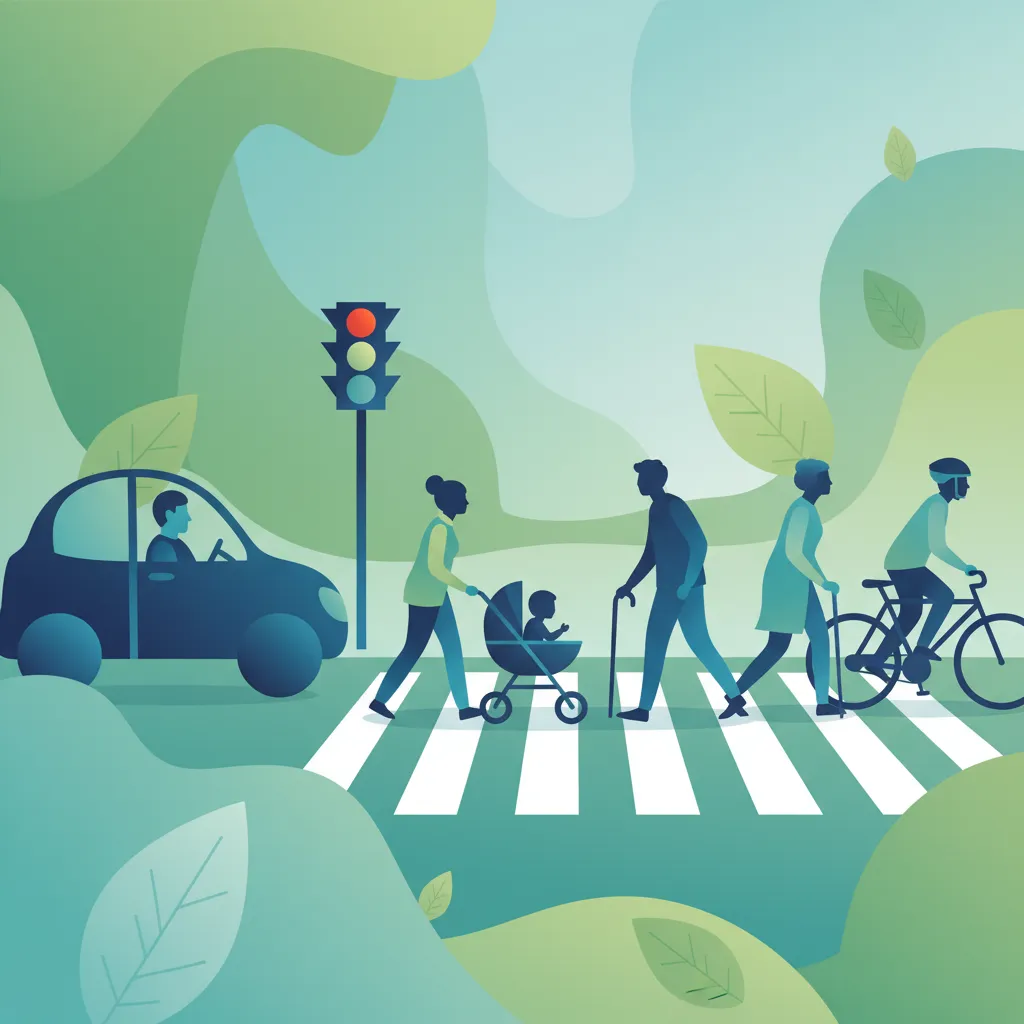
This lesson introduces fundamental road safety principles applicable to all drivers, with a special emphasis on heavy vehicles. It covers defensive driving techniques, including the importance of anticipating potential hazards and managing speed appropriately for conditions. Learners will also study how to establish and maintain safe following distances and understand the hierarchy of road users to ensure safe interactions.
This lesson addresses the special regulations that apply to transporting loads that exceed standard legal dimensions or weight. It explains the process for obtaining the necessary special permits from the DGT and other authorities. The content also covers the requirements for route planning, the use of escort vehicles (pilot cars), and the mandatory signage and lighting for the vehicle.
Find clear answers to common questions learners have about Overview of Traffic Regulations. Learn how the lesson is structured, which driving theory objectives it supports, and how it fits into the overall learning path of units and curriculum progression in Spain. These explanations help you understand key concepts, lesson flow, and exam focused study goals.
Yes, heavy goods vehicles like Category C and C1 trucks have specific, generally lower speed limits across all types of Spanish roads (urban, conventional, autovías, autopistas) compared to passenger cars. It's crucial for professional drivers to know and adhere to these specific DGT regulations to avoid penalties and ensure safety.
While the fundamental DGT priority rules remain the same (e.g., yielding to the right, stop signs), the application requires extra caution and foresight when driving a truck. Due to their size, weight, and longer braking distances, truck drivers must anticipate situations earlier, ensure clear visibility, and make wider turns, even when they have priority.
Common mistakes include staying in the leftmost lanes unnecessarily, especially for overtaking, or failing to use appropriate lanes for turns or exits well in advance. DGT regulations often restrict heavy vehicles to specific lanes (e.g., not the leftmost lane on a three-lane motorway), and incorrect lane usage can lead to fines and dangerous situations.
Yes, truck drivers must pay close attention to markings indicating restricted access zones, areas for specific vehicle types, weight/height limit warnings, and special lane uses. Markings for loading/unloading zones, or those prohibiting certain maneuvers like turning, are also critical for Category C and C1 drivers, especially in urban areas.
Use our powerful search functionality to pinpoint specific Spanish DGT driving theory practice sets. Filter by road sign categories, traffic law topics, or question difficulty to build custom study sessions and reinforce your knowledge precisely where it matters for your official exam.