
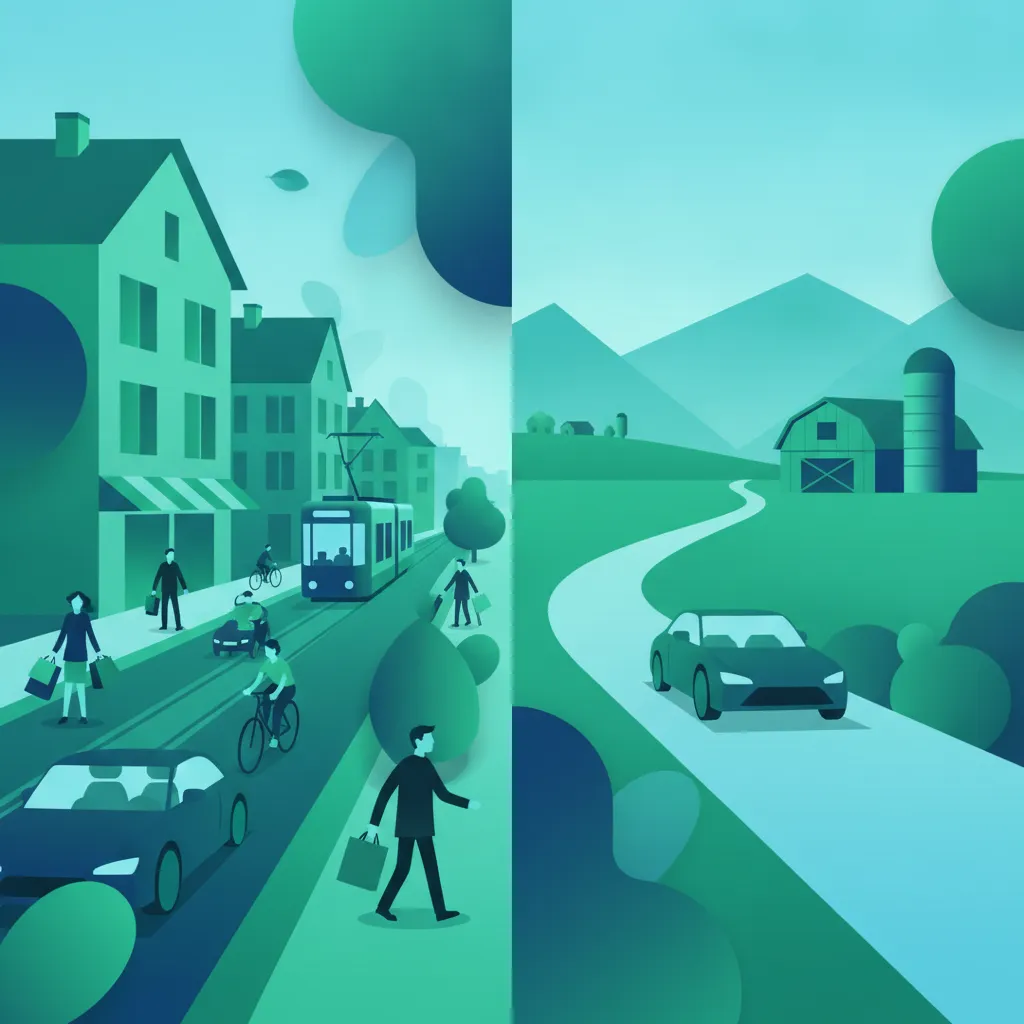
This lesson explores the distinct challenges of driving in urban and rural environments, which is essential for understanding your responsibilities under Swiss road law. Building on the core behavior rules learned in Unit 2, you will gain the knowledge needed to anticipate risks and interact safely with all road users in different settings. Mastering these differences is a crucial step toward your Swiss Category B licence.
Lesson content overview
Navigating the roads safely in Switzerland requires a nuanced understanding of how to interact with other road users, a skill that significantly changes depending on whether you are driving in a bustling city or a tranquil rural landscape. This lesson, part of your Comprehensive Swiss Category B Driving Theory Course, will explore the distinct challenges and dynamics of road user interaction in urban versus rural environments. Mastering these differences is crucial for anticipating hazards, making informed decisions, and ensuring the safety of yourself and others.
In urban areas, drivers encounter a high density of pedestrians, cyclists, and public transport, demanding constant vigilance and adaptability to complex road layouts. Conversely, rural driving, while often at higher speeds, presents unique challenges such as agricultural vehicles, wildlife, and varying visibility conditions. Understanding these contrasting environments and the specific rules that govern interactions within them forms the bedrock of defensive driving.
Urban environments are characterized by a high concentration of diverse road users and intricate infrastructure. Drivers must constantly process a multitude of inputs, from pedestrians crossing the street to trams sharing road space, all within often lower speed limits. The density of activity means interactions are frequent and often require rapid decision-making.
Cities are melting pots of various forms of transport, where private cars share space with a significant number of vulnerable road users (VRUs). These include pedestrians, cyclists, and motorcyclists, all of whom are at a higher risk of injury in the event of a collision due to their lack of protective barriers. Public transport, such as buses and trams, also operates extensively within urban centres, further adding to the complexity.
The sheer volume of these users, combined with frequent crossing points and varied traffic movements, necessitates heightened awareness from drivers. Drivers must anticipate that vulnerable road users may appear suddenly or behave unpredictably, requiring constant observation and a readiness to react.
Urban road networks are typically dense and intricate. They often feature multiple lanes, frequent intersections, numerous traffic lights, roundabouts, and dedicated lanes for buses or trams. This complexity increases the cognitive load on drivers, who must process a greater amount of information and make more frequent decisions about lane changes, turns, and right-of-way.
The presence of parked vehicles can further limit sight distance and create blind spots, making it challenging to spot pedestrians or cyclists emerging from between cars. Navigating these environments safely requires a systematic approach to observation and adherence to specific traffic rules governing each type of intersection and lane.
Interactions with pedestrians and cyclists are among the most common and critical aspects of urban driving. Pedestrians frequently cross roads, often at designated zebra crossings or controlled intersections, but sometimes also at uncontrolled points. Cyclists, whether in dedicated bike lanes or sharing mixed traffic lanes, are an ever-present part of urban traffic flow.
Drivers must always be prepared to yield to pedestrians at zebra crossings, regardless of whether a traffic light is present or not. It is also crucial to be vigilant for pedestrians near schools, shopping areas, and public transport stops, where they might step into the road unexpectedly. When turning, especially right, drivers must check for cyclists who may be continuing straight in a bike lane or alongside traffic. Maintaining a safe lateral distance when overtaking cyclists is mandatory to prevent side collisions.
Buses and trams are integral to urban mobility. Trams, operating on fixed tracks, generally have priority over other road users unless specific signs or signals indicate otherwise. This means drivers must yield to trams at intersections and be aware of their limited maneuverability. Buses often have dedicated lanes or specific stops where they may pull out into traffic.
Drivers should give way to buses signalling their intention to depart from a bus stop, particularly in built-up areas. Understanding these priorities is vital for smooth traffic flow and preventing accidents involving large public transport vehicles.
Rural roads offer a stark contrast to urban environments, often featuring higher speeds, fewer intersections, and less traffic density. However, they introduce their own unique set of challenges, including slow-moving agricultural vehicles, unpredictable wildlife, and varying visibility due to natural surroundings.
On rural roads, especially in agricultural regions, drivers will frequently encounter large, slow-moving agricultural vehicles such as tractors, combine harvesters, and trailers. These vehicles have distinct characteristics:
When encountering such vehicles, especially on narrow roads, it is mandatory to give way. Drivers should reduce speed, increase following distance, and only attempt to overtake when there is ample sight distance and space, never on blind curves or hill crests.
Rural areas are natural habitats for various wildlife, including deer, foxes, badgers, and even domestic animals like cows or sheep being herded. The risk of encountering animals on the road is significantly higher in these settings, particularly at dusk, dawn, or during specific migration seasons.
Drivers must be extra vigilant, particularly on roads adjacent to forests, fields, or natural reserves. If an animal appears on the road, avoid sudden swerving, which can lead to loss of control or collisions with oncoming traffic. Instead, brake firmly and use your horn if appropriate to try and scare the animal away. Be aware that animals often travel in groups, so if you see one, others may follow.
Rural roads often have higher posted speed limits compared to urban areas (e.g., 80 km/h). While this allows for quicker travel, it also drastically reduces reaction time and increases stopping distances.
Visibility can be limited by curves, hills, dense foliage, or adverse weather conditions like fog or heavy rain. Drivers must constantly adjust their speed to match the available sight distance, ensuring they can stop safely within the visible path ahead. Blind curves and hill crests, where oncoming traffic or hazards are obscured until the last moment, demand a significant reduction in speed.
Overtaking on rural roads requires careful judgment due to higher speeds and often less predictable conditions. Before initiating an overtaking manoeuvre, drivers must ensure:
Never overtake on blind curves, at intersections, on hill crests, or where signs prohibit it. When overtaking cyclists, always maintain a safe lateral distance of at least 1.5 metres.
Regardless of whether you are in a city or on a country road, certain core driving principles remain paramount. These principles ensure adaptability and safety across all driving environments.
Speed management is a fundamental aspect of safe driving. While posted speed limits provide a maximum threshold, the safe speed can often be significantly lower, depending on the prevailing conditions.
In urban areas, lower speeds (e.g., 30-50 km/h) are necessary due to the high density of vulnerable users and frequent interaction points. This allows for quicker reaction times and shorter stopping distances in case a pedestrian steps out or a cyclist makes an unexpected move.
On rural roads, while speed limits are higher, drivers must adjust their speed based on:
Remember that doubling your speed quadruples your stopping distance. This physical principle highlights why speed adaptation is critical for safety in all contexts.
Clear and timely communication with other road users is vital to prevent misunderstandings and accidents. This includes using:
Several rules apply universally or with specific nuances to ensure safe interactions:
Safe driving demands constant adaptation to various conditions:
Understanding common mistakes helps in actively avoiding them. Many errors stem from a failure to adapt to the specific environment.
The legal framework for driving in Switzerland, particularly the Road Traffic Act (SVG) and its ordinances (e.g., Road Traffic Ordinance, VSS), mandates many of the behaviours discussed. These regulations are designed to ensure safety, especially for vulnerable road users, and to manage the distinct challenges of urban and rural driving.
For instance, the requirement to yield to pedestrians at zebra crossings is a strict legal obligation. Similarly, regulations regarding safe distances when overtaking cyclists and specific rules for interacting with agricultural vehicles reflect the unique risks present in different environments. Understanding these legal mandates is not just about avoiding fines; it's about internalizing the safety logic behind them.
Ultimately, safe driving in both urban and rural settings hinges on:
By applying these principles, drivers can navigate the diverse road networks of Switzerland confidently and safely.
This lesson contrasts the distinct challenges of urban and rural driving in Switzerland, highlighting the need to adapt behavior, speed, and vigilance to each environment. Urban settings demand attention to vulnerable road users, complex intersections, and public transport priorities, while rural roads require anticipation of agricultural vehicles, wildlife, and limited sight distances. Key rules include yielding to pedestrians at zebra crossings, maintaining 1.5 metres clearance when overtaking cyclists, and reducing speed in wildlife zones. The lesson reinforces that defensive driving—anticipation, communication, and respect for all road users—ensures safety across Switzerland's diverse road landscape.
A short set of high-value points that capture the most important learning from this lesson.
Urban driving requires constant vigilance due to high density of vulnerable road users including pedestrians, cyclists, and public transport.
Rural roads demand heightened anticipation for slow-moving agricultural vehicles, wildlife, and limited visibility conditions.
Speed must always be adapted to the environment: lower in cities for quick reactions, and on rural roads to match available sight distance.
Clear signalling and communication with other road users prevents misunderstandings in both urban complexity and rural high-speed situations.
Defensive driving principles—anticipation, adaptability, and respect for all users—apply universally across all Swiss road environments.
Explore all units and lessons included in this driving theory course.
Pedestrians have unconditional right-of-way at zebra crossings once they step onto or clearly indicate intent to cross.
Always maintain at least 1.5 metres lateral clearance when overtaking cyclists, and check for cyclists before turning.
Agricultural vehicles require patience due to slow speed, wide turning radius, and limited maneuverability—yield on narrow roads.
Wildlife warning signs indicate high-risk zones; reduce speed especially at dawn, dusk, and during migration seasons.
Doubling your speed quadruples your stopping distance—always account for this physical principle when adjusting speed.
Underestimating lateral clearance when overtaking cyclists in urban areas, risking side collisions or startling the cyclist.
Failing to yield to pedestrians at zebra crossings, a serious violation with legal consequences under Swiss law.
Driving too fast in rural wildlife zones, drastically reducing reaction time for sudden animal crossings.
Attempting risky overtakes of agricultural vehicles on narrow roads where space is insufficient.
Signalling too late, particularly on rural roads where higher speeds give following traffic less time to react.
Lesson content overview
A short set of high-value points that capture the most important learning from this lesson.
Urban driving requires constant vigilance due to high density of vulnerable road users including pedestrians, cyclists, and public transport.
Rural roads demand heightened anticipation for slow-moving agricultural vehicles, wildlife, and limited visibility conditions.
Speed must always be adapted to the environment: lower in cities for quick reactions, and on rural roads to match available sight distance.
Clear signalling and communication with other road users prevents misunderstandings in both urban complexity and rural high-speed situations.
Defensive driving principles—anticipation, adaptability, and respect for all users—apply universally across all Swiss road environments.
Explore all units and lessons included in this driving theory course.
Pedestrians have unconditional right-of-way at zebra crossings once they step onto or clearly indicate intent to cross.
Always maintain at least 1.5 metres lateral clearance when overtaking cyclists, and check for cyclists before turning.
Agricultural vehicles require patience due to slow speed, wide turning radius, and limited maneuverability—yield on narrow roads.
Wildlife warning signs indicate high-risk zones; reduce speed especially at dawn, dusk, and during migration seasons.
Doubling your speed quadruples your stopping distance—always account for this physical principle when adjusting speed.
Underestimating lateral clearance when overtaking cyclists in urban areas, risking side collisions or startling the cyclist.
Failing to yield to pedestrians at zebra crossings, a serious violation with legal consequences under Swiss law.
Driving too fast in rural wildlife zones, drastically reducing reaction time for sudden animal crossings.
Attempting risky overtakes of agricultural vehicles on narrow roads where space is insufficient.
Signalling too late, particularly on rural roads where higher speeds give following traffic less time to react.
Explore search topics learners often look for when studying Road User Interaction in Urban vs Rural Settings. These topics reflect common questions about road rules, driving situations, safety guidance, and lesson level theory preparation for learners in Switzerland.
Browse additional driving theory lessons that cover connected traffic rules, road signs, and common driving situations related to this topic. Improve your understanding of how different rules interact across everyday traffic scenarios.
Explore the specific challenges and rules for interacting with diverse road users in dense urban Swiss environments compared to the unique hazards found on rural roads. Understand how speed, visibility, and user density alter safe driving.

Rural roads present challenges like narrow lanes, poor surfaces, sharp bends, and limited visibility. This lesson teaches drivers how to position their large vehicle to maximize space and visibility, anticipate oncoming traffic at blind corners, and be aware of specific rural hazards. These hazards include slow-moving agricultural vehicles, animals on the road, and concealed farm entrances.
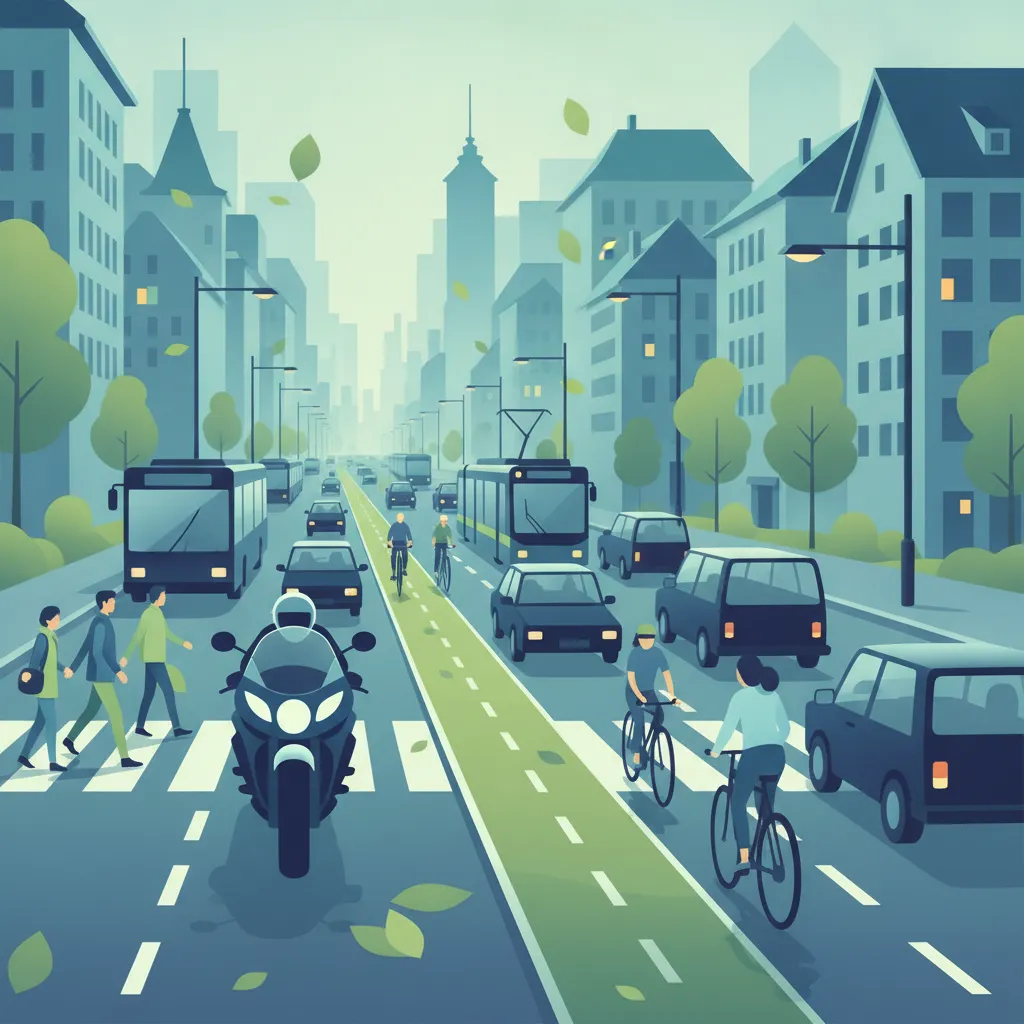
This lesson explores the complexities of riding in busy urban areas with a mix of traffic types. It covers strategies for safely navigating alongside buses, trams, cyclists, and pedestrians. Key topics include respecting designated lanes, anticipating the movements of vulnerable road users, and maintaining heightened situational awareness.
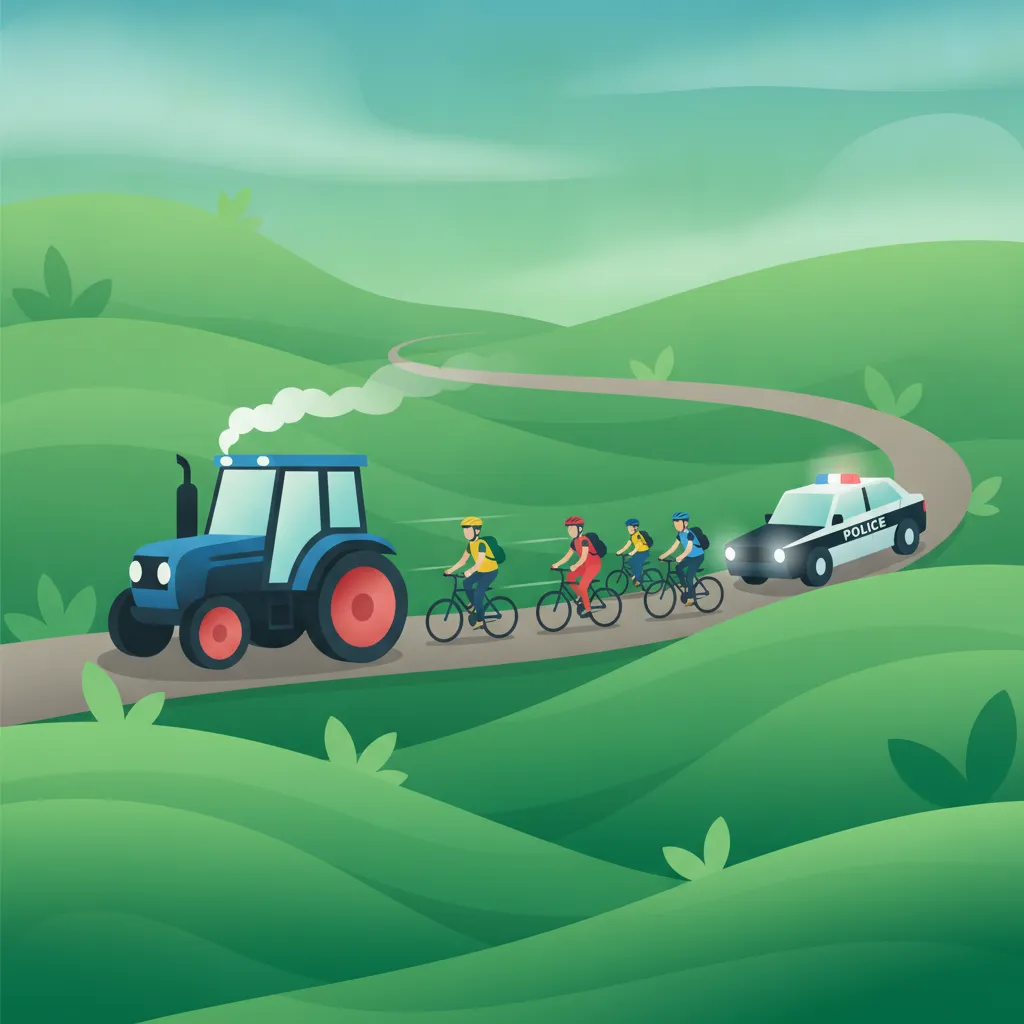
This lesson focuses on strategies for safely interacting with non-standard traffic common on rural roads. It covers how to anticipate the behaviour of slow-moving farm equipment and tourist vehicles, and the legal requirement to yield to emergency services. The importance of patience and safe passing opportunities is stressed.

This lesson explores the typical features of rural and alpine roads, such as narrow lanes, sharp bends, and significant elevation changes. It discusses the need for heightened awareness due to limited sight distances and the potential for unexpected hazards like wildlife or agricultural vehicles. Riders will learn to adapt their speed and positioning for these challenging conditions.
Rural driving requires a different mindset from urban driving. This lesson covers how to position your vehicle on narrow roads, how to use passing places effectively, and how to anticipate hazards like slow-moving farm machinery, animals, and concealed junctions. Managing vehicle width and height is a key focus.
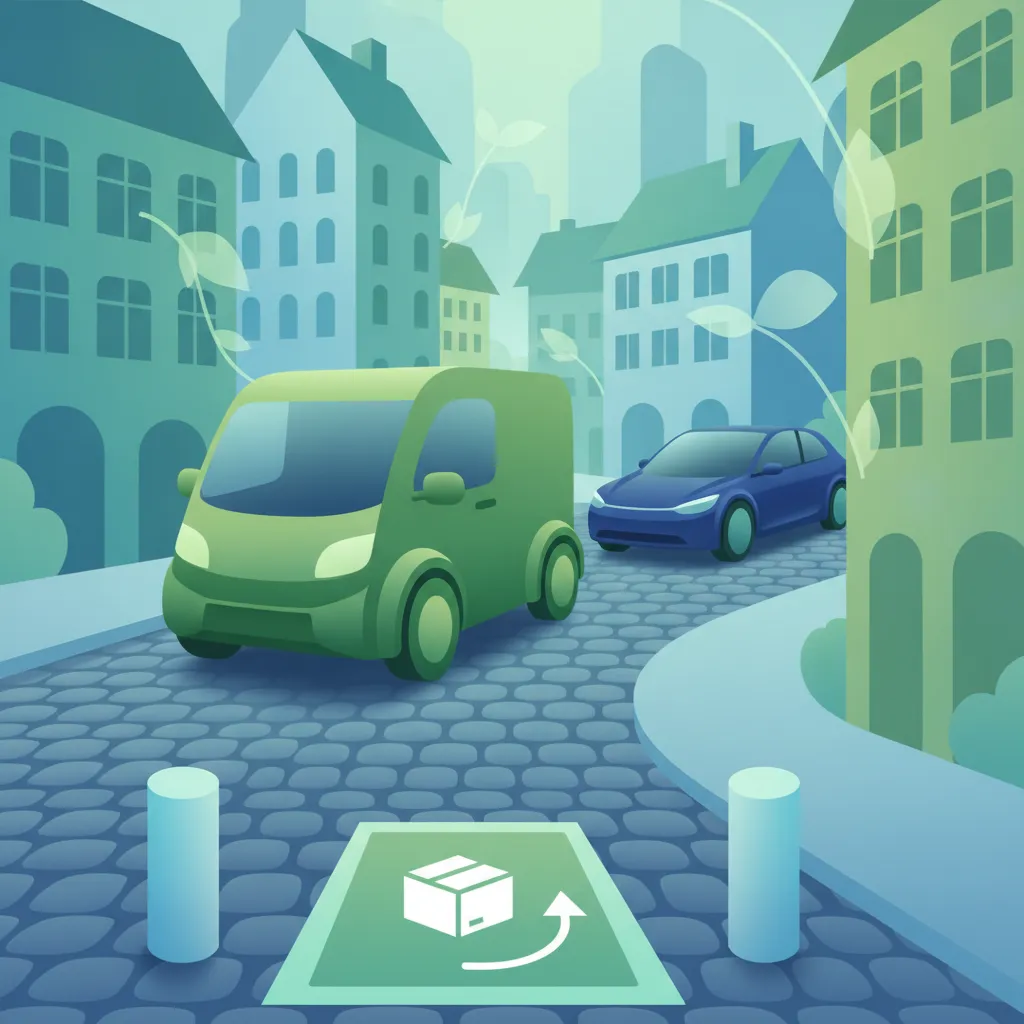
Urban driving requires heightened awareness and careful planning. This lesson covers the challenges of narrow streets, heavy traffic, and the need to identify designated loading and unloading zones. It emphasizes the importance of planning routes in advance to account for time-based access restrictions and to avoid unsuitable roads.

This lesson focuses on general driving safety in areas with a high concentration of children. It stresses the importance of significantly reducing speed, being prepared for unexpected events, and scanning for children between parked cars. The driver must exhibit maximum vigilance in these high-risk environments at all times.
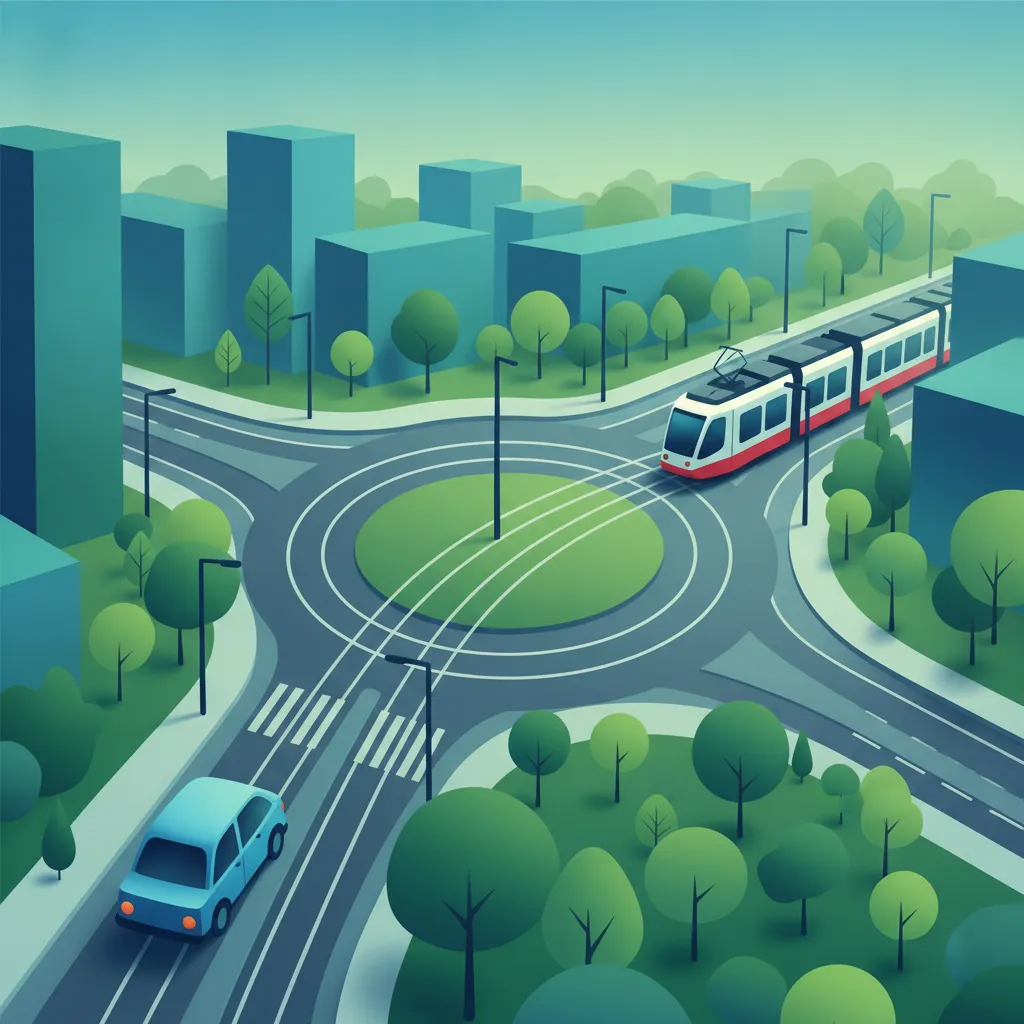
This lesson provides guidance on safely navigating roundabouts and tram lanes, common features in Swiss cities. It covers the rules for yielding, lane positioning within the roundabout, and signaling intentions upon exiting. Special attention is given to the hazards of crossing slippery tram tracks and sharing the road with public transport.
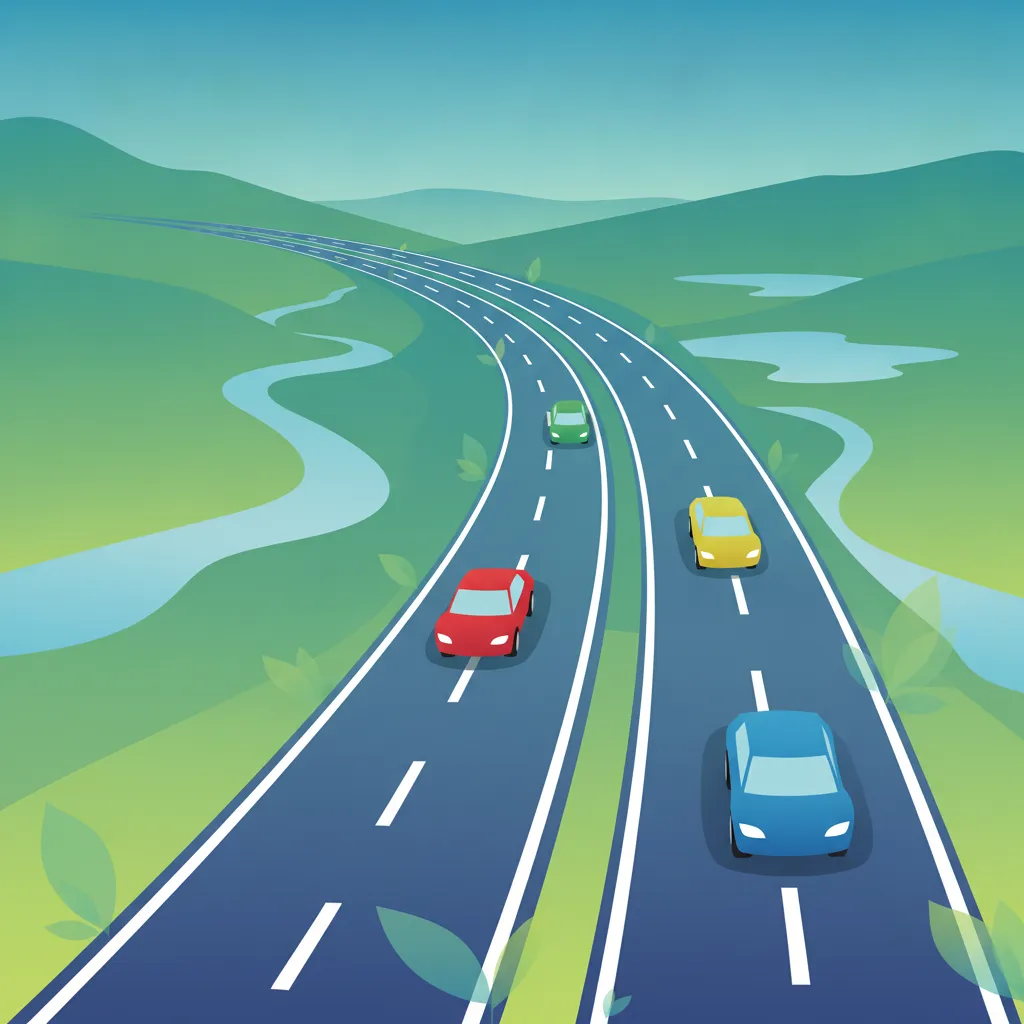
Motorway driving requires constant concentration due to high speeds. This lesson emphasizes the importance of staying in the right-hand lane unless overtaking and the specific restrictions on lorry overtaking in Switzerland. It reinforces the need for a following distance of at least four seconds to compensate for the vehicle's long stopping distance and provides guidance on safely merging and exiting.
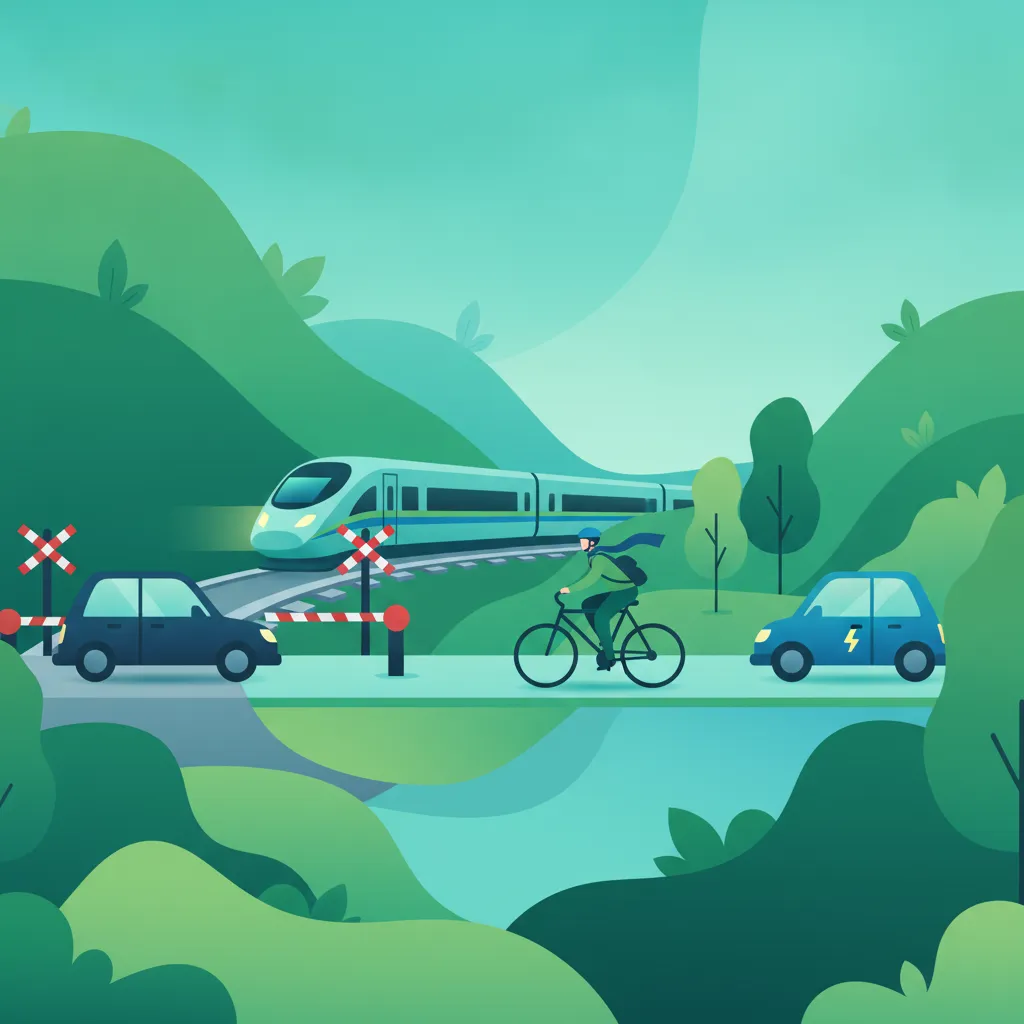
This lesson examines special traffic situations such as railway level crossings and shared zones where different road users coexist. It explains the specific safety procedures required at railway crossings and how to behave in shared zones with mixed traffic. The content also addresses the need to yield to oncoming trains and follow special signage in these unique zones.
Learn about typical mistakes drivers make when interacting with road users in urban versus rural Swiss environments. Understand the specific dangers and legal implications of these errors for your driving theory knowledge.
Rural roads present challenges like narrow lanes, poor surfaces, sharp bends, and limited visibility. This lesson teaches drivers how to position their large vehicle to maximize space and visibility, anticipate oncoming traffic at blind corners, and be aware of specific rural hazards. These hazards include slow-moving agricultural vehicles, animals on the road, and concealed farm entrances.
This lesson focuses on general driving safety in areas with a high concentration of children. It stresses the importance of significantly reducing speed, being prepared for unexpected events, and scanning for children between parked cars. The driver must exhibit maximum vigilance in these high-risk environments at all times.
This lesson outlines the legal repercussions for breaking traffic laws in Switzerland. It details the system of fines and administrative measures, including the potential for license withdrawal for serious offenses. The content also explains a rider's legal duties after being involved in an accident, including reporting and insurance obligations.
This lesson outlines the legal and administrative repercussions of committing traffic violations or being involved in an accident. It covers the system of fines, licence points, and potential licence revocation under Swiss law. Understanding these consequences reinforces the importance of lawful and responsible riding.
This lesson emphasizes the broad responsibilities of holding a driver's licence in Switzerland, including adherence to traffic laws and maintaining vehicle roadworthiness. It covers legal obligations related to insurance, registration, and reporting accidents, as well as the consequences of violations. The content reinforces the duty of care drivers owe to all other road users.
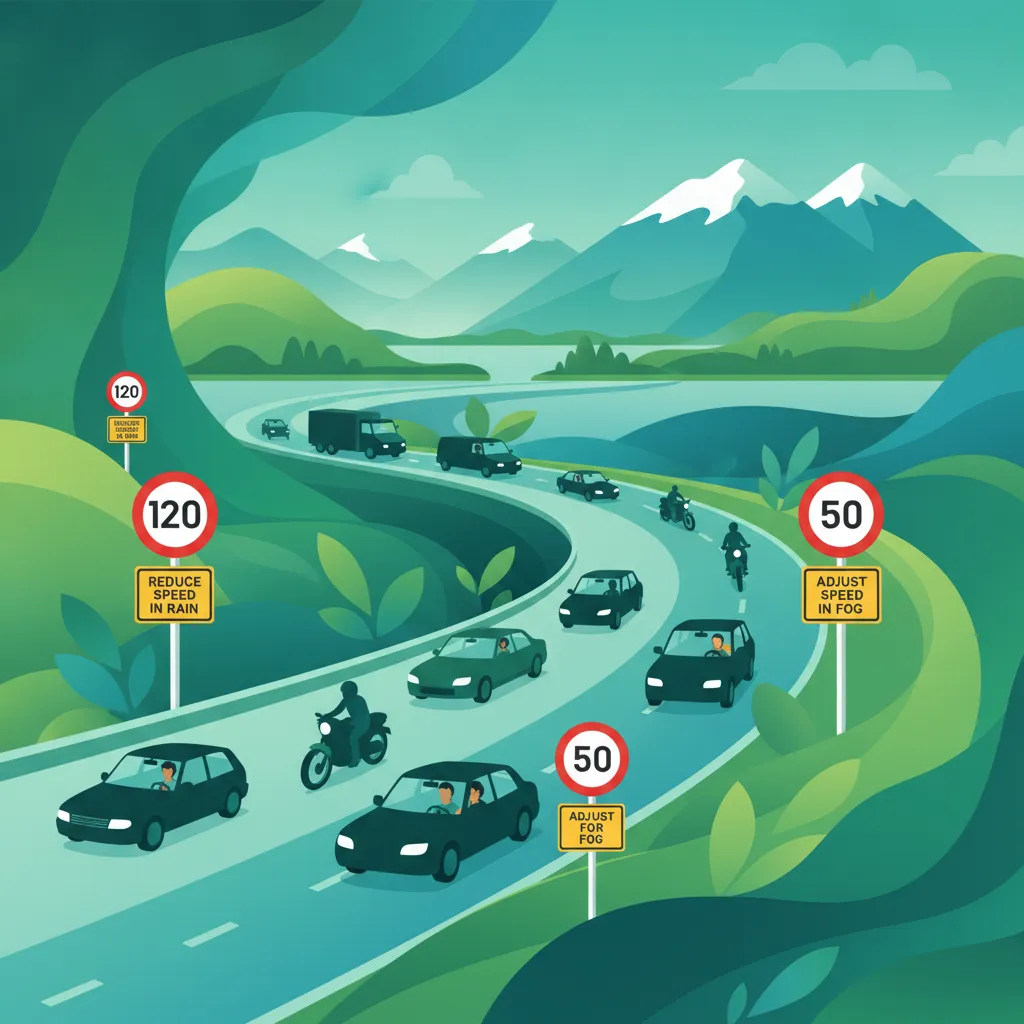
This lesson details the different speed limits applicable in urban, rural, and motorway environments across Switzerland. It explains speed limit signs, temporary restrictions, and how to adapt speed safely based on visibility and road conditions. Understanding these principles helps you comply with legal limits while ensuring an appropriate speed for the circumstances.
Rural driving requires a different mindset from urban driving. This lesson covers how to position your vehicle on narrow roads, how to use passing places effectively, and how to anticipate hazards like slow-moving farm machinery, animals, and concealed junctions. Managing vehicle width and height is a key focus.
Urban driving requires heightened awareness and careful planning. This lesson covers the challenges of narrow streets, heavy traffic, and the need to identify designated loading and unloading zones. It emphasizes the importance of planning routes in advance to account for time-based access restrictions and to avoid unsuitable roads.

This lesson focuses on driving on mountain roads, addressing steep gradients, hairpin bends, and altitude-related challenges. You will learn proper techniques for climbing ascents and using engine braking on descents. The content also covers the use of snow chains, recognizing avalanche risks, and interpreting mountain road signs for safe alpine navigation.
This lesson explores the typical features of rural and alpine roads, such as narrow lanes, sharp bends, and significant elevation changes. It discusses the need for heightened awareness due to limited sight distances and the potential for unexpected hazards like wildlife or agricultural vehicles. Riders will learn to adapt their speed and positioning for these challenging conditions.
Find clear answers to common questions learners have about Road User Interaction in Urban vs Rural Settings. Learn how the lesson is structured, which driving theory objectives it supports, and how it fits into the overall learning path of units and curriculum progression in Switzerland. These explanations help you understand key concepts, lesson flow, and exam focused study goals.
Speed limits are designed based on the density of road users and potential hazards. Urban areas have higher concentrations of pedestrians and cyclists, requiring lower speeds to allow for reaction time, while rural areas often allow higher speeds but require heightened alertness for wildlife or slow-moving agricultural vehicles.
The primary risk in rural areas is the presence of unexpected hazards such as agricultural machinery, livestock, or wildlife crossing the road. Unlike in the city, where you expect high traffic, rural roads require you to scan further ahead and anticipate slower-moving vehicles that may not be easily visible around blind bends.
In urban settings, cyclists are highly vulnerable and often utilize specific cycle lanes or shared zones. You must always maintain a safe distance and be aware that they have specific priority at many junctions, particularly when they are riding straight ahead while you are turning.
Yes, the theory exam includes situational questions regarding hazard perception. You will likely face scenarios where you must identify the appropriate defensive response to potential rural dangers, demonstrating that you understand how to adjust your speed and observation according to the environment.
Pinpoint specific Swiss traffic rules, road signs, or driving situations you need to master. Use the practice search to start a focused revision session now and build confidence for your official driving theory exam.