
This lesson provides essential knowledge regarding the technical roadworthiness of your goods vehicle. You will learn how to inspect your steering and tyre health, which is a critical professional responsibility for drivers in the Category C and C1 license categories.

Lesson content overview
Operating heavy goods vehicles, such as those in Categories C and C1, demands a profound understanding of vehicle safety components. Among the most critical are the steering system and the condition of the tyres. These two elements are fundamental to maintaining control, ensuring stability, and guaranteeing efficient braking, directly impacting the overall roadworthiness and safety of the vehicle, its driver, and other road users. This lesson will delve into the essential aspects of inspecting these systems, adhering to legal requirements, and understanding their operational significance within the context of the Official Swiss Driving Theory Course for Category C & C1 Goods Vehicles.
For a large commercial vehicle, the integrity of the steering system and the condition of its tyres are paramount. These components are the primary interface between the driver's intent and the vehicle's movement, as well as between the vehicle and the road surface. A malfunctioning steering system can lead to a sudden loss of directional control, especially under the heavy loads and higher speeds characteristic of lorry operation. Similarly, compromised tyres can drastically impair traction, increase stopping distances, and elevate the risk of dangerous blowouts.
The immense weight and momentum of heavy goods vehicles mean that any failure in these systems can have severe consequences, far greater than with smaller passenger cars. Therefore, diligent pre-drive inspections and a thorough understanding of maintenance requirements are not merely good practice but a legal and moral obligation for every professional driver.
The steering system is a complex network of mechanical and hydraulic components designed to translate the driver's input from the steering wheel into the precise directional movement of the front wheels. This control is vital for navigating roads, especially with a heavy and potentially unstable load.
The steering system in a heavy goods vehicle typically consists of several interconnected parts:
A fault in any of these components, from a loose tie rod to a failing power steering pump, can lead to excessive steering effort, imprecise control, or even a complete loss of steering response, posing a significant safety hazard.
Regular inspection of the power steering system is a crucial part of vehicle maintenance. Drivers should not assume that the system, simply because it is power-assisted, is immune to issues.
Fluid Level Check: Locate the power steering fluid reservoir. The fluid level must be between the "minimum" and "maximum" marks on the reservoir, ideally when the engine is cold. Check the manufacturer's recommendations, as some vehicles may require the check when the engine is at operating temperature.
Fluid Condition: Observe the colour and clarity of the fluid. It should typically be clear and reddish or amber. Cloudy, dark, or foamy fluid indicates contamination or overheating and requires immediate attention and possibly a fluid flush.
Leak Detection: Inspect around the power steering pump, hoses, and steering gear for any signs of fluid leaks. Even a small leak can lead to a low fluid level over time, compromising assistance. Any visible leak must be repaired before the vehicle is operated.
Audible Checks: Listen for unusual noises, especially when turning the steering wheel. A whining or grinding sound from the power steering pump often indicates a low fluid level or a failing pump. Excessive squealing could point to a loose or worn belt.
Steering Feel: While driving slowly, especially when parking or manoeuvring, pay attention to the steering effort. If it feels unusually heavy or jerky, or if there's excessive play in the steering wheel, it's a sign that the system needs professional inspection.
Ignoring these warning signs can lead to increased driver fatigue and, more critically, a sudden failure of steering assistance, making the vehicle extremely difficult to control.
Tyres are the only contact point between the heavy goods vehicle and the road. Their condition directly impacts handling, braking, fuel efficiency, and overall safety. Regular, thorough tyre inspections are non-negotiable for professional drivers.
Tyre pressure refers to the internal air pressure within a tyre, measured in units like bar or psi. Maintaining the correct pressure is perhaps the single most important factor for tyre safety and performance.
The internal air pressure within a tyre, typically measured in bar or psi, which must be maintained at the manufacturer-specified level for optimal performance and safety.
Drivers must always refer to the vehicle's placard (often located on the door jamb, fuel filler flap, or in the owner's manual) for the manufacturer's recommended tyre pressures for various load conditions.
Tread depth is the measurement of the depth of the tyre’s grooves, essential for evacuating water from beneath the tyre. Adequate tread depth is crucial for maintaining traction, particularly on wet roads, and for reducing the risk of aquaplaning.
The vertical distance from the top of the tyre's tread blocks to the bottom of the deepest main grooves, measured in millimetres (mm).
In Switzerland, specific regulations apply to heavy goods vehicles. While passenger vehicles typically have a minimum legal tread depth of 1.6 mm, heavy goods vehicles (Category C and C1) generally have a higher minimum standard to ensure safety under demanding conditions.
Generally, a minimum tread depth of 3 mm is often required for heavy goods vehicles in Switzerland. Tyres with tread depth below this legal minimum must be replaced immediately. Many tyres have built-in tread wear indicators (small bars within the main grooves) that become flush with the tread surface when the depth reaches the legal minimum. However, drivers should not solely rely on these indicators but use a tread depth gauge for precise measurements, checking at multiple points across the tyre's width to detect uneven wear.
Beyond pressure and tread depth, a thorough visual and tactile inspection for any signs of damage is critical. Damaged tyres are highly prone to sudden and catastrophic failure, especially at high speeds or when carrying heavy loads.
Types of damage to look for include:
Any tyre showing visible damage that compromises its structural integrity must be replaced before the vehicle is used. Temporary puncture repairs are only acceptable in the central tread area, and the tyre must still be inspected for any sidewall damage or internal cord damage before being deemed safe for continued use.
For heavy goods vehicle drivers, a systematic daily pre-drive inspection (also known as a walk-around check) is not just a recommendation, but a legal obligation under Swiss Road Traffic Regulations. This inspection ensures that critical safety components, including the steering system and tyres, are in serviceable condition before each trip.
Initial Visual Walk-around: Before even starting the engine, walk around the entire vehicle. Look for anything obviously amiss with the tyres, such as severe under-inflation (a 'flat' appearance), visible damage, or objects lodged in the tread.
Tyre Pressure Check (with Gauge): Use a reliable tyre pressure gauge to check the pressure of every tyre, including any spares, when they are cold. Compare the readings to the manufacturer's recommended pressures for the current load. Adjust as necessary.
Tread Depth Check: Use a tread depth gauge to measure the depth of the main grooves across the tyre's width at several points. Ensure that all tyres meet or exceed the legal minimum tread depth of typically 3 mm for heavy goods vehicles in Switzerland.
Tyre Damage Close-Up Inspection: Examine the entire circumference of each tyre, including both sidewalls and the tread area, for cuts, cracks, bulges, exposed cords, embedded objects, or any other anomalies. Pay close attention to areas that are harder to see.
Steering Fluid Check: Open the bonnet and locate the power steering fluid reservoir. Check the fluid level and condition as described previously. Look for any signs of leaks around the reservoir, pump, and hoses.
Steering Linkage Check (Visual): Visually inspect the steering linkage components (tie rods, drag links) for any signs of bending, cracks, loose connections, or excessive corrosion. While a full professional check requires lifting the vehicle, a visual scan can catch obvious issues.
Functionality Test: Once in the cab, start the engine and turn the steering wheel from lock to lock. Listen for any unusual noises (whining, grinding) from the power steering pump. Note any excessive play in the steering wheel or unusual resistance.
Any defect discovered during this inspection must be reported immediately to the operator or mechanic and rectified before the vehicle is put into service. Skipping this essential safety routine due to time pressure is not only illegal but dramatically increases the risk of accidents.
In Switzerland, the operation of heavy goods vehicles is strictly governed by road traffic regulations to ensure maximum safety. Drivers and operators are legally bound to comply with these rules.
The fundamental principle governing vehicle condition in Switzerland is enshrined in the Swiss Road Traffic Act.
This article mandates that vehicles must be roadworthy at all times, with critical components such as the steering mechanism and tyres maintained in a safe and fully functional condition.
This broad regulation places the responsibility on the driver and vehicle owner to ensure the vehicle is always fit for purpose. It is the underlying legal basis for requiring thorough pre-use checks and immediate rectification of any defects.
This regulation stipulates that tyres must be inflated to the pressures specified by the vehicle manufacturer, with appropriate adjustments made for the vehicle's load. Pressure checks should ideally be performed when tyres are cold.
This regulation ensures that tyres operate within their design parameters, optimizing safety, handling, and load-carrying capacity. Failure to comply can lead to fines and safety risks.
This regulation sets the minimum legal tread depth for tyres. For heavy goods vehicles in Switzerland, tyres must have a tread depth of not less than 3 mm.
This specific rule is crucial for ensuring sufficient water evacuation from beneath the tyres, particularly important for heavy vehicles operating on wet roads where the risk of aquaplaning is significantly higher. Tyres below this minimum are illegal and unsafe.
Failing to properly inspect and maintain the steering system and tyres carries significant risks and potential legal repercussions:
These actions not only endanger the driver and other road users but can also result in significant fines, points on a driving license, vehicle immobilization, and severe damage to the vehicle and its cargo.
The environment and operational context of a heavy goods vehicle significantly influence the importance and specific considerations for steering and tyre checks.
Understanding the underlying principles reinforces the necessity of stringent checks.
This lesson covers the essential inspection procedures for heavy goods vehicle steering systems and tyres required for Swiss Category C and C1 licences. Drivers learn to check power steering fluid level and condition, listen for pump warnings, and inspect steering linkage components. For tyres, the lesson details correct inflation procedures including load and temperature adjustments, legal minimum tread depth requirements for Switzerland, and how to identify dangerous damage such as bulges, cuts, and exposed cords. The content emphasises that daily walk-around inspections are a legal obligation under Swiss road traffic law, and that neglecting these checks can result in fines, vehicle immobilisation, or severe accidents caused by tyre blowouts or steering failure.
A short set of high-value points that capture the most important learning from this lesson.
Heavy goods vehicle steering relies on a network of mechanical and hydraulic components, with power steering essential for reducing driver effort
Tyre condition directly impacts handling, braking, and stability; even minor damage like cuts or bulges can cause catastrophic failure
Swiss regulations require tyres to meet a minimum tread depth of 3 mm for heavy goods vehicles, not the 1.6 mm for passenger cars
Daily pre-drive inspections are a legal obligation under Swiss Road Traffic Regulations and must cover both steering system function and tyre condition
Tyre pressure must be checked when cold and adjusted for load, as both under-inflation and over-inflation create serious safety hazards
Explore all units and lessons included in this driving theory course.
Power steering fluid must be between min/max marks on the reservoir and should be clear and reddish; cloudy or foamy fluid requires immediate attention
Tyres must be replaced immediately if sidewall bulges, exposed cords, or deep cuts are found; these cannot be repaired and create blowout risk
Swiss Vehicle Regulations (SVR 2.2) mandate tyre pressures match manufacturer specifications with adjustments for load and temperature conditions
The daily inspection must include walking around the vehicle, checking pressure with a gauge, measuring tread depth at multiple points, and testing steering from lock to lock
Steering linkage components should be visually inspected for bends, cracks, loose connections, or excessive corrosion before driving
Assuming tyre pressure is correct without checking; pressure fluctuates with temperature and can be significantly wrong after overnight storage
Relying only on tread wear indicators instead of using a gauge to measure depth at multiple points across the tyre width
Ignoring small leaks or low power steering fluid levels, which can lead to pump failure and complete loss of steering assistance
Not adjusting tyre pressure for heavy loads; a fully loaded lorry requires higher pressure than an empty one to prevent excessive deflection
Skipping the audible and feel-based checks for power steering, such as listening for whining noises or noticing unusually heavy steering effort
Lesson content overview
A short set of high-value points that capture the most important learning from this lesson.
Heavy goods vehicle steering relies on a network of mechanical and hydraulic components, with power steering essential for reducing driver effort
Tyre condition directly impacts handling, braking, and stability; even minor damage like cuts or bulges can cause catastrophic failure
Swiss regulations require tyres to meet a minimum tread depth of 3 mm for heavy goods vehicles, not the 1.6 mm for passenger cars
Daily pre-drive inspections are a legal obligation under Swiss Road Traffic Regulations and must cover both steering system function and tyre condition
Tyre pressure must be checked when cold and adjusted for load, as both under-inflation and over-inflation create serious safety hazards
Explore all units and lessons included in this driving theory course.
Power steering fluid must be between min/max marks on the reservoir and should be clear and reddish; cloudy or foamy fluid requires immediate attention
Tyres must be replaced immediately if sidewall bulges, exposed cords, or deep cuts are found; these cannot be repaired and create blowout risk
Swiss Vehicle Regulations (SVR 2.2) mandate tyre pressures match manufacturer specifications with adjustments for load and temperature conditions
The daily inspection must include walking around the vehicle, checking pressure with a gauge, measuring tread depth at multiple points, and testing steering from lock to lock
Steering linkage components should be visually inspected for bends, cracks, loose connections, or excessive corrosion before driving
Assuming tyre pressure is correct without checking; pressure fluctuates with temperature and can be significantly wrong after overnight storage
Relying only on tread wear indicators instead of using a gauge to measure depth at multiple points across the tyre width
Ignoring small leaks or low power steering fluid levels, which can lead to pump failure and complete loss of steering assistance
Not adjusting tyre pressure for heavy loads; a fully loaded lorry requires higher pressure than an empty one to prevent excessive deflection
Skipping the audible and feel-based checks for power steering, such as listening for whining noises or noticing unusually heavy steering effort
Explore search topics learners often look for when studying Steering Systems and Tyre Condition Checks. These topics reflect common questions about road rules, driving situations, safety guidance, and lesson level theory preparation for learners in Switzerland.
Browse additional driving theory lessons that cover connected traffic rules, road signs, and common driving situations related to this topic. Improve your understanding of how different rules interact across everyday traffic scenarios.
Learn to identify and interpret various types of tyre damage, wear patterns, and their implications for vehicle roadworthiness. Understand how to assess tyre condition beyond basic tread depth for Category C and C1 licenses.

The condition of tyres and wheels is paramount to safety. This lesson details how to check tyre pressures, tread depth, and sidewalls for any damage or defects. You will also learn to inspect wheel nuts for security and look for signs of issues with the suspension system.

The driver is legally responsible for the roadworthiness of their vehicle at the start of and during every journey. This lesson outlines the formal process for reporting any identified defects to the transport manager or maintenance staff. It stresses the critical rule that a vehicle with a known safety-critical defect must not be driven until it has been professionally repaired and declared safe.
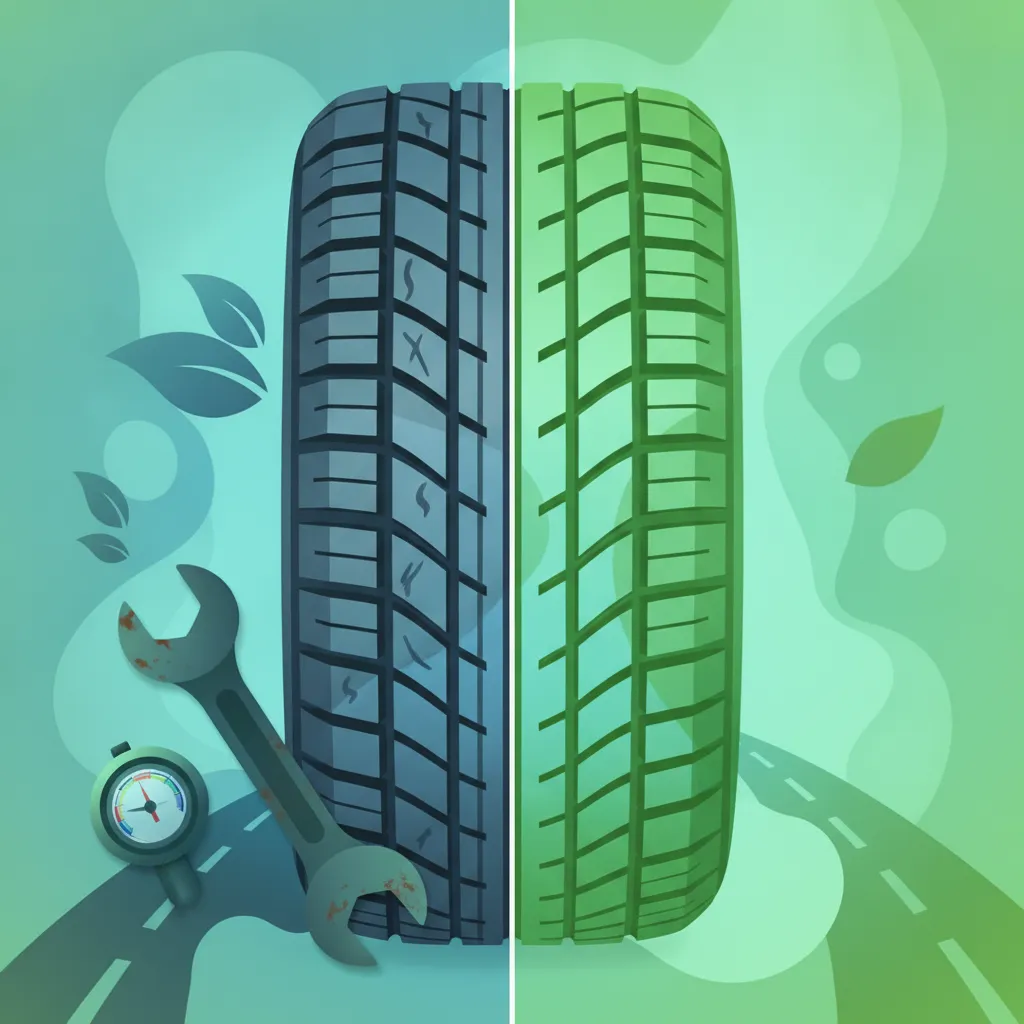
This lesson focuses on maintaining proper tyre pressure, tread depth, and overall condition. You will learn to check tyre pressure, interpret wear indicators, and select appropriate tyre types for different weather conditions. The content also covers load index and speed rating considerations, as well as legal requirements for tyre condition in Switzerland.

Swiss law strictly regulates the maximum dimensions of commercial vehicles to ensure they can safely navigate the infrastructure. This lesson specifies the standard limits for vehicle height (4.0m), width (2.55m), and length for various lorry and trailer combinations. Adhering to these dimensions is crucial for avoiding collisions with bridges, tunnels, and other structures, and for navigating narrow roads.

A tyre blowout or engine failure can be a frightening experience. This lesson provides a clear action plan: maintain a firm grip on the steering wheel, avoid harsh braking, signal, and move the vehicle to a safe location like the hard shoulder if possible. It then covers the essential safety steps of activating hazard lights, placing the warning triangle, and waiting in a safe place away from the vehicle.

Overloading is a serious offence with severe safety and legal ramifications. This lesson details how excess weight drastically increases braking distances, puts extreme stress on tyres leading to blowouts, and negatively affects steering and overall stability. Furthermore, it discusses the substantial fines, potential license withdrawal, and driver liability that result from violating Swiss weight regulations.

Heavy vehicles, especially those with a high centre ofgravity, are susceptible to rolling over. This lesson examines the primary causes, including excessive speed on bends or roundabouts, sudden steering manoeuvres, and the 'sloshing' effect of liquid loads in tankers. It reinforces that maintaining a sensible speed and driving smoothly are the best ways to mitigate this serious risk.

Unlike cars, heavy vehicles cannot travel on every road. This lesson stresses the importance of using HGV-specific satellite navigation systems or carefully checking maps to plan routes that avoid low bridges, weak bridges, and roads with weight or width restrictions. Proper planning saves time, fuel, and prevents dangerous situations or costly damage.

Driving in the Alps requires a high level of skill and vehicle sympathy. This lesson covers techniques for climbing steep gradients by selecting the correct gear to maintain momentum without straining the engine. It reiterates the critical importance of using low gears and auxiliary brakes for descending, to ensure the service brakes remain cool and effective for the entire descent.
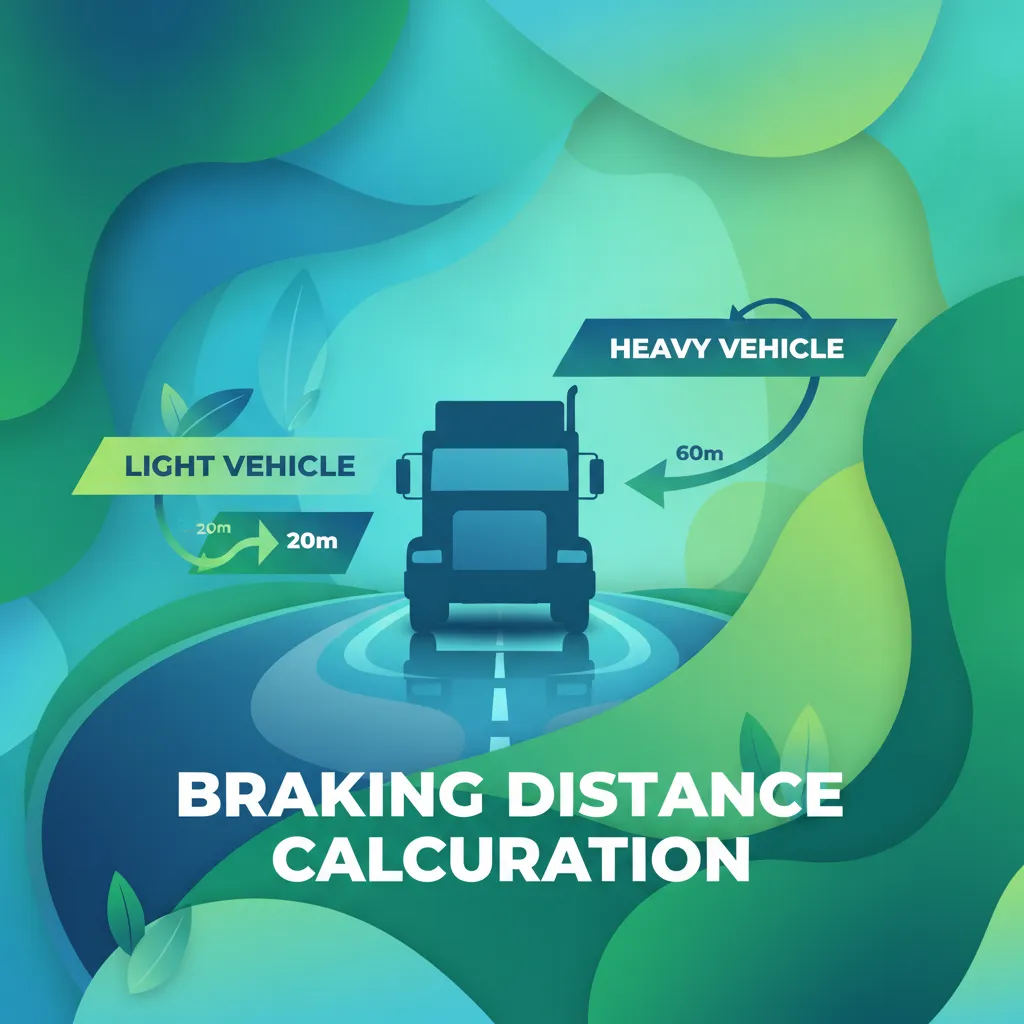
The immense mass of a loaded truck means its braking distance is far greater than that of a car. This lesson breaks down total stopping distance into reaction distance and braking distance, explaining how speed, weight, and road conditions have an exponential effect. It reinforces the necessity of maintaining a significantly larger following distance to ensure enough space to stop safely in an emergency.
Explore the mechanics of power steering systems in lorries, the importance of hydraulic fluid, and how these systems ensure driver control. Understand the implications of steering system integrity for safe operation in Swiss traffic.
Driving in the Alps requires a high level of skill and vehicle sympathy. This lesson covers techniques for climbing steep gradients by selecting the correct gear to maintain momentum without straining the engine. It reiterates the critical importance of using low gears and auxiliary brakes for descending, to ensure the service brakes remain cool and effective for the entire descent.

Many modern lorries are equipped with technologies designed to improve safety. This lesson introduces common systems like reversing cameras, blind spot detection sensors, and lane departure warnings. It is crucial for drivers to understand that while these systems are valuable aids, they do not replace the need for fundamental skills of all-round observation and mirror use.

Modern lorries are equipped with advanced electronic safety systems. This lesson explains how the Anti-lock Braking System (ABS) prevents wheels from locking up during hard braking, allowing the driver to maintain steering control. It also covers Electronic Stability Control (ESC), which can detect and mitigate skids or potential rollovers by automatically applying individual brakes and reducing engine power.

The suspension system connects the vehicle's axles to its frame, supporting the massive weight and absorbing shocks from the road surface. This lesson describes the two common types: traditional leaf springs and modern air suspension. It explains how a well-maintained suspension is crucial for vehicle stability, proper handling, braking effectiveness, and preventing damage to the load and the vehicle itself.
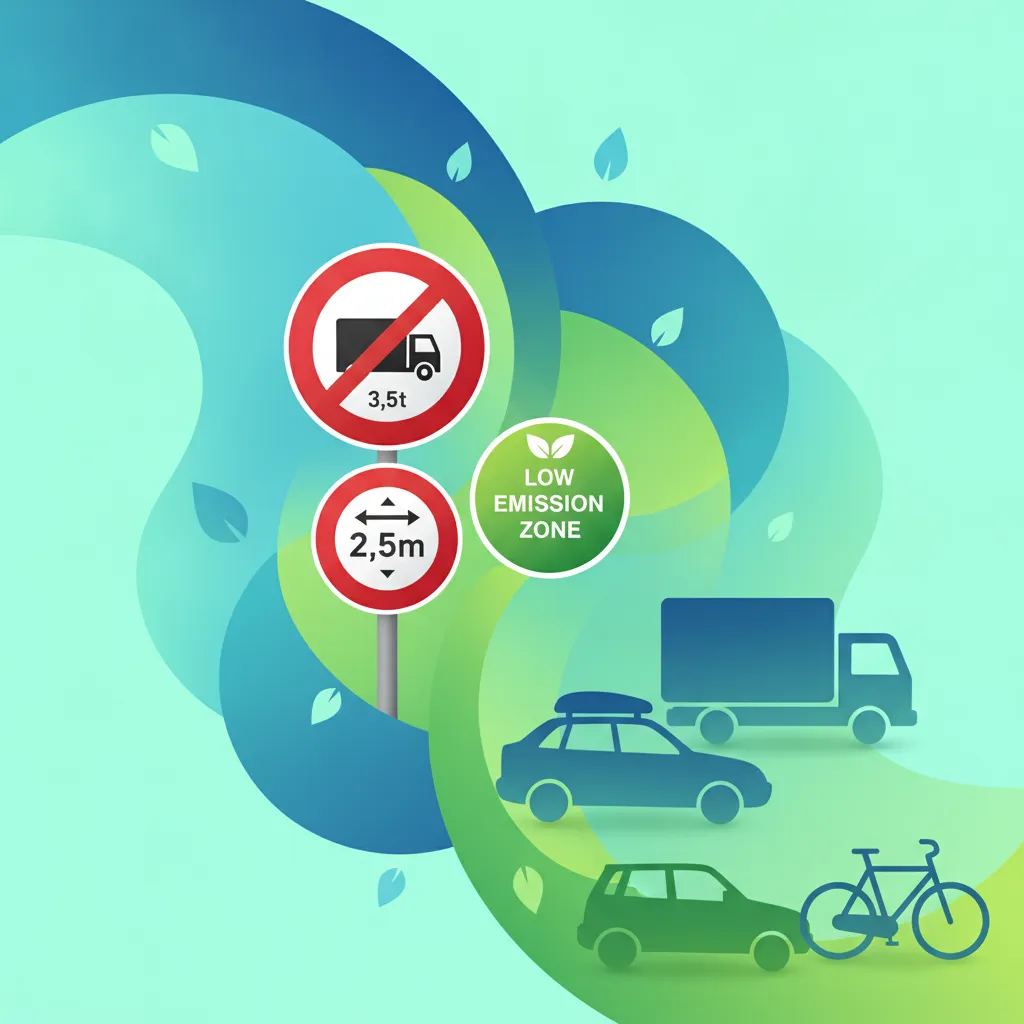
Many urban areas have restrictions to manage traffic and protect infrastructure. This lesson teaches drivers to identify and interpret traffic signs that prohibit access based on gross vehicle weight, axle load, height, or width. It also covers the growing prevalence of environmental or low-emission zones, which may restrict entry for older, more polluting vehicles.
Swiss law strictly regulates the maximum dimensions of commercial vehicles to ensure they can safely navigate the infrastructure. This lesson specifies the standard limits for vehicle height (4.0m), width (2.55m), and length for various lorry and trailer combinations. Adhering to these dimensions is crucial for avoiding collisions with bridges, tunnels, and other structures, and for navigating narrow roads.
Unlike cars, heavy vehicles cannot travel on every road. This lesson stresses the importance of using HGV-specific satellite navigation systems or carefully checking maps to plan routes that avoid low bridges, weak bridges, and roads with weight or width restrictions. Proper planning saves time, fuel, and prevents dangerous situations or costly damage.
Heavy vehicles, especially those with a high centre ofgravity, are susceptible to rolling over. This lesson examines the primary causes, including excessive speed on bends or roundabouts, sudden steering manoeuvres, and the 'sloshing' effect of liquid loads in tankers. It reinforces that maintaining a sensible speed and driving smoothly are the best ways to mitigate this serious risk.

Operating a heavy goods vehicle involves a significant responsibility for the safety of all road users. This lesson emphasizes the professional driver's enhanced duty of care due to the vehicle's size, mass, and potential impact in a collision. It covers the importance of a professional attitude, constant vigilance, and adherence to all traffic regulations to prevent incidents and maintain a high standard of road safety.
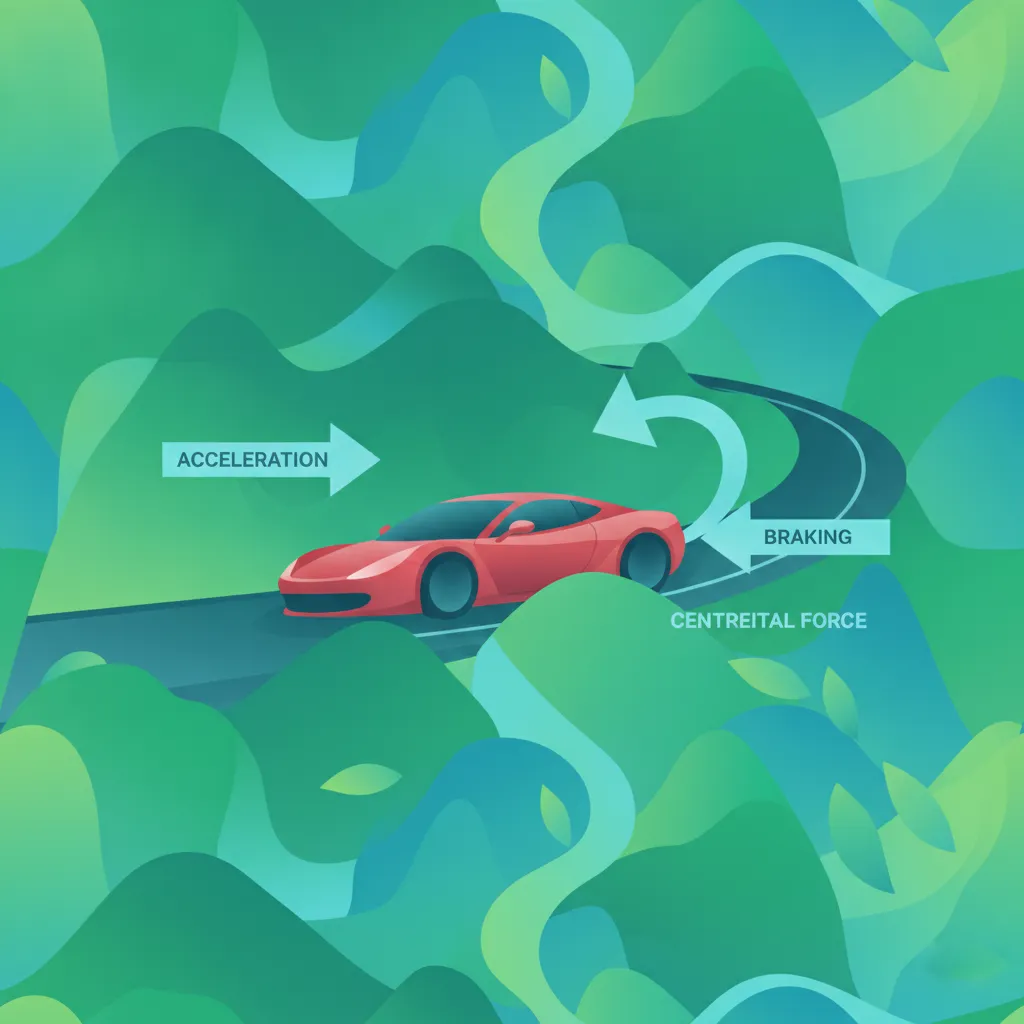
A load is not static; it is subjected to significant forces during transport. This lesson explains how acceleration, braking (deceleration), and cornering create powerful inertial forces that try to move the cargo. Load securing systems must be strong enough to counteract these forces to prevent the load from sliding forward during braking, backward during acceleration, or sideways when turning.
Find clear answers to common questions learners have about Steering Systems and Tyre Condition Checks. Learn how the lesson is structured, which driving theory objectives it supports, and how it fits into the overall learning path of units and curriculum progression in Switzerland. These explanations help you understand key concepts, lesson flow, and exam focused study goals.
For heavy vehicles in Switzerland, the legal minimum tread depth is 1.6 mm across the entire tread surface. However, for winter conditions or specific commercial requirements, it is highly recommended to have a greater depth to ensure safety and performance.
You must inspect the sidewalls for any cuts, cracks, bulges, or signs of exposed cords. Any of these defects significantly compromise the structural integrity of the tyre and must be reported immediately, as they pose a high risk of a blowout.
Warning signs include stiff steering, unusual noises like whining or clicking when turning the wheel, or a feeling of 'play' or looseness in the steering mechanism. Any such symptoms require an immediate inspection and professional servicing.
As a professional driver, you are legally responsible for the roadworthiness of your vehicle before every journey. A systematic daily walk-around check is mandatory to ensure that your tyres and steering systems are in proper working order.
Pinpoint specific Swiss traffic rules, road signs, or driving situations you need to master. Use the practice search to start a focused revision session now and build confidence for your official driving theory exam.