
This lesson provides a comprehensive guide to navigating intersections and roundabouts under Swiss traffic law. You will learn the essential priority rules required for your Category M license, ensuring you can make safe decisions at every junction.
Lesson content overview
Understanding and correctly applying priority rules is fundamental for safe and predictable riding on Swiss roads. For riders of Category M vehicles, mastering these regulations is not just a legal requirement but a critical skill for preventing accidents and ensuring smooth traffic flow. This comprehensive lesson will guide you through the intricate hierarchy of right-of-way, from the default right-hand priority to the specific rules governing complex junctions like roundabouts and forks.
Priority rules are the backbone of organized traffic, dictating which vehicle or road user has the right to proceed first at points where paths converge. Without these clear guidelines, intersections would descend into chaos, leading to constant conflicts and accidents. In Switzerland, these rules are strictly enforced and are crucial for passing your Category M driving license theory exam.
As a moped or e-bike rider, you are often less visible than larger vehicles and are more vulnerable in a collision. Therefore, anticipating traffic behavior and correctly applying priority rules is paramount for your safety. Knowing when you have the right-of-way and, more importantly, when you must yield, allows you to make informed decisions, avoid dangerous situations, and react proactively to other road users. This knowledge builds confidence and contributes significantly to road safety for all.
The Swiss traffic legislation establishes a clear framework for priority, aiming to prevent conflicts and ensure an efficient flow of vehicles. The underlying logic is based on predictability and fairness. By standardizing who goes first, drivers can anticipate actions, reducing hesitation and the risk of sudden maneuvers. This systematic approach promotes a harmonious coexistence of all road users, from pedestrians to heavy goods vehicles, ensuring that potential collision points are managed with a clear hierarchy.
At the core of Swiss priority rules, particularly at unmarked junctions, lies the principle of "Rechtsvortritt," or right-hand priority. This is the default rule that applies whenever no other signs, signals, or road markings explicitly dictate otherwise.
The Rechtsvortritt rule is universal at any intersection or junction that lacks specific priority signs, traffic lights, or road markings indicating a different right-of-way. This includes simple cross-junctions, T-intersections, and even certain Y-junctions where no clear main road is designated. It's a fundamental principle designed to simplify decision-making in the absence of explicit guidance, ensuring that all road users operate under the same default assumption.
The rule does not only apply to four-way intersections; it applies at any junction where two or more roads meet without priority signage. For instance, at an unmarked T-junction, a vehicle emerging from the "stem" of the T (the road ending) would need to consider vehicles from its right if they are entering the crossroad from that direction.
As a moped rider, you must always be vigilant for unmarked intersections. When approaching one, immediately check for traffic coming from your right. You must be prepared to slow down, and if necessary, stop to yield to any vehicle on your right. Conversely, if you are approaching an unmarked intersection and there is traffic to your left, you have the right-of-way and may proceed, assuming the path is clear and it is safe to do so.
Misinterpreting Rechtsvortritt is a common cause of accidents, especially for new drivers. Never assume that a road is a "main" road without explicit signage; if it's unmarked, the right-hand priority rule takes precedence. This rule ensures fairness, as neither road is implicitly prioritized over the other.
While Rechtsvortritt is the default, most major intersections and many minor ones are regulated by specific priority signs and road markings. These signs override the right-hand priority rule and establish a clear hierarchy for traffic flow. Understanding these signs is crucial for predicting other drivers' actions and ensuring your own safety.
The "Yield" sign, officially known as "Vorfahrt gewähren," is one of the most common priority signs you will encounter. It is a white inverted triangle with a red border. When you see this sign, it means you must yield to vehicles on the road you are approaching or crossing. You must slow down significantly and, if necessary, stop completely to allow other traffic to pass before proceeding safely.
The presence of a Yield sign means that the intersecting road, or specific traffic streams, have priority over your direction of travel. You are only permitted to enter the intersection when it is clear to do so without forcing other drivers to brake or alter their course. Unlike a Stop sign, a Yield sign does not always require a full stop; you can continue if the intersecting road is completely clear and safe to enter without hesitation.
The "Priority Road" sign, or "Vorfahrtstraße," marks a road where traffic generally has the right-of-way over intersecting traffic. This sign is a blue square with a white border and a thick white line crossing diagonally from bottom left to top right, indicating the main road.
When you are riding on a road marked with the Priority Road sign, you have priority over vehicles approaching from side roads, which will typically be marked with a Yield (B1) or Stop sign. This allows traffic on the main priority road to flow more smoothly, reducing the need to stop at every intersection. However, this does not grant you absolute priority in all situations; traffic lights, police directions, and emergency vehicles will still override the priority road status.
The end of a priority road section is indicated by a similar sign, but with a black diagonal line crossing through the blue square, signifying the end of priority.
After seeing the "End of Priority Road" sign, traffic conditions may revert to Rechtsvortritt or be governed by new priority signs. Always be alert to changes in priority status.
Beyond signs, road markings also play a role in indicating priority. Solid white lines across your lane at an intersection often accompany a Yield or Stop sign, reinforcing the need to give way. Broken white lines, on the other hand, might indicate a merging point where you need to integrate safely with existing traffic. These markings visually confirm the priority rules set by signs and help you position your moped correctly.
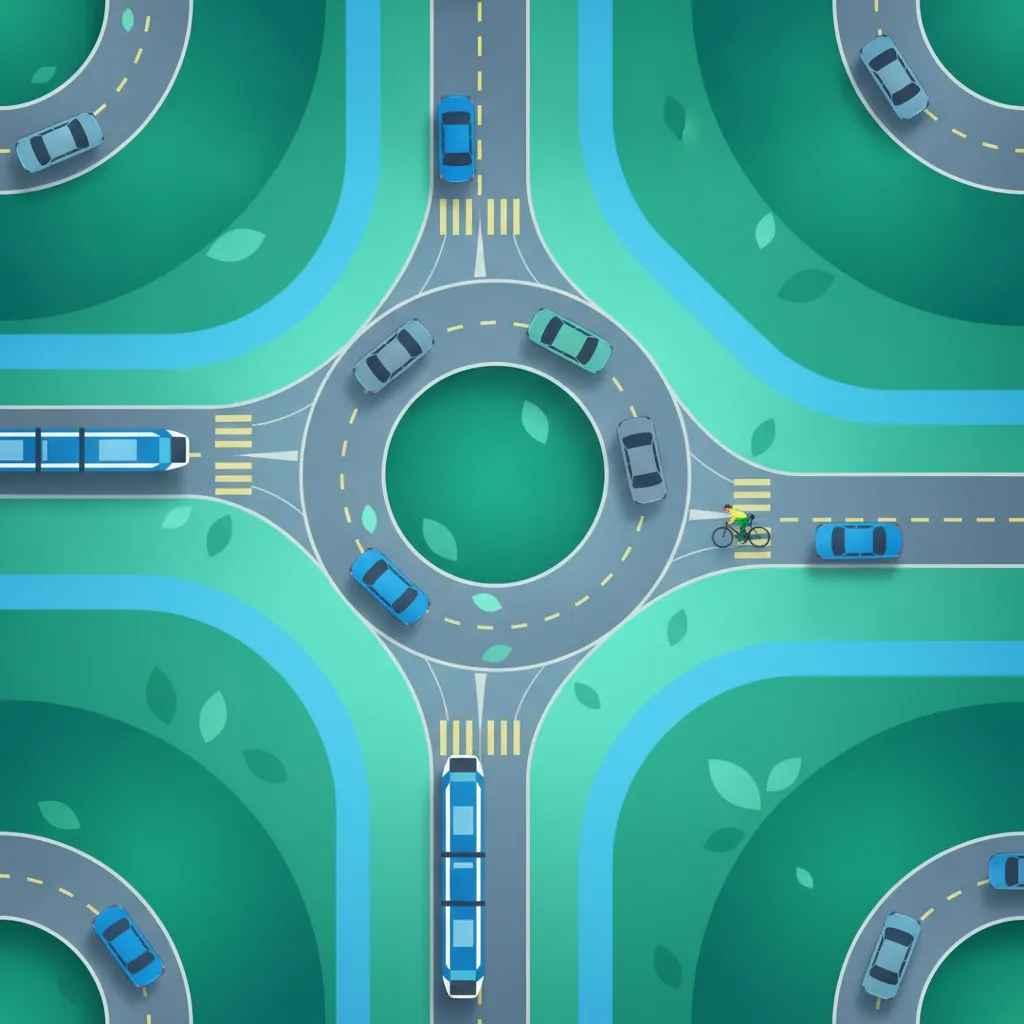
Roundabouts, or "Kreisverkehr," are circular intersections designed to improve traffic flow and reduce the severity of accidents compared to traditional junctions. However, they have specific priority rules that must be understood and applied correctly.
The cardinal rule for all Swiss roundabouts is to yield to traffic already circulating within the roundabout. As you approach a roundabout, you will almost always see a Yield sign (B1) combined with the blue circular "Roundabout" sign (D3, although not in the blueprint for explicit mention, the concept is key). This signifies that vehicles inside the circle have priority.
Approach: Slow down as you approach the roundabout and be prepared to stop. Observe traffic already inside the roundabout and any approaching from other entry points.
Yield: Yield to all vehicles already circulating within the roundabout. Wait for a safe and sufficient gap in traffic before entering. Do not force your way in.
Indicate (Optional on Entry): In Switzerland, you generally do not indicate when entering a roundabout, unless you intend to take the first exit immediately (which is rare for a true "entry" action). Only signal before exiting.
Enter: When a safe gap appears, enter the roundabout, keeping a safe distance from other vehicles.
Once inside the roundabout, you have priority over any vehicles attempting to enter. Traffic in a roundabout moves counter-clockwise in countries that drive on the left, but in Switzerland, traffic moves clockwise. Maintain a steady speed appropriate for the roundabout's size and traffic density. Be aware of your blind spots, especially concerning other mopeds, bicycles, or smaller vehicles. Avoid changing lanes unnecessarily within the roundabout if it has multiple lanes.
When you intend to exit the roundabout, you must activate your right turn signal (indicator) after passing the exit immediately preceding your intended exit. This communicates your intention clearly to other road users, including those waiting to enter and pedestrians.
As you exit, be particularly aware of pedestrian crossings. If there is a pedestrian crossing (zebra crossing) immediately at the roundabout exit, you must yield to pedestrians who are waiting to cross or are already crossing, regardless of whether you are turning right or going straight. This is a common point of confusion and a frequent cause of accidents involving vulnerable road users.
Mini-roundabouts are smaller versions often found in urban or residential areas. They serve the same purpose as larger roundabouts but require even greater precision and lower speeds. The same priority rules apply: vehicles already in the mini-roundabout have priority over those entering. Although you can sometimes drive over the central island of a mini-roundabout if your vehicle is too large to navigate it otherwise (e.g., a truck), mopeds should always strive to go around the central island.
Forks, or Y-junctions, are points where a road splits into two branches or where two roads merge into one. These junctions can sometimes be confusing regarding priority, especially if they are unmarked.
When your road merges into another road, typically forming a Y-shape, the traffic on the main or continuing road generally has priority. You, as the merging driver, are responsible for safely integrating into the existing traffic flow. This usually involves:
If the merge point is unmarked and not clearly a priority road, the Rechtsvortritt rule might technically apply if the merging road is considered to be "from the right." However, in most practical merging situations, the expectation is that the merging traffic yields to the established flow. If there's a yield sign, the rule is explicit.
When a single road splits into two branches at a Y-junction, the priority might depend on signage or the nature of the roads. If one branch is clearly designated as the continuation of a main road (e.g., by priority road signs) and the other as a side road, traffic on the main road retains priority. If both branches seem equal and unmarked, treat it as an unmarked intersection where Rechtsvortritt would apply between any two converging paths. Always be cautious and use your indicators well in advance to signal your intended branch.
While priority signs and Rechtsvortritt govern many intersections, there are specific situations where these rules are temporarily superseded. Understanding these exceptions is crucial for comprehensive road safety.
At any intersection equipped with functional traffic lights, the signals override all other priority rules, including Rechtsvortritt and priority signs. You must obey the traffic lights unconditionally.
Even if you have a green light, you must still yield to emergency vehicles and, in some cases, to pedestrians who may still be crossing from a previous signal phase. Never assume a green light means you can proceed blindly. Always confirm the intersection is clear before moving.
Emergency vehicles (police, ambulance, fire brigade) using flashing blue lights and sirens have absolute priority, regardless of any other priority rules, traffic lights, or road signs. When you encounter an emergency vehicle approaching with activated signals:
This rule is paramount for allowing emergency services to reach their destinations quickly and safely. Failing to yield to an emergency vehicle is a serious offense.
Even with a solid understanding of priority rules, certain situations can lead to confusion or errors. Being aware of these common pitfalls and adapting your riding to various conditions will enhance your safety.
Weather conditions significantly impact visibility and reaction times, making priority situations more hazardous.
Pedestrians and cyclists are particularly vulnerable.
While traffic lights and emergency vehicles are the main overrides, remember that police officers directing traffic can also override all signs and signals. Their instructions must be followed implicitly. Furthermore, certain public transport vehicles, like trams, often have special priority rules that must be understood separately.
This lesson covers Swiss priority rules at intersections, roundabouts, and forks essential for Category M learners. The fundamental Rechtsvortritt rule establishes right-hand priority at unmarked junctions, while priority signs (B1, B2, B3) override this default when present. Roundabout navigation requires yielding to circulating traffic moving clockwise and signaling only before your exit. Traffic lights and emergency vehicles always take precedence over all other priority indicators. Understanding these rules is critical for both passing the Swiss theory exam and riding safely as a vulnerable road user on Swiss roads.
A short set of high-value points that capture the most important learning from this lesson.
Rechtsvortritt is the default rule: at unmarked intersections, traffic approaching from your right always has priority
Yield signs (B1) require giving way but not necessarily a full stop if the intersecting road is completely clear
Priority Road signs (B2) establish main-road status over intersecting side roads until the End of Priority sign (B3) appears
Roundabout rule: always yield to circulating traffic; do not indicate on entry, only signal before your exit
Traffic lights and emergency vehicles with blue lights and sirens override all other priority rules unconditionally
Explore all units and lessons included in this driving theory course.
At any unmarked junction, check your right first before proceeding - no signs means Rechtsvortritt applies
When exiting a roundabout, activate your right signal after passing the exit immediately before yours
Pedestrians have priority at zebra crossings even when you have priority over other vehicles
Mini-roundabouts follow the same priority rules as larger roundabouts - yield to circulating traffic
After an End of Priority sign (B3), conditions revert to unmarked rules or new signage applies
Proceeding at an unmarked intersection without checking for traffic coming from the right, causing side-on collisions
Confusing a Yield sign with a Stop sign and unnecessarily coming to a complete halt when the road is clear
Forcing entry into a roundabout by cutting off circulating traffic instead of waiting for a safe gap
Failing to signal when exiting a roundabout, which confuses other drivers and pedestrians waiting to enter
Stopping when you actually have priority, which disrupts traffic flow and can cause rear-end collisions
Lesson content overview
A short set of high-value points that capture the most important learning from this lesson.
Rechtsvortritt is the default rule: at unmarked intersections, traffic approaching from your right always has priority
Yield signs (B1) require giving way but not necessarily a full stop if the intersecting road is completely clear
Priority Road signs (B2) establish main-road status over intersecting side roads until the End of Priority sign (B3) appears
Roundabout rule: always yield to circulating traffic; do not indicate on entry, only signal before your exit
Traffic lights and emergency vehicles with blue lights and sirens override all other priority rules unconditionally
Explore all units and lessons included in this driving theory course.
At any unmarked junction, check your right first before proceeding - no signs means Rechtsvortritt applies
When exiting a roundabout, activate your right signal after passing the exit immediately before yours
Pedestrians have priority at zebra crossings even when you have priority over other vehicles
Mini-roundabouts follow the same priority rules as larger roundabouts - yield to circulating traffic
After an End of Priority sign (B3), conditions revert to unmarked rules or new signage applies
Proceeding at an unmarked intersection without checking for traffic coming from the right, causing side-on collisions
Confusing a Yield sign with a Stop sign and unnecessarily coming to a complete halt when the road is clear
Forcing entry into a roundabout by cutting off circulating traffic instead of waiting for a safe gap
Failing to signal when exiting a roundabout, which confuses other drivers and pedestrians waiting to enter
Stopping when you actually have priority, which disrupts traffic flow and can cause rear-end collisions
Explore search topics learners often look for when studying Priority at Intersections, Roundabouts, and Forks. These topics reflect common questions about road rules, driving situations, safety guidance, and lesson level theory preparation for learners in Switzerland.
Browse additional driving theory lessons that cover connected traffic rules, road signs, and common driving situations related to this topic. Improve your understanding of how different rules interact across everyday traffic scenarios.
Explore advanced priority rules beyond the basics for Swiss Category M drivers. Understand complex intersection scenarios, special junction types, and nuanced priority situations not covered in introductory lessons. Essential for thorough driving theory.
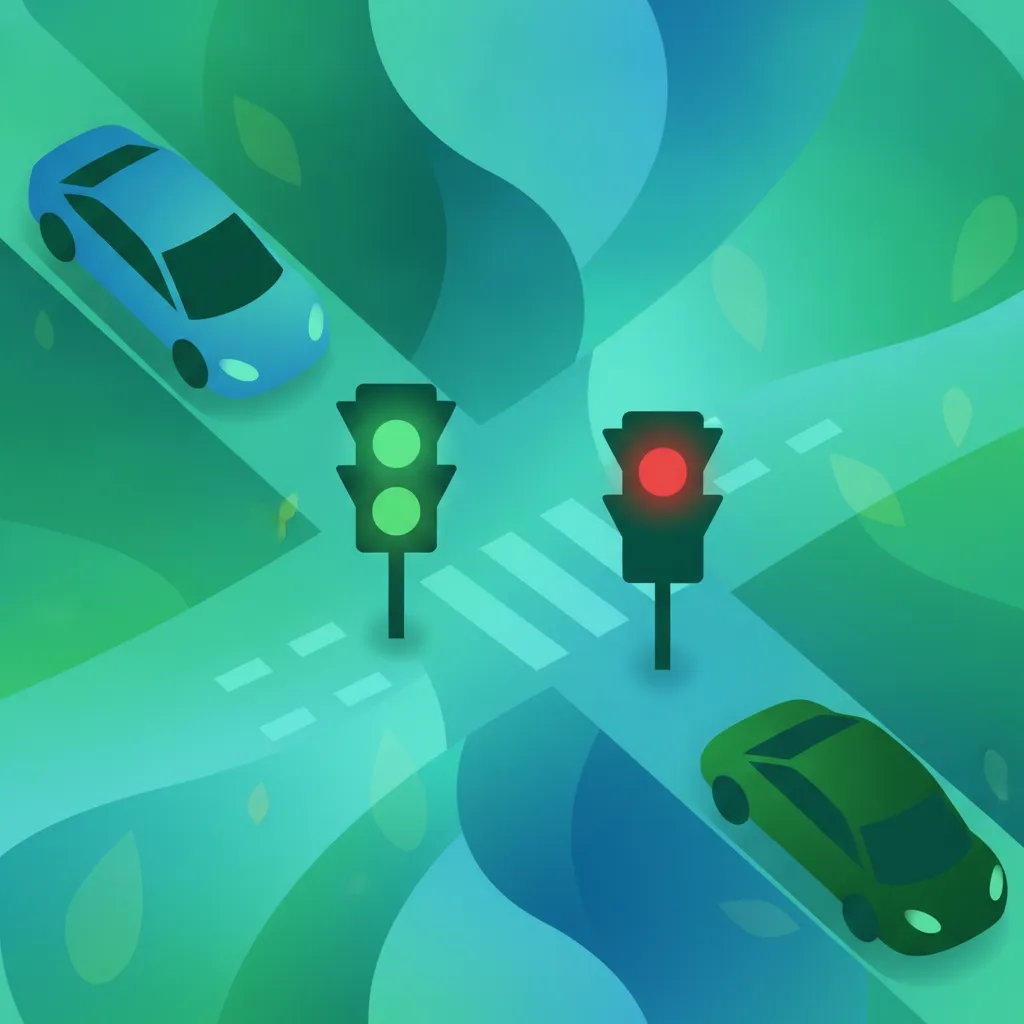
This lesson explores how traffic lights dictate priority at intersections, superseding general priority rules. It explains the meanings of red, amber, and green signals and the required actions for each. Emphasis is placed on understanding green light right-of-way and the cautionary role of the amber phase for navigating signal-controlled junctions safely.
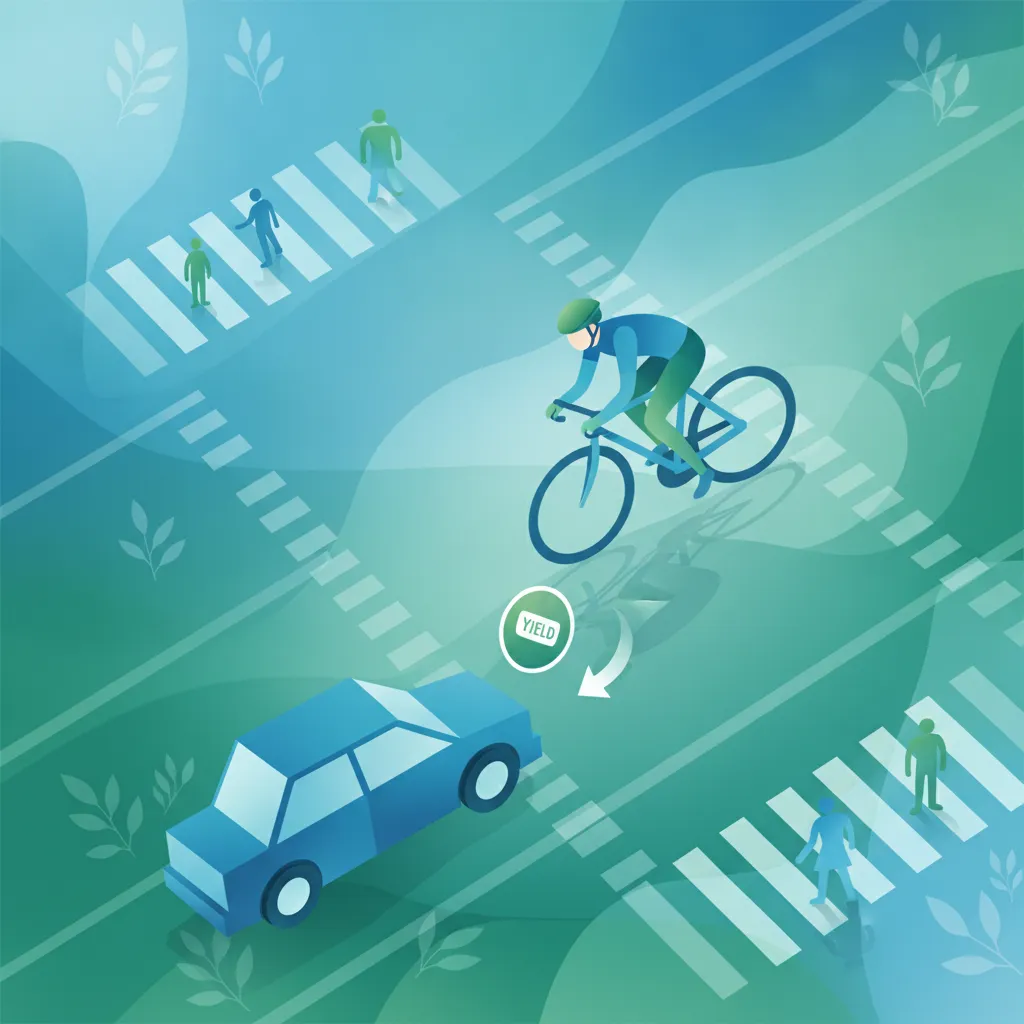
This lesson provides a step-by-step guide to navigating intersections. It reinforces the priority rules, such as 'Rechtsvortritt', and the meaning of yield and stop signs. The content emphasizes the importance of a thorough visual scan on approach and correct positioning to ensure visibility and a safe passage.
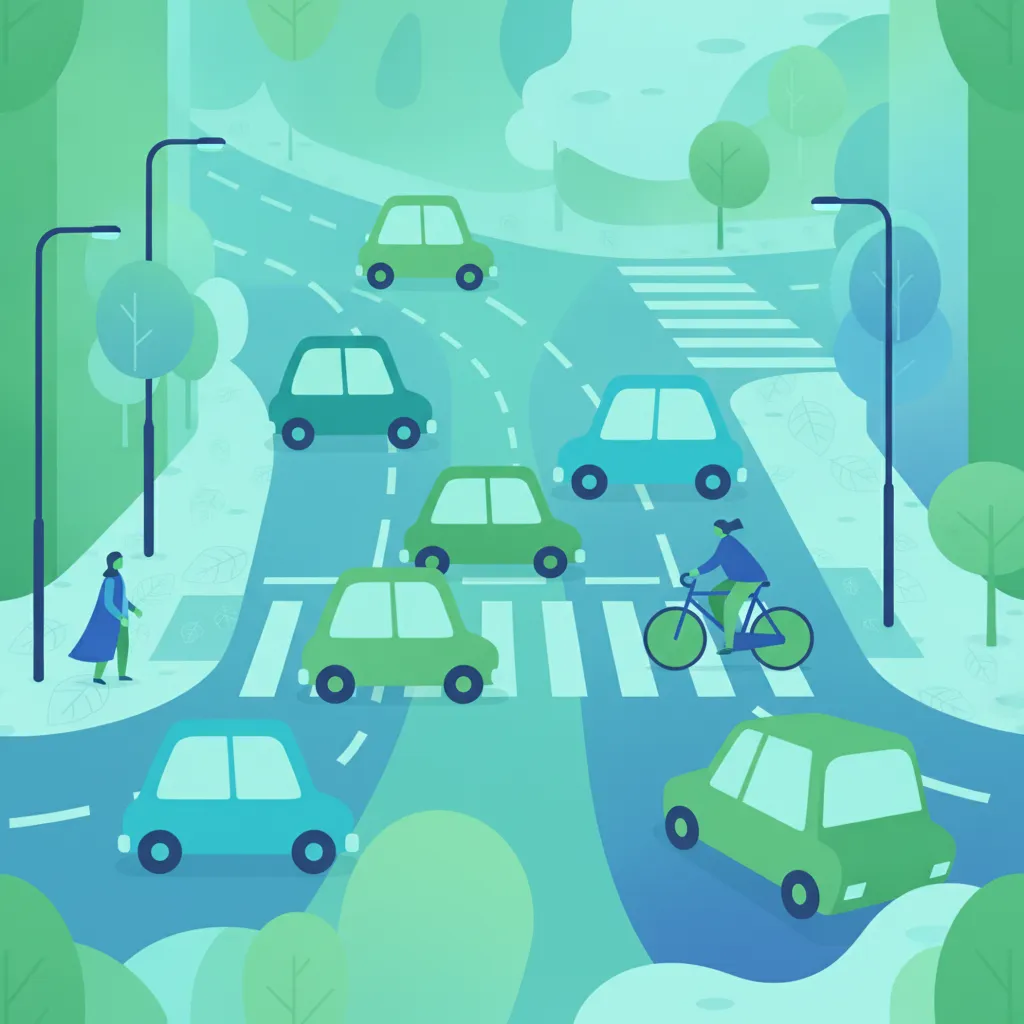
This lesson examines the concept of Vortritt (priority) and Rechtsvortritt, the right-hand rule used at uncontrolled intersections. It explains how these rules determine which vehicle has the right-of-way and the hierarchy of priority signs. You will learn to apply these rules in typical scenarios like four-way stops and T-intersections without traffic signals.
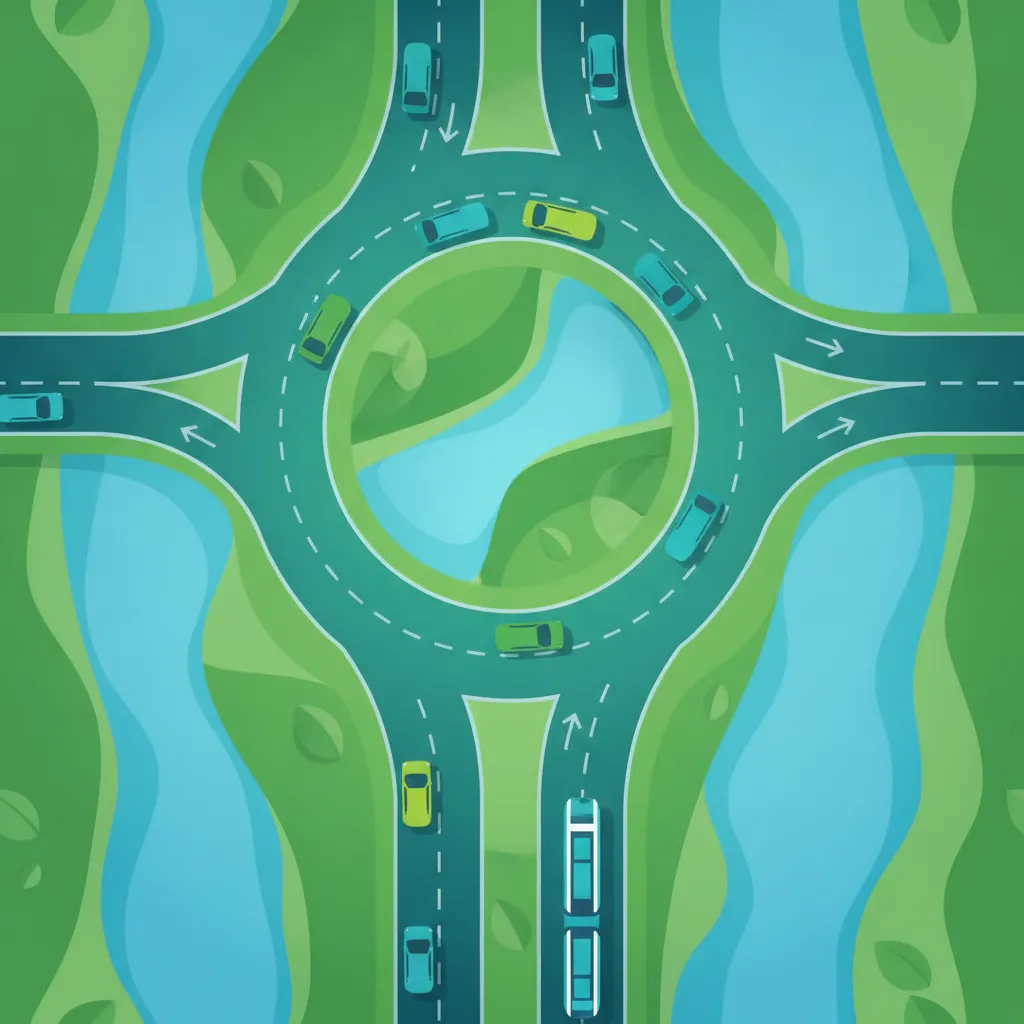
The size of a bus requires careful planning when negotiating complex intersections. This lesson teaches the importance of early lane selection, clear signalling, and comprehensive observation. It provides specific techniques for managing the vehicle's swept path through multi-lane roundabouts and other challenging urban junctions.
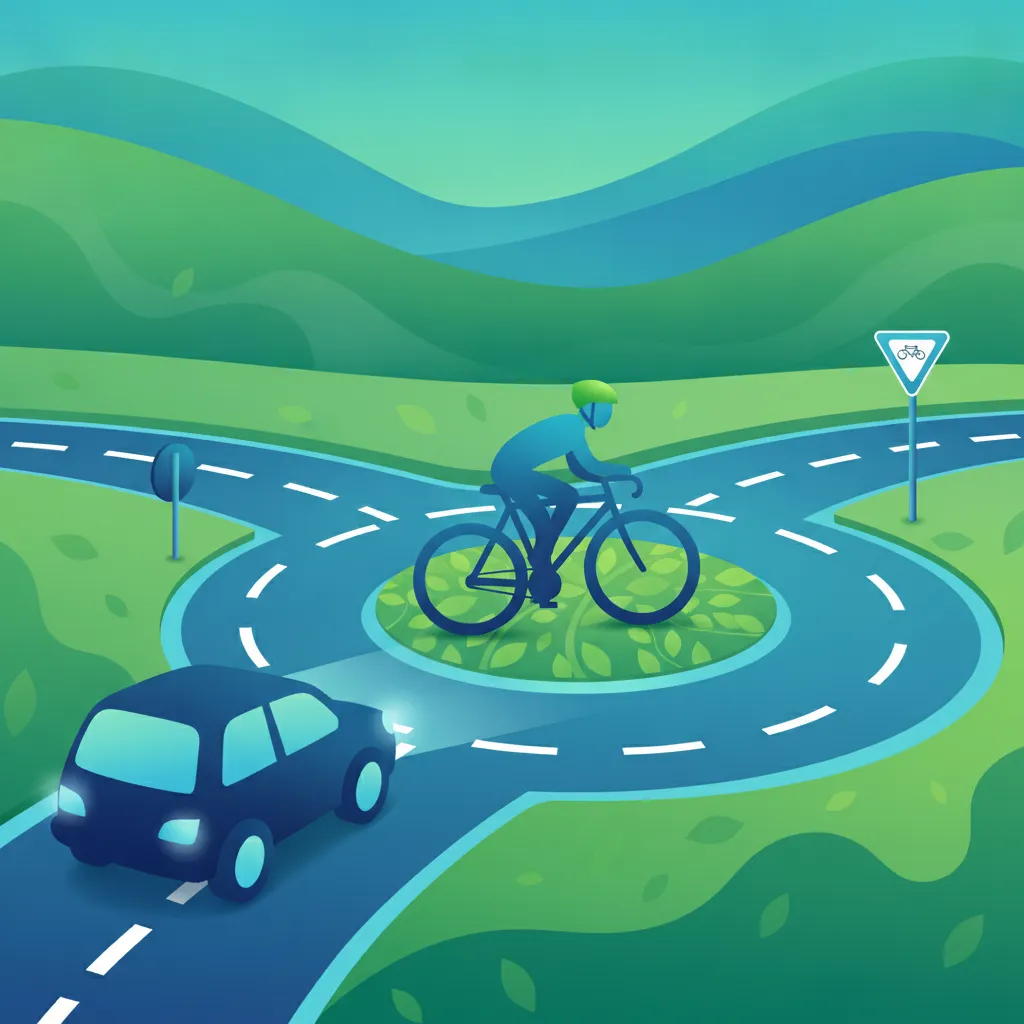
This lesson explores the correct procedures for turning at intersections and navigating roundabouts, focusing on lane selection and signaling. It covers the right-of-way rules for right and left turns and the importance of positioning the vehicle correctly before the turn. In roundabouts, the content emphasizes yielding to circulating traffic and selecting the correct exit lane.

This lesson details the specific priority rules governing Swiss intersections, including the concepts of 'Vortritt' and 'Rechtsvortritt'. It explains how to interpret road signs and markings to determine right-of-way in different situations. A clear understanding of these rules is essential for safe and legal navigation of intersections.
This lesson provides guidance on safely negotiating intersections and roundabouts on a motorcycle. It details the correct procedures for approach, lane selection, and yielding according to Swiss traffic regulations. Emphasis is placed on heightened awareness of other vehicles, cyclists, and pedestrians in these complex traffic environments.
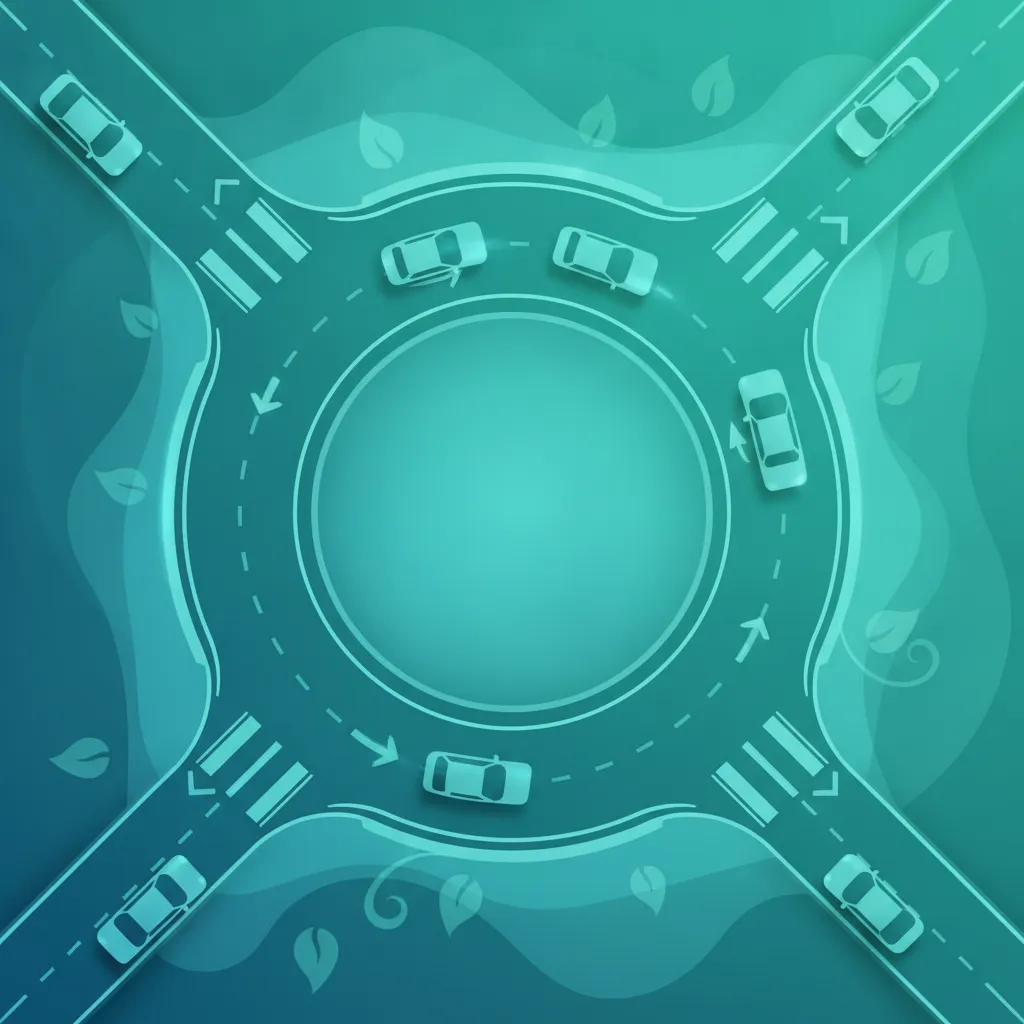
This lesson provides a detailed guide to navigating roundabouts, focusing on yielding to circulating traffic and correct lane usage. You will learn the priority principle that vehicles already in the roundabout have precedence over entering traffic. The content also covers multi-lane roundabout navigation and proper exit strategies for smooth, safe traversal.
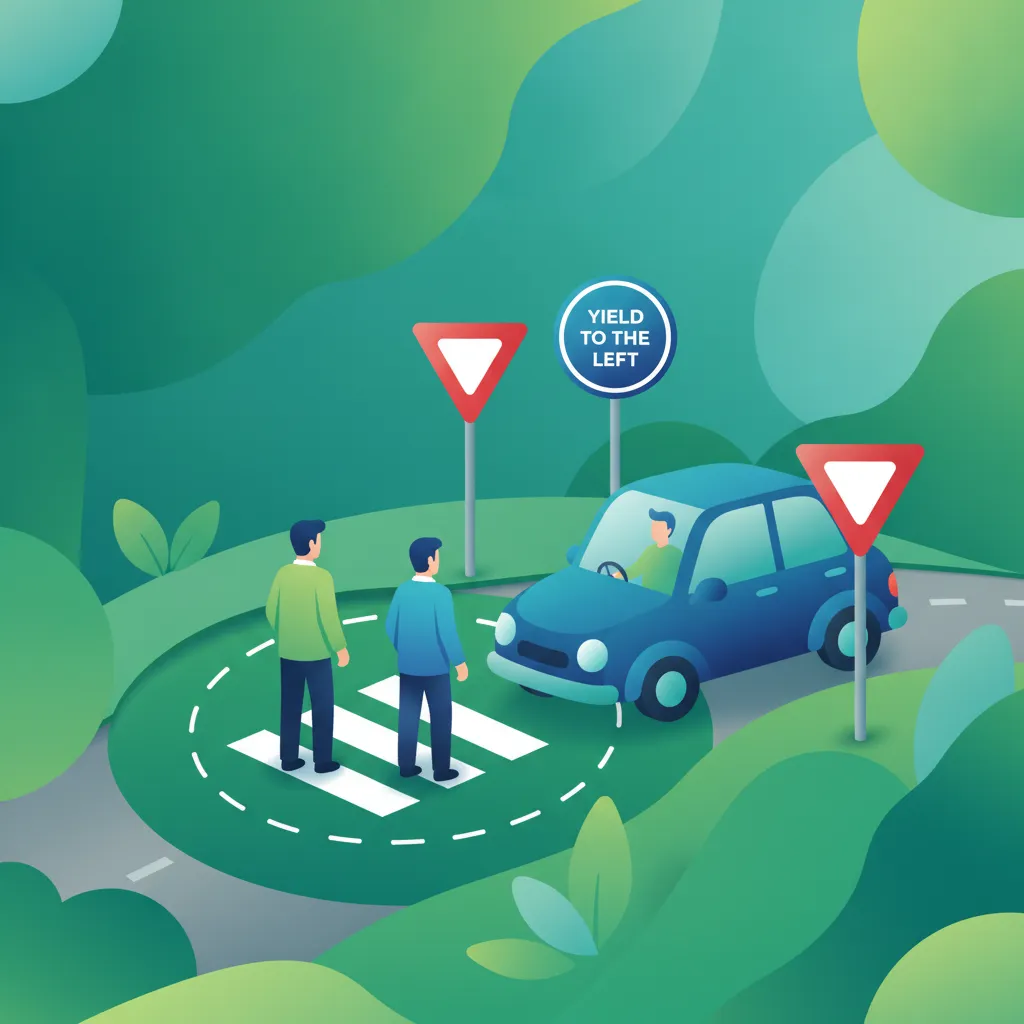
This lesson focuses specifically on the rules and techniques for navigating roundabouts. It clarifies that traffic already in the roundabout has priority and explains how to choose the correct lane on approach based on your intended exit. Proper signaling procedure for entering and, most importantly, exiting the roundabout is also detailed.
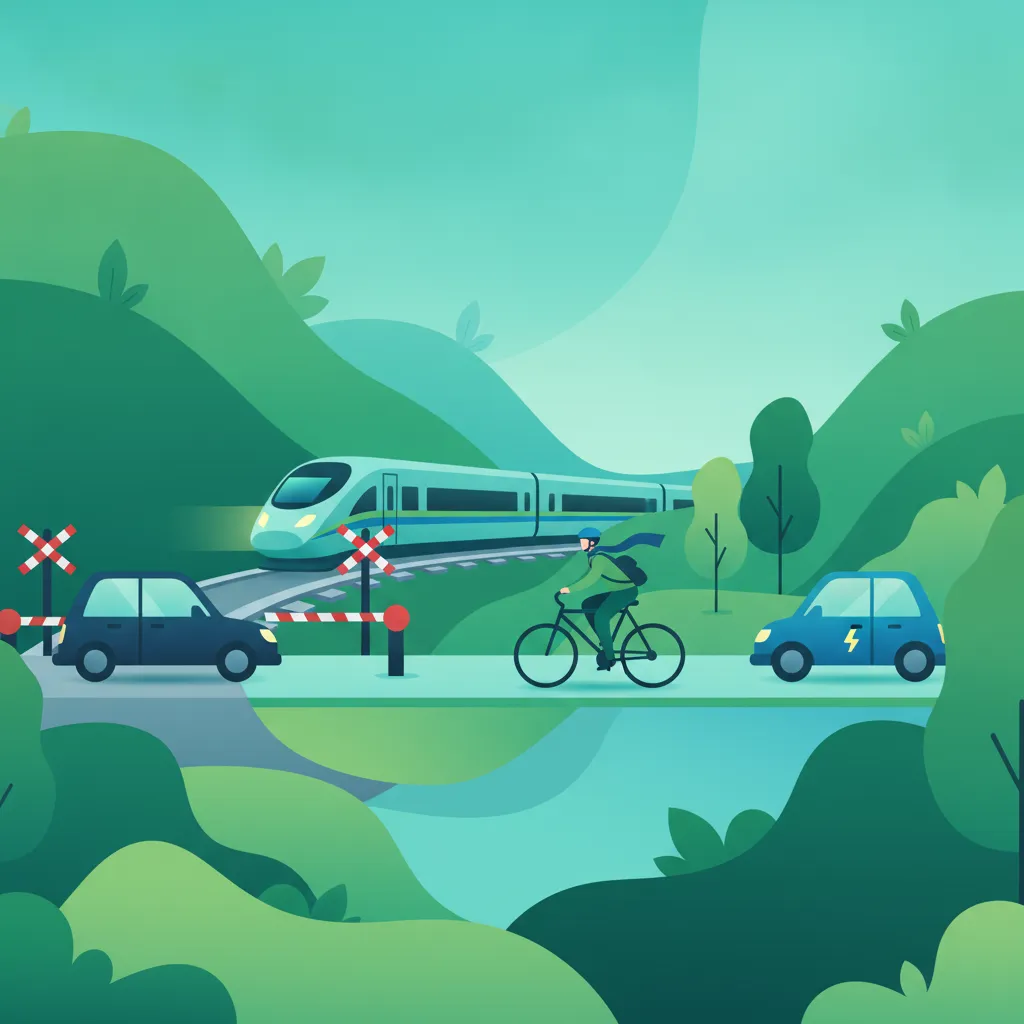
This lesson examines special traffic situations such as railway level crossings and shared zones where different road users coexist. It explains the specific safety procedures required at railway crossings and how to behave in shared zones with mixed traffic. The content also addresses the need to yield to oncoming trains and follow special signage in these unique zones.
Learn from common errors made by drivers regarding Swiss priority rules, including Rechtsvortritt and roundabouts. This lesson uses practical scenarios to illustrate correct application and safe decision-making in traffic situations.
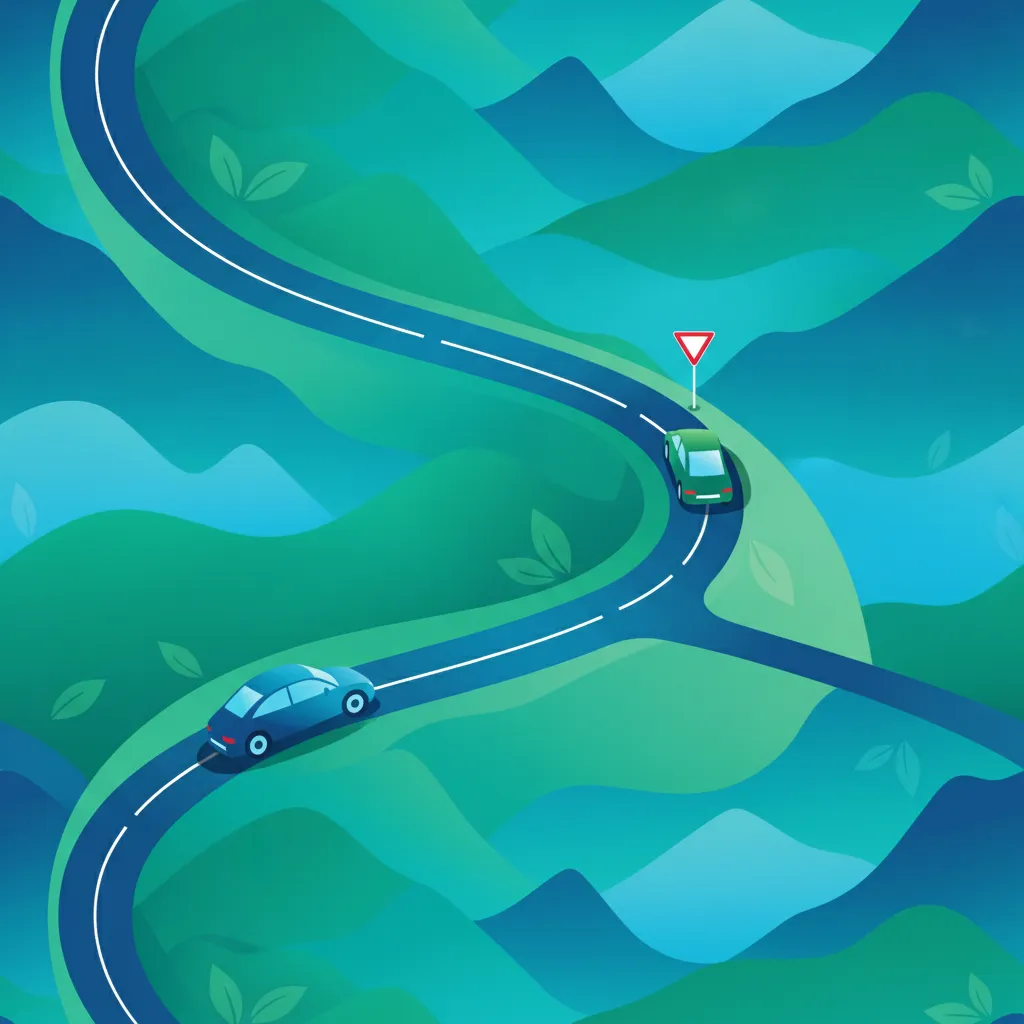
This lesson focuses on the Kein Vortritt rule, which applies when a vehicle must yield to all other traffic. You will learn to recognize scenarios where this rule is in effect, such as at minor roads or when entering a main road. The content also discusses how priority signs and traffic signals override the default right-hand rule, clarifying when you must yield.
This lesson explores how traffic lights dictate priority at intersections, superseding general priority rules. It explains the meanings of red, amber, and green signals and the required actions for each. Emphasis is placed on understanding green light right-of-way and the cautionary role of the amber phase for navigating signal-controlled junctions safely.
This lesson examines the concept of Vortritt (priority) and Rechtsvortritt, the right-hand rule used at uncontrolled intersections. It explains how these rules determine which vehicle has the right-of-way and the hierarchy of priority signs. You will learn to apply these rules in typical scenarios like four-way stops and T-intersections without traffic signals.
This lesson focuses specifically on the rules and techniques for navigating roundabouts. It clarifies that traffic already in the roundabout has priority and explains how to choose the correct lane on approach based on your intended exit. Proper signaling procedure for entering and, most importantly, exiting the roundabout is also detailed.
This lesson details the specific priority rules governing Swiss intersections, including the concepts of 'Vortritt' and 'Rechtsvortritt'. It explains how to interpret road signs and markings to determine right-of-way in different situations. A clear understanding of these rules is essential for safe and legal navigation of intersections.

Bus lanes are a key tool for improving service reliability, but they come with specific rules. This lesson covers how to correctly interpret bus lane signs and markings. It also explains the regulations for entering and leaving the lane to make turns or avoid obstructions, and the priority rules associated with them.
This lesson provides a detailed guide to navigating roundabouts, focusing on yielding to circulating traffic and correct lane usage. You will learn the priority principle that vehicles already in the roundabout have precedence over entering traffic. The content also covers multi-lane roundabout navigation and proper exit strategies for smooth, safe traversal.

This lesson examines the rules governing overtaking, including permitted zones, prohibited areas, and appropriate distances. It outlines the proper execution of overtaking maneuvers, including signaling and checking mirrors and blind spots. The content also discusses specific Swiss regulations, such as overtaking on the right in congested traffic, and the need for caution.
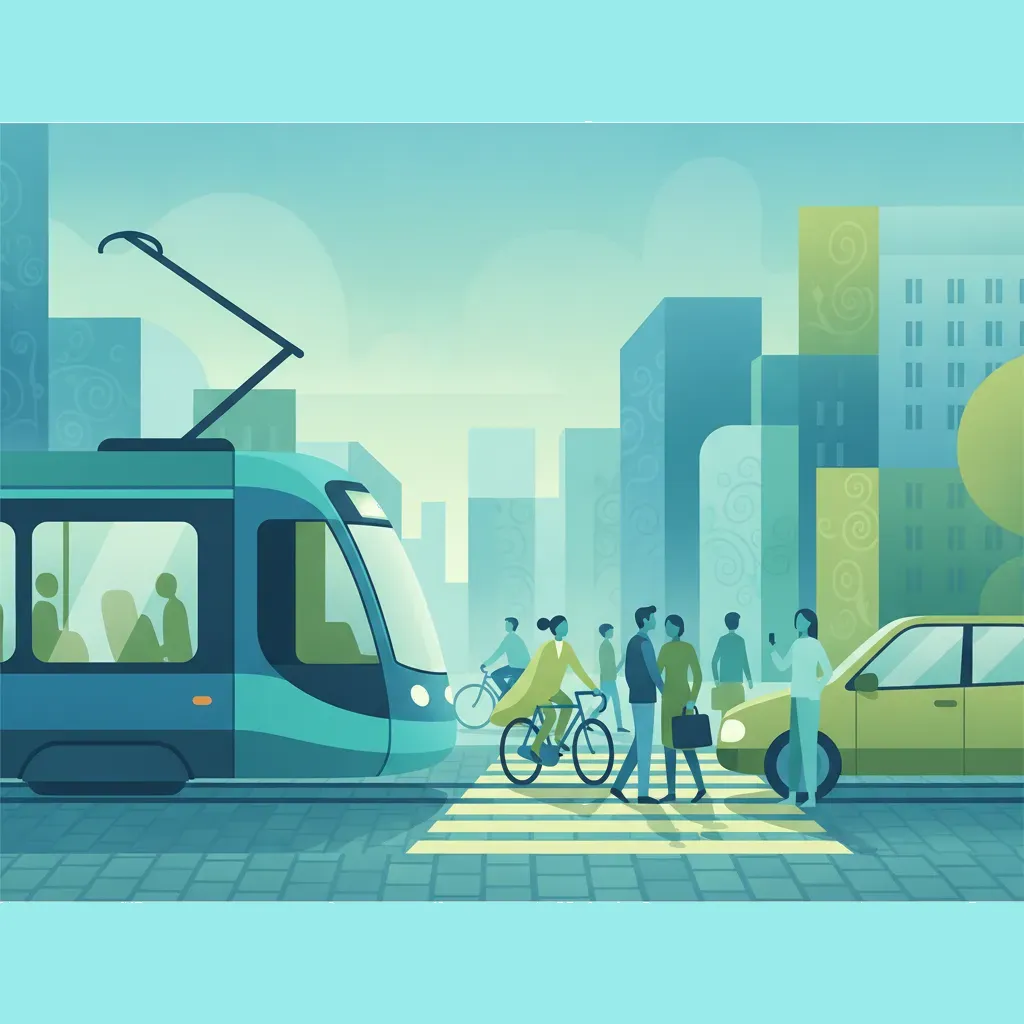
This lesson explores the priority given to public transport vehicles, especially trams and buses, in Swiss traffic. It explains how to recognize dedicated public transport lanes and the requirement to yield to trams at intersections. The content also covers procedures when a bus is stopping for passengers and how to ensure safe interactions.
This lesson provides guidance on safely negotiating intersections and roundabouts on a motorcycle. It details the correct procedures for approach, lane selection, and yielding according to Swiss traffic regulations. Emphasis is placed on heightened awareness of other vehicles, cyclists, and pedestrians in these complex traffic environments.
Find clear answers to common questions learners have about Priority at Intersections, Roundabouts, and Forks. Learn how the lesson is structured, which driving theory objectives it supports, and how it fits into the overall learning path of units and curriculum progression in Switzerland. These explanations help you understand key concepts, lesson flow, and exam focused study goals.
In the absence of traffic signs, the default rule is Rechtsvortritt, which means priority is given to traffic coming from the right. This applies at all road intersections, including those involving e-bikes and mopeds.
Generally, trams have priority, even if they are coming from the left, especially when entering an intersection or crossing your path. Always exercise extreme caution when near tram tracks, as they require much longer stopping distances.
Yes, you must signal your intention to leave the roundabout just before you take the exit. This helps other road users anticipate your maneuver and improves overall traffic flow.
In the Swiss theory exam, failing to correctly identify who has priority is considered a critical error. Understanding the hierarchy of priority—from police signals down to signs and then general rules—is essential for a passing grade.
Pinpoint specific Swiss traffic rules, road signs, or driving situations you need to master. Use the practice search to start a focused revision session now and build confidence for your official driving theory exam.