
This lesson details the meaning of various road markings, from solid lines to pedestrian zebra crossings, which are vital for Category M riders. You will learn how these markings dictate lane discipline and your legal obligations when approaching crossings. Understanding these symbols is a core component of the Swiss theory exam and essential for everyday safe riding.
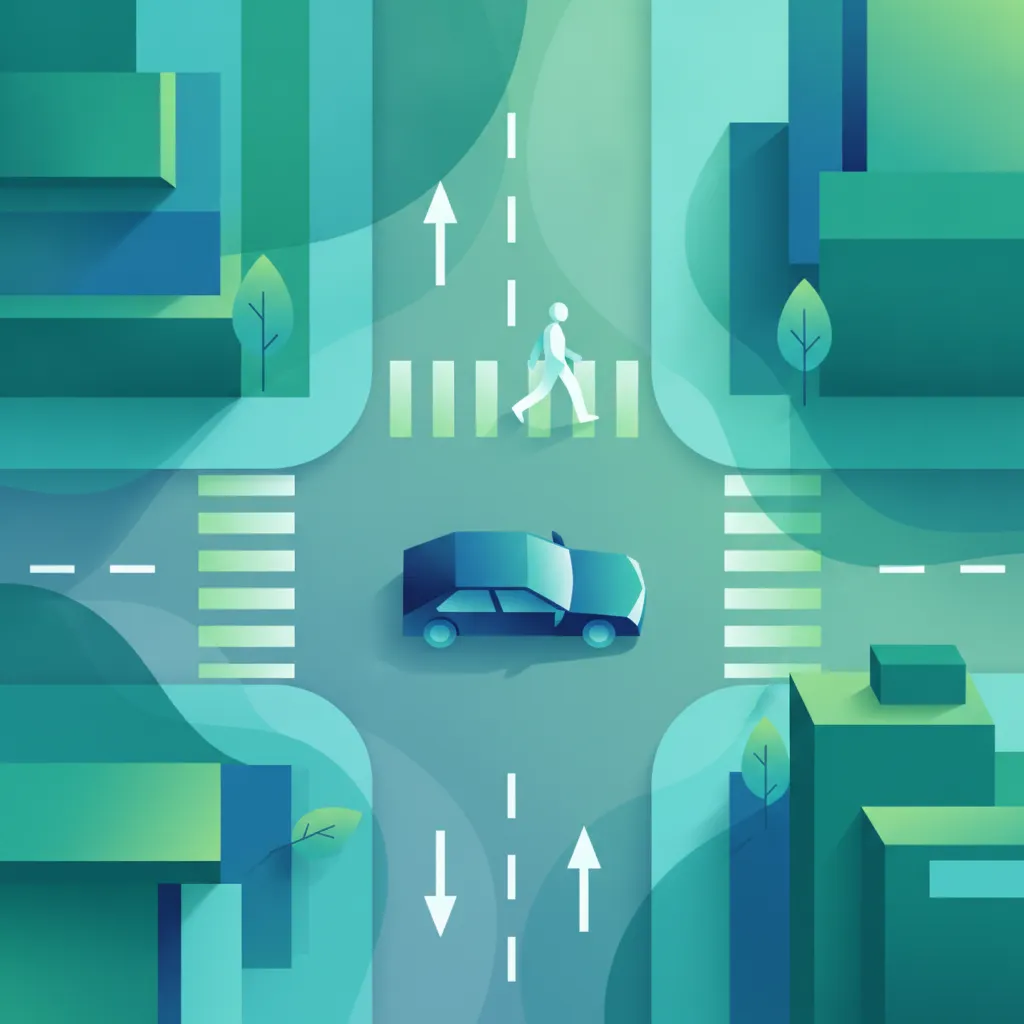
Lesson content overview
Road markings are fundamental visual cues painted directly onto the road surface, serving as silent guides for all road users. For anyone undertaking the Swiss Category M driving license theory course, understanding these markings is crucial. They dictate where you can ride, when you must stop, and how you interact with other vehicles and pedestrians, thereby ensuring proper lane positioning, compliance with right-of-way obligations, and overall road safety. This lesson delves into the legal significance of various Swiss road markings, from the distinction between solid and broken lines to the specific rules governing stop lines and pedestrian zebra crossings (Fußgängerstreifen).
In Switzerland, road markings are not merely suggestions; they carry the full force of law, acting as mandatory instructions that drivers must obey. While traffic signs and signals often complement or reinforce these markings, the markings themselves are binding. Misinterpreting or disregarding them can lead to dangerous situations, fines, or even accidents. Effective interpretation of these visual regulators is therefore paramount for anticipating traffic flow, making safe maneuvers, and protecting vulnerable road users.
Solid lines are continuous painted lines on the road surface that convey a strict prohibition. Their primary purpose is to enhance safety by preventing maneuvers that could lead to collisions.
A solid center line separates opposing traffic flows or defines the edge of a lane where crossing is prohibited. If you encounter a single solid white line separating your lane from an opposing traffic lane, it signifies that you must not cross it to overtake or make a turn. This rule is in place to prevent head-on collisions, especially on roads with limited visibility or where overtaking would be inherently dangerous.
Crossing a solid center line, even for what seems like a quick overtake, is a serious violation in Switzerland and carries significant risks of severe accidents.
Where two continuous solid white lines run parallel to each other in the center of the road, it forms a solid double line. This marking indicates that overtaking is forbidden for traffic in both directions. This is typically found on particularly dangerous stretches of road, such as blind curves, narrow passages, or approaches to intersections, where the risk of a head-on collision is exceptionally high. Neither side of traffic may cross these lines.
A solid edge line marks the outside boundary of the traffic lane or carriageway. Its purpose is to clearly delineate the drivable portion of the road from the shoulder, pavement, or other off-road areas. Generally, crossing a solid edge line is prohibited, except when it is necessary to enter or exit a designated parking area, a side road, or a private property entrance. Riding on the shoulder or beyond the solid edge line unnecessarily is unsafe and can be illegal.
A continuous painted line on the road surface, indicating that crossing is prohibited.
In contrast to solid lines, broken lines (also known as dashed lines) indicate that certain maneuvers are permitted, provided they can be executed safely and legally.
A broken center line separates traffic lanes, often allowing for overtaking or lane changes. When you encounter a broken white line separating your direction of traffic from another, or separating lanes moving in the same direction, it generally means you may cross it to overtake another vehicle or change lanes.
However, this permission is always conditional upon safety. Before attempting an overtake or lane change, you must:
While less common than a solid edge line, a broken edge line may sometimes be used to delineate a lane from a shoulder area that can be temporarily used for specific purposes, such as an emergency lane or for cyclists. Crossing a broken edge line is allowed, for instance, when entering a specific area or if signage permits, but it still requires caution and adherence to specific rules for that area.
A dashed painted line on the road surface, indicating that crossing is allowed if safe and permitted by other regulations.
Always remember that road markings complement traffic signs. A broken line allowing overtaking may be overridden by a "No Overtaking" sign. Always observe both.
A stop line is a thick, white line painted perpendicularly across a traffic lane. It serves as a clear, mandatory demarcation for where vehicles must come to a complete halt when required by a traffic signal or a stop sign.
Stop lines are strategically placed at intersections, railway crossings, or pedestrian crossings to prevent vehicles from entering the intersection or obstructing the flow of intersecting traffic or pedestrians prematurely. They ensure that all road users have adequate space and visibility.
When a traffic light is red, a stop sign is present, or a police officer instructs you to stop, you must bring your vehicle to a complete stop before the stop line. Stopping beyond the line, even slightly, is a violation and can endanger other road users, particularly those crossing your path. For moped riders, your entire vehicle, including the front wheel, must be behind the stop line.
A thick white line, typically perpendicular to the direction of traffic flow, indicating the precise point where vehicles must stop when required by signs or signals.
One of the most critical aspects of Swiss road markings for all drivers, including moped riders, involves zebra crossings, known in German as Fußgängerstreifen. These marked pedestrian crossings give pedestrians a clear right of way and place significant obligations on drivers.
A zebra crossing is easily identified by a series of wide, parallel white stripes painted across the road, perpendicular to the flow of traffic. These markings are sometimes accompanied by a stop line for vehicles preceding the crossing, though not always. The fundamental rule is: pedestrians have priority once they step onto the crossing. This means if a pedestrian is on the crossing, or clearly indicating their intention to step onto it (e.g., waiting at the curb and looking to cross), you must yield.
As a moped rider approaching a zebra crossing, you have several key obligations:
A pedestrian crossing marked by a series of parallel white stripes across the road, granting pedestrians right of way once they step onto it.
Failing to yield to pedestrians at a zebra crossing is a serious offense in Switzerland and carries significant penalties, not to mention the high risk of severe injury to the pedestrian.
Beyond basic lines, roads are often adorned with various markings that guide lane usage, indicate directions, and designate special zones. Adhering to these markings is fundamental for smooth traffic flow and preventing conflicts.
Lane divider lines separate traffic lanes moving in the same direction. These can be:
Turning arrow markings are large arrows painted within a lane to indicate the only permitted direction(s) of travel from that lane. For example, a lane might have an arrow pointing straight ahead and another curving right, indicating that traffic in this lane can only proceed straight or turn right. Once you have chosen a lane with directional arrows, you are obliged to follow the direction indicated by those arrows. Turning against the arrow's direction is illegal and creates a hazardous situation for other road users.
Roads in Switzerland often feature dedicated lanes for specific types of traffic, marked by distinct paint patterns and sometimes symbols:
The practice of maintaining proper vehicle positioning within designated lanes and adhering to the specific rules and directions indicated by lane markings.
Adherence to road markings is a cornerstone of safe and lawful riding in Switzerland. Here's a summary of the core rules:
Ignoring road markings is a frequent cause of accidents and traffic violations. For moped riders, who are more vulnerable, strict adherence is even more critical.
The effectiveness of road markings can be significantly influenced by environmental factors. As a responsible moped rider, you must adapt your driving to maintain safety and compliance.
Mastering the interpretation and adherence to Swiss road markings is an indispensable skill for passing your Category M driving license theory exam and, more importantly, for safe riding in real-world traffic. Remember that these painted lines and symbols are vital components of the Swiss traffic code, designed to promote order, prevent accidents, and protect all road users, especially vulnerable ones like pedestrians. By consistently applying the rules for solid and broken lines, respecting stop lines, yielding at zebra crossings, and maintaining strict lane discipline, you contribute to a safer, more predictable road environment for everyone. Integrate this knowledge with your understanding of traffic signs, signals, and priority rules to become a competent and responsible moped rider in Switzerland.
Swiss road markings are legally binding visual instructions that govern where you can and cannot ride. Solid lines (single or double) strictly prohibit crossing or overtaking, while broken lines permit these maneuvers only when it is safe to do so and all other rules are satisfied. Zebra crossings (Fußgängerstreifen) grant pedestrians absolute priority once they step onto the crossing, requiring drivers to stop and yield. Stop lines indicate mandatory halting points that must be respected before entering intersections or crossings, and turning arrows in lanes create a legal obligation to follow the indicated direction. Specialized lanes such as bike lanes and bus lanes are reserved exclusively for their designated users and must not be used by mopeds except where explicitly permitted.
A short set of high-value points that capture the most important learning from this lesson.
Solid road lines (single or double) create strict prohibitions against crossing or overtaking, while broken lines permit maneuvers only when it is safe to do so
Pedestrians have priority at zebra crossings (Fußgängerstreifen) the moment they step onto the crossing or clearly indicate their intent to cross
Stop lines are mandatory halting points where your entire vehicle must come to a complete stop before proceeding
Turning arrow markings painted in a lane create a legal obligation to follow the indicated direction; turning against the arrow is illegal
Designated bike lanes and bus lanes are reserved for their specific users and generally prohibited for motor vehicles including mopeds
Explore all units and lessons included in this driving theory course.
A solid center line prohibits overtaking; a solid double line prohibits overtaking for traffic in both directions
At zebra crossings, you must stop completely and you must not overtake another vehicle that has already stopped for a pedestrian
Broken lines allow crossing only when safe and compliant with all other rules; safety always overrides the marking
When approaching a zebra crossing, scan for pedestrians showing intent to cross, not just those already on the crossing
Combination lines (solid parallel to broken): if the solid line is on your side, you cannot cross; if the broken line is on your side, you may cross when safe
Crossing a solid center line to overtake, believing a quick maneuver is safe—this causes serious head-on collision risks
Stopping beyond or on a stop line rather than fully behind it, which can obstruct pedestrians and intersecting traffic
Failing to yield at zebra crossings when pedestrians are waiting at the curb with clear crossing intent
Attempting to turn in a direction not indicated by the lane's turning arrows, causing conflicts with correctly positioned traffic
Using designated bike lanes with a moped, endangering cyclists who expect those lanes to be reserved for bicycles only
Lesson content overview
A short set of high-value points that capture the most important learning from this lesson.
Solid road lines (single or double) create strict prohibitions against crossing or overtaking, while broken lines permit maneuvers only when it is safe to do so
Pedestrians have priority at zebra crossings (Fußgängerstreifen) the moment they step onto the crossing or clearly indicate their intent to cross
Stop lines are mandatory halting points where your entire vehicle must come to a complete stop before proceeding
Turning arrow markings painted in a lane create a legal obligation to follow the indicated direction; turning against the arrow is illegal
Designated bike lanes and bus lanes are reserved for their specific users and generally prohibited for motor vehicles including mopeds
Explore all units and lessons included in this driving theory course.
A solid center line prohibits overtaking; a solid double line prohibits overtaking for traffic in both directions
At zebra crossings, you must stop completely and you must not overtake another vehicle that has already stopped for a pedestrian
Broken lines allow crossing only when safe and compliant with all other rules; safety always overrides the marking
When approaching a zebra crossing, scan for pedestrians showing intent to cross, not just those already on the crossing
Combination lines (solid parallel to broken): if the solid line is on your side, you cannot cross; if the broken line is on your side, you may cross when safe
Crossing a solid center line to overtake, believing a quick maneuver is safe—this causes serious head-on collision risks
Stopping beyond or on a stop line rather than fully behind it, which can obstruct pedestrians and intersecting traffic
Failing to yield at zebra crossings when pedestrians are waiting at the curb with clear crossing intent
Attempting to turn in a direction not indicated by the lane's turning arrows, causing conflicts with correctly positioned traffic
Using designated bike lanes with a moped, endangering cyclists who expect those lanes to be reserved for bicycles only
Explore search topics learners often look for when studying Road Markings, Lane Discipline, and Zebra Crossings. These topics reflect common questions about road rules, driving situations, safety guidance, and lesson level theory preparation for learners in Switzerland.
Browse additional driving theory lessons that cover connected traffic rules, road signs, and common driving situations related to this topic. Improve your understanding of how different rules interact across everyday traffic scenarios.
Understand the specific regulations and road markings associated with special traffic zones in Switzerland, such as Tempo-30 areas and residential zones. Learn how these areas modify general road marking interpretations for safer navigation.
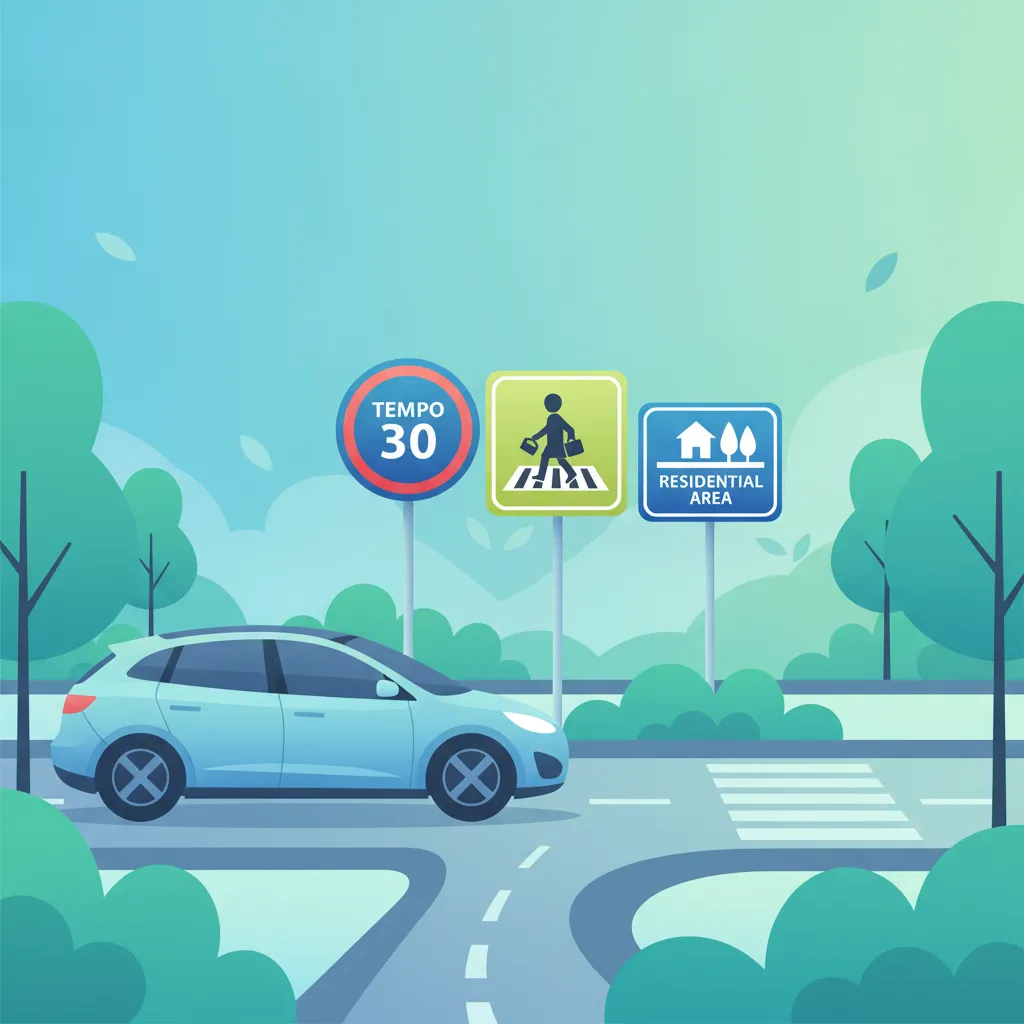
This lesson covers areas with special traffic regulations designed to protect vulnerable road users. Learners will understand the rules and reduced speed limits applicable in Tempo-30 zones, residential areas, and around schools. The content emphasizes the need for heightened awareness and a defensive riding style in these designated zones.
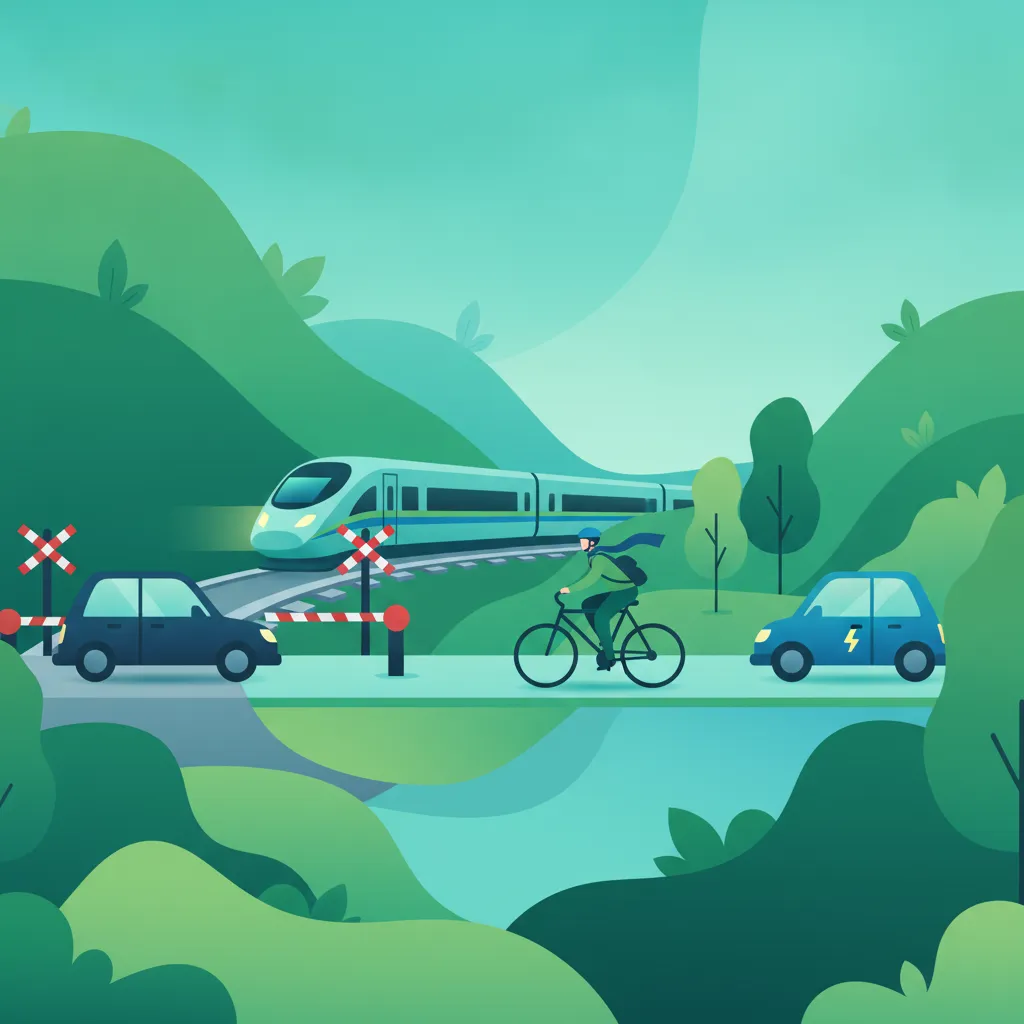
This lesson examines special traffic situations such as railway level crossings and shared zones where different road users coexist. It explains the specific safety procedures required at railway crossings and how to behave in shared zones with mixed traffic. The content also addresses the need to yield to oncoming trains and follow special signage in these unique zones.
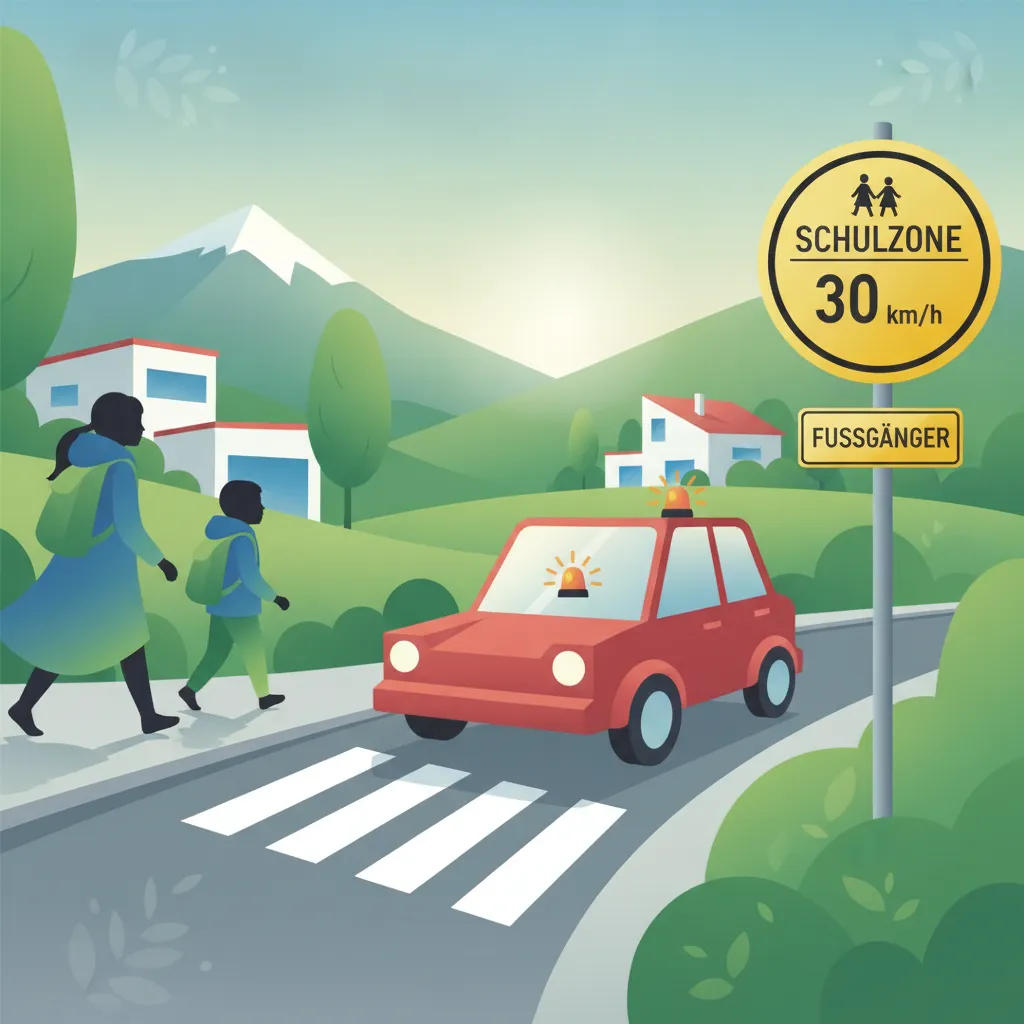
This lesson focuses on school zones, where special speed limits and cautionary measures are required. You will learn to recognize school zone signs, understand reduced speed limits, and be aware of designated child crossing zones. The content also emphasizes the need for heightened vigilance when school buses stop for students to ensure child safety.
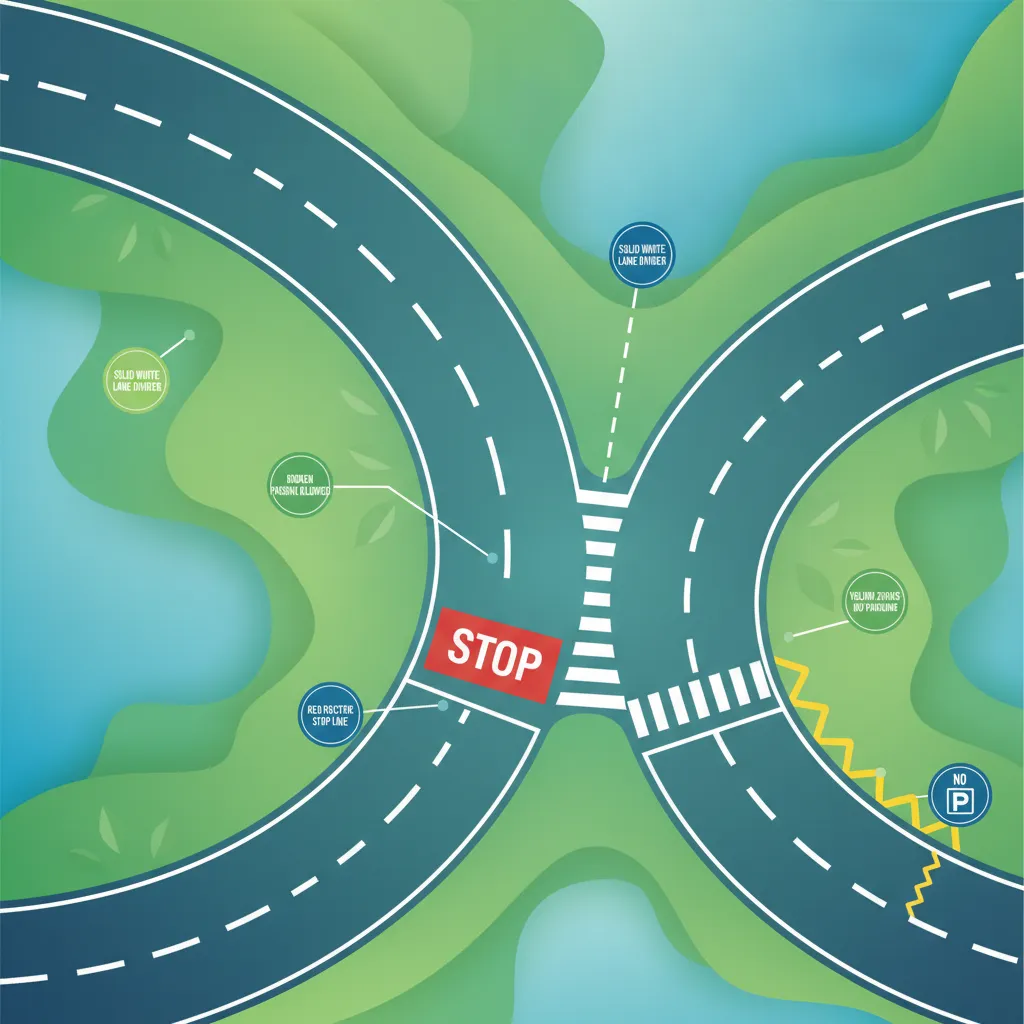
This lesson covers the various road surface markings that dictate lane usage, turning movements, and pedestrian zones. It explains the significance of solid versus broken lines, directional arrows, and specific markings for bike lanes. Understanding these markings is crucial for maintaining lane discipline and ensuring safe interactions in complex traffic environments.
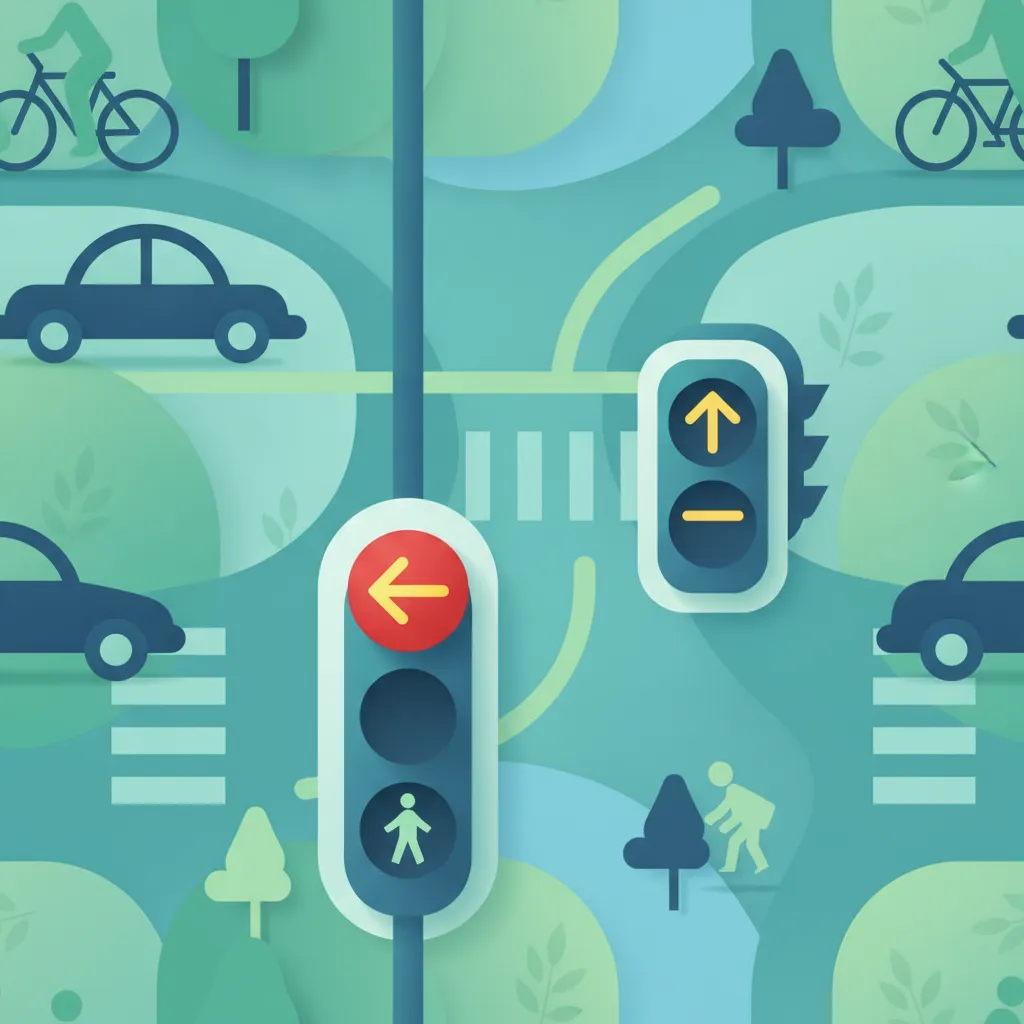
This lesson details the operation of traffic light systems in Switzerland. It explains the sequence and meaning of red, amber, and green lights, including flashing amber signals. The content also covers specific signals for pedestrians and the priority rules associated with tram signals to ensure safe interaction at controlled intersections.
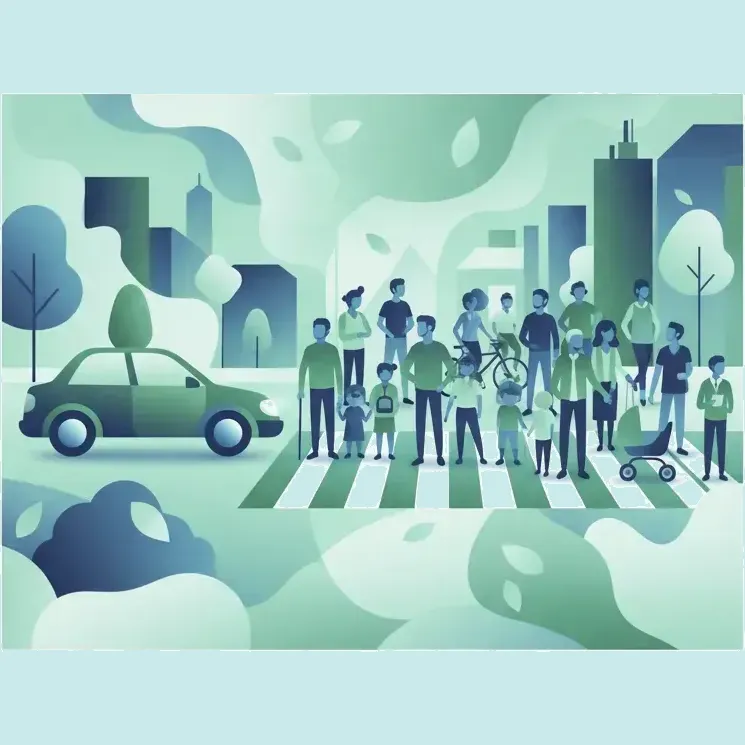
This lesson explores pedestrian right-of-way at various crossings, including zebra crossings and pedestrian islands. It emphasizes the need for drivers to reduce speed, anticipate pedestrian movement, and stop safely when required. The content also covers special regulations that apply in school zones, such as reduced speed limits and heightened vigilance.

This lesson focuses on general driving safety in areas with a high concentration of children. It stresses the importance of significantly reducing speed, being prepared for unexpected events, and scanning for children between parked cars. The driver must exhibit maximum vigilance in these high-risk environments at all times.
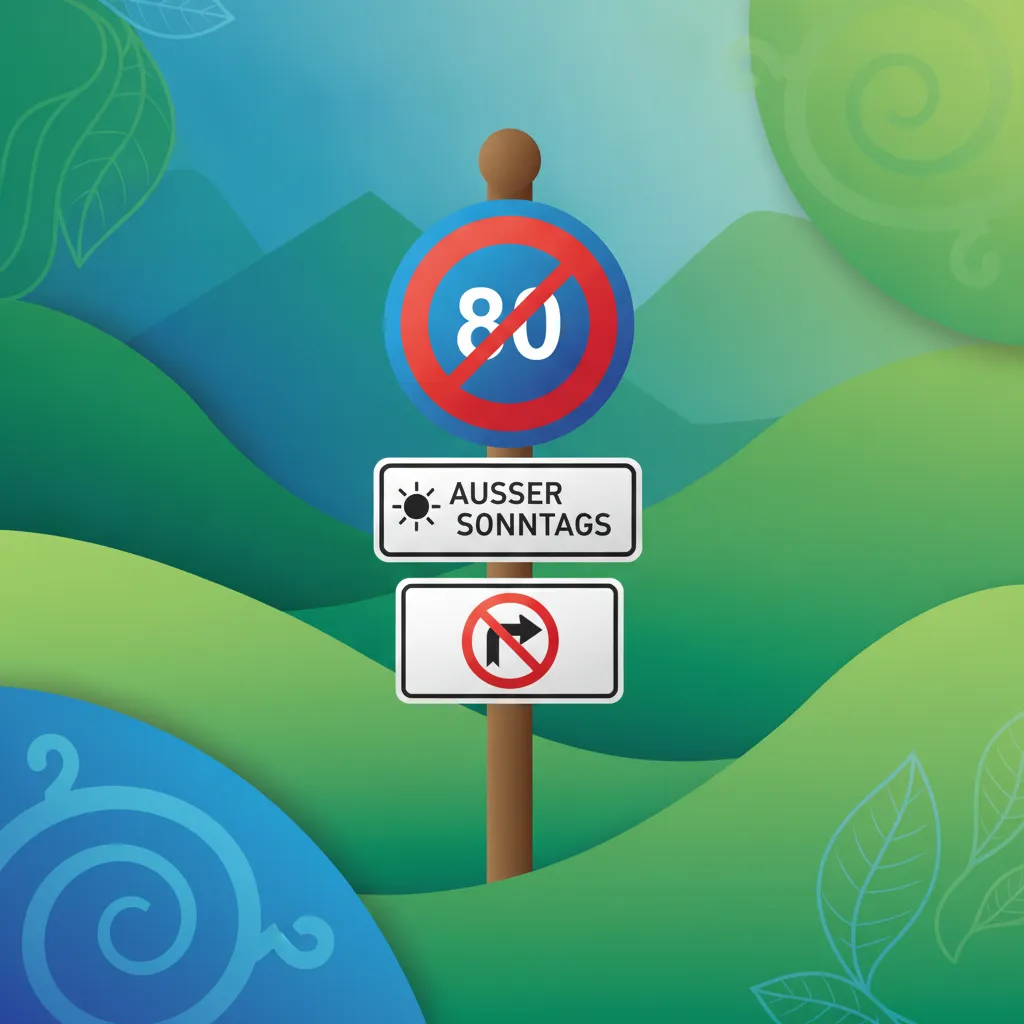
This lesson delves into supplementary signs that modify or clarify the meaning of primary traffic signs. You will learn to interpret signs indicating time restrictions, vehicle-specific limitations, and lane-specific instructions. The content also highlights how these signs interact with main regulatory signs to convey precise, context-sensitive traffic rules.
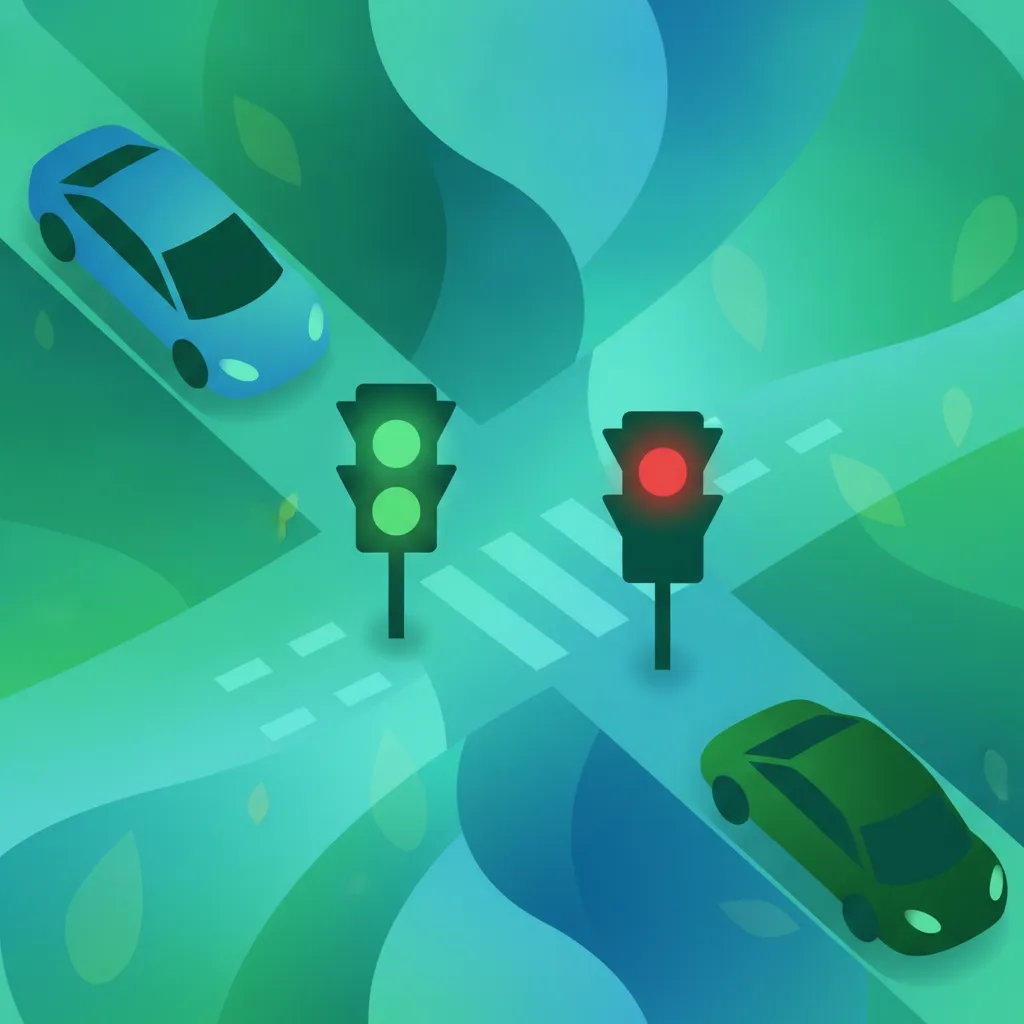
This lesson explores how traffic lights dictate priority at intersections, superseding general priority rules. It explains the meanings of red, amber, and green signals and the required actions for each. Emphasis is placed on understanding green light right-of-way and the cautionary role of the amber phase for navigating signal-controlled junctions safely.
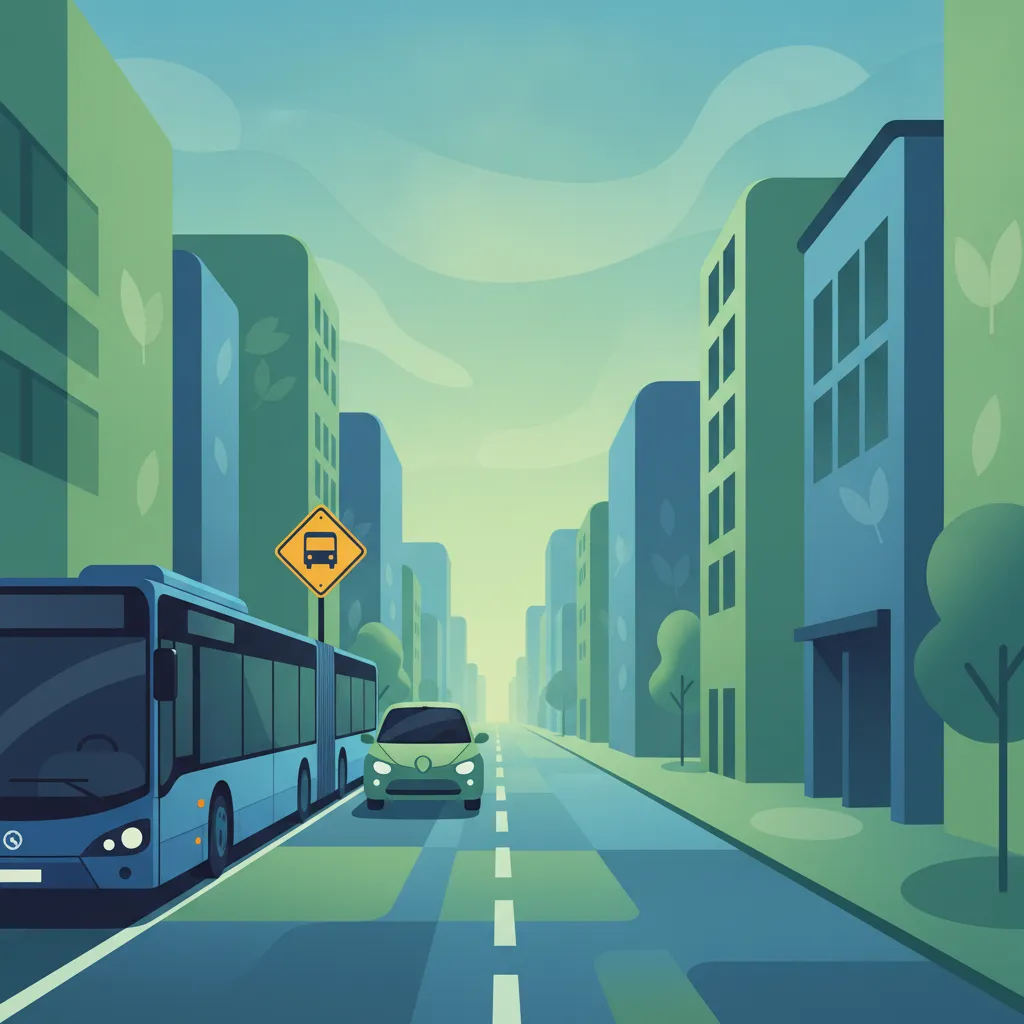
Bus lanes are a key tool for improving service reliability, but they come with specific rules. This lesson covers how to correctly interpret bus lane signs and markings. It also explains the regulations for entering and leaving the lane to make turns or avoid obstructions, and the priority rules associated with them.
Master the Swiss priority rules at intersections and pedestrian zones, focusing on how stop lines and zebra crossings (Fußgängerstreifen) dictate right-of-way. Essential theory for safe navigation and exam preparation.
This lesson explores pedestrian right-of-way at various crossings, including zebra crossings and pedestrian islands. It emphasizes the need for drivers to reduce speed, anticipate pedestrian movement, and stop safely when required. The content also covers special regulations that apply in school zones, such as reduced speed limits and heightened vigilance.
This lesson explores how traffic lights dictate priority at intersections, superseding general priority rules. It explains the meanings of red, amber, and green signals and the required actions for each. Emphasis is placed on understanding green light right-of-way and the cautionary role of the amber phase for navigating signal-controlled junctions safely.
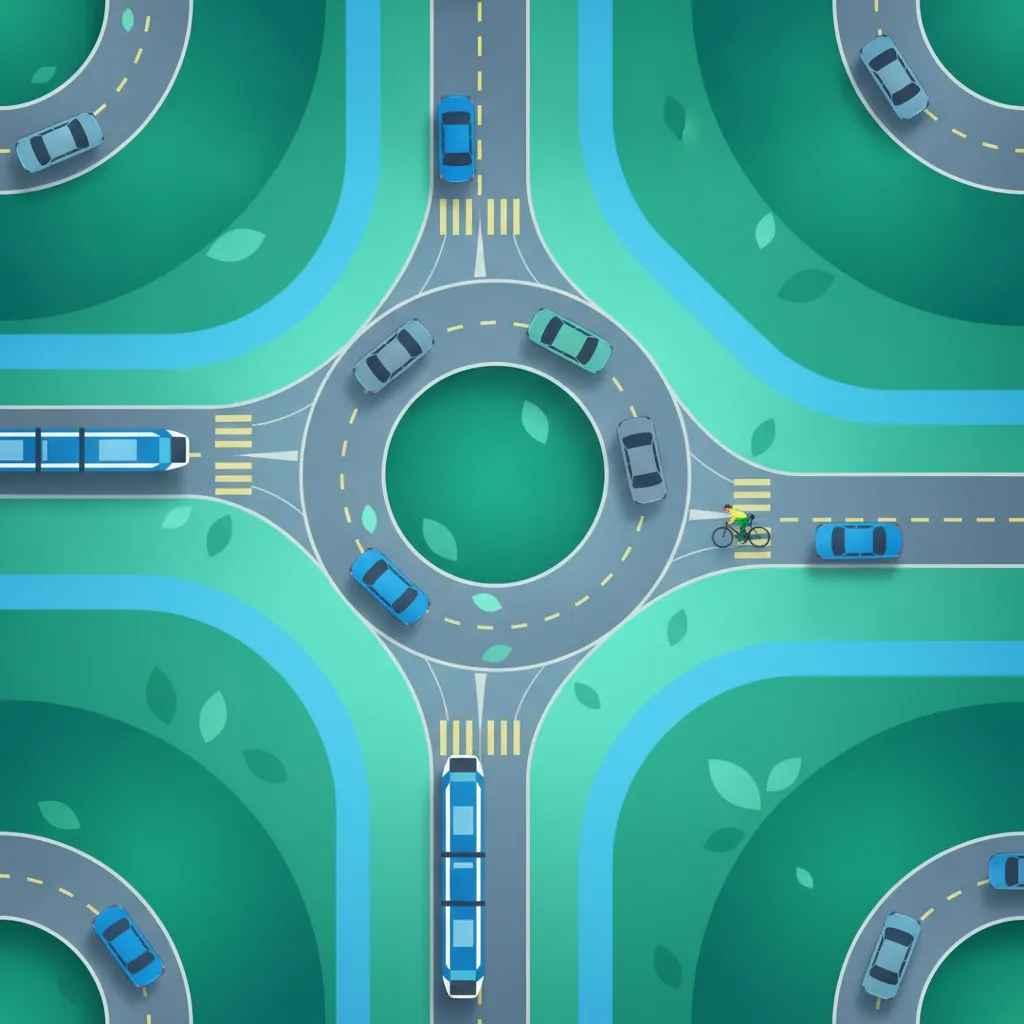
This lesson explains the fundamental rules of priority that govern traffic flow at Swiss intersections. It details the concept of 'Rechtsvortritt' at unmarked junctions and how priority signs alter this default rule. The specific procedures for entering, navigating, and exiting roundabouts are also covered to ensure predictable and safe maneuvers.
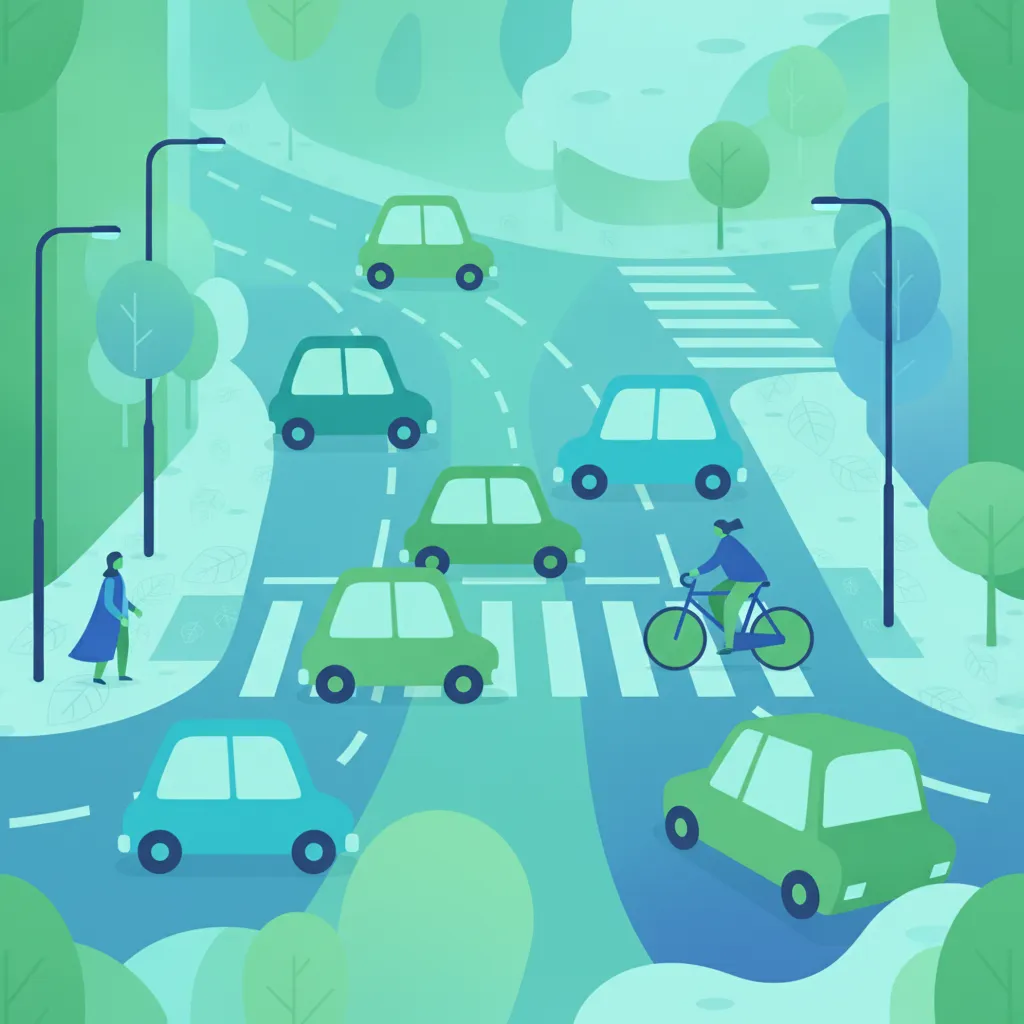
This lesson examines the concept of Vortritt (priority) and Rechtsvortritt, the right-hand rule used at uncontrolled intersections. It explains how these rules determine which vehicle has the right-of-way and the hierarchy of priority signs. You will learn to apply these rules in typical scenarios like four-way stops and T-intersections without traffic signals.
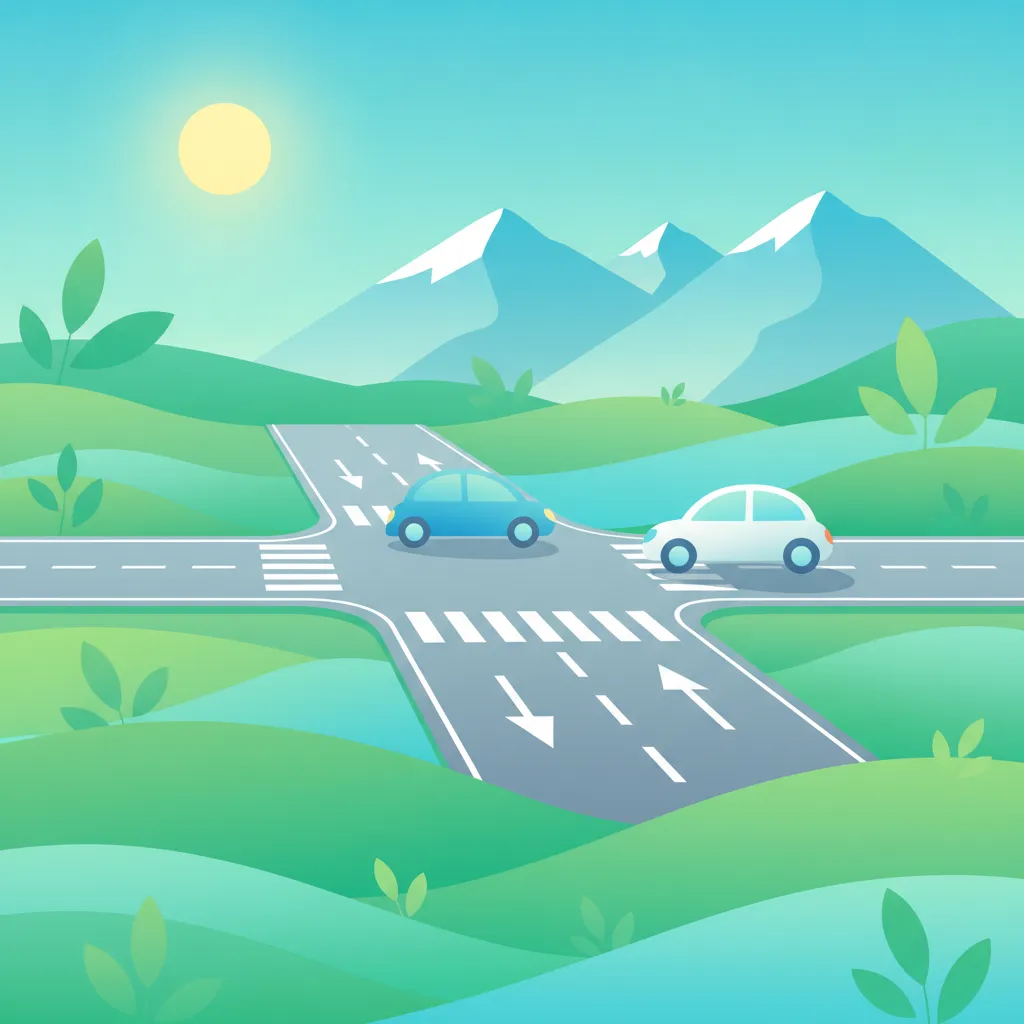
This lesson details the specific priority rules governing Swiss intersections, including the concepts of 'Vortritt' and 'Rechtsvortritt'. It explains how to interpret road signs and markings to determine right-of-way in different situations. A clear understanding of these rules is essential for safe and legal navigation of intersections.
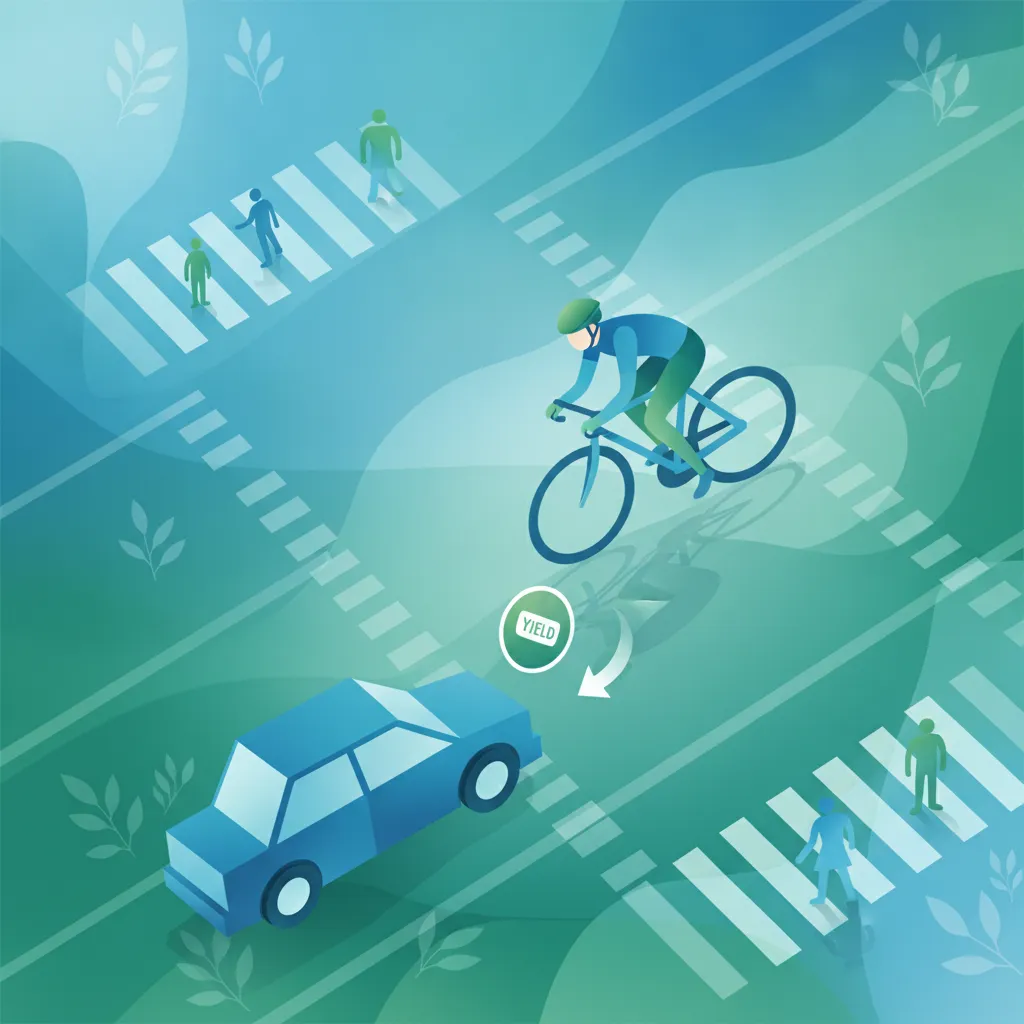
This lesson provides a step-by-step guide to navigating intersections. It reinforces the priority rules, such as 'Rechtsvortritt', and the meaning of yield and stop signs. The content emphasizes the importance of a thorough visual scan on approach and correct positioning to ensure visibility and a safe passage.
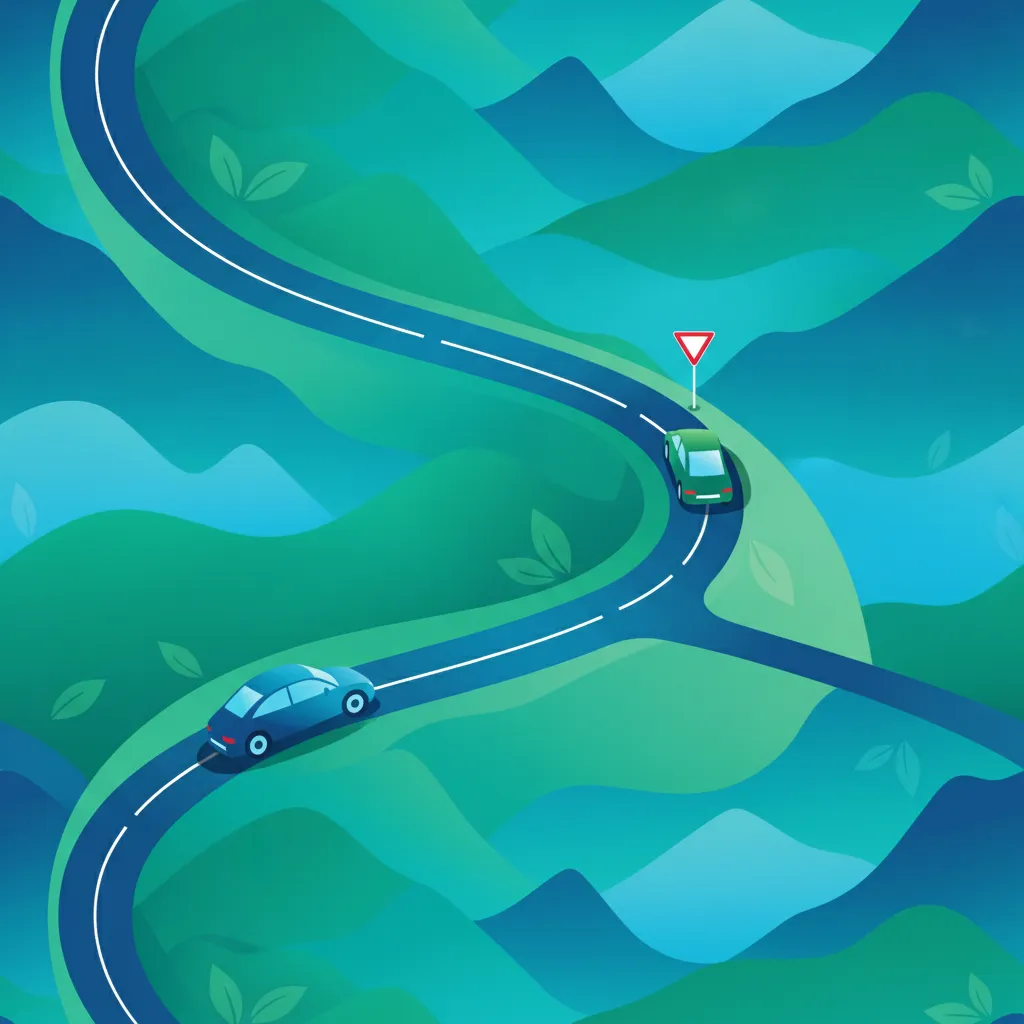
This lesson focuses on the Kein Vortritt rule, which applies when a vehicle must yield to all other traffic. You will learn to recognize scenarios where this rule is in effect, such as at minor roads or when entering a main road. The content also discusses how priority signs and traffic signals override the default right-hand rule, clarifying when you must yield.
This lesson details the operation of traffic light systems in Switzerland. It explains the sequence and meaning of red, amber, and green lights, including flashing amber signals. The content also covers specific signals for pedestrians and the priority rules associated with tram signals to ensure safe interaction at controlled intersections.
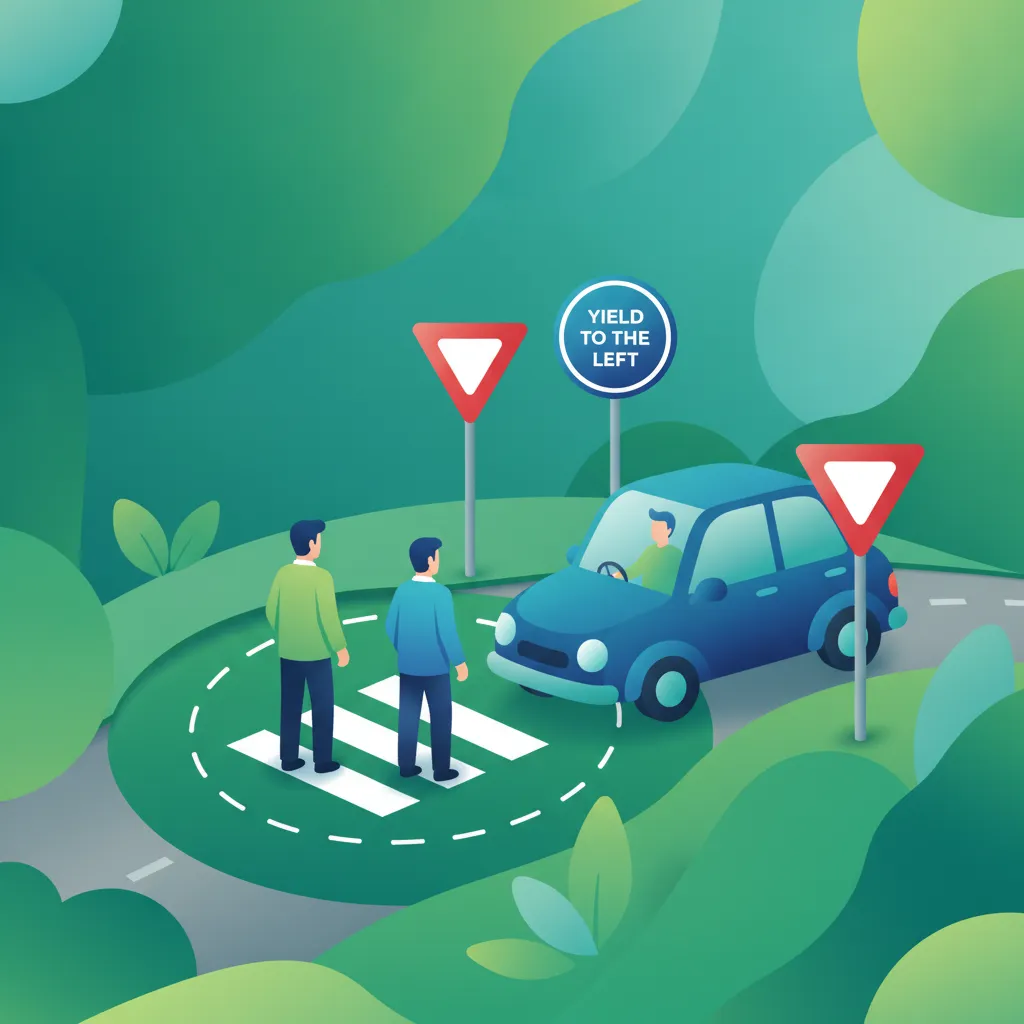
This lesson focuses specifically on the rules and techniques for navigating roundabouts. It clarifies that traffic already in the roundabout has priority and explains how to choose the correct lane on approach based on your intended exit. Proper signaling procedure for entering and, most importantly, exiting the roundabout is also detailed.
This lesson explores the priority given to public transport vehicles, especially trams and buses, in Swiss traffic. It explains how to recognize dedicated public transport lanes and the requirement to yield to trams at intersections. The content also covers procedures when a bus is stopping for passengers and how to ensure safe interactions.
Find clear answers to common questions learners have about Road Markings, Lane Discipline, and Zebra Crossings. Learn how the lesson is structured, which driving theory objectives it supports, and how it fits into the overall learning path of units and curriculum progression in Switzerland. These explanations help you understand key concepts, lesson flow, and exam focused study goals.
Yes, in Switzerland, you must stop and allow pedestrians or cyclists to cross if they are at or about to enter the zebra crossing. You must not obstruct the crossing or start riding until it is clear.
Generally, you should not cross a solid white line. It is a legal prohibition designed to keep traffic in its lane for safety, especially where visibility is limited or hazards exist.
A broken line allows you to change lanes or overtake when it is safe to do so. A solid line is a strict prohibition against crossing or driving on the line, usually marking the edge of lanes in high-risk areas.
While road markings apply to all vehicles, Category M riders must be especially aware of bike lanes and bus stop markings, which often have specific entry rules that dictate where you should position your moped.
Pinpoint specific Swiss traffic rules, road signs, or driving situations you need to master. Use the practice search to start a focused revision session now and build confidence for your official driving theory exam.