
This lesson provides a comprehensive guide to correctly approaching and navigating intersections for Category M moped and e-bike riders. You will master critical Swiss priority rules like Rechtsvortritt and learn how to manage your position to ensure safety and visibility at every junction.
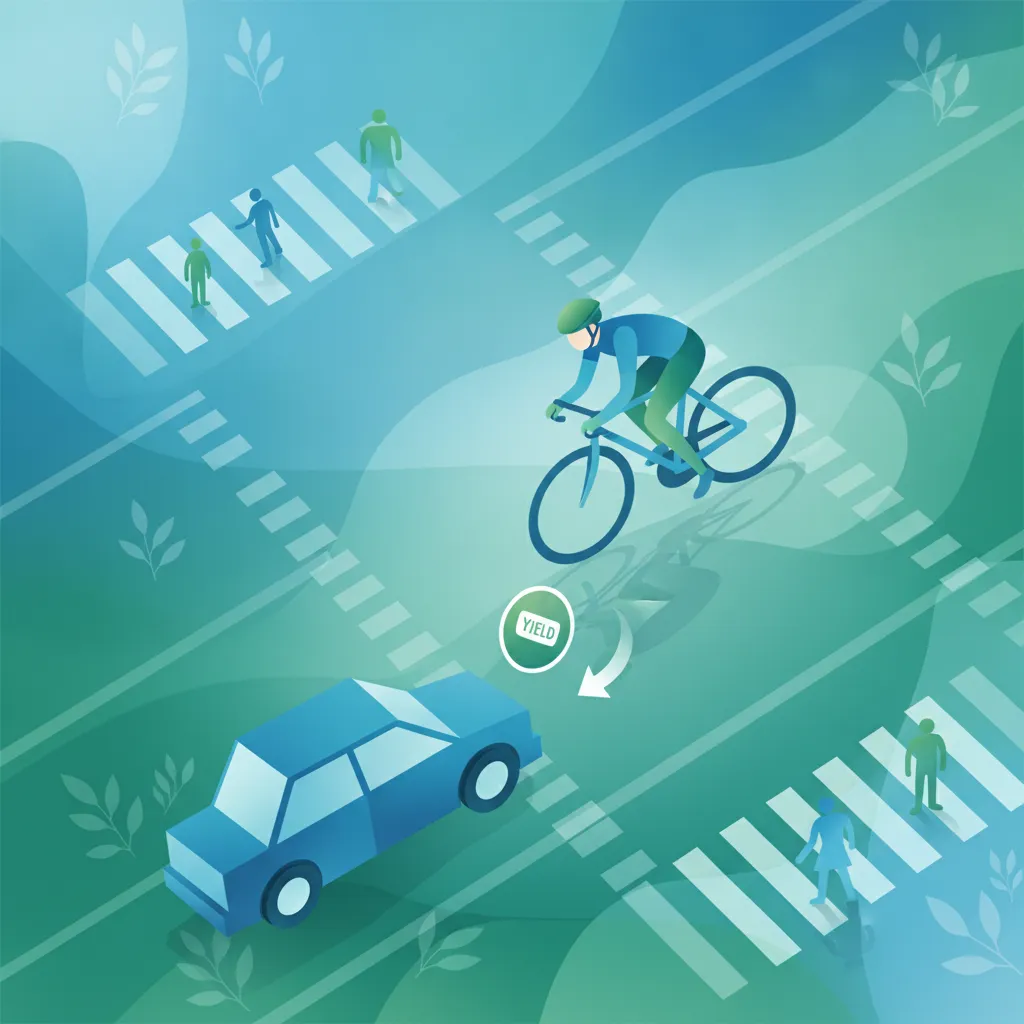
Lesson content overview
Intersections are complex points in any road network where multiple paths converge, making them common locations for traffic incidents if not navigated correctly. For moped riders in Switzerland, mastering the art of approaching and negotiating intersections is not just about following rules; it's about active observation, strategic positioning, and anticipating the actions of others. This lesson provides a comprehensive guide to understanding priority rules, executing effective visual scans, and maintaining safe positioning, all crucial for passing your Swiss Category M driving license theory exam and ensuring safe travels.
An intersection, or junction, is any area where two or more roads meet or cross. These points demand heightened attention from all road users due to the increased potential for conflicts and collisions. For moped riders, who are often less visible than larger vehicles, precise negotiation of intersections is paramount for personal safety and smooth traffic flow. Understanding the legal framework and applying practical safety techniques ensures you can confidently and safely navigate these critical road environments.
The principles discussed here build upon your foundational knowledge of traffic signs, road markings, and basic right-of-way concepts. They also connect directly to broader themes of observation, visibility, and vehicle positioning, reinforcing why these skills are indispensable for every Moped rider in Switzerland. Safe negotiation of intersections contributes significantly to preventing accidents, upholding Swiss traffic law, and fostering predictable behavior among all road users.
Priority, often referred to as right-of-way, is a fundamental legal concept that dictates which road user has the right to proceed first when paths intersect. These rules are designed to prevent conflicts and ensure a clear, predictable flow of traffic. In Switzerland, understanding and correctly applying these priority rules is essential at every intersection, whether controlled by signs or not. Failing to observe priority rules is a common cause of accidents and carries significant legal consequences.
The Rechtsvortritt, or "priority from the right," is the default rule in Switzerland at uncontrolled intersections. An uncontrolled intersection is one where there are no traffic lights, no specific traffic signs (like yield or stop signs), and no police directing traffic. In such scenarios, any vehicle approaching from the right side of another vehicle has the right of way.
This rule means that if you are approaching an uncontrolled intersection and another vehicle is coming from your right, you must yield to them. You should slow down, be prepared to stop, and let them pass before proceeding.
This fundamental rule simplifies decision-making at many junctions and is vital for maintaining order. A common misunderstanding is to assume that a side road automatically yields to a main road in the absence of signs; this is incorrect. If no signs are present, Rechtsvortritt always applies.
A Yield sign (in German, Vorfahrt gewähren) is a red-bordered, white inverted triangle that explicitly indicates you must give way to traffic on the intersecting road. This sign is typically placed at intersections where a minor road merges into or crosses a major road, or where specific traffic flow requires one stream of traffic to yield.
When you encounter a yield sign, you must slow down significantly as you approach the intersection. Your primary responsibility is to ensure that your entry into the intersection does not impede or endanger any traffic already on the intersecting road or approaching it with priority. If visibility is limited, or if there is traffic approaching, you must come to a complete stop before the yield line (if present) or the intersection itself. Only proceed when it is safe and clear to do so, without forcing other road users to brake or swerve.
The Stop sign (in German, Stoppschild) is an octagonal red sign with white lettering, universally recognized to mean "stop." Unlike a yield sign, a stop sign mandates a complete cessation of your vehicle's movement. You must bring your moped to a full and complete stop before the solid white stop line painted on the road, or, if no line is present, before the intersection itself at a point where you have a clear view of intersecting traffic.
The requirement for a full stop, even if no traffic appears to be coming, is crucial. It ensures that you have ample time to thoroughly scan the intersection in all directions for approaching vehicles, pedestrians, and cyclists before cautiously proceeding. After stopping, you must check for traffic and then proceed only when the way is clear and safe, just as you would after yielding, but with the added mandatory full stop.
Successfully navigating an intersection involves more than just knowing the priority rules. It requires a combination of keen observation and precise vehicle positioning to maximize your safety and visibility. These techniques are especially critical for moped riders, who must actively compensate for their smaller size and potential for being overlooked by larger vehicles.
Visual scanning is the systematic process of observing your environment to gather critical information about potential hazards and other road users. Before, during, and after entering an intersection, you must perform a comprehensive scan. This is not a quick glance but a deliberate, methodical check of all relevant areas.
Approach Scan: As you approach, scan far ahead for signs, signals, and road markings. Identify the type of intersection and determine priority rules. Check your mirrors for following traffic.
Left-Right-Left Scan: Before entering, or while stopped at, the intersection, perform a left, right, and then left again scan. This pattern helps identify immediate threats from both directions and double-checks the most dangerous direction (often from the left, if you are turning right, or from the right if the Rechtsvortritt applies).
Peripheral Vision: Pay attention to your peripheral vision for any sudden movements of pedestrians or cyclists who might be less predictable.
Check Behind You: Before making any turns, quickly check your mirrors to be aware of any vehicles directly behind you that might not be expecting your maneuver.
Dynamic Scan: While proceeding through the intersection, continue to scan for unexpected movements from other vehicles or pedestrians.
For mopeds, an effective visual scan also means being aware of drivers in larger vehicles who might not see you. Making eye contact with other drivers, if possible, can confirm that you have been seen.
Your positioning on the road, particularly as you approach and enter an intersection, significantly impacts your visibility to others and your ability to react safely. Correct positioning is not just about staying within your lane; it's about strategic placement that optimizes your sightlines and communicates your intentions clearly to other road users.
The legal framework for intersection negotiation in Switzerland is primarily outlined in the Swiss Road Traffic Ordinance (RRO). Adherence to these regulations is mandatory for all road users, including moped riders.
Navigating intersections requires constant vigilance and correct judgment. Many accidents at these junctions stem from common errors that can be easily avoided with proper understanding and practice.
Failure to Yield to Traffic from the Right (Rechtsvortritt Violation):
Rolling Stop at Yield or Stop Signs:
Overshooting the Stop Line:
Incorrect Positioning Near Curved Intersections or Obstructions:
Misinterpreting Yield Signs in Clear Traffic:
Safe intersection negotiation is not a static skill; it requires constant adaptation to changing environmental and traffic conditions. Moped riders must adjust their approach speed, scanning techniques, and positioning based on the context.
Understanding intersection rules in theory is one thing; applying them safely in real-world scenarios is another. Here are a few practical examples demonstrating correct (and incorrect) behavior:
Scenario: Uncontrolled Intersection in a Village
Scenario: Yield Sign onto a Busy Main Road
Scenario: Stop Sign with Limited Visibility (Blind Corner)
Scenario: Approaching an Intersection with a Pedestrian Crossing
Mastering intersection negotiation is a cornerstone of safe and responsible moped riding in Switzerland. By consistently applying these principles, you contribute not only to your own safety but also to the predictability and flow of traffic for everyone.
By internalizing these lessons, you will be well-prepared to handle the complexities of Swiss intersections, ensuring a safer and more confident riding experience for your Category M driving license.
This lesson covers the essential Swiss priority rules for negotiating intersections on a moped, with emphasis on Rechtsvortritt, yield signs, and mandatory stop procedures. It teaches systematic visual scanning techniques including the left-right-left approach and maintaining peripheral awareness throughout the intersection. Correct vehicle positioning—central lane placement and proper stop line adherence—is emphasized for visibility and safety. The content also addresses adapting techniques for weather, light conditions, and vulnerable road users, while highlighting common mistakes such as rolling stops, blind spot positioning, and incorrect priority assumptions that learners should avoid.
A short set of high-value points that capture the most important learning from this lesson.
Rechtsvortritt (priority from the right) is the default rule at uncontrolled Swiss intersections unless otherwise indicated by signs or signals
A complete stop at a stop sign is mandatory regardless of visible traffic, unlike a yield sign where stopping is conditional
Effective visual scanning at intersections involves a left-right-left check before entry and continuous monitoring throughout the maneuver
Moped riders should maintain central lane positioning at intersections to maximize visibility and avoid blind spots
Environmental conditions such as rain, fog, darkness, and snow require earlier speed reduction and extended scanning when approaching junctions
Explore all units and lessons included in this driving theory course.
At unmarked intersections, always yield to vehicles approaching from your right before proceeding
Stop precisely at or before the stop line—position your entire vehicle behind it, not over it or too far back
Approaching a yield sign requires slowing significantly and being prepared to stop if traffic demands it, even when no traffic is visible
After stopping at any intersection, perform a thorough left-right-left visual scan before proceeding
Vulnerable road users such as pedestrians and cyclists must always be yielded to at marked crossings, regardless of other traffic signs
Assuming main roads have automatic priority over side roads at unmarked intersections—Rechtsvortritt applies unless signs indicate otherwise
Performing a rolling stop instead of a complete halt at stop signs, which fails to satisfy the legal requirement
Positioning too close to curbs or parked vehicles near intersections, which creates blind spots and limits both visibility and escape routes
Failing to scan thoroughly when visibility is limited by obstructions like hedges or buildings before entering an intersection
Not adjusting speed and scanning distance for adverse weather conditions, which significantly increases braking distances and reduces reaction time
Lesson content overview
A short set of high-value points that capture the most important learning from this lesson.
Rechtsvortritt (priority from the right) is the default rule at uncontrolled Swiss intersections unless otherwise indicated by signs or signals
A complete stop at a stop sign is mandatory regardless of visible traffic, unlike a yield sign where stopping is conditional
Effective visual scanning at intersections involves a left-right-left check before entry and continuous monitoring throughout the maneuver
Moped riders should maintain central lane positioning at intersections to maximize visibility and avoid blind spots
Environmental conditions such as rain, fog, darkness, and snow require earlier speed reduction and extended scanning when approaching junctions
Explore all units and lessons included in this driving theory course.
At unmarked intersections, always yield to vehicles approaching from your right before proceeding
Stop precisely at or before the stop line—position your entire vehicle behind it, not over it or too far back
Approaching a yield sign requires slowing significantly and being prepared to stop if traffic demands it, even when no traffic is visible
After stopping at any intersection, perform a thorough left-right-left visual scan before proceeding
Vulnerable road users such as pedestrians and cyclists must always be yielded to at marked crossings, regardless of other traffic signs
Assuming main roads have automatic priority over side roads at unmarked intersections—Rechtsvortritt applies unless signs indicate otherwise
Performing a rolling stop instead of a complete halt at stop signs, which fails to satisfy the legal requirement
Positioning too close to curbs or parked vehicles near intersections, which creates blind spots and limits both visibility and escape routes
Failing to scan thoroughly when visibility is limited by obstructions like hedges or buildings before entering an intersection
Not adjusting speed and scanning distance for adverse weather conditions, which significantly increases braking distances and reduces reaction time
Explore search topics learners often look for when studying Approaching and Negotiating Intersections. These topics reflect common questions about road rules, driving situations, safety guidance, and lesson level theory preparation for learners in Switzerland.
Browse additional driving theory lessons that cover connected traffic rules, road signs, and common driving situations related to this topic. Improve your understanding of how different rules interact across everyday traffic scenarios.
Understand the fundamental Swiss priority rules at intersections: Rechtsvortritt, yield signs (Vorfahrt gewähren), and stop signs (Stoppschild). Learn how to determine right-of-way and navigate junctions safely according to Swiss traffic law for Category M.
This lesson examines the concept of Vortritt (priority) and Rechtsvortritt, the right-hand rule used at uncontrolled intersections. It explains how these rules determine which vehicle has the right-of-way and the hierarchy of priority signs. You will learn to apply these rules in typical scenarios like four-way stops and T-intersections without traffic signals.

This lesson details the specific priority rules governing Swiss intersections, including the concepts of 'Vortritt' and 'Rechtsvortritt'. It explains how to interpret road signs and markings to determine right-of-way in different situations. A clear understanding of these rules is essential for safe and legal navigation of intersections.
This lesson focuses on the Kein Vortritt rule, which applies when a vehicle must yield to all other traffic. You will learn to recognize scenarios where this rule is in effect, such as at minor roads or when entering a main road. The content also discusses how priority signs and traffic signals override the default right-hand rule, clarifying when you must yield.
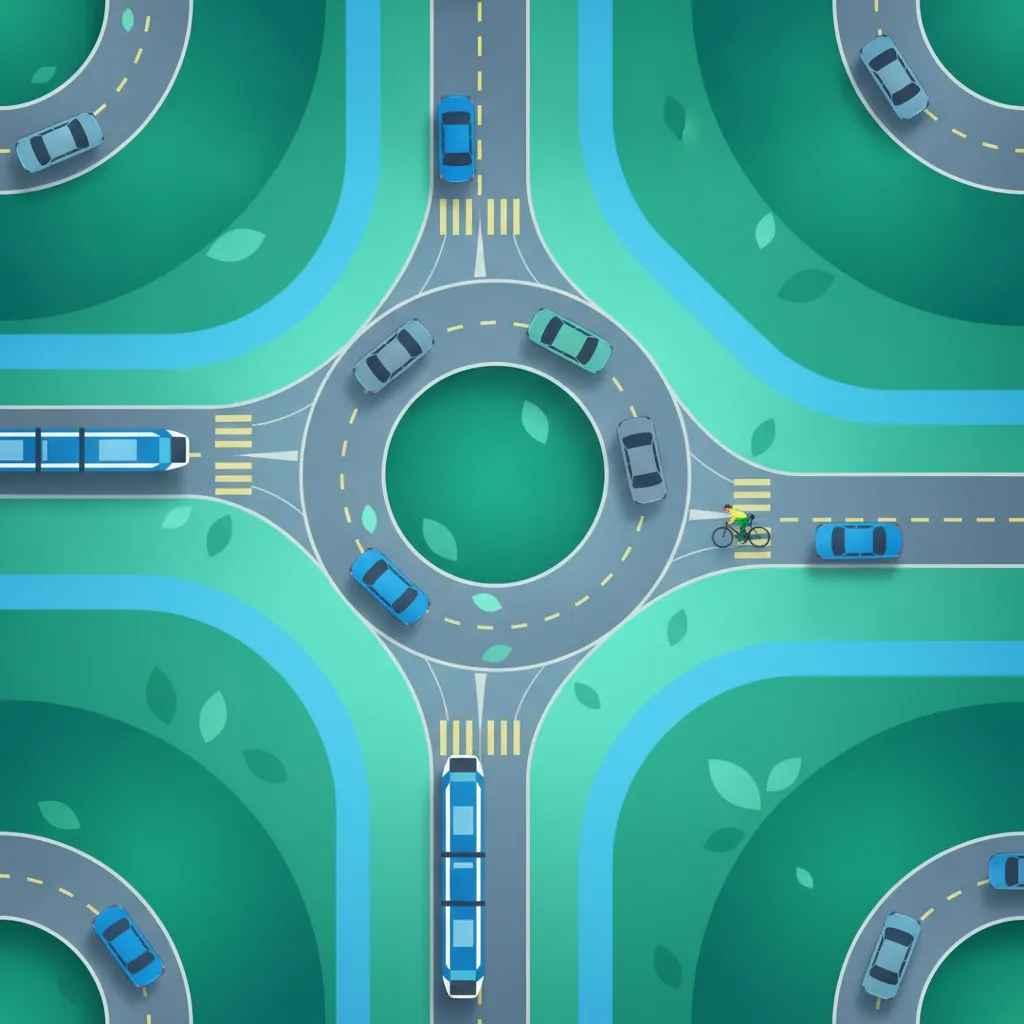
This lesson explains the fundamental rules of priority that govern traffic flow at Swiss intersections. It details the concept of 'Rechtsvortritt' at unmarked junctions and how priority signs alter this default rule. The specific procedures for entering, navigating, and exiting roundabouts are also covered to ensure predictable and safe maneuvers.
This lesson explores how traffic lights dictate priority at intersections, superseding general priority rules. It explains the meanings of red, amber, and green signals and the required actions for each. Emphasis is placed on understanding green light right-of-way and the cautionary role of the amber phase for navigating signal-controlled junctions safely.
This lesson focuses specifically on the rules and techniques for navigating roundabouts. It clarifies that traffic already in the roundabout has priority and explains how to choose the correct lane on approach based on your intended exit. Proper signaling procedure for entering and, most importantly, exiting the roundabout is also detailed.
This lesson provides a detailed guide to navigating roundabouts, focusing on yielding to circulating traffic and correct lane usage. You will learn the priority principle that vehicles already in the roundabout have precedence over entering traffic. The content also covers multi-lane roundabout navigation and proper exit strategies for smooth, safe traversal.

Bus lanes are a key tool for improving service reliability, but they come with specific rules. This lesson covers how to correctly interpret bus lane signs and markings. It also explains the regulations for entering and leaving the lane to make turns or avoid obstructions, and the priority rules associated with them.
This lesson explores pedestrian right-of-way at various crossings, including zebra crossings and pedestrian islands. It emphasizes the need for drivers to reduce speed, anticipate pedestrian movement, and stop safely when required. The content also covers special regulations that apply in school zones, such as reduced speed limits and heightened vigilance.
This lesson explores the priority given to public transport vehicles, especially trams and buses, in Swiss traffic. It explains how to recognize dedicated public transport lanes and the requirement to yield to trams at intersections. The content also covers procedures when a bus is stopping for passengers and how to ensure safe interactions.
Learn to navigate Swiss intersections by exploring practical scenarios and common errors. This lesson focuses on observation techniques, correct positioning, and adapting to different conditions to ensure safe negotiation of junctions as a moped rider.
This lesson provides guidance on safely negotiating intersections and roundabouts on a motorcycle. It details the correct procedures for approach, lane selection, and yielding according to Swiss traffic regulations. Emphasis is placed on heightened awareness of other vehicles, cyclists, and pedestrians in these complex traffic environments.
This lesson focuses on safe interaction with large vehicles. It highlights the significant blind spots (or 'no-zones') around trucks and buses and teaches riders how to position themselves to remain visible. The content also provides guidance on overtaking large vehicles safely and anticipating their wide turning radius at intersections.
This lesson provides guidance on safely navigating roundabouts and tram lanes, common features in Swiss cities. It covers the rules for yielding, lane positioning within the roundabout, and signaling intentions upon exiting. Special attention is given to the hazards of crossing slippery tram tracks and sharing the road with public transport.

This lesson identifies and analyzes high-risk behaviors that contribute to a majority of accidents involving small vehicles. It explains the severe consequences of riding while distracted, fatigued, or under the influence of alcohol or drugs. The content aims to build a rider's awareness of these dangers and reinforce a responsible and defensive mindset.
This lesson focuses specifically on the rules and techniques for navigating roundabouts. It clarifies that traffic already in the roundabout has priority and explains how to choose the correct lane on approach based on your intended exit. Proper signaling procedure for entering and, most importantly, exiting the roundabout is also detailed.
This lesson focuses on strategies for safely interacting with non-standard traffic common on rural roads. It covers how to anticipate the behaviour of slow-moving farm equipment and tourist vehicles, and the legal requirement to yield to emergency services. The importance of patience and safe passing opportunities is stressed.

This lesson explains the strategic importance of road positioning. It details how to select a lane position that makes you most visible to drivers ahead and behind, and helps you avoid the blind spots of larger vehicles. Proper positioning also allows for an escape route and a better line of sight through turns.
This lesson explains the fundamental rules of priority that govern traffic flow at Swiss intersections. It details the concept of 'Rechtsvortritt' at unmarked junctions and how priority signs alter this default rule. The specific procedures for entering, navigating, and exiting roundabouts are also covered to ensure predictable and safe maneuvers.
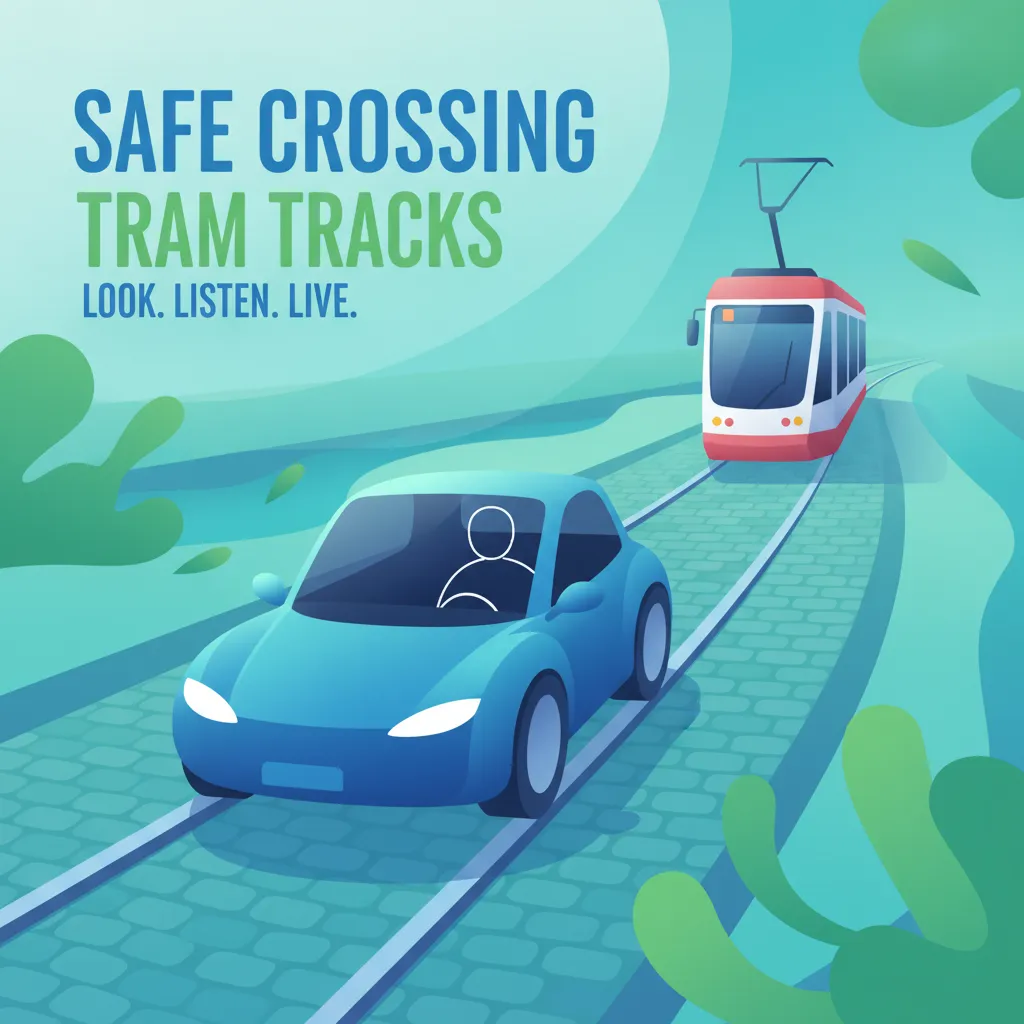
This lesson addresses the unique challenges posed by tram tracks, especially for two-wheeled vehicles. It explains the importance of crossing tracks at as close to a right angle as possible to avoid tyres getting caught, particularly in wet conditions. The lesson also covers the priority rules that often favor trams and how to interpret tram-specific signals.
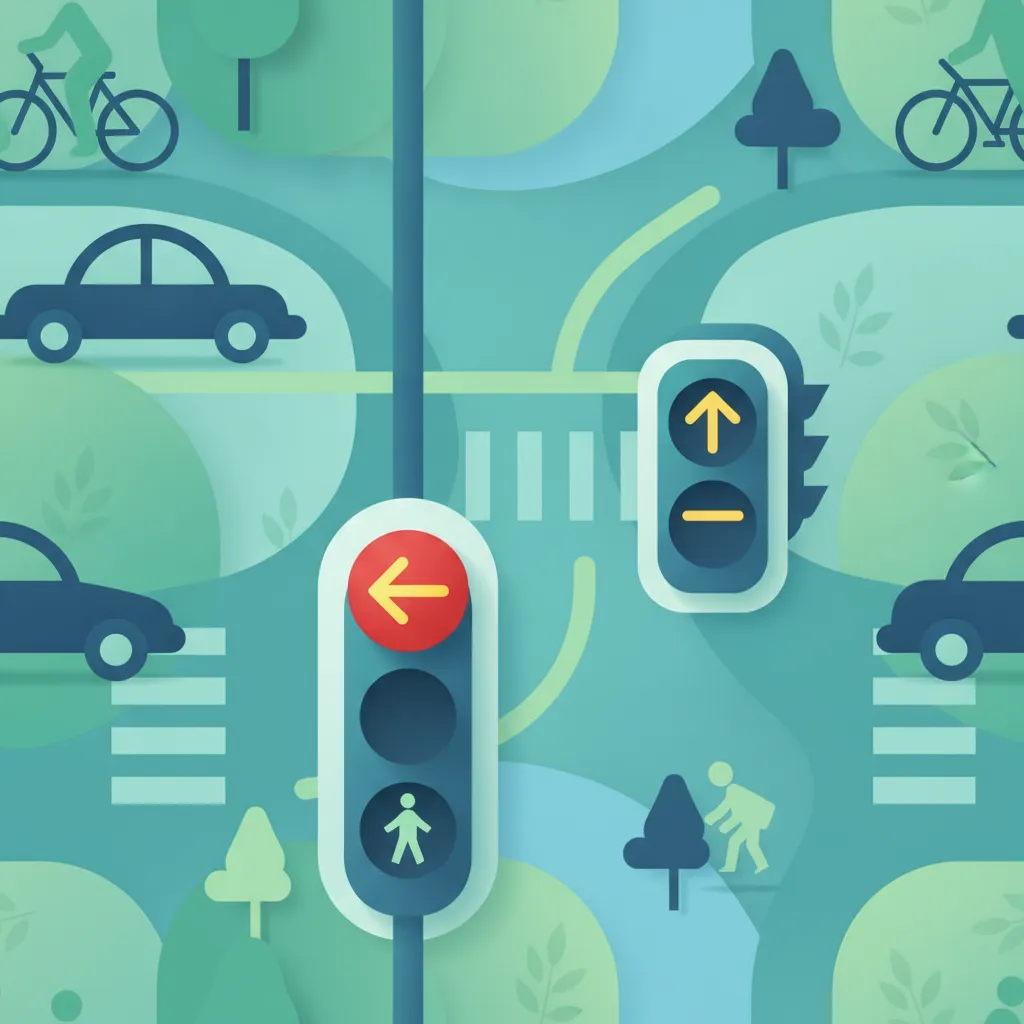
This lesson details the operation of traffic light systems in Switzerland. It explains the sequence and meaning of red, amber, and green lights, including flashing amber signals. The content also covers specific signals for pedestrians and the priority rules associated with tram signals to ensure safe interaction at controlled intersections.
Find clear answers to common questions learners have about Approaching and Negotiating Intersections. Learn how the lesson is structured, which driving theory objectives it supports, and how it fits into the overall learning path of units and curriculum progression in Switzerland. These explanations help you understand key concepts, lesson flow, and exam focused study goals.
Unless signs indicate otherwise, the rule of 'Rechtsvortritt' applies, meaning you must yield to traffic coming from the right. This is a fundamental concept in the Swiss theory exam that every Category M rider must master.
Yes, as Category M vehicle operators, both moped and e-bike riders must follow the exact same traffic laws regarding priority and intersection management as any other road user.
You must always come to a complete standstill at a 'Stop' sign, even if the road appears clear. Simply slowing down is insufficient and will lead to points being deducted in your theory test.
Proper positioning makes you more visible to cars and trucks. By correctly placing your moped or e-bike, you clarify your intended direction and prevent other drivers from attempting to overtake you in dangerous situations.
Pinpoint specific Swiss traffic rules, road signs, or driving situations you need to master. Use the practice search to start a focused revision session now and build confidence for your official driving theory exam.