
Welcome to the lesson on Maneuvering in Confined Spaces, a crucial part of your Professional Bus and Coach Theory preparation for the Spanish DGT exam. Understanding how to safely navigate large vehicles in tight urban environments, depots, and terminals is vital for both passenger safety and efficient operation. This lesson builds on your knowledge of vehicle dimensions and handling, preparing you for real-world challenges and specific exam questions.

Lesson content overview
Operating a professional bus or coach requires a high degree of skill, especially when navigating confined spaces. This lesson, part of your Professional Bus and Coach Theory for Spanish Driving License – Category D & D1 curriculum, will equip you with the essential knowledge and techniques to maneuver large passenger vehicles safely and efficiently in challenging environments such as narrow city streets, busy bus depots, and bustling passenger terminals. Developing mastery in these situations is not only crucial for avoiding collisions and ensuring passenger comfort but also for complying with strict DGT (Dirección General de Tráfico) legal requirements.
Success in confined space maneuvering hinges on a blend of spatial awareness, precise low-speed control, and continuous visual scanning. This chapter will delve into understanding your vehicle's unique dimensions, effectively managing blind spots, and executing complex maneuvers like reverse driving, tight cornering, and parallel parking with confidence. By mastering these skills, you will minimize risks, protect vulnerable road users, and provide a smooth, comfortable journey for your passengers.
Maneuvering a large bus or coach through limited spaces demands adherence to several core principles. These principles are the foundation for safe and effective operation, transforming a potentially daunting task into a manageable one through systematic application.
Spatial reference points are fixed visual markers, both inside and outside the vehicle, that professional drivers use to consistently align their vehicle during low-speed maneuvers. These can include curb lines, painted depot markers, specific parts of your dashboard in relation to the road, or even the corner of a building. Their purpose is to provide consistent external cues, compensating for the limited internal instrumentation and the sheer size of the vehicle, which can make judging distances difficult. Drivers must learn to establish and maintain these reference points before and throughout each maneuver to ensure precise positioning and avoid contact with obstacles.
Due to their size and design, buses and coaches have extensive blind spots – areas around the vehicle that are not directly visible through the driver's windows. Effective blind spot management involves the continuous monitoring of these zones using a combination of carefully adjusted mirrors, rear-view camera systems, and necessary head checks. Large vehicles can easily obscure pedestrians, cyclists, or smaller vehicles, making constant vigilance imperative. Before initiating any turn, lane change, or reverse maneuver, drivers must adjust their mirrors to maximize visibility and perform a full head check to confirm clear paths, especially covering the often-missed "C-zone" directly behind the vehicle.
Low-speed control refers to the precise manipulation of the throttle, clutch (in manual transmissions), and brakes to maintain a vehicle speed typically below 5 km/h during confined maneuvers. This "creep speed" is vital because it prevents loss of control, significantly reduces kinetic energy for swift corrections, and ensures passenger comfort by minimizing abrupt movements. Mastering this principle requires smooth foot-to-hand coordination, often employing engine braking techniques or gentle, continuous brake pressure rather than sudden stops. It allows the driver to react calmly and make small, accurate adjustments.
Professional drivers must possess a deep understanding of their vehicle's steering geometry, which describes the relationship between the wheelbase, steering angle, and the resulting turning radius. Crucially, this includes awareness of the rear-wheel path (also known as "off-track") during tight turns. Unlike smaller vehicles, the rear wheels of a bus or coach follow a significantly tighter path than the front wheels. Anticipating this rear-wheel sweep is essential to avoid "corner cutting," where the rear of the vehicle might collide with curbs, signs, or other obstacles. Effective planning of entry and exit points for a maneuver, well in advance, is directly linked to this awareness.
The distribution of passenger load and cargo within a bus or coach can significantly affect its centre of gravity (CoG), which in turn influences steering response and overall stability. A vehicle with many passengers towards the rear, for instance, will behave differently in a tight turn than an empty one. Recognizing and compensating for potential load shifts prevents unexpected over-steer or under-steer in corners. Drivers may need to adjust their speed or steering inputs, or even ask passengers to distribute themselves more evenly, especially when the vehicle is heavily loaded or facing tight maneuvers.
DGT regulations specify minimum distances that must be maintained during turning, reversing, and parking maneuvers in confined areas. These legal clearance zones are not merely suggestions; they are mandatory requirements designed to guarantee safe operation and compliance with Spanish traffic laws. Observing these clearances protects both the vehicle and other road users, preventing fines or, more critically, license penalties that can impact a professional driver's career. Always ensure adequate space for pedestrians, cyclists, and other vehicles, even when performing seemingly minor adjustments.
Executing maneuvers in confined spaces requires specific techniques tailored to the unique characteristics of large passenger vehicles. These strategies combine the core principles discussed above into actionable steps.
The physical measurements of your bus or coach – its length, width, wheelbase, and maximum steering angle – directly determine the minimum space it requires to turn or park. This is your vehicle's turning geometry.
Practical Meaning: Understanding off-track helps determine how close a bus can approach a curb while still completing a turn without striking anything with its rear wheels. For example, on a depot lane 12 metres wide, a coach with a 10-meter turning radius must begin its turn far enough from the inner curb to accommodate its rear wheel sweep, typically requiring at least 2 metres of clearance. Common Mistakes: A frequent error is over-reliance on the front-wheel path alone, which inevitably leads to rear-wheel collisions or encroachment onto sidewalks. DGT Regulation 125-S mandates that drivers respect the vehicle's turning circle, especially when navigating streets narrower than the vehicle's actual sweep.
Managing blind spots is paramount for bus and coach drivers. This involves correctly configuring and continuously using all available visual aids: side mirrors, interior rear-view mirrors (if applicable), and any camera systems.
Practical Meaning: Before reversing into a terminal bay, a driver must systematically check the A-zone (left side), B-zone (right side), and perform a physical head turn to verify the C-zone (directly behind). This multi-faceted approach ensures no pedestrians, cyclists, or obstacles are missed. Associated Rules: DGT Article 95/2012 generally stipulates that professional drivers adjust mirrors to provide adequate rear view.
The purpose is to ensure comprehensive visibility, covering at least the immediate area behind the vehicle. Common Misunderstandings: A common mistake is assuming that an interior camera fully replaces the need for head checks. While cameras are invaluable, they may have limited fields of view or be affected by dirt, making a physical check still necessary.
These are controlled driving actions performed at very low speeds (typically ≤ 5 km/h) to precisely manage the vehicle's trajectory in confined spaces.
Practical Meaning: In a city drop-off zone, a driver must parallel park the bus along a curb, leaving sufficient space for passenger boarding/alighting and for oncoming traffic to pass safely. This demands careful use of reference points and gentle steering. Regulation: DGT Regulation 104-B mandates that reverse maneuvers must be performed at a speed that enables the driver to stop within a distance of at least 2 meters without excessive or abrupt braking.
Common Mistakes: A frequent error during reverse driving is accelerating too much, which can cause the vehicle to "jackknife" or quickly lose control, especially with a long wheelbase.
The balance of passenger and cargo weight within the bus or coach profoundly impacts its stability and handling, even at low speeds.
Practical Meaning: A coach fully loaded with passengers primarily in the rear seats will have a shifted centre of gravity. During a tight turn, this can lead to the rear wheels swinging out more (over-steer) if the speed is not appropriately reduced. Conversely, if most passengers are at the front, the vehicle might exhibit under-steer characteristics. Associated Rule: DGT § 3.1.4 explicitly demands that passenger weight be as evenly distributed as possible and that any cargo is securely fastened to prevent shifting during motion. Common Misunderstandings: Many drivers underestimate the effect of passenger movement after boarding or believe that a vehicle's mass "doesn't matter" at low speeds. Even minor shifts can alter handling dynamics in very tight situations.
These techniques involve using external markers as fixed points for aligning your vehicle, combined with a systematic scanning routine to ensure constant awareness of your surroundings.
Practical Meaning: When navigating a narrow lane, a driver might align the front bumper with a specific painted line on the road, then continually use side mirrors to monitor the rear clearance from the curb or parked cars. Regulation: DGT Guidance Note G-07 advises that drivers should make consistent use of external reference points for "exact positioning in confined spaces." This practice significantly enhances accuracy and reduces reliance on subjective estimations. Common Mistakes: A common error is relying solely on visual estimation without establishing concrete reference markers, which can lead to misjudgments of distance and vehicle positioning.
A hallmark of a professional driver is the ability to execute maneuvers smoothly, minimizing jolts and discomfort for passengers.
Practical Meaning: While reversing to a loading bay, the driver should maintain a continuous "creep" speed, applying brakes gently and progressively rather than suddenly stopping or accelerating. This prevents sudden jerks that can cause vestibular discomfort or motion sickness. Rule: DGT Recommendation 109-C advises professional drivers to avoid any abrupt motions that could unsettle passengers, ensuring their safety and comfort. Common Misunderstandings: It's a mistake to assume driver comfort is independent of passenger comfort. A smooth, controlled driving style benefits everyone on board.
Adherence to DGT regulations is not just about avoiding penalties; it's about ensuring the highest standards of safety for everyone.
| Regulation | Statement | Applicability | Legal Status | Rationale | Correct Example | Incorrect Example |
|---|---|---|---|---|---|---|
| DGT Regulation 104‑B | Reverse driving must be performed at a speed that allows safe stop within 2 m without abrupt braking. | All reverse maneuvers in confined environments. | Mandatory | Prevents jackknife and rear-collision. | Driver slowly reverses into a parking spot, using gentle brake pressure to maintain control. | Accelerating quickly while reversing in a depot, requiring a sudden, hard brake to stop. |
| DGT Article 95/2012 | Mirrors must be adjusted to provide at least 10 m rear view. | All professional D/D1 vehicles. | Mandatory | Compensates for large blind spots, enhancing overall visibility. | Before any maneuver, driver adjusts side mirrors to clearly see the rear-most part of the vehicle and a minimum of 10m behind. | Relying on factory default mirror positions without verifying they provide adequate rear vision for the specific vehicle and driver. |
| DGT Regulation 125‑S | Minimum turning radius must be respected when negotiating streets narrower than the vehicle’s sweep. | Urban narrow streets, depot aisles, tight intersections. | Mandatory | Ensures vehicles do not encroach upon adjacent lanes, sidewalks, or fixed obstacles. | Driver positions the bus wide before entering a narrow street corner, ensuring the rear wheels clear the curb. | Turning too sharply from a starting position, causing the rear wheels to mount or collide with the inner curb. | | DGT § 3.1.4 | Passengers and cargo must be evenly distributed, secured, and not exceed maximum load capacity. | Loading and unloading periods, all maneuvers. | Mandatory | Prevents dangerous shifts in the vehicle's centre of gravity, maintaining stability. | Driver monitors passenger boarding, ensuring a balanced distribution, and secures any luggage before departure. | Allowing all passengers to congregate on one side of the bus during a tight turn, potentially affecting stability. | | DGT Guidance Note G‑07 | Drivers must use external reference points for precise positioning in confined spaces. | Parking, depot maneuvers, loading bays, tight turns. | Recommended (best practice) | Enhances accuracy, reduces reliance on subjective judgment, and minimizes collision risk. | Driver aligns a specific point on the bus with a painted line on the ground to achieve accurate parking. | Positioning the bus for parking solely by guessing the distance to the curb or other vehicles. | | DGT Regulation 364‑A (urban) | When stopping at a curb or depot, the vehicle must leave a clear minimum distance (≥ 1 m) for pedestrians. | Stopping for passenger boarding/alighting in urban areas. | Mandatory | Protects vulnerable road users (pedestrians) by ensuring safe passage on sidewalks. | Driver pulls up to the bus stop, ensuring there's at least 1 meter between the bus side and the curb for pedestrians. | Pulling the bus so close to the curb that it obstructs the pedestrian path, forcing them into the street. |
| DGT Regulation 219‑C (night) | Use low-beam headlights in confined areas with high pedestrian activity. | Nighttime depot operations, loading bays, densely populated urban areas. | Mandatory | Reduces glare for pedestrians and other nearby drivers, enhancing overall safety. | Driver switches from high beams to dipped beams when entering a brightly lit bus terminal at night. | Using high beams while maneuvering within a busy bus depot, dazzling other drivers or pedestrians. |
Even experienced drivers can encounter difficulties in confined spaces. Recognizing and actively avoiding common mistakes is key to maintaining safety and professionalism.
Excessive Speed While Reversing:
Insufficient Mirror Adjustment:
Neglecting Load Distribution Before Maneuver:
Blocking Pedestrian Pathway at a Stop:
Using High-Beam Headlights in Confined Areas:
Abrupt Braking to Align Position:
Assuming Rear-View Camera Replaces Head Checks:
Ignoring Weather-Induced Visibility Reduction:
Parking Too Close to Curbs Causing Damage:
Failing to Signal Intent Before Maneuver:
Confined space maneuvers are rarely performed under ideal conditions. Professional drivers must be adept at adjusting their techniques based on environmental factors, road conditions, and the state of their vehicle.
The cause-and-effect relationships in confined space maneuvering underscore why every principle and technique is vital for safety and efficiency.
This lesson on maneuvering in confined spaces is not a standalone topic; it is deeply integrated into your overall professional driving curriculum.
Understanding the specialized vocabulary is essential for professional drivers.
To solidify your understanding, let's explore practical scenarios that demand precise confined space maneuvering skills.
Setting: You are driving a 12-meter long bus on a two-lane city street, 7.5 meters wide, during light rain and moderate traffic. You need to make a left turn at an intersection with a tight effective turning radius of 9 meters. Decision Point: How do you execute the left turn without encroaching on the opposite lane, hitting the inner curb, or endangering other road users? Correct Behavior: The driver uses side mirrors and established reference points (e.g., the street's center line, the corner of the intersection) to position the bus on the left lane, allowing maximum space for the turn. The driver reduces speed to a creep (e.g., 3-5 km/h), anticipates the rear-wheel off-track, and executes the turn gradually while yielding to any oncoming traffic. They maintain a safe lateral clearance from the inner curb and ensure signals are active. Incorrect Behavior: The driver attempts the turn at normal urban speed, underestimating the rear-wheel off-track. The rear wheels of the bus collide with the inner curb, causing damage, or the front of the bus swings too wide, encroaching dangerously into the oncoming traffic lane.
Setting: You are in a busy bus depot lane, 15 meters wide, with marked perpendicular parking bays. Visibility is partially obstructed by supporting columns between bays. Decision Point: How do you park the bus perpendicular to the curb, ensuring accurate alignment and avoiding collisions with columns or other parked vehicles? Correct Behavior: The driver aligns the front bumper of the bus with the bay marker of the target parking spot, maintaining sufficient lateral clearance. Before reversing, they check all mirrors, including adjusting them outward, and perform a thorough head check to confirm the C-zone (directly behind). They then back in slowly at creep speed, using reference points (e.g., side mirrors reflecting bay lines or columns) to maintain at least 0.3 meters lateral clearance from adjacent pillars or vehicles, making small, precise steering adjustments. Incorrect Behavior: The driver rushes the reverse maneuver, relying solely on a rear-view camera without comprehensive mirror checks or head turns. They misjudge the distance or angle, leading to the bus hitting a pillar or another parked vehicle, causing damage and passenger discomfort due to an abrupt stop.
Setting: You are approaching a passenger terminal with a 3-meter wide loading bay, high pedestrian traffic, and it is nighttime. Decision Point: How do you safely stop the bus for boarding, ensuring passenger safety and complying with lighting regulations? Correct Behavior: The driver anticipates the stop, activating hazard lights well in advance. They reduce speed to a gentle crawl and position the bus carefully, ensuring at least 1 meter clearance from the curb (per DGT Regulation 364-A) to allow safe pedestrian passage. They switch from high beams (if used previously) to dipped beam headlights to avoid dazzling pedestrians, open the doors, announce the stop clearly, and continuously monitor mirrors and blind spots for any approaching pedestrians before resuming motion. Incorrect Behavior: The driver stops too close to the curb, blocking the pedestrian pathway, or keeps high beams on, causing glare for boarding passengers and those waiting. Passengers struggle to board safely, and visibility is compromised.
Setting: Your coach is fully occupied, and you need to reverse out of a tight parking slot into a narrow depot lane. Decision Point: How do you reverse safely, preventing the rear of the coach from swinging wide (over-steer) due to the heavy rear load? Correct Behavior: The driver first ensures that passengers are seated and cargo is secure. They engage the reverse gear, maintain a very slow creep speed, and use a combination of mirrors and the rear-view camera. Crucially, they apply gentle, continuous brakes to control the speed and prevent the coach from gathering momentum. They make small, smooth steering inputs, anticipating that the heavier rear load might cause the rear to swing out more than usual. They might even briefly shift to neutral and apply brakes to reset control if needed, ensuring a smooth, controlled trajectory. Incorrect Behavior: The driver accelerates while reversing, misjudging the impact of the heavy load on the centre of gravity. This causes the rear of the coach to swing out excessively and unexpectedly, leading to a potential collision with an adjacent parked vehicle or a wall.
Setting: You are navigating a 30-degree sharp corner on a residential street in a bus, on a dry day, with several parked cars lining the street immediately after the turn. Decision Point: How do you execute this tight corner precisely to avoid hitting the parked cars with the rear of the bus, considering the off-track? Correct Behavior: The driver anticipates the off-track and positions the bus wider than usual before entering the corner, effectively making the turning radius as wide as possible. They slow down to creep speed (around 5 km/h), identify external reference markers (e.g., the corner of a building, a specific parked car), and begin steering gradually. They continuously monitor side mirrors to track the rear wheels' path, maintaining sufficient lateral clearance from the parked cars and the inner curb throughout the turn. Incorrect Behavior: The driver enters the corner at an excessive speed (e.g., 20 km/h) and over-steers, underestimating the off-track. The rear side of the bus scrapes against a parked car or mounts the curb, causing damage.
Mastering confined space maneuvers for professional bus and coach drivers involves a blend of technical skill, acute spatial awareness, and unwavering vigilance. It is a continuous learning process that builds upon a deep understanding of your vehicle's unique characteristics and the dynamic environments it operates within. By consistently applying the core principles outlined in this lesson – from precise low-speed control and effective blind spot management to understanding vehicle geometry and managing load shifts – you not only ensure regulatory compliance but also prioritize the safety and comfort of your passengers.
Always remember that every maneuver, no matter how small, presents an opportunity to refine your skills and reinforce safe driving habits. Adapting to varying weather, lighting, and road conditions, and always being mindful of vulnerable road users, are hallmarks of a truly professional driver. The precision gained through these techniques minimizes risks, reduces vehicle wear, and enhances your confidence, making you a more competent and respected professional behind the wheel of a Category D or D1 vehicle.
This lesson covers essential skills for maneuvering buses and coaches in confined spaces relevant to the Spanish DGT Category D and D1 theory exam. Key topics include understanding off-track (the tighter path rear wheels follow during turns), mastering low-speed creep control for precise vehicle positioning, and comprehensive blind spot management across A, B, and C zones. The content details specific DGT regulations including reverse maneuver stopping distances, mirror adjustment requirements, and pedestrian clearance minimums. Practical techniques for reverse driving, tight cornering, and parallel parking are explained alongside real-world scenarios demonstrating correct versus incorrect maneuvers. Load distribution effects on centre of gravity and passenger comfort thresholds (≤ 0.2g acceleration, ≤ 0.3g deceleration) are also covered to ensure safe, smooth operation in depots, narrow streets, and passenger terminals.
A short set of high-value points that capture the most important learning from this lesson.
Off-track (rear-wheel sweep) means the rear wheels follow a tighter path than the front wheels during turns, requiring drivers to position wider to avoid curb collisions
Creep speed (≤ 5 km/h) is essential for confined maneuvers because it minimizes kinetic energy, allows quick corrections, and maintains passenger comfort
Blind spot zones A (front sides), B (mid-sides), and C (direct rear) each require distinct monitoring strategies using mirrors and physical head checks
Load distribution significantly affects centre of gravity; an imbalanced load causes unpredictable over-steer or under-steer during tight maneuvers
DGT regulations mandate specific clearances: 1 meter minimum for pedestrians at stops, and reverse maneuvers must allow stopping within 2 meters without abrupt braking
Explore all units and lessons included in this driving theory course.
DGT Regulation 104-B requires reverse driving speed that enables stopping within 2 meters without harsh braking
DGT Article 95/2012 mandates mirrors adjusted to provide at least 10 meters of rear visibility behind the vehicle
Regulation 364-A requires maintaining at least 1 meter clearance from curbs to protect pedestrian pathways
The rear wheels of a bus always track inside the front wheel path during turns (off-track phenomenon)
Passenger comfort thresholds are ≤ 0.2g for acceleration and ≤ 0.3g for deceleration to prevent motion sickness
Accelerating excessively while reversing, which reduces reaction time and risks jackknife-like loss of rear control
Relying solely on rear-view cameras without performing physical head checks, as cameras have limited fields of view and can be obscured
Failing to adjust mirrors outward before maneuvers, leaving critical blind zones uncovered especially the C-zone directly behind
Neglecting to account for load distribution changes, leading to unexpected handling shifts during tight cornering
Blocking pedestrian pathways by stopping too close to curbs, violating DGT Regulation 364-A and creating hazards
Lesson content overview
A short set of high-value points that capture the most important learning from this lesson.
Off-track (rear-wheel sweep) means the rear wheels follow a tighter path than the front wheels during turns, requiring drivers to position wider to avoid curb collisions
Creep speed (≤ 5 km/h) is essential for confined maneuvers because it minimizes kinetic energy, allows quick corrections, and maintains passenger comfort
Blind spot zones A (front sides), B (mid-sides), and C (direct rear) each require distinct monitoring strategies using mirrors and physical head checks
Load distribution significantly affects centre of gravity; an imbalanced load causes unpredictable over-steer or under-steer during tight maneuvers
DGT regulations mandate specific clearances: 1 meter minimum for pedestrians at stops, and reverse maneuvers must allow stopping within 2 meters without abrupt braking
Explore all units and lessons included in this driving theory course.
DGT Regulation 104-B requires reverse driving speed that enables stopping within 2 meters without harsh braking
DGT Article 95/2012 mandates mirrors adjusted to provide at least 10 meters of rear visibility behind the vehicle
Regulation 364-A requires maintaining at least 1 meter clearance from curbs to protect pedestrian pathways
The rear wheels of a bus always track inside the front wheel path during turns (off-track phenomenon)
Passenger comfort thresholds are ≤ 0.2g for acceleration and ≤ 0.3g for deceleration to prevent motion sickness
Accelerating excessively while reversing, which reduces reaction time and risks jackknife-like loss of rear control
Relying solely on rear-view cameras without performing physical head checks, as cameras have limited fields of view and can be obscured
Failing to adjust mirrors outward before maneuvers, leaving critical blind zones uncovered especially the C-zone directly behind
Neglecting to account for load distribution changes, leading to unexpected handling shifts during tight cornering
Blocking pedestrian pathways by stopping too close to curbs, violating DGT Regulation 364-A and creating hazards
Explore search topics learners often look for when studying Maneuvering in Confined Spaces. These topics reflect common questions about road rules, driving situations, safety guidance, and lesson level theory preparation for learners in Spain.
Browse additional driving theory lessons that cover connected traffic rules, road signs, and common driving situations related to this topic. Improve your understanding of how different rules interact across everyday traffic scenarios.
Explore practical, real-world scenarios of maneuvering buses and coaches in tight urban environments and depots. Learn to apply techniques for reversing, turning, and parking to avoid common mistakes and ensure safety in complex situations.

This lesson provides strategies for navigating tight, confined environments such as multi-story car parks and narrow urban lanes. It emphasizes the importance of slow and controlled movements, constant observation, and a thorough understanding of the vehicle's dimensions and turning circle. Learners will develop the skills to maneuver with precision while avoiding obstacles.
This lesson investigates the complex patterns of urban traffic flow, with a particular focus on peak hour congestion and its effect on bus schedules. Learners will study route optimization techniques and headway management to maintain consistent service intervals. The material also covers the analysis of lane occupancy, coordination with traffic signals, and strategies for prioritizing public transport during periods of high traffic density.
This lesson offers a comprehensive guide to navigating roundabouts in urban settings, explaining the correct protocols for entry, yielding, and circulation. Learners will be taught how to interpret lane markings and signage on multi-lane roundabouts and determine the correct vehicle positioning for safe entry and exit. The content emphasizes full compliance with Spanish city regulations that govern priority and right-of-way at these intersections.
This lesson outlines the best practices for precise vehicle positioning at urban bus stops and ensuring safe interaction with passengers. It covers the management of approach speed, correct alignment with the curb, and effective communication during boarding and alighting processes. Learners will also study how stopping maneuvers impact surrounding traffic flow and the importance of maintaining safety distances for efficient service.

This lesson addresses overtaking procedures and lane discipline specifically for large coaches, emphasizing correct lane positioning and safe passing practices on multi-lane highways. It covers the legal rules for overtaking, the critical need for comprehensive blind spot checks before changing lanes, and the importance of signaling intentions early. Learners will also be taught how to maintain appropriate safety gaps when maneuvering around slower-moving traffic.
This lesson provides guidance on the practical aspects of parking and making deliveries in urban areas. It covers the techniques for safely maneuvering into and out of loading docks and designated delivery zones, which often involves precise reversing. The content also explains the specific parking regulations that apply to commercial vehicles and best practices for ensuring safety during loading and unloading.

This lesson examines the interaction between large vehicles, such as trucks, and vulnerable road users within roundabouts. It addresses the wide turning radius of heavy vehicles, the importance of checking blind spots, and the correct yielding behavior toward pedestrians and cyclists. Learners will understand how to maintain safe distances and anticipate the movements of different road users.

This lesson details the standard dimensions of buses and coaches, including length, width, height, and wheelbase. It explains how these measurements determine the vehicle's turning circle and its ability to maneuver in tight urban spaces with lane constraints. Learners will understand how to calculate necessary clearance zones and anticipate spatial needs to ensure safe and efficient operation.
Understand how vehicle dimensions, load distribution, and centre of gravity impact handling during low-speed maneuvers in confined spaces. Learn to compensate for these dynamics to maintain stability and control.
This lesson provides strategies for navigating tight, confined environments such as multi-story car parks and narrow urban lanes. It emphasizes the importance of slow and controlled movements, constant observation, and a thorough understanding of the vehicle's dimensions and turning circle. Learners will develop the skills to maneuver with precision while avoiding obstacles.
This lesson addresses the practical aspects of maneuvering a large vehicle in various environments. It explains concepts like turning radius, off-tracking, and the vehicle's total footprint, which determine the space needed for turns and other maneuvers. Learners will develop the spatial awareness required to navigate tight corners, loading bays, and urban streets while maintaining safe clearance from obstacles.
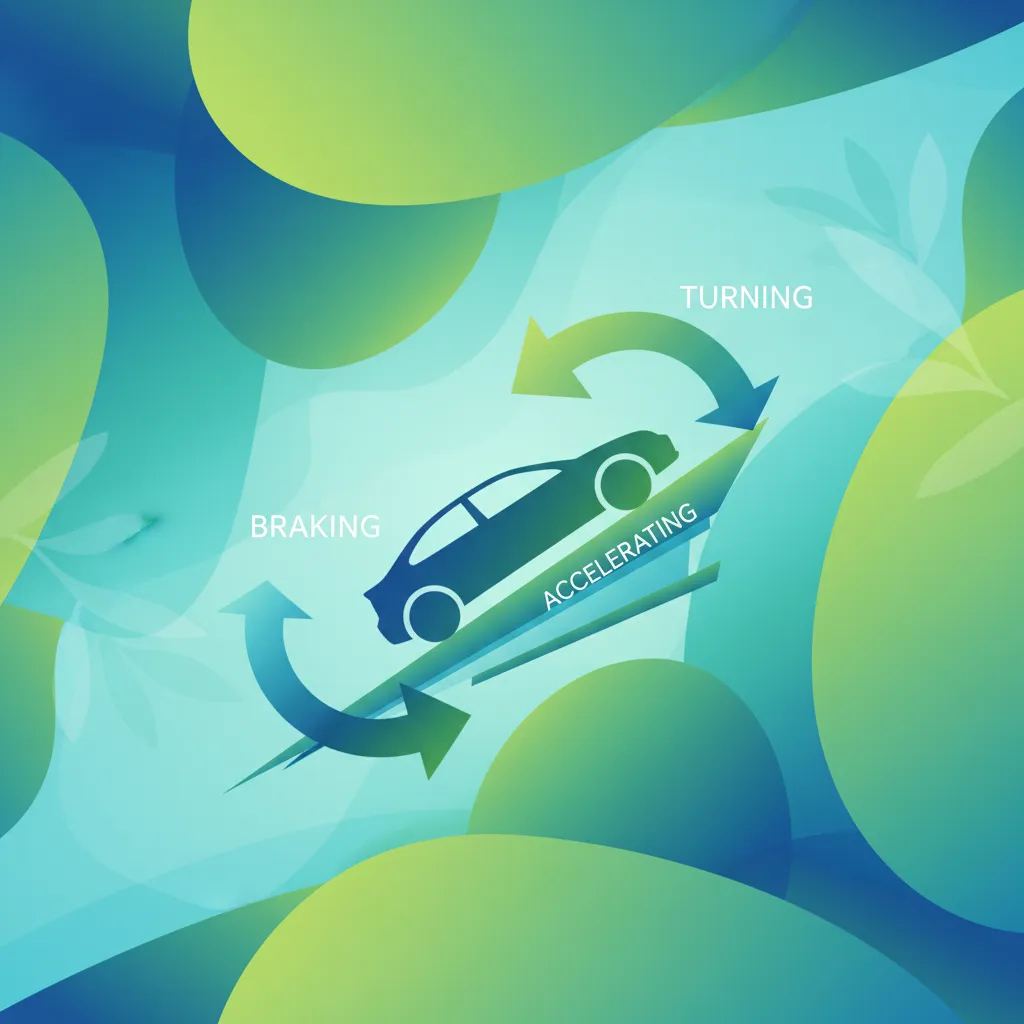
In this lesson, the principles of proper load distribution and maintaining an appropriate center of gravity are explored. It covers how uneven weight can cause trailer sway (snaking) and destabilize the towing vehicle. Learners will be instructed on DGT load limits, proper cargo arrangement, and tie-down methods to ensure safe transport.

This lesson explains the physical concept of the center of gravity and its critical importance in heavy vehicle stability. It details how the placement and distribution of cargo can raise or lower the center of gravity, affecting rollover risk and handling. The content also covers factors that contribute to vehicle sway and the principles of load balancing to maintain control during turns and maneuvers.
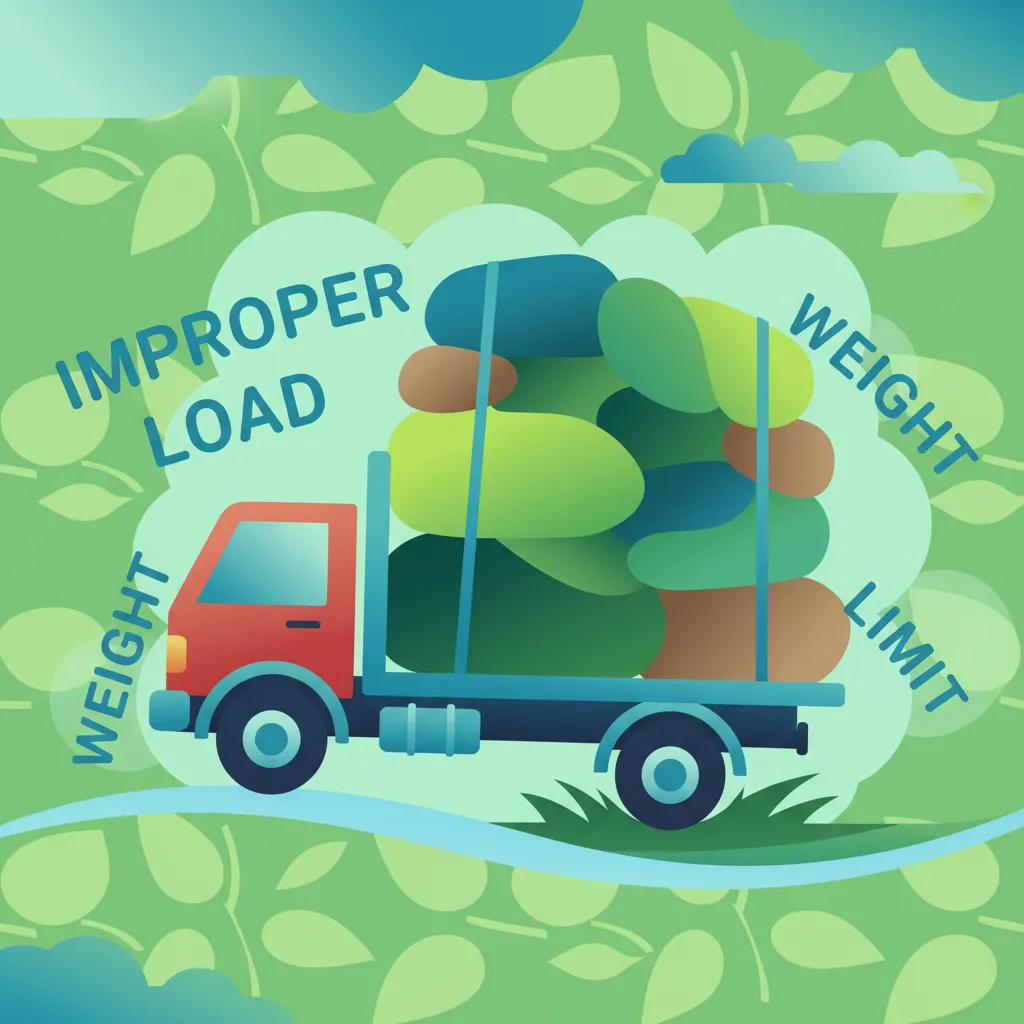
This lesson explains the critical importance of proper weight distribution and adherence to load limits for buses and coaches, focusing on gross vehicle weight and axle load regulations. It describes how passenger and cargo placement affects the centre of gravity, which in turn influences vehicle stability during acceleration, braking, and cornering. Learners will be taught best practices for load planning to ensure compliance and maintain safe handling.
This lesson examines the principles of maintaining a safe following distance, including the 'two-second rule' and its adjustments for speed and weather. It focuses on effective blind-spot management, teaching drivers how to use mirrors and head checks. The content integrates DGT guidelines on creating a safety buffer around the vehicle to allow time to react to unexpected events.
This lesson provides guidance on the practical aspects of parking and making deliveries in urban areas. It covers the techniques for safely maneuvering into and out of loading docks and designated delivery zones, which often involves precise reversing. The content also explains the specific parking regulations that apply to commercial vehicles and best practices for ensuring safety during loading and unloading.

This lesson focuses on defensive maneuvers in mixed traffic environments where various vehicles share the road. It outlines lane discipline, appropriate overtaking safety measures, and strategies for maintaining a safety corridor. The content incorporates DGT defensive guidelines, teaching riders to manage space and anticipate unpredictable driver behavior.

This lesson addresses the dynamics of accelerating, braking, and turning while towing a trailer. It explains how to adjust for increased load inertia, the impact on stopping distances, and the need for wider turns to account for off-tracking. The content outlines DGT speed guidelines specific to towing and emphasizes smooth control to ensure stability.

This lesson provides theoretical guidance on the techniques for safely reversing a heavy vehicle, a high-risk maneuver. It emphasizes the correct use of mirrors, managing extensive blind spots, and the importance of using a spotter when available. The content also breaks down the geometric principles of parallel parking and backing into loading docks, focusing on vehicle positioning and spatial awareness.
Find clear answers to common questions learners have about Maneuvering in Confined Spaces. Learn how the lesson is structured, which driving theory objectives it supports, and how it fits into the overall learning path of units and curriculum progression in Spain. These explanations help you understand key concepts, lesson flow, and exam focused study goals.
The primary challenges include the vehicle's large size, significant turning radius, limited visibility due to blind spots, and the need for extreme precision at low speeds. Urban environments often present additional obstacles like parked cars, pedestrians, and narrow road layouts that require careful navigation.
Blind spot awareness is paramount. Due to the length and height of buses, drivers cannot see directly behind or to the sides immediately adjacent to the vehicle. Using mirrors effectively, and sometimes external spotters, is crucial to avoid collisions with other vehicles, pedestrians, or infrastructure during maneuvers like reversing or turning.
Effective reverse driving involves using the mirrors extensively to monitor the path and obstacles. Steering input should be smooth and deliberate, with the driver typically turning the steering wheel in the direction they want the rear of the vehicle to move. Constant awareness of the vehicle's pivot point is key to preventing over-steering or under-steering.
The DGT theory exam for categories D and D1 includes questions specifically testing your knowledge of vehicle dynamics, safe maneuvering, and awareness of blind spots. This lesson directly addresses these topics, ensuring you understand the principles needed to answer situational questions correctly regarding complex driving scenarios.
While this lesson provides the theoretical understanding, practical application is best learned with a qualified instructor in a controlled environment, such as a driving school's dedicated training area or depot. Practicing these complex maneuvers without supervision can be dangerous.
Use our powerful search functionality to pinpoint specific Spanish DGT driving theory practice sets. Filter by road sign categories, traffic law topics, or question difficulty to build custom study sessions and reinforce your knowledge precisely where it matters for your official exam.