
Welcome to the 'Bus Lane Usage and Signage' lesson, part of the 'Urban Bus Driving' unit for your Spanish Professional Bus and Coach Theory (Category D & D1) preparation. Understanding and correctly navigating bus lanes is crucial for efficient urban operation and compliance with DGT regulations. This lesson will equip you with the knowledge to interpret the specific signs and road markings associated with these lanes.
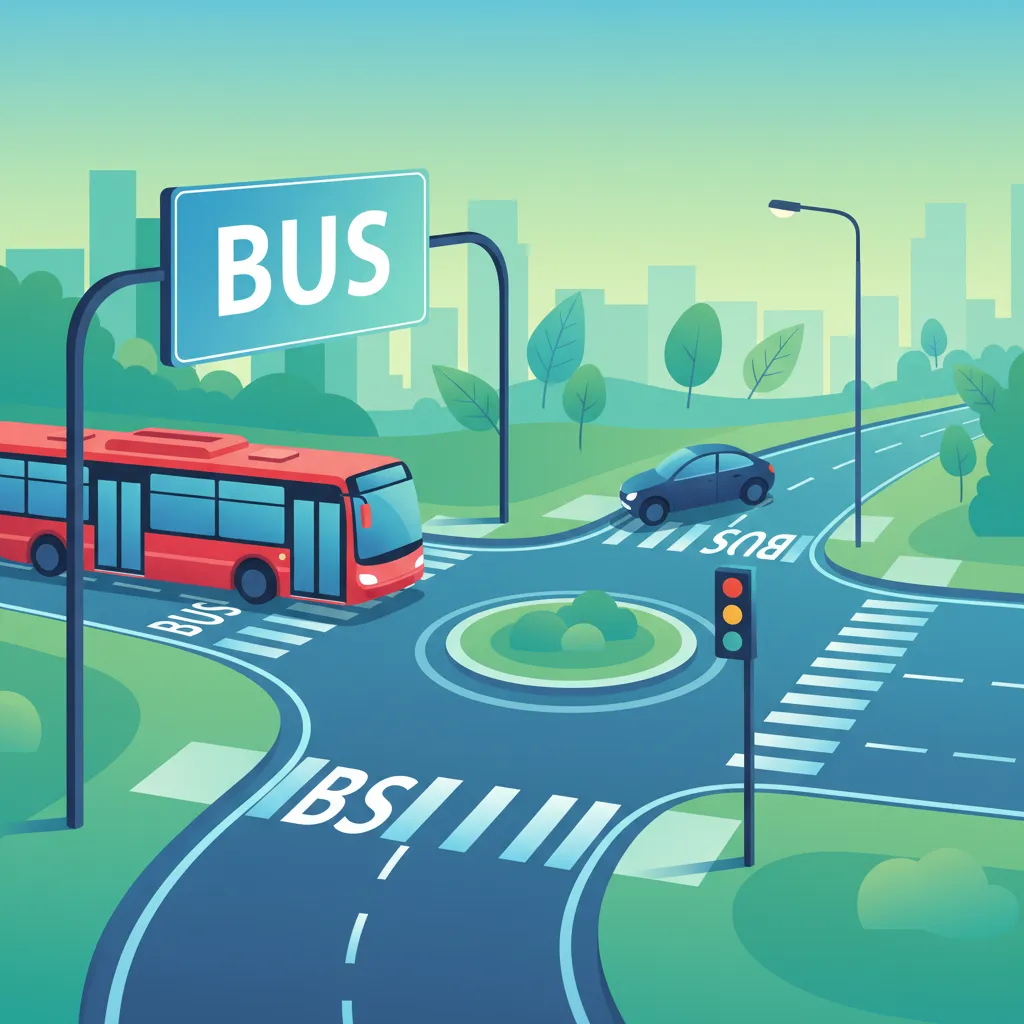
Lesson content overview
As a professional driver undertaking the Professional Bus and Coach Theory for Spanish Driving License – Category D & D1, mastering the rules governing bus lanes is essential. These dedicated road sections are critical for ensuring efficient public transport, managing urban congestion, and enhancing road safety. This lesson provides a detailed guide to interpreting bus lane signage, understanding usage regulations, and navigating these lanes correctly within Spain's urban environments. Correct application of these rules not only ensures compliance with DGT (Dirección General de Tráfico) regulations but also contributes to smoother traffic flow and reduced accident risk.
Bus lanes are specially designated road spaces intended primarily for public transport vehicles. Their fundamental purpose is to provide a clear, unimpeded path for buses, trolleybuses, and sometimes trams, thereby improving service reliability and journey times. For professional bus and coach drivers, understanding and correctly utilizing these lanes is paramount. It ensures adherence to schedules, enhances passenger experience, and prevents legal infractions.
The underlying logic behind bus lane implementation is multifaceted:
Bus lanes in Spain are not all identical; they can differ significantly in their rules of access and operation. Recognizing these distinctions is crucial for professional drivers.
An exclusive bus lane is a road section strictly reserved for specific authorized vehicles, primarily public transport buses, trolleybuses, and sometimes trams. These lanes are demarcated by clear white lines and often feature "BUS" or a bus symbol painted directly onto the road surface. In many Spanish cities, bicycles are also permitted to use exclusive bus lanes, providing a safer corridor for cyclists.
The practical meaning for drivers is that unless explicitly authorized by supplementary signage, no other vehicle type is allowed to enter or use an these lanes at any time. Violating this rule, even for a short distance, constitutes a serious infraction. For example, in cities like Madrid, lanes marked with a distinct green background and a white bus symbol are typically exclusive.
Mixed-use bus lanes offer more flexibility. While their primary function is still to serve public transport, they may permit other vehicle types, such as taxis, motorcycles, or even private cars, during specific off-peak hours. These lanes are identifiable by accompanying informational signs that detail the hours of operation and the vehicle categories allowed.
The key to navigating mixed-use bus lanes is strict adherence to the time-restricted access specified by the signage. Outside of the designated restricted periods, general traffic may be allowed to use the lane. This approach balances the needs of public transport during busy periods with the overall traffic flow during quieter times. For instance, a sign might indicate "BUS LANE 07:00-10:00 & 16:00-19:00 Mon-Fri," meaning that outside these hours, other vehicles could potentially use the lane if no other restrictions apply.
The effective use of bus lanes hinges on a driver's ability to accurately read and understand the associated road signs and markings. These visual cues provide immediate information about a lane's status, usage times, and permissible vehicles.
Bus lane signage falls into several categories, each conveying critical information:
In addition to signs, road markings provide vital, at-a-glance information:
For mixed-use bus lanes, understanding time-restricted access is paramount. Signage will clearly define the periods when the lane is exclusively for buses or other authorized vehicles.
For instance, a sign might state "Excepto L-V 10:00-16:00 y S-D" (Except Mon-Fri 10:00-16:00 and Sat-Sun), indicating that private vehicles may use the lane only during those specific windows. Ignoring these time restrictions is a common violation that carries penalties.
Entering and exiting bus lanes safely and legally requires attention to designated points and proper maneuvering. Abrupt or unauthorized lane changes can disrupt traffic flow and increase the risk of collisions, especially for large vehicles like buses.
Vehicles may only merge into a bus lane at points specifically indicated by signage or road markings. These entry points are often marked by broken white lines and sometimes by specific informational signs.
When entering, professional drivers must:
Similarly, leaving a bus lane must only occur at designated exit points, marked by broken white lines and often by signs indicating "SALIDA" (Exit) or directional arrows.
When exiting:
Understanding which vehicles are legally permitted to use bus lanes is essential, especially given that some categories may have specific regional or time-based allowances. For Category D and D1 drivers, your vehicle is generally authorized, but it's important to know the rules for others you might encounter.
The standard authorized vehicle categories include:
It is crucial for professional drivers to remember that private passenger cars are generally prohibited from bus lanes, except during specific off-peak hours in mixed-use lanes, provided this is explicitly stated on the signage.
Unauthorized use of a bus lane in Spain is a serious traffic infraction with clear legal consequences. The DGT enforces these regulations to ensure the efficiency and safety of public transport corridors.
While exact figures can vary or be updated, typical penalties in Spain for unauthorized bus lane use often include:
Enforcement can occur through various means:
Even experienced drivers can sometimes make mistakes when interacting with bus lanes. Being aware of common pitfalls can help professional drivers avoid unintentional violations.
Bus lane rules, while generally consistent across Spain, can be influenced by various contextual factors. Professional drivers must be adaptable and prepared for these variations.
The design and regulations of bus lanes are rooted in principles of safety, efficiency, and urban planning. Understanding these underlying reasons reinforces the importance of compliance.
Mastering bus lane usage and signage is a fundamental aspect of professional bus and coach driving in Spain. It directly impacts public transport efficiency, urban traffic management, and most importantly, road safety. By diligently observing signs, respecting time restrictions, and utilizing designated entry/exit points, Category D and D1 drivers contribute significantly to a safer and more orderly road network.
This lesson builds upon foundational knowledge of road signs, markings, and priority rules. The principles learned here are critical for more advanced topics in urban driving, such as:
This lesson covers the essential regulations for navigating dedicated bus lanes in Spanish urban environments, critical for Category D and D1 professional drivers. Learners must distinguish between exclusive bus lanes (reserved for buses at all times) and mixed-use lanes (sharing with taxis, motorcycles, or private cars during off-peak hours). Key skills include correctly interpreting regulatory signs, informational signs, and supplementary plates that specify operational hours, as well as understanding road markings such as solid versus broken white lines indicating lane boundaries and entry/exit points. Safe procedures require entering and exiting only at designated points, anticipating exits in advance, and yielding to vulnerable road users sharing the lane. Penalties for unauthorized entry include significant fines and point deductions that can threaten a professional driver's license, making compliance essential for both legal operation and road safety.
A short set of high-value points that capture the most important learning from this lesson.
Bus lanes in Spain are either exclusive (strictly for buses at all times) or mixed-use (allowing other vehicles during off-peak hours indicated by signage)
Only enter or exit bus lanes at designated points marked by broken white lines and specific signs
Time restrictions for mixed-use bus lanes typically apply during weekday peak hours (e.g., 07:00-10:00 and 16:00-19:00) and must be read precisely from accompanying signs
Regulatory signs (mandatory actions) always take precedence over informational signs when interpreting bus lane rules
Professional drivers must be especially vigilant for cyclists who often share bus lanes in Spanish cities
Explore all units and lessons included in this driving theory course.
Exclusive bus lanes show solid white line separation and BUS markings; mixed-use lanes include specific time schedules on signs
Entry points are marked by broken white lines and may show ENTRADA signs; exit points show SALIDA signs or directional arrows
Supplementary signs below main signs clarify additional authorized vehicles (bicycles, motorcycles) and specific time windows
Emergency vehicles with flashing lights and sirens may always use bus lanes regardless of restrictions
Temporary signage (orange/yellow) always supersedes permanent signs for roadworks or special events
Entering a bus lane at a point other than a designated entry marked by broken white lines
Misreading time restrictions by assuming off-peak hours apply without checking the specific sign details for days and hours
Relying solely on GPS navigation which may not reflect current bus lane restrictions in real time
Confusing bus lanes with adjacent bike lanes, taxi lanes, or other designated lanes due to similar road markings
Failing to yield to cyclists or motorcyclists when exiting a bus lane, especially when turning or changing lanes
Lesson content overview
A short set of high-value points that capture the most important learning from this lesson.
Bus lanes in Spain are either exclusive (strictly for buses at all times) or mixed-use (allowing other vehicles during off-peak hours indicated by signage)
Only enter or exit bus lanes at designated points marked by broken white lines and specific signs
Time restrictions for mixed-use bus lanes typically apply during weekday peak hours (e.g., 07:00-10:00 and 16:00-19:00) and must be read precisely from accompanying signs
Regulatory signs (mandatory actions) always take precedence over informational signs when interpreting bus lane rules
Professional drivers must be especially vigilant for cyclists who often share bus lanes in Spanish cities
Explore all units and lessons included in this driving theory course.
Exclusive bus lanes show solid white line separation and BUS markings; mixed-use lanes include specific time schedules on signs
Entry points are marked by broken white lines and may show ENTRADA signs; exit points show SALIDA signs or directional arrows
Supplementary signs below main signs clarify additional authorized vehicles (bicycles, motorcycles) and specific time windows
Emergency vehicles with flashing lights and sirens may always use bus lanes regardless of restrictions
Temporary signage (orange/yellow) always supersedes permanent signs for roadworks or special events
Entering a bus lane at a point other than a designated entry marked by broken white lines
Misreading time restrictions by assuming off-peak hours apply without checking the specific sign details for days and hours
Relying solely on GPS navigation which may not reflect current bus lane restrictions in real time
Confusing bus lanes with adjacent bike lanes, taxi lanes, or other designated lanes due to similar road markings
Failing to yield to cyclists or motorcyclists when exiting a bus lane, especially when turning or changing lanes
Explore search topics learners often look for when studying Bus Lane Usage and Signage. These topics reflect common questions about road rules, driving situations, safety guidance, and lesson level theory preparation for learners in Spain.
Browse additional driving theory lessons that cover connected traffic rules, road signs, and common driving situations related to this topic. Improve your understanding of how different rules interact across everyday traffic scenarios.
Explore the regulations for mixed-use bus lanes in Spain. Learn which vehicles are permitted, understand time-restricted access, and identify signs and markings for sharing bus lanes with taxis and motorcycles.

This lesson focuses on interaction dynamics with larger vehicles like cars, trucks, and buses, detailing their specific blind spot zones. Strategies for safely sharing lanes, overtaking etiquette, and proper approach when a bus stops are covered. The lesson also includes guidance on merging onto acceleration lanes following DGT policies.

This lesson addresses overtaking procedures and lane discipline specifically for large coaches, emphasizing correct lane positioning and safe passing practices on multi-lane highways. It covers the legal rules for overtaking, the critical need for comprehensive blind spot checks before changing lanes, and the importance of signaling intentions early. Learners will also be taught how to maintain appropriate safety gaps when maneuvering around slower-moving traffic.

This lesson discusses the infrastructure dedicated to cyclists, covering dedicated bike lanes and the rules governing interaction and overtaking. It explains DGT regulations on safe passing distances and how to navigate mixed-traffic scenarios where vehicles and bicycles share the road. The content emphasizes driver responsibilities to maintain a safe corridor and respect cyclist priority.
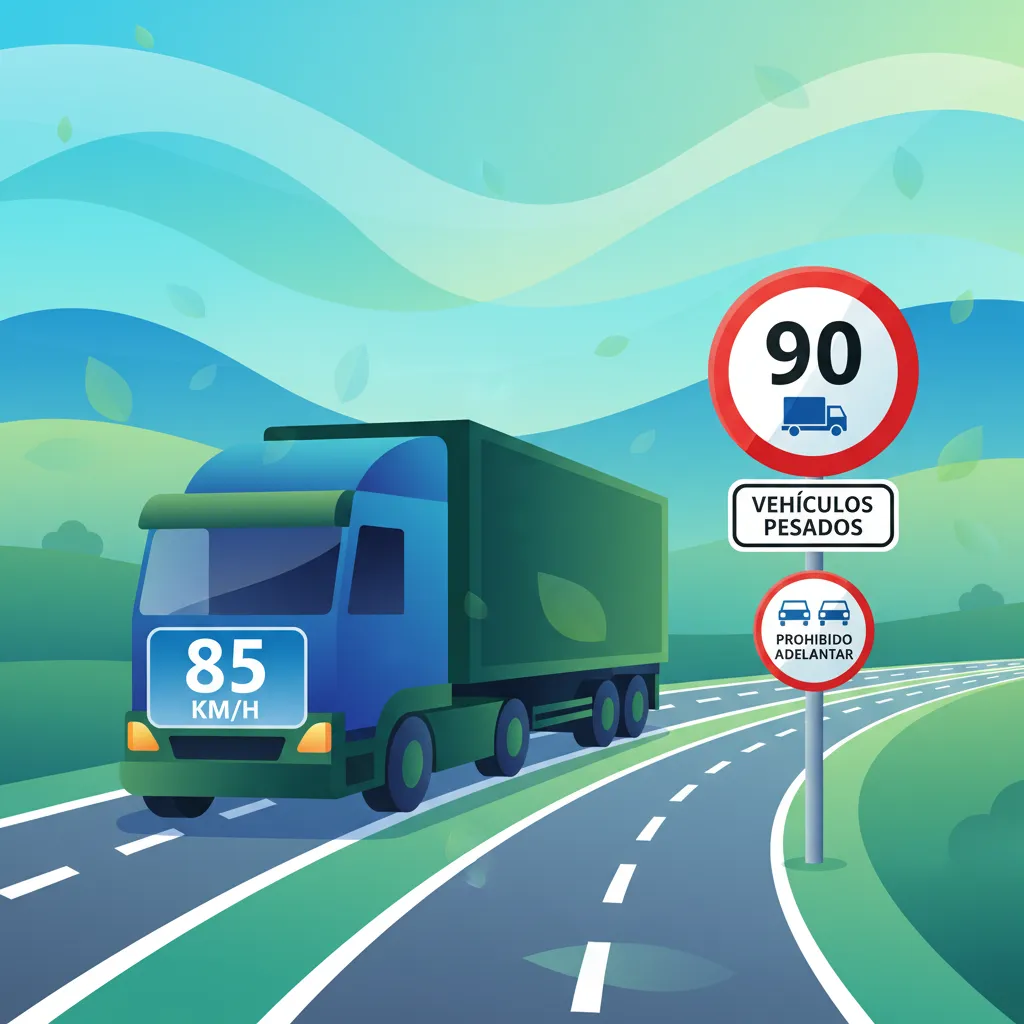
This lesson details the specific legal speed limits that apply to heavy passenger vehicles on Spanish highways, including variable speed zones that adjust based on traffic and weather conditions. Learners will understand the methods for speed monitoring, the function of speed control devices, and the legal consequences of non-compliance. The content also provides guidance on calculating a safe operating speed based on vehicle load and road conditions.

This lesson defines proper lane discipline on highways, emphasizing correct lane positioning and the rule to drive in the right-hand lane except when overtaking. It details safe merging onto main carriageways from an acceleration lane and effective exit strategies using deceleration lanes. Learners will understand DGT merge rules and the importance of signaling lane changes early.

This lesson offers a comprehensive guide to navigating roundabouts in urban settings, explaining the correct protocols for entry, yielding, and circulation. Learners will be taught how to interpret lane markings and signage on multi-lane roundabouts and determine the correct vehicle positioning for safe entry and exit. The content emphasizes full compliance with Spanish city regulations that govern priority and right-of-way at these intersections.
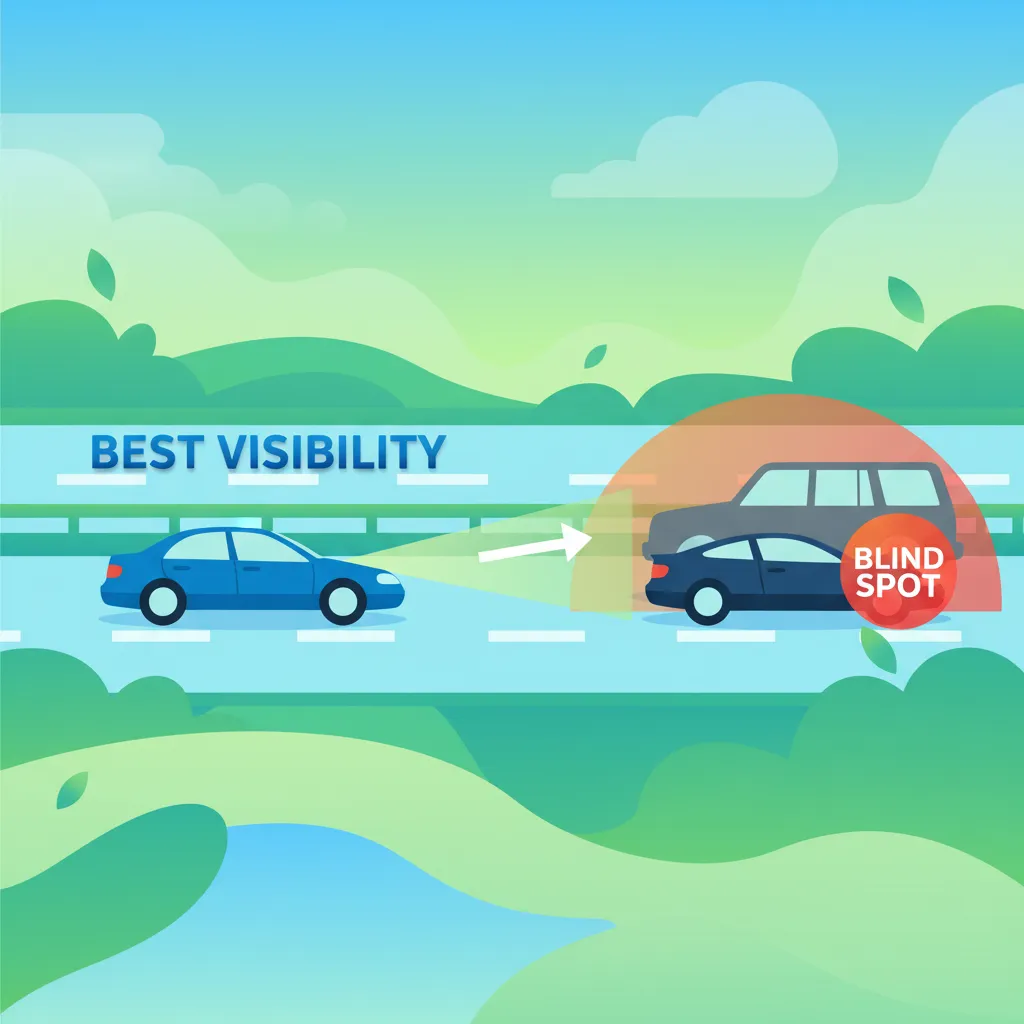
This lesson explores proper lane positioning, emphasizing strategic selection of traffic lanes for optimal visibility. It explains the importance of rider line of sight and peripheral vision in maintaining situational awareness. The content also covers legal aspects of lane splitting and correct usage of road shoulders, abiding by DGT regulations.
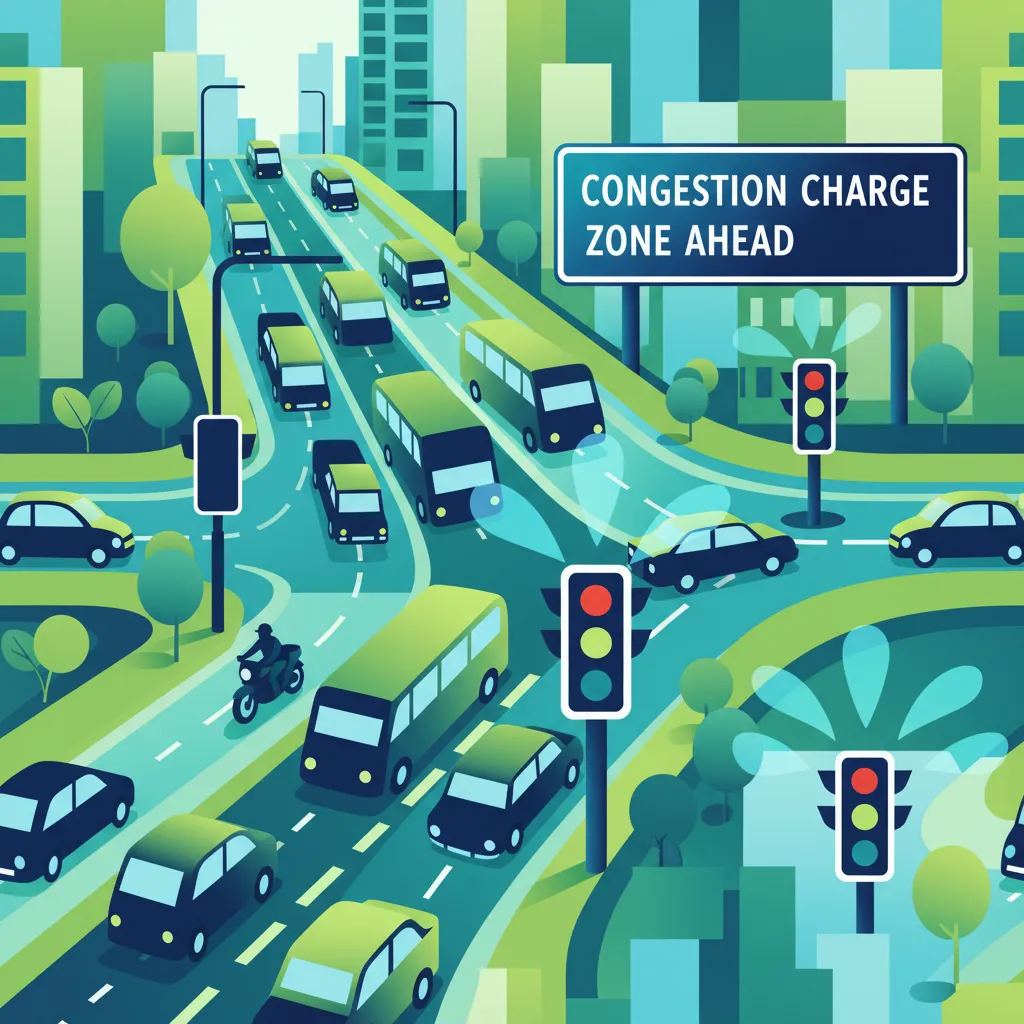
This lesson investigates the complex patterns of urban traffic flow, with a particular focus on peak hour congestion and its effect on bus schedules. Learners will study route optimization techniques and headway management to maintain consistent service intervals. The material also covers the analysis of lane occupancy, coordination with traffic signals, and strategies for prioritizing public transport during periods of high traffic density.
This lesson explains the fundamental DGT regulations that govern public transport services, including requirements for operational permits and route authorizations. It covers the mandatory schedules for vehicle inspections, standards for emissions, and the legal importance of adhering to timetables and service quality. Learners will also understand the nature of regulatory audits and compliance checks that operators must undergo.

In this lesson, learners will acquire the necessary skills to maneuver buses and coaches within confined areas such as narrow city streets, bus depots, and passenger terminals. It details techniques for reverse driving, tight cornering, and parallel parking, emphasizing the critical importance of blind spot awareness and precise low-speed control. The content focuses on developing spatial awareness to avoid collisions while maintaining passenger comfort.
Understand the penalties for unauthorized bus lane use in Spain, including fines and point deductions. Learn about enforcement methods like cameras and police, and how to avoid common violations as a professional driver.
This lesson details the specific legal speed limits that apply to heavy passenger vehicles on Spanish highways, including variable speed zones that adjust based on traffic and weather conditions. Learners will understand the methods for speed monitoring, the function of speed control devices, and the legal consequences of non-compliance. The content also provides guidance on calculating a safe operating speed based on vehicle load and road conditions.
This lesson addresses overtaking procedures and lane discipline specifically for large coaches, emphasizing correct lane positioning and safe passing practices on multi-lane highways. It covers the legal rules for overtaking, the critical need for comprehensive blind spot checks before changing lanes, and the importance of signaling intentions early. Learners will also be taught how to maintain appropriate safety gaps when maneuvering around slower-moving traffic.

This lesson details the legal requirements for the use of seatbelts and child restraint systems in buses and coaches, as stipulated by DGT regulations. It specifies the age and size limits for various restraint devices and explains the verification checks drivers must perform. Learners will also review safety statistics that highlight the importance of correct usage and understand the legal penalties associated with non-compliance.

This lesson focuses on the legal duty of care that professional bus drivers owe to their passengers, emphasizing the obligation to ensure safe transport. It examines the specific traffic laws applicable to heavy vehicles and the consequences of violations, such as fines and license sanctions. The content also details the mandatory procedures for reporting incidents and the essential insurance coverage required by the DGT.
This lesson explains the fundamental DGT regulations that govern public transport services, including requirements for operational permits and route authorizations. It covers the mandatory schedules for vehicle inspections, standards for emissions, and the legal importance of adhering to timetables and service quality. Learners will also understand the nature of regulatory audits and compliance checks that operators must undergo.
Find clear answers to common questions learners have about Bus Lane Usage and Signage. Learn how the lesson is structured, which driving theory objectives it supports, and how it fits into the overall learning path of units and curriculum progression in Spain. These explanations help you understand key concepts, lesson flow, and exam focused study goals.
The most common signs include the R-402 sign, which indicates a mandatory lane for buses, and informational signs (like the IM-402) specifying times of operation or allowed vehicles. Road markings, such as 'BUS-VAO' or specific coloured lines, also denote these lanes. Always pay close attention to both signs and markings for complete understanding.
Generally, no, unless specific signage permits it. Bus lanes are typically reserved for buses, and sometimes taxis or vehicles with multiple occupants (VAO). The signs will clearly state any exceptions, including specific times of day or days of the week when other vehicles might be allowed to use the lane. Unauthorized entry can result in fines.
Using a bus lane without authorization in Spain can lead to significant fines, typically around €200. These lanes are enforced to ensure efficient public transport movement, and non-compliance disrupts traffic flow and passenger services. The DGT theory exam will test your knowledge of these penalties.
Bus lanes often have specific operating hours indicated by accompanying signs, usually showing a timeframe like '07:00-19:00' or specific days. If no times are displayed, the lane may be restricted to buses at all times. Electronic signs can also dynamically change restrictions based on traffic conditions.
The rules for bus lanes are largely consistent across bus categories (D and D1), focusing on the principle of reserving the lane for authorized vehicles. The Spanish 'Reglamento General de Circulación' and the DGT's official study materials provide detailed guidance. This lesson covers the core principles relevant to both D and D1 categories for your theory exam preparation.
Use our powerful search functionality to pinpoint specific Spanish DGT driving theory practice sets. Filter by road sign categories, traffic law topics, or question difficulty to build custom study sessions and reinforce your knowledge precisely where it matters for your official exam.