
Welcome to the lesson on Common Beginner Mistakes and Corrections! As you progress through your A, A1, A2 motorcycle license preparation, mastering these common errors is crucial. This lesson builds on basic controls and low-speed handling, directly preparing you for real-world riding and specific DGT exam scenarios.
Lesson content overview
Embarking on your journey to earn an A, A1, or A2 motorcycle licence in Spain requires not just understanding the rules, but also mastering fundamental control techniques. This lesson is designed to identify and correct the most frequent errors new riders make, which are crucial for success in the Spanish DGT theory exam and, more importantly, for safe riding in the real world. Many beginner mistakes stem from a lack of coordination and understanding of how rider inputs affect the motorcycle's dynamics. By recognizing these pitfalls and applying precise corrective techniques, you can develop safe and efficient riding habits.
Beginner errors are a natural part of the learning process, but on a motorcycle, they can have significant safety implications. These mistakes directly affect vehicle stability, stopping distance, and overall rider safety. They often arise from an over-reliance on one sense, such as visually fixating on an obstacle, while neglecting crucial proprioceptive feedback from the motorcycle and its controls. Correcting these errors involves understanding the underlying physics of acceleration, deceleration, and torque transfer, along with adhering to legal obligations stipulated in the Spanish Reglamento General de Circulación (RGC).
This lesson builds upon your foundational knowledge from areas such as Balance & Low-Speed Control and Braking Techniques, and will prepare you for advanced topics like Cornering & Advanced Control.
The General Traffic Regulations of Spain, outlining the rules for all road users.
Effective motorcycle control relies on a few fundamental principles that, when neglected, lead to common beginner mistakes.
| Principle | Definition | Purpose / Rationale | Implications |
|---|---|---|---|
| Throttle Modulation | Smooth scaling of engine power via the throttle grip. | Prevents abrupt acceleration that can destabilize the bike, especially at low speeds. | Influences rider’s ability to maintain traction and control during starts, stops, and maneuvering. |
| Clutch Engagement Timing | Precise coordination of clutch lever release with throttle input. | Ensures smooth power transfer without stalling or loss of traction. | Affects gear changes, acceleration smoothness, and prevents “riding the clutch”. |
| Dual-Brake Synchronisation | Simultaneous and proportionate use of front and rear brakes. | Maximises stopping power while maintaining stability and preventing wheel lock. | Determines safe stopping distances and reduces risk of low-speed skids. |
| Gear-Shift Logic | Selecting appropriate gear based on speed, engine rpm, and road conditions. | Keeps engine within optimal power band, improves fuel efficiency and control. | Prevents over-revving, stalling, or under-use of engine braking. |
| Visual-Peripheral Awareness | Maintaining a forward focus while using peripheral vision for situational awareness. | Prevents “tunnel vision” that can cause delayed reactions to hazards. | Directly influences decision-making speed and safety positioning. |
Mastering motorcycle control involves developing fine motor skills and an intuitive understanding of the bike's responses. Here, we delve into specific beginner errors and provide actionable corrective techniques.
Excessive opening of the throttle grip, causing sudden and often uncontrolled acceleration, particularly at low speeds or from a stationary position.
Throttle over-application is a common error where riders apply too much power too quickly. This can manifest as a sudden lurch forward from a stop (static throttle spike) or an abrupt burst of speed when entering a corner (dynamic over-throttle). This mistake often stems from a misunderstanding that "more throttle equals faster start," neglecting the critical role of traction limits and smooth power delivery.
Why it's dangerous: Sudden acceleration can lead to loss of rear-wheel traction, causing wheel spin or unexpected forward motion that can destabilise the motorcycle and lead to a fall. It also compromises the rider's ability to maintain a predictable path, especially at low speeds or in tight manoeuvres.
Relevant Spanish Regulation: The Reglamento General de Circulación (RGC) Article 71 mandates that riders must control their vehicle to avoid endangering others. An uncontrolled lurch forward due to excessive throttle can clearly violate this.
Correction Techniques:
Gentle Wrist Movement: Practice making small, precise movements with your wrist to control the throttle. Think of it as rolling a volume knob rather than twisting an accelerator.
Coordinate with Clutch: When starting, coordinate throttle input with clutch release. The throttle should only increase gently as the clutch begins to engage, allowing for a smooth power transfer to the rear wheel.
Low-Speed Drills: Practice slow-speed manoeuvres in a safe, open area. This helps develop the fine motor control needed for gentle throttle application and improves balance.
Look Ahead: Focus your vision further ahead, not directly at the front wheel. This helps smooth out inputs by allowing for anticipation rather than reactionary movements.
Remember that a motorcycle's engine provides immediate torque. Small throttle adjustments make a big difference, especially at lower RPMs and speeds.
Inappropriate operation of the clutch lever, including keeping it partially engaged while moving (riding the clutch) or releasing it too abruptly, which can lead to stalling.
The clutch is a crucial component for smooth power delivery. Beginner riders often misuse it in two main ways:
Why it's dangerous: Riding the clutch reduces control and can lead to clutch failure, especially during demanding situations like hill starts. An abrupt release can cause a stall, leaving you vulnerable in traffic, or a dangerous lurch that could lead to a collision.
Relevant Spanish Regulation: RGC Article 71-6 specifies that the vehicle must be moved in a safe manner, which inherently includes proper control usage to prevent sudden, uncontrolled movements or stops.
Correction Techniques:
Find the Friction Zone: Practice finding the "friction zone"—the point where the clutch begins to transfer power to the rear wheel. Do this repeatedly without adding throttle until you can feel it consistently.
Smooth and Progressive Release: When starting or shifting, release the clutch smoothly and progressively through the friction zone while coordinating with gentle throttle input.
Full Engagement/Disengagement: When not actively shifting or maneuvering at very low speeds (e.g., parking lot), the clutch should either be fully engaged (lever fully out) or fully disengaged (lever fully in). Avoid hovering in the friction zone for extended periods.
Practice Starts: Regularly practice starting from a stop on flat ground, then on slight inclines, to build muscle memory for coordinated clutch and throttle action.
Riding the clutch is sometimes necessary for very slow-speed maneuvers (e.g., U-turns in tight spaces) to maintain balance, but it should be done intentionally and sparingly to avoid excessive wear.
Incorrect sequence or duration of brake application, such as applying the front brake too early, relying excessively on the rear brake, or delaying braking until too close to a hazard.
Effective braking is paramount for safety. Common beginner errors include:
Why it's dangerous: Improper braking directly increases stopping distances, destabilizes the motorcycle, and significantly raises the risk of skidding or collision. In emergency situations, every metre counts.
Relevant Spanish Regulation: RGC Article 71-2 states that brakes must be applied safely and proportionally to maintain stability. This directly implies the need for balanced front and rear brake usage.
Correction Techniques:
Simultaneous Application: Always apply both front and rear brakes simultaneously. The front brake lever is operated by the right hand, and the rear brake pedal by the right foot.
Progressive Pressure: Begin with gentle pressure on both brakes, then progressively increase pressure on the front brake as weight transfers forward. Maintain lighter, consistent pressure on the rear brake.
Practice Emergency Stops: In a safe, controlled environment, practice emergency stops to develop muscle memory for applying maximum effective braking without locking wheels.
Look Through the Stop: Keep your eyes focused on your intended stopping point, not down at the front wheel. This helps maintain balance and direction.
On wet or slippery surfaces, brake application must be even more gentle and progressive. Increasing the rear brake bias slightly in these conditions can help maintain stability, but the front brake remains critical.
Selecting an inappropriate gear for the motorcycle's speed, engine RPM (Revolutions per Minute), or the prevailing road conditions, leading to either over-revving or lugging the engine.
Gear selection is fundamental to maintaining optimal control and efficiency. Beginner riders often struggle with:
Why it's dangerous: Both over-revving and lugging can lead to a loss of controlled acceleration or deceleration. Over-revving during a downshift without proper rev-matching can cause the rear wheel to lock or skip, while lugging leaves you with insufficient power for evasive manoeuvres or climbing hills.
Relevant Spanish Regulation: RGC Article 69 requires vehicles to be driven at a speed appropriate for conditions and vehicle capabilities. This implicitly includes using the correct gear to match speed and maintain control.
Correction Techniques:
Listen to Your Engine: Pay attention to the sound and feel of your engine. It will tell you if it's struggling (too high a gear) or screaming (too low a gear).
Monitor RPMs: Most motorcycles have a tachometer (RPM gauge). Learn the optimal RPM range for your bike for both accelerating and cruising. Aim to keep the engine in its power band.
Pre-Select Gears: Anticipate upcoming changes in speed or terrain. For example, downshift before entering a turn or approaching a hill so you are in the correct gear to accelerate smoothly out of it.
Rev-Matching (Advanced): For smoother downshifts and to prevent rear-wheel lock, especially at higher speeds, practice "rev-matching." This involves blipping the throttle slightly as you downshift to match engine RPMs to the lower gear's speed.
Engine braking, achieved by downshifting and releasing the clutch, is a powerful deceleration tool. Learn to use it in conjunction with your friction brakes for controlled slowing.
Over-concentration on a single point or hazard, neglecting the broader peripheral information needed for safe lane positioning, hazard anticipation, and overall situational awareness.
New riders often fall victim to "tunnel vision" – fixing their gaze on an immediate threat or a single point, which can lead them to steer towards it. This happens at the expense of scanning the environment, missing other potential hazards, traffic movements, or opportunities for evasive action. Another related error is late scanning, failing to survey the environment before initiating a manoeuvre.
Why it's dangerous: Tunnel vision significantly increases reaction time and can lead directly to collisions. If you're only looking at the car in front, you might miss a pedestrian stepping out from the side, a change in road surface, or a signal from another vehicle. It reduces your ability to make informed decisions and find escape routes.
Relevant Spanish Regulation: RGC Article 19 mandates drivers to maintain a safe distance and vigilance, ensuring they can stop at any time. This requires constant, comprehensive visual scanning.
Correction Techniques:
Scan, Don't Stare: Continuously move your eyes, actively scanning your surroundings – far ahead, near, left, right, and into your mirrors. Don't fixate on any single object for too long.
Look Where You Want to Go: Your motorcycle tends to go where your eyes are looking. If you fixate on a pothole, you're more likely to hit it. Instead, look around obstacles and towards your escape path.
Use Peripheral Vision: Train yourself to be aware of movement and changes in your peripheral vision while maintaining a forward focus. This helps detect unexpected hazards approaching from the sides.
Pre-Manoeuvre Checks: Before changing lanes, turning, or entering an intersection, perform a thorough scan of your mirrors and blind spots. This ensures you have a clear picture of the traffic around you.
When approaching a curve, look through the curve to its exit. This helps you maintain a smooth line and anticipate the road ahead.
Understanding the legal framework governing motorcycle operation in Spain is critical. The Reglamento General de Circulación (RGC) sets clear expectations for vehicle control and rider behaviour. Violations of these articles due to beginner mistakes can lead to fines and points on your licence.
| Rule (RGC Article) | Applicability | Legal Status | Rationale | Correct Example | Incorrect Example |
|---|---|---|---|---|---|
| Art. 71 – Safe Control of Vehicle | All road situations | Mandatory | Prevents endangering others through uncontrolled maneuvers. | Smooth throttle increase when starting from a stop. | Sudden throttle spike causing forward lurch. |
| Art. 71-6 – Proper Use of Controls | Vehicle operation | Mandatory | Ensures controls (clutch, brakes) are used safely. | Coordinated clutch-throttle release for smooth acceleration. | Riding clutch partially engaged while moving, causing excessive wear. |
| Art. 71-2 – Braking | Any need to reduce speed | Mandatory | Requires proportional braking to maintain stability and prevent skidding. | Simultaneous front/rear brake application with appropriate pressure. | Using only rear brake at high speed, causing a long stop and instability. |
| Art. 69 – Speed Appropriateness | All driving contexts | Mandatory | Vehicle speed must match road, traffic, and vehicle capability. | Selecting a gear that keeps the engine RPM in its optimal range for current speed and conditions. | Over-revving in first gear on a main road or attempting to climb a steep hill in a high gear. |
| Art. 19 – Safe Distance & Vigilance | Following and overtaking | Mandatory | Provides space for reaction to unexpected events and ensures continuous awareness. | Maintaining adequate distance from the vehicle ahead while constantly scanning surroundings. | Tailgating a slower vehicle while fixated on its brake lights, ignoring other traffic. |
The impact and correction of beginner mistakes are often influenced by prevailing conditions. Adapting your technique to the environment is a hallmark of an experienced rider.
Let's illustrate these concepts with practical scenarios that reflect situations you might encounter in the DGT exam or daily riding.
Setting: A busy residential street, dry pavement, moderate traffic, with a traffic light turning green. Decision Point: How to start smoothly without jerking or stalling, integrating into traffic flow.
Setting: Approaching an urban crossroads at 50 km/h, when a child suddenly runs into the road from behind a parked car. Decision Point: Decelerate rapidly and safely, maximizing stopping power.
Setting: A rural two-lane road with a moderate curve, during light rain. Decision Point: Entering the curve safely and maintaining stability.
To summarize, mastering motorcycle control and avoiding common beginner mistakes involves:
By conscientiously practicing these techniques, you will not only improve your riding skills but also significantly enhance your safety and confidence on the road, paving the way for success in your Spanish Motorcycle Theory Exam for A, A1, and A2 licences.
This lesson addresses five fundamental beginner motorcycle errors—throttle over-application, clutch misuse, improper braking timing, gear-shift mistakes, and visual focus errors—each with defined dangers, correction techniques, and references to Spanish traffic law. Learners benefit from understanding the underlying physics of traction, weight transfer, and torque alongside practical drills like finding the friction zone and practicing simultaneous front-rear braking. The content connects theoretical knowledge to real-world scenarios including urban starts, emergency stops, and wet weather cornering, preparing riders for both DGT exam questions and safe operation in Spanish traffic conditions.
A short set of high-value points that capture the most important learning from this lesson.
Throttle control requires smooth, gradual wrist movements rather than aggressive acceleration, especially at low speeds where traction limits are critical.
Clutch operation should be either fully engaged or fully disengaged; prolonged hovering in the friction zone causes excessive wear and reduces control.
Effective braking uses simultaneous front and rear brake application with progressive pressure, leveraging weight transfer to maximize stopping power.
Gear selection must match speed and engine RPM to prevent either over-revving (excessive RPM in low gear) or lugging (struggling in too high a gear).
Visual awareness requires continuous scanning rather than fixating on single hazards, as motorcycles naturally follow where the rider looks.
Explore all units and lessons included in this driving theory course.
The front brake provides up to 70% of stopping power due to weight transfer during deceleration, but must be applied progressively to avoid wheel lock.
The friction zone is the clutch lever position where power transfer begins; finding this point repeatedly builds the muscle memory needed for smooth starts.
Tunnel vision causes riders to steer toward objects they stare at, making broad peripheral scanning essential for hazard detection.
Spanish RGC Article 71 mandates that riders control their vehicle to avoid endangering others, covering all control inputs from throttle to brakes.
Engine braking through downshifting complements friction brakes for controlled deceleration, especially on longer descents.
Releasing the clutch too abruptly or opening throttle before clutch engagement, causing engine stalls or violent forward lurches.
Relying exclusively on the rear brake at higher speeds, which dramatically increases stopping distance and risks rear wheel slide.
Fixating on a pothole or obstacle instead of looking toward the escape path, which increases the likelihood of hitting the hazard.
Riding the clutch with lever partially pressed while moving, generating excess heat and premature wear on clutch plates.
Entering curves with excessive speed or chopping the throttle mid-corner, which destabilizes the chassis and reduces traction.
Lesson content overview
A short set of high-value points that capture the most important learning from this lesson.
Throttle control requires smooth, gradual wrist movements rather than aggressive acceleration, especially at low speeds where traction limits are critical.
Clutch operation should be either fully engaged or fully disengaged; prolonged hovering in the friction zone causes excessive wear and reduces control.
Effective braking uses simultaneous front and rear brake application with progressive pressure, leveraging weight transfer to maximize stopping power.
Gear selection must match speed and engine RPM to prevent either over-revving (excessive RPM in low gear) or lugging (struggling in too high a gear).
Visual awareness requires continuous scanning rather than fixating on single hazards, as motorcycles naturally follow where the rider looks.
Explore all units and lessons included in this driving theory course.
The front brake provides up to 70% of stopping power due to weight transfer during deceleration, but must be applied progressively to avoid wheel lock.
The friction zone is the clutch lever position where power transfer begins; finding this point repeatedly builds the muscle memory needed for smooth starts.
Tunnel vision causes riders to steer toward objects they stare at, making broad peripheral scanning essential for hazard detection.
Spanish RGC Article 71 mandates that riders control their vehicle to avoid endangering others, covering all control inputs from throttle to brakes.
Engine braking through downshifting complements friction brakes for controlled deceleration, especially on longer descents.
Releasing the clutch too abruptly or opening throttle before clutch engagement, causing engine stalls or violent forward lurches.
Relying exclusively on the rear brake at higher speeds, which dramatically increases stopping distance and risks rear wheel slide.
Fixating on a pothole or obstacle instead of looking toward the escape path, which increases the likelihood of hitting the hazard.
Riding the clutch with lever partially pressed while moving, generating excess heat and premature wear on clutch plates.
Entering curves with excessive speed or chopping the throttle mid-corner, which destabilizes the chassis and reduces traction.
Explore search topics learners often look for when studying Common Beginner Mistakes and Corrections. These topics reflect common questions about road rules, driving situations, safety guidance, and lesson level theory preparation for learners in Spain.
Browse additional driving theory lessons that cover connected traffic rules, road signs, and common driving situations related to this topic. Improve your understanding of how different rules interact across everyday traffic scenarios.
Learn to identify and fix frequent errors in throttle use, clutch engagement, and braking for motorcycle control. This lesson provides essential techniques for new riders preparing for the Spanish DGT theory exam and safe riding in Spain.
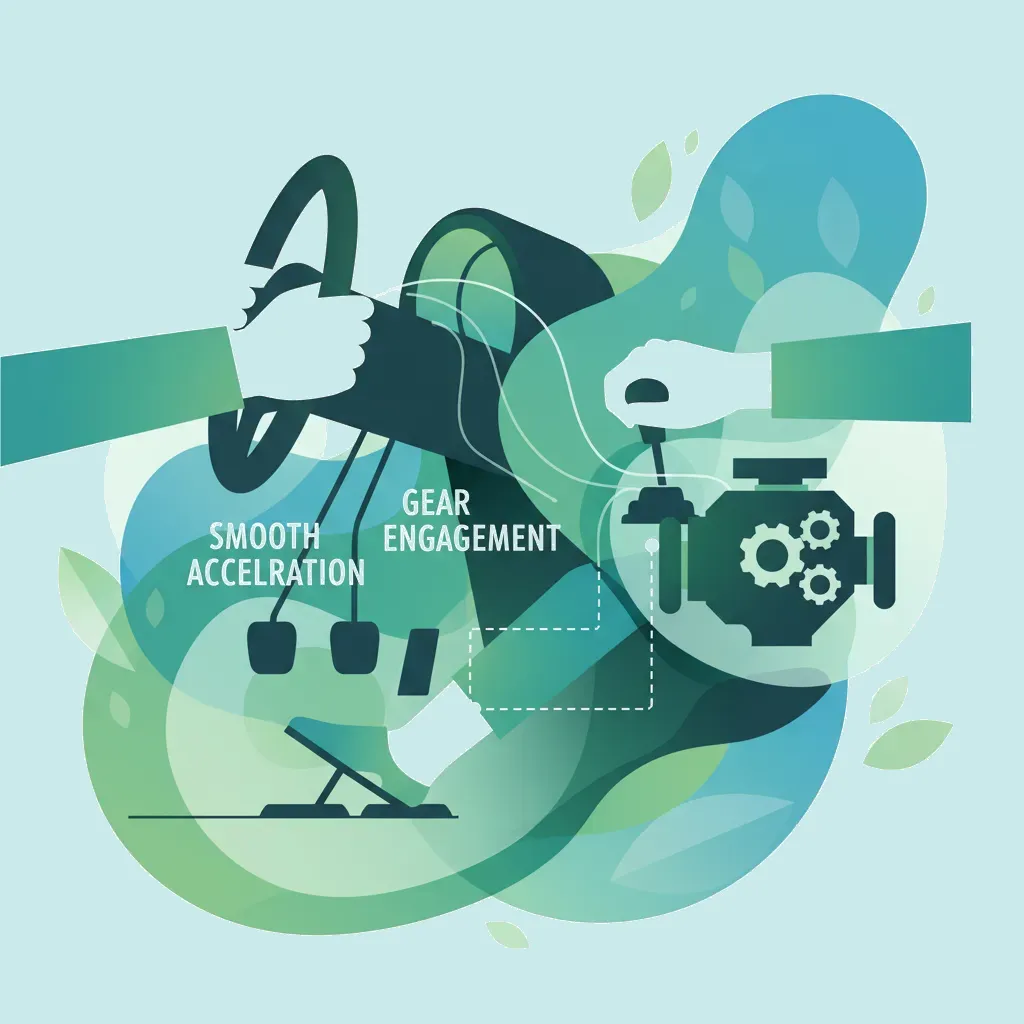
This lesson explains the synchronized operation of the throttle, clutch, and gear selector, detailing how power delivery is modulated. It introduces the typical gear shifting pattern, explains the purpose of neutral, and discusses appropriate rpm ranges for upshifts and downshifts. Emphasis is placed on rider coordination for smooth acceleration and effective engine braking.
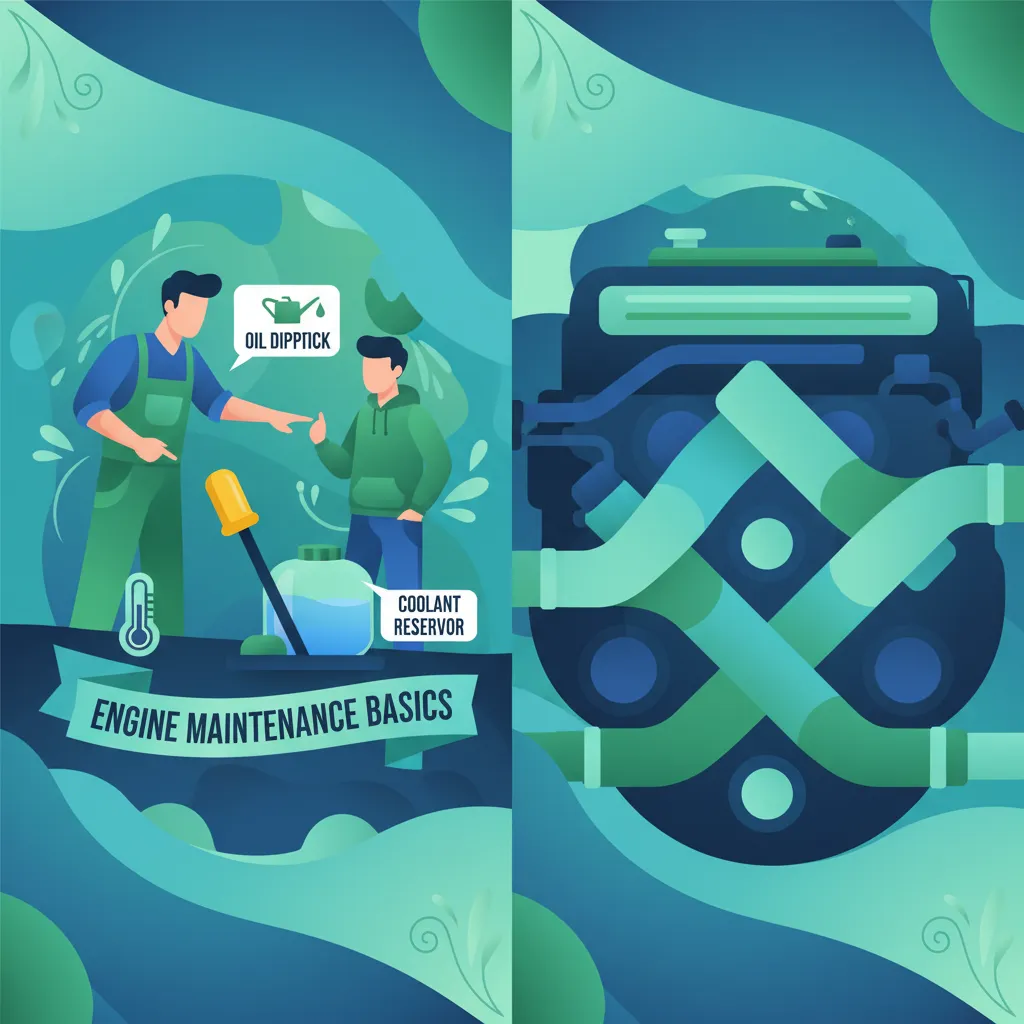
This lesson introduces essential mechanical checks to ensure motorcycle reliability and safety. Topics include monitoring engine oil and coolant levels, chain lubrication procedures, and tire pressure verification. By establishing a routine maintenance schedule, riders can proactively address issues and comply with DGT guidelines.

This lesson outlines procedures for handling emergency situations and accidents. It covers emergency braking techniques, hazard avoidance strategies, and the DGT emergency protocol for accident reporting. Emphasis is placed on rider protective actions, post-crash first aid, roadside safety, and legal obligations after an incident.

This lesson details the protocol for performing an emergency stop, emphasizing full-force application of both front and rear brakes while maintaining optimal rider posture. It covers the importance of visual fixation and the role of ABS in stabilizing the bike under panic conditions. Learners also study the calculation of stopping distances based on speed and road conditions.

This lesson focuses on adapting braking techniques for wet and slippery roads. Topics include hydroplaning risk, reduced tire friction, and how ABS assists in preventing wheel lock-up. Learners are taught to employ progressive braking, reduce speed, and assess tire tread depth to maintain adequate grip.

This lesson provides a detailed guide to safely starting a moped, from the ignition sequence to the coordinated use of the throttle and brakes. It explains the importance of a pre-ride checklist to verify lights and controls are functional. The content also covers techniques for achieving smooth acceleration from a standstill and performing controlled stops, which is crucial for managing stop-and-go urban traffic conditions.

This lesson presents advanced cornering scenarios common on Spanish roads, such as mountain hairpins and high-speed autovía exits. It outlines specific techniques for descent control, ascent maneuvers, and safely merging into traffic after cornering. Interaction with cyclists and emergency cornering strategies are also covered in accordance with DGT regulations.

This lesson details the technique of safely reducing speed while entering a corner, known as trail braking. It explains how the motorcycle’s lean angle affects front-wheel load and rear-wheel traction. The content aligns with DGT cornering safety standards to ensure riders execute controlled deceleration without compromising grip.

This lesson focuses on counter-steering at higher speeds, highlighting how pre-steer torque initiates a lean. It outlines the rider input timing required for effective torque steer and discusses how speed affects the front-wheel angle necessary for stable cornering. The content includes dynamic lean initiation techniques and DGT guidelines for fast turns.

This lesson presents a systematic pre-ride safety checklist covering tire pressure, brake fluid levels, lighting operation, and chain tension to ensure the motorcycle is road-ready. It also emphasizes personal checks such as helmet strap security and appropriate gear for weather conditions. Integrating DGT-recommended inspection procedures helps minimize equipment-related failures.
Enhance your motorcycle safety by mastering visual scanning and peripheral awareness techniques. Understand how to avoid tunnel vision and improve hazard perception, crucial for navigating complex Spanish traffic situations.

This lesson introduces anticipation techniques that improve a rider’s ability to predict potential hazards before they manifest. It covers scanning ahead, evaluating traffic patterns, and applying DGT risk assessment criteria. Emphasis is placed on developing a defensive riding mindset and maintaining safety margins to reduce accident likelihood.

This lesson is focused on the early identification of road hazards through the application of effective scanning techniques and the use of peripheral vision. Learners will practice recognizing visual cues that signal potential dangers, such as erratic vehicle movements, unexpected obstacles, or pedestrian behavior. The module also teaches proactive response strategies designed to mitigate these risks before they can escalate into dangerous situations.

This lesson focuses on identifying blind spot zones created by larger vehicles and the rider’s own positioning. It covers effective mirror usage, lateral awareness techniques, and the importance of head checks before lane changes. DGT blind spot guidelines are referenced, emphasizing situational scanning to maintain safety in traffic.

This lesson focuses on strategies for maximizing rider visibility in daylight and nighttime conditions, covering high-visibility apparel, reflective vests, and LED accessories. It delves into rider posture and lane positioning that improve sightlines and reduce collision risk. The content aligns with DGT regulations for illumination levels on motorcycles.
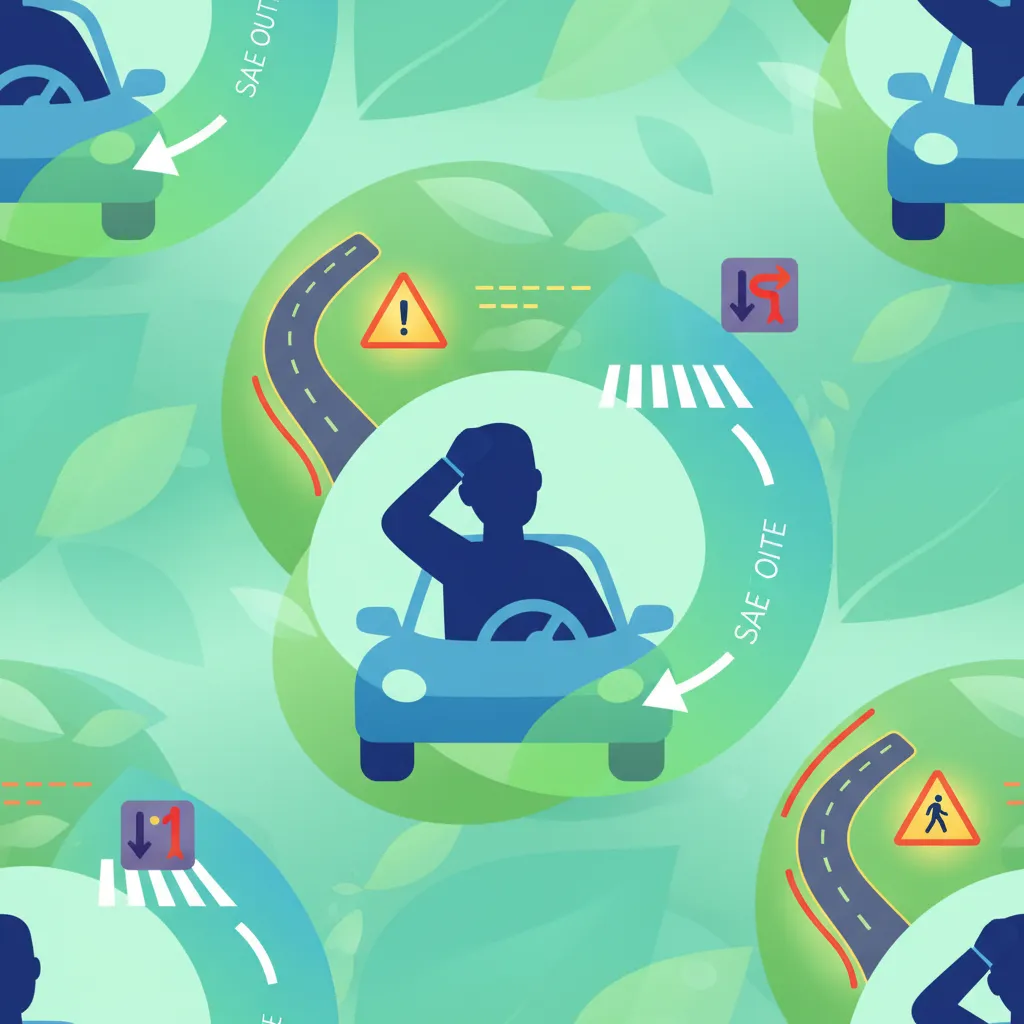
In this lesson, drivers learn how to identify risk zones where potential hazards are likely to develop. The content explains the use of proactive observation and scanning techniques to detect evolving dangers in the driving environment. Learners will practice anticipating the actions of other road users based on traffic patterns and context, adjusting their speed and position accordingly.

This lesson focuses on defensive maneuvers in mixed traffic environments where various vehicles share the road. It outlines lane discipline, appropriate overtaking safety measures, and strategies for maintaining a safety corridor. The content incorporates DGT defensive guidelines, teaching riders to manage space and anticipate unpredictable driver behavior.

This lesson examines common road hazards such as oil slicks, loose gravel, and faded road markings. It teaches riders to identify visual cues indicating hazardous surfaces and understand how these conditions affect tyre grip. The content references DGT hazard standards, encouraging proactive incident anticipation and appropriate speed adjustment.

This lesson examines the principles of maintaining a safe following distance, including the 'two-second rule' and its adjustments for speed and weather. It focuses on effective blind-spot management, teaching drivers how to use mirrors and head checks. The content integrates DGT guidelines on creating a safety buffer around the vehicle to allow time to react to unexpected events.
Find clear answers to common questions learners have about Common Beginner Mistakes and Corrections. Learn how the lesson is structured, which driving theory objectives it supports, and how it fits into the overall learning path of units and curriculum progression in Spain. These explanations help you understand key concepts, lesson flow, and exam focused study goals.
The most common throttle mistakes involve jerky, abrupt acceleration, especially at low speeds, or hesitating too much. This can lead to instability or unintended wheelies. In Spain, DGT exam questions often test understanding of smooth throttle application for control. The correction involves practicing gradual twists and anticipating the bike's response, focusing on fluidity, especially when engaging the clutch or in tight urban spaces.
Beginners often 'ride the clutch' (keeping it partially engaged too long), causing excessive wear and overheating, or they release it too quickly, leading to stalling or lurching. The DGT expects smooth clutch engagement for controlled starts and gear changes. The correction involves understanding the friction zone and practicing progressive release, coordinating it with throttle input for a smooth take-off and gear transition.
Improper braking timing often means braking too late, too hard, or relying too much on one brake. This can lead to loss of control, especially in emergencies, or cause the motorcycle to become unstable. The DGT emphasizes correct braking technique for safety. Corrections involve practicing smooth, progressive application of both brakes (front and rear), understanding weight transfer, and always anticipating the need to slow down well in advance, especially on varied Spanish road surfaces.
Yes, the DGT theory exam often includes scenario-based questions where you must identify the safest action or the likely outcome of a specific rider error. For example, a question might describe a situation at low speed and ask what a rider should do to maintain control, implicitly testing awareness of throttle and clutch misuse. Other questions focus on correct braking procedures, highlighting the dangers of late or improper braking.
The best way to correct these mistakes is through supervised practice. Focus on smooth, deliberate actions with the throttle, clutch, and brakes. Start in a safe, open area and practice taking off, stopping, and low-speed turns, paying close attention to how the motorcycle responds. Seek feedback from a qualified instructor to reinforce correct techniques and address any persistent issues.
Use our powerful search functionality to pinpoint specific Spanish DGT driving theory practice sets. Filter by road sign categories, traffic law topics, or question difficulty to build custom study sessions and reinforce your knowledge precisely where it matters for your official exam.