
This lesson provides essential knowledge on maintaining vehicle safety, covering the correct use of passenger restraints and the legal requirements for securing loads. By mastering these guidelines, you will ensure compliance with Swiss road laws and build the necessary habits for safe vehicle operation. This topic is a critical component of your Category B theory preparation, as it directly impacts both passenger safety and overall vehicle handling.

Lesson content overview
Driving a Category B vehicle in Switzerland comes with significant responsibilities, not least among them ensuring the safety of all occupants and the security of any transported goods. This lesson provides comprehensive guidance on the correct use of seat belts, the proper installation of child restraints, and the essential techniques for securing loads. Adhering to these principles is crucial for preventing injuries, maintaining vehicle stability, and complying with Swiss traffic laws.
The proper restraint of passengers and cargo directly impacts a vehicle's dynamics, braking efficiency, and overall safety in unforeseen situations like sudden braking or collisions. Unsecured occupants face a higher risk of severe injury or ejection, while unsecured loads can shift, causing loss of control, striking occupants, or even falling from the vehicle to endanger other road users. Understanding and applying these safety measures is not just a legal obligation but a fundamental aspect of responsible driving.
Physics plays a vital role in these safety considerations. During acceleration, braking, or turning, inertia causes occupants and objects to continue moving in their original direction or attempt to do so. Seat belts, child restraints, and cargo securing systems counteract these forces, keeping everything in place.
In Switzerland, wearing a seat belt is mandatory for all occupants of a vehicle, whether they are in the front or rear seats. This fundamental safety measure significantly reduces the risk of serious injury or fatality in the event of a collision. Seat belts are designed to distribute the forces of an impact across the strongest parts of the body, such as the pelvis and rib cage, preventing occupants from being thrown against the vehicle interior or ejected.
Modern Category B vehicles are primarily equipped with three-point seat belts, which include both a lap and a shoulder component, securing the occupant across the pelvis and chest. Some vehicles, particularly older models or specific middle rear seats, may have two-point lap belts. While these offer some protection, three-point belts are universally preferred due to their superior safety performance.
Many modern seat belts also feature advanced components:
For a seat belt to be effective, it must be worn correctly. The lap belt should sit snugly across the pelvis, not across the abdomen, to effectively transfer crash forces to the strong pelvic bone. The shoulder belt should lie across the chest and collarbone, avoiding the neck or outer edge of the shoulder. It should never be tucked under the arm or behind the back, as this can lead to severe internal injuries in a crash.
A common misunderstanding is that seat belts are only for the driver or front passengers. Swiss law explicitly mandates usage for all seated occupants. Another mistake is wearing the belt too loosely or twisted, which diminishes its protective capability. Always ensure the belt is snug against the body and untwisted.
Children, due to their smaller size and developing skeletal structures, require specialized child restraint systems to ensure their safety in a vehicle. The type of restraint needed depends on the child's age, weight, and height, adhering to specific Swiss regulations.
Swiss law mandates that children under 12 years of age or shorter than 150 cm must be secured in an approved child restraint system. These systems are broadly categorized as follows:
The correct installation of a child restraint is paramount to its effectiveness. Always follow the manufacturer's instructions precisely. Many modern vehicles and child seats are equipped with ISOFIX anchorages, a standardized international system providing a rigid, secure connection between the child seat and the vehicle's chassis. Where ISOFIX is not available, child seats must be securely fastened using the vehicle's seat belts. Always check for tightness and stability after installation.
Children under 12 years old must generally travel in the rear seat. This rule exists primarily to protect children from the force of deploying front airbags, which are designed for adult occupants and can cause severe injury to a child. The only exception is if the vehicle has no rear seats or if all rear seats are already occupied by children in restraints. In such cases, if a rear-facing infant seat must be placed in the front passenger seat, the front passenger airbag must be deactivated. Failure to do so can result in fatal injuries.
If a rear-facing child seat must be placed in the front passenger seat, ensure the front passenger airbag is absolutely deactivated. Consult your vehicle's manual for instructions.
Airbags are supplemental restraint systems, meaning they work in conjunction with seat belts, not as a replacement. For children, particularly those in rear-facing restraints, airbags pose a significant danger. A deploying airbag can strike a rear-facing seat with immense force, causing serious injury. Therefore, children in rear-facing seats should never be placed in a front seat with an active airbag. For forward-facing children in the front seat (only if absolutely necessary), the seat should be moved as far back as possible.
Any item transported in a vehicle, from groceries to large equipment, must be properly secured. Unsecured cargo can become a projectile in a sudden stop or collision, endangering occupants. It can also shift, affecting the vehicle's balance and handling, potentially leading to a loss of control.
The methods for securing loads vary depending on the type and size of the cargo:
Check the maximum load capacity for both your vehicle's roof and the roof rack itself.
Distribute the weight as evenly as possible over the roof rack, placing heavier items centrally and lower down.
Use strong, weather-resistant tie-down straps or ropes. Secure items at multiple points to prevent shifting forward, backward, or sideways.
Ensure straps are tightened sufficiently, but not so much that they damage the cargo or vehicle. Re-check tension after a short drive.
Verify that the load does not overhang excessively or obstruct your view or vehicle lights.
Pets or livestock transported in a vehicle must also be secured to prevent distraction to the driver, obstruction of view, or injury to themselves or occupants in a crash.
Never allow an animal to roam freely in the cabin, sit on a driver’s lap, or obstruct any windows or mirrors.
Every vehicle has specific weight limitations set by the manufacturer, which are crucial for safe operation. Exceeding these limits can severely compromise handling, braking, and steering, leading to increased accident risk and potential legal penalties.
The Maximum Permissible Mass (MPM), also known as Gross Vehicle Weight Rating (GVWR), is the maximum total weight that a vehicle is designed to carry, including its own weight, passengers, cargo, and fuel. You can find your vehicle's MPM in its registration documents or owner's manual.
Overloading a vehicle can lead to:
When loading your vehicle, always distribute the weight as evenly as possible to maintain balance across the axles. Avoid concentrating all heavy items at the rear, as this can lighten the front wheels, reducing steering effectiveness and braking power.
If you plan to tow a trailer, your vehicle also has a Maximum Permissible Trailer Mass (MPT), or towing capacity. This specifies the maximum weight of a trailer (including its own weight and its cargo) that your vehicle can safely tow. This limit is separate for unbraked and braked trailers and is crucial for maintaining control and ensuring effective braking.
The maximum total weight (vehicle + passengers + cargo + fuel) that a vehicle can legally and safely carry.
The maximum weight of a trailer (including its load) that a specific towing vehicle is permitted to tow.
Towing a trailer introduces additional complexity and requires strict adherence to specific regulations to ensure safety on Swiss roads.
Before embarking on a journey with a trailer, ensure it is correctly and securely coupled to your towing vehicle.
Driving with a trailer affects vehicle performance, particularly braking distance and acceleration. Therefore, specific speed limits apply in Switzerland:
Regarding driving licenses:
Ignoring safety guidelines for passengers and loads can lead to severe consequences. Here are some common violations and how to avoid them:
Driving conditions and external factors can significantly influence the risks associated with passenger and load safety.
The rules and regulations surrounding passenger safety and load securing are not arbitrary; they are deeply rooted in scientific principles and extensive accident research.
Ensuring passenger safety, correct child restraint usage, and proper load securing are critical components of responsible driving for your Comprehensive Swiss Driving Theory Course for Category B License.
Adhering to these rules significantly reduces the risk and severity of injuries in a collision, improves vehicle handling, and ensures full legal compliance on Swiss roads.
This lesson covers essential Swiss Category B requirements for occupant and cargo safety, including mandatory seat belt use with correct pelvic and chest positioning, child restraint systems categorized by weight and height from infant seats through booster seats, and the requirement that children under 12 typically travel in rear seats with deactivated airbags if rear-facing seats are unavoidable in front. Load securing techniques apply to all cargo types including roof racks, where weight distribution and regular tension checks are critical, and vehicle weight limits (MPM/MPT) must never be exceeded. Trailer towing introduces specific regulations including the 80 km/h speed limit, proper coupling and lighting checks, and license category requirements (B vs B+E) based on trailer weight.
A short set of high-value points that capture the most important learning from this lesson.
Swiss law mandates seat belt use for all vehicle occupants, with three-point belts preferred over two-point lap belts for superior crash protection.
Children under 12 years old or shorter than 150 cm must use age, weight, and height-appropriate child restraints, typically traveling in rear seats.
All cargo, regardless of size, must be properly secured to prevent shifting that can affect vehicle stability and become dangerous projectiles.
Never exceed your vehicle's Maximum Permissible Mass (MPM) or Maximum Permissible Trailer Mass (MPT) when towing, as overloading compromises safety and handling.
Category B license permits towing trailers up to 750 kg MPM provided combined MPM does not exceed 3,500 kg; heavier combinations require Category B+E.
Explore all units and lessons included in this driving theory course.
A rear-facing child seat placed in the front passenger seat requires the front airbag to be deactivated, as deploying airbags can cause fatal injuries to infants.
ISOFIX anchorages provide a rigid, standardized connection between child seats and vehicle chassis, ensuring more secure installation than seat belt attachment alone.
Maximum Permissible Mass (MPM) is the total weight limit including vehicle, passengers, fuel, and cargo; find this in your vehicle's registration documents.
When towing a trailer, the general speed limit is 80 km/h unless signage indicates otherwise, and stopping distances increase significantly.
Pets must be transported in secured carriers or with seat belt harnesses; never allow animals to roam freely in the cabin or obstruct driver visibility.
Placing a rear-facing infant seat in the front passenger seat with the airbag still active, which can cause severe or fatal injuries during deployment.
Overloading a roof rack beyond its or the vehicle's capacity, or failing to distribute weight evenly and centrally, leading to vehicle instability.
Assuming Category B license covers all trailer towing situations; heavier trailers or combinations exceeding 3,500 kg combined MPM require a Category B+E license.
Allowing pets to sit freely on seats or driver laps, creating driver distraction and obstruction of mirrors or windows.
Leaving loose items unsecured in the passenger compartment or boot, where they become dangerous projectiles during sudden braking or collisions.
Lesson content overview
A short set of high-value points that capture the most important learning from this lesson.
Swiss law mandates seat belt use for all vehicle occupants, with three-point belts preferred over two-point lap belts for superior crash protection.
Children under 12 years old or shorter than 150 cm must use age, weight, and height-appropriate child restraints, typically traveling in rear seats.
All cargo, regardless of size, must be properly secured to prevent shifting that can affect vehicle stability and become dangerous projectiles.
Never exceed your vehicle's Maximum Permissible Mass (MPM) or Maximum Permissible Trailer Mass (MPT) when towing, as overloading compromises safety and handling.
Category B license permits towing trailers up to 750 kg MPM provided combined MPM does not exceed 3,500 kg; heavier combinations require Category B+E.
Explore all units and lessons included in this driving theory course.
A rear-facing child seat placed in the front passenger seat requires the front airbag to be deactivated, as deploying airbags can cause fatal injuries to infants.
ISOFIX anchorages provide a rigid, standardized connection between child seats and vehicle chassis, ensuring more secure installation than seat belt attachment alone.
Maximum Permissible Mass (MPM) is the total weight limit including vehicle, passengers, fuel, and cargo; find this in your vehicle's registration documents.
When towing a trailer, the general speed limit is 80 km/h unless signage indicates otherwise, and stopping distances increase significantly.
Pets must be transported in secured carriers or with seat belt harnesses; never allow animals to roam freely in the cabin or obstruct driver visibility.
Placing a rear-facing infant seat in the front passenger seat with the airbag still active, which can cause severe or fatal injuries during deployment.
Overloading a roof rack beyond its or the vehicle's capacity, or failing to distribute weight evenly and centrally, leading to vehicle instability.
Assuming Category B license covers all trailer towing situations; heavier trailers or combinations exceeding 3,500 kg combined MPM require a Category B+E license.
Allowing pets to sit freely on seats or driver laps, creating driver distraction and obstruction of mirrors or windows.
Leaving loose items unsecured in the passenger compartment or boot, where they become dangerous projectiles during sudden braking or collisions.
Explore search topics learners often look for when studying Passenger Safety, Child Restraints, and Load Securing. These topics reflect common questions about road rules, driving situations, safety guidance, and lesson level theory preparation for learners in Switzerland.
Browse additional driving theory lessons that cover connected traffic rules, road signs, and common driving situations related to this topic. Improve your understanding of how different rules interact across everyday traffic scenarios.
Understand the essential Swiss driving laws for passenger safety, correct installation and use of child restraints, and how to properly secure all types of loads in your vehicle. Essential theory for Category B drivers.

This lesson covers the proper use of seat belts, airbags, and child restraint systems. You will understand how seat belts protect occupants and the correct installation of child seats using ISOFIX anchors. The content also discusses situations where airbags should be deactivated and emphasizes correct restraint usage for passengers of all ages.
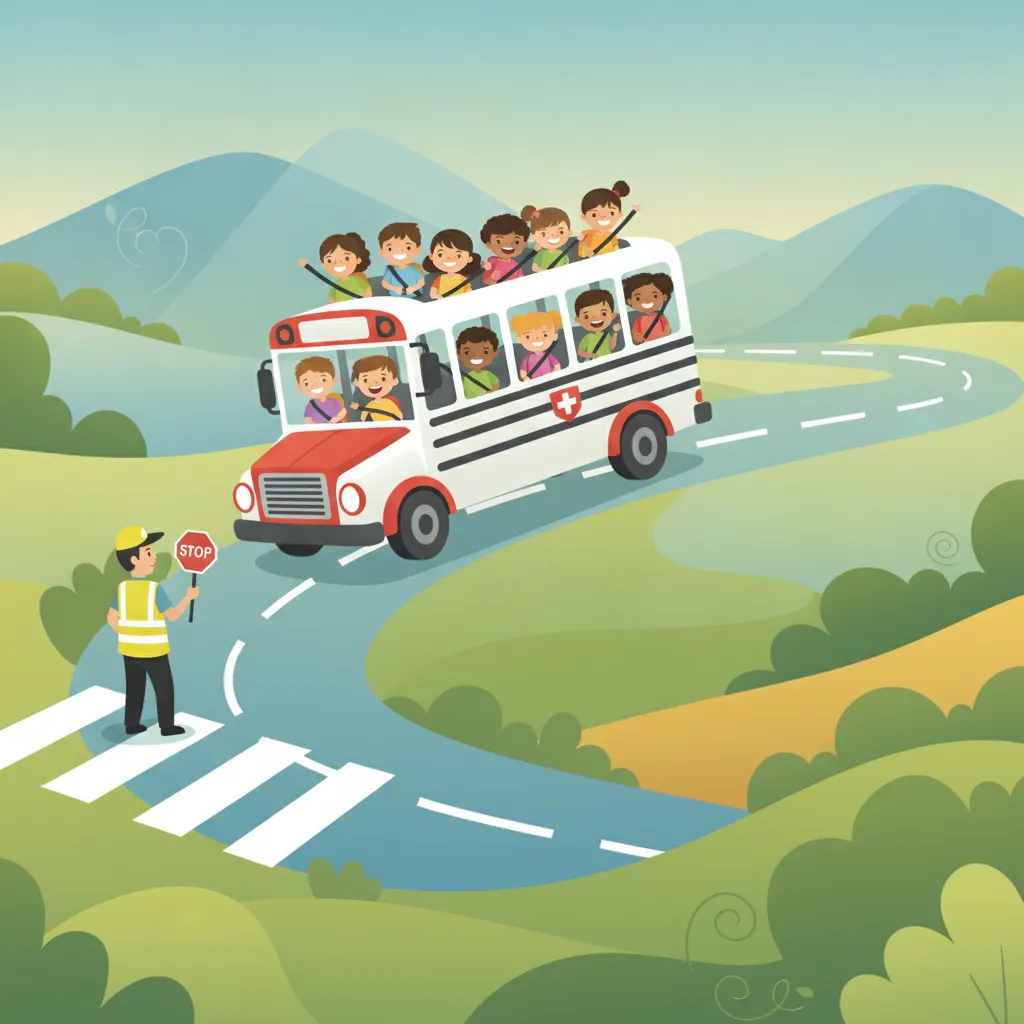
Transporting children carries the highest level of responsibility. This lesson covers the specific legal requirements for school buses in Switzerland, including the use of special signs and warning lights. It details the safe procedures for stopping, boarding, and alighting, and the driver's role in supervising children.
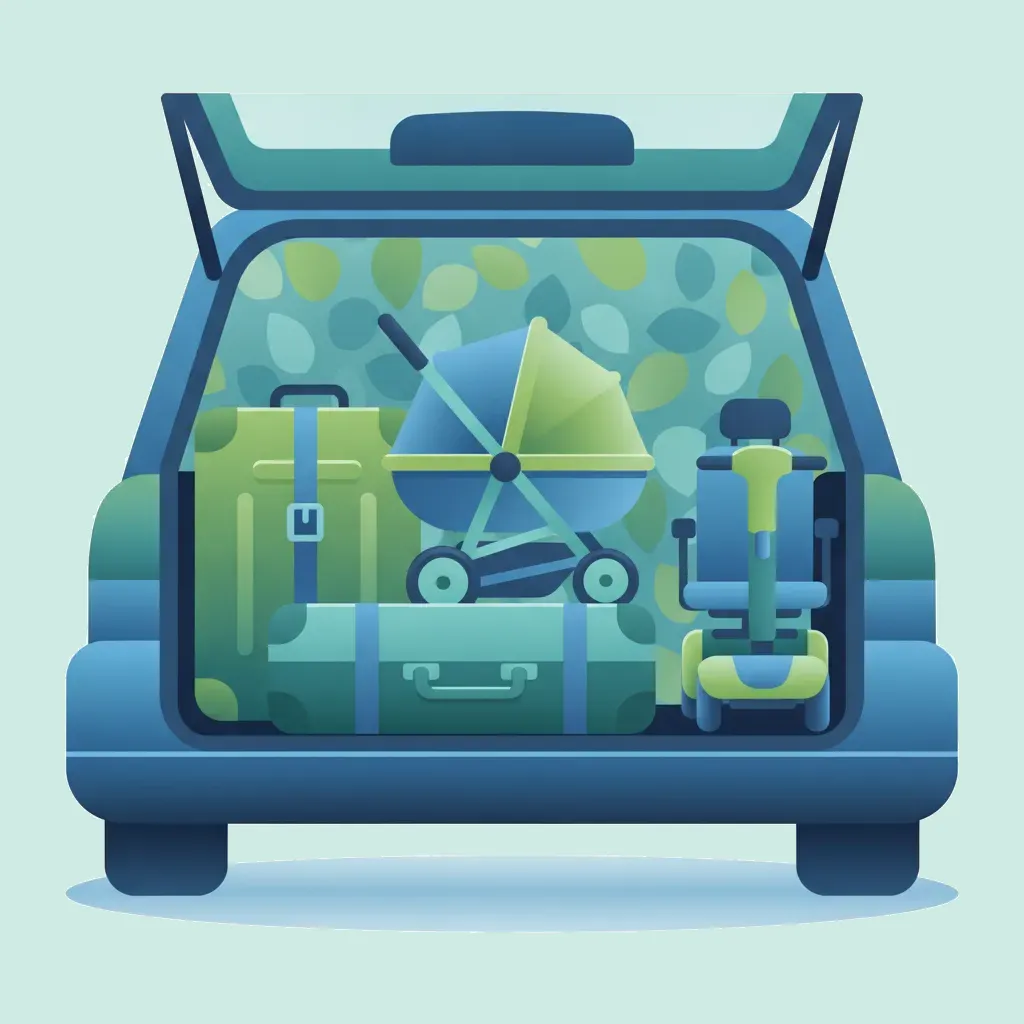
Unsecured items can become dangerous projectiles in the event of a sudden stop or collision. This lesson covers the driver's responsibility for overseeing the secure stowage of passenger belongings. It includes rules for using luggage compartments on coaches and designated spaces for prams and mobility aids on city buses.

This lesson focuses on general driving safety in areas with a high concentration of children. It stresses the importance of significantly reducing speed, being prepared for unexpected events, and scanning for children between parked cars. The driver must exhibit maximum vigilance in these high-risk environments at all times.
While others may have loaded the vehicle, the driver holds the final legal responsibility for the security of the load once on the public highway. This lesson clarifies this crucial point of law, explaining that the driver must inspect the load and its securing arrangements before departure and re-check them during the journey. The consequences of a load shifting or falling can be catastrophic and result in severe legal penalties for the driver.
This lesson details the definition of Category B within the Swiss licensing system, focusing on vehicle types, weight capacities, and passenger limits. It clarifies the maximum authorized mass for Category B cars and the specific restrictions on towing trailers. You will learn the legal framework defining which vehicles you may operate and the boundaries of this license category.
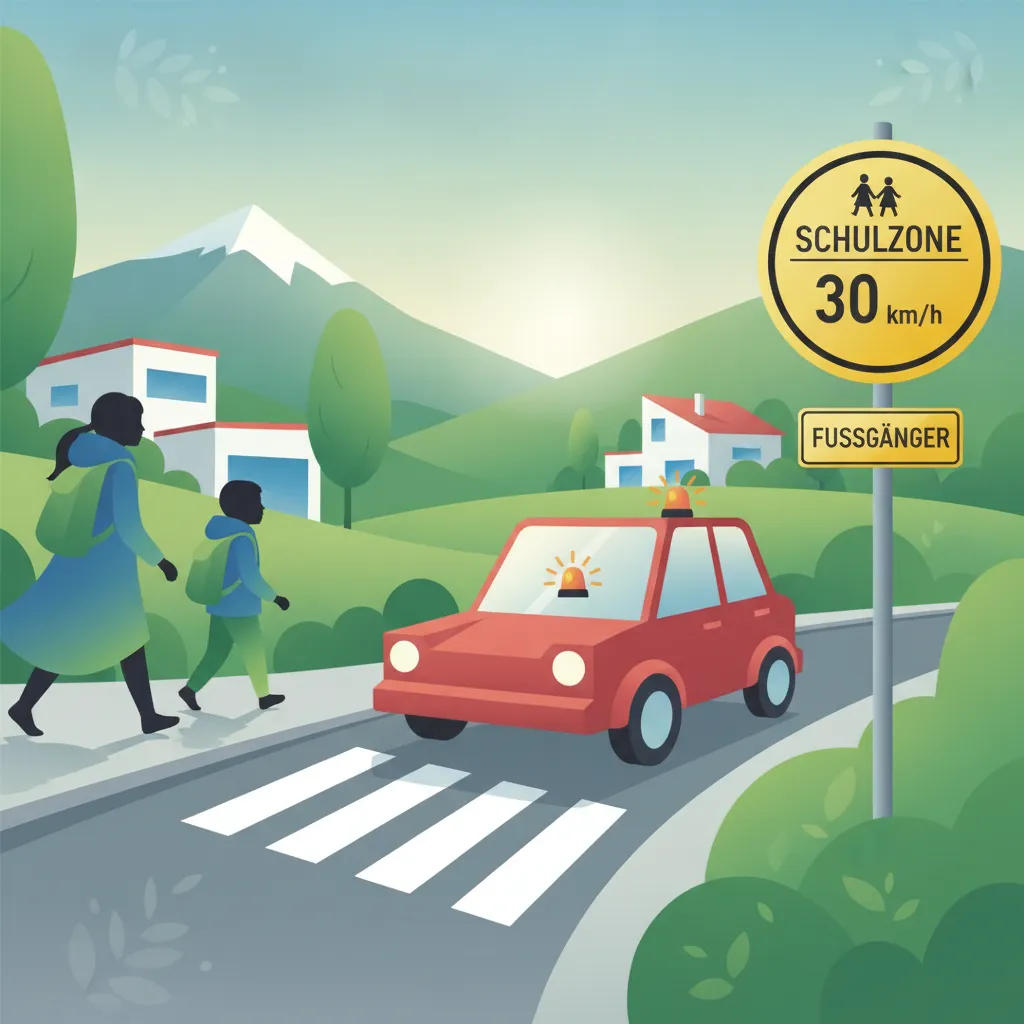
This lesson focuses on school zones, where special speed limits and cautionary measures are required. You will learn to recognize school zone signs, understand reduced speed limits, and be aware of designated child crossing zones. The content also emphasizes the need for heightened vigilance when school buses stop for students to ensure child safety.

Gain insight into the two-stage examination process for the Swiss Category B licence, covering both the theory exam and the practical driving test. This lesson outlines the question format, passing score thresholds, and the nature of the practical assessment. Administrative aspects such as registration procedures, test locations, and retake policies are also addressed.
This lesson emphasizes the broad responsibilities of holding a driver's licence in Switzerland, including adherence to traffic laws and maintaining vehicle roadworthiness. It covers legal obligations related to insurance, registration, and reporting accidents, as well as the consequences of violations. The content reinforces the duty of care drivers owe to all other road users.
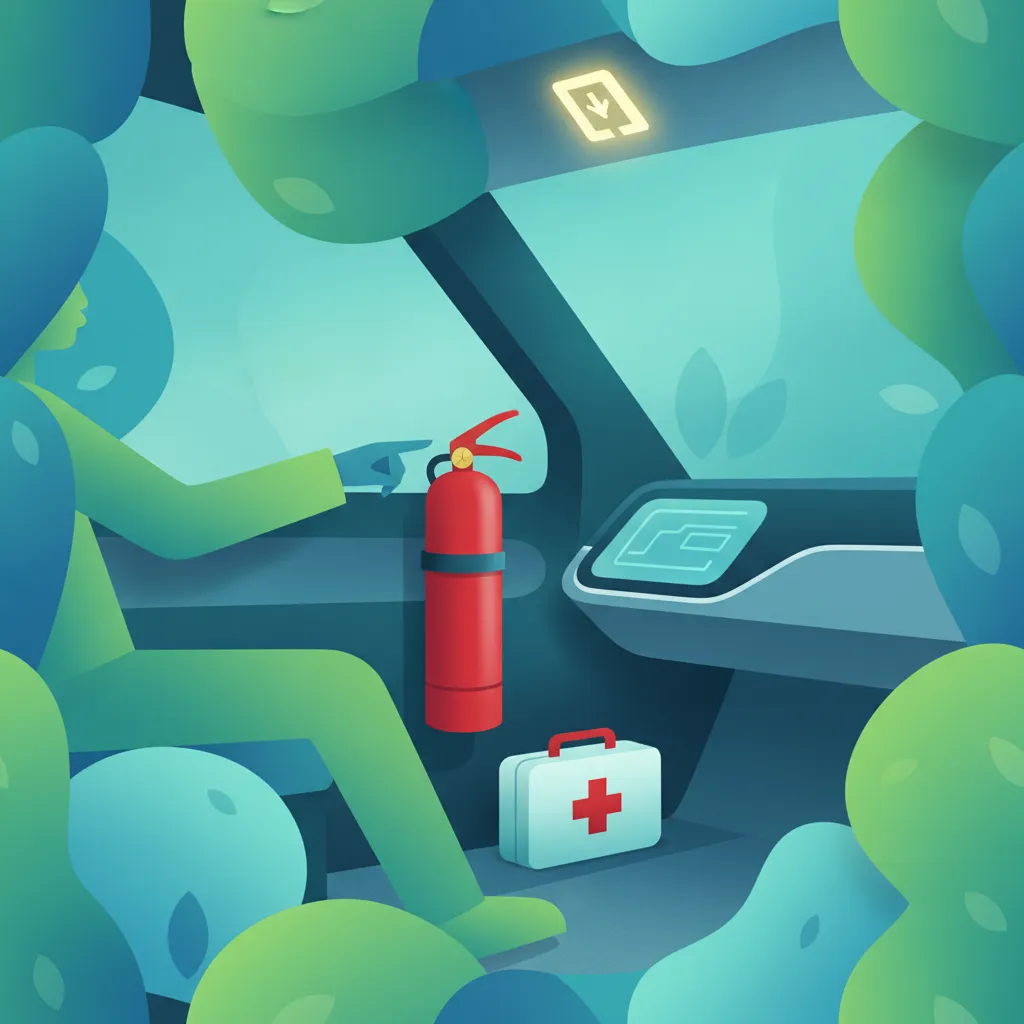
This lesson focuses on the legally required safety equipment that must be on board every passenger vehicle. You will learn how to locate and check the fire extinguisher, first aid kit, and emergency hammers. It also covers the inspection of emergency exits to ensure they are unobstructed and functional.
Learn the specific Swiss regulations and best practices for towing a trailer, including license requirements (Category B vs B+E), speed limits, weight distribution, coupling procedures, and safety checks. Crucial theory for trailer owners.
Motorway driving requires constant concentration due to high speeds. This lesson emphasizes the importance of staying in the right-hand lane unless overtaking and the specific restrictions on lorry overtaking in Switzerland. It reinforces the need for a following distance of at least four seconds to compensate for the vehicle's long stopping distance and provides guidance on safely merging and exiting.
This lesson details the definition of Category B within the Swiss licensing system, focusing on vehicle types, weight capacities, and passenger limits. It clarifies the maximum authorized mass for Category B cars and the specific restrictions on towing trailers. You will learn the legal framework defining which vehicles you may operate and the boundaries of this license category.

Coupling and uncoupling are high-risk manoeuvres if not performed correctly. This lesson provides a theoretical, sequential guide to the process, covering aligning the tractor unit, raising the trailer's landing gear, locking the fifth-wheel mechanism onto the kingpin, and performing a 'tug test' to confirm a secure connection. The uncoupling process is also detailed, emphasizing the importance of a firm, level surface.

A secure connection between the tractor and trailer requires linking the braking and electrical systems. This lesson explains the function of the red (emergency) and yellow (service) air lines and the main electrical socket, which powers the trailer's lights and ABS. It outlines the correct, safe sequence for connecting and disconnecting these lines to ensure the trailer's brakes function correctly.
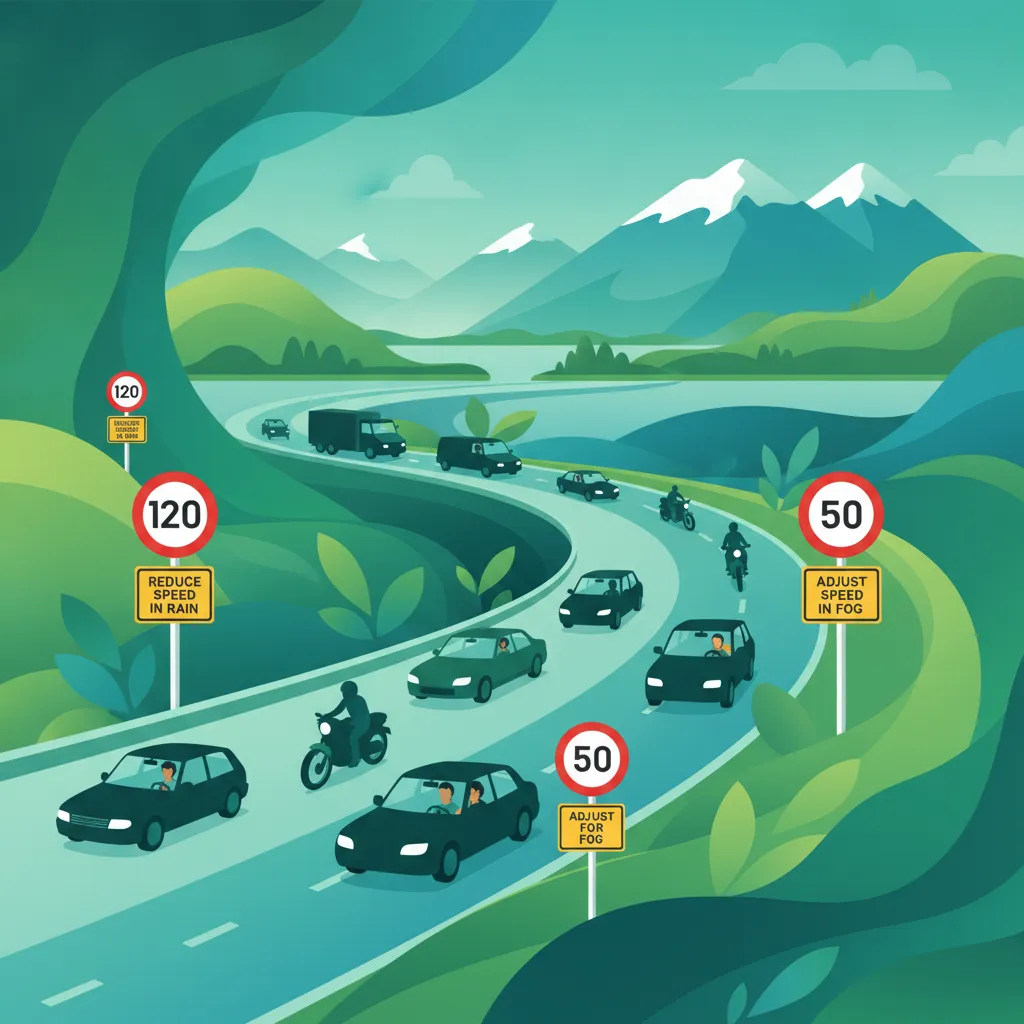
This lesson details the different speed limits applicable in urban, rural, and motorway environments across Switzerland. It explains speed limit signs, temporary restrictions, and how to adapt speed safely based on visibility and road conditions. Understanding these principles helps you comply with legal limits while ensuring an appropriate speed for the circumstances.
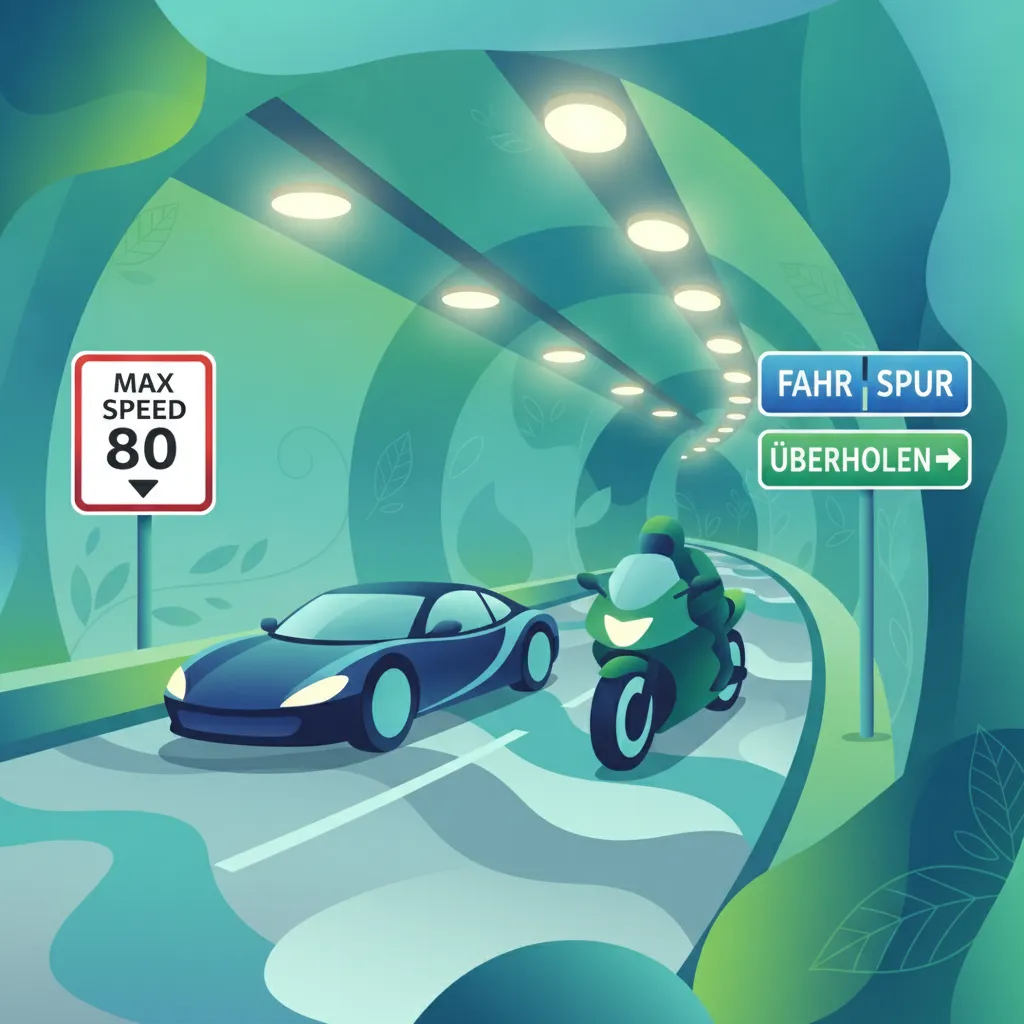
Tunnels are enclosed environments where incidents can quickly escalate. This lesson outlines the specific rules for tunnel driving: remove sunglasses, turn on dipped headlights, maintain a safe following distance, and tune the radio to the indicated frequency. It also covers the critical emergency procedures to follow in the event of a fire or breakdown inside a tunnel.
While others may have loaded the vehicle, the driver holds the final legal responsibility for the security of the load once on the public highway. This lesson clarifies this crucial point of law, explaining that the driver must inspect the load and its securing arrangements before departure and re-check them during the journey. The consequences of a load shifting or falling can be catastrophic and result in severe legal penalties for the driver.

This lesson defines the common types of trailers used with heavy goods vehicles. It explains the difference between a drawbar trailer (Anhänger), which is towed behind a rigid lorry, and a semitrailer (Sattelanhänger), which is coupled to a tractor unit via a fifth wheel. Understanding these configurations is key to understanding the different handling characteristics of various vehicle combinations.
This lesson explores the rules for driving on motorways and navigating tunnels. It covers entry and exit procedures, lane discipline, minimum speed requirements, and overtaking protocols on high-speed roads. For tunnels, the content explains speed limits, lighting, emergency exits, and ventilation requirements for safe travel.
Overloading is a serious offence with severe safety and legal ramifications. This lesson details how excess weight drastically increases braking distances, puts extreme stress on tyres leading to blowouts, and negatively affects steering and overall stability. Furthermore, it discusses the substantial fines, potential license withdrawal, and driver liability that result from violating Swiss weight regulations.
Find clear answers to common questions learners have about Passenger Safety, Child Restraints, and Load Securing. Learn how the lesson is structured, which driving theory objectives it supports, and how it fits into the overall learning path of units and curriculum progression in Switzerland. These explanations help you understand key concepts, lesson flow, and exam focused study goals.
Children under 12 years old who are less than 150 cm tall must be secured in an approved child restraint system. It is important to ensure the seat is correctly installed and appropriate for the child's weight and height according to official safety standards.
You must check your vehicle's registration document (Fahrzeugausweis) for the maximum permissible weight. You should never exceed the total weight capacity of the vehicle, which includes the weight of the passengers, the driver, and any luggage or cargo.
Unsecured items can become lethal projectiles during emergency braking or a collision. Every object, no matter how small, should be properly stored or strapped down to ensure it does not move and cause injury to occupants.
Yes, animals must be transported in a way that does not distract the driver or endanger the animal or other passengers. Using a pet carrier, harness, or crate is highly recommended to keep the animal safe and restrained throughout the journey.
Pinpoint specific Swiss traffic rules, road signs, or driving situations you need to master. Use the practice search to start a focused revision session now and build confidence for your official driving theory exam.