
This lesson focuses on the unique challenges of operating heavy goods vehicles in dense urban environments. You will learn to navigate restricted access zones, identify delivery regulations, and manage the increased risks posed by complex city traffic as part of your Category C or C1 theory training.
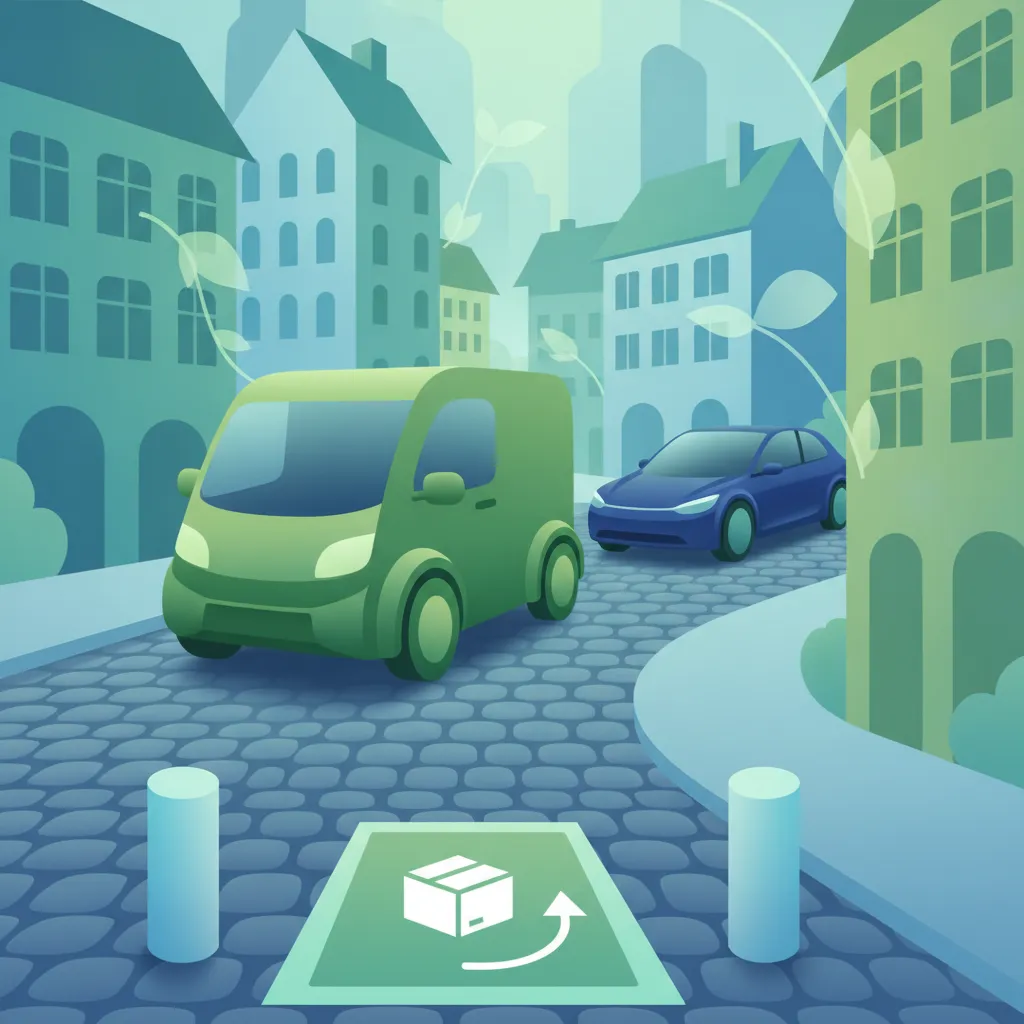
Lesson content overview
This lesson covers the essential knowledge for safely and legally operating Category C and C1 goods vehicles in Swiss urban environments. Key topics include permanent and conditional access restrictions based on vehicle weight, dimensions, and emissions; time-based delivery windows that must be strictly observed; proper use of designated Zebra Loading (ZL) zones for active freight operations only; and comprehensive route planning that accounts for low bridges, weight-restricted roads, and narrow streets using professional freight navigation tools. The lesson also addresses vehicle maneuverability limitations in confined spaces, including turning radius constraints and safe reversing procedures, while emphasizing the heightened responsibility drivers have toward vulnerable road users such as pedestrians and cyclists.
A short set of high-value points that capture the most important learning from this lesson.
Access restrictions for heavy vehicles (weight, height, emissions) apply to the vehicle itself regardless of load state - always check specific sign wording.
Time-based delivery windows (e.g., 07:00-10:00) must be strictly respected; waiting outside permitted hours requires a legal alternative location.
Loading zones (Zebra Loading - ZL) are for active loading/unloading only, not waiting or parking, and often have maximum stay limits.
Professional freight routing systems are essential for heavy vehicles; consumer GPS frequently fails to account for vehicle-specific restrictions.
Heavy goods vehicles have significantly larger turning radii and blind spots than passenger cars, requiring advance planning for turns and constant vigilance when reversing.
Explore all units and lessons included in this driving theory course.
Weight and dimension restrictions (e.g., 'No entry for vehicles > 3.5 t') apply permanently to the vehicle regardless of whether it is loaded or empty.
Clearance signs (F5) indicate maximum vehicle height including any load or roof equipment; never attempt to pass if your vehicle exceeds the stated clearance.
Conditional access zones require valid permits and adherence to specific conditions such as time windows or vehicle classifications.
Reversing procedures require pre-assessment of the area, use of a spotter when available, and proceeding at walking pace while continuously checking mirrors and cameras.
Vulnerable road users (pedestrians, cyclists, motorcyclists) are at particular risk due to heavy vehicle blind spots, especially during turning and reversing maneuvers.
Assuming access restrictions only apply to loaded vehicles, leading to fines when entering restricted zones with an empty heavy goods vehicle.
Using loading zones for waiting, breaks, or paperwork instead of active loading/unloading only.
Relying on standard consumer GPS without heavy-vehicle filters, resulting in routing onto weight-restricted or low-bridge routes.
Blocking bicycle lanes or pedestrian walkways while loading/unloading, creating hazards for vulnerable road users.
Failing to verify time restrictions on delivery windows, arriving too early or staying past permitted hours.
Lesson content overview
A short set of high-value points that capture the most important learning from this lesson.
Access restrictions for heavy vehicles (weight, height, emissions) apply to the vehicle itself regardless of load state - always check specific sign wording.
Time-based delivery windows (e.g., 07:00-10:00) must be strictly respected; waiting outside permitted hours requires a legal alternative location.
Loading zones (Zebra Loading - ZL) are for active loading/unloading only, not waiting or parking, and often have maximum stay limits.
Professional freight routing systems are essential for heavy vehicles; consumer GPS frequently fails to account for vehicle-specific restrictions.
Heavy goods vehicles have significantly larger turning radii and blind spots than passenger cars, requiring advance planning for turns and constant vigilance when reversing.
Explore all units and lessons included in this driving theory course.
Weight and dimension restrictions (e.g., 'No entry for vehicles > 3.5 t') apply permanently to the vehicle regardless of whether it is loaded or empty.
Clearance signs (F5) indicate maximum vehicle height including any load or roof equipment; never attempt to pass if your vehicle exceeds the stated clearance.
Conditional access zones require valid permits and adherence to specific conditions such as time windows or vehicle classifications.
Reversing procedures require pre-assessment of the area, use of a spotter when available, and proceeding at walking pace while continuously checking mirrors and cameras.
Vulnerable road users (pedestrians, cyclists, motorcyclists) are at particular risk due to heavy vehicle blind spots, especially during turning and reversing maneuvers.
Assuming access restrictions only apply to loaded vehicles, leading to fines when entering restricted zones with an empty heavy goods vehicle.
Using loading zones for waiting, breaks, or paperwork instead of active loading/unloading only.
Relying on standard consumer GPS without heavy-vehicle filters, resulting in routing onto weight-restricted or low-bridge routes.
Blocking bicycle lanes or pedestrian walkways while loading/unloading, creating hazards for vulnerable road users.
Failing to verify time restrictions on delivery windows, arriving too early or staying past permitted hours.
Explore search topics learners often look for when studying Navigating Urban Areas and Delivery Zones. These topics reflect common questions about road rules, driving situations, safety guidance, and lesson level theory preparation for learners in Switzerland.
Browse additional driving theory lessons that cover connected traffic rules, road signs, and common driving situations related to this topic. Improve your understanding of how different rules interact across everyday traffic scenarios.
Understand Swiss laws regarding urban access management for Category C and C1 vehicles. This lesson covers time-based delivery zone restrictions, zonal bans, and identifying permitted routes within congested city environments.
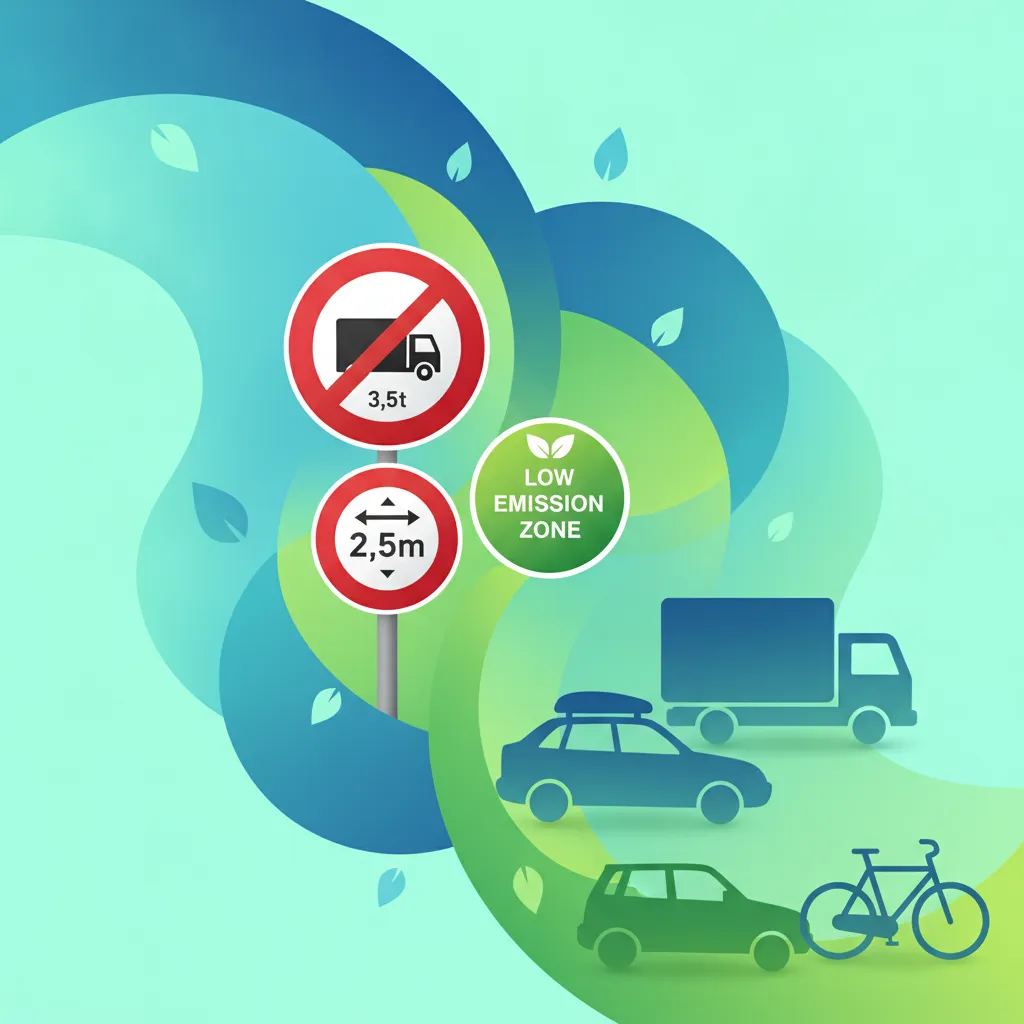
Many urban areas have restrictions to manage traffic and protect infrastructure. This lesson teaches drivers to identify and interpret traffic signs that prohibit access based on gross vehicle weight, axle load, height, or width. It also covers the growing prevalence of environmental or low-emission zones, which may restrict entry for older, more polluting vehicles.
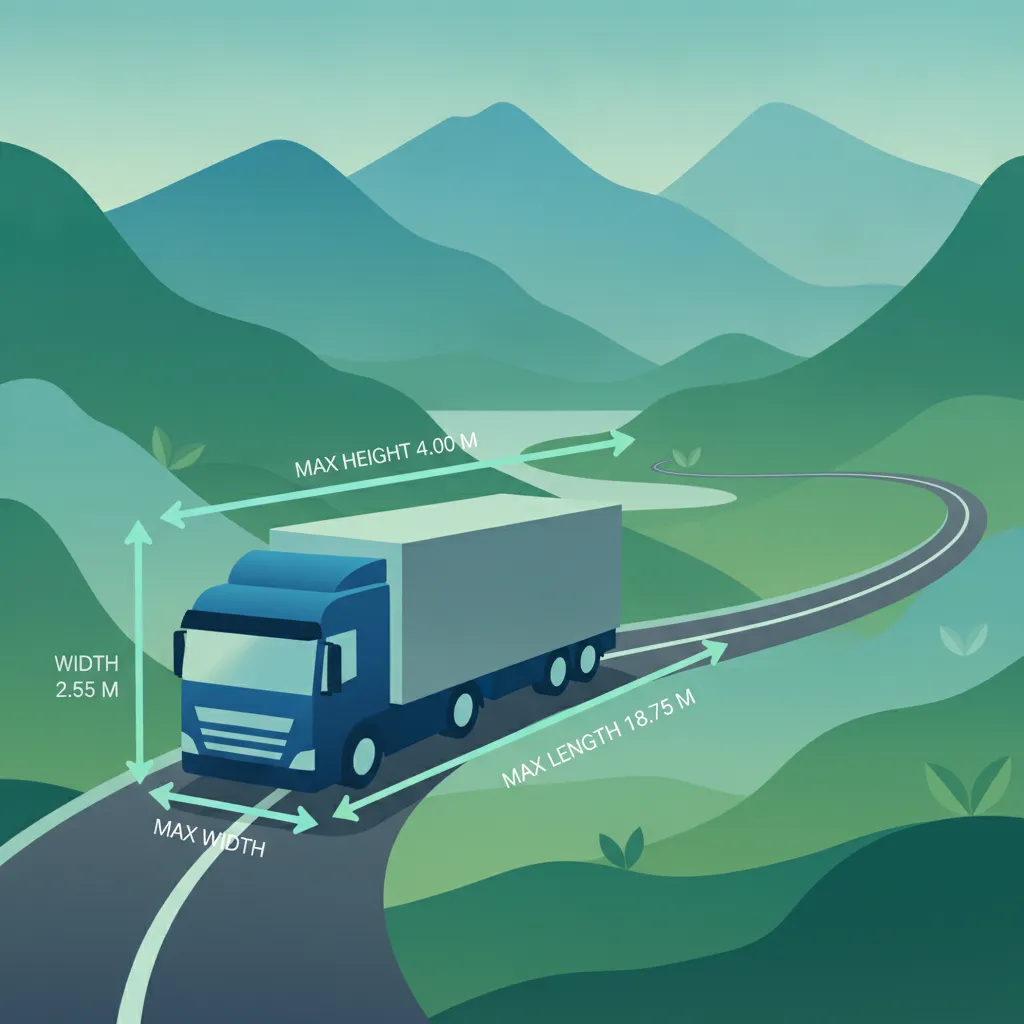
Swiss law strictly regulates the maximum dimensions of commercial vehicles to ensure they can safely navigate the infrastructure. This lesson specifies the standard limits for vehicle height (4.0m), width (2.55m), and length for various lorry and trailer combinations. Adhering to these dimensions is crucial for avoiding collisions with bridges, tunnels, and other structures, and for navigating narrow roads.
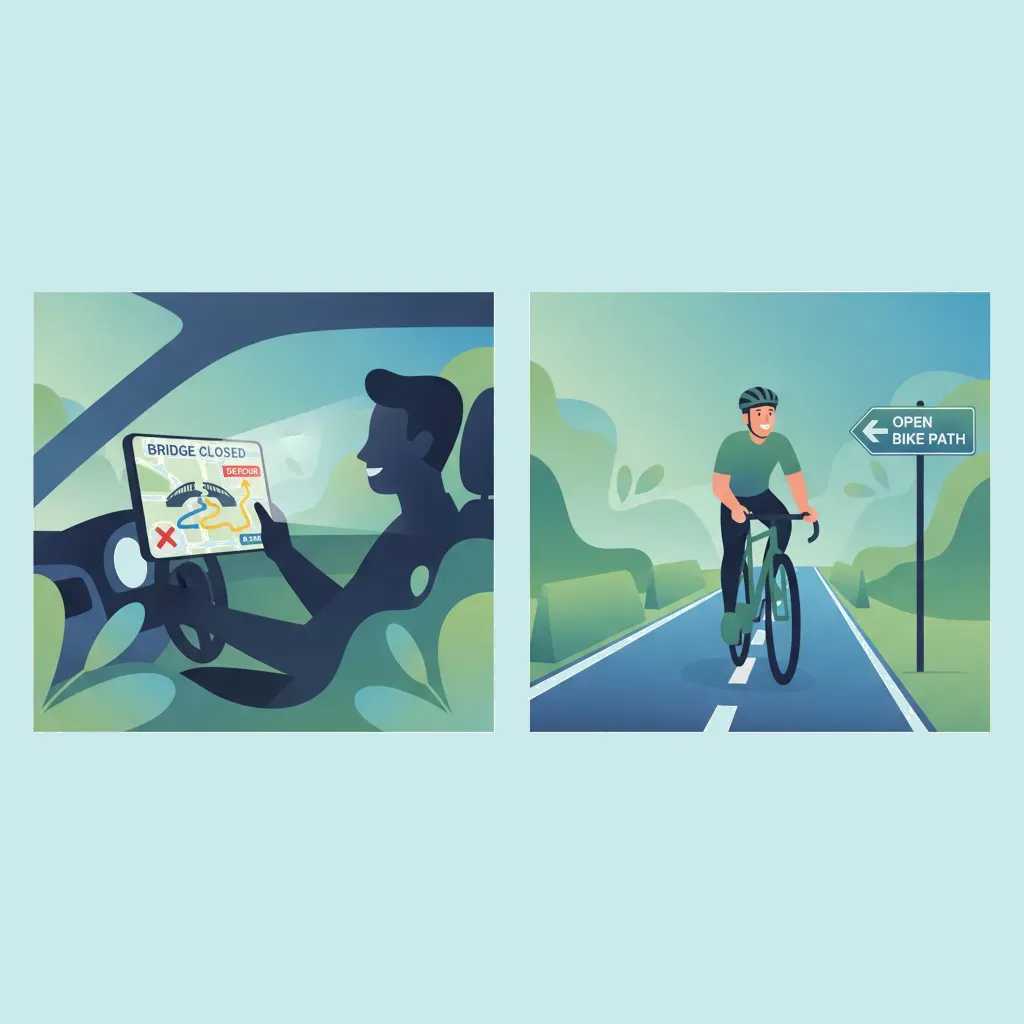
Unlike cars, heavy vehicles cannot travel on every road. This lesson stresses the importance of using HGV-specific satellite navigation systems or carefully checking maps to plan routes that avoid low bridges, weak bridges, and roads with weight or width restrictions. Proper planning saves time, fuel, and prevents dangerous situations or costly damage.

Motorway driving requires constant concentration due to high speeds. This lesson emphasizes the importance of staying in the right-hand lane unless overtaking and the specific restrictions on lorry overtaking in Switzerland. It reinforces the need for a following distance of at least four seconds to compensate for the vehicle's long stopping distance and provides guidance on safely merging and exiting.

Bus lanes are a key tool for improving service reliability, but they come with specific rules. This lesson covers how to correctly interpret bus lane signs and markings. It also explains the regulations for entering and leaving the lane to make turns or avoid obstructions, and the priority rules associated with them.
Transporting loads that are wider, longer, taller, or heavier than standard regulations allow requires special authorization. This lesson explains the concept of exceptional transport and the legal requirement to obtain a special permit from the relevant cantonal authorities. It highlights that such operations require careful route planning, often mandating specific times of travel and sometimes the use of escort vehicles.
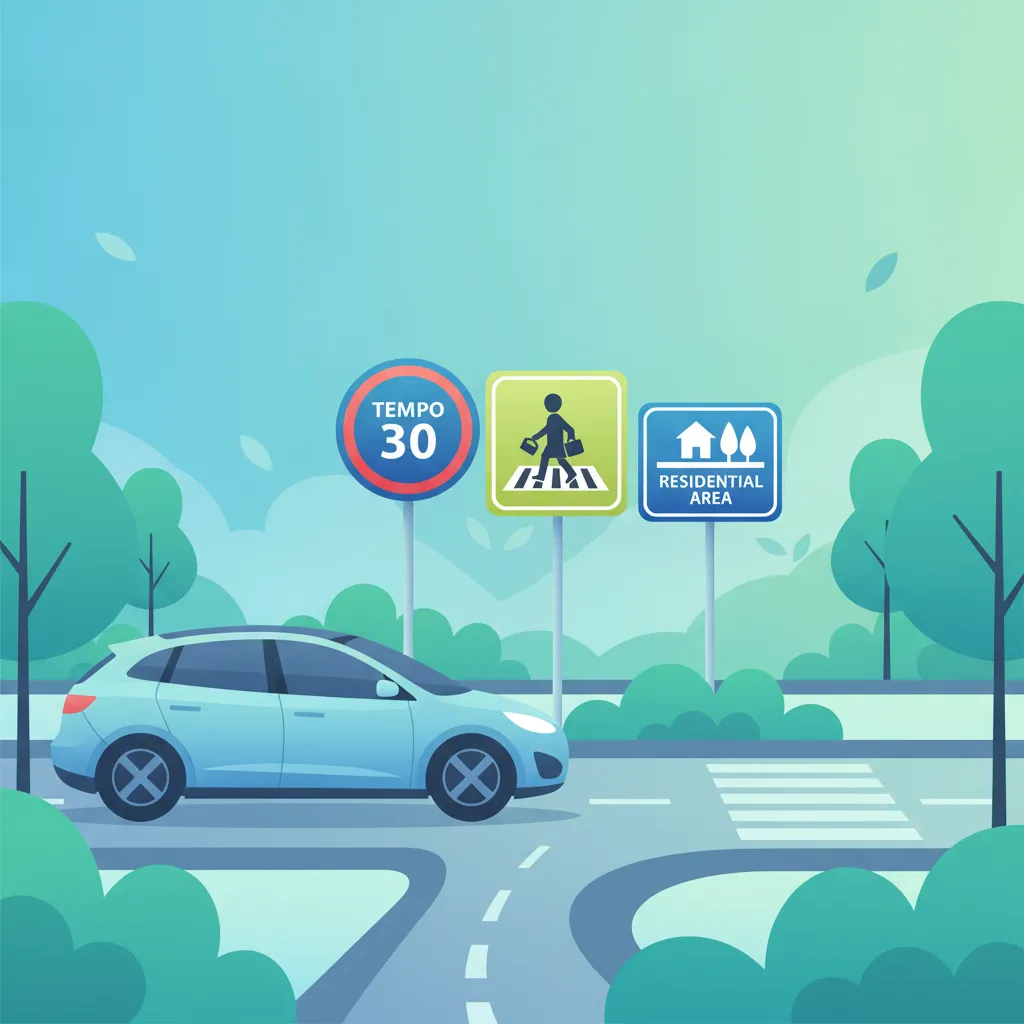
This lesson covers areas with special traffic regulations designed to protect vulnerable road users. Learners will understand the rules and reduced speed limits applicable in Tempo-30 zones, residential areas, and around schools. The content emphasizes the need for heightened awareness and a defensive riding style in these designated zones.
This lesson outlines the mandatory documentation required during any professional transport journey in Switzerland. Drivers must be able to present the vehicle registration document ('Fahrzeugausweis'), their valid driving license, and the OACP qualification card upon request. It also touches upon transport-specific documents like consignment notes, which are crucial for legal compliance during roadside inspections by authorities.

Proper visibility is paramount for the safety of large vehicles, especially at night or in poor weather. This lesson covers the full range of required lights, including headlights, indicators, brake lights, and side and rear marker lights. It also explains the function of reflectors and the mandatory high-visibility conspicuity markings that outline the vehicle's shape to other drivers.

Construction sites and industrial areas are non-public roads with their own set of rules and hazards. This lesson covers the need to follow site-specific safety instructions, be aware of moving plant machinery and personnel on the ground, and assess ground conditions. It highlights that reversing is often required and should be done with a signaller wherever possible.
Learn essential techniques for maneuvering large vehicles in confined urban spaces and interacting safely with pedestrians and cyclists. This lesson focuses on blind spots, turning, and general awareness in busy city traffic.
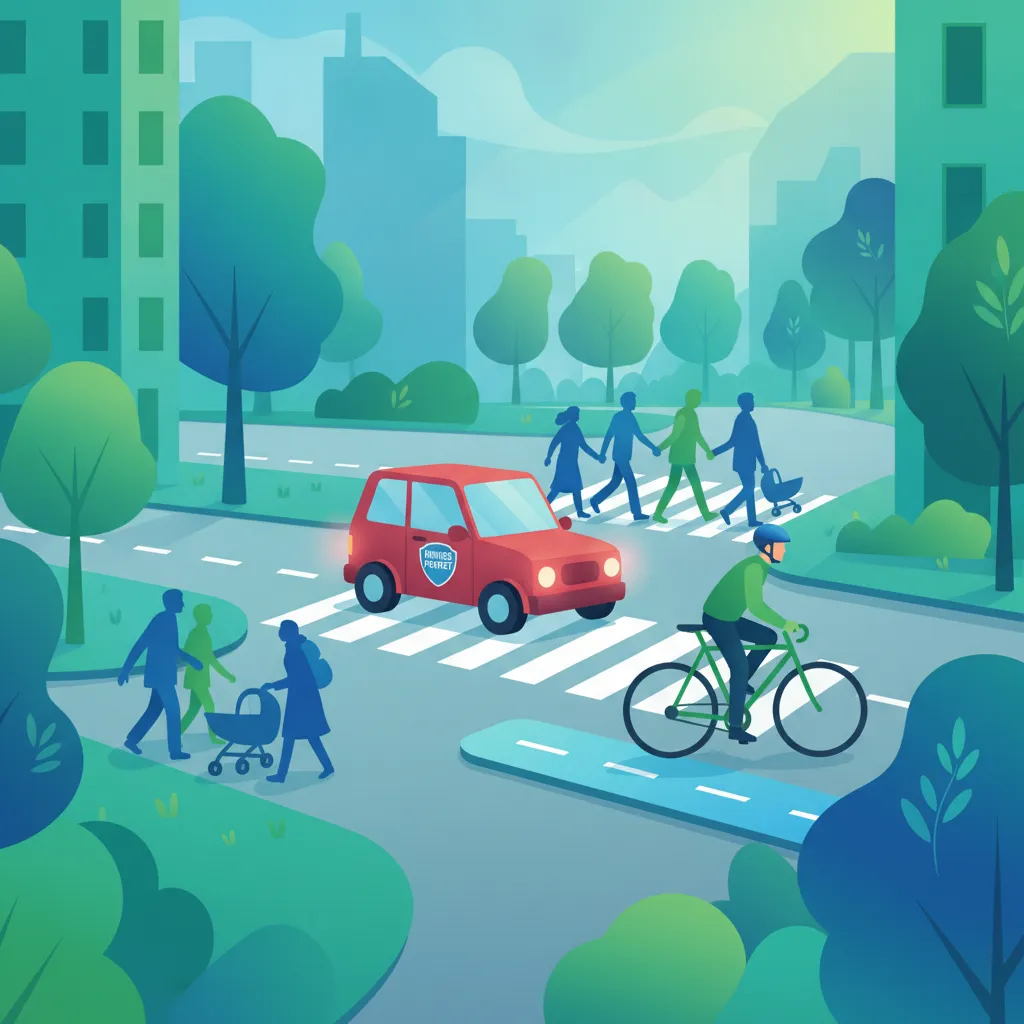
Pedestrians, cyclists, motorcyclists, and e-scooter riders are extremely vulnerable in any interaction with a heavy vehicle. This lesson instills a defensive mindset, teaching drivers to be hyper-aware of VRUs, especially near junctions, crossings, and cycle lanes. It focuses on anticipation and giving VRUs extra space, as they can be unpredictable and are often hidden in blind spots.
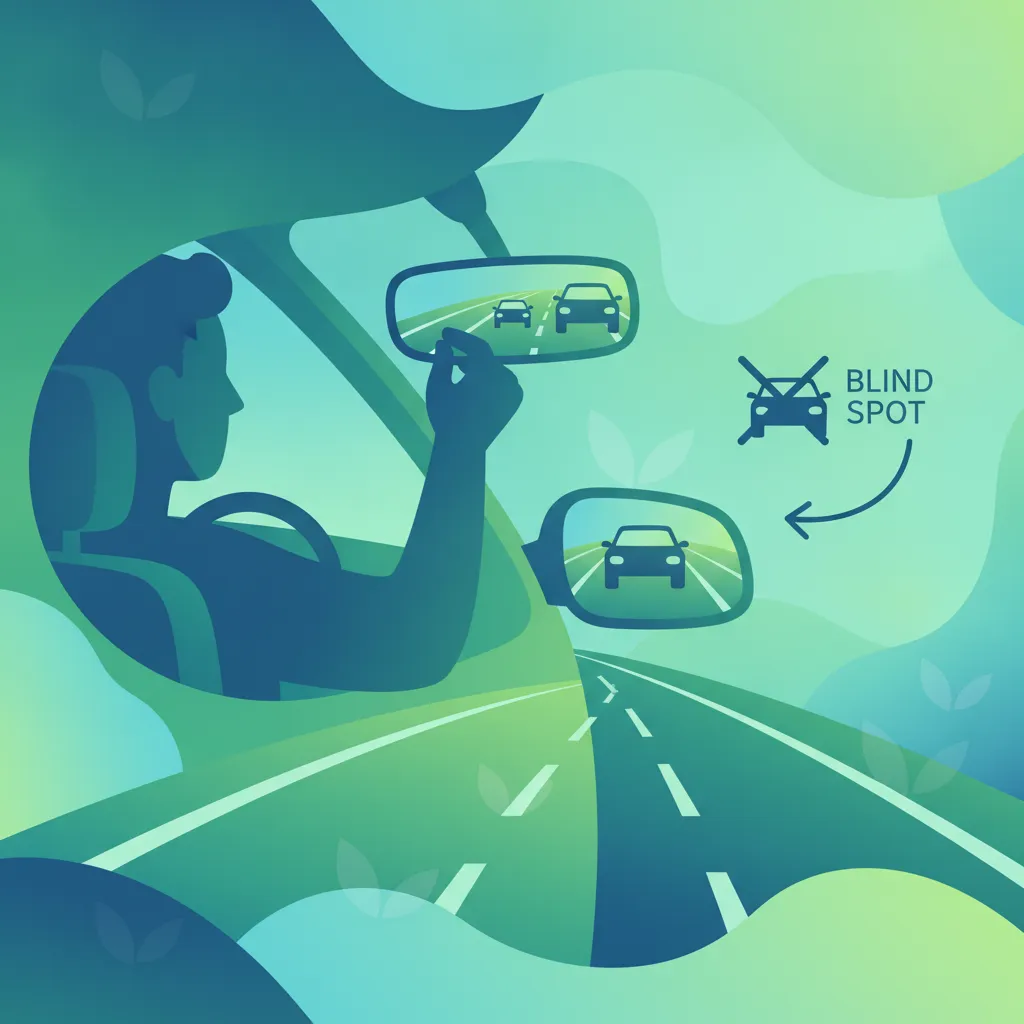
Despite the complex mirror systems, large areas around a truck remain hidden from the driver's view. This lesson maps out these significant blind spots: directly in front, behind, and along both sides of the vehicle. It teaches drivers to be constantly aware of these 'no-zones' and to anticipate that smaller vehicles, cyclists, or pedestrians may be hidden within them, especially before changing lanes or turning.

This lesson trains drivers to look beyond other vehicles and actively search for pedestrians, cyclists, and motorcyclists, especially those who may be distracted or unaware. It covers common behavioral patterns of different VRU groups. The goal is to see potential hazards developing early and create time and space to react safely.

This lesson focuses on safe interaction with large vehicles. It highlights the significant blind spots (or 'no-zones') around trucks and buses and teaches riders how to position themselves to remain visible. The content also provides guidance on overtaking large vehicles safely and anticipating their wide turning radius at intersections.

Buses and coaches have significant blind spots to the front, sides, and rear. This lesson maps out these 'no-zones' and teaches a continuous and active scanning process using all available mirrors and direct vision. The goal is to minimize the time any other road user spends undetected in a blind spot.
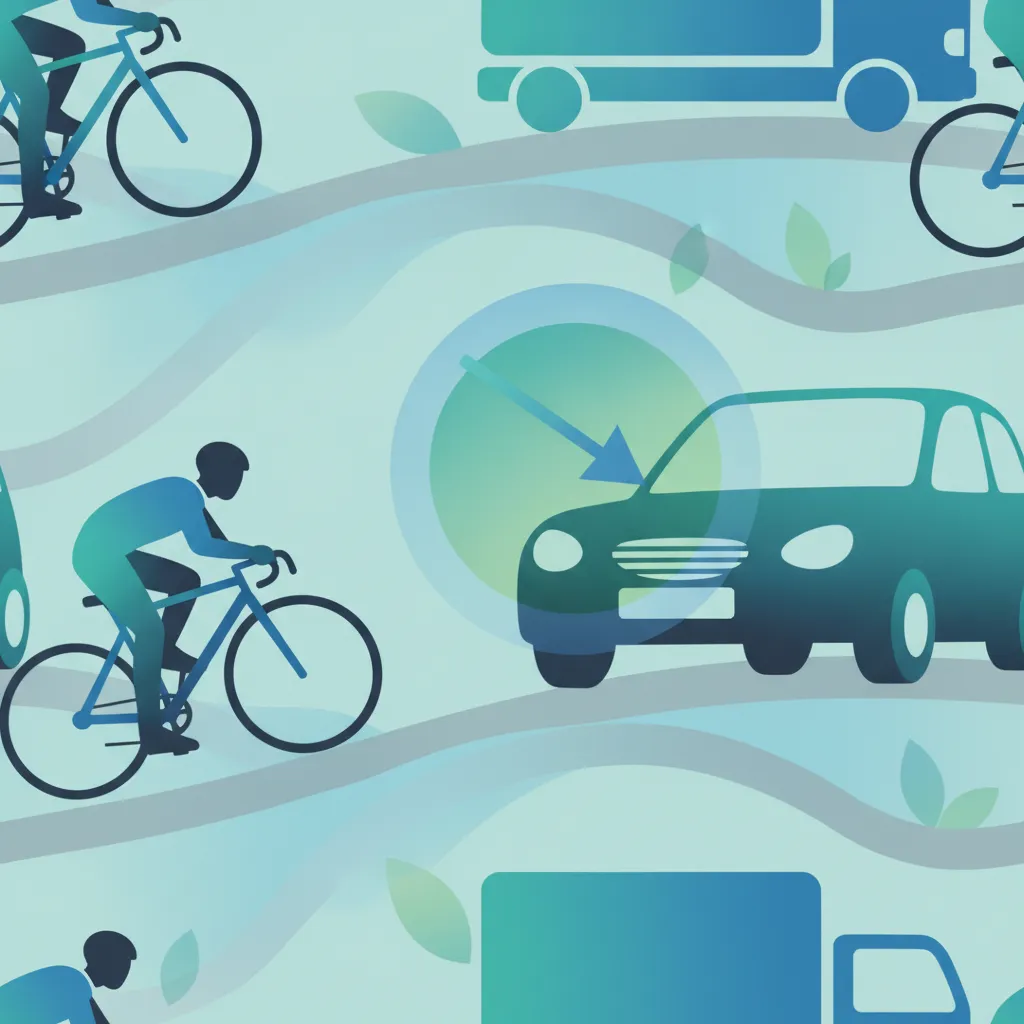
The left-hand turn (in Switzerland) is a moment of high risk, as a cyclist can easily be hidden in the vehicle's nearside blind spot. This lesson provides a detailed analysis of this scenario, mandating a slow approach and meticulous, repeated mirror checks before and during the turn. It emphasizes that the driver must assume a cyclist could be there, even if one isn't immediately visible.

This lesson explores the complexities of riding in busy urban areas with a mix of traffic types. It covers strategies for safely navigating alongside buses, trams, cyclists, and pedestrians. Key topics include respecting designated lanes, anticipating the movements of vulnerable road users, and maintaining heightened situational awareness.

This lesson focuses on mitigating the risk of collisions at intersections, particularly from vehicles turning across the rider's path. It teaches defensive strategies such as positioning for visibility, anticipating driver actions, and using head checks to be aware of surrounding traffic. Managing your own and others' blind spots is presented as a crucial survival skill.

This lesson focuses on general driving safety in areas with a high concentration of children. It stresses the importance of significantly reducing speed, being prepared for unexpected events, and scanning for children between parked cars. The driver must exhibit maximum vigilance in these high-risk environments at all times.
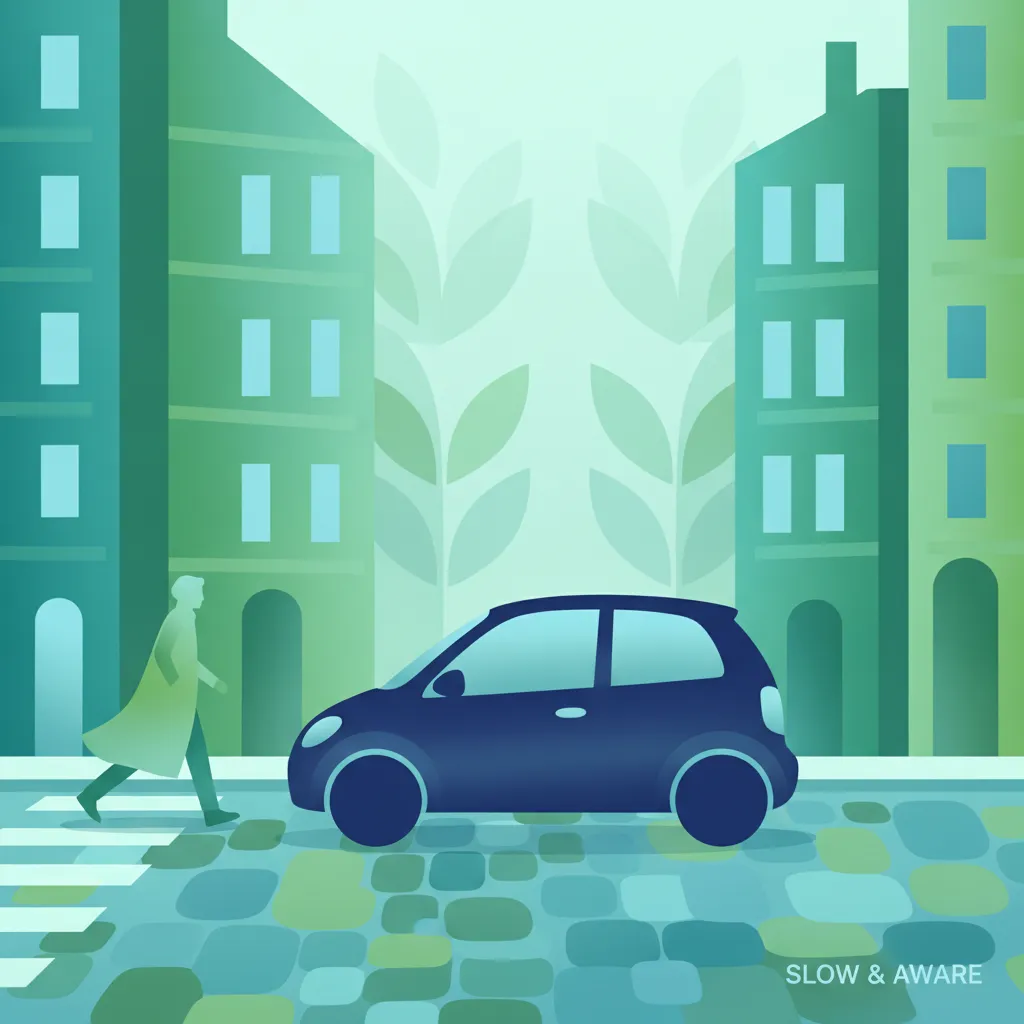
Driving a bus in older parts of a city requires exceptional spatial awareness and precise control. This lesson focuses on assessing clearances, managing front and rear overhang, and negotiating tight turns around parked cars and buildings. A key theme is slow, careful, and deliberate manoeuvring to avoid contact.
Find clear answers to common questions learners have about Navigating Urban Areas and Delivery Zones. Learn how the lesson is structured, which driving theory objectives it supports, and how it fits into the overall learning path of units and curriculum progression in Switzerland. These explanations help you understand key concepts, lesson flow, and exam focused study goals.
Always check for supplementary plates under access restriction signs. In Switzerland, these often detail weight limits, exemptions for local deliveries, or specific time-based windows for access.
Prioritize safety and noise reduction. Use designated zones only, stay aware of pedestrians and cyclists, and avoid maneuvers that might obstruct public transport or emergency routes.
Yes, many Swiss urban areas have strict environmental or weight-based access rules. You must always verify the current local regulations, as these can vary significantly by canton and city.
Yes, the theory exam often includes scenarios testing your ability to read signage that prohibits heavy goods vehicles and your knowledge of when exceptions apply for local access.
Pinpoint specific Swiss traffic rules, road signs, or driving situations you need to master. Use the practice search to start a focused revision session now and build confidence for your official driving theory exam.