
This lesson breaks down the crucial skill of parallel parking, a common topic in the Spanish driving theory exam. You’ll learn how to identify suitable parking spaces and execute the maneuver smoothly and safely, building confidence for both your B or BE license test and real-world urban driving.

Lesson content overview
Parallel parking is a fundamental driving maneuver, essential for navigating urban environments in Spain and a key component of the Spanish driving license exam (DGT). This lesson will guide you through the systematic process of selecting an appropriate parking spot, understanding crucial reference points, and executing the initial steps of the maneuver safely and legally.
Parallel parking involves positioning your vehicle parallel to the curb, typically between two other parked cars or within a designated space on the side of the road. It demands precision, spatial awareness, and adherence to specific DGT regulations to ensure safety and avoid obstructions. Mastering this technique not only helps you pass your driving test but also makes you a more confident and considerate driver in congested urban areas.
The underlying logic of parallel parking revolves around safety, vehicle physics, and legal compliance. You must avoid collisions with other vehicles, stationary objects, and pedestrians while managing your vehicle's turning radius and clearance zones. Concurrently, you must comply with DGT rules regarding parking distances from the curb, intersections, and other vehicles.
This lesson builds upon your knowledge of vehicle dimensions, basic controls (steering, braking, gear changes), and urban driving principles. It lays the foundation for more complex maneuvers like reverse parking and handling confined spaces.
To successfully parallel park, several core principles must be understood and applied. These principles govern the feasibility of the maneuver, the accuracy of your execution, and your compliance with Spanish traffic laws.
Before attempting any parallel parking maneuver, the first critical step is to assess whether the available space can safely accommodate your vehicle. This is known as spot feasibility.
The calculation and assessment of whether a chosen parking space is long enough to accommodate your vehicle safely, including necessary buffer zones.
You must visually assess the available space before committing to the maneuver. Overestimating the space can lead to a failed attempt, requiring you to restart or abandon the spot, which can disrupt traffic flow.
The reference point method is a systematic approach that uses specific visual cues on your vehicle and in the environment to guide the parallel parking maneuver. These cues help you initiate steering inputs at precise moments, making the process reproducible and accurate.
A systematic approach using fixed visual points on the vehicle (e.g., front bumper, rear bumper) aligned with external landmarks (e.g., a parked car's rear bumper) to initiate and guide parking maneuvers.
This method eliminates guesswork and helps you control the vehicle's arc as you reverse into the spot. Common reference points include:
Steering angle control refers to the precise degree to which you turn your steering wheel at specific points during the maneuver. This determines the arc your vehicle will follow as you back into the space.
Incorrect steering angles can lead to hitting the curb, impacting the vehicle in front or behind, or parking too far from the curb. Practice and careful observation are key to mastering this.
Once the main backing-in phase is complete, alignment and parallelism ensure your vehicle is correctly positioned within the space, parallel to the curb, and within legal distance requirements.
The final orientation of the vehicle relative to the curb, requiring the vehicle's longitudinal axis to be parallel to the curb and within a specified distance tolerance.
The DGT requires your vehicle to be parked no more than 30 centimetres (0.3 metres) from the curb. Achieving this requires precise small adjustments.
The Spanish Dirección General de Tráfico (DGT) mandates specific clearance requirements that drivers must adhere to when parallel parking. These regulations are designed to ensure safety, maintain traffic flow, and prevent obstructions.
Legal limits mandated by the Spanish Dirección General de Tráfico (DGT) concerning minimum distances to curbs, other vehicles, and intersections when parking.
Failing to meet these clearance requirements can result in fines and potential points on your driving license. Always verify the legality of a parking spot by checking for signs and assessing distances.
Executing a parallel parking maneuver involves a series of controlled steps. This procedure assumes you are parking on the right side of the road.
Identify a Suitable Spot: Look for a space that is at least 0.5 metres longer than your vehicle. Signal your intention to park by activating your right indicator.
Position Alongside: Drive past the parking space and position your vehicle parallel to the car parked directly in front of your desired spot. Maintain a lateral distance of approximately 0.5 to 1 metre between your car and the parked car. Align your rear bumper with the rear bumper of the parked car.
Initial Reverse and Steering: Engage reverse gear. Look over your right shoulder and into your right-side mirror. Slowly reverse, turning your steering wheel fully to the right.
Monitor Your Path: Continue reversing slowly. Watch your left-side mirror. When you see the front corner of the car behind you in your left-side mirror, or when your front passenger door aligns with the rear bumper of the car you are parking behind, start to straighten your wheels.
Second Steering Input: As your vehicle's front corner clears the parked car (the one in front of the spot), begin to straighten your steering wheel. Some techniques suggest turning the wheel fully to the left at this point, others suggest straightening it, depending on the car and space. The goal is to bring the front of your car into the spot while simultaneously bringing the rear parallel to the curb.
Final Alignment and Adjustments: Continue reversing slowly until your vehicle is approximately parallel to the curb. Stop the car. If needed, make small forward or reverse adjustments to centre your vehicle in the space, ensuring it is parallel to the curb and within the 0.2-0.5 metre distance.
Secure the Vehicle: Engage the parking brake and select neutral or park. Turn off the engine. If on an incline, ensure your wheels are correctly turned (towards the curb when facing downhill, away from the curb when facing uphill).
Adhering to DGT regulations is paramount for safe and legal driving in Spain. Ignoring these rules can lead to fines, penalties, and potentially dangerous situations.
The DGT sets clear guidelines for parking distances to ensure road safety and accessibility:
Always observe local signage that indicates prohibited parking zones, loading zones, or limited-time parking areas. These signs, often found on urban streets, are mandatory and enforce local traffic management policies. Parking in a prohibited zone, a bus stop, a taxi stand, or a designated disabled space without a permit will result in significant fines and possibly vehicle impoundment.
Even experienced drivers can make mistakes when parallel parking, especially under challenging conditions. Being aware of common pitfalls can help you avoid them.
When unsure about clearances, it's always safer to stop, reassess your position, and if necessary, pull out and restart the maneuver. This is much better than risking a collision or an illegal parking position.
Parallel parking is not a static maneuver; it requires adaptation based on external factors and your vehicle's state.
Parallel parking, while seemingly simple, involves complex physics and human factors.
Understanding key terms is crucial for effective learning and communication regarding driving maneuvers.
Parallel parking in Spain requires selecting a spot at least your vehicle length plus 0.5 metres, positioning alongside the car ahead with rear bumpers aligned and 0.5–1m lateral clearance, then reversing with full steering toward the curb until your front corner clears the parked car, at which point you straighten to bring the vehicle parallel to the curb. DGT mandates your vehicle finish between 0.2 and 0.5 metres from the curb and at least 0.5 metres from intersections. Common errors include underestimating required space, misjudging reference points, incorrect steering angles, and failing to maintain continuous awareness of surroundings throughout the maneuver.
A short set of high-value points that capture the most important learning from this lesson.
The absolute minimum spot length for parallel parking is your vehicle length plus 0.5 metres, though 1 metre extra is recommended for easier maneuvering.
The reference point method uses visual alignment between your vehicle and parked cars (e.g., aligning rear bumpers) to initiate steering at precise moments.
Steering involves two key inputs: turning fully toward the curb when reversing, then straightening or counter-steering as your front clears the parked car.
Your vehicle must finish parked between 0.2 and 0.5 metres from the curb, and at least 0.5 metres from any intersection.
Always perform a 360-degree check before and during the maneuver, watching for pedestrians, cyclists, and other vehicles.
Explore all units and lessons included in this driving theory course.
DGT requires 0.2–0.5m from curb, 0.5m minimum from intersections, and hazard lights must be used if your parked vehicle becomes an obstruction.
Position your vehicle 0.5–1m laterally from the parked car ahead, with rear bumpers aligned, before beginning the reverse maneuver.
Turn the steering wheel fully toward the curb (right side parking) when you reverse, then straighten when your front corner clears the car ahead.
If unsure about clearances, stop, reassess, and restart the maneuver rather than risk collision or an illegal position.
On inclines, turn wheels toward the curb when facing downhill and away from the curb when facing uphill after parking.
Attempting to park in a space shorter than your vehicle length plus 0.5 metres, leading to collisions or cramped positioning.
Failing to check reference points carefully, resulting in an incorrect entry angle that makes completing the maneuver impossible.
Turning the steering wheel too early, too late, or at the wrong angle, causing the car to hit the curb or swing into traffic.
Parking too close (under 0.2m) or too far (over 0.5m) from the curb, which violates DGT regulations and can result in fines.
Neglecting to check mirrors and surroundings throughout the maneuver, risking contact with pedestrians, cyclists, or moving vehicles.
Lesson content overview
A short set of high-value points that capture the most important learning from this lesson.
The absolute minimum spot length for parallel parking is your vehicle length plus 0.5 metres, though 1 metre extra is recommended for easier maneuvering.
The reference point method uses visual alignment between your vehicle and parked cars (e.g., aligning rear bumpers) to initiate steering at precise moments.
Steering involves two key inputs: turning fully toward the curb when reversing, then straightening or counter-steering as your front clears the parked car.
Your vehicle must finish parked between 0.2 and 0.5 metres from the curb, and at least 0.5 metres from any intersection.
Always perform a 360-degree check before and during the maneuver, watching for pedestrians, cyclists, and other vehicles.
Explore all units and lessons included in this driving theory course.
DGT requires 0.2–0.5m from curb, 0.5m minimum from intersections, and hazard lights must be used if your parked vehicle becomes an obstruction.
Position your vehicle 0.5–1m laterally from the parked car ahead, with rear bumpers aligned, before beginning the reverse maneuver.
Turn the steering wheel fully toward the curb (right side parking) when you reverse, then straighten when your front corner clears the car ahead.
If unsure about clearances, stop, reassess, and restart the maneuver rather than risk collision or an illegal position.
On inclines, turn wheels toward the curb when facing downhill and away from the curb when facing uphill after parking.
Attempting to park in a space shorter than your vehicle length plus 0.5 metres, leading to collisions or cramped positioning.
Failing to check reference points carefully, resulting in an incorrect entry angle that makes completing the maneuver impossible.
Turning the steering wheel too early, too late, or at the wrong angle, causing the car to hit the curb or swing into traffic.
Parking too close (under 0.2m) or too far (over 0.5m) from the curb, which violates DGT regulations and can result in fines.
Neglecting to check mirrors and surroundings throughout the maneuver, risking contact with pedestrians, cyclists, or moving vehicles.
Explore search topics learners often look for when studying Parallel Parking Principles and Spot Selection. These topics reflect common questions about road rules, driving situations, safety guidance, and lesson level theory preparation for learners in Spain.
Browse additional driving theory lessons that cover connected traffic rules, road signs, and common driving situations related to this topic. Improve your understanding of how different rules interact across everyday traffic scenarios.
Learn about the most frequent errors drivers make when parallel parking in Spain. This lesson details how to avoid these pitfalls, ensuring you execute the maneuver correctly according to DGT standards and pass your driving test.

This lesson covers the essential techniques for perpendicular parking (reversing into a bay) and executing a three-point turn. It details the approach, turning points, and use of mirrors and observation to ensure proper vehicle positioning. Learners will understand how to assess the required space and comply with DGT regulations for these common maneuvers.

This lesson provides theoretical guidance on the techniques for safely reversing a heavy vehicle, a high-risk maneuver. It emphasizes the correct use of mirrors, managing extensive blind spots, and the importance of using a spotter when available. The content also breaks down the geometric principles of parallel parking and backing into loading docks, focusing on vehicle positioning and spatial awareness.
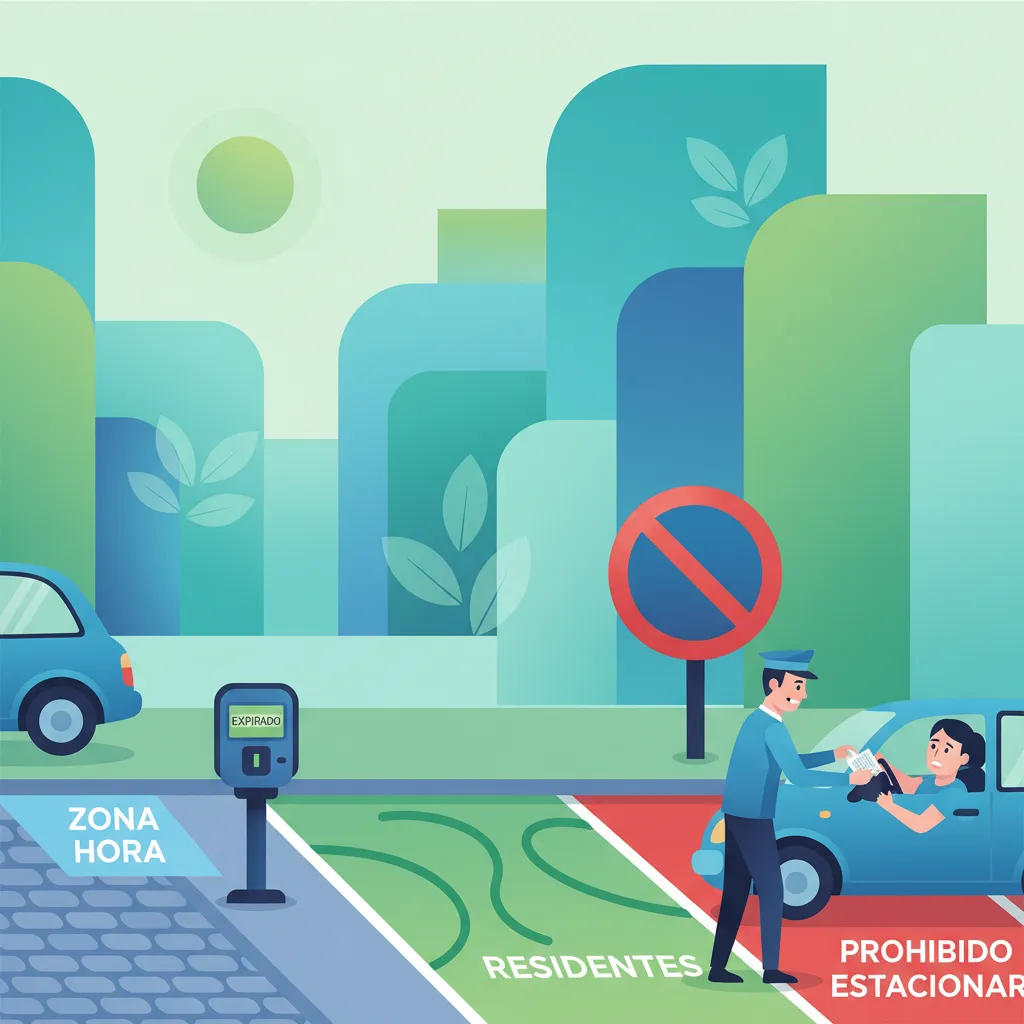
This lesson outlines the legal framework surrounding parking regulations in Spain, including the identification of regulated zones (e.g., ORA/SER), no-parking areas, and disabled parking spaces. It explains DGT signage interpretation and how improper parking can affect traffic flow and result in penalties. Learners will understand the regulatory environment to comply with parking laws and avoid fines.

This lesson provides strategies for navigating tight, confined environments such as multi-story car parks and narrow urban lanes. It emphasizes the importance of slow and controlled movements, constant observation, and a thorough understanding of the vehicle's dimensions and turning circle. Learners will develop the skills to maneuver with precision while avoiding obstacles.

This lesson provides guidance on the practical aspects of parking and making deliveries in urban areas. It covers the techniques for safely maneuvering into and out of loading docks and designated delivery zones, which often involves precise reversing. The content also explains the specific parking regulations that apply to commercial vehicles and best practices for ensuring safety during loading and unloading.

This lesson addresses common errors made by drivers when using roundabouts and presents corrective strategies. It covers issues such as entering from the wrong lane, failing to yield to circulating traffic, exceeding the recommended speed, and not signaling an exit correctly. By understanding these mistakes, drivers can improve their roundabout proficiency and reduce accident risk.

This lesson focuses on the specific procedures for parking safely on an incline. It explains the correct method for applying the parking brake, selecting the appropriate gear, and turning the front wheels towards or away from the curb to prevent rolling. These techniques are essential for securing the vehicle on both uphill and downhill slopes.
Gain a comprehensive understanding of various parking maneuvers and their associated urban driving rules in Spain. This lesson covers parallel parking, reverse parking, and other essential techniques required by the DGT.
This lesson outlines the legal framework surrounding parking regulations in Spain, including the identification of regulated zones (e.g., ORA/SER), no-parking areas, and disabled parking spaces. It explains DGT signage interpretation and how improper parking can affect traffic flow and result in penalties. Learners will understand the regulatory environment to comply with parking laws and avoid fines.
This lesson provides strategies for navigating tight, confined environments such as multi-story car parks and narrow urban lanes. It emphasizes the importance of slow and controlled movements, constant observation, and a thorough understanding of the vehicle's dimensions and turning circle. Learners will develop the skills to maneuver with precision while avoiding obstacles.
This lesson covers the essential techniques for perpendicular parking (reversing into a bay) and executing a three-point turn. It details the approach, turning points, and use of mirrors and observation to ensure proper vehicle positioning. Learners will understand how to assess the required space and comply with DGT regulations for these common maneuvers.
This lesson provides guidance on the practical aspects of parking and making deliveries in urban areas. It covers the techniques for safely maneuvering into and out of loading docks and designated delivery zones, which often involves precise reversing. The content also explains the specific parking regulations that apply to commercial vehicles and best practices for ensuring safety during loading and unloading.
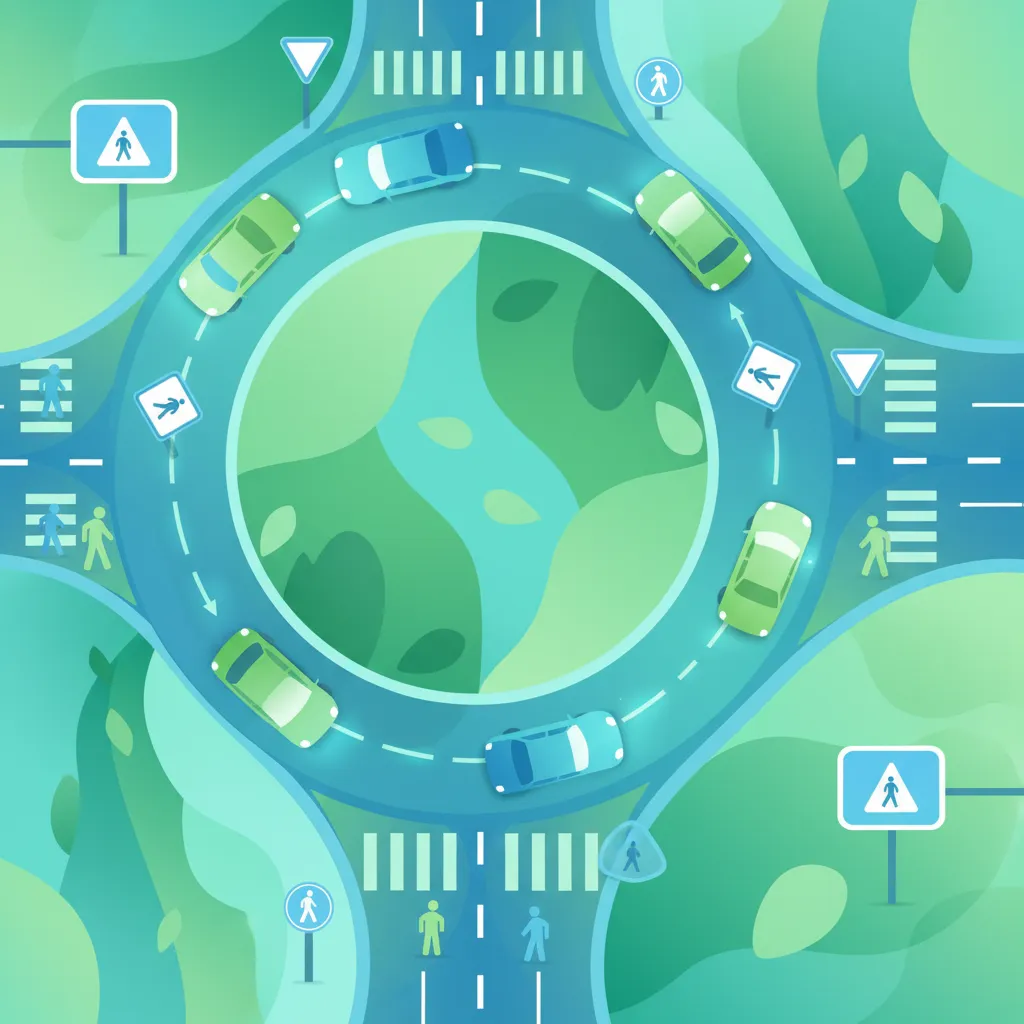
This lesson offers a comprehensive guide to navigating roundabouts in urban settings, explaining the correct protocols for entry, yielding, and circulation. Learners will be taught how to interpret lane markings and signage on multi-lane roundabouts and determine the correct vehicle positioning for safe entry and exit. The content emphasizes full compliance with Spanish city regulations that govern priority and right-of-way at these intersections.
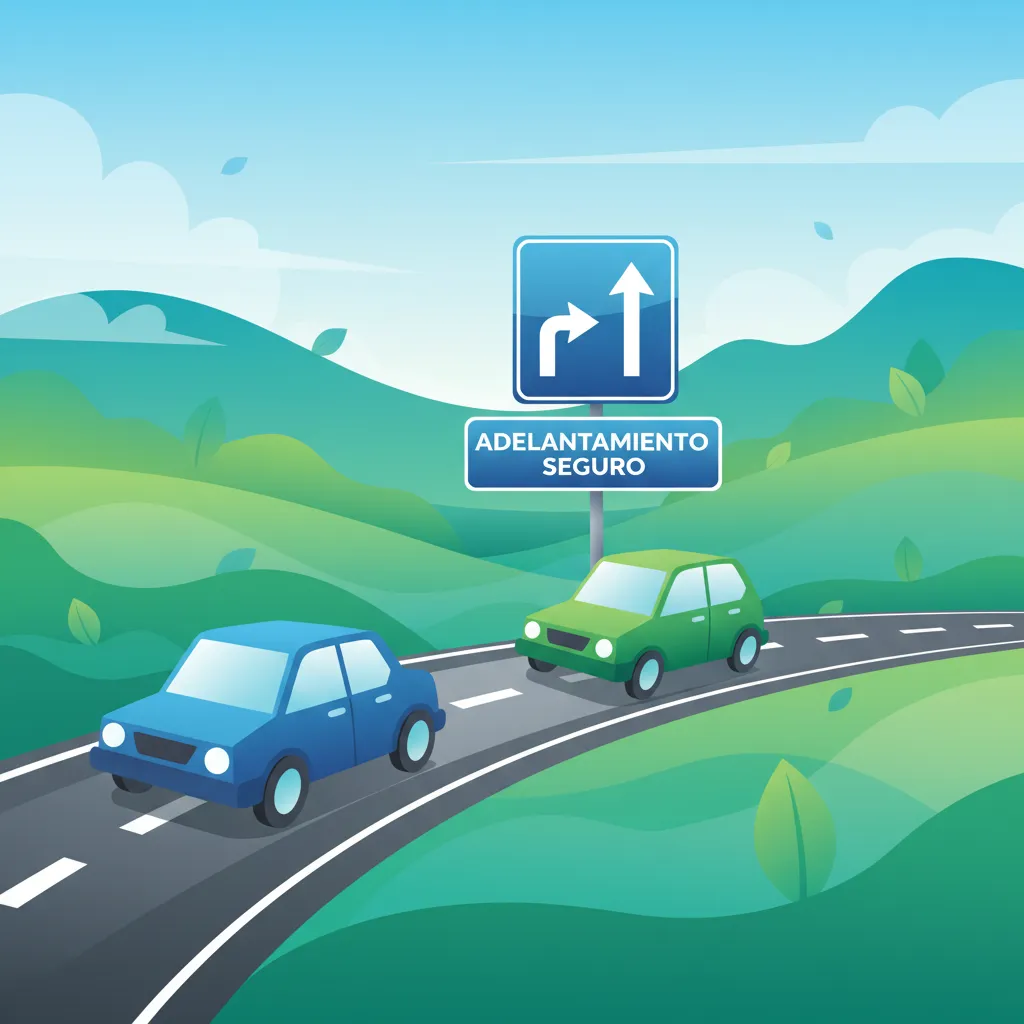
This lesson covers the legal overtaking procedures applicable on different road types, focusing on identifying safe passing zones and executing maneuvers correctly. Learners will be taught how to maintain adequate safety distances before, during, and after overtaking. The content includes DGT regulations for overtaking, appropriate signaling, and visibility checks to ensure safe completion of the maneuver.
This lesson focuses on the specific procedures for parking safely on an incline. It explains the correct method for applying the parking brake, selecting the appropriate gear, and turning the front wheels towards or away from the curb to prevent rolling. These techniques are essential for securing the vehicle on both uphill and downhill slopes.
Find clear answers to common questions learners have about Parallel Parking Principles and Spot Selection. Learn how the lesson is structured, which driving theory objectives it supports, and how it fits into the overall learning path of units and curriculum progression in Spain. These explanations help you understand key concepts, lesson flow, and exam focused study goals.
Reference points vary slightly by vehicle, but common ones include aligning your rear bumper with the preceding vehicle's rear bumper, using your side mirror to see the kerb, and turning the wheel at specific angles when your car is at a certain angle to the kerb. This lesson details these specific points for effective manoeuvre execution.
According to DGT regulations and common practice, your vehicle should be no more than 30 centimetres from the kerb when parallel parked. This lesson emphasizes achieving this distance accurately.
If a space is too small to safely complete the parallel parking manoeuvre without hitting other vehicles or the kerb, you should not attempt it. The DGT expects safe execution, not forcing a manoeuvre into an inadequate space. This lesson guides you on assessing space suitability.
While the core principles are the same, the BE category involves parking with a trailer. This lesson focuses on parallel parking a standard car (Category B). Handling a trailer during manoeuvres has specific additional considerations covered in Unit 9.
In the driving test, hitting another vehicle or the kerb significantly is usually a test failure. Minor touches might be tolerated if no damage is caused, but the goal is a clean manoeuvre. This lesson teaches techniques to avoid these errors.
Use our powerful search functionality to pinpoint specific Spanish DGT driving theory practice sets. Filter by road sign categories, traffic law topics, or question difficulty to build custom study sessions and reinforce your knowledge precisely where it matters for your official exam.