
Welcome to the final lesson in Unit 7, focusing on Responsibility and Ethical Driving Behaviour. Building upon hazard perception and defensive driving skills, this lesson delves into the crucial aspects of a driver's mindset and their ethical obligations on Spanish roads. Understanding courtesy, patience, and the dangers of distractions is vital for passing your DGT theory exam for categories B and BE.
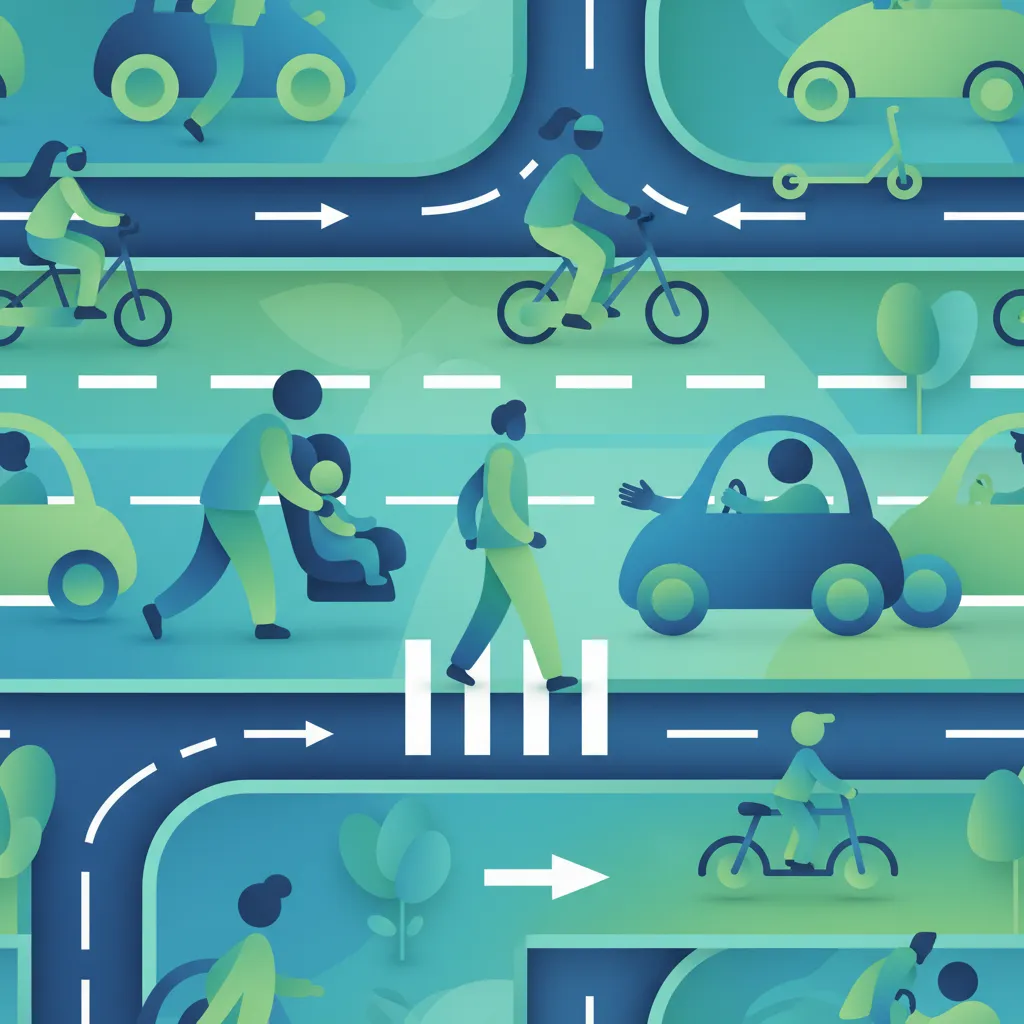
Lesson content overview
Navigating the roads is a privilege that comes with significant responsibility. This lesson delves into the crucial aspects of a driver's mindset and the ethical obligations inherent in operating a vehicle in Spain, covering categories B and BE. Ethical driving is not merely about following traffic laws; it's about a conscious commitment to safety, courtesy, and respect for all road users, fostering a harmonious and secure driving environment. This commitment directly contributes to reducing accidents, improving traffic flow, and upholding the legal framework established by the Dirección General de Tráfico (DGT).
This foundational understanding builds upon your knowledge of basic traffic regulations, priority rules, speed limits, and defensive driving techniques. It sets the stage for advanced topics, particularly in adverse conditions and emergencies, where ethical decisions become paramount.
Courtesy and respect are fundamental pillars of ethical driving. They involve treating all road users, regardless of their mode of transport, with politeness and acknowledging their rights on the road. This positive interpersonal behaviour significantly reduces conflict, prevents misunderstandings, and contributes to smoother, more predictable traffic flow.
In practice, courtesy manifests in various ways. It means using your vehicle's horn exclusively in emergencies to prevent an accident, rather than as a means of expressing frustration or greeting. It also involves patiently waiting for pedestrians at designated crossings and allowing other drivers to merge safely into traffic, especially when they signal their intention. A simple wave of thanks or an acknowledging nod can de-escalate potential tensions and build a cooperative road culture.
Article 24 of the Reglamento General de Circulación (RGC) implicitly encourages courteous behaviour by outlining prohibited actions that could be interpreted as discourteous or aggressive.
A common misunderstanding is that the horn can be used as a greeting. Under Spanish traffic law, using the horn for anything other than a safety-critical situation or to warn of danger is illegal and can be penalized. For example, allowing a cyclist to cross at a zebra crossing before you proceed, even if you could technically proceed with extreme caution, demonstrates exemplary courtesy and consideration.
Maintaining patience and calmness behind the wheel is essential for safe and ethical driving. It involves exercising self-control and resisting the urge to make rushed or impulsive manoeuvres, even when under pressure or facing delays. This emotional stability prevents aggressive errors, reduces stress, and significantly improves a driver's decision-making capabilities.
Patience allows you to maintain adequate following distances, ensuring you have enough time to react to sudden changes in traffic. It also enables smoother lane changes, preventing abrupt actions that can startle or endanger other drivers. This includes both temporal patience, such as waiting for a safe gap in traffic before merging, and spatial patience, which is reflected in maintaining a proper separation from the vehicle ahead.
A classic example of patience is stopping fully at a red light, even when the queue ahead is short or you perceive an immediate opening. Rushing to "save time" by accelerating into a tight gap is a dangerous misconception; patience is not about unnecessary slowness, but about driving at an appropriate and safe speed, in line with traffic conditions and regulations. The DGT recommends a minimum safe following distance of 2 seconds under normal conditions, extending to 3 seconds in adverse weather. Adhering to this guideline is a direct application of patience.
Ethical driving places a strong emphasis on protecting vulnerable road users (VRUs), who include pedestrians, cyclists, motorcyclists, and children. These groups have significantly less physical protection in the event of a collision, making accidents involving them far more severe. Therefore, drivers of motor vehicles have a heightened responsibility to exercise extra caution and consideration towards them.
Specific protective measures include:
It is a common misunderstanding that cyclists are merely "bicycles" and therefore have fewer rights than motor vehicles. This is false; cyclists have full rights to use the road, and their safety must be prioritised by motor vehicle drivers. For instance, if a child runs onto the roadway to retrieve a ball, slowing down immediately and preparing to stop is not just courteous, but a legal and ethical imperative.
Driver distraction is a leading cause of accidents in Spain and globally. Ethical driving demands a conscious effort to keep your visual, auditory, and cognitive attention fully focused on the driving task. Any activity that diverts this attention, even for a moment, can critically increase your reaction time and the probability of making a dangerous error.
Distractions can be categorised:
Spanish traffic law is strict regarding phone use. Article 25 of the RGC explicitly prohibits the use of handheld mobile phones or any other communication device while driving. This includes being stopped at a traffic light or in a traffic jam; the vehicle must be completely parked in a safe location outside of traffic flow to use a handheld device. While hands-free devices are permitted, it’s crucial to understand that they still pose a cognitive distraction. A complex conversation, even through a hands-free system, can reduce your focus on the road.
Using a handheld phone at a red light is still considered a distraction and is illegal. Your attention must remain fully on the driving task.
The most ethical approach to distraction management is to eliminate potential distractions before beginning your journey. If you need to make a call, send a message, or adjust your navigation system, pull over safely to a service area or designated parking spot.
Fatigue is a silent killer on the roads, significantly impairing a driver's judgment, reaction time, and vigilance. Ethical driving includes recognising the signs of tiredness and actively managing fatigue to prevent its dangerous effects. Even short periods of micro-sleep can lead to catastrophic accidents.
Signs of fatigue include:
The DGT strongly recommends taking a break of at least 15-20 minutes every 2 hours of continuous driving, especially on long trips or highways. This allows your body and mind to rest and refocus. Simply drinking coffee or opening a window provides only temporary alertness and does not eliminate the underlying fatigue. It's a common misunderstanding that coffee is a solution; it merely masks the problem.
If you are feeling drowsy, the only truly effective solution is to stop driving and rest, ideally taking a short nap in a safe location. Planning your journeys to incorporate regular breaks and ensuring you are well-rested before driving are critical components of ethical fatigue management.
Aggressive driving is characterised by hostile, intimidating, or reckless behaviours that endanger other road users. It contributes to heightened road tension, increased accident risk, and can escalate into road rage incidents. Ethical driving fundamentally opposes such behaviours, promoting calm and considerate conduct instead.
Common forms of aggressive driving include:
Article 81 of the RGC prohibits driving in a manner that endangers other road users, which directly covers aggressive behaviours.
Aggressive driving is not only dangerous but also carries severe legal penalties in Spain. Maintaining a safe following distance and resisting the urge to react to provocations from other drivers are key strategies. For example, rather than pressing your brake pedal suddenly to "punish" a tailgater, it's safer and more ethical to gently ease off the accelerator, allowing them to pass, or to change lanes when safe to do so. Remember that staying calm and avoiding escalation protects yourself and everyone else on the road.
Ethical decision-making in driving goes beyond merely obeying the letter of the law; it involves choosing actions based on moral responsibility, public safety, and a strong sense of duty, even when personal convenience might suggest otherwise. It's about aligning your personal values with your legal obligations and the collective safety of society.
This principle requires a constant risk assessment and a clear value hierarchy, where the preservation of life and prevention of harm always take precedence over factors like punctuality or personal comfort. For instance, you might yield to an emergency vehicle even when not strictly required by a specific rule at that exact moment, simply to ensure their swift passage and reduce risk to others.
Choosing actions behind the wheel based on moral principles, public safety, and legal duties, rather than solely on personal convenience or perceived shortcuts.
A common misunderstanding is viewing "ethics" as an optional addition to driving. In reality, ethical considerations are embedded within legal obligations and the broader duty of care. For example, slowing down to allow a cyclist to merge safely into traffic, even if you technically have the right-of-way, demonstrates ethical driving by prioritising their safety over your momentary advantage. The general duty of care outlined in Article 2 of the RGC is the overarching legal framework that encompasses ethical driving principles.
Every driver on Spanish roads is legally accountable for their actions and omissions. Understanding your legal responsibility and potential liability is a cornerstone of ethical driving. This clarity defines your duty of care and outlines the consequences of violating traffic regulations or causing harm.
Breaches of traffic rules can lead to:
Article 5 of the RGC mandates that drivers must operate their vehicles with due care and attention, taking all necessary precautions to avoid causing harm. This "duty of care" is the foundation of legal liability. A common misunderstanding is believing that if "no one saw" a violation, there are no consequences. However, liability can be established through various means, including witness testimony, accident reconstruction, and vehicle data, regardless of immediate police presence. Mandatory reporting of accidents involving injuries or significant damage is a legal requirement, highlighting your direct accountability.
Even experienced drivers can sometimes fall into patterns of behaviour that compromise ethical driving. Recognizing these common violations and understanding their consequences is vital for maintaining safety on Spanish roads.
Ethical driving principles remain constant, but their application requires dynamic adaptation based on various contextual factors. Being aware of these variations ensures that your driving remains safe and responsible under all circumstances.
The choices made by drivers have far-reaching consequences, both for themselves and for the entire road community. Understanding these cause-and-effect relationships reinforces the importance of ethical driving.
Responsible and ethical driving is the cornerstone of road safety in Spain for all license categories, including B and BE. It transcends mere compliance with regulations, demanding a proactive mindset focused on prevention and consideration.
This lesson covers the essential mindset and ethical obligations of drivers on Spanish roads, encompassing courtesy, patience, and respect for all road users. It details specific hazards including distraction (with Article 25 RGC prohibitions), fatigue (recognised by DGT as a silent killer), and aggressive driving (prohibited under Article 81 RGC). Vulnerable road users require heightened consideration, including 1.5-metre overtaking clearance for cyclists and full yielding at zebra crossings. The legal framework established by the RGC and enforced by the DGT defines driver accountability, with clear consequences for violations. Ethical driving means applying these principles consistently, adapting to conditions like weather, road type, and vehicle load to maintain safety at all times.
A short set of high-value points that capture the most important learning from this lesson.
Responsible driving goes beyond legal compliance to include moral duty, ethical decision-making, and proactive hazard prevention.
Vulnerable road users (pedestrians, cyclists, motorcyclists, children) require extra caution as they lack physical protection in collisions.
Driver distraction includes visual, manual, and cognitive types, with handheld phone use being explicitly prohibited by Article 25 RGC.
Fatigue is a silent killer that significantly impairs judgment, reaction time, and vigilance; it cannot be eliminated by coffee alone.
Aggressive driving behaviours like tailgating, weaving through traffic, and excessive honking endanger all road users and violate Article 81 RGC.
Explore all units and lessons included in this driving theory course.
The 2-second following distance rule applies under normal conditions, extending to 3 seconds in adverse weather (DGT recommendation).
Using a handheld phone is illegal even when stopped at a traffic light; the vehicle must be fully parked outside traffic flow.
Cyclists have full road rights and must be given at least 1.5 metres lateral clearance when overtaking (Article 39 RGC).
Signs of fatigue include frequent yawning, heavy eyelids, drifting from lane, and irritability; only rest can address it.
Ethical driving means prioritising safety and consideration over personal convenience, even when you technically have the right-of-way.
Believing it is acceptable to use a handheld phone while stopped at a red light or in traffic congestion; this remains a distraction and is illegal.
Assuming cyclists have fewer rights than motor vehicles; they have full rights to use the road and must be prioritised by motor vehicle drivers.
Thinking that coffee or opening a window eliminates fatigue; these only mask the problem temporarily.
Reacting to aggressive drivers with aggression, such as brake-checking a tailgater; this escalates danger and should be avoided.
Skipping rest breaks on long motorway journeys because the journey 'seems short'; fatigue accumulates silently.
Lesson content overview
A short set of high-value points that capture the most important learning from this lesson.
Responsible driving goes beyond legal compliance to include moral duty, ethical decision-making, and proactive hazard prevention.
Vulnerable road users (pedestrians, cyclists, motorcyclists, children) require extra caution as they lack physical protection in collisions.
Driver distraction includes visual, manual, and cognitive types, with handheld phone use being explicitly prohibited by Article 25 RGC.
Fatigue is a silent killer that significantly impairs judgment, reaction time, and vigilance; it cannot be eliminated by coffee alone.
Aggressive driving behaviours like tailgating, weaving through traffic, and excessive honking endanger all road users and violate Article 81 RGC.
Explore all units and lessons included in this driving theory course.
The 2-second following distance rule applies under normal conditions, extending to 3 seconds in adverse weather (DGT recommendation).
Using a handheld phone is illegal even when stopped at a traffic light; the vehicle must be fully parked outside traffic flow.
Cyclists have full road rights and must be given at least 1.5 metres lateral clearance when overtaking (Article 39 RGC).
Signs of fatigue include frequent yawning, heavy eyelids, drifting from lane, and irritability; only rest can address it.
Ethical driving means prioritising safety and consideration over personal convenience, even when you technically have the right-of-way.
Believing it is acceptable to use a handheld phone while stopped at a red light or in traffic congestion; this remains a distraction and is illegal.
Assuming cyclists have fewer rights than motor vehicles; they have full rights to use the road and must be prioritised by motor vehicle drivers.
Thinking that coffee or opening a window eliminates fatigue; these only mask the problem temporarily.
Reacting to aggressive drivers with aggression, such as brake-checking a tailgater; this escalates danger and should be avoided.
Skipping rest breaks on long motorway journeys because the journey 'seems short'; fatigue accumulates silently.
Explore search topics learners often look for when studying Responsibility and Ethical Driving Behaviour. These topics reflect common questions about road rules, driving situations, safety guidance, and lesson level theory preparation for learners in Spain.
Browse additional driving theory lessons that cover connected traffic rules, road signs, and common driving situations related to this topic. Improve your understanding of how different rules interact across everyday traffic scenarios.
Understand your ethical and legal obligations to protect pedestrians, cyclists, and motorcyclists on Spanish roads. Learn specific rules for yielding and safe overtaking distances.

This lesson addresses the critical skill of safely sharing the road with other vulnerable users like pedestrians, cyclists, and other motorcyclists. It emphasizes the need for increased awareness, speed adaptation, and providing ample space when passing. The content covers DGT regulations regarding minimum passing distances and highlights the importance of making eye contact to ensure mutual awareness and prevent common urban accidents.

This lesson explores the design and legal requirements of pedestrian crossings in Spanish urban areas. It clarifies the rules at zebra crossings, signal-controlled crossings, and areas where cyclists or other vulnerable users share space. The content explains the required safety distances and signage indicating crossing zones to ensure drivers respect all road users.
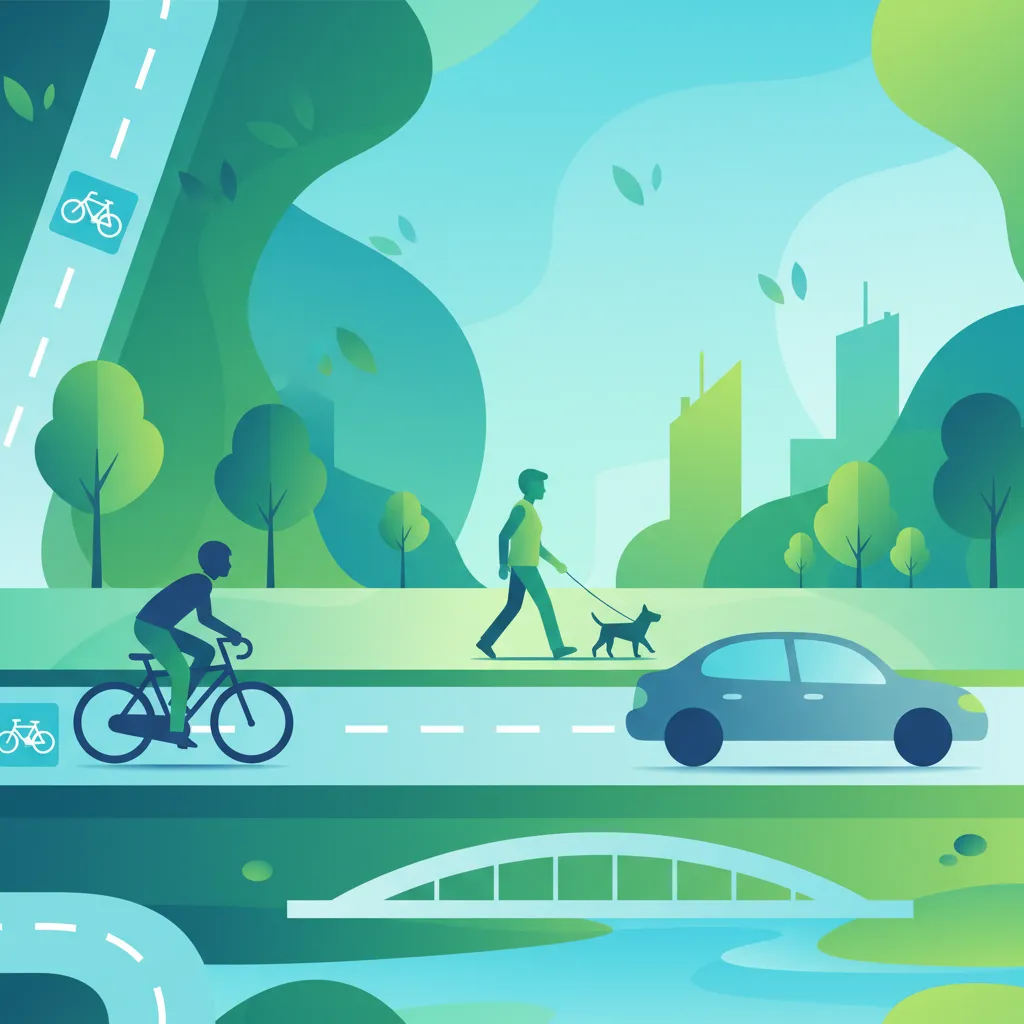
This lesson discusses the infrastructure dedicated to cyclists, covering dedicated bike lanes and the rules governing interaction and overtaking. It explains DGT regulations on safe passing distances and how to navigate mixed-traffic scenarios where vehicles and bicycles share the road. The content emphasizes driver responsibilities to maintain a safe corridor and respect cyclist priority.

This lesson focuses on the absolute priority of pedestrians at marked crosswalks, often known as zebra crossings. It explains that riders must always be prepared to stop and yield the right-of-way to any pedestrian waiting to cross or already crossing. The content also covers signaled pedestrian crossings and general awareness in urban areas where pedestrians may cross unexpectedly, reinforcing safety and legal compliance.
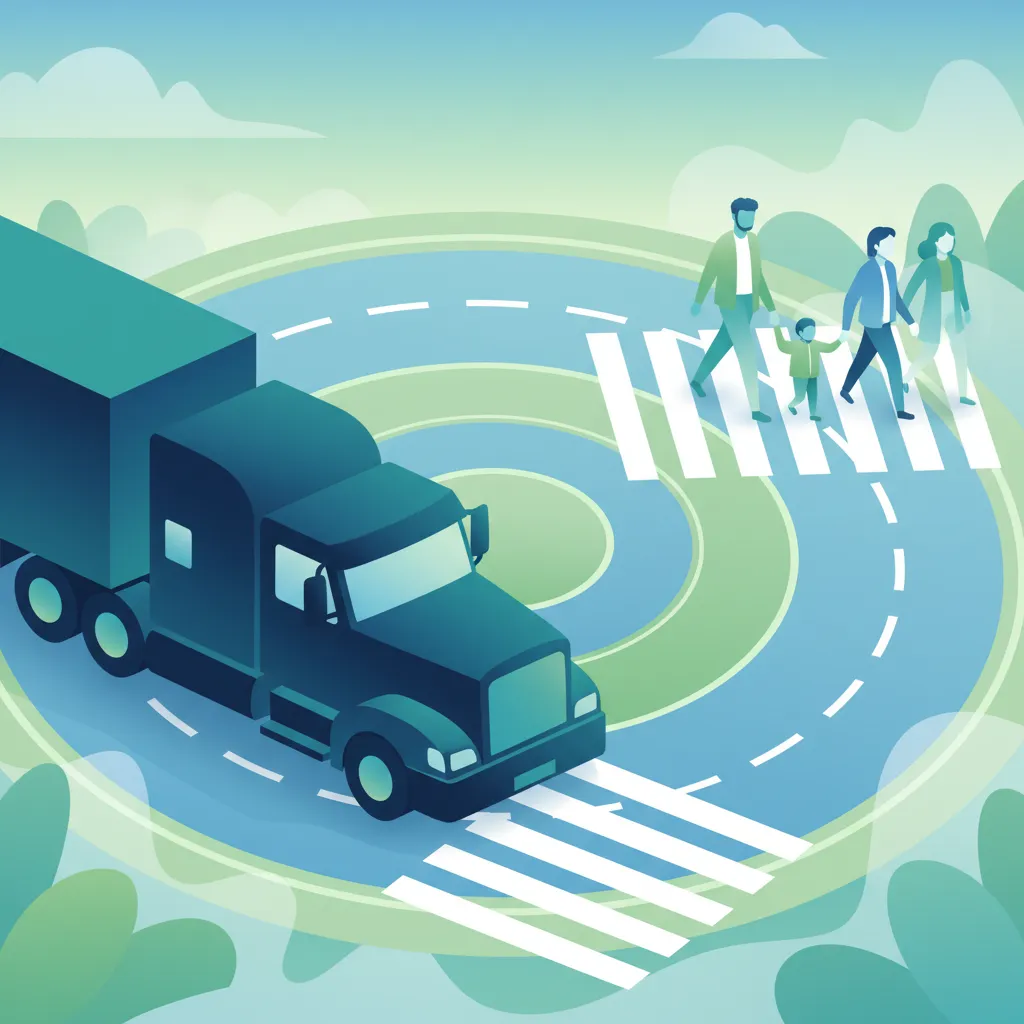
This lesson examines the interaction between large vehicles, such as trucks, and vulnerable road users within roundabouts. It addresses the wide turning radius of heavy vehicles, the importance of checking blind spots, and the correct yielding behavior toward pedestrians and cyclists. Learners will understand how to maintain safe distances and anticipate the movements of different road users.

This lesson focuses on interaction dynamics with larger vehicles like cars, trucks, and buses, detailing their specific blind spot zones. Strategies for safely sharing lanes, overtaking etiquette, and proper approach when a bus stops are covered. The lesson also includes guidance on merging onto acceleration lanes following DGT policies.

This lesson examines the dynamic interactions between mopeds, cars, and bicycles in an urban environment. It emphasizes strategies for staying visible and avoiding the blind spots of larger vehicles. The content provides clear guidelines on overtaking bicycles safely, respecting dedicated bike lanes, and signaling intentions clearly to all other road users to ensure predictable and harmonious coexistence in mixed traffic.
Learn to identify and manage distractions, combat driver fatigue, and avoid aggressive driving behaviours. Understand the legal and safety implications to ensure responsible road conduct.
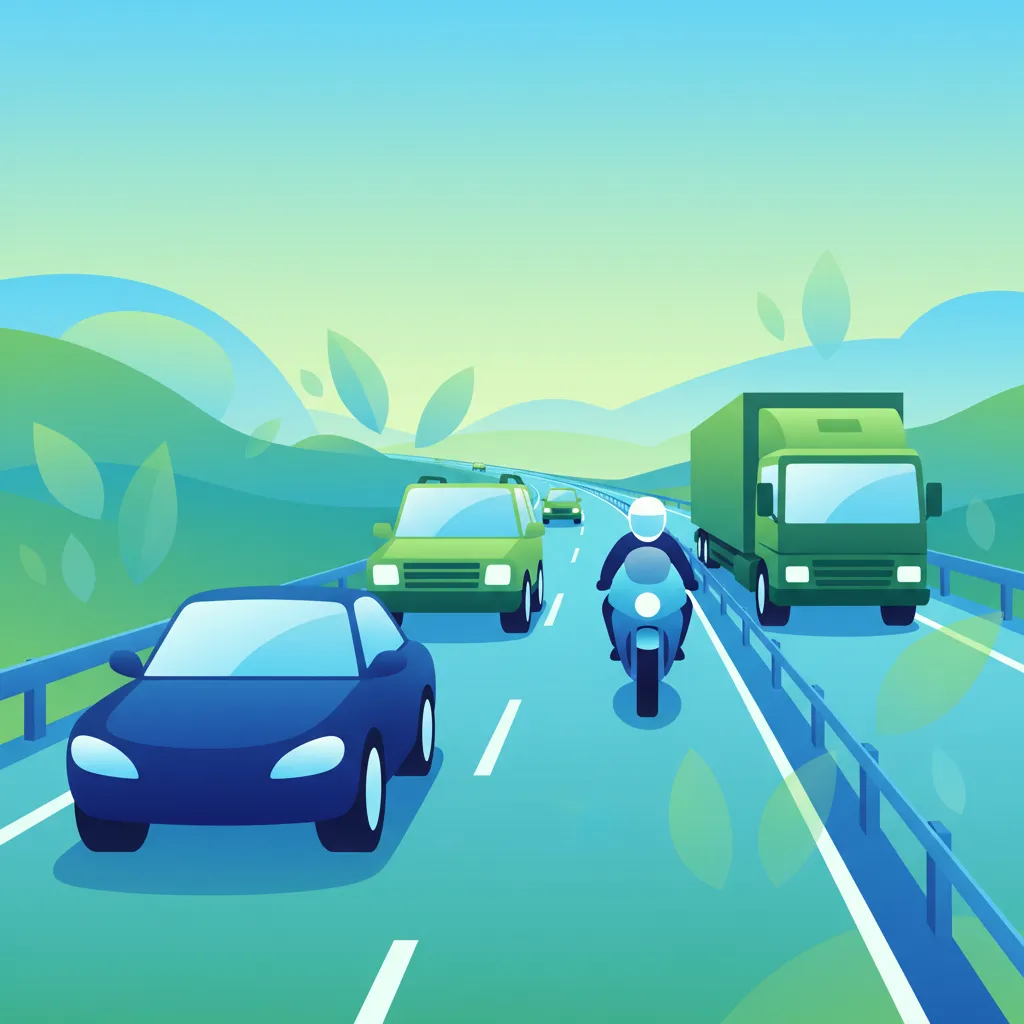
This lesson examines the principles of maintaining a safe following distance, including the 'two-second rule' and its adjustments for speed and weather. It focuses on effective blind-spot management, teaching drivers how to use mirrors and head checks. The content integrates DGT guidelines on creating a safety buffer around the vehicle to allow time to react to unexpected events.

This lesson teaches drivers to identify the common symptoms of fatigue and to understand its dangerous impact on reaction time and decision-making ability. Learners will explore techniques for monitoring their own alertness, the influence of circadian rhythms, and the absolute necessity of taking regular, quality rest breaks. The module also covers the legal limits on duty hours and presents practical strategies for mitigating fatigue during long shifts.

This lesson focuses on nighttime driving, emphasizing proper headlight usage and glare management from oncoming vehicles. It discusses DGT regulations for night driving, the appropriate use of high-beam and low-beam headlights, and techniques to reduce eye strain. Additionally, the lesson highlights the signs of driver fatigue and the importance of taking breaks.
This lesson outlines the core principles of defensive driving, focusing on maintaining a safe following distance, creating a protective space cushion around the vehicle, and anticipating potential hazards. Learners will be taught how to develop contingency plans for unexpected events and employ risk mitigation techniques to actively avoid accidents. The content reinforces the vital importance of remaining vigilant and proactive at all times when driving.

This lesson details the strict EU and Spanish regulations governing drivers' working hours, driving times, and mandatory rest periods. It explains how to use a tachograph to record activity and ensure compliance with daily and weekly limits. The content also provides practical strategies for managing fatigue to maintain driver alertness and prevent accidents, a critical aspect of professional road safety.
This lesson provides a detailed examination of the components that determine a vehicle’s stopping distance: perception time, reaction time, and braking distance. It outlines how to calculate safe stopping distances under various speeds and road conditions like wet or dry surfaces. Learners will be equipped to compute appropriate safety margins and understand the physics of emergency braking.

This lesson focuses on the strict limits for alcohol consumption while driving, expressed as blood alcohol concentration (BAC) thresholds specific to Spain. It explains how breathalyzer tests are administered, the legal consequences of exceeding the limits, and associated penalties like fines and licence suspension. The lesson also addresses drug-impaired driving, describing detection methods and the legal ramifications for both recreational and prescription substances.
In this lesson, drivers learn how to identify risk zones where potential hazards are likely to develop. The content explains the use of proactive observation and scanning techniques to detect evolving dangers in the driving environment. Learners will practice anticipating the actions of other road users based on traffic patterns and context, adjusting their speed and position accordingly.
This lesson covers how environmental conditions such as rain, fog, and darkness affect driving safety. It instructs drivers on adjusting speed, using appropriate lighting, and increasing following distance to compensate for reduced visibility and traction. The lesson incorporates DGT safety recommendations for handling adverse weather to mitigate risk and maintain control.
This lesson addresses the specific challenges posed by rain and fog, focusing on reduced visibility and loss of traction. It explains the proper use of windshield wipers and fog lights, and the need to adjust speed and increase following distance. The content covers how to prevent and react to hydroplaning (aquaplaning) to maintain vehicle control.
Find clear answers to common questions learners have about Responsibility and Ethical Driving Behaviour. Learn how the lesson is structured, which driving theory objectives it supports, and how it fits into the overall learning path of units and curriculum progression in Spain. These explanations help you understand key concepts, lesson flow, and exam focused study goals.
In Spain, drivers have a primary ethical responsibility to ensure the safety of themselves and all other road users. This includes being courteous, showing patience, anticipating the actions of others, and driving without distractions or aggression. It means prioritizing safety over speed or convenience.
Distractions significantly impair a driver's ability to react to hazards. Common examples tested include using a mobile phone, adjusting the radio or GPS, eating, or interacting intensely with passengers. The DGT theory exam often presents scenarios where distractions lead to dangerous situations.
Aggressive driving involves risky, impatient, and inconsiderate behaviour, such as tailgating, speeding, or weaving through traffic. Defensive driving, conversely, is about anticipating potential hazards, maintaining a safe distance, and making proactive decisions to avoid accidents, even when others drive poorly.
While not always codified as direct laws, patience and courtesy are fundamental to safe and ethical driving, which is expected by Spanish traffic regulations. Demonstrating these qualities helps prevent conflicts, reduces the risk of accidents, and contributes to a smoother traffic flow. DGT exam questions often assess a driver's understanding of these principles.
Fatigue significantly slows reaction times, impairs judgment, and can lead to microsleeps, similar to the effects of alcohol. Driving while tired is extremely dangerous and is a common topic in the theory exam, emphasizing the need for adequate rest before driving.
Use our powerful search functionality to pinpoint specific Spanish DGT driving theory practice sets. Filter by road sign categories, traffic law topics, or question difficulty to build custom study sessions and reinforce your knowledge precisely where it matters for your official exam.