Welcome to the "Fuel Efficiency and Driving Smoothness" lesson, part of the Highway Coach Driving unit. This module is crucial for professional bus and coach drivers preparing for their DGT theory exam. We'll delve into practical techniques to reduce fuel consumption and enhance passenger comfort, directly impacting operational costs and service quality.

Lesson content overview
Professional drivers of Category D and D1 vehicles, such as buses and coaches, bear a significant responsibility not only for passenger safety and comfort but also for operational efficiency and environmental impact. This lesson delves into the principles and techniques of eco-driving, specifically tailored to these heavy passenger vehicles, emphasizing how to reduce fuel consumption while simultaneously ensuring a smooth and pleasant journey for all onboard.
Eco-driving for professional bus and coach operators is an integrated approach to driving that prioritizes fuel efficiency, reduced emissions, and enhanced passenger comfort through smooth and anticipatory maneuvers. It goes beyond merely saving money; it is a holistic strategy that benefits the environment, improves vehicle longevity, and contributes to overall road safety. By understanding and applying eco-driving techniques, professional drivers can significantly reduce their operational costs and environmental footprint.
Adopting eco-driving techniques offers a multitude of advantages:
At the heart of fuel-efficient and smooth driving lie several fundamental principles derived from physics and vehicle dynamics. Professional drivers must internalize these concepts to consistently apply effective eco-driving techniques.
Every engine has an optimal operating range where it produces the most power for the least amount of fuel. This typically corresponds to a specific range of Revolutions Per Minute (RPM), often referred to as the "sweet spot" for fuel efficiency. The Principle of Engine Load Optimization involves operating the engine within this efficient torque range. For most modern heavy-duty diesel engines found in buses and coaches, this efficient RPM range is generally lower than what many drivers might instinctively use, often between 1,200 and 1,800 RPM. Maintaining optimal RPMs through appropriate gear selection ensures that the engine is not over-revving (wasting fuel) or lugging (straining and potentially damaging the engine).
Maintaining a constant speed is one of the most effective ways to reduce fuel consumption on suitable roads. The Principle of Speed Stabilization via Cruise Control highlights the benefits of using automatic speed regulation systems. On long, flat stretches of autovía or autopista, cruise control can prevent minor, often unconscious, fluctuations in speed that lead to unnecessary acceleration and deceleration cycles. These cycles, even if subtle, increase engine load and fuel burn. However, its application must be strategic, as it is not suitable for all road conditions or traffic situations.
Translating the core principles into practical driving techniques is key. Professional bus and coach drivers must master these methods to achieve optimal fuel efficiency and smoothness.
Strategic coasting involves reducing or completely lifting throttle input early when approaching a stop, a traffic light, or a downhill slope, allowing the vehicle to glide using its momentum. This technique leverages the Principle of Energy Recovery.
Cruise control utilization involves employing the automatic speed regulation system to maintain a constant speed. This system is particularly effective on long, relatively flat sections of autovía or autopista where traffic flow is stable.
Gear selection and shift timing are critical for keeping the engine RPM (Revolutions Per Minute) within its most efficient operating band. Modern heavy vehicles often have a wide range of gears, requiring skilled management.
Aerodynamic drag reduction involves taking measures to minimize the air resistance acting on the vehicle, particularly at higher speeds.
Route planning and load management are proactive strategies that influence fuel efficiency before the journey even begins.
Professional drivers must integrate eco-driving practices with adherence to Spanish traffic law, as specified by the Dirección General de Tráfico (DGT).
autovías and autopistas (motorways), buses and coaches (Category D) must not exceed 100 km/h. On conventional roads (carreteras convencionales), the limit is generally 90 km/h, and on urban roads, it is 50 km/h unless otherwise indicated.Peso Máximo Vehicular - PMV). Load must be distributed evenly.Many driving habits, often developed unconsciously, can significantly increase fuel consumption and diminish passenger comfort. Recognizing and correcting these common errors is crucial for professional drivers.
Abrupt Acceleration After Stops:
Coasting in Neutral on Downhill Slopes:
Leaving Windows Open at Highway Speeds:
Using Cruise Control in Heavy Traffic:
Ignoring Route Planning for Congested Areas:
Overloading the Vehicle:
Excessive Engine Revving While Shifting:
While the core principles of eco-driving remain constant, their application must be adapted to varying external conditions and vehicle states. Professional drivers must exercise judgment and adjust their techniques accordingly.
Autovía/Autopista) Driving: Ideal for applying cruise control to maintain constant speed and optimize aerodynamic efficiency. Higher gears are primarily used. Aerodynamic drag reduction (closed windows, streamlined loads) becomes paramount.Smooth driving is inherently safe and comfortable. Sudden acceleration, harsh braking, or abrupt turns can cause passengers to lose balance, leading to falls or discomfort.
Fuel efficiency and driving smoothness are not merely desirable traits for professional bus and coach operators; they are integral components of responsible, economic, and safe driving. By understanding the underlying principles of inertia, engine load, and aerodynamics, and by diligently applying techniques such as gentle throttle control, strategic coasting, intelligent use of cruise control, optimal gear selection, and proactive route planning, drivers can achieve remarkable improvements. Adherence to DGT regulations, coupled with an awareness of common mistakes and the adaptability to varying conditions, completes the profile of a truly professional and eco-conscious driver. This integrated approach ensures not only financial savings and environmental protection but also the paramount goal of passenger comfort and safety on every journey.
This lesson covers essential eco-driving techniques for professional Category D and D1 drivers in Spain, focusing on gentle throttle control, strategic coasting, cruise control usage, and optimal gear selection to maximize fuel efficiency while ensuring passenger comfort. Key principles include managing vehicle inertia, operating engines within efficient RPM bands (generally 1,200-1,800), and minimizing aerodynamic drag. Spanish DGT regulations mandate specific speed limits and restrict idling to approximately 5 minutes for buses. Common mistakes include abrupt acceleration, coasting in neutral, driving with windows open at speed, and using cruise control inappropriately. These techniques directly impact operational costs, environmental footprint, and passenger satisfaction while preparing drivers for the DGT theory examination.
A short set of high-value points that capture the most important learning from this lesson.
Eco-driving for buses and coaches integrates fuel efficiency, passenger comfort, and safety through smooth, anticipatory driving techniques
Managing vehicle inertia by anticipating traffic flow minimizes unnecessary acceleration and braking, directly reducing fuel consumption
Modern heavy diesel engines cut fuel completely during throttle-off coasting in gear, making it far more efficient than coasting in neutral
Aerodynamic drag increases exponentially with speed, making closed windows and speed compliance critical for fuel economy on highways
Strategic route planning using GPS and traffic data can significantly reduce fuel waste from congestion and frequent stops
Explore all units and lessons included in this driving theory course.
Category D vehicles must not exceed 100 km/h on autovías/autopistas, 90 km/h on conventional roads, and 50 km/h in urban areas
Bus engines should generally stay within 1,200-1,800 RPM for optimal efficiency; shift up around 1,500-1,800 RPM to avoid lugging or over-revving
Coasting in neutral is dangerous and counterproductive—deprives engine braking capability and often uses more fuel than coasting in gear
Buses must limit engine idling to approximately 5 minutes, especially when stationary with passengers on board
Cargo and passengers must be evenly distributed within the authorized Maximum Authorized Vehicle Weight (PMV) to maintain efficiency and stability
Accelerating hard after stops instead of using gentle, progressive throttle input causes fuel spikes and passenger discomfort
Coasting in neutral on downhill slopes eliminates engine braking, compromises vehicle control, and often wastes more fuel than in-gear coasting
Leaving windows open at highway speeds above 30-40 km/h significantly increases aerodynamic drag and fuel consumption
Using cruise control in stop-and-go traffic or urban areas reduces reaction time and creates safety risks when frequent speed adjustments are needed
Exceeding PMV weight limits or uneven load distribution drastically increases fuel consumption, braking distances, and legal penalties
Lesson content overview
A short set of high-value points that capture the most important learning from this lesson.
Eco-driving for buses and coaches integrates fuel efficiency, passenger comfort, and safety through smooth, anticipatory driving techniques
Managing vehicle inertia by anticipating traffic flow minimizes unnecessary acceleration and braking, directly reducing fuel consumption
Modern heavy diesel engines cut fuel completely during throttle-off coasting in gear, making it far more efficient than coasting in neutral
Aerodynamic drag increases exponentially with speed, making closed windows and speed compliance critical for fuel economy on highways
Strategic route planning using GPS and traffic data can significantly reduce fuel waste from congestion and frequent stops
Explore all units and lessons included in this driving theory course.
Category D vehicles must not exceed 100 km/h on autovías/autopistas, 90 km/h on conventional roads, and 50 km/h in urban areas
Bus engines should generally stay within 1,200-1,800 RPM for optimal efficiency; shift up around 1,500-1,800 RPM to avoid lugging or over-revving
Coasting in neutral is dangerous and counterproductive—deprives engine braking capability and often uses more fuel than coasting in gear
Buses must limit engine idling to approximately 5 minutes, especially when stationary with passengers on board
Cargo and passengers must be evenly distributed within the authorized Maximum Authorized Vehicle Weight (PMV) to maintain efficiency and stability
Accelerating hard after stops instead of using gentle, progressive throttle input causes fuel spikes and passenger discomfort
Coasting in neutral on downhill slopes eliminates engine braking, compromises vehicle control, and often wastes more fuel than in-gear coasting
Leaving windows open at highway speeds above 30-40 km/h significantly increases aerodynamic drag and fuel consumption
Using cruise control in stop-and-go traffic or urban areas reduces reaction time and creates safety risks when frequent speed adjustments are needed
Exceeding PMV weight limits or uneven load distribution drastically increases fuel consumption, braking distances, and legal penalties
Explore search topics learners often look for when studying Fuel Efficiency and Driving Smoothness. These topics reflect common questions about road rules, driving situations, safety guidance, and lesson level theory preparation for learners in Spain.
Browse additional driving theory lessons that cover connected traffic rules, road signs, and common driving situations related to this topic. Improve your understanding of how different rules interact across everyday traffic scenarios.
Explore advanced eco-driving strategies for buses and coaches. Learn how to optimize engine load, manage aerodynamic drag, and apply smart route planning for maximum fuel savings and passenger comfort in Spain.
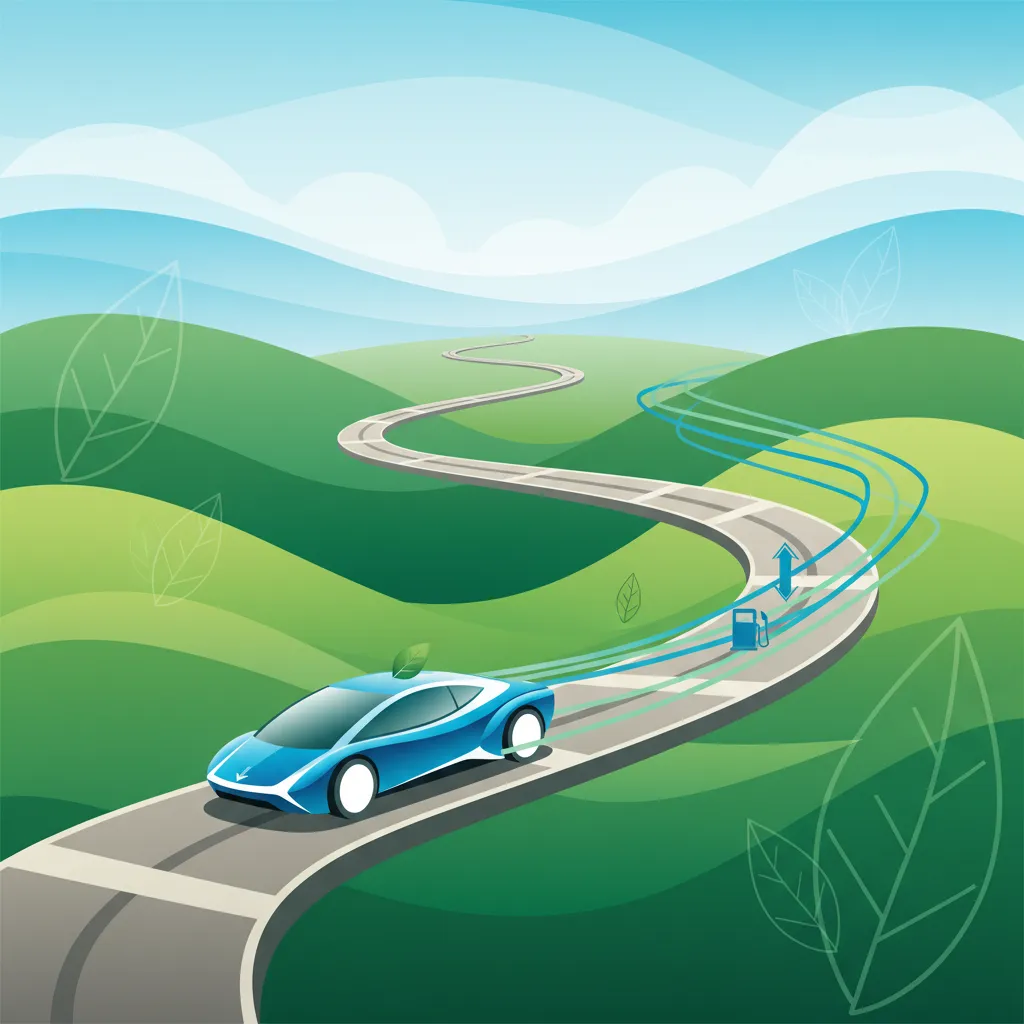
This lesson focuses on eco-driving practices that reduce fuel consumption and lower vehicle emissions. It explains techniques such as maintaining a steady speed, smooth acceleration and braking, and selecting the optimal gear. The content also covers how factors like proper tire pressure and reduced use of air conditioning contribute to better fuel efficiency and a smaller environmental footprint.
This lesson outlines the core principles of defensive driving, focusing on maintaining a safe following distance, creating a protective space cushion around the vehicle, and anticipating potential hazards. Learners will be taught how to develop contingency plans for unexpected events and employ risk mitigation techniques to actively avoid accidents. The content reinforces the vital importance of remaining vigilant and proactive at all times when driving.
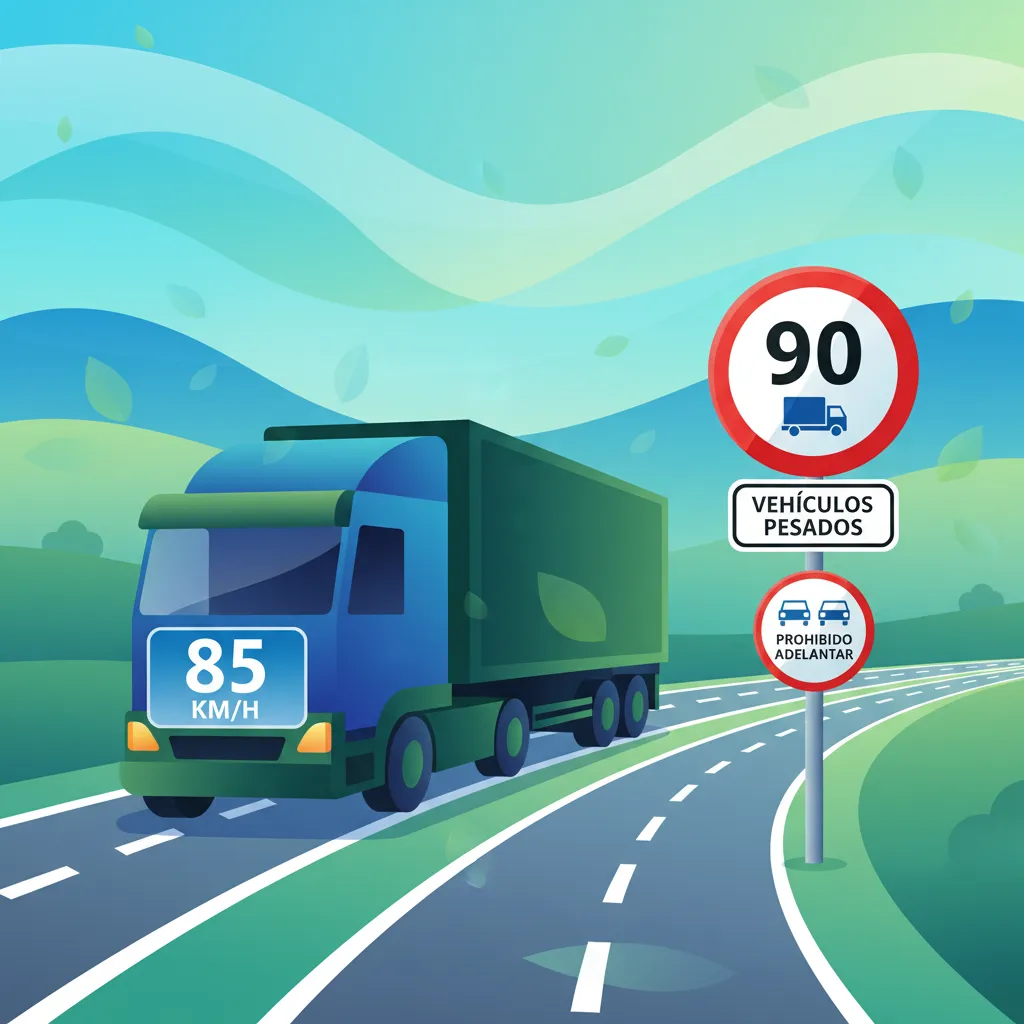
This lesson details the specific legal speed limits that apply to heavy passenger vehicles on Spanish highways, including variable speed zones that adjust based on traffic and weather conditions. Learners will understand the methods for speed monitoring, the function of speed control devices, and the legal consequences of non-compliance. The content also provides guidance on calculating a safe operating speed based on vehicle load and road conditions.

This lesson focuses on safe and efficient methods for passenger boarding and alighting at designated stops and stations, highlighting correct stop positioning and controlled door operation. It covers the proper deployment of wheelchair ramps, the use of safety signage, and the delivery of clear announcements to manage passenger movement effectively. Learners will develop techniques for controlling speed and performing safety checks to minimize stop times while maximizing safety.
This lesson focuses on the core principles of defensive driving as they apply to operating a large truck. It explains the importance of managing the space around the vehicle to create a safety buffer and always having an 'escape route' in mind. The content emphasizes anticipating the actions of other road users and being prepared to react calmly and safely to unexpected situations.
This lesson addresses overtaking procedures and lane discipline specifically for large coaches, emphasizing correct lane positioning and safe passing practices on multi-lane highways. It covers the legal rules for overtaking, the critical need for comprehensive blind spot checks before changing lanes, and the importance of signaling intentions early. Learners will also be taught how to maintain appropriate safety gaps when maneuvering around slower-moving traffic.
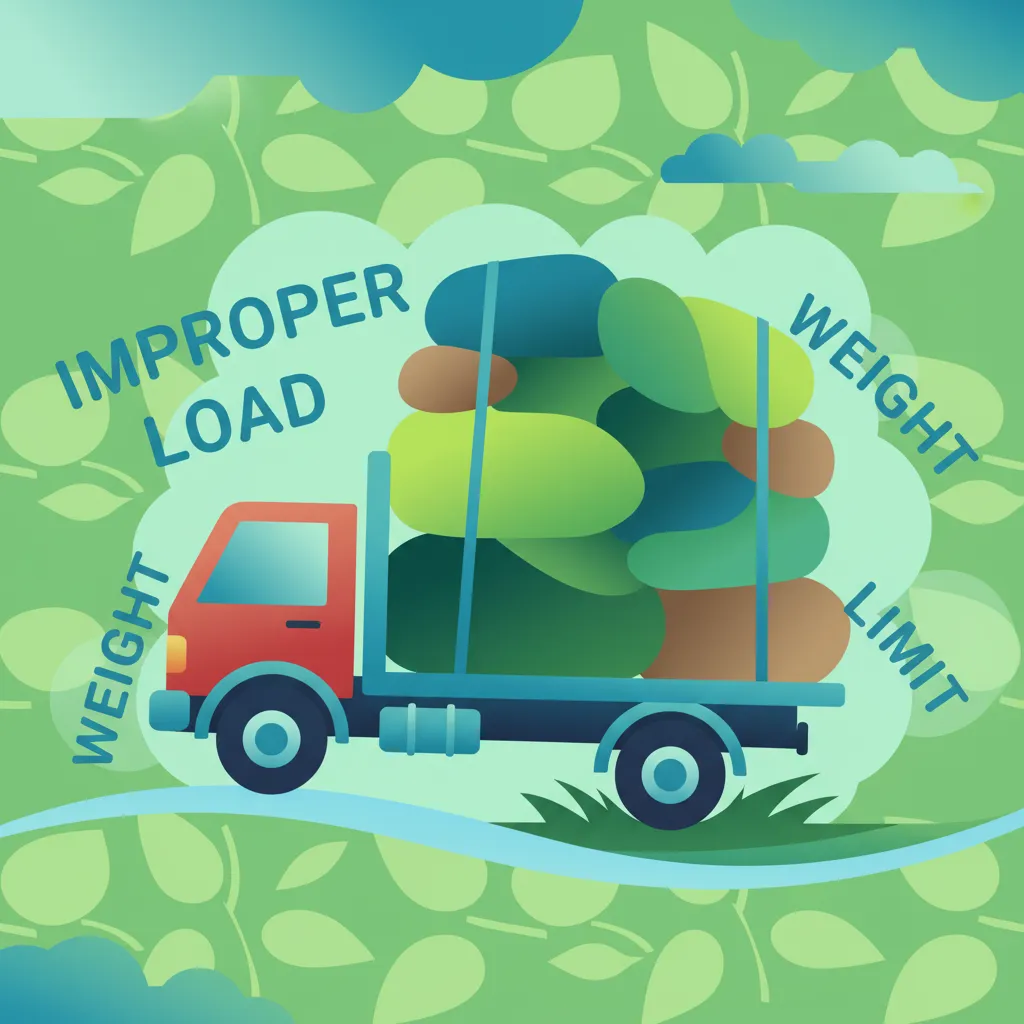
This lesson explains the critical importance of proper weight distribution and adherence to load limits for buses and coaches, focusing on gross vehicle weight and axle load regulations. It describes how passenger and cargo placement affects the centre of gravity, which in turn influences vehicle stability during acceleration, braking, and cornering. Learners will be taught best practices for load planning to ensure compliance and maintain safe handling.

This lesson focuses on effective communication strategies for drivers, including clear verbal announcements, the use of standard hand signals, and providing multilingual support where necessary. Learners will study best practices for delivering concise information regarding routes, upcoming stops, and essential safety instructions. The content also highlights the importance of timing these announcements correctly to prevent confusion and ensure passenger confidence.
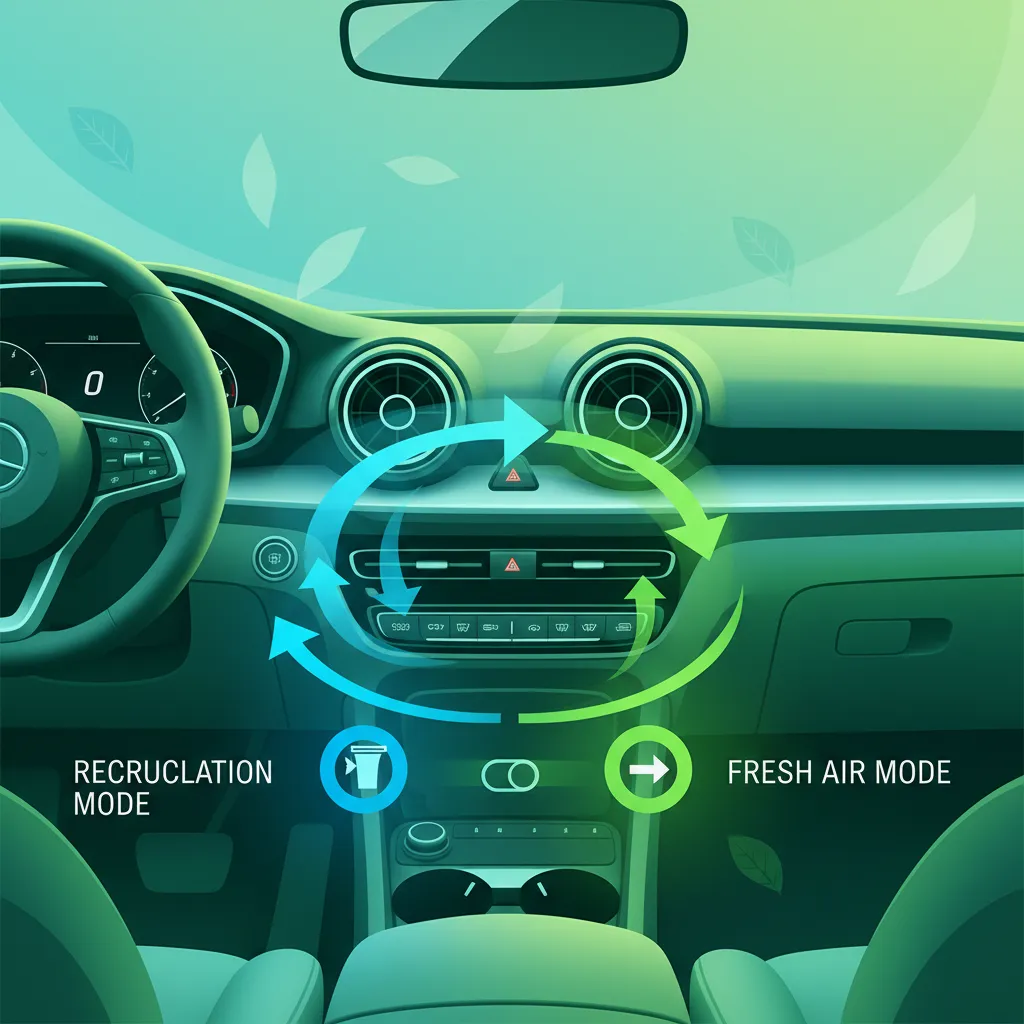
This lesson examines the environmental control systems within buses and coaches, including the heating, ventilation, and air conditioning (HVAC) units. Learners will discover how to maintain appropriate temperature, humidity, and air quality levels to guarantee passenger comfort across different weather conditions. The content also addresses the routine maintenance of HVAC components required to ensure their efficient and reliable operation.

This lesson examines the complex braking systems found in heavy passenger vehicles, with a focus on air brakes and anti-lock braking systems (ABS). It covers how these systems impact stopping distance, brake fade, and overall safety under different load and weather conditions. Learners will also study the required maintenance schedules and safety checks to ensure the braking components remain in optimal working order.
Understand how gentle throttle control, strategic coasting, and steady cornering improve passenger comfort and safety. This lesson connects smooth driving to vehicle dynamics and professional operational standards for DGT Category D drivers.

This lesson focuses on the high standards of professional behavior expected from drivers in the passenger transport sector, covering customer interaction skills and service quality benchmarks. Learners will explore effective communication techniques, methods for resolving conflicts calmly, and the importance of maintaining a professional demeanor, including appropriate dress and punctuality. The content emphasizes how courteous conduct directly enhances passenger satisfaction and promotes a positive company image.
This lesson focuses on effective communication strategies for drivers, including clear verbal announcements, the use of standard hand signals, and providing multilingual support where necessary. Learners will study best practices for delivering concise information regarding routes, upcoming stops, and essential safety instructions. The content also highlights the importance of timing these announcements correctly to prevent confusion and ensure passenger confidence.
This lesson outlines the best practices for precise vehicle positioning at urban bus stops and ensuring safe interaction with passengers. It covers the management of approach speed, correct alignment with the curb, and effective communication during boarding and alighting processes. Learners will also study how stopping maneuvers impact surrounding traffic flow and the importance of maintaining safety distances for efficient service.
This lesson outlines the core principles of defensive driving, focusing on maintaining a safe following distance, creating a protective space cushion around the vehicle, and anticipating potential hazards. Learners will be taught how to develop contingency plans for unexpected events and employ risk mitigation techniques to actively avoid accidents. The content reinforces the vital importance of remaining vigilant and proactive at all times when driving.
This lesson focuses on safe and efficient methods for passenger boarding and alighting at designated stops and stations, highlighting correct stop positioning and controlled door operation. It covers the proper deployment of wheelchair ramps, the use of safety signage, and the delivery of clear announcements to manage passenger movement effectively. Learners will develop techniques for controlling speed and performing safety checks to minimize stop times while maximizing safety.
This lesson addresses overtaking procedures and lane discipline specifically for large coaches, emphasizing correct lane positioning and safe passing practices on multi-lane highways. It covers the legal rules for overtaking, the critical need for comprehensive blind spot checks before changing lanes, and the importance of signaling intentions early. Learners will also be taught how to maintain appropriate safety gaps when maneuvering around slower-moving traffic.

In this lesson, learners will acquire the necessary skills to maneuver buses and coaches within confined areas such as narrow city streets, bus depots, and passenger terminals. It details techniques for reverse driving, tight cornering, and parallel parking, emphasizing the critical importance of blind spot awareness and precise low-speed control. The content focuses on developing spatial awareness to avoid collisions while maintaining passenger comfort.
This lesson outlines the techniques for executing safe and precise stops at bus stops and transport stations, focusing on controlled deceleration and correct alignment with the stop line. Learners will understand the importance of maintaining clear passenger visibility, applying the parking brake correctly, and minimizing dwell time without compromising safety. The module also emphasizes the need for consistency in stop positioning to improve service predictability.
This lesson details the specific legal speed limits that apply to heavy passenger vehicles on Spanish highways, including variable speed zones that adjust based on traffic and weather conditions. Learners will understand the methods for speed monitoring, the function of speed control devices, and the legal consequences of non-compliance. The content also provides guidance on calculating a safe operating speed based on vehicle load and road conditions.
This lesson examines the significant impact of various weather conditions on driving safety, including rain, fog, snow, ice, and high winds. Learners will understand how each condition can affect vehicle traction, reduce visibility, and alter driver perception, learning the appropriate adjustments to speed, following distance, and braking. The module also covers the use of vehicle safety features to mitigate risks in adverse weather.
Find clear answers to common questions learners have about Fuel Efficiency and Driving Smoothness. Learn how the lesson is structured, which driving theory objectives it supports, and how it fits into the overall learning path of units and curriculum progression in Spain. These explanations help you understand key concepts, lesson flow, and exam focused study goals.
Eco-driving refers to a set of driving techniques aimed at reducing fuel consumption and vehicle emissions. For buses and coaches in Spain, this includes smooth acceleration and braking, anticipating traffic flow, using appropriate gears, and minimizing idling time, all while ensuring passenger comfort and safety according to DGT guidelines.
Gentle acceleration prevents the engine from consuming excessive fuel needed to quickly reach a higher speed. By applying the throttle smoothly and progressively, you allow the engine to work more efficiently, leading to significant fuel savings over time, especially in stop-and-go urban traffic or during highway cruising.
Cruise control is most effective on long, relatively flat stretches of highway (autovías and autopistas) with consistent traffic flow. It helps maintain a steady speed, which is more fuel-efficient than fluctuating speeds caused by manual throttle adjustments. However, it should be used cautiously or disengaged in hilly terrain, heavy traffic, or adverse weather conditions as advised by DGT regulations.
Advance route planning allows drivers to select routes that minimize delays, avoid steep gradients, and reduce the need for frequent braking and acceleration. Choosing routes with smoother traffic flow and fewer traffic lights can lead to substantial fuel savings and a more predictable journey for passengers, as emphasized in Spanish driving theory for professional licenses.
Aerodynamic drag is a significant force that a bus must overcome, especially at higher speeds on highways. The larger the surface area and the faster the vehicle travels, the greater the drag and the more fuel is consumed. Maintaining a steady, moderate speed and avoiding unnecessary acceleration helps to mitigate the effect of aerodynamic drag and improve fuel efficiency.
Use our powerful search functionality to pinpoint specific Spanish DGT driving theory practice sets. Filter by road sign categories, traffic law topics, or question difficulty to build custom study sessions and reinforce your knowledge precisely where it matters for your official exam.