
Welcome to the 'Highway Coach Driving' unit. This lesson focuses on the specific rules and regulations for driving coaches on Spanish autovías and autopistas. Understanding these distinctions is crucial for your D/D1 license theory exam and for ensuring safe, compliant long-distance travel.
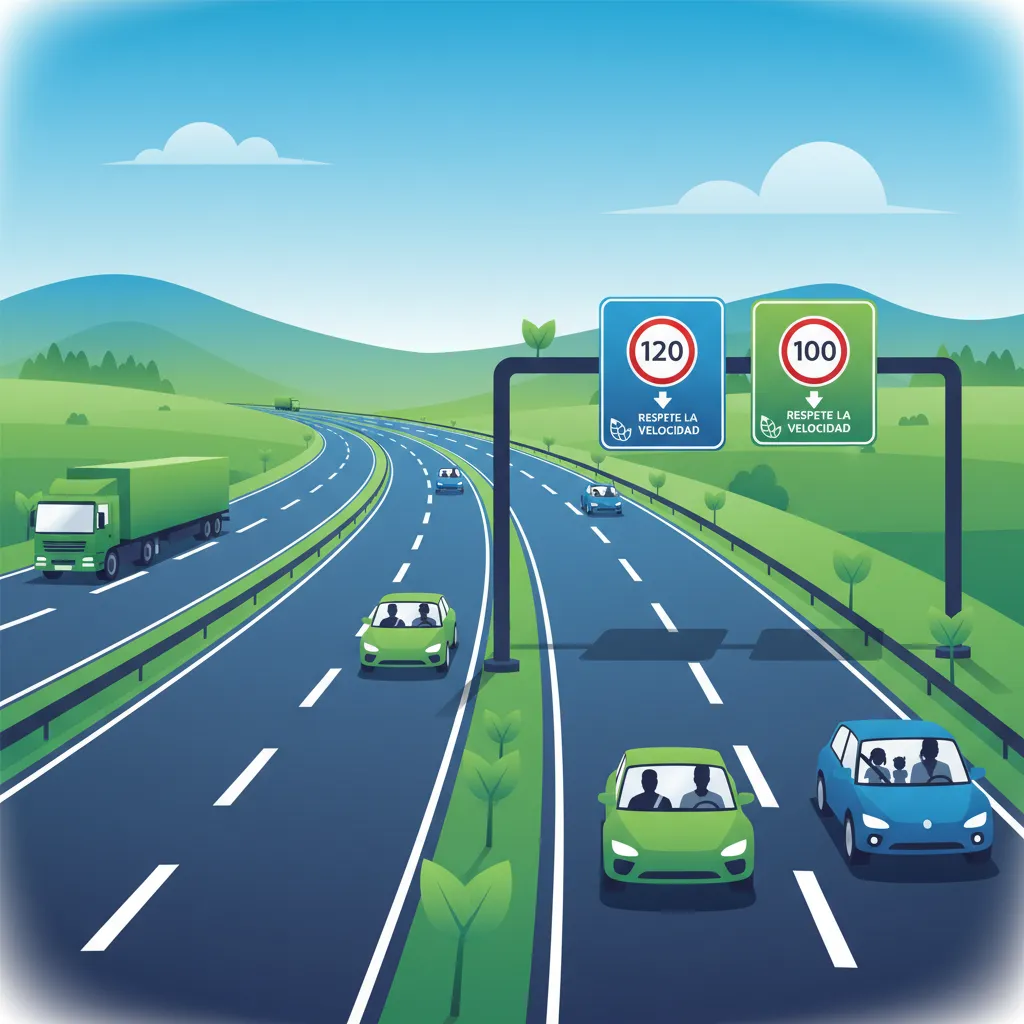
Lesson content overview
Operating a professional bus or coach (Category D) on Spanish high-capacity roads requires a precise understanding of specific traffic regulations. This lesson provides a comprehensive guide to navigating autovías and autopistas, detailing the unique rules, signage, and best practices that ensure safety, efficiency, and compliance with the Dirección General de Tráfico (DGT) legislation. Mastery of these regulations is crucial for all professional drivers aiming for their Spanish Driving License – Category D & D1.
Spain's network of high-speed roads is primarily divided into two main categories: autovías and autopistas. While both are designed for fluid, high-speed travel, they possess distinct characteristics and associated regulations that directly impact how professional coach drivers must operate. Recognizing the specific type of road is the first step in applying the correct driving rules.
An Autovía is a high-capacity dual carriageway designed for swift movement between areas, typically without direct property access. These roads often feature green background signage for destinations and route numbers, distinguishing them from autopistas. While autovías have controlled access, they may sometimes include at-grade intersections, roundabouts, or even pedestrian crossings in older or less-upgraded sections, although these are progressively being eliminated. Their design standards are generally slightly lower than those of autopistas, which can lead to more frequent speed limit variations or tighter curves.
An Autopista, in contrast, represents a full motor-only motorway with the highest design standards. These roads are characterized by physically separated carriageways, completely controlled access (meaning no at-grade intersections), and uniformly high design speeds. Autopistas use blue background signage for destinations and route numbers, clearly differentiating them from autovías. They are engineered to maximize traffic flow and minimize conflicts, featuring grade-separated interchanges throughout their entire length. Many autopistas are toll roads, requiring payment for use, though some are free.
For professional coach drivers, identifying the road type immediately is paramount. The distinct blue or green signage acts as a constant reminder of the applicable rules, especially concerning speed limits and the expectations for smooth traffic flow. Misinterpreting these classifications can lead to incorrect speed application, potential fines, and increased safety risks.
Adhering to correct speed limits is a fundamental responsibility for all drivers, but it holds particular importance for professional coach operators due to the vehicle's size, weight, and passenger capacity. Spanish DGT regulations impose specific maximum speeds for Category D vehicles that differ from those for passenger cars, reflecting the longer braking distances and reduced acceleration capabilities of heavy passenger transport.
For coaches and buses (Category D vehicles), the general maximum speed limits on Spanish motorways are:
These limits apply unless a lower speed is specifically indicated by road signage. It is critical for drivers to be vigilant for any posted speed limit signs, as sections of autovías or autopistas may have reduced limits due to road conditions, construction, tunnels, or environmental factors.
While the general limits serve as a baseline, professional drivers must always prioritize safety and comply with any temporary or permanent lower speed limits. For instance, a long tunnel on an autopista might have a specific limit of 80 km/h, or a section under repair on an autovía might temporarily reduce the limit to 60 km/h. Ignoring these posted limits is a common violation that can lead to significant penalties, including fines and points on the driving license.
Furthermore, these maximum limits are set for ideal driving conditions. In adverse weather, reduced visibility, or heavy traffic, drivers are legally required to reduce their speed below the posted maximum to a safe level, regardless of the official limit. The physical characteristics of a coach, such as its longer braking distance and higher center of gravity, demand greater caution and a more conservative approach to speed management than for lighter vehicles.
To ensure safe and fluid traffic flow, autovías and autopistas are not only subject to maximum speed limits but also to minimum speed requirements. These rules are designed to prevent overly slow vehicles from disrupting the flow of traffic, which can lead to unexpected braking, congestion, and an increased risk of rear-end collisions.
The underlying principle behind minimum speed requirements is to maintain a relatively uniform speed differential across all vehicles on the motorway. When a vehicle travels significantly slower than the prevailing traffic, it creates a hazard, as faster vehicles must brake or swerve to avoid it. For heavy vehicles like coaches, which have lower acceleration rates, maintaining a consistent minimum speed is vital to integrate smoothly into high-speed traffic streams.
On Spanish autovías and autopistas, the minimum speed limit is commonly 60 km/h, indicated by a circular blue sign with a white number. This sign signifies that vehicles must not travel below this speed on the designated stretch of road, assuming normal driving conditions.
Should a professional coach driver find that their vehicle cannot safely maintain the posted minimum speed due to mechanical issues, excessive load on a steep incline, or other unforeseen circumstances, they are legally obliged to exit the motorway at the next available and safe deceleration lane. Continuing to drive significantly below the minimum speed creates a dangerous obstruction and is a serious violation of traffic regulations. Always be aware of the minimum speed signs, especially on long uphill gradients where a coach's speed might naturally decrease.
Effective lane discipline is critical for maintaining safety and optimizing traffic flow on multi-lane autovías and autopistas. For professional coach drivers, understanding and strictly adhering to lane usage rules, particularly concerning the leftmost lane and overtaking procedures, is paramount. These rules are designed to prevent congestion, minimize dangerous lane changes, and ensure predictable behavior from all road users.
On autovías and autopistas with two or more lanes in the same direction, the rightmost lane is the default and primary lane for all heavy vehicles, including coaches. This rule helps to keep the faster, leftmost lanes clear for vehicles wishing to overtake or travel at higher speeds, facilitating a more organized and efficient flow of traffic. Professional drivers should maintain their position in the rightmost available lane unless actively engaged in an overtaking maneuver.
The leftmost lane (or lanes) on a motorway is designated exclusively for overtaking slower vehicles. Coaches, due to their size and speed characteristics, should only move into the left lane when necessary to pass another vehicle, and only when it is safe to do so. Once the overtaking maneuver is complete and the coach has safely passed the slower vehicle, the driver must return to the rightmost available lane as soon as it is safe to do so, without causing obstruction or inconvenience to following traffic.
A critical rule on Spanish motorways is the prohibition of overtaking on the right. Overtaking must always be performed on the left, unless specifically indicated otherwise by signage in very rare, specific circumstances (e.g., heavily congested multi-lane urban motorways with specific lane allocation signs). Attempting to overtake a vehicle on its right side is illegal, unpredictable, and significantly increases the risk of collision, as drivers typically anticipate overtaking from the left.
A common violation and safety hazard is for heavy vehicles, or any vehicle, to remain in the leftmost lane longer than necessary after completing an overtaking maneuver. This practice, often referred to as "lane hogging," impedes the flow of traffic, forces other drivers to brake or illegally overtake on the right, and can lead to driver frustration and aggressive behavior. Professional coach drivers must be disciplined in returning to the right lane promptly after overtaking, ensuring smooth traffic progression and reducing potential conflicts.
Proper use of acceleration and deceleration lanes, commonly known as ramps, is fundamental for ensuring safe and fluid transitions when entering or exiting autovías and autopistas. These dedicated lanes are engineered to allow vehicles to adjust their speed to match or diverge from the main carriageway's flow, minimizing disruption and collision risk. For large vehicles like coaches, executing these maneuvers correctly is even more critical due to their longer acceleration and deceleration times.
When entering an autovía or autopista, coach drivers must utilize the acceleration lane (on-ramp) to build up speed. The procedure involves several key steps:
When exiting an autovía or autopista, coaches must use the deceleration lane (off-ramp) to reduce speed safely without impeding the flow of traffic on the main carriageway.
Incorrect ramp usage, such as merging onto the main lane without sufficient acceleration or braking on the main carriageway before entering the deceleration lane, can lead to dangerous speed differentials and increase the risk of collisions. Professional drivers must prioritize smooth, predictable maneuvers at all times.
Beyond general speed limits and lane discipline, professional coach drivers must be acutely aware of vehicle-specific restriction signage. These signs prohibit the passage of vehicles exceeding certain dimensions or weights on particular road sections, tunnels, bridges, or urban areas not designed to accommodate them. Disregarding these restrictions can lead to severe consequences, including fines, road damage, and dangerous obstructions.
Restriction signs are typically circular with a red border, indicating a prohibition, and often feature a symbol or number to specify the restriction. For coaches (Category D vehicles), common restrictions to look out for include:
Professional coach drivers must be vigilant for these signs, especially when entering tunnels, approaching older bridges, or deviating from main routes into urban centers or specific industrial zones. It is part of a driver's professional responsibility to check the dimensions and weight of their vehicle against any posted restrictions.
If a restriction sign prohibits the passage of a coach, the driver must:
Proper route planning, taking into account vehicle dimensions and weight, is a key preventative measure against encountering such restrictions unexpectedly.
Spanish road signage uses a consistent system of colors, shapes, and symbols to convey information quickly and effectively. For professional coach drivers, a deep understanding of this visual language is essential for making prompt and correct decisions on the road, particularly on high-speed autovías and autopistas.
The shape of a sign provides immediate context to its meaning:
R301), no entry (R101), or specific vehicle restrictions (R200).C53), mandatory direction signs (C1), or required use of specific lanes.By quickly interpreting the color and shape of a sign, professional drivers can instantly categorize the type of information or instruction being conveyed, allowing for faster processing of the specific message (e.g., the number on a speed limit sign or the symbol on a restriction sign). This rapid interpretation is a critical skill for safe and compliant driving, especially when operating large vehicles where reaction times need to be maximized.
Driving a coach demands constant vigilance and the ability to adapt to varying conditions. While general regulations provide a framework, professional drivers must use their judgment to modify their driving behavior, particularly speed and following distance, in response to adverse weather, road conditions, or vehicle state.
By proactively adjusting to these conditional factors, professional coach drivers not only enhance safety for their passengers and other road users but also maintain compliance with DGT regulations, which mandate driving according to prevailing conditions.
Professional coach drivers are held to a high standard, and vigilance is key to avoiding common violations on autovías and autopistas. Many infringements stem from neglecting fundamental rules or failing to adapt to changing circumstances. Understanding these pitfalls and implementing best practices can significantly reduce risk and ensure legal compliance.
By prioritizing these best practices and understanding the rationale behind DGT regulations, professional coach drivers can significantly enhance their safety record, ensure passenger comfort, and maintain their legal standing within the Spanish road network.
Mastering the regulations for autovías and autopistas is essential for professional coach drivers operating in Spain. Here's a concise summary of the core principles:
Adhering to these regulations ensures not only legal compliance with DGT rules but also contributes significantly to road safety, efficient traffic flow, and the smooth operation of professional passenger transport services on Spain's high-capacity roads.
This lesson covers the essential regulations for driving coaches on Spanish motorways, distinguishing between autovías (green signage) and autopistas (blue signage) and their respective speed limits for Category D vehicles. Key topics include mandatory lane discipline where the rightmost lane is default, proper use of acceleration and deceleration lanes for safe merging and exiting, and adherence to minimum speed requirements of 60 km/h. The lesson also addresses vehicle restriction signage, weather-related speed adaptations, and common violations such as lane hogging and improper ramp usage. Mastery of these regulations ensures both legal compliance with DGT standards and safe operation on Spain's high-capacity road network.
A short set of high-value points that capture the most important learning from this lesson.
Autopistas use blue signage and have higher design standards; autovías use green signage and may include at-grade intersections.
Category D coaches must not exceed 100 km/h on autopistas or 90 km/h on autovías, with mandatory compliance to any lower posted limits.
The rightmost lane is the default lane for heavy vehicles; the leftmost lane is reserved exclusively for overtaking and must be vacated promptly after passing.
Minimum speed limits (typically 60 km/h) must be observed; if a coach cannot maintain this speed, the driver must exit at the next safe opportunity.
Vehicle restriction signs (weight, height, length) must be obeyed without exception, requiring pre-planning for alternative routes.
Explore all units and lessons included in this driving theory course.
Blue signs indicate autopistas; green signs indicate autovías.
Speed limits: 100 km/h maximum on autopistas, 90 km/h maximum on autovías for Category D vehicles.
Overtaking on the right is prohibited on Spanish motorways.
Deceleration lanes require gradual speed reduction within the lane, not on the main carriageway.
In fog with visibility below 50 metres, the maximum speed drops to 50 km/h for all vehicles.
Confusing autovía and autopista signage, leading to incorrect application of speed limits.
Remaining in the leftmost lane after overtaking (lane hogging), which impedes traffic flow and is a violation.
Entering a deceleration lane too late and braking on the main carriageway, disrupting traffic.
Disregarding vehicle restriction signs for weight, height, or length, causing infrastructure damage and fines.
Failing to reduce speed adequately in adverse weather, particularly underestimating braking distance increases.
Lesson content overview
A short set of high-value points that capture the most important learning from this lesson.
Autopistas use blue signage and have higher design standards; autovías use green signage and may include at-grade intersections.
Category D coaches must not exceed 100 km/h on autopistas or 90 km/h on autovías, with mandatory compliance to any lower posted limits.
The rightmost lane is the default lane for heavy vehicles; the leftmost lane is reserved exclusively for overtaking and must be vacated promptly after passing.
Minimum speed limits (typically 60 km/h) must be observed; if a coach cannot maintain this speed, the driver must exit at the next safe opportunity.
Vehicle restriction signs (weight, height, length) must be obeyed without exception, requiring pre-planning for alternative routes.
Explore all units and lessons included in this driving theory course.
Blue signs indicate autopistas; green signs indicate autovías.
Speed limits: 100 km/h maximum on autopistas, 90 km/h maximum on autovías for Category D vehicles.
Overtaking on the right is prohibited on Spanish motorways.
Deceleration lanes require gradual speed reduction within the lane, not on the main carriageway.
In fog with visibility below 50 metres, the maximum speed drops to 50 km/h for all vehicles.
Confusing autovía and autopista signage, leading to incorrect application of speed limits.
Remaining in the leftmost lane after overtaking (lane hogging), which impedes traffic flow and is a violation.
Entering a deceleration lane too late and braking on the main carriageway, disrupting traffic.
Disregarding vehicle restriction signs for weight, height, or length, causing infrastructure damage and fines.
Failing to reduce speed adequately in adverse weather, particularly underestimating braking distance increases.
Explore search topics learners often look for when studying Autovía and Autopista Regulations. These topics reflect common questions about road rules, driving situations, safety guidance, and lesson level theory preparation for learners in Spain.
Browse additional driving theory lessons that cover connected traffic rules, road signs, and common driving situations related to this topic. Improve your understanding of how different rules interact across everyday traffic scenarios.
Understand weight, height, and length restrictions for Category D vehicles on Spanish autovías and autopistas. Learn to interpret prohibition signs and find compliant alternative routes, essential for safe coach operation and DGT theory.
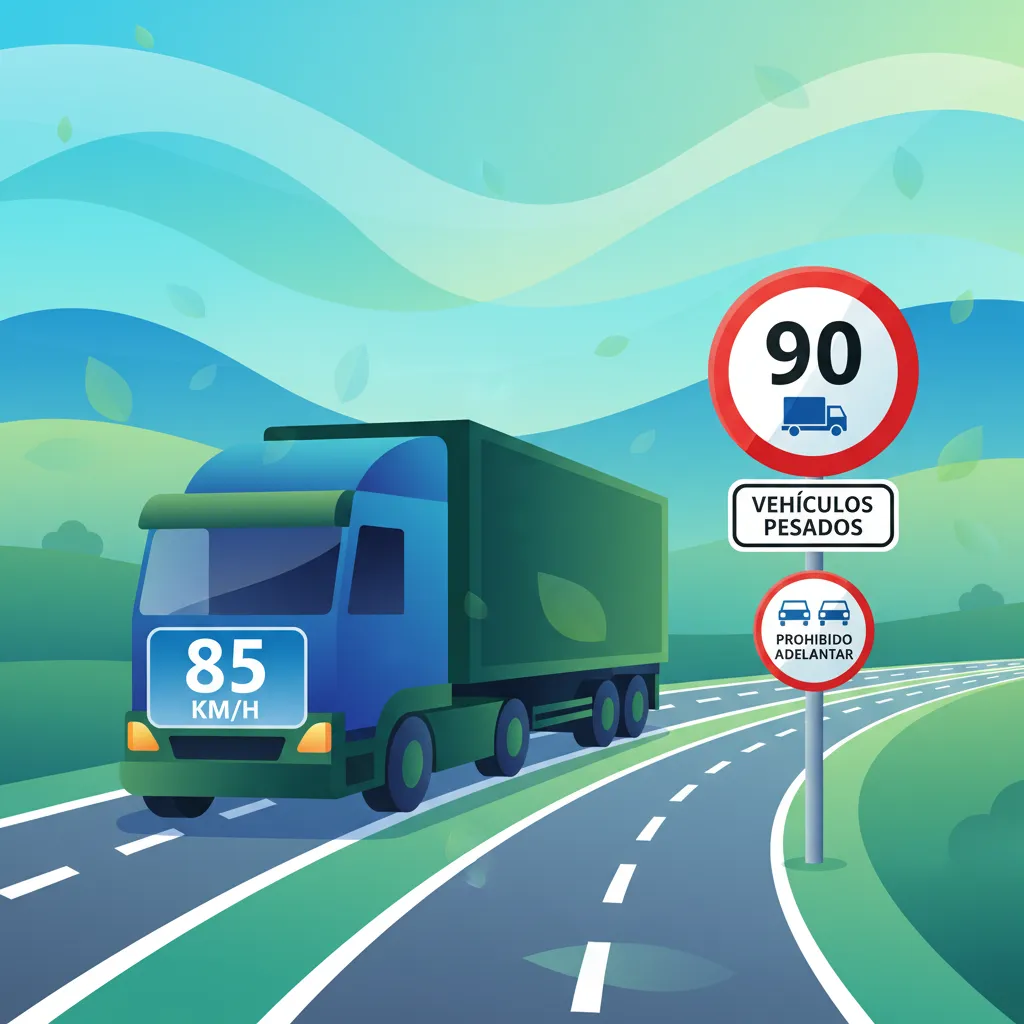
This lesson details the specific legal speed limits that apply to heavy passenger vehicles on Spanish highways, including variable speed zones that adjust based on traffic and weather conditions. Learners will understand the methods for speed monitoring, the function of speed control devices, and the legal consequences of non-compliance. The content also provides guidance on calculating a safe operating speed based on vehicle load and road conditions.
This lesson explains the critical importance of proper weight distribution and adherence to load limits for buses and coaches, focusing on gross vehicle weight and axle load regulations. It describes how passenger and cargo placement affects the centre of gravity, which in turn influences vehicle stability during acceleration, braking, and cornering. Learners will be taught best practices for load planning to ensure compliance and maintain safe handling.
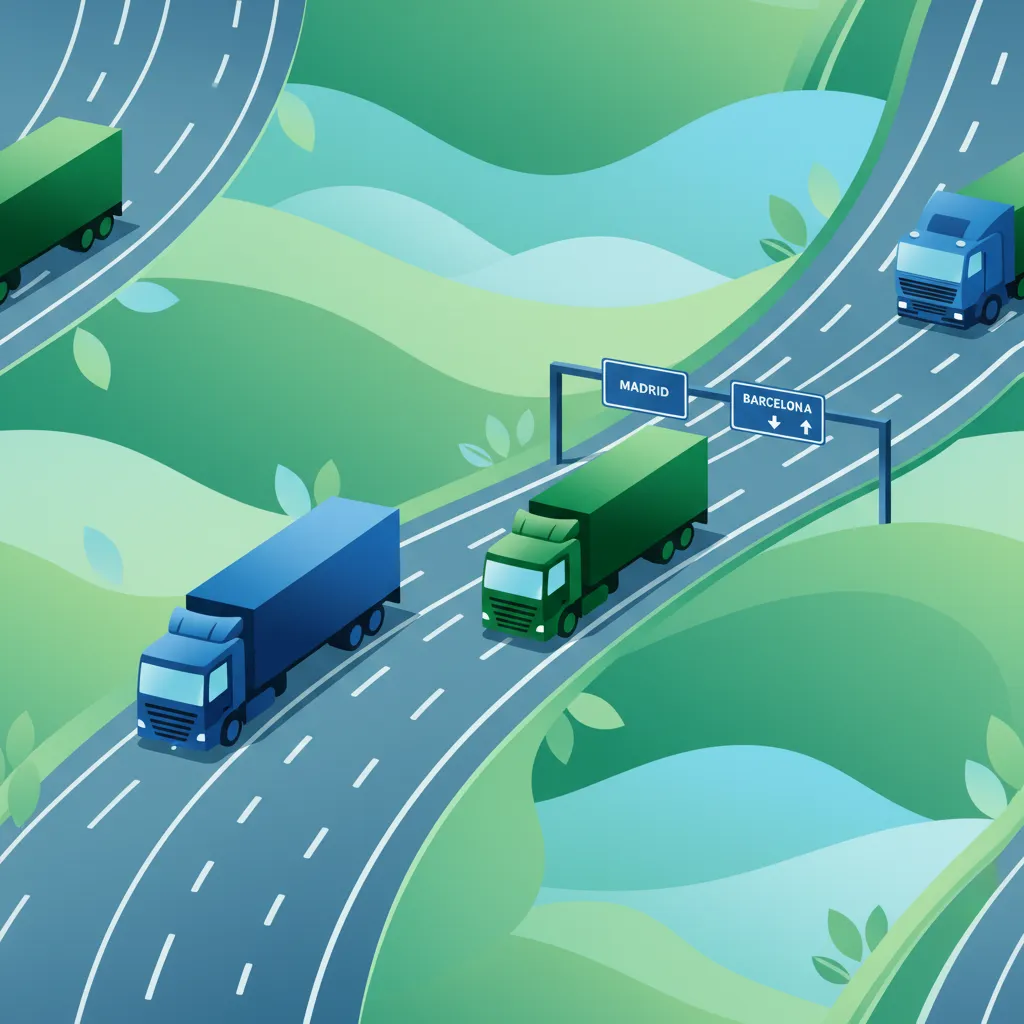
This lesson explains the specific legal framework governing truck operations on Spain's high-speed road network. It details the different speed limits for trucks on autovías versus autopistas and the regulations regarding which lanes heavy vehicles are permitted to use. Learners will also understand how to interpret specific highway signage relevant to commercial vehicles and any applicable toll regulations.
This lesson focuses on the specific restrictions that heavy vehicles face on public infrastructure and in urban centers. It covers how to interpret signs indicating weight limits for bridges and height restrictions for tunnels and overpasses. The content also explains the various municipal regulations that can restrict truck access to certain urban areas, such as low-emission zones or time-based delivery windows.

This lesson addresses overtaking procedures and lane discipline specifically for large coaches, emphasizing correct lane positioning and safe passing practices on multi-lane highways. It covers the legal rules for overtaking, the critical need for comprehensive blind spot checks before changing lanes, and the importance of signaling intentions early. Learners will also be taught how to maintain appropriate safety gaps when maneuvering around slower-moving traffic.
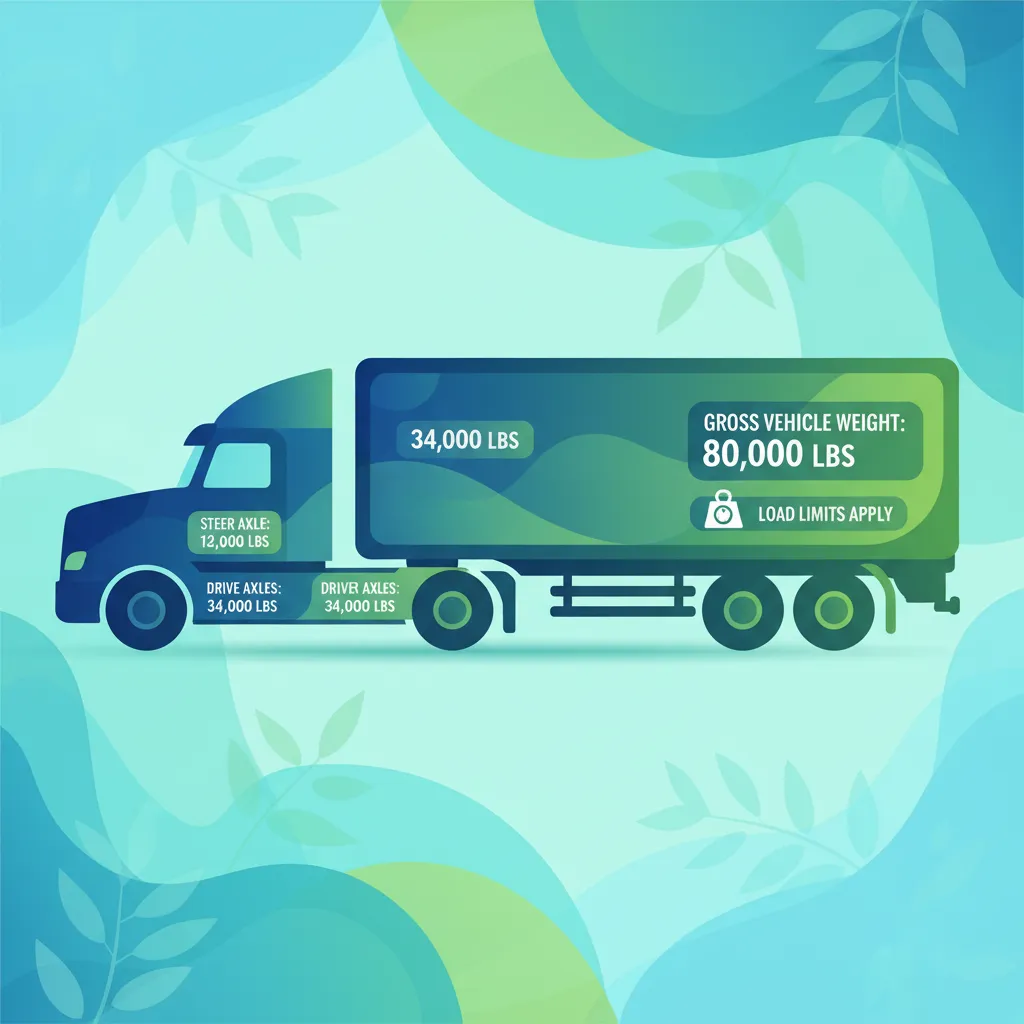
This lesson covers the critical regulations concerning vehicle weight, including Gross Vehicle Weight (GVW) and individual axle load limits. Learners will understand how to calculate tare weight and maximum payload to avoid overloading. The content also explains how proper weight distribution is essential for vehicle stability, braking efficiency, and minimizing road surface damage.
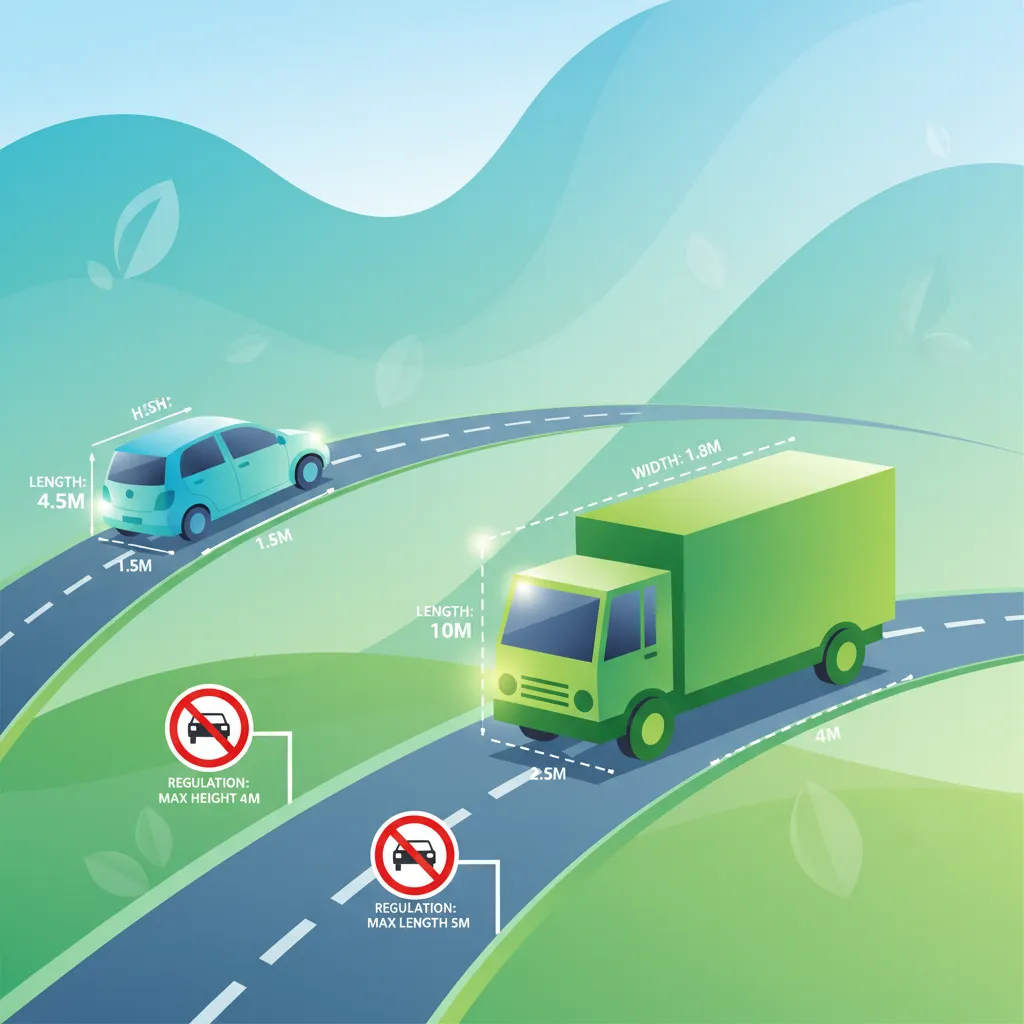
This lesson provides a detailed breakdown of the maximum permissible length, width, and height for heavy vehicles according to Spanish and EU regulations. It explains how these dimensions are measured and how they affect vehicle classification and route planning. The content emphasizes the critical importance of respecting clearance signs for bridges, tunnels, and other overhead structures to prevent accidents.
Learn how to adjust speed, braking, and following distances for coaches on Spanish autovías and autopistas during rain, fog, strong winds, or other challenging conditions. Focus on safety and compliance with DGT requirements.
This lesson examines the significant impact of various weather conditions on driving safety, including rain, fog, snow, ice, and high winds. Learners will understand how each condition can affect vehicle traction, reduce visibility, and alter driver perception, learning the appropriate adjustments to speed, following distance, and braking. The module also covers the use of vehicle safety features to mitigate risks in adverse weather.
This lesson covers how environmental conditions such as rain, fog, and darkness affect driving safety. It instructs drivers on adjusting speed, using appropriate lighting, and increasing following distance to compensate for reduced visibility and traction. The lesson incorporates DGT safety recommendations for handling adverse weather to mitigate risk and maintain control.
This lesson addresses the specific challenges posed by rain and fog, focusing on reduced visibility and loss of traction. It explains the proper use of windshield wipers and fog lights, and the need to adjust speed and increase following distance. The content covers how to prevent and react to hydroplaning (aquaplaning) to maintain vehicle control.

This lesson focuses on the specific techniques required for riding in rainy and slippery conditions. It explains how water on the road surface reduces tire grip and significantly increases braking distances. Learners will be taught to reduce speed, use controls smoothly and progressively, and be particularly cautious of painted lines and manhole covers, which become extremely slippery when wet.

This lesson examines the impact of rain, wind, and heat on motorcycle dynamics and rider comfort. It discusses wet road grip, hydroplaning risk, and appropriate speed adaptation to maintain traction. Wind gust compensation techniques are presented, along with methods for managing heat-related tyre pressure changes and rider cooling.

This lesson teaches the crucial skill of adapting speed to match prevailing environmental conditions. It explains that the posted speed limit is a maximum for ideal conditions and that riders must slow down significantly in rain, fog, or darkness. The content emphasizes maintaining a larger safety margin to account for reduced visibility and longer stopping distances, ensuring the rider can always stop within the distance they can see clearly.

This lesson teaches drivers how to proactively identify potential road hazards, from potholes and debris to unpredictable driver behavior. It provides specific guidance on how to adjust driving techniques to cope with adverse weather conditions such as heavy rain, fog, high winds, and icy roads. The content focuses on managing reduced visibility and traction to maintain vehicle control and safety.
Find clear answers to common questions learners have about Autovía and Autopista Regulations. Learn how the lesson is structured, which driving theory objectives it supports, and how it fits into the overall learning path of units and curriculum progression in Spain. These explanations help you understand key concepts, lesson flow, and exam focused study goals.
Autovías are typically toll-free motorways with some limitations, while autopistas are generally toll roads offering higher service standards. For drivers, the core regulations regarding speed limits, lane usage, and priority are often similar, but understanding the distinction is important for specific service access and potential toll payments.
Yes, for coaches and other large passenger vehicles (category D and D1), the general speed limit on autovías and autopistas is typically 90 km/h. Always check specific signage as this can vary, and it is lower than the limit for cars.
The minimum speed on autovías and autopistas is generally 60 km/h. Drivers must maintain a speed that does not impede traffic flow unless conditions (like heavy traffic or adverse weather) necessitate a lower speed.
On entry ramps, accelerate in the acceleration lane to match the speed of traffic on the main carriageway before merging. On exit ramps, signal in advance, check your mirrors, and brake smoothly in the deceleration lane, being aware of the ramp's curve and speed limit.
Generally, buses should use the right-hand lane (the slowest lane). The middle and left lanes are for overtaking. Once an overtake is complete, drivers must return to the right-hand lane without undue delay.
Use our powerful search functionality to pinpoint specific Spanish DGT driving theory practice sets. Filter by road sign categories, traffic law topics, or question difficulty to build custom study sessions and reinforce your knowledge precisely where it matters for your official exam.