
Riding safely in Spain requires constant vigilance for potential hazards on the road surface. This lesson focuses on identifying common dangers such as oil, gravel, and faded markings. Understanding these hazards and their impact on tyre grip is crucial for safe motorcycle handling and will prepare you for specific questions on the Spanish motorcycle theory exam.
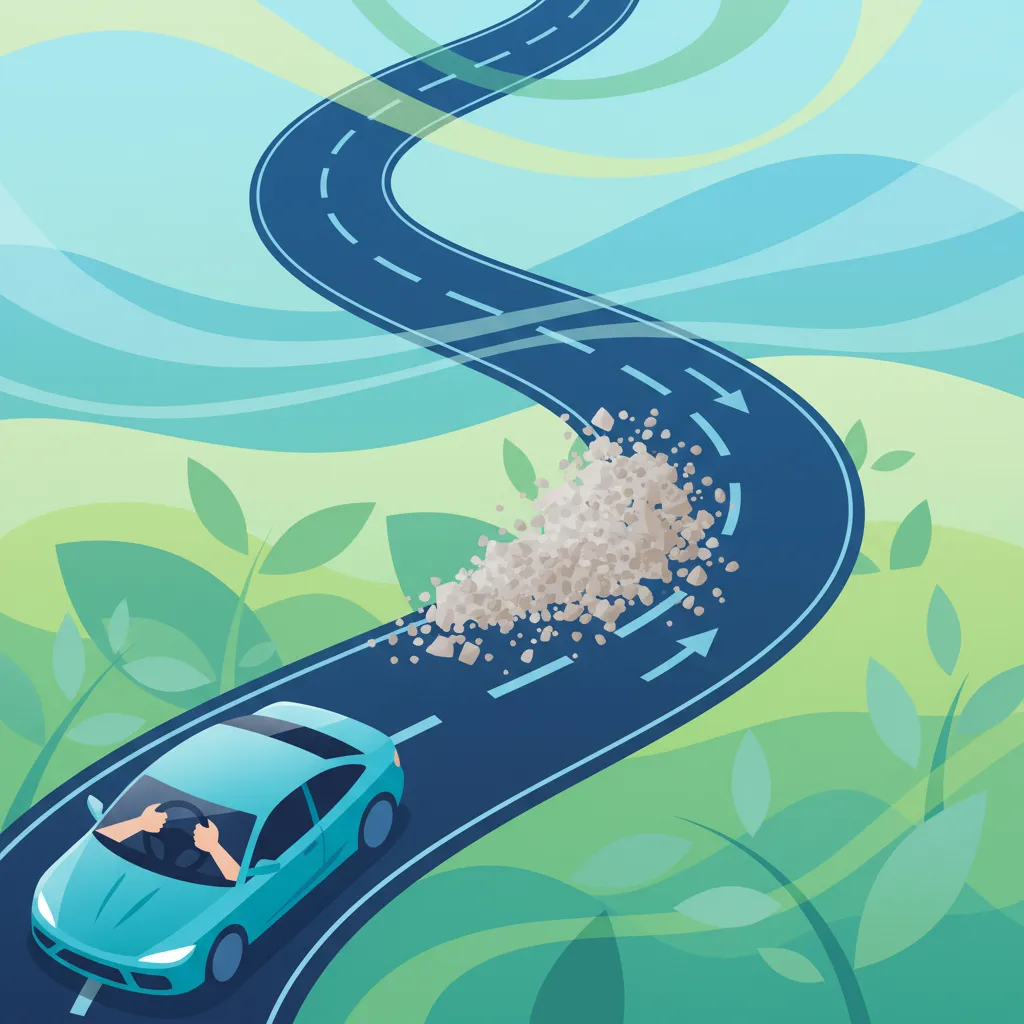
Lesson content overview
Navigating the roads safely as a motorcyclist requires acute awareness and the ability to anticipate dangers. Surface hazards, such as oil slicks, loose gravel, and unclear road markings, pose significant risks by drastically reducing tyre grip and increasing stopping distances. This lesson will equip you with the knowledge to identify these common dangers, understand their impact on your motorcycle, and apply appropriate defensive riding techniques to ensure your safety and comply with Spanish traffic regulations for the A, A1, and A2 motorcycle licences.
Motorcycle safety is fundamentally dependent on the interaction between your tyres and the road surface. Optimal tyre grip, also known as traction, allows for effective braking, acceleration, and cornering. However, various environmental and infrastructural factors can compromise this crucial connection, leading to a loss of control if not properly managed.
Traction is the frictional force that prevents your tyres from slipping on the road. It is governed by the coefficient of friction (μ) between the tyre rubber and the road surface. A high coefficient of friction means strong grip, while a low coefficient indicates a slippery surface. When road conditions reduce this coefficient, such as with oil, gravel, or even water, the forces your tyres can exert before slipping are significantly diminished. This directly impacts your motorcycle's ability to slow down, change direction, and maintain stability, making proactive hazard recognition vital.
The frictional grip between the motorcycle's tyre and the road surface, essential for braking, acceleration, and cornering.
For riders pursuing A, A1, or A2 licences in Spain, mastering hazard perception is not merely a recommendation; it is a core requirement of the Dirección General de Tráfico (DGT) standards. The DGT emphasises that drivers must adapt their speed and riding style to prevailing road conditions. This includes the ability to identify potential dangers ahead of time, anticipate how they might affect the motorcycle's dynamics, and execute timely, appropriate responses. This skill is critical for passing the theory exam and, more importantly, for ensuring your safety on Spanish roads.
Enhanced situational awareness is your primary tool. Continuously scan the road ahead for any visual cues that might indicate a change in surface conditions.
Oil slicks are among the most treacherous road hazards for motorcyclists due to their ability to drastically reduce tyre grip with little warning. They can be particularly dangerous when wet, as water can spread the oil, making it even less visible and more widespread.
An oil slick is a thin, often barely visible layer of petroleum product—such as engine oil, diesel fuel, or hydraulic fluid—on the road surface. These fluids create a lubricating layer between your tyre and the asphalt, effectively lowering the coefficient of friction. Even a small amount of oil can turn a stable surface into a perilous one, especially during braking, acceleration, or cornering. The effect is similar to riding on ice, where the tyre struggles to find any purchase, potentially leading to a skid or a fall.
Early detection is paramount when dealing with oil slicks. Look for these visual indicators:
If you encounter an oil slick, your primary goal is to minimise risk by maintaining stability and control.
Reduce Speed Gradually: Decelerate smoothly before reaching the slick. Sudden braking or throttle changes will disrupt your balance.
Maintain a Straight Line: Avoid sharp turns or leaning. Ride through the slick as upright and straight as possible.
Smooth Inputs Only: Avoid harsh braking, acceleration, or steering. Any sudden input can cause a loss of traction.
Light Clutch and Throttle: If you must apply power, do so very gently, using a light touch on the clutch and throttle to minimise torque to the rear wheel.
Look Ahead: Focus on steering towards the clearest path out of the hazard, not directly at the slick itself.
Never apply strong braking or sharp steering inputs while directly on an oil slick. This is almost guaranteed to cause a loss of control.
Spanish DGT regulations, specifically Article 9.2 of the Reglamento General de Circulación (RGCE), mandate that drivers reduce speed when the road surface is slippery. This applies directly to oil slicks, emphasising the legal obligation to adapt to hazardous conditions.
Loose gravel and other road debris present another significant challenge for motorcycle riders. These materials can cause unpredictable loss of traction, especially during cornering or braking, and can even lead to tyre damage.
Loose gravel refers to small stone fragments, crushed aggregate, or other granular materials that are not embedded in the road surface. They are typically found after roadworks, on rural roads, at construction sites, or washed onto the road by rain.
When your motorcycle tyre rolls over loose gravel:
Motorcyclists are particularly vulnerable to loose gravel due to their smaller tyre contact patches and the inherent need to lean into turns. A sudden loss of grip can lead to the front or rear wheel sliding out, resulting in a fall.
Loose gravel isn't random; it often collects in specific areas. Anticipate it in:
When you encounter loose gravel, a cautious and smooth approach is essential.
Reduce Speed Significantly: This is the most crucial step. Lowering your speed gives you more time to react and reduces the forces that can cause a skid.
Maintain an Upright Position: Avoid leaning into turns as much as possible. If you must turn, do so very gently with minimal lean angle.
Smooth and Progressive Inputs: Use the brakes very gently and progressively. Avoid sudden, hard braking that can lock a wheel. Similarly, accelerate very smoothly to prevent the rear wheel from spinning.
Look for a Clear Path: Scan for areas with less gravel, even if it means adjusting your lane position slightly.
Relax Your Grip: A tense grip on the handlebars can lead to oversteering or an inability to react smoothly. Maintain a relaxed posture.
Spanish regulations, such as Article 30 of the Reglamento General de Circulación, reinforce the obligation for drivers to adapt their vehicle speed to prevailing road conditions, including surfaces like loose gravel.
Road markings are critical for guiding drivers, defining lanes, indicating permissible manoeuvres, and regulating traffic flow. When these markings become faded, worn, or are temporarily absent, the clarity of the road environment is severely compromised, demanding increased vigilance from motorcyclists.
Clear road markings provide essential visual cues for drivers, enabling them to:
Without these clear visual references, drivers must rely more heavily on other cues, such as road edges, physical barriers, and the behaviour of other traffic. This increased reliance on interpretation can lead to confusion, incorrect lane positioning, and a higher risk of accidents.
When lane lines or other critical markings are faded, several issues can arise:
Even when road markings are unclear or absent, the obligation to maintain proper lane discipline and adhere to traffic rules remains. Article 16 of the Reglamento General de Circulación (RGCE) states that drivers must stay within their lane and respect the intended path.
Use Road Edges: Treat the physical edges of the road (curbs, shoulders, barriers) as your primary reference for lane boundaries.
Observe Other Traffic: Pay attention to how other experienced drivers are positioning their vehicles. While not infallible, this can offer clues.
Maintain Consistent Spacing: Drive defensively, maintaining ample distance from other vehicles and anticipating their movements.
Anticipate Road Layout: Use road signs, general road design, and your knowledge of traffic patterns to predict upcoming junctions or lane changes.
Avoid Abrupt Changes: Do not make sudden lane changes or swerve if you are unsure of the markings. Plan your movements well in advance.
When markings are missing, drivers must use reasonable judgment to maintain lane discipline and ensure traffic order. This often means reducing speed and increasing vigilance.
The DGT places a strong emphasis on a driver's responsibility to adapt to prevailing conditions. This legal framework reinforces the safety principles discussed in this lesson.
The Reglamento General de Circulación (RGCE) explicitly mandates drivers to adjust their speed when road conditions are compromised.
These regulations are not merely suggestions; they are legally binding obligations designed to prevent accidents and ensure uniform safety standards for all road users. Ignoring them can result in fines and liability in the event of an incident.
Beyond speed adaptation, other regulations are pertinent:
When encountering a severe, persistent hazard, consider if it's safe to pull over and report it. Your actions could prevent an accident for other road users.
Recognising road hazards is not a static skill; it requires understanding how various factors can alter the visibility and impact of a hazard.
Let's consider how these principles apply in typical riding situations for A, A1, and A2 licence holders.
Scenario: Approaching a Curve After a Petrol Station A motorcyclist is riding on an urban street and approaches a right-hand curve. Just before the curve, they notice an iridescent sheen on the asphalt, typical of a fuel spill, likely from the petrol station just prior.
Scenario: Encountering a Rural Road with Fine Gravel After a period of heavy rain, a motorcyclist is riding on a narrow rural road. They notice patches of fine gravel spread across the road surface, especially near the edges and in shadowed areas.
Scenario: Motorway Stretch with Faded Lane Lines A motorcyclist is riding on a multi-lane motorway at night. The road has recently been resurfaced, and the lane markings are barely visible due to wear and low light conditions.
Understanding the "why" behind safe riding practices enhances their effectiveness.
This lesson reinforces the interconnectedness of vehicle dynamics, legal obligations, and defensive riding strategies, all crucial for passing your Spanish motorcycle theory exam and ensuring a lifetime of safe riding.
This lesson teaches motorcycle riders to recognise and respond to surface hazards—oil slicks, loose gravel, and faded road markings—that drastically reduce tyre grip and increase stopping distances. It explains visual cues for early detection (iridescent sheen, dark stains, scattered textures), provides step-by-step safe riding techniques (maintaining straight lines, smooth inputs, reduced speed), and reinforces that DGT regulations legally require speed adaptation to prevailing road conditions. Understanding these hazards and applying defensive riding strategies is essential for passing the Spanish motorcycle theory exam and ensuring real-world safety on Spanish roads.
A short set of high-value points that capture the most important learning from this lesson.
Tyre grip (traction) depends on the coefficient of friction between tyre rubber and road surface; oil, gravel, and water dramatically reduce this value.
Oil slicks create a lubricating layer that can cause loss of control similar to riding on ice, especially when wet.
Loose gravel prevents tyres from making direct contact with stable asphalt, reducing friction needed for steering, braking, and acceleration.
Faded or missing road markings do not relieve riders of lane discipline obligations under RGCE Article 16.
Proactive hazard perception—scanning ahead and planning responses—prevents last-minute abrupt inputs that cause skids on low-traction surfaces.
Explore all units and lessons included in this driving theory course.
Oil appears as iridescent rainbow sheen on wet roads and as dark stains on dry surfaces, often collecting on painted road markings.
DGT regulations (RGCE Article 9.2) legally mandate reducing speed when road conditions are slippery.
On oil slicks or gravel, always maintain a straight line, avoid leaning, and use smooth, gentle inputs only.
When markings are unclear, use road edges, other traffic positions, and road signs as primary lane references.
Contextual factors—rain, fog, night, heavy loads, worn tyres—increase hazard severity and require greater vigilance.
Braking hard or making sharp steering inputs while directly on an oil slick, which almost guarantees loss of control.
Leaning aggressively into curves when encountering loose gravel, causing wheels to lose traction.
Assuming faded lane markings mean lane changes are unrestricted; lane discipline obligations remain.
Continuing at normal speed when approaching hazards like oil or gravel, rather than reducing speed progressively in advance.
Relying solely on visual detection without adjusting riding style to match the reduced grip conditions.
Lesson content overview
A short set of high-value points that capture the most important learning from this lesson.
Tyre grip (traction) depends on the coefficient of friction between tyre rubber and road surface; oil, gravel, and water dramatically reduce this value.
Oil slicks create a lubricating layer that can cause loss of control similar to riding on ice, especially when wet.
Loose gravel prevents tyres from making direct contact with stable asphalt, reducing friction needed for steering, braking, and acceleration.
Faded or missing road markings do not relieve riders of lane discipline obligations under RGCE Article 16.
Proactive hazard perception—scanning ahead and planning responses—prevents last-minute abrupt inputs that cause skids on low-traction surfaces.
Explore all units and lessons included in this driving theory course.
Oil appears as iridescent rainbow sheen on wet roads and as dark stains on dry surfaces, often collecting on painted road markings.
DGT regulations (RGCE Article 9.2) legally mandate reducing speed when road conditions are slippery.
On oil slicks or gravel, always maintain a straight line, avoid leaning, and use smooth, gentle inputs only.
When markings are unclear, use road edges, other traffic positions, and road signs as primary lane references.
Contextual factors—rain, fog, night, heavy loads, worn tyres—increase hazard severity and require greater vigilance.
Braking hard or making sharp steering inputs while directly on an oil slick, which almost guarantees loss of control.
Leaning aggressively into curves when encountering loose gravel, causing wheels to lose traction.
Assuming faded lane markings mean lane changes are unrestricted; lane discipline obligations remain.
Continuing at normal speed when approaching hazards like oil or gravel, rather than reducing speed progressively in advance.
Relying solely on visual detection without adjusting riding style to match the reduced grip conditions.
Explore search topics learners often look for when studying Recognising Road Hazards (Oil, Gravel, Markings). These topics reflect common questions about road rules, driving situations, safety guidance, and lesson level theory preparation for learners in Spain.
Browse additional driving theory lessons that cover connected traffic rules, road signs, and common driving situations related to this topic. Improve your understanding of how different rules interact across everyday traffic scenarios.
Explore advanced techniques and specific Spanish DGT regulations for handling treacherous road surfaces like oil, gravel, and wet conditions. Understand how these affect motorcycle grip and safety.

This lesson focuses on adapting braking techniques for wet and slippery roads. Topics include hydroplaning risk, reduced tire friction, and how ABS assists in preventing wheel lock-up. Learners are taught to employ progressive braking, reduce speed, and assess tire tread depth to maintain adequate grip.

This lesson examines the impact of rain, wind, and heat on motorcycle dynamics and rider comfort. It discusses wet road grip, hydroplaning risk, and appropriate speed adaptation to maintain traction. Wind gust compensation techniques are presented, along with methods for managing heat-related tyre pressure changes and rider cooling.

This lesson introduces anticipation techniques that improve a rider’s ability to predict potential hazards before they manifest. It covers scanning ahead, evaluating traffic patterns, and applying DGT risk assessment criteria. Emphasis is placed on developing a defensive riding mindset and maintaining safety margins to reduce accident likelihood.

This lesson outlines procedures for handling emergency situations and accidents. It covers emergency braking techniques, hazard avoidance strategies, and the DGT emergency protocol for accident reporting. Emphasis is placed on rider protective actions, post-crash first aid, roadside safety, and legal obligations after an incident.

This lesson presents advanced cornering scenarios common on Spanish roads, such as mountain hairpins and high-speed autovía exits. It outlines specific techniques for descent control, ascent maneuvers, and safely merging into traffic after cornering. Interaction with cyclists and emergency cornering strategies are also covered in accordance with DGT regulations.

This lesson focuses on the specific techniques required for riding in rainy and slippery conditions. It explains how water on the road surface reduces tire grip and significantly increases braking distances. Learners will be taught to reduce speed, use controls smoothly and progressively, and be particularly cautious of painted lines and manhole covers, which become extremely slippery when wet.
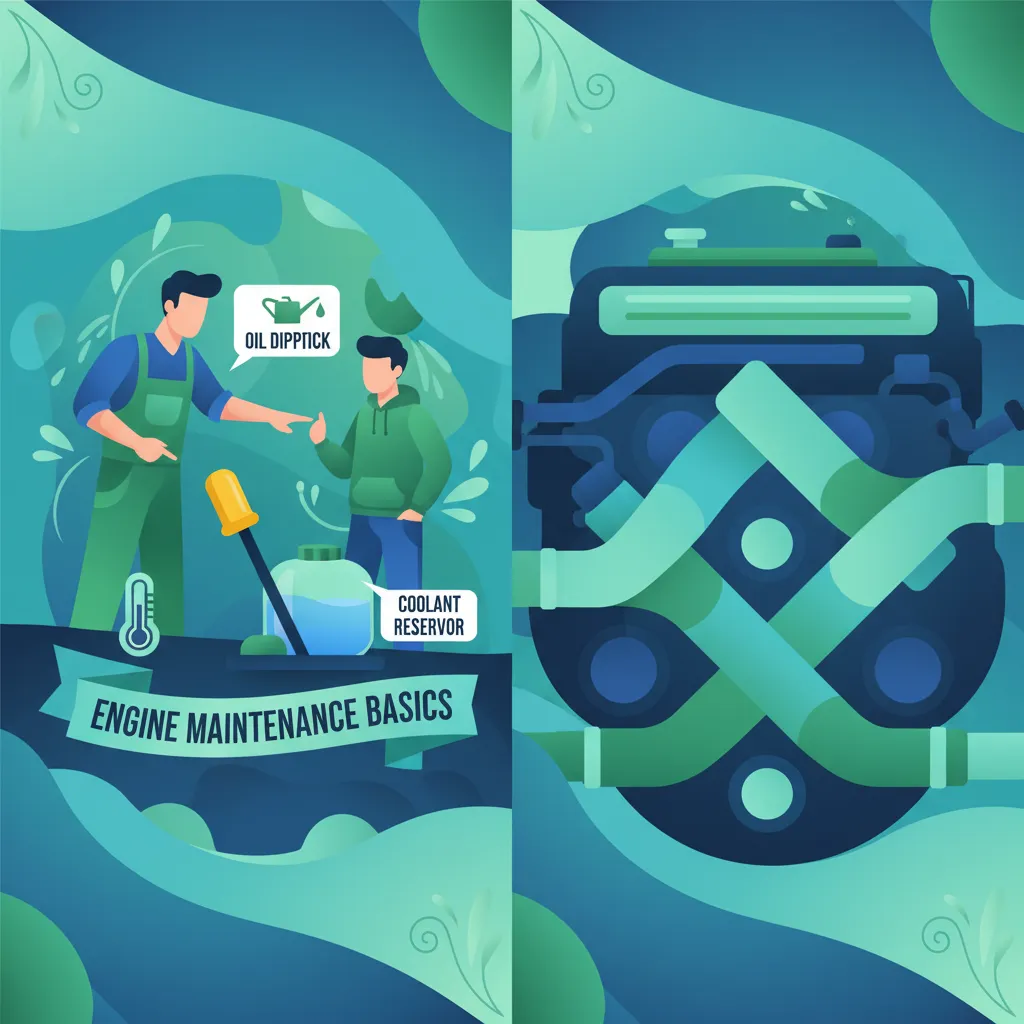
This lesson introduces essential mechanical checks to ensure motorcycle reliability and safety. Topics include monitoring engine oil and coolant levels, chain lubrication procedures, and tire pressure verification. By establishing a routine maintenance schedule, riders can proactively address issues and comply with DGT guidelines.

This lesson focuses on defensive maneuvers in mixed traffic environments where various vehicles share the road. It outlines lane discipline, appropriate overtaking safety measures, and strategies for maintaining a safety corridor. The content incorporates DGT defensive guidelines, teaching riders to manage space and anticipate unpredictable driver behavior.

This lesson focuses on low-speed manoeuvres within congested urban traffic, detailing techniques for navigating tight corners and weaving through traffic. Learners analyze urban traffic flow, pedestrian zones, and cyclist interactions to anticipate hazards. The lesson also explains DGT regulations regarding slow-speed movement and lane positioning.

This lesson focuses on safe nighttime riding, covering headlight alignment, rear-light visibility, and the use of reflective gear to enhance conspicuity. It explains DGT night riding requirements, including mandatory lighting standards. Topics also include managing glare from oncoming vehicles and mitigating rider fatigue during low-light conditions.
Learn how weather, lighting conditions, road types, and vehicle load influence hazard perception on Spanish roads. Enhance your ability to anticipate and react to risks.
This lesson focuses on safe nighttime riding, covering headlight alignment, rear-light visibility, and the use of reflective gear to enhance conspicuity. It explains DGT night riding requirements, including mandatory lighting standards. Topics also include managing glare from oncoming vehicles and mitigating rider fatigue during low-light conditions.
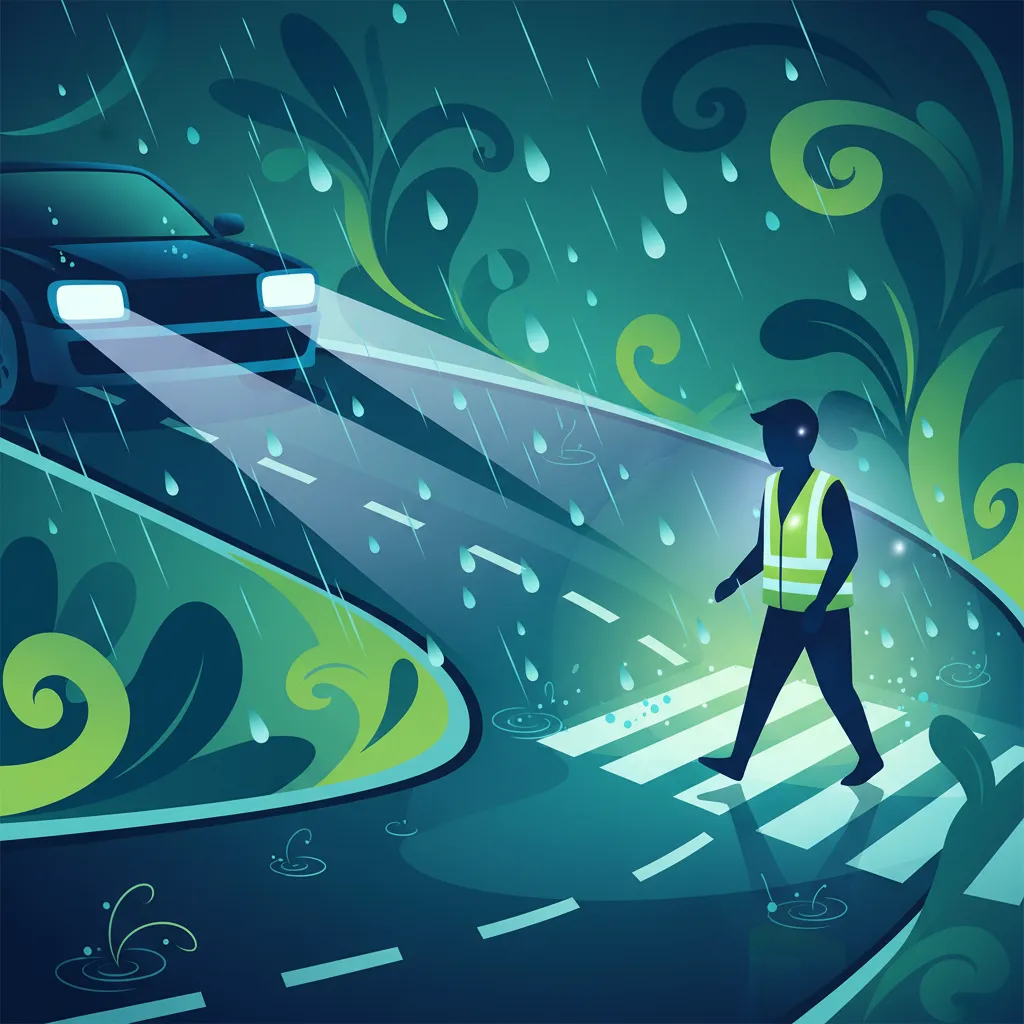
This lesson covers how environmental conditions such as rain, fog, and darkness affect driving safety. It instructs drivers on adjusting speed, using appropriate lighting, and increasing following distance to compensate for reduced visibility and traction. The lesson incorporates DGT safety recommendations for handling adverse weather to mitigate risk and maintain control.

This lesson focuses on strategies for maximizing rider visibility in daylight and nighttime conditions, covering high-visibility apparel, reflective vests, and LED accessories. It delves into rider posture and lane positioning that improve sightlines and reduce collision risk. The content aligns with DGT regulations for illumination levels on motorcycles.
This lesson introduces anticipation techniques that improve a rider’s ability to predict potential hazards before they manifest. It covers scanning ahead, evaluating traffic patterns, and applying DGT risk assessment criteria. Emphasis is placed on developing a defensive riding mindset and maintaining safety margins to reduce accident likelihood.

This lesson teaches drivers how to proactively identify potential road hazards, from potholes and debris to unpredictable driver behavior. It provides specific guidance on how to adjust driving techniques to cope with adverse weather conditions such as heavy rain, fog, high winds, and icy roads. The content focuses on managing reduced visibility and traction to maintain vehicle control and safety.
This lesson examines the impact of rain, wind, and heat on motorcycle dynamics and rider comfort. It discusses wet road grip, hydroplaning risk, and appropriate speed adaptation to maintain traction. Wind gust compensation techniques are presented, along with methods for managing heat-related tyre pressure changes and rider cooling.

This lesson outlines the proper use and legal requirements of vehicle lighting and mirror systems. It covers headlamps, fog lights, turn signals, and brake lights, clarifying when each must be used according to DGT regulations. The lesson also explains the correct adjustment of rearview and side mirrors and strategies for effective blind-spot monitoring.
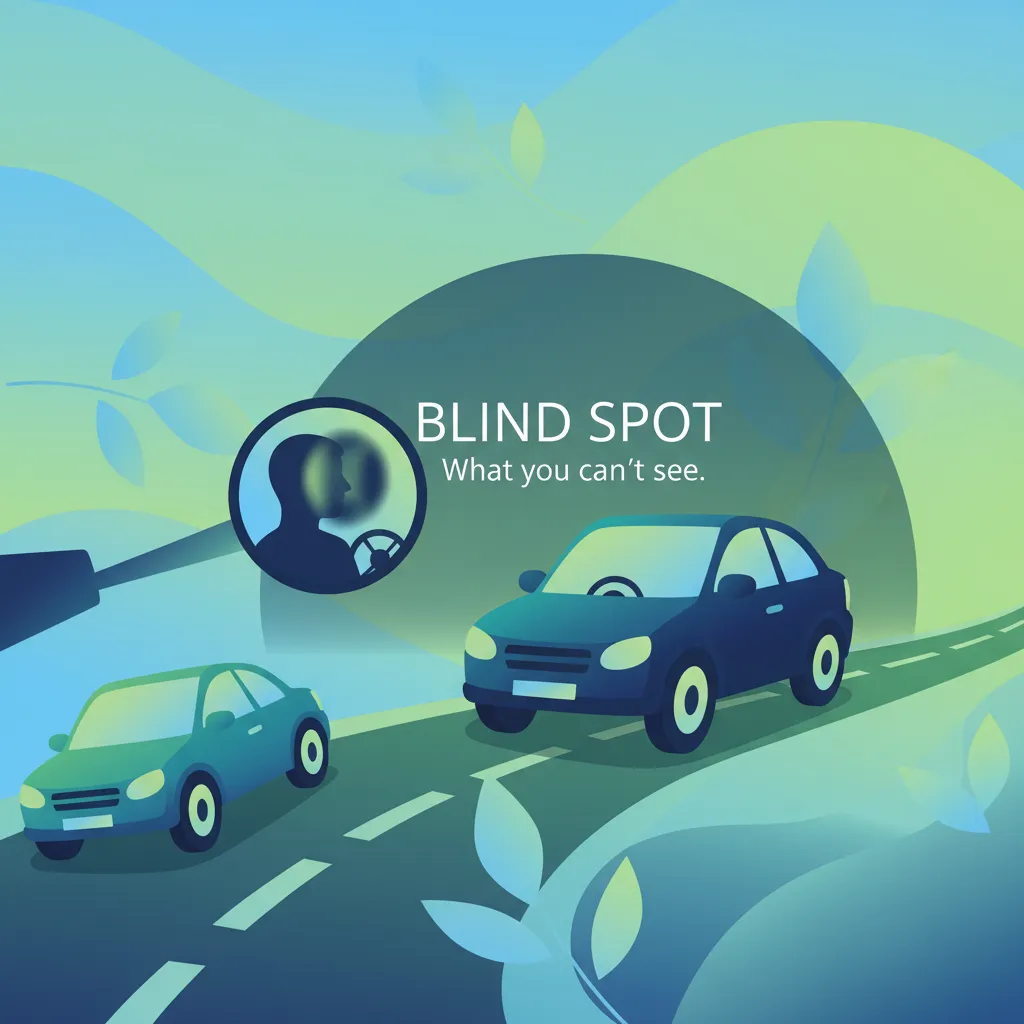
This lesson focuses on identifying blind spot zones created by larger vehicles and the rider’s own positioning. It covers effective mirror usage, lateral awareness techniques, and the importance of head checks before lane changes. DGT blind spot guidelines are referenced, emphasizing situational scanning to maintain safety in traffic.
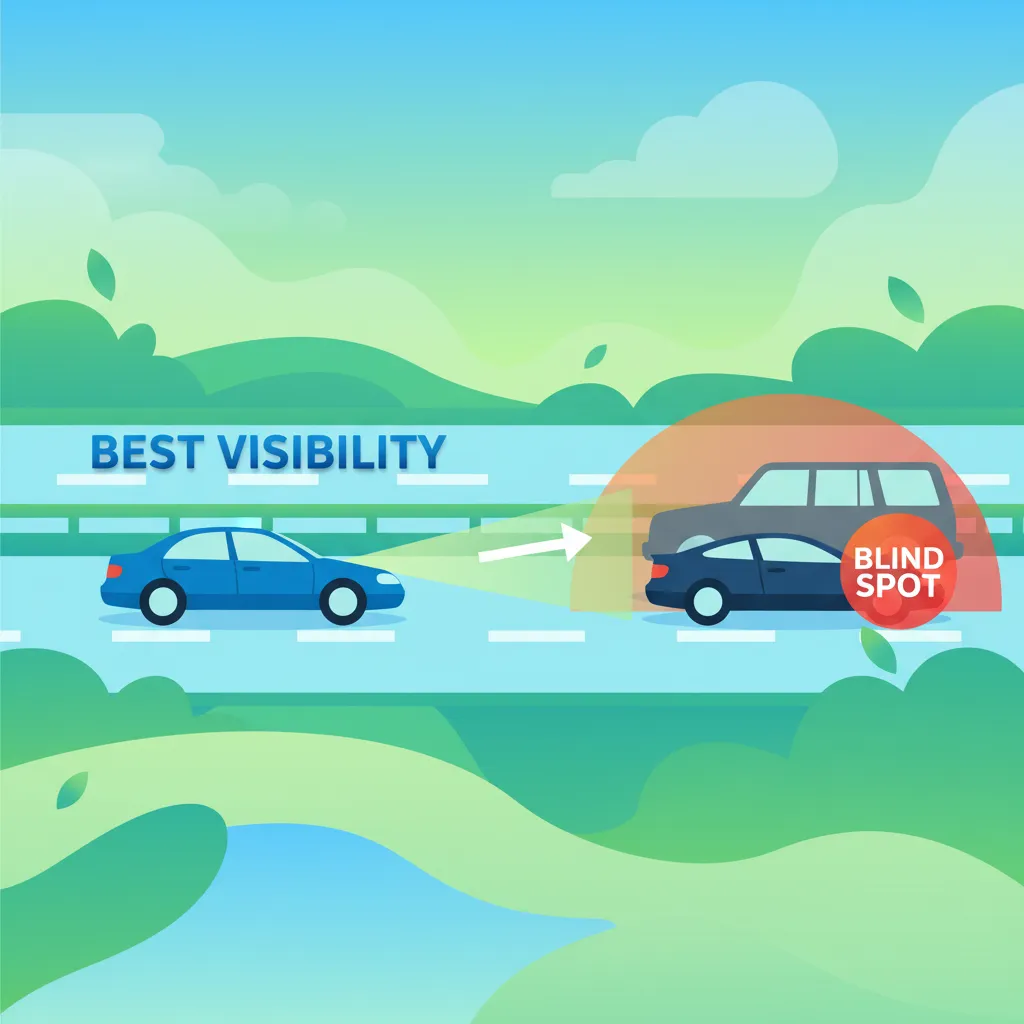
This lesson explores proper lane positioning, emphasizing strategic selection of traffic lanes for optimal visibility. It explains the importance of rider line of sight and peripheral vision in maintaining situational awareness. The content also covers legal aspects of lane splitting and correct usage of road shoulders, abiding by DGT regulations.
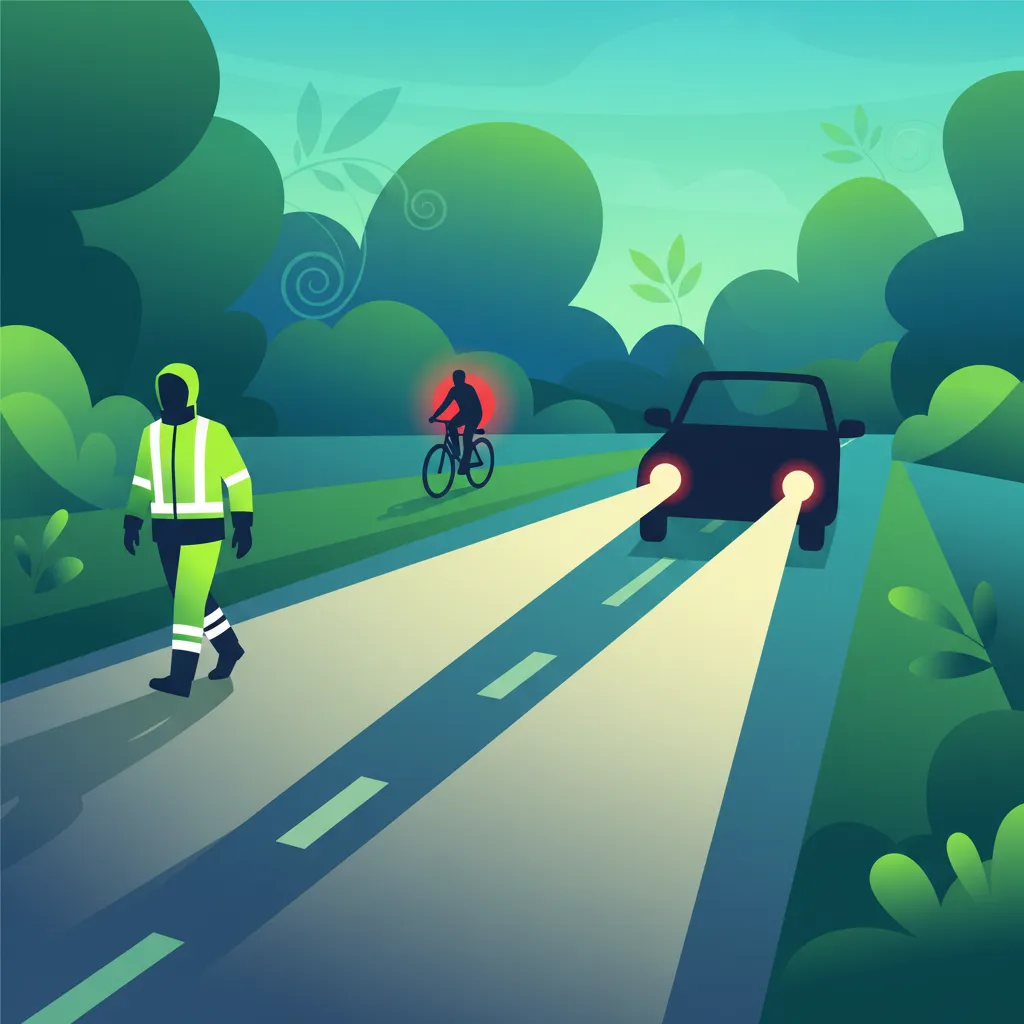
This lesson outlines the mandatory lighting and visibility equipment as per DGT regulations. It covers the correct use of headlights (low and high beams), taillights, and turn signals, ensuring the moped is visible to others, especially at night or in poor weather. The importance of wearing high-visibility or reflective clothing is also emphasized as a critical measure to enhance personal safety by making the rider more conspicuous.
Find clear answers to common questions learners have about Recognising Road Hazards (Oil, Gravel, Markings). Learn how the lesson is structured, which driving theory objectives it supports, and how it fits into the overall learning path of units and curriculum progression in Spain. These explanations help you understand key concepts, lesson flow, and exam focused study goals.
Look for a rainbow-like sheen on the asphalt surface, especially in corners or near intersections where vehicles commonly leak fluids. The road might appear darker or glossier in patches. Always assume the worst and reduce speed significantly if you suspect an oil slick.
Loose gravel significantly reduces tyre traction, making it easier for your wheels to slip, especially when leaning or braking. This can lead to a loss of control and a fall. Approach gravel patches slowly, maintain a steady throttle, and avoid abrupt steering or braking.
Faded or unclear road markings can make it difficult to understand lane boundaries, upcoming junctions, or traffic flow. This uncertainty increases the risk of misjudging your position or the actions of other drivers. Always try to anticipate the intended meaning of markings, and err on the side of caution.
It is generally best to avoid heavy braking on slippery surfaces. If you must slow down, do so gradually before entering the hazard. Maintain a steady throttle or gentle deceleration. Smooth inputs are key to maintaining stability.
Yes, the DGT theory exam includes questions designed to test your understanding of road hazards and how they affect riding. You will encounter scenarios where you need to identify dangers like oil, gravel, or poor markings and choose the safest course of action.
Use our powerful search functionality to pinpoint specific Spanish DGT driving theory practice sets. Filter by road sign categories, traffic law topics, or question difficulty to build custom study sessions and reinforce your knowledge precisely where it matters for your official exam.