
Navigating modern cities as a professional truck driver requires understanding specific access restrictions. This lesson covers the essential rules for entering Low Emission Zones (LEZs) and adhering to time-window limitations for deliveries, crucial knowledge for your Category C or C1 DGT theory exam.
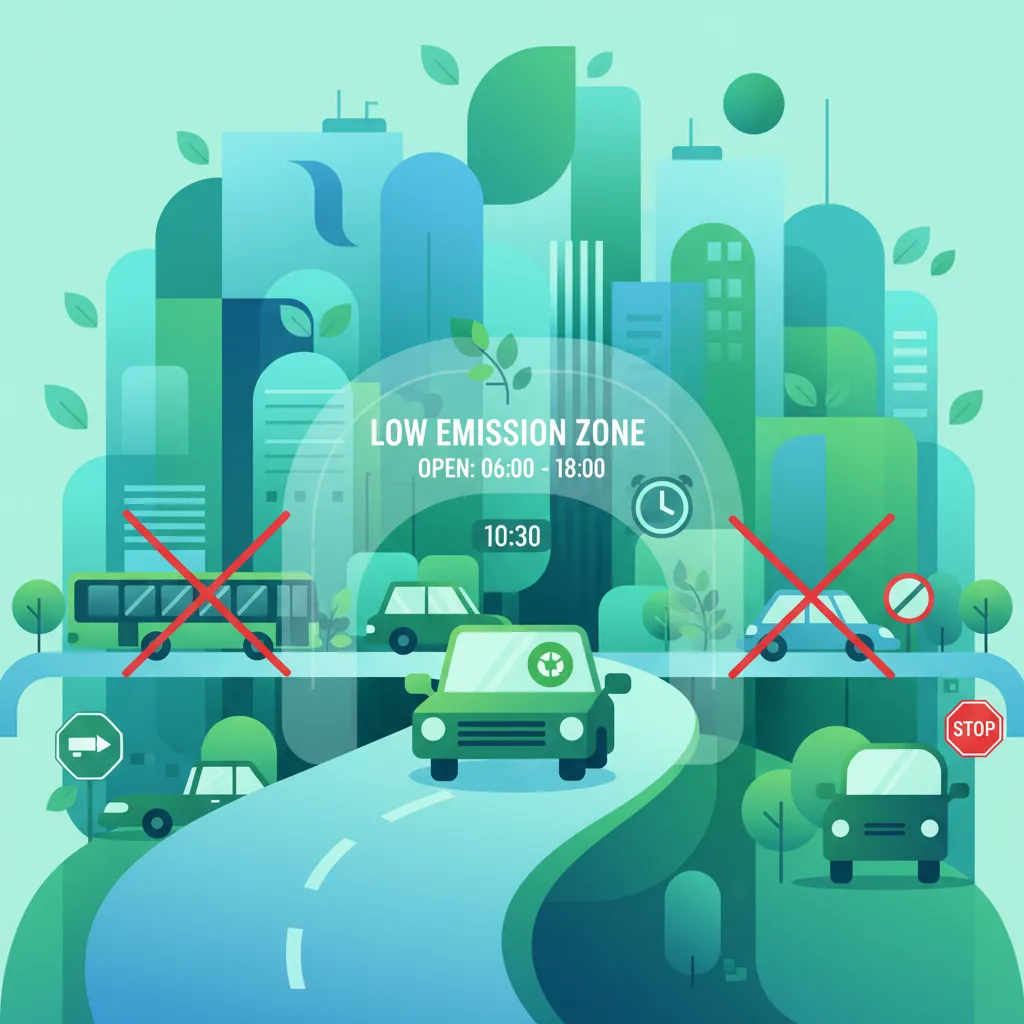
Lesson content overview
Professional truck drivers operating vehicles under Category C and C1 licences in Spain must possess a thorough understanding of urban access restrictions. Modern cities increasingly implement various regulatory measures to manage traffic flow, reduce congestion, and improve air quality. These measures directly impact the routes, schedules, and operational requirements for heavy vehicles, making compliance essential for efficient logistics, avoiding fines, and contributing to urban safety and environmental protection.
Driving heavy vehicles through urban areas presents unique challenges, particularly concerning environmental impact and infrastructure strain. Regulations are designed to balance the essential need for freight movement with public health and safety concerns. For Category C and C1 drivers, mastery of these rules is not merely about avoiding penalties; it is a fundamental aspect of professional responsibility and effective trip planning.
Urban access restrictions for trucks are primarily driven by three core objectives:
Failure to comply with access restrictions can result in substantial fines and operational delays. The Dirección General de Tráfico (DGT) and local municipal authorities rigorously enforce these regulations. As a professional driver, it is mandatory to understand the legal framework, interpret traffic signs accurately, and plan routes and schedules to adhere to all stipulated requirements. This knowledge forms a critical part of the Official DGT Theory Course for Spanish Truck Licence Category C & C1, ensuring drivers are well-prepared for real-world scenarios.
Low-Emission Zones (LEZs), known as Zonas de Bajas Emisiones (ZBE) in Spain, are one of the most significant access restrictions affecting heavy vehicles. These zones are established in urban areas to combat air pollution and promote cleaner transport.
A geographically defined urban area where access is restricted to vehicles that meet specific minimum environmental (emission) standards to reduce air pollution. In Spain, these are known as Zonas de Bajas Emisiones (ZBE).
Within an LEZ, only vehicles that comply with the designated emission criteria are permitted to circulate. For heavy vehicles, this typically means meeting a certain Euro emission standard or possessing a valid environmental permit. The practical implication for Category C and C1 truck drivers is that their vehicle must display the appropriate environmental label, issued by the DGT, to enter these zones without facing penalties.
The Euro emission standards are a set of European regulations that define the acceptable limits for exhaust emissions of new vehicles sold in the EU. These standards, ranging from Euro 0 to Euro VI, categorise vehicles based on their engine type, fuel, and the amount of pollutants they emit. For heavy trucks:
The specific Euro standard required for entry can vary significantly between different LEZs and may also depend on the type of heavy vehicle. Always verify the local requirements for your destination.
To simplify the enforcement of LEZ rules, the DGT issues environmental labels, known as distintivos ambientales or etiquetas ambientales. These adhesive labels, corresponding to the vehicle's Euro emission standard, must be displayed prominently on the vehicle, typically on the windscreen. For heavy vehicles, the common labels are:
The absence of the correct environmental label, even if the vehicle technically meets the Euro standard, can lead to fines during a spot check. It is mandatory for all heavy vehicles to display the corresponding emission label, either physically on the vehicle or to have the documentation readily available for verification.
Low-Emission Zones can operate under different conditions:
To enter an LEZ, a Category C or C1 truck driver must ensure their vehicle meets the zone's minimum Euro emission standard and correctly displays the corresponding DGT environmental label. In some cases, even if a vehicle meets the emission threshold, a specific municipal permit might still be required, especially for regular access or special circumstances.
Verify Vehicle Euro Standard: Check your truck's documentation to confirm its Euro emission classification.
Obtain DGT Environmental Label: If you don't have one, apply for the appropriate distintivo ambiental from the DGT or authorised post offices.
Display Label Clearly: Affix the label prominently on your vehicle, usually the lower right corner of the front windscreen.
Check Local LEZ Rules: Before entering any city, consult the specific municipal ordinances for its LEZ, as requirements (e.g., minimum Euro standard, operating hours) can differ.
Apply for Special Permits (if necessary): For certain operations or vehicles that might not fully comply but require essential access, temporary or permanent municipal permits may be available.
Traffic signs are the primary visual indicators of access restrictions. Professional drivers must be adept at quickly identifying and interpreting these signs, which often specify prohibitions based on vehicle type, weight, dimensions, or environmental class.
Assuming signage only applies to private cars is a common and costly misunderstanding. Heavy vehicles are equally, if not more, bound by these specific access restrictions.
Many urban routes, tunnels, and bridges have restrictions based on the physical characteristics of a vehicle. These signs are critical for preventing structural damage to infrastructure and avoiding dangerous situations.
This sign typically shows a numerical value (e.g., "5.5t" or "7t"), indicating the maximum Gross Vehicle Weight (GVW) permitted. Drivers of Category C and C1 vehicles must always be aware of their vehicle's GVW, including its load, and adjust their route accordingly if the limit is exceeded.
This sign is crucial before tunnels, underpasses, and low bridges. Drivers must know their vehicle's exact height, including any cargo, and never attempt to pass if it exceeds the indicated limit. Ignoring this sign can lead to severe accidents, vehicle damage, and infrastructure damage.
Other dimension-based signs include those for width (R-206) and length (R-205), common in narrow streets or winding roads. Always err on the side of caution and seek an alternative route if there is any doubt about your vehicle's compliance with a restriction.
While LEZs are often defined by zone boundaries, specific signs may also indicate restrictions based on environmental criteria, particularly for access to specific streets or smaller areas within a city. These signs might display an environmental label symbol (B, C, ECO, 0) along with a prohibitory cross, or text indicating the required Euro standard.
Such signs clearly communicate that only trucks meeting or exceeding a particular emission standard are allowed to proceed. Professional drivers must quickly correlate the sign's requirement with their truck's displayed environmental label.
Many general prohibitory signs apply specifically to heavy vehicles or certain vehicle types.
This sign, featuring a prominent truck silhouette, explicitly bans Category C and C1 vehicles from entering the road or zone beyond it. It is often accompanied by supplementary plates indicating specific hours or exceptions (e.g., "Excepto carga y descarga").
Drivers must diligently read any accompanying text or symbols on supplementary plates, as these often provide critical context, such as permitted hours for delivery or specific exemptions for local access.
Beyond environmental and dimensional limits, urban areas also use time-window restrictions to manage the flow of heavy vehicles, particularly those involved in commercial deliveries. These regulations are designed to alleviate congestion during peak traffic hours.
Specific intervals during which heavy vehicles are allowed or prohibited from circulating within a defined urban area, often expressed as specific hour ranges.
These restrictions dictate when trucks can enter, circulate, or perform loading and unloading operations in designated zones. They are a common tool for municipal authorities to reduce traffic bottlenecks, noise pollution, and the risk of accidents during busy times of the day.
For logistics operators and professional drivers, understanding and adhering to time-window restrictions is paramount for efficient scheduling. Deliveries to commercial districts, residential areas, or historical city centers often have very narrow windows.
Effective logistical planning requires scheduling routes and delivery appointments to precisely align with these permitted windows. This often means very early morning or late evening operations for heavy vehicles in urban environments.
A critical aspect of time-window restrictions is their local nature. They are typically implemented through municipal legislation, such as "Ordenanza de Calidad del Aire" or specific traffic ordinances. This means that time windows can vary significantly from one city to another, or even between different districts within the same city.
Never assume time-window restrictions are uniform across an entire city. Always check specific signage and local regulations for each destination or delivery point.
Drivers must be particularly cautious when entering new cities or districts, as the rules might differ from those they are accustomed to. Modern GPS systems for trucks often incorporate these restrictions, but drivers should always double-check with local signage and their dispatchers.
Even with strict access rules, there are often legitimate reasons for heavy vehicles to enter restricted zones outside of standard compliance. Permit systems provide the necessary flexibility, allowing controlled access under specific conditions.
Permits are administrative authorizations issued by local authorities, enabling a vehicle to enter an otherwise restricted area. They are not universal exemptions but conditional permissions.
Obtaining a temporary permit typically involves an application process with the relevant municipal traffic department. This usually requires submitting vehicle documentation, proof of necessity (e.g., construction site access, special delivery order), and sometimes a fee.
Once obtained, the permit will specify:
A permit does not automatically supersede all other restrictions. For example, a temporary LEZ permit might still be subject to time-window restrictions for deliveries unless explicitly stated otherwise. Drivers must read their permits carefully.
When operating under a permit, it is mandatory to have the physical documentation easily accessible and, often, displayed visibly on the dashboard or windscreen. During a spot check by enforcement officers, drivers will be required to present these documents. Failure to produce a valid permit can result in fines, even if the driver genuinely believes they have permission. This is why Rule 4 (environmental permits are required for trucks that meet emission standards but still need temporary access to an LEZ) and Rule 5 (all heavy vehicles must display the corresponding emission label on the vehicle documentation and, where required, physically on the vehicle) are so important.
The following rules summarise the mandatory compliance requirements for Category C and C1 truck drivers concerning urban access restrictions in Spain. These regulations are enforced by DGT and local municipalities.
Access to a Low-Emission Zone is prohibited for heavy vehicles that do not meet the minimum Euro emission standard defined for that zone. This rule is mandatory for all Category C and C1 vehicles entering a defined LEZ, ensuring air quality improvement and compliance with EU emission directives. A Euro III truck attempting entry into an LEZ requiring Euro IV minimum without a special permit will be fined.
Traffic signs indicating weight, height, or dimension restrictions must be obeyed by all vehicles. These permanent road signs are enforced by traffic police and are mandatory. They prevent structural damage to infrastructure and ensure safety. For instance, a driver must respect a 3.5-tonne weight restriction sign and use an alternate route if their vehicle exceeds this limit.
Time-window restrictions must be strictly observed; heavy vehicles are prohibited from circulation outside permitted hours unless a valid permit is held. This is mandatory for urban zones with defined delivery windows (e.g., 06:00-10:00). Its rationale is to reduce congestion during peak hours. A delivery scheduled for 07:30 within a commercial zone with a 06:00-10:00 window is compliant; however, entering the zone at 08:00 in an area where trucks are prohibited during those hours will result in a fine.
Environmental permits are required for trucks that meet emission standards but still need temporary access to an LEZ. This is mandatory for specified periods, applicable for temporary events, construction sites, or special deliveries, allowing flexibility while maintaining overall zone integrity. For example, a driver presents a 48-hour permit for construction site access in an LEZ.
All heavy vehicles must display the corresponding emission label on the vehicle documentation (and, where required, physically on the vehicle). This is a nationwide mandatory rule for all Category C and C1 vehicles, facilitating enforcement and verification. During a spot check, a driver must be able to show their Euro V label.
Despite clear rules and signage, professional drivers can inadvertently commit violations if they are not fully aware or sufficiently vigilant. Understanding common pitfalls can help prevent costly mistakes.
The application and enforcement of access restrictions are not always static. Various contextual factors can modify or heighten their impact on heavy vehicle operations.
During periods of adverse weather, such as heavy fog or intense heat, air pollution levels can rise significantly. In such situations, municipal authorities may declare high-pollution episodes, leading to:
Drivers must stay informed about local weather alerts and pollution warnings, as these can directly impact their routes.
Access restrictions often differ between day and night. To manage daytime congestion, many cities prohibit heavy vehicle circulation during peak hours. However, some zones might allow heavy vehicles after certain evening hours (e.g., after 22:00) even if they are prohibited during the day. Conversely, some sensitive residential areas might have stricter noise-related restrictions on trucks during nighttime hours. Always check the specific timeframes indicated on signage.
The type of road or area within a city can also influence access rules:
Vehicle state also matters; a fully loaded truck will always be subject to GVW restrictions, whereas an empty one may still be barred if it fails the Euro standard.
Large public gatherings, festivals, sporting events, or construction projects can lead to temporary changes in traffic flow and access rules. Municipalities may:
Drivers must monitor local news and official traffic announcements to be aware of these dynamic changes, as typical routes might become suddenly unavailable or restricted.
The various access restrictions are not arbitrary; they form a cohesive strategy to create safer, cleaner, and more efficient urban environments. For professional truck drivers, compliance is fundamental to their role.
Effective route planning is crucial for professional drivers. This involves more than just finding the shortest path; it means selecting routes that:
Utilising up-to-date truck-specific navigation systems, checking municipal websites, and communicating effectively with dispatchers are essential practices for successful urban logistics.
Navigating urban access restrictions is a non-negotiable skill for professional Category C and C1 truck drivers in Spain. Key takeaways include:
By diligently planning routes, ensuring vehicles meet all criteria, and understanding the "why" behind these rules, professional drivers contribute to safer, cleaner, and more efficient urban environments while ensuring smooth logistical operations.
Professional Category C and C1 drivers in Spain must navigate Low-Emission Zones (LEZ/ZBE) that restrict access based on Euro emission standards, requiring appropriate DGT environmental labels to be visibly displayed. Time-window restrictions govern when trucks can circulate or make deliveries in urban areas, with specific hours set by municipal ordinances that vary between cities and districts. Compliance with weight (R-204), height (R-207), and dimension signs is mandatory, requiring drivers to know their vehicle's exact specifications including load. Permit systems provide controlled exceptions for temporary access, construction sites, or essential services, but all conditions must be carefully observed as permits do not automatically override all restrictions.
A short set of high-value points that capture the most important learning from this lesson.
Low-Emission Zones (LEZ/ZBE) restrict truck access based on Euro emission standards, requiring the appropriate DGT environmental label (B, C, ECO, or 0) for entry.
Heavy vehicles must display their emission label on the windscreen; absence or illegibility can result in fines even if the vehicle technically meets standards.
Time-window restrictions define specific hours when trucks can circulate or perform deliveries in urban areas, varying by city and district.
Access restriction signs specifying weight (R-204), height (R-207), or dimension limits are mandatory for all heavy vehicles and require drivers to know their vehicle's exact specifications.
Temporary or permanent permits are required for vehicles needing access to restricted zones outside standard compliance parameters.
Explore all units and lessons included in this driving theory course.
Euro standards range from Euro 0 to Euro VI, with many LEZs requiring Euro IV minimum for heavy trucks, though requirements vary by zone.
Environmental labels (Distintivos Ambientales) are colour-coded: B (yellow) for Euro III/IV diesel, C (green) for Euro V/VI diesel, ECO for hybrids, and 0 (blue) for electric vehicles.
Time-window restrictions are set by municipal ordinances (Ordenanza de Calidad del Aire) and differ between cities and even between districts within the same city.
R-202 sign explicitly prohibits trucks and vans regardless of weight, but supplementary plates may indicate delivery exceptions or permitted hours.
Permits do not automatically override all restrictions—always read permit conditions for specific limitations like additional time-window requirements.
Assuming standard GPS navigation accounts for all truck-specific access restrictions, leading to routes through restricted zones.
Confusing municipal LEZ boundaries, as different municipalities within the same region may have varying rules and zone definitions.
Entering an LEZ without first verifying the zone's specific minimum Euro standard requirement against the truck's classification.
Arriving at a delivery point outside the permitted window, assuming minor overstaying is tolerated, resulting in fines.
Assuming a permit automatically supersedes all other restrictions without reading specific conditions and limitations.
Lesson content overview
A short set of high-value points that capture the most important learning from this lesson.
Low-Emission Zones (LEZ/ZBE) restrict truck access based on Euro emission standards, requiring the appropriate DGT environmental label (B, C, ECO, or 0) for entry.
Heavy vehicles must display their emission label on the windscreen; absence or illegibility can result in fines even if the vehicle technically meets standards.
Time-window restrictions define specific hours when trucks can circulate or perform deliveries in urban areas, varying by city and district.
Access restriction signs specifying weight (R-204), height (R-207), or dimension limits are mandatory for all heavy vehicles and require drivers to know their vehicle's exact specifications.
Temporary or permanent permits are required for vehicles needing access to restricted zones outside standard compliance parameters.
Explore all units and lessons included in this driving theory course.
Euro standards range from Euro 0 to Euro VI, with many LEZs requiring Euro IV minimum for heavy trucks, though requirements vary by zone.
Environmental labels (Distintivos Ambientales) are colour-coded: B (yellow) for Euro III/IV diesel, C (green) for Euro V/VI diesel, ECO for hybrids, and 0 (blue) for electric vehicles.
Time-window restrictions are set by municipal ordinances (Ordenanza de Calidad del Aire) and differ between cities and even between districts within the same city.
R-202 sign explicitly prohibits trucks and vans regardless of weight, but supplementary plates may indicate delivery exceptions or permitted hours.
Permits do not automatically override all restrictions—always read permit conditions for specific limitations like additional time-window requirements.
Assuming standard GPS navigation accounts for all truck-specific access restrictions, leading to routes through restricted zones.
Confusing municipal LEZ boundaries, as different municipalities within the same region may have varying rules and zone definitions.
Entering an LEZ without first verifying the zone's specific minimum Euro standard requirement against the truck's classification.
Arriving at a delivery point outside the permitted window, assuming minor overstaying is tolerated, resulting in fines.
Assuming a permit automatically supersedes all other restrictions without reading specific conditions and limitations.
Explore search topics learners often look for when studying Access Restrictions, Low-Emission Zones, and Time Windows. These topics reflect common questions about road rules, driving situations, safety guidance, and lesson level theory preparation for learners in Spain.
Browse additional driving theory lessons that cover connected traffic rules, road signs, and common driving situations related to this topic. Improve your understanding of how different rules interact across everyday traffic scenarios.
Understand comprehensive DGT driving theory on truck access rules, including detailed explanations of Low Emission Zones (LEZ), time windows, and specific traffic signage for heavy vehicles in Spanish cities. Essential knowledge for Category C and C1 licenses.
This lesson focuses on the specific restrictions that heavy vehicles face on public infrastructure and in urban centers. It covers how to interpret signs indicating weight limits for bridges and height restrictions for tunnels and overpasses. The content also explains the various municipal regulations that can restrict truck access to certain urban areas, such as low-emission zones or time-based delivery windows.
This lesson provides a broad overview of the key traffic regulations in Spain that directly impact professional truck drivers. It details the rules of priority at intersections, the interpretation of different road markings, and the principles of correct lane discipline. Furthermore, it explains the specific speed limits applicable to heavy vehicles and the legal protocols for safe overtaking and signaling.
This lesson explains the specific legal framework governing truck operations on Spain's high-speed road network. It details the different speed limits for trucks on autovías versus autopistas and the regulations regarding which lanes heavy vehicles are permitted to use. Learners will also understand how to interpret specific highway signage relevant to commercial vehicles and any applicable toll regulations.
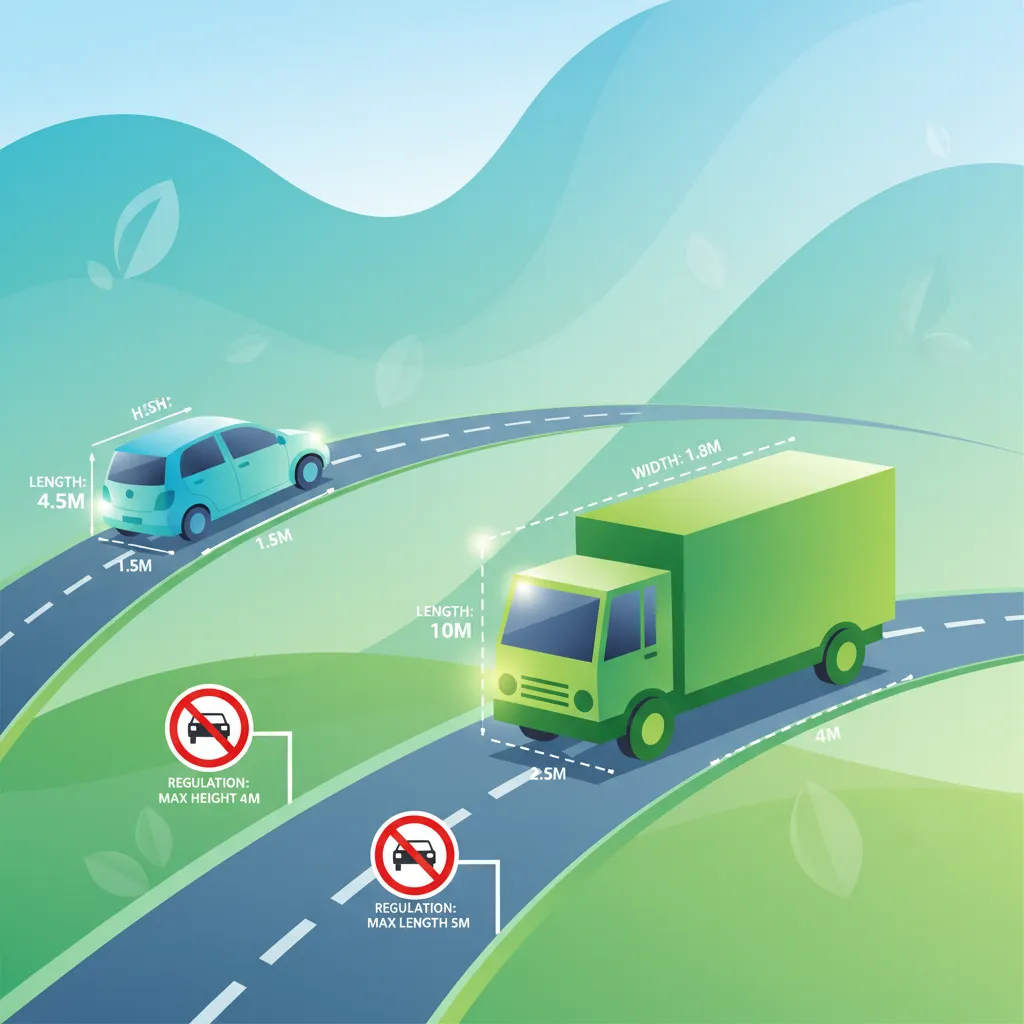
This lesson provides a detailed breakdown of the maximum permissible length, width, and height for heavy vehicles according to Spanish and EU regulations. It explains how these dimensions are measured and how they affect vehicle classification and route planning. The content emphasizes the critical importance of respecting clearance signs for bridges, tunnels, and other overhead structures to prevent accidents.
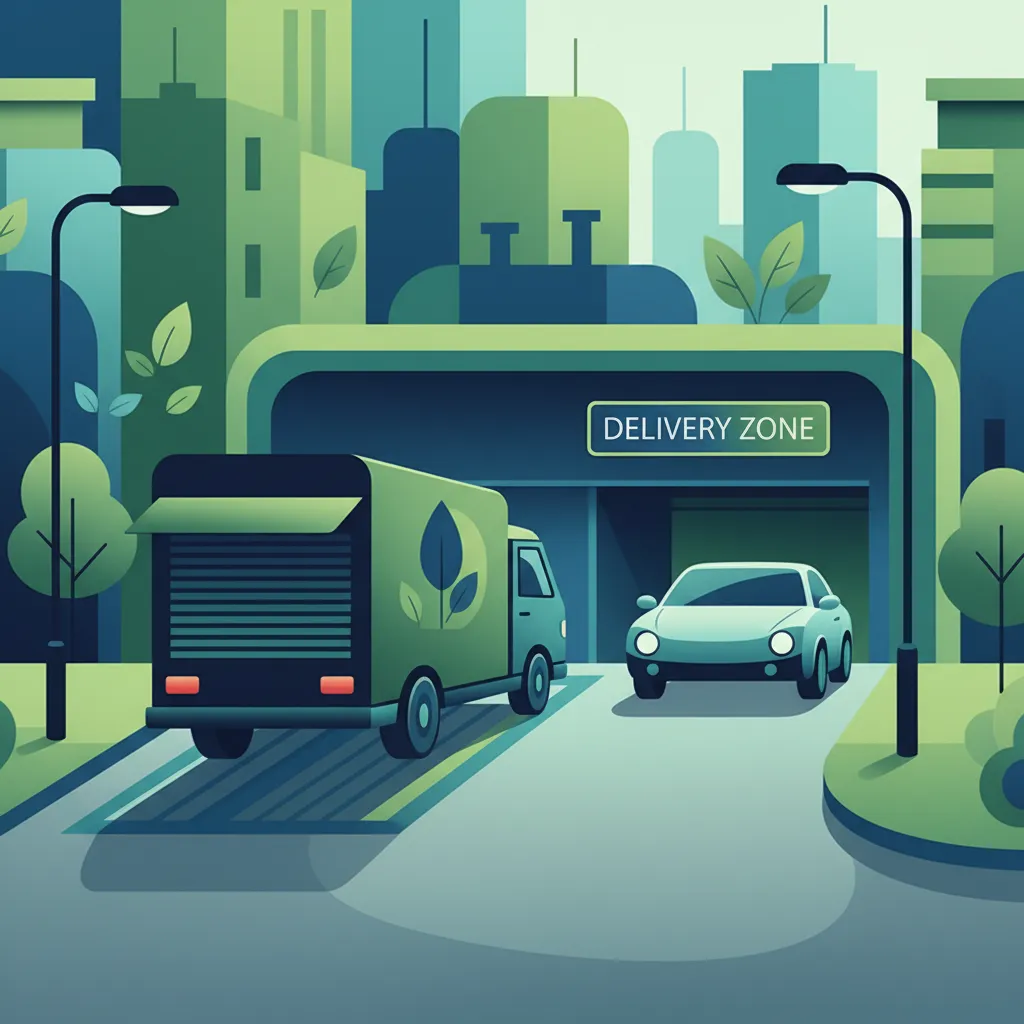
This lesson provides guidance on the practical aspects of parking and making deliveries in urban areas. It covers the techniques for safely maneuvering into and out of loading docks and designated delivery zones, which often involves precise reversing. The content also explains the specific parking regulations that apply to commercial vehicles and best practices for ensuring safety during loading and unloading.
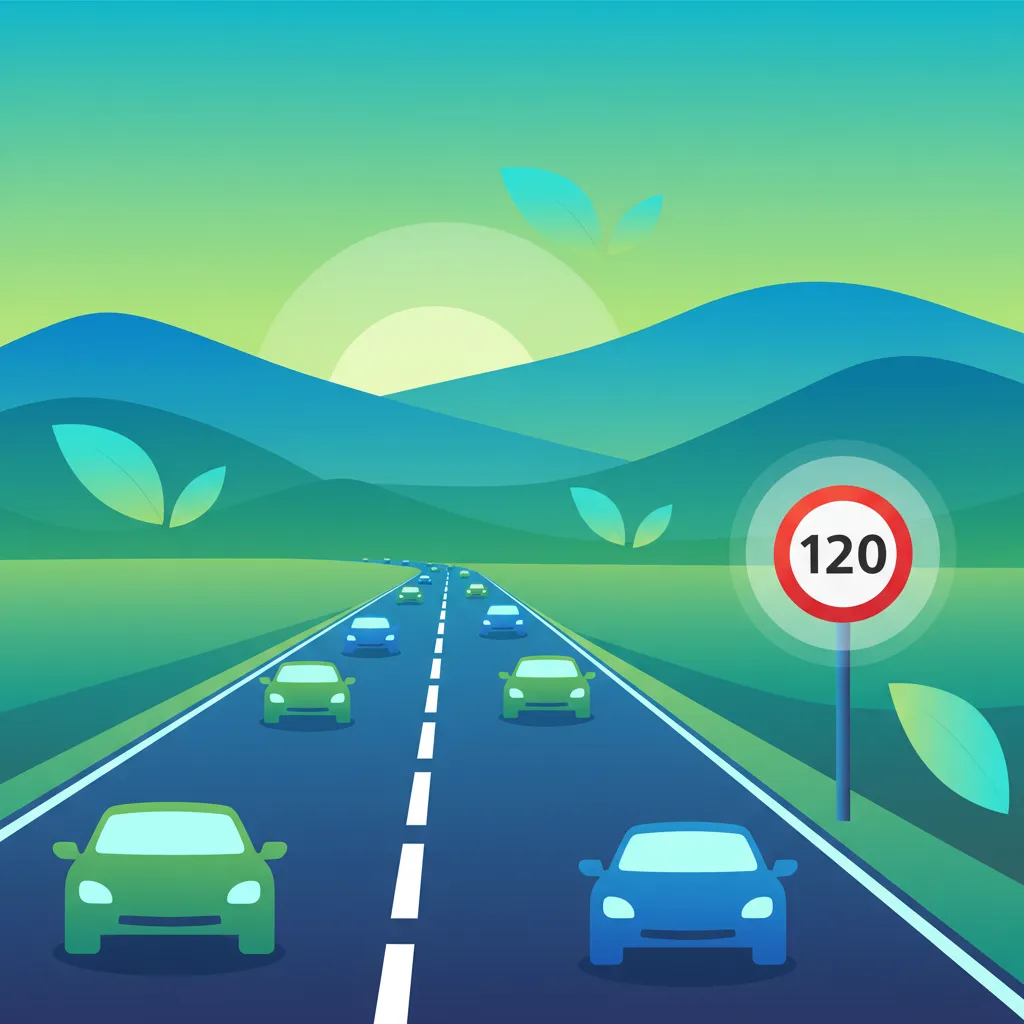
This lesson focuses on the critical relationship between speed, following distance, and overall traffic safety on highways. It explains how to calculate a safe following distance based on speed and weather conditions, accounting for a truck's longer stopping distance. The content also teaches strategies for managing speed to adapt smoothly to changing traffic flow, enhancing both safety and fuel efficiency.
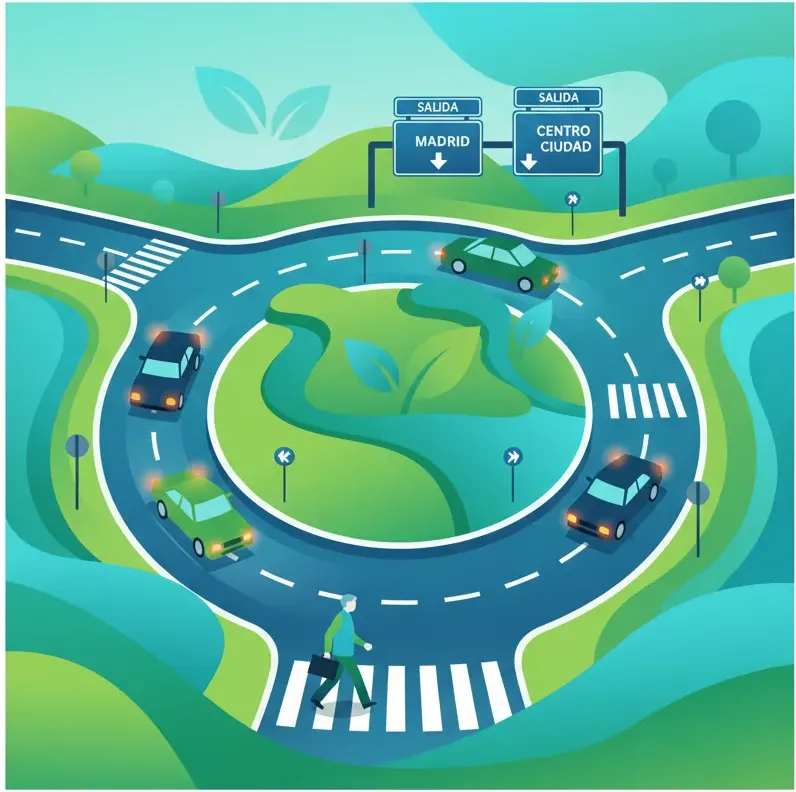
This lesson provides specific instructions on how to safely navigate complex junctions such as roundabouts and intersections with a large vehicle. It explains the rules of priority, the correct lane to use based on the intended exit, and the importance of proper vehicle positioning to account for off-tracking. The content also covers clear signaling to communicate intentions to other road users for safe and efficient passage.

This lesson focuses on the core principles of defensive driving as they apply to operating a large truck. It explains the importance of managing the space around the vehicle to create a safety buffer and always having an 'escape route' in mind. The content emphasizes anticipating the actions of other road users and being prepared to react calmly and safely to unexpected situations.
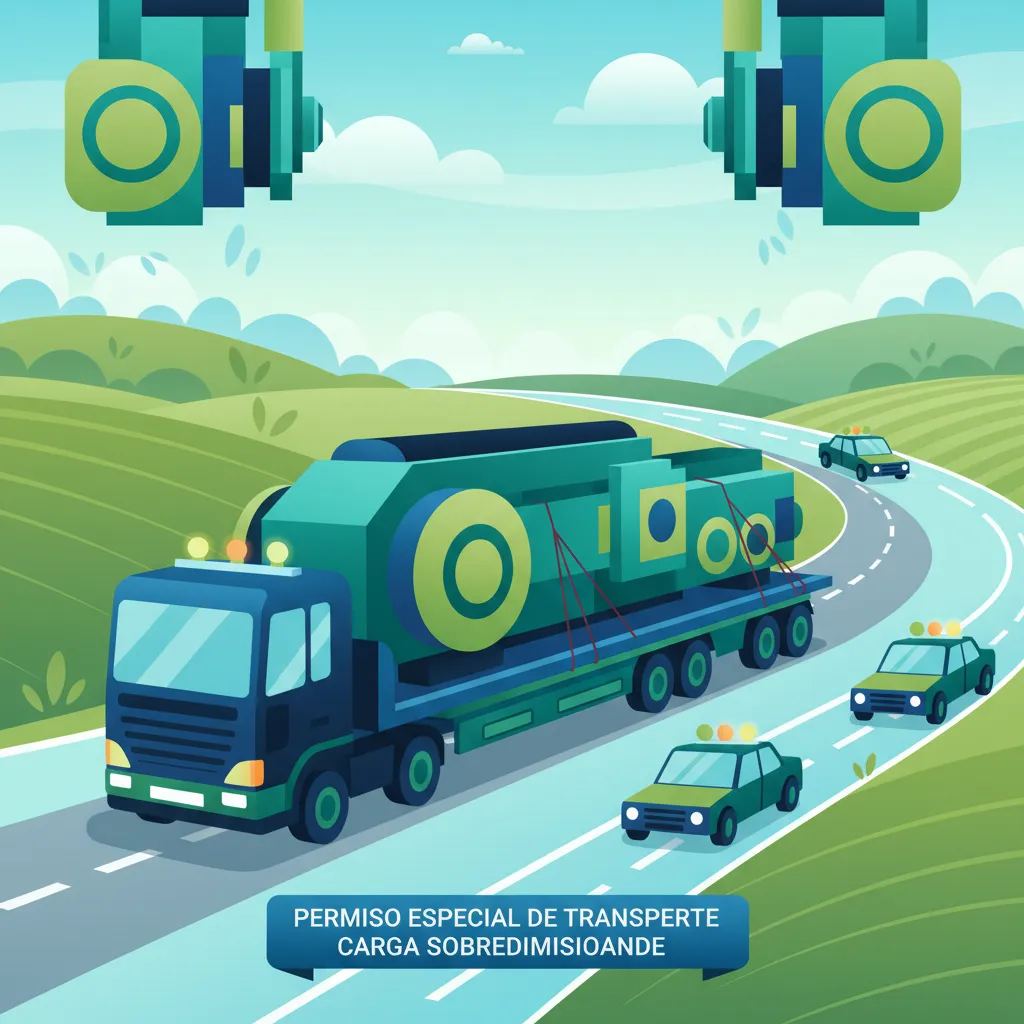
This lesson addresses the special regulations that apply to transporting loads that exceed standard legal dimensions or weight. It explains the process for obtaining the necessary special permits from the DGT and other authorities. The content also covers the requirements for route planning, the use of escort vehicles (pilot cars), and the mandatory signage and lighting for the vehicle.

This lesson provides strategies for navigating dense and often unpredictable city traffic. It explains how to maintain a safe following distance and position the vehicle correctly in stop-and-go situations to optimize flow and visibility. The content emphasizes the importance of anticipation, patience, and defensive driving techniques to safely manage the challenges of urban congestion.
Learn about typical violations of urban access restrictions for trucks in Spain, such as LEZ entry and time window non-compliance. This lesson focuses on understanding common mistakes and DGT rules to avoid fines and ensure safe, compliant driving.
This lesson provides strategies for navigating dense and often unpredictable city traffic. It explains how to maintain a safe following distance and position the vehicle correctly in stop-and-go situations to optimize flow and visibility. The content emphasizes the importance of anticipation, patience, and defensive driving techniques to safely manage the challenges of urban congestion.

This lesson focuses on the critical skill of safely interacting with vulnerable road users, such as pedestrians and cyclists, in an urban setting. It highlights the extensive blind spots around a truck and teaches drivers to be extra vigilant, especially at intersections and crosswalks. The content covers the legal requirements for yielding and the importance of making eye contact to confirm intentions.
This lesson focuses on the specific restrictions that heavy vehicles face on public infrastructure and in urban centers. It covers how to interpret signs indicating weight limits for bridges and height restrictions for tunnels and overpasses. The content also explains the various municipal regulations that can restrict truck access to certain urban areas, such as low-emission zones or time-based delivery windows.
This lesson provides specific instructions on how to safely navigate complex junctions such as roundabouts and intersections with a large vehicle. It explains the rules of priority, the correct lane to use based on the intended exit, and the importance of proper vehicle positioning to account for off-tracking. The content also covers clear signaling to communicate intentions to other road users for safe and efficient passage.
This lesson provides guidance on the practical aspects of parking and making deliveries in urban areas. It covers the techniques for safely maneuvering into and out of loading docks and designated delivery zones, which often involves precise reversing. The content also explains the specific parking regulations that apply to commercial vehicles and best practices for ensuring safety during loading and unloading.
This lesson focuses on the core principles of defensive driving as they apply to operating a large truck. It explains the importance of managing the space around the vehicle to create a safety buffer and always having an 'escape route' in mind. The content emphasizes anticipating the actions of other road users and being prepared to react calmly and safely to unexpected situations.
This lesson addresses the practical aspects of maneuvering a large vehicle in various environments. It explains concepts like turning radius, off-tracking, and the vehicle's total footprint, which determine the space needed for turns and other maneuvers. Learners will develop the spatial awareness required to navigate tight corners, loading bays, and urban streets while maintaining safe clearance from obstacles.
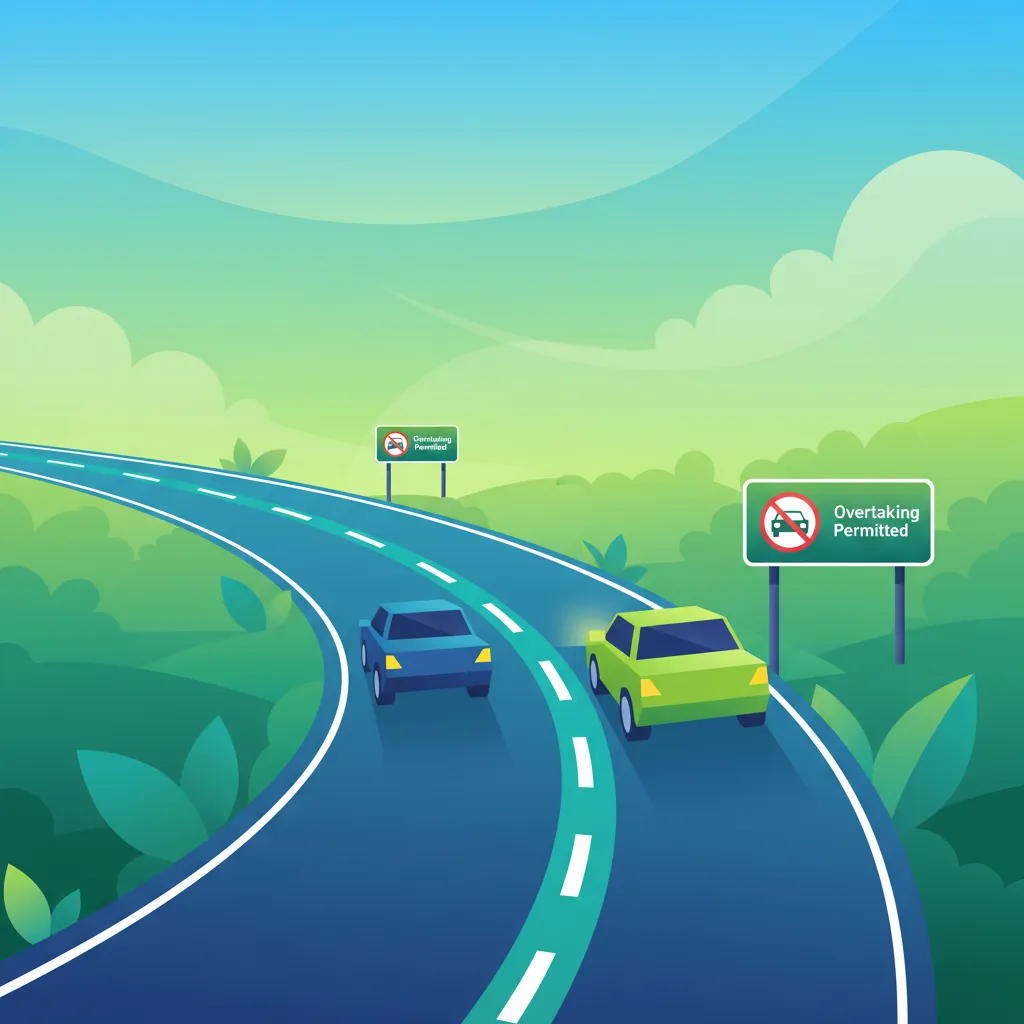
This lesson focuses on the principles of safe lane selection and overtaking on multi-lane roads and highways. It covers the importance of maintaining proper lane discipline and the legal protocols for executing a safe pass, including checking blind spots and ensuring sufficient speed differential. The content also stresses the need for clear signaling and judging adequate space before returning to the original lane.
This lesson focuses on the critical relationship between speed, following distance, and overall traffic safety on highways. It explains how to calculate a safe following distance based on speed and weather conditions, accounting for a truck's longer stopping distance. The content also teaches strategies for managing speed to adapt smoothly to changing traffic flow, enhancing both safety and fuel efficiency.

This lesson provides theoretical guidance on the techniques for safely reversing a heavy vehicle, a high-risk maneuver. It emphasizes the correct use of mirrors, managing extensive blind spots, and the importance of using a spotter when available. The content also breaks down the geometric principles of parallel parking and backing into loading docks, focusing on vehicle positioning and spatial awareness.
Find clear answers to common questions learners have about Access Restrictions, Low-Emission Zones, and Time Windows. Learn how the lesson is structured, which driving theory objectives it supports, and how it fits into the overall learning path of units and curriculum progression in Spain. These explanations help you understand key concepts, lesson flow, and exam focused study goals.
A Low Emission Zone (Zona de Bajas Emisiones or ZBE) is an area within a city where access is restricted for vehicles that do not meet certain environmental standards. For trucks, this typically means adherence to specific Euro emission classifications. The DGT and local authorities enforce these zones to improve air quality.
To determine if your truck can enter a Spanish LEZ, you must check its Euro emission classification against the specific requirements of that zone. You may need a DGT-approved sticker or a permit displayed on your vehicle. Always consult the specific regulations for the city you are entering, as rules can vary.
Time-window restrictions limit when trucks can access certain areas or make deliveries, often to reduce traffic congestion during peak hours. For example, deliveries might only be allowed between 10 AM and 4 PM. Careful planning and coordination with logistics are essential to comply with these windows.
Yes, generally, larger trucks face more restrictions in urban areas due to their size, weight, and emission levels. Regulations concerning access to narrow streets, pedestrian zones, and LEZs are often stricter for heavy goods vehicles compared to smaller vans or cars.
Ignoring access restrictions, LEZ rules, or time windows can result in significant fines from the DGT or local traffic authorities. In some cases, repeated violations could lead to further penalties or restrictions on your driving privileges. It's crucial to always be aware of and adhere to local traffic signage and regulations.
Use our powerful search functionality to pinpoint specific Spanish DGT driving theory practice sets. Filter by road sign categories, traffic law topics, or question difficulty to build custom study sessions and reinforce your knowledge precisely where it matters for your official exam.