
Welcome to the 'Fuel, Emissions, and Environmental Regulations' lesson, part of Unit 2: Vehicle Basics & Controls. As you prepare for your Category B and BE driving license theory exams, understanding the environmental impact of vehicles and the regulations designed to mitigate it is crucial. This lesson will equip you with essential knowledge about different fuel types, emissions standards, and eco-driving techniques, directly preparing you for DGT exam questions on vehicle efficiency and environmental responsibility.
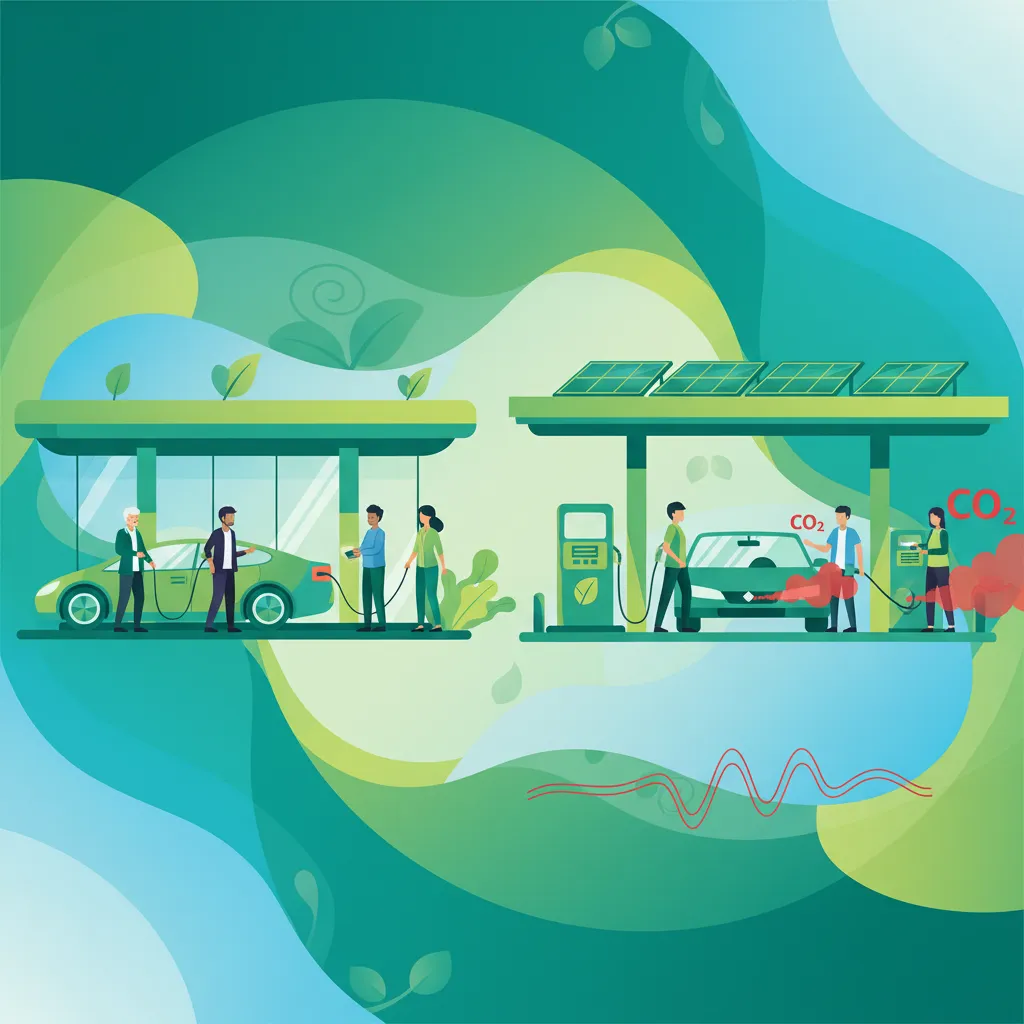
Lesson content overview
Navigating the roads of Spain involves more than just mastering driving techniques and understanding traffic signs. It also requires a comprehensive awareness of vehicle fuel types, their environmental impact, and the strict regulations governing emissions. This lesson provides an essential foundation for all drivers, ensuring compliance with Spanish traffic legislation, promoting cleaner air, and encouraging efficient vehicle operation.
As part of the Complete Spanish Driving License Theory Course for Categories B & BE (DGT), understanding these regulations is crucial for avoiding penalties, contributing to public health, and making informed decisions about your vehicle and driving habits. This knowledge is not only vital for passing your DGT exam but also for responsible road use in Spain.
The type of fuel a vehicle uses directly impacts the pollutants it releases into the atmosphere. These emissions contribute to air quality problems, climate change, and various health issues. To mitigate these effects, Spain, in line with European Union directives, has implemented a robust legal framework that regulates vehicle emissions. This framework includes stringent emissions standards, specific zones with restricted access for high-polluting vehicles, and mandatory periodic inspections.
Understanding the relationship between your vehicle, its emissions, and these regulations is fundamental. It empowers you to comply with the law, make environmentally conscious choices, and adopt driving techniques that reduce your vehicle's ecological footprint and operational costs.
Vehicles are categorized primarily by their energy source, each with a distinct profile in terms of performance, refueling, and environmental emissions. Knowing these differences is key to understanding the regulations that apply to your vehicle.
Gasoline engines, historically prevalent, burn a light hydrocarbon fuel known as petrol. While modern gasoline engines are significantly cleaner than their predecessors, they still emit a range of pollutants. The primary emissions from gasoline engines include carbon monoxide (CO), unburned hydrocarbons (HC), and nitrogen oxides (NOx). They also produce carbon dioxide (CO₂), a greenhouse gas, directly related to fuel consumption. Gasoline vehicles generally have higher volatility, meaning the fuel evaporates more easily, potentially contributing to ground-level ozone formation.
Diesel engines use a heavier hydrocarbon fuel, offering higher energy density and often better fuel economy compared to gasoline engines, especially for longer distances. However, diesel combustion historically resulted in higher emissions of nitrogen oxides (NOx) and particulate matter (PM), commonly referred to as soot. Modern diesel vehicles are equipped with sophisticated emission control systems, such as diesel particulate filters (DPF) and selective catalytic reduction (SCR) systems, to drastically reduce these pollutants. Despite these advances, the perception and regulation of older diesel vehicles remain stricter due to their historical emission profile.
Hybrid vehicles combine an internal combustion engine (either gasoline or diesel) with an electric motor and a battery. They recover energy during braking (regenerative braking) and can often shut off the combustion engine when stationary or at low speeds, reducing fuel consumption and emissions.
Hybrid vehicles generally offer reduced fuel consumption and lower emissions compared to conventional combustion-engine vehicles, especially in urban environments with frequent stop-and-go traffic.
Battery Electric Vehicles (BEVs) are powered entirely by electricity stored in a battery, driving an electric motor. They produce zero tailpipe emissions, making them the cleanest option at the point of use. Their overall environmental impact depends on how the electricity is generated (e.g., renewable sources vs. fossil fuels). Electric vehicles are rapidly gaining popularity and are often prioritized in environmental regulations due to their direct emission benefits.
The Euro emission standards are a series of legislative limits set by the European Union for exhaust pollutants from new vehicles sold within EU member states, including Spain. These standards have been progressively tightened over time to reduce the environmental impact of road traffic.
Each standard, from Euro 1 to the current Euro 6, specifies maximum permissible levels for carbon monoxide (CO), hydrocarbons (HC), nitrogen oxides (NOx), and particulate matter (PM) emitted per kilometer. The implementation of these standards has driven significant technological advancements in vehicle design and emission control systems.
For drivers in Spain, a vehicle's Euro standard is critical because it determines its eligibility for registration, its access to Low-Emission Zones (ZBE), and its environmental classification for Spanish "Distintivo Ambiental" (environmental badge) purposes. For passenger cars, all new vehicles sold or registered in Spain after September 2015 must comply with the Euro 6 standard. This regulation ensures that only the cleanest new vehicles enter the Spanish fleet.
Even if your vehicle is older and was compliant with a previous Euro standard (e.g., Euro 4 or Euro 5) when new, it remains compliant with that specific standard. Older cars do not automatically become non-compliant with their original standard, but they may face restrictions in zones requiring newer standards.
For instance, a Euro 5 diesel car, registered between 2011 and 2015, could emit up to 180 mg/km of NOx. The Euro 6 standard, however, reduced this limit significantly for diesel cars to 80 mg/km and for gasoline cars to 60 mg/km, highlighting the dramatic reduction in permitted emissions.
To combat air pollution in urban centers, many Spanish municipalities have established Low-Emission Zones (ZBE - Zonas de Baja Emisión). These are designated geographical areas where vehicle access is restricted based on their emission class. The primary goal of ZBEs is to improve local air quality and reduce the health risks associated with traffic pollution.
ZBEs are typically found in city centers and densely populated areas. They can be:
Drivers must be aware of the ZBEs in the cities they plan to visit, as non-compliant vehicles may be fined or prohibited from entry. The rules for ZBEs are set by municipal ordinances, meaning they can vary slightly from one city to another, although they are all based on the DGT's environmental badge system. It is essential to check local regulations for specific ZBEs.
To facilitate the enforcement of Low-Emission Zones, the Spanish Directorate-General for Traffic (DGT) has implemented a system of environmental badges, known as "Distintivo Ambiental." These color-coded stickers categorize vehicles based on their Euro emission standard and fuel type. Displaying the appropriate badge is mandatory when driving in areas with ZBE restrictions.
There are four main types of environmental badges:
Vehicles that do not fall into any of these categories (typically older gasoline vehicles registered before 2000 and diesel vehicles before 2006, as well as some heavy vehicles) do not receive an environmental badge and are often subject to the strictest access restrictions in ZBEs.
It is the driver's responsibility to ensure their vehicle displays the correct badge, which must be clearly visible on the lower-right corner of the front windscreen. Authorities can use camera systems and manual checks to enforce compliance.
The ITV (Inspección Técnica de Vehículos) is Spain's mandatory periodic technical inspection, similar to an MOT test in other countries. It ensures that vehicles on public roads meet safety and environmental standards. For vehicles older than four years, an ITV is required every two years, and for vehicles over ten years old, it becomes annual.
A critical part of the ITV is the emissions test. During this test, the vehicle's exhaust gases are analyzed to ensure they fall within the permissible limits for its specific fuel type and Euro emission standard. The inspection checks for:
Failure of the emissions test can lead to the vehicle being deemed "unfavourable" or "negative" for circulation, meaning it must be repaired and re-inspected within a specified period. Driving a vehicle with an unfavourable or negative ITV can result in fines and, in severe cases, the vehicle's temporary deregistration.
The ITV ensures that emission control systems, such as catalytic converters or particulate filters, are functioning as intended throughout the vehicle's lifespan, preventing excessive pollution due to wear, malfunction, or tampering.
Beyond regulatory compliance, drivers can actively reduce their environmental impact and save money on fuel by adopting eco-driving techniques. Eco-driving is a set of operational behaviors designed to minimize fuel consumption and emissions while maintaining safety.
Smooth Acceleration and Deceleration: Avoid aggressive acceleration and sudden braking. Gradual inputs to the accelerator and brake pedals lead to more efficient fuel use and less wear on vehicle components. Anticipate traffic flow to avoid unnecessary stops.
Optimal Gear Shifting: For manual vehicles, shift to a higher gear as soon as possible without straining the engine. Modern vehicles often recommend shifting up at around 2,000-2,500 RPM for gasoline engines and 1,500-2,000 RPM for diesel engines. For automatic vehicles, allow the transmission to shift efficiently.
Maintain Steady Speed: On highways and open roads, maintain a consistent speed. Using cruise control can help in this regard. Avoid frequent changes in speed, as accelerating from a lower speed consumes more fuel. Respect speed limits, as higher speeds significantly increase air resistance and fuel consumption.
Reduce Idling: Turn off the engine if you anticipate being stationary for more than 30-60 seconds (e.g., at railway crossings, waiting for passengers, or in heavy traffic jams). Many modern vehicles have start-stop systems that do this automatically.
Check Tire Pressure Regularly: Properly inflated tires reduce rolling resistance, which directly translates to better fuel economy. Underinflated tires can increase fuel consumption by up to 3% and also compromise safety. Refer to your vehicle's manual or the sticker on the door frame or fuel cap for correct pressure.
Minimize Unnecessary Weight: Remove heavy items from your vehicle if they are not needed. Extra weight increases the energy required to move the vehicle.
Limit Aerodynamic Drag: Remove roof racks or bike carriers when not in use, as they increase wind resistance and fuel consumption, especially at higher speeds.
Implementing eco-driving techniques can reduce fuel consumption by 10-15% in urban driving conditions and contributes to a longer vehicle lifespan due to less stress on the engine and brakes.
Compliance with environmental regulations is mandated by various laws and ordinances in Spain. Drivers must be aware of these legal requirements to ensure responsible and lawful vehicle operation.
This national regulation establishes the framework for the "Distintivo Ambiental" (environmental badge) system. It mandates that vehicles entering Low-Emission Zones (ZBE) in municipalities that have enacted such zones must display the corresponding environmental badge. The regulation categorizes vehicles based on their Euro emission level and fuel type, which directly dictates their badge color and ZBE access rights. Failure to display the correct badge or entering a ZBE with an unauthorized vehicle can result in significant fines.
The general Spanish Traffic Code includes provisions related to vehicle condition and emissions. Specifically, it prohibits vehicles from emitting excessive exhaust smoke that is clearly visible. Such visible smoke indicates a potential mechanical fault or a severe emissions problem, which can lead to a stop by authorities, a fine, and a mandatory vehicle inspection to address the issue. This regulation ensures a basic level of roadworthiness and environmental responsibility for all vehicles on public roads.
While the DGT assigns badges, the underlying Euro emission standards themselves are dictated by European Union directives, which Spain adopts into national law. These laws specify that new vehicles sold or registered in Spain must meet the latest applicable Euro standard for their class. For passenger cars, this means meeting Euro 6 standards (or subsequent updates) since their implementation date. This legislation is crucial for progressively reducing pollution from the national vehicle fleet.
The Reglamento de ITV (Vehicle Technical Inspection Regulation) outlines the mandatory periodic inspections for vehicles in Spain. It specifies the frequency of these inspections (e.g., every two years for cars between 4 and 10 years old) and the criteria for passing, including rigorous emissions testing. The regulation ensures that vehicles maintain their original environmental compliance levels throughout their operational life. Failure to pass the ITV, especially due to emissions issues, requires mandatory repairs before the vehicle can legally circulate again.
Beyond national regulations, individual municipalities in Spain have the authority to create and enforce specific ordinances for their Low-Emission Zones. These local laws define the exact boundaries of the ZBE, the specific hours of operation, the categories of vehicles allowed (e.g., sometimes even tighter restrictions than the DGT badge system), and the penalties for non-compliance. Drivers must consult the specific rules for each city's ZBE they intend to enter.
Drivers can inadvertently fall foul of emissions regulations if they are not careful. Awareness of these common pitfalls can help ensure compliance:
Vehicle emissions and fuel consumption are not static; they are influenced by a range of environmental and operational factors. Understanding these variations helps drivers to mitigate their impact.
The journey towards obtaining your Spanish driving license for categories B and BE includes a vital understanding of how vehicles interact with the environment and the legal framework governing them.
Mastering these concepts is fundamental for responsible and compliant driving in Spain, allowing you to operate your vehicle efficiently while contributing to a healthier environment.
This lesson covers the environmental regulations drivers must understand in Spain, including the characteristics of different fuel types (gasoline, diesel, hybrid, and electric vehicles) and their emission profiles. The Euro emissions standards, particularly Euro 6 for new vehicles since September 2015, set mandatory pollutant limits that determine vehicle registration and Low-Emission Zone (ZBE) access. The Spanish DGT Distintivo Ambiental badge system categorizes vehicles into four classes (0, ECO, C, B) based on their Euro standard, and displaying the correct badge is mandatory for ZBE entry. Beyond compliance, eco-driving techniques such as smooth acceleration, timely gear shifts, steady speed maintenance, and proper tire pressure can significantly reduce fuel consumption by 10-15% while extending vehicle lifespan. The ITV inspection verifies ongoing emissions compliance, ensuring pollution control systems remain effective throughout the vehicle's operational life.
A short set of high-value points that capture the most important learning from this lesson.
Vehicles are categorized by fuel type (gasoline, diesel, hybrid, electric) and each has distinct emission profiles affecting ZBE eligibility
Euro 6 standards, mandatory for new vehicles since September 2015, set strict NOx limits: 80 mg/km for diesel and 60 mg/km for gasoline
Low-Emission Zones (ZBE) restrict vehicle access based on the DGT environmental badge system, which categorizes vehicles into four classes
The ITV mandatory inspection includes emissions testing to ensure vehicles maintain their original environmental compliance throughout their lifespan
Eco-driving techniques like smooth acceleration, optimal gear shifting, and reducing idling can reduce fuel consumption by 10-15% in urban conditions
Explore all units and lessons included in this driving theory course.
The four DGT environmental badges: Blue (0 Emissions) for BEVs and best PHEVs, ECO for hybrids and natural gas vehicles, Green (C) for Euro 4/5/6 gasoline and Euro 6 diesel, Yellow (B) for older compliant vehicles
Euro 5 diesel vehicles emitted up to 180 mg/km NOx; Euro 6 reduced this to 80 mg/km for diesel and 60 mg/km for gasoline
ZBEs can be permanent (like central Madrid) or temporary/seasonal, with rules varying by municipality ordinance
Dashboard warning lights for DPF or engine management systems indicate faults causing excessive emissions that will cause ITV failure
For manual vehicles, upshift at around 2,000-2,500 RPM for gasoline and 1,500-2,000 RPM for diesel to optimize fuel use
Assuming an older vehicle becomes non-compliant with its original Euro standard; it remains compliant to that standard but may face ZBE restrictions
Entering a ZBE without displaying the correct badge or assuming a vehicle automatically qualifies without checking its classification
Ignoring dashboard warning lights related to emissions, which can lead to ITV failure and increased pollution
Believing all ZBEs have identical rules; municipal ordinances can impose stricter access requirements than the national badge system
Driving with a modified exhaust system or missing emission control components, which is illegal and will result in ITV failure and fines
Lesson content overview
A short set of high-value points that capture the most important learning from this lesson.
Vehicles are categorized by fuel type (gasoline, diesel, hybrid, electric) and each has distinct emission profiles affecting ZBE eligibility
Euro 6 standards, mandatory for new vehicles since September 2015, set strict NOx limits: 80 mg/km for diesel and 60 mg/km for gasoline
Low-Emission Zones (ZBE) restrict vehicle access based on the DGT environmental badge system, which categorizes vehicles into four classes
The ITV mandatory inspection includes emissions testing to ensure vehicles maintain their original environmental compliance throughout their lifespan
Eco-driving techniques like smooth acceleration, optimal gear shifting, and reducing idling can reduce fuel consumption by 10-15% in urban conditions
Explore all units and lessons included in this driving theory course.
The four DGT environmental badges: Blue (0 Emissions) for BEVs and best PHEVs, ECO for hybrids and natural gas vehicles, Green (C) for Euro 4/5/6 gasoline and Euro 6 diesel, Yellow (B) for older compliant vehicles
Euro 5 diesel vehicles emitted up to 180 mg/km NOx; Euro 6 reduced this to 80 mg/km for diesel and 60 mg/km for gasoline
ZBEs can be permanent (like central Madrid) or temporary/seasonal, with rules varying by municipality ordinance
Dashboard warning lights for DPF or engine management systems indicate faults causing excessive emissions that will cause ITV failure
For manual vehicles, upshift at around 2,000-2,500 RPM for gasoline and 1,500-2,000 RPM for diesel to optimize fuel use
Assuming an older vehicle becomes non-compliant with its original Euro standard; it remains compliant to that standard but may face ZBE restrictions
Entering a ZBE without displaying the correct badge or assuming a vehicle automatically qualifies without checking its classification
Ignoring dashboard warning lights related to emissions, which can lead to ITV failure and increased pollution
Believing all ZBEs have identical rules; municipal ordinances can impose stricter access requirements than the national badge system
Driving with a modified exhaust system or missing emission control components, which is illegal and will result in ITV failure and fines
Explore search topics learners often look for when studying Fuel, Emissions, and Environmental Regulations. These topics reflect common questions about road rules, driving situations, safety guidance, and lesson level theory preparation for learners in Spain.
Browse additional driving theory lessons that cover connected traffic rules, road signs, and common driving situations related to this topic. Improve your understanding of how different rules interact across everyday traffic scenarios.
Learn about different vehicle fuel types, Euro emission standards, and Spanish environmental laws. Covers Low-Emission Zones (ZBE) and eco-driving principles essential for the DGT theory exam.
This lesson focuses on eco-driving practices that reduce fuel consumption and lower vehicle emissions. It explains techniques such as maintaining a steady speed, smooth acceleration and braking, and selecting the optimal gear. The content also covers how factors like proper tire pressure and reduced use of air conditioning contribute to better fuel efficiency and a smaller environmental footprint.
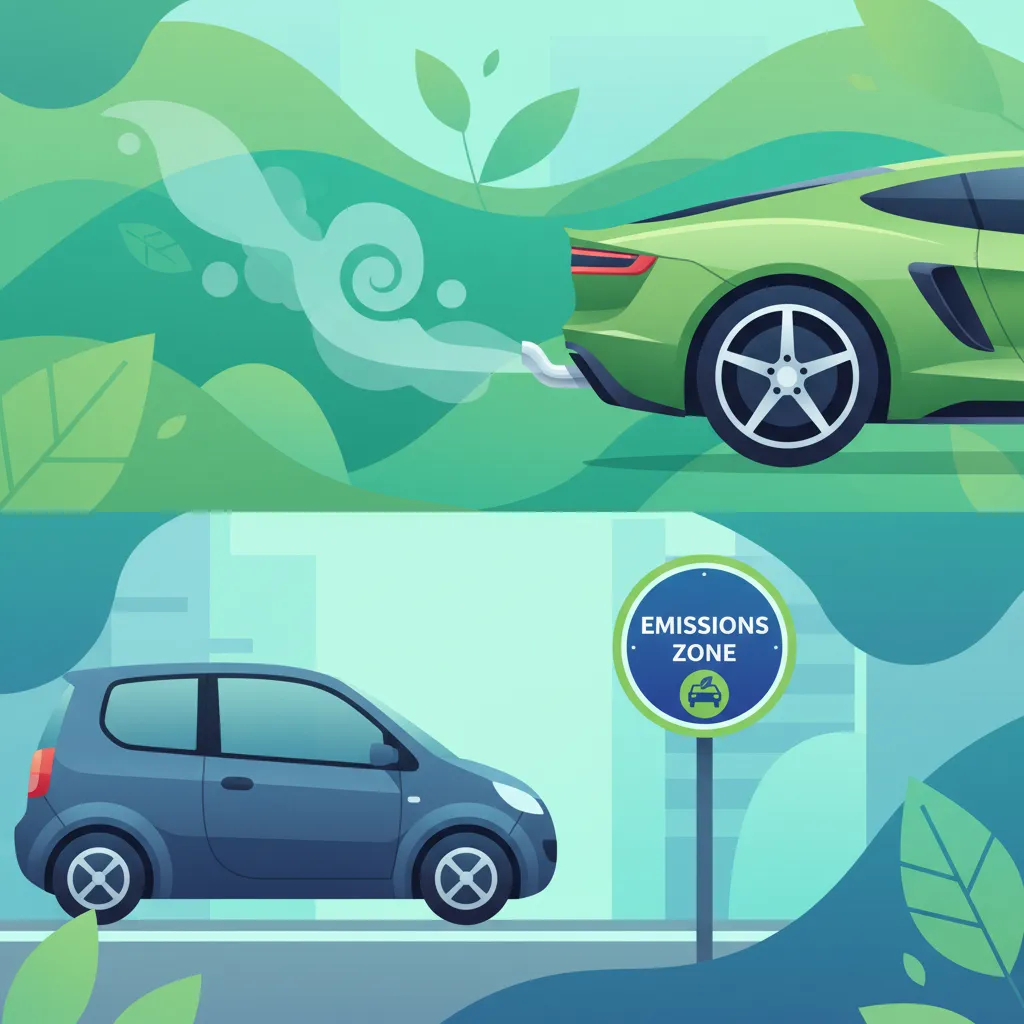
This lesson details the environmental regulations affecting mopeds, including limits on exhaust emissions and noise levels. It explains the concept of low-emission zones (ZBE/LEZ) in major Spanish cities and the requirement for an environmental sticker to gain access. Learners will also be introduced to eco-driving principles, such as smooth acceleration and avoiding unnecessary idling, to minimize fuel consumption and pollution.
This lesson introduces various eco-driving techniques designed to improve fuel efficiency while ensuring a smooth ride for passengers. It covers principles such as gentle throttle control, strategic coasting, and the effective use of cruise control for speed stabilization on long stretches. Learners will also understand how gear selection, aerodynamic drag, and advance route planning contribute to reducing overall fuel consumption.
This lesson focuses on the primary components displayed on a vehicle's dashboard and their functional significance. Learners will identify instruments like the speedometer and fuel gauge and understand the meaning of key warning lights, including ABS, oil pressure, and check engine. The lesson explains how to interpret these signals while driving and the immediate actions required upon their illumination.
This lesson explains the various access restrictions that trucks face in modern cities. It covers the rules and requirements for entering low-emission zones (LEZ), including necessary vehicle standards and permits. The content also details time-window restrictions, where deliveries are only permitted during specific hours of the day to reduce congestion, requiring careful logistical planning.
This lesson addresses the specific challenges posed by rain and fog, focusing on reduced visibility and loss of traction. It explains the proper use of windshield wipers and fog lights, and the need to adjust speed and increase following distance. The content covers how to prevent and react to hydroplaning (aquaplaning) to maintain vehicle control.
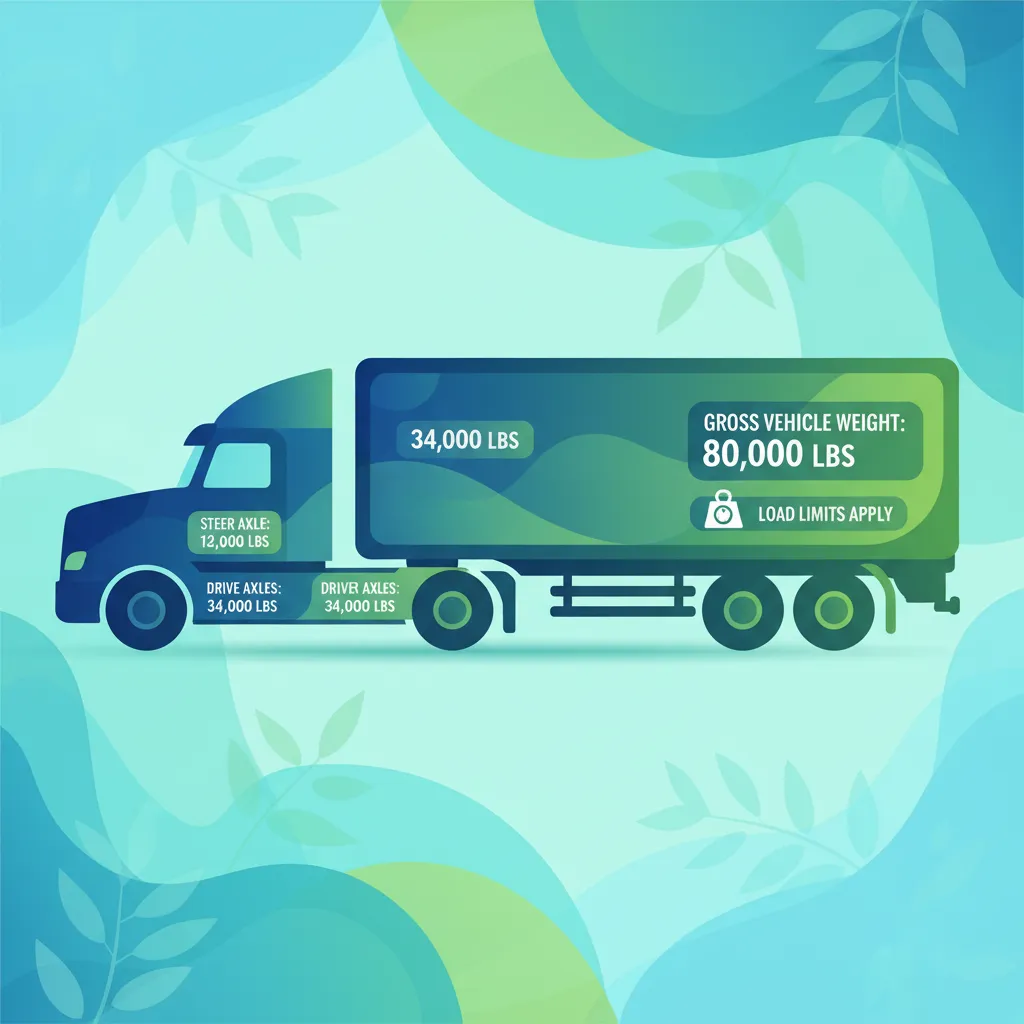
This lesson covers the critical regulations concerning vehicle weight, including Gross Vehicle Weight (GVW) and individual axle load limits. Learners will understand how to calculate tare weight and maximum payload to avoid overloading. The content also explains how proper weight distribution is essential for vehicle stability, braking efficiency, and minimizing road surface damage.
This lesson outlines the proper use and legal requirements of vehicle lighting and mirror systems. It covers headlamps, fog lights, turn signals, and brake lights, clarifying when each must be used according to DGT regulations. The lesson also explains the correct adjustment of rearview and side mirrors and strategies for effective blind-spot monitoring.
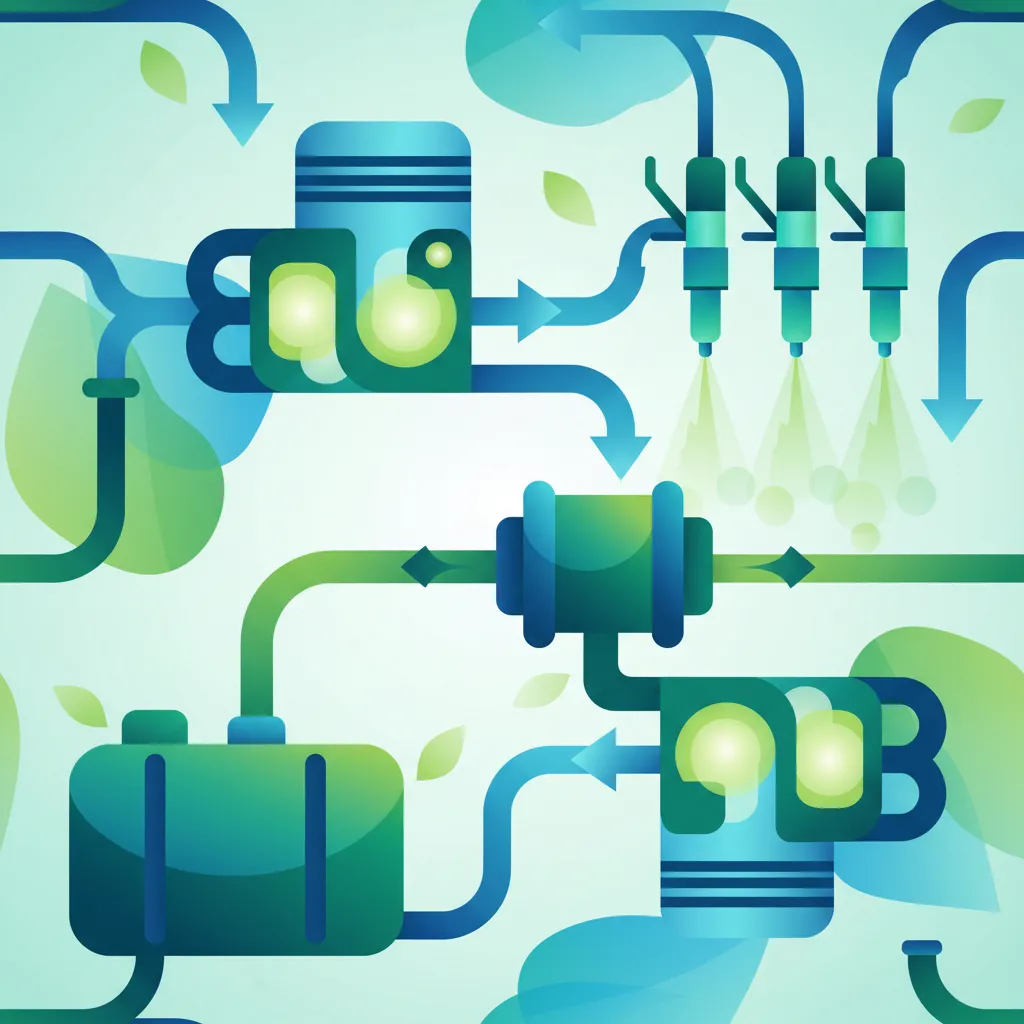
This lesson explains the operation of a typical four-stroke motorcycle engine, describing each phase of the combustion cycle. It contrasts fuel injection systems with carburetors and details how fuel is mixed with air for efficient combustion. Topics also cover emissions control, cooling strategies, and oil circulation for a comprehensive overview of engine performance.
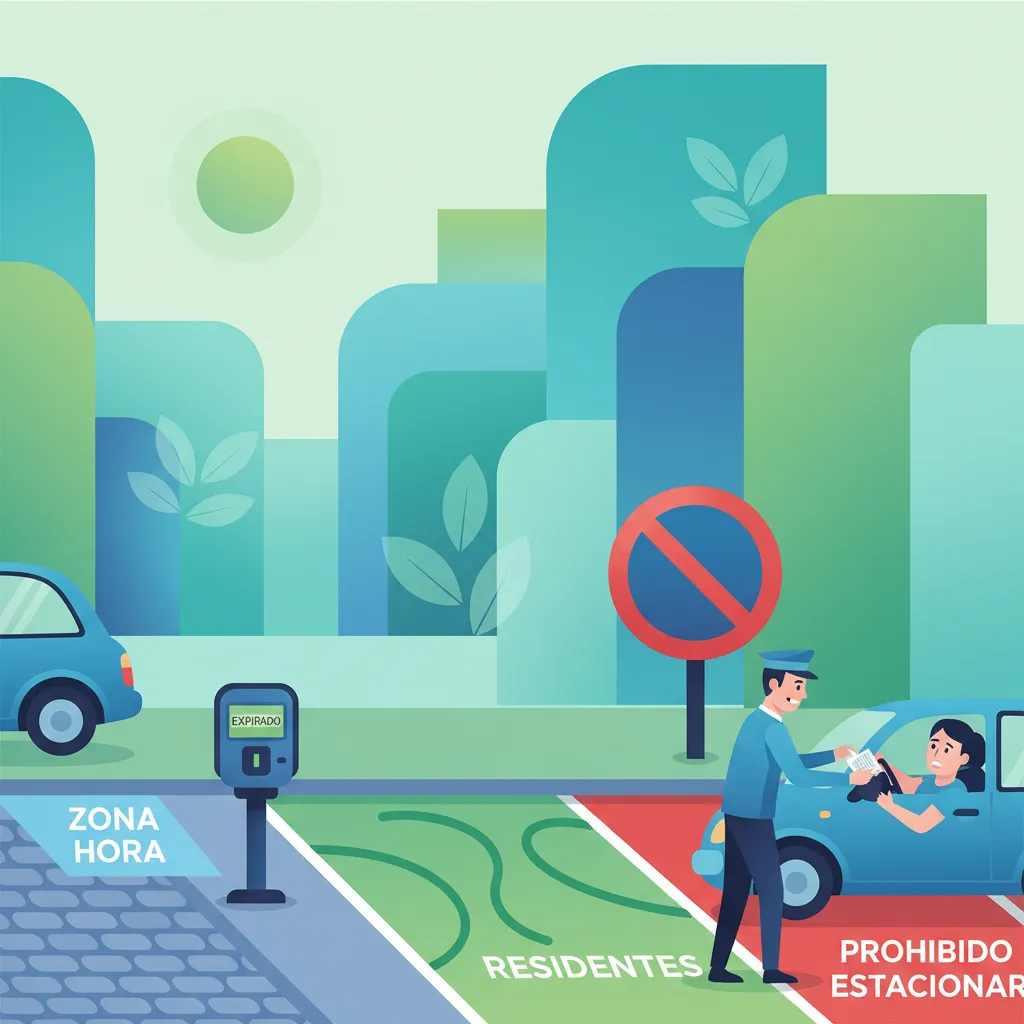
This lesson outlines the legal framework surrounding parking regulations in Spain, including the identification of regulated zones (e.g., ORA/SER), no-parking areas, and disabled parking spaces. It explains DGT signage interpretation and how improper parking can affect traffic flow and result in penalties. Learners will understand the regulatory environment to comply with parking laws and avoid fines.
Discover practical eco-driving strategies to reduce fuel consumption and emissions. Understand how to navigate Spain's Low-Emission Zones (ZBE) and comply with environmental regulations for your driving theory.
In this lesson, drivers learn how to identify risk zones where potential hazards are likely to develop. The content explains the use of proactive observation and scanning techniques to detect evolving dangers in the driving environment. Learners will practice anticipating the actions of other road users based on traffic patterns and context, adjusting their speed and position accordingly.
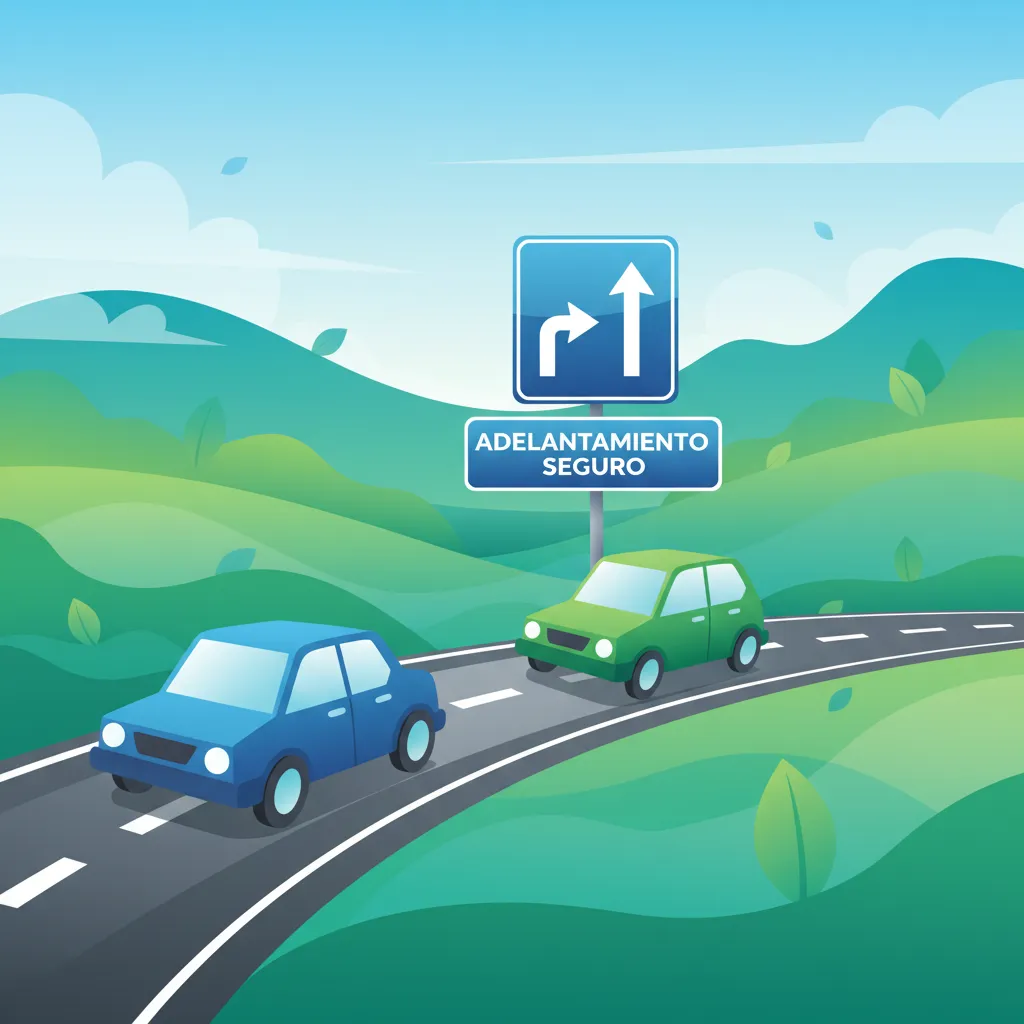
This lesson covers the legal overtaking procedures applicable on different road types, focusing on identifying safe passing zones and executing maneuvers correctly. Learners will be taught how to maintain adequate safety distances before, during, and after overtaking. The content includes DGT regulations for overtaking, appropriate signaling, and visibility checks to ensure safe completion of the maneuver.
This lesson explains the various access restrictions that trucks face in modern cities. It covers the rules and requirements for entering low-emission zones (LEZ), including necessary vehicle standards and permits. The content also details time-window restrictions, where deliveries are only permitted during specific hours of the day to reduce congestion, requiring careful logistical planning.
This lesson focuses on the primary components displayed on a vehicle's dashboard and their functional significance. Learners will identify instruments like the speedometer and fuel gauge and understand the meaning of key warning lights, including ABS, oil pressure, and check engine. The lesson explains how to interpret these signals while driving and the immediate actions required upon their illumination.
This lesson focuses on eco-driving practices that reduce fuel consumption and lower vehicle emissions. It explains techniques such as maintaining a steady speed, smooth acceleration and braking, and selecting the optimal gear. The content also covers how factors like proper tire pressure and reduced use of air conditioning contribute to better fuel efficiency and a smaller environmental footprint.
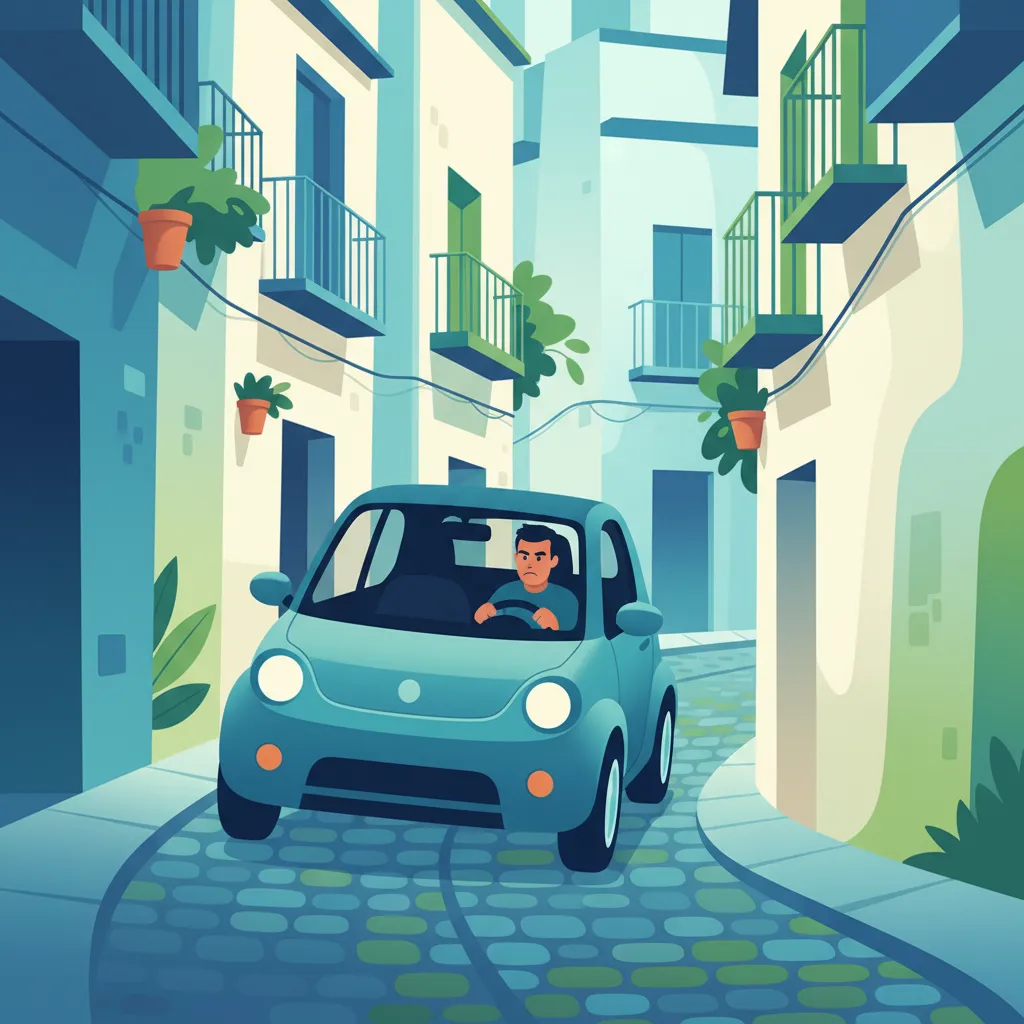
This lesson provides strategies for navigating tight, confined environments such as multi-story car parks and narrow urban lanes. It emphasizes the importance of slow and controlled movements, constant observation, and a thorough understanding of the vehicle's dimensions and turning circle. Learners will develop the skills to maneuver with precision while avoiding obstacles.
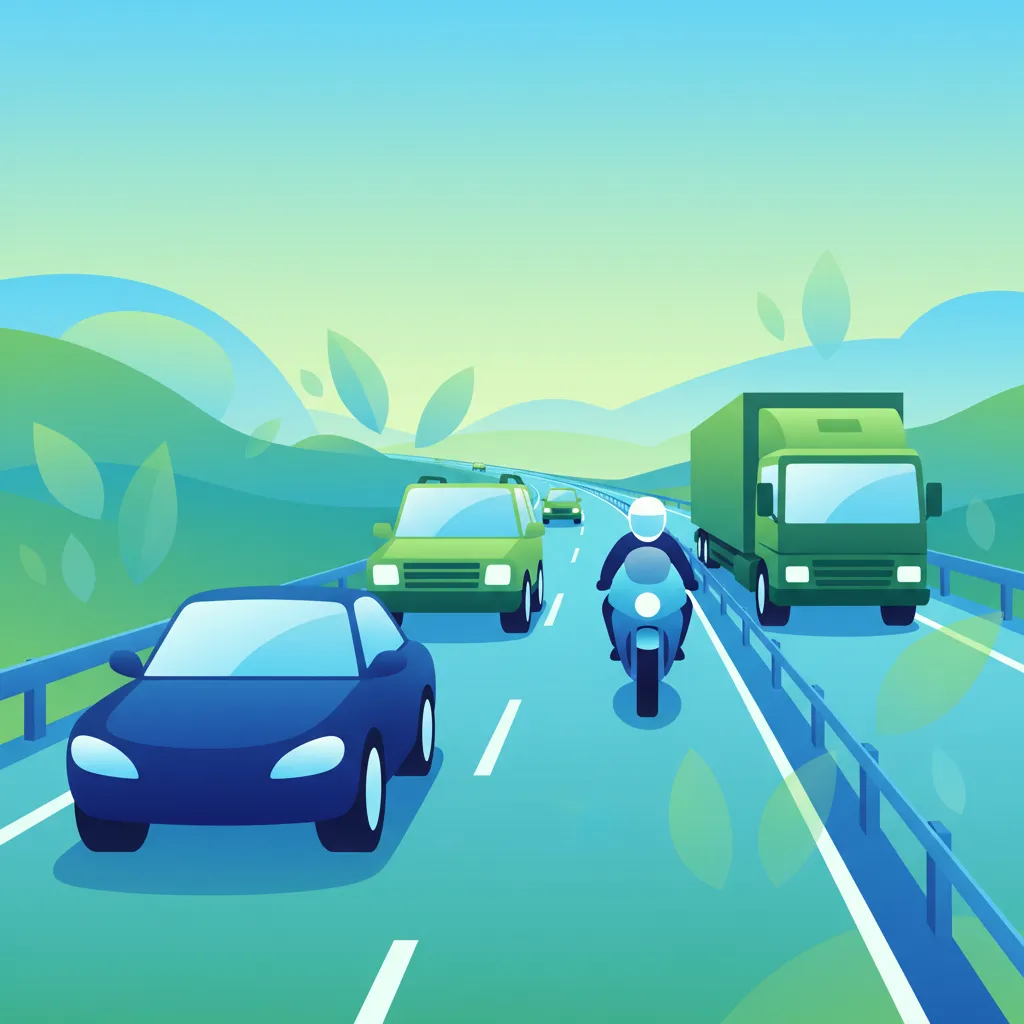
This lesson examines the principles of maintaining a safe following distance, including the 'two-second rule' and its adjustments for speed and weather. It focuses on effective blind-spot management, teaching drivers how to use mirrors and head checks. The content integrates DGT guidelines on creating a safety buffer around the vehicle to allow time to react to unexpected events.
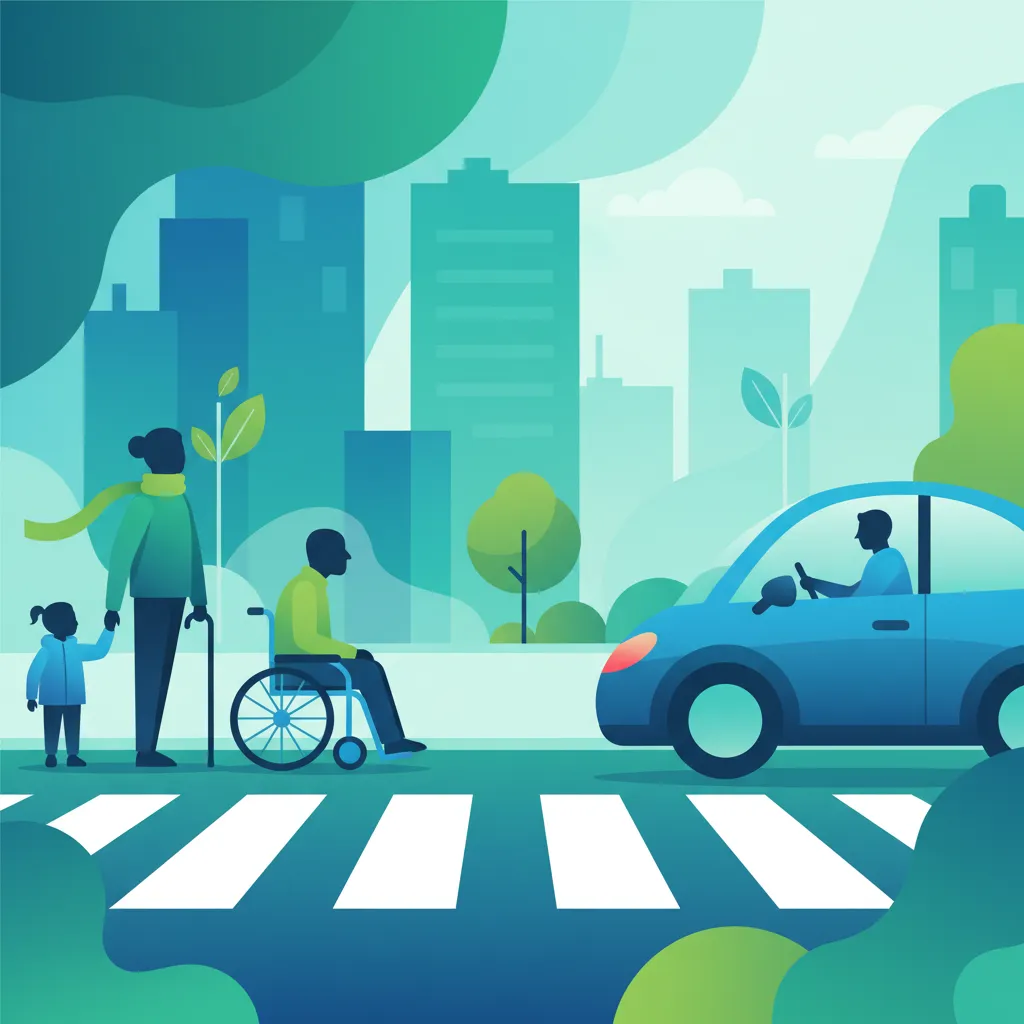
This lesson explores the design and legal requirements of pedestrian crossings in Spanish urban areas. It clarifies the rules at zebra crossings, signal-controlled crossings, and areas where cyclists or other vulnerable users share space. The content explains the required safety distances and signage indicating crossing zones to ensure drivers respect all road users.
Find clear answers to common questions learners have about Fuel, Emissions, and Environmental Regulations. Learn how the lesson is structured, which driving theory objectives it supports, and how it fits into the overall learning path of units and curriculum progression in Spain. These explanations help you understand key concepts, lesson flow, and exam focused study goals.
Low Emission Zones (ZBE - Zonas de Bajas Emisiones) are designated areas in Spanish cities where access, circulation, and parking are restricted for vehicles that do not meet specific environmental criteria, typically based on their Euro emissions standard. To drive in a ZBE, your vehicle usually needs to display a DGT environmental label indicating it meets certain emission requirements. Failure to comply can result in fines.
Euro emissions standards are European Union regulations setting limits on the amount of pollutants (like nitrogen oxides and particulate matter) that new vehicles can emit. Euro 6 is the latest standard, significantly reducing emissions compared to earlier standards like Euro 4 or Euro 5. Vehicles are classified according to the Euro standard they meet, which impacts their eligibility to enter certain zones like ZBEs.
Eco-driving focuses on smooth and efficient driving. Key principles include accelerating gently, anticipating traffic lights and slowdowns to avoid unnecessary braking and acceleration, maintaining a steady speed, using engine braking where appropriate, and ensuring regular vehicle maintenance. Proper tire inflation and reducing unnecessary weight also contribute to better fuel economy.
Generally, hybrid and electric cars produce significantly lower or zero tailpipe emissions compared to traditional gasoline or diesel vehicles. While the overall environmental impact also depends on electricity generation sources and battery production, their operational emissions are considerably cleaner, making them beneficial for air quality, especially in urban areas.
The DGT theory exam includes questions on vehicle technology and environmental awareness. You can expect questions about fuel types, the meaning of emissions standards, identifying vehicles permitted in ZBEs, and understanding the principles of eco-driving to reduce consumption and pollution.
Use our powerful search functionality to pinpoint specific Spanish DGT driving theory practice sets. Filter by road sign categories, traffic law topics, or question difficulty to build custom study sessions and reinforce your knowledge precisely where it matters for your official exam.