
This lesson focuses on safely interacting with larger vehicles like cars, trucks, and buses, a critical skill for motorcycle riders in Spain. Building on previous lessons about road positioning, you will learn to navigate their specific blind spots and understand DGT regulations for overtaking and approaching stopped buses. This knowledge is crucial for passing your A, A1, or A2 licence theory exam and riding defensively.
Lesson content overview
When preparing for your Spanish Motorcycle Theory Exam: A, A1, A2 Licence Prep Course, mastering the art of interacting safely with larger vehicles like cars, trucks, and buses is paramount. These vehicles present unique challenges due to their size, weight, and blind spots, necessitating a distinct approach from motorcyclists. Understanding their operational dynamics and the specific regulations enforced by the Dirección General de Tráfico (DGT) is not just about passing an exam; it's about ensuring your safety and the safety of others on the road.
This lesson delves into the crucial aspects of sharing the road with larger vehicles, from identifying and avoiding their extensive blind spots to executing safe overtaking maneuvers and merging onto high-speed lanes. We will also cover specific protocols for approaching stopped buses and the overarching principles of maintaining adequate safety margins.
Blind spots are areas around a vehicle that the driver cannot see, either directly or through their mirrors. For motorcyclists, these zones represent significant hazards, as lingering within them can lead to collisions if the larger vehicle changes lanes or maneuvers unexpectedly. The size and shape of blind spots vary considerably depending on the vehicle type.
While cars are smaller than trucks and buses, they still possess critical blind spots. These are typically located along the sides of the vehicle, extending slightly to the rear, and are often obscured by the car's A-pillars (the front structural supports of the roof) and the rear quarter panels. A car driver's side mirrors, even when properly adjusted, do not provide a complete view of these areas.
For motorcyclists, this means that even if you can see a car's driver in their side mirror, they might not see you. It is crucial to assume you are invisible if you are not clearly visible. When riding near cars, try to maintain a position that allows the driver to see you in their rearview mirror or actively move out of potential blind spots quickly.
Trucks and buses, due to their sheer size and construction, have much larger and more extensive blind spots than cars. These areas are often referred to as "No Zones" and can extend hundreds of metres behind the vehicle, directly alongside it, and even in front. The driver sits high above the road, which can limit their view of vehicles immediately around their cab, especially to the sides and front-right.
These extensive blind spots can be categorized into:
Practical Meaning for Motorcyclists:
The DGT emphasizes that motorcyclists must take proactive measures to remain visible to other road users, especially those in larger vehicles. Relying solely on a truck or bus driver to spot you is a dangerous misconception.
Proper road positioning is fundamental to motorcycle safety, particularly when interacting with vehicles much larger than yours. This involves not only where you place your motorcycle within a lane but also the distances you maintain from other vehicles, both to the side and front.
Maintaining adequate lateral clearance ensures you have space to react if the larger vehicle deviates slightly from its path or if you need to maneuver. It also positions you more clearly in the other driver's mirrors, reducing the likelihood of being hidden in a blind spot.
When a larger vehicle is overtaking a motorcycle, DGT regulations specify that it must leave a minimum lateral clearance of 1.5 metres if the manoeuvre is carried out outside an urban area, or a proportionate safety margin of at least 1 metre within urban areas (Article 79.3 of the Reglamento General de Circulación). As a motorcyclist, while this rule applies to the other vehicle, you should also be mindful of providing enough space for safe overtaking.
While lateral clearance addresses side-to-side safety, following distance is crucial for preventing rear-end collisions. The "two-second rule" is a widely accepted guideline: choose a fixed point on the road (e.g., a sign or a lamppost), and once the vehicle ahead passes it, you should count "one thousand one, one thousand two." If you reach the fixed point before completing your count, you are following too closely.
Overtaking is a common maneuver, but when performing it around larger vehicles, specific care and adherence to DGT regulations are vital. Misjudging an overtake can have severe consequences, given the size and inertia of trucks and buses.
In Spain, overtaking is generally performed on the left side of the vehicle you are passing. The DGT specifies that you must not overtake on the right side unless the vehicle ahead has clearly signaled its intention to turn left or change lanes to the left, and there is sufficient space for a safe overtake (Article 72).
Buses stopping at designated bus stops present a unique set of challenges for motorcyclists, primarily due to the presence of embarking and disembarking passengers, who are highly vulnerable road users. DGT regulations are very strict regarding these situations to protect pedestrians.
Merging onto high-speed roads, such as motorways or dual carriageways, from an acceleration lane (on-ramp) requires precision and confidence, especially when other larger vehicles are present. The goal is to match the speed of the main traffic flow and find a safe gap without impeding other drivers.
Riding conditions are rarely static. Motorcyclists must constantly adapt their strategies for interacting with larger vehicles based on environmental factors, road types, and the specific state of the vehicles around them.
When riding near larger vehicles, always be aware of pedestrians and cyclists. If their presence necessitates yielding, even if you technically have the right-of-way over a larger vehicle in a specific scenario, you must prioritize the safety of the most vulnerable road users. For example, a bus stopping for passengers always takes precedence.
Mastering the interaction with cars, trucks, and buses is a cornerstone of safe motorcycle riding, particularly under the DGT's regulatory framework. By understanding the unique challenges presented by larger vehicles, you can significantly reduce your risk of collision and enhance your overall road safety.
By consistently applying these principles, you will not only comply with Spanish traffic laws but also develop the advanced defensive riding skills necessary for safe and confident motorcycle travel.
Safe interaction with cars, trucks, and buses requires understanding their blind spots, maintaining proper positioning, and following DGT regulations. Motorcyclists must keep at least 0.5m lateral clearance from cars and 1m from larger vehicles, maintain a 2-second following distance (3+ seconds behind heavy vehicles), and never linger in No Zones. Overtaking must occur on the left with early signaling and decisive acceleration. Special caution applies at bus stops where overtaking with doors open is prohibited. When merging onto motorways, accelerate to match traffic speed and only enter when a safe gap is clear.
A short set of high-value points that capture the most important learning from this lesson.
Blind spots around trucks and buses (No Zones) can extend hundreds of metres behind and alongside the vehicle - never assume a driver sees you in these zones
Maintain minimum lateral clearance of 0.5 metres from cars and 1 metre from trucks or buses when riding parallel
Overtake on the left side only, signal at least 50 metres in advance, and return to your lane only when you can see the entire front of the overtaken vehicle in your mirrors
Heavy vehicles have significantly longer braking distances - increase your following gap to at least 3 seconds behind trucks and buses
Never overtake a bus that has stopped with its doors open for passengers boarding or alighting
Explore all units and lessons included in this driving theory course.
Lateral clearance requirements: 0.5m from cars, 1m from trucks/buses, and 1.5m when being overtaken outside urban areas (Article 79.3 RGC)
Following distance: minimum 2-second gap in normal conditions, increasing to 3+ seconds in poor weather or behind heavy vehicles
Stop at least 5 metres behind a bus at a bus stop and proceed only after doors close and the bus departs
Overtaking on the right is prohibited unless the vehicle ahead has clearly signaled a left turn (Article 72)
Always signal lane changes or overtaking at least 50 metres in advance to warn other road users
Lingering in a truck's or bus's blind spot assuming the driver will see you - act immediately to move out of these zones
Attempting to overtake without sufficient acceleration, leaving you alongside larger vehicles in their blind spots for too long
Entering acceleration lanes at too low a speed, forcing fast-moving traffic (especially trucks) to brake abruptly
Returning to your lane before fully clearing the overtaken vehicle, risking a side-swipe collision
Passing a stopped bus while passengers are boarding or alighting, even if no pedestrians are immediately visible
Lesson content overview
A short set of high-value points that capture the most important learning from this lesson.
Blind spots around trucks and buses (No Zones) can extend hundreds of metres behind and alongside the vehicle - never assume a driver sees you in these zones
Maintain minimum lateral clearance of 0.5 metres from cars and 1 metre from trucks or buses when riding parallel
Overtake on the left side only, signal at least 50 metres in advance, and return to your lane only when you can see the entire front of the overtaken vehicle in your mirrors
Heavy vehicles have significantly longer braking distances - increase your following gap to at least 3 seconds behind trucks and buses
Never overtake a bus that has stopped with its doors open for passengers boarding or alighting
Explore all units and lessons included in this driving theory course.
Lateral clearance requirements: 0.5m from cars, 1m from trucks/buses, and 1.5m when being overtaken outside urban areas (Article 79.3 RGC)
Following distance: minimum 2-second gap in normal conditions, increasing to 3+ seconds in poor weather or behind heavy vehicles
Stop at least 5 metres behind a bus at a bus stop and proceed only after doors close and the bus departs
Overtaking on the right is prohibited unless the vehicle ahead has clearly signaled a left turn (Article 72)
Always signal lane changes or overtaking at least 50 metres in advance to warn other road users
Lingering in a truck's or bus's blind spot assuming the driver will see you - act immediately to move out of these zones
Attempting to overtake without sufficient acceleration, leaving you alongside larger vehicles in their blind spots for too long
Entering acceleration lanes at too low a speed, forcing fast-moving traffic (especially trucks) to brake abruptly
Returning to your lane before fully clearing the overtaken vehicle, risking a side-swipe collision
Passing a stopped bus while passengers are boarding or alighting, even if no pedestrians are immediately visible
Explore search topics learners often look for when studying Interaction with Cars, Trucks, and Buses. These topics reflect common questions about road rules, driving situations, safety guidance, and lesson level theory preparation for learners in Spain.
Browse additional driving theory lessons that cover connected traffic rules, road signs, and common driving situations related to this topic. Improve your understanding of how different rules interact across everyday traffic scenarios.
Deepen your understanding of DGT regulations for navigating around trucks and buses. Learn advanced strategies for blind spots, overtaking, and maintaining safety margins in complex Spanish traffic scenarios.
This lesson examines the interaction between large vehicles, such as trucks, and vulnerable road users within roundabouts. It addresses the wide turning radius of heavy vehicles, the importance of checking blind spots, and the correct yielding behavior toward pedestrians and cyclists. Learners will understand how to maintain safe distances and anticipate the movements of different road users.
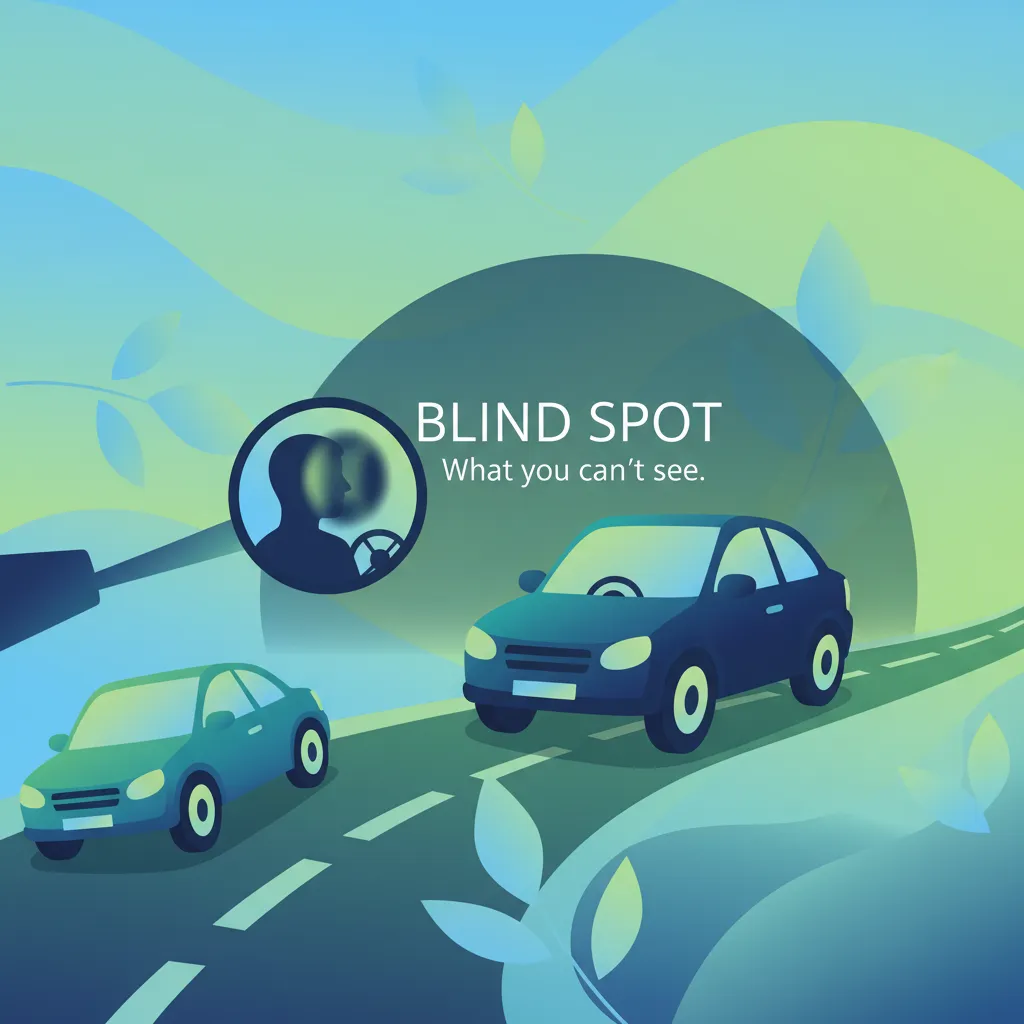
This lesson focuses on identifying blind spot zones created by larger vehicles and the rider’s own positioning. It covers effective mirror usage, lateral awareness techniques, and the importance of head checks before lane changes. DGT blind spot guidelines are referenced, emphasizing situational scanning to maintain safety in traffic.

This lesson focuses on the critical skill of safely interacting with vulnerable road users, such as pedestrians and cyclists, in an urban setting. It highlights the extensive blind spots around a truck and teaches drivers to be extra vigilant, especially at intersections and crosswalks. The content covers the legal requirements for yielding and the importance of making eye contact to confirm intentions.

This lesson provides a detailed guide to performing safe and legal overtaking maneuvers on the highway. It places strong emphasis on the techniques for thoroughly checking the large blind spots around a truck before initiating a lane change. The content also covers judging the necessary speed differential and distance required to complete the pass and return to the lane safely.
This lesson provides specific instructions on how to safely navigate complex junctions such as roundabouts and intersections with a large vehicle. It explains the rules of priority, the correct lane to use based on the intended exit, and the importance of proper vehicle positioning to account for off-tracking. The content also covers clear signaling to communicate intentions to other road users for safe and efficient passage.
This lesson focuses on the core principles of defensive driving as they apply to operating a large truck. It explains the importance of managing the space around the vehicle to create a safety buffer and always having an 'escape route' in mind. The content emphasizes anticipating the actions of other road users and being prepared to react calmly and safely to unexpected situations.
This lesson focuses on the principles of safe lane selection and overtaking on multi-lane roads and highways. It covers the importance of maintaining proper lane discipline and the legal protocols for executing a safe pass, including checking blind spots and ensuring sufficient speed differential. The content also stresses the need for clear signaling and judging adequate space before returning to the original lane.
This lesson examines the principles of maintaining a safe following distance, including the 'two-second rule' and its adjustments for speed and weather. It focuses on effective blind-spot management, teaching drivers how to use mirrors and head checks. The content integrates DGT guidelines on creating a safety buffer around the vehicle to allow time to react to unexpected events.
This lesson introduces fundamental road safety principles applicable to all drivers, with a special emphasis on heavy vehicles. It covers defensive driving techniques, including the importance of anticipating potential hazards and managing speed appropriately for conditions. Learners will also study how to establish and maintain safe following distances and understand the hierarchy of road users to ensure safe interactions.
This lesson explains the specific legal framework governing truck operations on Spain's high-speed road network. It details the different speed limits for trucks on autovías versus autopistas and the regulations regarding which lanes heavy vehicles are permitted to use. Learners will also understand how to interpret specific highway signage relevant to commercial vehicles and any applicable toll regulations.
Enhance your defensive riding skills when sharing the road with cars, trucks, and buses. Focus on anticipating hazards, understanding vehicle blind spots, and applying risk assessment principles for motorcyclist safety.
This lesson introduces anticipation techniques that improve a rider’s ability to predict potential hazards before they manifest. It covers scanning ahead, evaluating traffic patterns, and applying DGT risk assessment criteria. Emphasis is placed on developing a defensive riding mindset and maintaining safety margins to reduce accident likelihood.

This lesson focuses on defensive maneuvers in mixed traffic environments where various vehicles share the road. It outlines lane discipline, appropriate overtaking safety measures, and strategies for maintaining a safety corridor. The content incorporates DGT defensive guidelines, teaching riders to manage space and anticipate unpredictable driver behavior.
This lesson examines the interaction between large vehicles, such as trucks, and vulnerable road users within roundabouts. It addresses the wide turning radius of heavy vehicles, the importance of checking blind spots, and the correct yielding behavior toward pedestrians and cyclists. Learners will understand how to maintain safe distances and anticipate the movements of different road users.
This lesson focuses on the core principles of defensive driving as they apply to operating a large truck. It explains the importance of managing the space around the vehicle to create a safety buffer and always having an 'escape route' in mind. The content emphasizes anticipating the actions of other road users and being prepared to react calmly and safely to unexpected situations.

This lesson presents advanced cornering scenarios common on Spanish roads, such as mountain hairpins and high-speed autovía exits. It outlines specific techniques for descent control, ascent maneuvers, and safely merging into traffic after cornering. Interaction with cyclists and emergency cornering strategies are also covered in accordance with DGT regulations.
This lesson outlines the core principles of defensive driving, focusing on maintaining a safe following distance, creating a protective space cushion around the vehicle, and anticipating potential hazards. Learners will be taught how to develop contingency plans for unexpected events and employ risk mitigation techniques to actively avoid accidents. The content reinforces the vital importance of remaining vigilant and proactive at all times when driving.
In this lesson, drivers learn how to identify risk zones where potential hazards are likely to develop. The content explains the use of proactive observation and scanning techniques to detect evolving dangers in the driving environment. Learners will practice anticipating the actions of other road users based on traffic patterns and context, adjusting their speed and position accordingly.
This lesson outlines procedures for handling emergency situations and accidents. It covers emergency braking techniques, hazard avoidance strategies, and the DGT emergency protocol for accident reporting. Emphasis is placed on rider protective actions, post-crash first aid, roadside safety, and legal obligations after an incident.
This lesson addresses the critical skill of safely sharing the road with other vulnerable users like pedestrians, cyclists, and other motorcyclists. It emphasizes the need for increased awareness, speed adaptation, and providing ample space when passing. The content covers DGT regulations regarding minimum passing distances and highlights the importance of making eye contact to ensure mutual awareness and prevent common urban accidents.

This lesson focuses on strategies for maximizing rider visibility in daylight and nighttime conditions, covering high-visibility apparel, reflective vests, and LED accessories. It delves into rider posture and lane positioning that improve sightlines and reduce collision risk. The content aligns with DGT regulations for illumination levels on motorcycles.
Find clear answers to common questions learners have about Interaction with Cars, Trucks, and Buses. Learn how the lesson is structured, which driving theory objectives it supports, and how it fits into the overall learning path of units and curriculum progression in Spain. These explanations help you understand key concepts, lesson flow, and exam focused study goals.
Trucks and buses have large blind spots, often referred to as 'no-zones'. These typically include areas directly in front, directly behind, and significantly on both sides, particularly along the length of the vehicle. For motorcyclists, the most dangerous blind spots are usually alongside and just behind the driver's cab, where they can easily be hidden from view.
Overtaking large vehicles in Spain requires extra caution. Ensure you have a clear line of sight and ample space, and check your mirrors and blind spots thoroughly. Complete the manoeuvre swiftly and decisively, then signal and move back into your lane only when you are well clear and can see the front of the large vehicle in your mirror. Never overtake on the right if the large vehicle is indicating to turn right.
When a bus stops to pick up or drop off passengers, particularly if it activates its hazard lights or signals, you should be prepared to stop. Approach with caution, assess if passengers are crossing or about to cross, and be aware of other traffic. If unsure, it's safest to wait until the bus moves off and all passengers are clear of the road. Never try to pass a stopped bus if there's any risk to pedestrians.
Maintaining a safe distance is crucial because larger vehicles have longer stopping distances and their drivers may not see you. This buffer zone gives you more time to react to sudden braking or changes in their direction and helps you avoid being caught in their blind spots. It's a key aspect of defensive riding emphasized by the DGT.
The DGT advises that when merging onto an acceleration lane or the main carriageway, you should increase your speed to match the flow of traffic on the main road before merging. Check your mirrors and blind spots carefully for approaching vehicles, especially large ones, and merge decisively when there is a safe gap. Do not force your way in or impede existing traffic.
Use our powerful search functionality to pinpoint specific Spanish DGT driving theory practice sets. Filter by road sign categories, traffic law topics, or question difficulty to build custom study sessions and reinforce your knowledge precisely where it matters for your official exam.