
This lesson details the specific interaction rules between motor vehicles and vulnerable road users like cyclists and e-bike riders. You will learn the legal requirements for overtaking, respecting priority, and navigating shared infrastructure to ensure road safety and exam success.

Lesson content overview
Navigating Swiss roads safely requires a thorough understanding of how to interact with all road users, especially those who are more vulnerable. Cyclists, including those riding electrically assisted bicycles (e‑bikes), are frequently present in urban and rural environments. This lesson provides essential guidance for Category B drivers on respecting cyclist priority, maintaining safe overtaking distances, understanding e‑bike classifications, and adhering to specific Swiss regulations to prevent accidents and ensure harmonious traffic flow.
Cyclists and e‑bike riders are considered vulnerable road users due to their lack of protective enclosure, making them susceptible to serious injury in the event of a collision. As a driver of a motor vehicle, you bear a significant responsibility to prioritize their safety. Proper behavior, vigilance, and adherence to specific rules are crucial for reducing the risk of accidents and fostering a respectful driving culture on Swiss roads. Recognizing their limited visibility, potential for unpredictable movements, and the varying speeds of e‑bikes is fundamental to defensive driving.
Several core principles underpin safe interactions between motor vehicles and cyclists. These principles are designed to protect vulnerable road users and ensure predictable traffic movements across Switzerland.
Cyclist priority refers to the legal right of cyclists to proceed before motor vehicles in specific traffic situations. This principle is vital for predictable traffic flow and the protection of cyclists. For example, cyclists traveling within a marked cycle lane or utilizing a designated cyclist crossing often have precedence over turning motor vehicles. Drivers must anticipate these situations, slow down, and be prepared to yield, allowing cyclists to pass safely before proceeding. This applies even if a driver has a green traffic light but is turning across a cyclist's path.
Drivers should never assume a cyclist will yield. Always anticipate their right-of-way in designated priority zones, even if they don't explicitly signal their intention.
When overtaking a cyclist or e‑bike rider, maintaining a sufficient lateral distance is not just a courtesy but a legal requirement. This safe overtaking distance is critical to prevent side-impact collisions and to ensure the cyclist's stability, as the air turbulence (wake turbulence) created by a passing vehicle can cause them to swerve.
The minimum lateral distance required when overtaking cyclists or e-bike riders depends on the prevailing conditions:
Drivers must adjust their speed and positioning to ensure this clearance is consistently maintained. Overtaking too closely is a common violation that significantly increases the risk of accidents.
Electrically assisted bicycles, or e‑bikes, are categorized in Switzerland based on their maximum motor assistance speed and power. Understanding these classifications is crucial because different classes have varying rules regarding their use of cycle lanes and other road infrastructure, impacting how drivers should interact with them. The primary classifications are:
Drivers must be aware that a cyclist on an e‑bike might be moving faster than anticipated, especially Class 2 riders. Always confirm signage before assuming an e-bike's right to use a specific lane.
Cycle lanes are specifically designated parts of the road intended for the exclusive use of cyclists and compatible e‑bikes. These lanes are clearly indicated by specific road markings and signage, which include:
Motor vehicles are generally prohibited from driving, stopping, or parking in cycle lanes, as this obstructs cyclists and creates dangerous situations. Drivers may only enter a cycle lane when explicitly permitted by road markings, usually to prepare for a turn into a side road or property.
Visibility and anticipation are cornerstones of defensive driving, especially when interacting with cyclists. Due to their smaller size and often less predictable movements, cyclists can be easily overlooked. Drivers must continuously scan their surroundings for cyclists, particularly at intersections, junctions, roundabouts, and when changing lanes.
Key practices for enhancing visibility and anticipation include:
Never assume you have been seen by a cyclist, especially at intersections or when turning. Establish eye contact if possible, or proceed with extreme caution.
Swiss road traffic regulations (primarily the Road Traffic Act, or RVV 1990) lay down clear rules for how motor vehicle drivers must interact with cyclists. Adhering to these is not just a matter of safety but a legal obligation.
Failing to adhere to the rules for interacting with cyclists can lead to dangerous situations, severe injuries, and legal consequences. Drivers should be aware of these common violations to avoid them.
Violating these rules can result in significant fines, penalty points, and potentially the suspension of your driving licence, in addition to the severe safety risks posed to cyclists.
Safe interaction with cyclists and e-bikes is not a static set of rules; it requires dynamic adaptation based on various contextual factors. Drivers must constantly assess the environment and adjust their behaviour accordingly.
The regulations and recommendations for interacting with cyclists are deeply rooted in safety principles, understanding the physics of vehicle dynamics, and human psychology.
Safe interaction with cyclists and e‑bike riders is a cornerstone of responsible driving in Switzerland. As a Category B driver, your vigilance and adherence to specific rules are paramount for protecting these vulnerable road users and ensuring smooth traffic flow.
Key takeaways include:
By internalizing and applying these principles, you contribute to a safer road environment for all road users within Switzerland.
This lesson covers the essential Swiss traffic rules for interacting safely with cyclists and e-bike riders, which are frequently tested on the Category B theory exam. Drivers must understand that cyclists have legal priority in designated lanes and crossings, and that maintaining the correct overtaking distance (1.5m standard, 2.0m in reduced visibility) is both a legal requirement and a safety necessity due to wake turbulence. The content distinguishes between e-bike classes and their respective lane usage rights, and emphasizes that drivers bear primary responsibility for protecting these vulnerable road users through vigilance, proper blind spot checks, and adaptive driving behaviour.
A short set of high-value points that capture the most important learning from this lesson.
Cyclists in marked cycle lanes and at designated crossings always have legal priority over turning motor vehicles, even with a green light.
Maintain a minimum lateral overtaking distance of 1.5 metres on straight, clear roads; increase to 2.0 metres on curves, at night, or in adverse weather.
E-bike Class 1 (up to 25 km/h) may use cycle lanes; Class 2 (up to 45 km/h) is typically restricted to main roads unless specific signage permits otherwise.
A shoulder check is mandatory before any lateral movement to detect cyclists in blind spots, as they are easily overlooked due to their smaller size.
Wake turbulence from passing vehicles can destabilize cyclists, making sufficient overtaking distance a physical safety requirement, not just a courtesy.
Explore all units and lessons included in this driving theory course.
1.5 metres minimum lateral clearance on straight roads, 2.0 metres when visibility is reduced.
Drivers must yield to cyclists in cycle lanes and at cyclist crossings before completing any turn.
Class 1 e-bikes = cycle lanes; Class 2 e-bikes = main roads (unless signed otherwise); Class 3 = mopeds/motorcycles.
Perform a shoulder check alongside mirror checks before changing lanes, opening doors, or pulling away from the curb.
Adjust distances, speed, and scanning frequency based on weather, lighting, road type, and vehicle size.
Overtaking with less than the required 1.5–2.0 metre lateral clearance, which can destabilize the cyclist.
Driving, parking, or stopping in cycle lanes except when explicitly permitted by turning arrow markings.
Turning across a cycle lane without yielding to an approaching cyclist who has priority on their designated path.
Skipping the shoulder check before making a turn or changing lanes, leading to blind spot collisions.
Assuming all e-bikes travel at regular bicycle speeds; Class 2 e-bikes can reach 45 km/h and require adjusted anticipation.
Lesson content overview
A short set of high-value points that capture the most important learning from this lesson.
Cyclists in marked cycle lanes and at designated crossings always have legal priority over turning motor vehicles, even with a green light.
Maintain a minimum lateral overtaking distance of 1.5 metres on straight, clear roads; increase to 2.0 metres on curves, at night, or in adverse weather.
E-bike Class 1 (up to 25 km/h) may use cycle lanes; Class 2 (up to 45 km/h) is typically restricted to main roads unless specific signage permits otherwise.
A shoulder check is mandatory before any lateral movement to detect cyclists in blind spots, as they are easily overlooked due to their smaller size.
Wake turbulence from passing vehicles can destabilize cyclists, making sufficient overtaking distance a physical safety requirement, not just a courtesy.
Explore all units and lessons included in this driving theory course.
1.5 metres minimum lateral clearance on straight roads, 2.0 metres when visibility is reduced.
Drivers must yield to cyclists in cycle lanes and at cyclist crossings before completing any turn.
Class 1 e-bikes = cycle lanes; Class 2 e-bikes = main roads (unless signed otherwise); Class 3 = mopeds/motorcycles.
Perform a shoulder check alongside mirror checks before changing lanes, opening doors, or pulling away from the curb.
Adjust distances, speed, and scanning frequency based on weather, lighting, road type, and vehicle size.
Overtaking with less than the required 1.5–2.0 metre lateral clearance, which can destabilize the cyclist.
Driving, parking, or stopping in cycle lanes except when explicitly permitted by turning arrow markings.
Turning across a cycle lane without yielding to an approaching cyclist who has priority on their designated path.
Skipping the shoulder check before making a turn or changing lanes, leading to blind spot collisions.
Assuming all e-bikes travel at regular bicycle speeds; Class 2 e-bikes can reach 45 km/h and require adjusted anticipation.
Explore search topics learners often look for when studying Cyclist and E‑Bike Interaction Rules. These topics reflect common questions about road rules, driving situations, safety guidance, and lesson level theory preparation for learners in Switzerland.
Browse additional driving theory lessons that cover connected traffic rules, road signs, and common driving situations related to this topic. Improve your understanding of how different rules interact across everyday traffic scenarios.
Deepen your understanding of cyclist and e-bike interactions in Switzerland. This lesson covers complex scenarios, advanced priority rules, and hazard anticipation to ensure safety beyond basic requirements for your Category B theory exam.

This lesson focuses on strategies for safely interacting with non-standard traffic common on rural roads. It covers how to anticipate the behaviour of slow-moving farm equipment and tourist vehicles, and the legal requirement to yield to emergency services. The importance of patience and safe passing opportunities is stressed.
Pedestrians, cyclists, motorcyclists, and e-scooter riders are extremely vulnerable in any interaction with a heavy vehicle. This lesson instills a defensive mindset, teaching drivers to be hyper-aware of VRUs, especially near junctions, crossings, and cycle lanes. It focuses on anticipation and giving VRUs extra space, as they can be unpredictable and are often hidden in blind spots.

This lesson explores the specific considerations for cyclists and pedestrians, who are among the most vulnerable road users. It covers the proper use of bicycle lanes, the minimum safe overtaking distance for cyclists, and the legal requirements for yielding at pedestrian crossings. The content reinforces the need for heightened vigilance around these users.
This lesson provides guidance on safely negotiating intersections and roundabouts on a motorcycle. It details the correct procedures for approach, lane selection, and yielding according to Swiss traffic regulations. Emphasis is placed on heightened awareness of other vehicles, cyclists, and pedestrians in these complex traffic environments.

This lesson explores the complexities of riding in busy urban areas with a mix of traffic types. It covers strategies for safely navigating alongside buses, trams, cyclists, and pedestrians. Key topics include respecting designated lanes, anticipating the movements of vulnerable road users, and maintaining heightened situational awareness.

This lesson trains drivers to look beyond other vehicles and actively search for pedestrians, cyclists, and motorcyclists, especially those who may be distracted or unaware. It covers common behavioral patterns of different VRU groups. The goal is to see potential hazards developing early and create time and space to react safely.
This lesson examines special traffic situations such as railway level crossings and shared zones where different road users coexist. It explains the specific safety procedures required at railway crossings and how to behave in shared zones with mixed traffic. The content also addresses the need to yield to oncoming trains and follow special signage in these unique zones.
This lesson explains the fundamental rules of priority that govern traffic flow at Swiss intersections. It details the concept of 'Rechtsvortritt' at unmarked junctions and how priority signs alter this default rule. The specific procedures for entering, navigating, and exiting roundabouts are also covered to ensure predictable and safe maneuvers.

This lesson focuses on general driving safety in areas with a high concentration of children. It stresses the importance of significantly reducing speed, being prepared for unexpected events, and scanning for children between parked cars. The driver must exhibit maximum vigilance in these high-risk environments at all times.
This lesson outlines the specific rules and skills required for riding on high-speed Swiss motorways. It covers the correct procedures for entering and exiting, merging with traffic, maintaining appropriate speed, and conducting safe overtaking maneuvers. Emphasis is placed on using mirrors and signals effectively to integrate safely into the flow of traffic.
Learn essential techniques for drivers to improve visibility and anticipation of cyclists and e-bikes in Switzerland. Covers blind spot management, understanding cyclist behaviour, and avoiding common interaction errors relevant to your theory test.

This lesson focuses on mitigating the risk of collisions at intersections, particularly from vehicles turning across the rider's path. It teaches defensive strategies such as positioning for visibility, anticipating driver actions, and using head checks to be aware of surrounding traffic. Managing your own and others' blind spots is presented as a crucial survival skill.
This lesson focuses on techniques and equipment designed to increase a motorcyclist's visibility to others. It explains the strategic use of reflective materials, high-visibility clothing, and the mandatory use of daytime running lights. Understanding how to enhance conspicuity is a critical component of proactive self-protection on the road.

This lesson covers the systematic use of rearview and side mirrors, combined with head checks, to maintain full awareness of surrounding traffic. It emphasizes frequent observation to detect vehicles in blind spots, especially during lane changes and turns. The content also details the proper timing for head checks and the role of scanning techniques in preventing collisions.

This lesson explains the strategic importance of road positioning. It details how to select a lane position that makes you most visible to drivers ahead and behind, and helps you avoid the blind spots of larger vehicles. Proper positioning also allows for an escape route and a better line of sight through turns.
Pedestrians, cyclists, motorcyclists, and e-scooter riders are extremely vulnerable in any interaction with a heavy vehicle. This lesson instills a defensive mindset, teaching drivers to be hyper-aware of VRUs, especially near junctions, crossings, and cycle lanes. It focuses on anticipation and giving VRUs extra space, as they can be unpredictable and are often hidden in blind spots.
This lesson trains drivers to look beyond other vehicles and actively search for pedestrians, cyclists, and motorcyclists, especially those who may be distracted or unaware. It covers common behavioral patterns of different VRU groups. The goal is to see potential hazards developing early and create time and space to react safely.

This lesson examines the different lighting systems on a vehicle, including headlamps, fog lights, and turn signals. It explains the appropriate use of low-beam and high-beam headlights and the conditions for activating fog lights. Understanding proper lighting usage improves visibility and safety, especially in low-light or adverse weather conditions.
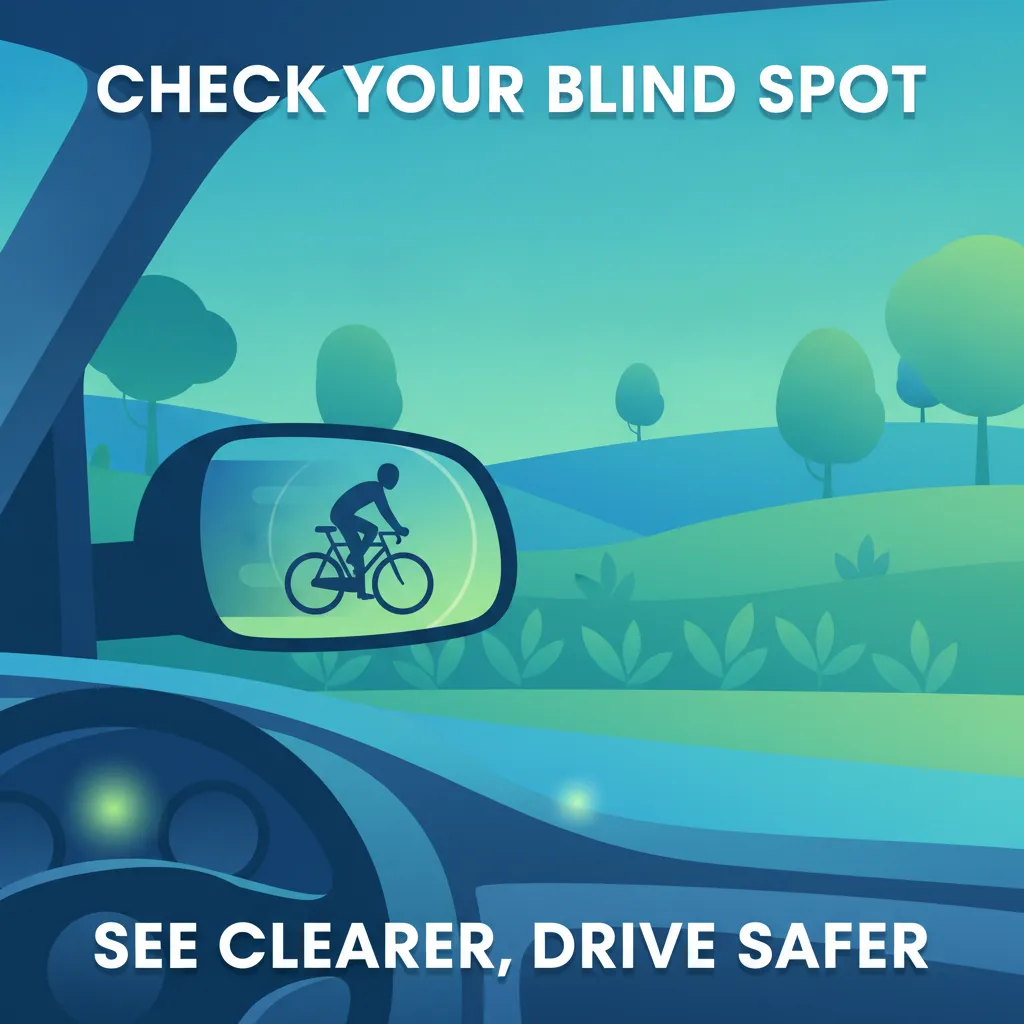
This lesson teaches the correct techniques for positioning and using mirrors to maintain situational awareness. It emphasizes that mirrors alone are insufficient and must be supplemented with physical shoulder and head checks to cover blind spots. Combining these observation methods is essential for making safe lane changes and maneuvers in traffic.

This lesson focuses on the concept of conspicuity, or how easily a rider can be seen by others. It explains the legal requirements for vehicle lights and reflectors in Switzerland and the benefits of wearing bright or reflective clothing. Learners will understand how to maximize their visibility during the day, at night, and in poor weather conditions.

Buses and coaches have significant blind spots to the front, sides, and rear. This lesson maps out these 'no-zones' and teaches a continuous and active scanning process using all available mirrors and direct vision. The goal is to minimize the time any other road user spends undetected in a blind spot.
Find clear answers to common questions learners have about Cyclist and E‑Bike Interaction Rules. Learn how the lesson is structured, which driving theory objectives it supports, and how it fits into the overall learning path of units and curriculum progression in Switzerland. These explanations help you understand key concepts, lesson flow, and exam focused study goals.
While Swiss law requires that you maintain a safe lateral distance to avoid endangering cyclists, the standard practice is to leave at least 1.5 meters of space whenever possible. In the theory exam, always choose the answer that prioritises a generous and safe margin.
In general, yes, though rules can vary based on the e-bike's power output. Fast e-bikes with pedal assistance up to 45 km/h must use the road and are forbidden from cycle paths unless explicitly indicated otherwise. Always pay attention to the specific sign types in theory questions.
You must check your mirrors and blind spot before turning. If a cyclist is approaching on your right, you must allow them to pass or safely merge into the cycling lane behind them if it is clear to do so, strictly observing priority rules.
Yes, cyclists are permitted to ride side-by-side in Switzerland. Drivers must remain patient and only overtake when there is sufficient space to do so safely without forcing the cyclists to move or endangering them.
Pinpoint specific Swiss traffic rules, road signs, or driving situations you need to master. Use the practice search to start a focused revision session now and build confidence for your official driving theory exam.