
This lesson, part of the "Licensing & Legal Basics" unit, explains Spain's strict rules on alcohol and drugs for B & BE license holders. You'll learn the legal limits, how they're tested by the DGT, and the severe penalties for non-compliance. Understanding these regulations is crucial for both passing your theory exam and ensuring responsible driving on Spanish roads.
Lesson content overview
Driving requires complete focus, quick reactions, and sound judgment. Alcohol and drugs significantly impair these essential abilities, making driving extremely dangerous for both the impaired driver and other road users. Spanish traffic law, enforced by the Dirección General de Tráfico (DGT), establishes strict limits and severe penalties to deter driving under the influence of alcohol or psychoactive substances. Understanding these regulations is crucial for obtaining your Spanish driving license for categories B & BE and for ensuring road safety.
Blood Alcohol Concentration (BAC), often expressed as grams of alcohol per litre of blood (g/L) in Spain, is the primary legal measure used to quantify alcohol impairment. It reflects the amount of ethanol present in a driver's bloodstream after alcohol has been absorbed by the body. Even small amounts of alcohol can begin to affect your perception, coordination, and reaction time, increasing the risk of an accident.
The proportion of ethanol in a driver’s blood, typically measured in grams of alcohol per litre of blood (g/L) or milligrams per litre of exhaled air (mg/L).
BAC represents the ratio of the mass of alcohol to the volume of blood in your body. This concentration rises as alcohol is consumed, absorbed into the bloodstream from the stomach and small intestine, and circulated throughout the body. Various factors influence a person's BAC, including body weight, gender, metabolism, the amount of alcohol consumed, and the time over which it was consumed. It's a common misconception that "one drink" is always safe; individual tolerance and the type of drink can lead to varying and unpredictable BAC levels.
Spanish law sets specific maximum BAC values that drivers must not exceed. These limits are designed to protect public safety by quantifying acceptable impairment levels. Exceeding these thresholds leads to significant legal consequences.
For most drivers holding a Category B or BE license, including experienced private motorists, the legal BAC limit is 0.5 grams per litre of blood (0.5 g/L). This applies to both alcohol in blood and its equivalent in exhaled air, which is generally 0.25 milligrams per litre of exhaled air (0.25 mg/L). Driving with a BAC at or above this limit is a serious offence.
Spain enforces stricter limits for specific driver categories due to their higher risk profiles or the nature of their responsibilities.
Reduced BAC limits apply to:
These lower limits recognise that novice drivers have less experience managing challenging driving situations, and professional drivers carry a greater responsibility for the safety of passengers or goods. Even a small amount of alcohol can significantly impair their ability to operate a vehicle safely.
Alcohol is a central nervous system depressant that profoundly affects the brain's functions critical for safe driving. Its effects are cumulative and vary by individual, but generally include:
Even at BAC levels below the legal limit, some degree of impairment can occur, emphasizing the safest approach is to not drink any alcohol if you intend to drive.
To enforce alcohol limits, Spanish traffic authorities use specific testing methods. Drivers are legally obliged to cooperate with these tests when requested by law enforcement officers.
A portable device used by law enforcement to measure the concentration of alcohol in a person's exhaled breath, providing an estimate of their Blood Alcohol Concentration (BAC).
The breathalyzer is the most common device used at roadside checks or after an accident to measure alcohol levels. It works by analysing the alcohol content in a driver's exhaled breath, converting it to an estimated BAC. There are generally two types:
All devices used must be properly calibrated and approved by the DGT to ensure accuracy and legal defensibility, as mandated by Article 38.1 of the Reglamento General de Circulación (RGC).
A series of physical and mental exercises performed by a driver at the roadside to assess their coordination, balance, and cognitive abilities, used to determine if impairment is present.
Field Sobriety Tests are a set of standardised physical tests that police officers may request if they suspect a driver is impaired, especially if BAC measurements are unavailable, borderline, or contested. These tests assess a driver's physical coordination and ability to follow instructions, which are typically affected by alcohol or drug impairment. Common FSTs include:
FSTs are considered supplementary evidence and help officers determine if there is probable cause for further investigation, such as a confirmatory breath or blood test, or arrest.
Under Spanish law, refusing to submit to an alcohol test (breathalyzer, blood test, or any other legally requested method) is a serious offence. This refusal is treated as an independent violation and carries its own significant penalties, regardless of whether the driver was actually over the limit. Refusal can lead to:
Cooperation with law enforcement is mandatory and refusing tests only compounds the legal problems.
The penalties for driving under the influence of alcohol in Spain are severe and are tiered based on the detected BAC level and other aggravating factors, such as repeat offences or involvement in an accident. These penalties aim to deter impaired driving effectively.
Fines are a primary component of the penalty structure, with higher BAC levels leading to significantly higher monetary penalties:
In addition to fines, driving privileges are temporarily revoked through license suspension:
During the suspension period, the driver is legally prohibited from operating any vehicle. Driving during a suspension period is a severe criminal offense.
Alcohol-related driving offences also result in a significant loss of points from your Spanish driving license, which operates on a demerit system (starting with 12 points for experienced drivers).
Accumulating too many point deductions can lead to the revocation of your driving license, requiring you to retake the full driving examination (theory and practical).
Driving under the influence of alcohol can escalate from administrative infractions to criminal charges, particularly in more severe cases:
Criminal penalties can include prison sentences ranging from 3 months to 6 years, in addition to further substantial fines and definitive license revocation.
Similar to alcohol, driving under the influence of drugs is strictly prohibited in Spain. The DGT enforces a near zero-tolerance policy for psychoactive substances, meaning that any detectable amount of certain drugs in a driver's system, above a set threshold, is sufficient for a penalty, regardless of observable impairment.
Drug-impaired driving is defined as operating a vehicle while psychoactive substances are present in the body at levels exceeding legal thresholds. This differs from alcohol where a certain BAC limit must be surpassed. For many illegal drugs, Spanish law effectively establishes a very low (or zero) tolerance threshold for detection. This means even if a driver believes they are not impaired, a positive drug test can lead to severe penalties.
Spanish law specifically targets a range of psychoactive substances that are known to impair driving ability. The thresholds for detection are set by DGT Technical Guidelines.
The DGT's primary focus is on the presence of the active substance, not just its metabolites, in the oral fluid. This aims to target recent consumption that is more likely to cause impairment.
Law enforcement officers use specific methods to detect drug use in drivers:
As with alcohol tests, refusing to submit to a legally requested drug test carries significant penalties, equivalent to or even harsher than a positive test result.
It is a common misunderstanding that prescription medication is always exempt from drug driving laws. This is not true. If a prescribed medication (such as certain antidepressants, strong painkillers, or sedatives like benzodiazepines) impairs your ability to drive safely, and this impairment is detected or causes an accident, you can still face penalties.
Always read the package leaflet for any medication you take and consult your doctor or pharmacist about its potential effects on driving. If a medication could impair your driving, you must avoid driving.
The critical factor is the actual effect of the substance on your driving capacity, combined with its detectable presence. Even if legally prescribed, if it causes impairment, it is a risk.
Penalties for drug-impaired driving in Spain are generally as severe as, or sometimes even more stringent than, those for alcohol offences, reflecting the significant danger posed to road safety.
The fines for drug-impaired driving are substantial:
Drivers found to be drug-impaired also face significant consequences for their driving license:
Driving under the influence of drugs can also lead to criminal charges, particularly in circumstances of extreme impairment or if an accident occurs:
The Spanish points system is a demerit-based system designed to promote safe driving habits. Every driver starts with a certain number of points (12 points for experienced drivers, 8 points for novice drivers or those who have recovered their license). Infractions lead to point deductions, and losing all points results in the revocation of the driving license.
Alcohol and drug-related driving offences are among the most serious infractions in the points system:
These significant point deductions mean that even a single serious alcohol or drug offence can put a driver at high risk of losing their license, especially if they are a novice driver starting with fewer points, or an experienced driver who has already accumulated other infractions.
If a driver loses all their points, their driving license is revoked. To regain driving privileges, they must:
Attend and successfully complete a DGT-approved sensitisation and road re-education course.
After a mandatory period of suspension (typically 6 months for private drivers, 3 months for professional drivers), pass a new theoretical exam administered by the DGT.
Upon successful completion of these steps, a new license is issued with 8 points. Points can be gradually recovered over time (e.g., 2 points for every 3 years without infractions), rewarding sustained safe driving.
The rules and penalties discussed in this lesson are primarily derived from the following core Spanish legal texts and DGT directives:
It is essential for all drivers to be aware of these foundational regulations, as they form the backbone of Spain's road safety enforcement.
Understanding the theoretical limits is one thing; applying them to real-world situations is another. Here are some scenarios illustrating the practical implications of Spain's alcohol and drug driving laws:
The stringent alcohol and drug driving laws in Spain are not arbitrary; they are founded on scientific evidence and aimed at protecting lives.
These laws are essential tools in Spain's commitment to reducing road fatalities and serious injuries, creating safer roads for everyone.
This lesson covers Spain's strict DGT regulations on alcohol and drug-impaired driving for B and BE license holders. It establishes tiered BAC limits (0.5 g/L for general drivers, 0.3 g/L for novice and professional drivers) and enforces severe penalties including fines up to €2,000, points deductions of 4-6 points, license suspensions of up to 12 months, and criminal charges for BAC above 1.2 g/L or accidents caused by impairment. Drug driving follows zero-tolerance policy with specific detection thresholds (THC ≥2 ng/ml, any detectable cocaine/amphetamines/opiates) and penalties including 6 points deduction, 6-12 month suspension, and potential criminal charges. Understanding these regulations is essential for theory exam preparation and road safety compliance in Spain.
A short set of high-value points that capture the most important learning from this lesson.
Spain sets BAC limits at 0.5 g/L for general drivers and 0.3 g/L for novice and professional drivers under two years.
Drug-impaired driving follows a near zero-tolerance policy with any detectable amount of illegal substances above threshold triggering penalties.
Penalties are tiered based on BAC levels: higher BAC results in higher fines (up to €2,000), longer license suspension (up to 12 months), and more points deducted (4-6 points).
Refusing an alcohol or drug test is a separate criminal offense carrying 6 points deduction and potential prison sentence of 6-12 months.
Criminal charges apply when BAC exceeds 1.2 g/L or when impairment causes an accident, with potential prison sentences of 3 months to 6 years.
Explore all units and lessons included in this driving theory course.
General drivers: 0.5 g/L (0.25 mg/L exhaled). Novice/Professional drivers: 0.3 g/L (0.15 mg/L exhaled).
Drug thresholds include THC ≥2 ng/ml in oral fluid; cocaine, amphetamines, and opiates have any detectable amount as offence.
First drug offence deducts 6 points with 6-12 month suspension; repeat offences can extend suspension to 2 years.
BAC exceeding 1.2 g/L automatically becomes a criminal offence regardless of accident involvement.
The DGT points system starts at 12 points for experienced drivers and 8 points for novice drivers; losing all points requires re-education course and re-examination.
Assuming one alcoholic drink is always safe; individual tolerance and factors like body weight make BAC unpredictable.
Believing prescription medications exempt a driver from drug driving laws; impairment from prescriptions can still lead to penalties.
Confusing the preliminary breathalyzer result with evidential test results; evidential devices at police stations are legally definitive.
Overlooking that novice driver status applies for two years from license issuance, not from passing the exam.
Assuming refusing a test is safer than being over the limit; refusal is a separate criminal offense with severe penalties.
Lesson content overview
A short set of high-value points that capture the most important learning from this lesson.
Spain sets BAC limits at 0.5 g/L for general drivers and 0.3 g/L for novice and professional drivers under two years.
Drug-impaired driving follows a near zero-tolerance policy with any detectable amount of illegal substances above threshold triggering penalties.
Penalties are tiered based on BAC levels: higher BAC results in higher fines (up to €2,000), longer license suspension (up to 12 months), and more points deducted (4-6 points).
Refusing an alcohol or drug test is a separate criminal offense carrying 6 points deduction and potential prison sentence of 6-12 months.
Criminal charges apply when BAC exceeds 1.2 g/L or when impairment causes an accident, with potential prison sentences of 3 months to 6 years.
Explore all units and lessons included in this driving theory course.
General drivers: 0.5 g/L (0.25 mg/L exhaled). Novice/Professional drivers: 0.3 g/L (0.15 mg/L exhaled).
Drug thresholds include THC ≥2 ng/ml in oral fluid; cocaine, amphetamines, and opiates have any detectable amount as offence.
First drug offence deducts 6 points with 6-12 month suspension; repeat offences can extend suspension to 2 years.
BAC exceeding 1.2 g/L automatically becomes a criminal offence regardless of accident involvement.
The DGT points system starts at 12 points for experienced drivers and 8 points for novice drivers; losing all points requires re-education course and re-examination.
Assuming one alcoholic drink is always safe; individual tolerance and factors like body weight make BAC unpredictable.
Believing prescription medications exempt a driver from drug driving laws; impairment from prescriptions can still lead to penalties.
Confusing the preliminary breathalyzer result with evidential test results; evidential devices at police stations are legally definitive.
Overlooking that novice driver status applies for two years from license issuance, not from passing the exam.
Assuming refusing a test is safer than being over the limit; refusal is a separate criminal offense with severe penalties.
Explore search topics learners often look for when studying Alcohol Limits, Drugs, and Penalties. These topics reflect common questions about road rules, driving situations, safety guidance, and lesson level theory preparation for learners in Spain.
Browse additional driving theory lessons that cover connected traffic rules, road signs, and common driving situations related to this topic. Improve your understanding of how different rules interact across everyday traffic scenarios.
Understand the legal framework in Spain regarding driving under the influence of alcohol and drugs. Covers DGT regulations, BAC limits, drug detection, and penalties for violations.
This lesson provides a clear and serious overview of the laws concerning driving under the influence of alcohol or drugs. It specifies the legal blood alcohol concentration (BAC) limits for moped riders and explains the zero-tolerance policy for illicit substances. The content details the severe consequences of impairment, which include heavy fines, license suspension, and potential criminal charges, reinforcing the absolute necessity of riding sober.

This lesson explains the Spanish traffic penalty system, which combines fines with a demerit points system linked to the driving license. It outlines the different categories of infractions (minor, serious, very serious) and their corresponding penalties in terms of fines and points lost. Understanding this system is essential for riders to appreciate the long-term consequences of traffic violations, which can ultimately lead to the suspension of their license.

This lesson provides a detailed outline of the legal framework that governs driver duty hours in Spain, specifying the maximum continuous driving time and mandatory rest periods defined by the DGT. Learners will understand the limits on cumulative work hours, the necessity of meticulous record-keeping, and methods for monitoring compliance with these regulations. The module also discusses the penalties for violations and reinforces the safety imperative of adherence.
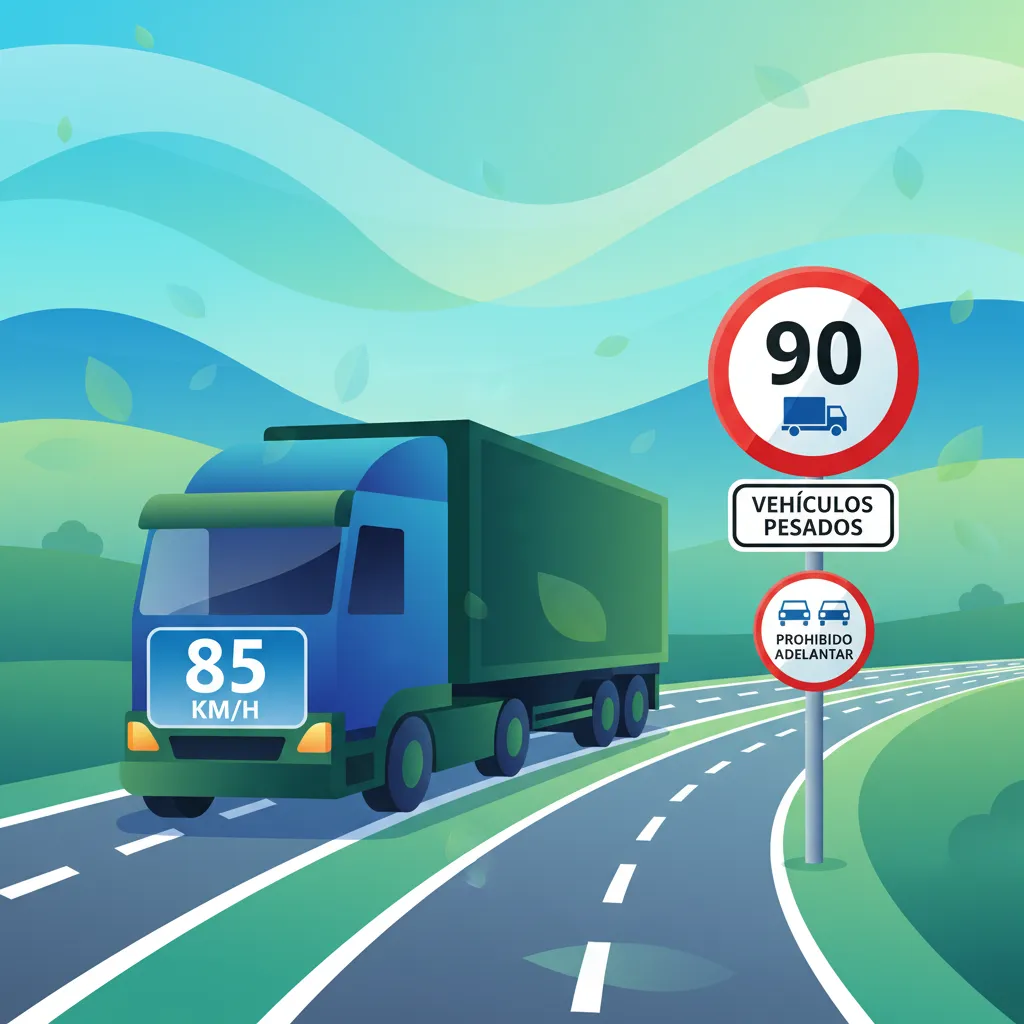
This lesson details the specific legal speed limits that apply to heavy passenger vehicles on Spanish highways, including variable speed zones that adjust based on traffic and weather conditions. Learners will understand the methods for speed monitoring, the function of speed control devices, and the legal consequences of non-compliance. The content also provides guidance on calculating a safe operating speed based on vehicle load and road conditions.
This lesson details the legal requirements for the use of seatbelts and child restraint systems in buses and coaches, as stipulated by DGT regulations. It specifies the age and size limits for various restraint devices and explains the verification checks drivers must perform. Learners will also review safety statistics that highlight the importance of correct usage and understand the legal penalties associated with non-compliance.

This lesson explains the fundamental DGT regulations that govern public transport services, including requirements for operational permits and route authorizations. It covers the mandatory schedules for vehicle inspections, standards for emissions, and the legal importance of adhering to timetables and service quality. Learners will also understand the nature of regulatory audits and compliance checks that operators must undergo.
This lesson provides a broad overview of the key traffic regulations in Spain that directly impact professional truck drivers. It details the rules of priority at intersections, the interpretation of different road markings, and the principles of correct lane discipline. Furthermore, it explains the specific speed limits applicable to heavy vehicles and the legal protocols for safe overtaking and signaling.
This lesson examines the Spanish points system, detailing how traffic infractions are classified and the corresponding points assigned for each violation. It explains the progressive nature of point accumulation, the thresholds that can lead to licence revocation, and the mechanisms for point recovery. Learners will understand the importance of maintaining a clean driving record to avoid severe legal consequences.
Explore real-world scenarios illustrating the severe consequences of driving under the influence of alcohol or drugs in Spain, including fines, license suspension, and legal ramifications.
This lesson provides a clear and serious overview of the laws concerning driving under the influence of alcohol or drugs. It specifies the legal blood alcohol concentration (BAC) limits for moped riders and explains the zero-tolerance policy for illicit substances. The content details the severe consequences of impairment, which include heavy fines, license suspension, and potential criminal charges, reinforcing the absolute necessity of riding sober.
This lesson focuses on the driver's mindset and ethical responsibilities. It discusses the importance of courtesy, patience, and consideration for all road users to create a safer driving environment. The content also covers the dangers of distractions, fatigue, and aggressive driving, emphasizing the need to remain calm and focused at all times.
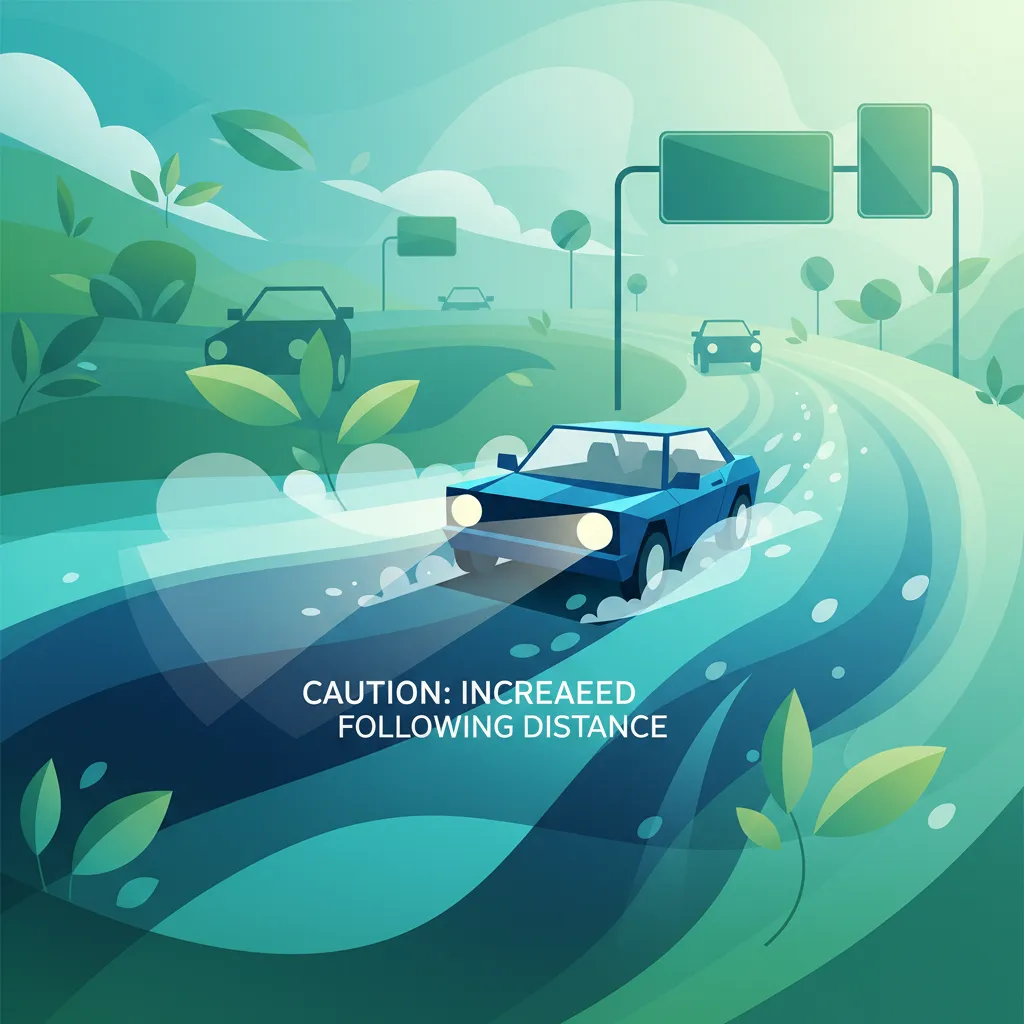
This lesson addresses the specific challenges posed by rain and fog, focusing on reduced visibility and loss of traction. It explains the proper use of windshield wipers and fog lights, and the need to adjust speed and increase following distance. The content covers how to prevent and react to hydroplaning (aquaplaning) to maintain vehicle control.
This lesson covers how environmental conditions such as rain, fog, and darkness affect driving safety. It instructs drivers on adjusting speed, using appropriate lighting, and increasing following distance to compensate for reduced visibility and traction. The lesson incorporates DGT safety recommendations for handling adverse weather to mitigate risk and maintain control.
This lesson provides a detailed outline of the legal framework that governs driver duty hours in Spain, specifying the maximum continuous driving time and mandatory rest periods defined by the DGT. Learners will understand the limits on cumulative work hours, the necessity of meticulous record-keeping, and methods for monitoring compliance with these regulations. The module also discusses the penalties for violations and reinforces the safety imperative of adherence.

This lesson details the formal and legal obligations for reporting a traffic accident to the authorities. It clarifies the circumstances under which police must be called to the scene and the procedures for completing the official European Accident Statement form ('parte amistoso'). Understanding these responsibilities ensures that the rider complies with Spanish law and that the incident is properly documented for insurance and liability purposes.
This lesson focuses on the legal duty of care that professional bus drivers owe to their passengers, emphasizing the obligation to ensure safe transport. It examines the specific traffic laws applicable to heavy vehicles and the consequences of violations, such as fines and license sanctions. The content also details the mandatory procedures for reporting incidents and the essential insurance coverage required by the DGT.
This lesson provides guidance on responding to a road accident, following the 'Protect, Alert, Assist' protocol. It details the steps for securing the scene, notifying emergency services, and providing basic aid if necessary. The content covers the legal responsibilities of the driver, including completing an accident report form (parte amistoso) and exchanging insurance information.
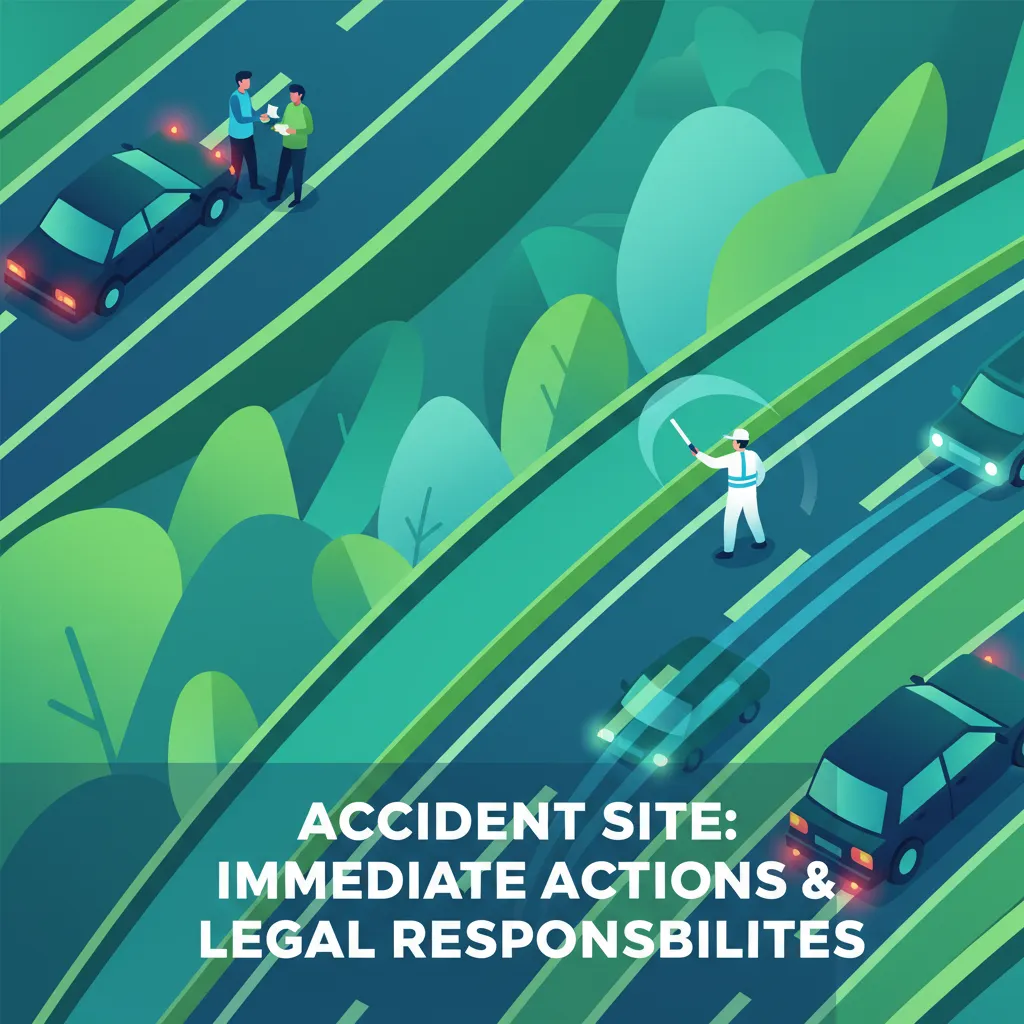
This lesson explains the driver's legal and ethical responsibilities when involved in or witnessing an accident. It covers the immediate priorities of protecting the scene from further incidents and providing aid to the injured within one's capabilities. The content details the legal requirements for exchanging information with other parties and reporting the accident to the police and DGT.

This lesson examines the overarching legal framework that governs professional drivers in Spain, focusing on the Reglamento General de Circulación. It details the statutory obligations of a driver, such as maintaining mandatory insurance, ensuring vehicle roadworthiness, and carrying all required documentation. Learners will understand their legal responsibilities and the importance of compliance with DGT regulations to operate lawfully.
Find clear answers to common questions learners have about Alcohol Limits, Drugs, and Penalties. Learn how the lesson is structured, which driving theory objectives it supports, and how it fits into the overall learning path of units and curriculum progression in Spain. These explanations help you understand key concepts, lesson flow, and exam focused study goals.
For the first two years after obtaining your B license in Spain, you are considered a novice driver. During this period, the blood alcohol concentration (BAC) limit is strictly 0.15 milligrams per litre of exhaled air or 0.3 grams per litre of blood. This is lower than the general limit to promote safer habits for less experienced drivers.
Spanish traffic authorities, primarily the Guardia Civil and local police, use saliva tests to detect drug use while driving. If the initial test is positive, a second confirmatory test will be taken. Refusal to undergo these tests can also lead to severe penalties, similar to or even harsher than a positive result.
Yes, absolutely. Certain prescription medications can impair your driving ability, causing drowsiness, dizziness, or reduced reaction times. It is crucial to always read the medication leaflet and consult your doctor or pharmacist about potential effects on driving. If a medication affects your ability to drive safely, you must not drive, as you could still face penalties under DGT regulations.
Penalties vary depending on the BAC level. For lower infractions, you face fines and points deduction from your license. At higher BAC levels (e.g., above 0.25 mg/L in exhaled air or 0.5 g/L in blood for experienced drivers), it becomes a criminal offense, leading to significant fines, license suspension (from 1 to 4 years), and even imprisonment. Refusal to take a breathalyzer test also carries severe criminal penalties.
Use our powerful search functionality to pinpoint specific Spanish DGT driving theory practice sets. Filter by road sign categories, traffic law topics, or question difficulty to build custom study sessions and reinforce your knowledge precisely where it matters for your official exam.