
Welcome to the 'Professional Conduct and Ethics' lesson, a key part of your DGT Category C & C1 theory preparation. This module focuses on the high standards of behaviour and integrity expected from professional truck drivers in Spain, building upon the foundational knowledge from previous units.

Lesson content overview
As a professional driver holding a Spanish Category C or C1 licence, your role extends far beyond merely operating a vehicle. It encompasses a profound responsibility to uphold the highest standards of professional conduct and ethics. This chapter delves into the critical principles that guide ethical decision-making and responsible behavior, which are fundamental to ensuring safety on the roads, maintaining public trust, and safeguarding the reputation of both yourself and your employer. Understanding and internalizing these standards is not just a matter of compliance; it is the cornerstone of a successful and respected career in commercial transport.
This lesson is an integral part of your Official DGT Theory Course for Spanish Truck Licence Category C & C1, laying the groundwork for more specialized topics related to safety culture, working hours, and hazard perception. By mastering these ethical foundations, you contribute significantly to a safer and more efficient transport industry.
Professional conduct and ethics for commercial vehicle operators define the expected behavioral standards and moral principles that guide drivers' actions and decisions, often extending beyond the technical skills required to operate a heavy goods vehicle. These principles are not optional; they are the bedrock upon which safety culture, public trust, and operational efficiency are built.
Ethical behavior underpins a proactive safety culture, significantly reduces the likelihood of accidents, and ensures consistent compliance with both legal mandates and company policies. It transforms driving from a purely mechanical task into a role demanding high levels of judgment, integrity, and social responsibility. For Category C and C1 drivers, whose vehicles pose a greater potential risk due to their size and weight, adherence to these principles is paramount for the safety of all road users.
Several core principles form the framework of professional conduct for truck drivers. These principles ensure that drivers act consistently, predictably, and responsibly, aligning their behavior with legal expectations, corporate policies, and broader societal norms.
Integrity is defined as the quality of being honest and having strong moral principles, which is consistently reflected in truthful communication and actions. For professional drivers, this means operating with unwavering honesty and transparency, always aligning actions with legal requirements and company policy.
Practically, integrity requires drivers to report all incidents truthfully, no matter how minor, and to maintain accurate logbooks detailing driving hours, rest periods, and routes. It also means refraining from falsifying delivery documents or concealing vehicle defects, however insignificant they may seem. Any minor falsification, such as rounding driving hours, constitutes fraud and can lead to severe legal penalties and increased fatigue risk. For instance, promptly reporting a minor collision to the fleet manager, even if the damage appears purely cosmetic, demonstrates professional integrity.
Responsibility is the obligation to answer for one's actions and accept the outcomes that arise from them. This principle ensures that drivers recognize the significant impact of their behavior on safety, the environment, and their company's reputation.
Professional drivers are legally and morally accountable for their actions behind the wheel. This includes proactively performing daily vehicle checks, promptly reporting any identified issues, and adhering to scheduled routes and timelines. Accepting liability for delays caused by personal violations of traffic rules, or reporting signs of fatigue and taking appropriate rest, are all manifestations of responsibility. The Ley de Tráfico in Spain explicitly states that drivers are responsible for any infractions committed while operating a vehicle, meaning that blaming external factors like traffic or weather for personal negligence is not an acceptable excuse. For example, accepting penalty points for a speeding violation, even if traffic was heavy, embodies this principle.
A Professional Code of Conduct is a formal, codified set of behaviors and standards established by regulatory bodies like the DGT (Dirección General de Tráfico) and by employers. It serves as a clear benchmark for acceptable conduct, outlining expected duties and standards for drivers.
This code typically covers aspects such as a dress code, communication standards, appropriate use of electronic devices, and specific reporting procedures. Drivers are expected to wear appropriate uniform, refrain from using handheld mobile phones while driving, and follow the established chain of command for incident reporting. It is a common misunderstanding to view such a code as optional; non-compliance can lead to disciplinary action, fines, or even license revocation. An example includes using only hands-free systems for radio communication as company policy requires, rather than handheld devices.
Safety Culture refers to an organizational environment where safety is prioritized in all operational aspects, and continuous improvement is actively encouraged. It represents a collective commitment to safety as a shared value among all stakeholders, from management to every driver.
A strong safety culture encourages drivers to report near-misses without fear of reprisal, actively participate in safety briefings, and suggest improvements to procedures. This shifts the perception of safety from being solely a management issue to a shared responsibility where front-line drivers are integral contributors. The Real Decreto 730/1995 in Spain specifically requires companies to develop a safety plan with driver involvement. An example of this is submitting a near-miss incident report after narrowly avoiding a collision with a cyclist at a roundabout, allowing the company to analyze the situation and implement preventive measures.
Professional drivers have an elevated duty of care, especially towards vulnerable road users, which include pedestrians, cyclists, motorcyclists, and children. Recognizing and actively protecting these groups is a critical ethical principle that directly reduces collision risk and fulfills legal obligations.
This principle demands heightened vigilance, maintaining safe distances, and demonstrating courtesy. In urban environments or areas with high pedestrian and cyclist traffic, professional drivers must be extra patient, anticipate their movements, and ensure sufficient space. Yielding to pedestrians at crosswalks and maintaining a wider berth when passing cyclists are prime examples of this respect in action.
Confidentiality and Data Protection involve the duty to safeguard personal and commercial information encountered during professional duties. This is crucial for legal compliance (such as GDPR) and for protecting client privacy.
Drivers must securely handle paperwork, prevent unauthorized sharing of route or delivery data, and be discreet about client operations. Sharing route information on public social media platforms, or leaving driver logbooks unattended where personal data could be accessed, constitutes a breach of confidentiality. A common misunderstanding is assuming that sharing a photo of a delivery location is harmless; if it reveals personal data (e.g., a visible license plate or client address), it can breach GDPR. Using fleet management apps with strong password protection and never leaving the device unattended in the cab are correct practices.
Environmental Responsibility is the commitment to minimize ecological impact through efficient driving techniques and proper vehicle maintenance. This aligns with broader sustainability goals and contributes to reducing air pollution and conserving resources.
This principle translates into practical actions such as avoiding unnecessary engine idling, especially during traffic jams or stops longer than 30 seconds, and adopting eco-driving techniques like using higher gears where possible and maintaining consistent speeds. Planning routes to avoid excessive braking and acceleration, and ensuring tires are correctly inflated, also contribute significantly. It's a misconception that eco-driving conflicts with timely deliveries; with proper planning, both can be achieved. For example, selecting a cruise control setting for motorway sections helps maintain a constant speed, optimizing fuel consumption.
Professional conduct and ethics are not merely guidelines; they are underpinned by a robust framework of national (DGT) and European Union regulations. Adherence to these legal mandates is non-negotiable for professional Category C and C1 drivers.
This important Spanish regulation mandates that professional drivers must maintain a truthful and accurate driving logbook (tacógrafo or registro de conducción). This logbook must meticulously detail driving hours, rest periods, routes taken, and any incidents encountered. Its purpose is to provide undeniable evidence of compliance with strict working-hour limits, which are crucial for preventing fatigue, and for accurate incident reporting. Falsifying start times to hide overtime is a serious violation of this decree.
Article 9 of the Ley de Tráfico applies to all road users in Spain and unequivocally states that drivers must obey all traffic signs, signals, and road markings. For professional drivers, this fundamental rule is a core component of responsible and ethical conduct, ensuring orderly traffic flow and safety for everyone. Ignoring a stop sign or exceeding speed limits to save time represents a clear breach of this law and professional ethics.
This specific article imposes a mandatory requirement for immediate notification of any road accident involving the commercial vehicle. This applies to all professional drivers and is crucial for allowing timely emergency response, accurate legal documentation, and subsequent investigation. Waiting hours to report even a minor bump is a serious violation that can compromise safety assessments and legal proceedings.
This decree mandates that companies operating commercial vehicles must implement a comprehensive safety plan, and crucially, drivers must actively participate in its development and execution. This fosters a shared safety culture and ensures that practical, on-the-ground insights are integrated into safety protocols. A professional driver's ethical duty includes attending quarterly safety meetings and providing constructive feedback, rather than ignoring safety briefings.
Under this regulation, all professional drivers must undergo regular health checks to assess their fitness for duty. This is a critical measure to prevent health-related accidents on the road. Ethically, a driver must present a valid medical certificate as required and refrain from driving if they have a known medical condition that could impair their ability to operate the vehicle safely, without first undergoing a medical evaluation.
The EU GDPR imposes strict obligations on companies and drivers handling personal data collected during professional activity. This data must be processed lawfully, transparently, and securely. For a professional driver, this means not sharing client addresses publicly, securely storing driver logbooks that contain personal information, and generally protecting the privacy rights of individuals whose data they might encounter. Posting delivery photos with visible license plates or personal details on social media, for instance, is a breach of GDPR.
Professional driving, while rewarding, presents numerous situations that can challenge a driver's ethical resolve. Understanding common violations and edge cases helps in making the right decisions.
The application of ethical principles is not static; it must adapt to varying driving conditions and circumstances. A professional driver's conduct reflects ethical judgment in real-time.
Every decision a professional driver makes, driven by ethical considerations or a lack thereof, creates a ripple effect with tangible consequences.
Understanding ethical principles is best reinforced through practical application. Here are several common scenarios professional drivers might encounter.
The link between professional conduct, ethics, and road safety is undeniable. Ethical behavior isn't just about compliance; it's a powerful tool for risk reduction and fostering a safer driving environment.
Professional Conduct and Ethics form the foundational pillar for safe, reliable, and trustworthy commercial driving, especially for those holding a Spanish Category C & C1 licence. Core principles such as Integrity, Responsibility, adherence to a Professional Code of Conduct, fostering a strong Safety Culture, upholding Confidentiality, and practicing Environmental Responsibility are not merely theoretical concepts but practical necessities.
Professional drivers must commit to maintaining truthful logs, promptly reporting all incidents, actively avoiding distractions, effectively managing fatigue, diligently protecting confidential data, and consistently practicing eco-driving techniques. Compliance with these principles is mandated by a comprehensive array of Spanish DGT regulations (including Real Decreto 2822/1998, Ley de Tráfico, and specific articles of the Reglamento de Conductores Profesionales) and EU legislation like the GDPR, alongside employer safety policies.
Ethical behavior directly and significantly influences safety outcomes, ensures legal compliance, shapes positive public perception, and boosts operational efficiency. Understanding how these ethical standards interact with various situational variables—such as adverse weather, different road types, or varied vehicle loads—empowers drivers to make consistently sound and responsible decisions in all driving contexts. Mastery of these concepts is essential and lays the crucial groundwork for deeper understanding in subsequent lessons on fatigue management, accident reporting, and the continuous development of a robust safety culture within the professional transport sector.
This lesson establishes that professional truck drivers in Spain must uphold core ethical principles including integrity, responsibility, and safety culture as defined by Spanish DGT regulations and EU law. Key regulatory frameworks include Real Decreto 2822/1998 (driving logbooks), Ley de Tráfico Article 9 (traffic compliance), Article 53 (immediate accident notification), and GDPR (data protection). Professional conduct requires truthful record-keeping, immediate incident reporting, active participation in safety culture, proper fatigue management, and environmental responsibility through eco-driving. These principles are not optional guidelines but legally enforceable obligations whose violation can result in penalties, license revocation, and serious safety risks.
A short set of high-value points that capture the most important learning from this lesson.
Professional conduct for truck drivers is a legal and ethical obligation that goes beyond technical driving skills, encompassing integrity, responsibility, and social responsibility.
Drivers must maintain truthful and accurate logbooks (tacógrafo) and immediately report all incidents, including minor ones, regardless of circumstances.
A strong safety culture is a shared responsibility where drivers actively participate in reporting near-misses and contributing to safety improvements.
Confidentiality obligations under GDPR require drivers to protect client data, delivery information, and personal records from unauthorized disclosure.
Environmental responsibility through eco-driving practices and proper vehicle maintenance is both an ethical duty and a regulatory requirement for professional drivers.
Explore all units and lessons included in this driving theory course.
Falsifying driving hours or logbook entries violates Real Decreto 2822/1998 and constitutes fraud with serious legal penalties and increased fatigue risk.
Article 53 mandates immediate notification of any road accident involving the commercial vehicle, regardless of how minor the damage appears.
Drivers must actively participate in company safety plans under Real Decreto 730/1995, including attending safety briefings and providing feedback.
Fatigue management is an ethical and legal duty; drivers experiencing drowsiness must stop and rest rather than push to their destination.
Professional drivers have an elevated duty of care toward vulnerable road users including pedestrians, cyclists, and motorcyclists.
Assuming minor vehicle scratches or dents do not need to be reported, which violates mandatory accident notification requirements and can hide safety defects.
Continuing to drive while fatigued to meet schedules, not realizing that fatigue impairs reaction time as severely as alcohol.
Posting photos of delivery locations on social media that inadvertently reveal client addresses, license plates, or other personal data, breaching GDPR.
Using handheld mobile phones while driving or assuming hands-free devices eliminate the distraction risk entirely.
Skipping mandatory safety briefings or training sessions because they seem optional or inconvenient.
Lesson content overview
A short set of high-value points that capture the most important learning from this lesson.
Professional conduct for truck drivers is a legal and ethical obligation that goes beyond technical driving skills, encompassing integrity, responsibility, and social responsibility.
Drivers must maintain truthful and accurate logbooks (tacógrafo) and immediately report all incidents, including minor ones, regardless of circumstances.
A strong safety culture is a shared responsibility where drivers actively participate in reporting near-misses and contributing to safety improvements.
Confidentiality obligations under GDPR require drivers to protect client data, delivery information, and personal records from unauthorized disclosure.
Environmental responsibility through eco-driving practices and proper vehicle maintenance is both an ethical duty and a regulatory requirement for professional drivers.
Explore all units and lessons included in this driving theory course.
Falsifying driving hours or logbook entries violates Real Decreto 2822/1998 and constitutes fraud with serious legal penalties and increased fatigue risk.
Article 53 mandates immediate notification of any road accident involving the commercial vehicle, regardless of how minor the damage appears.
Drivers must actively participate in company safety plans under Real Decreto 730/1995, including attending safety briefings and providing feedback.
Fatigue management is an ethical and legal duty; drivers experiencing drowsiness must stop and rest rather than push to their destination.
Professional drivers have an elevated duty of care toward vulnerable road users including pedestrians, cyclists, and motorcyclists.
Assuming minor vehicle scratches or dents do not need to be reported, which violates mandatory accident notification requirements and can hide safety defects.
Continuing to drive while fatigued to meet schedules, not realizing that fatigue impairs reaction time as severely as alcohol.
Posting photos of delivery locations on social media that inadvertently reveal client addresses, license plates, or other personal data, breaching GDPR.
Using handheld mobile phones while driving or assuming hands-free devices eliminate the distraction risk entirely.
Skipping mandatory safety briefings or training sessions because they seem optional or inconvenient.
Explore search topics learners often look for when studying Professional Conduct and Ethics. These topics reflect common questions about road rules, driving situations, safety guidance, and lesson level theory preparation for learners in Spain.
Browse additional driving theory lessons that cover connected traffic rules, road signs, and common driving situations related to this topic. Improve your understanding of how different rules interact across everyday traffic scenarios.
Understand the legal framework and ethical standards set by the DGT for professional truck drivers. Covers integrity, responsibility, and adherence to Spanish traffic law for safe and compliant operation.

This lesson examines the overarching legal framework that governs professional drivers in Spain, focusing on the Reglamento General de Circulación. It details the statutory obligations of a driver, such as maintaining mandatory insurance, ensuring vehicle roadworthiness, and carrying all required documentation. Learners will understand their legal responsibilities and the importance of compliance with DGT regulations to operate lawfully.

This lesson delves into ethical decision-making frameworks relevant to professional drivers, emphasizing personal responsibility and the prioritization of safety in all operational scenarios. Learners will study professional codes of conduct, accountability mechanisms, and strategies for navigating moral dilemmas that may arise during their duties. The module reinforces the fundamental need for transparency and integrity as core tenets of professional driving practice.

This lesson focuses on the legal duty of care that professional bus drivers owe to their passengers, emphasizing the obligation to ensure safe transport. It examines the specific traffic laws applicable to heavy vehicles and the consequences of violations, such as fines and license sanctions. The content also details the mandatory procedures for reporting incidents and the essential insurance coverage required by the DGT.
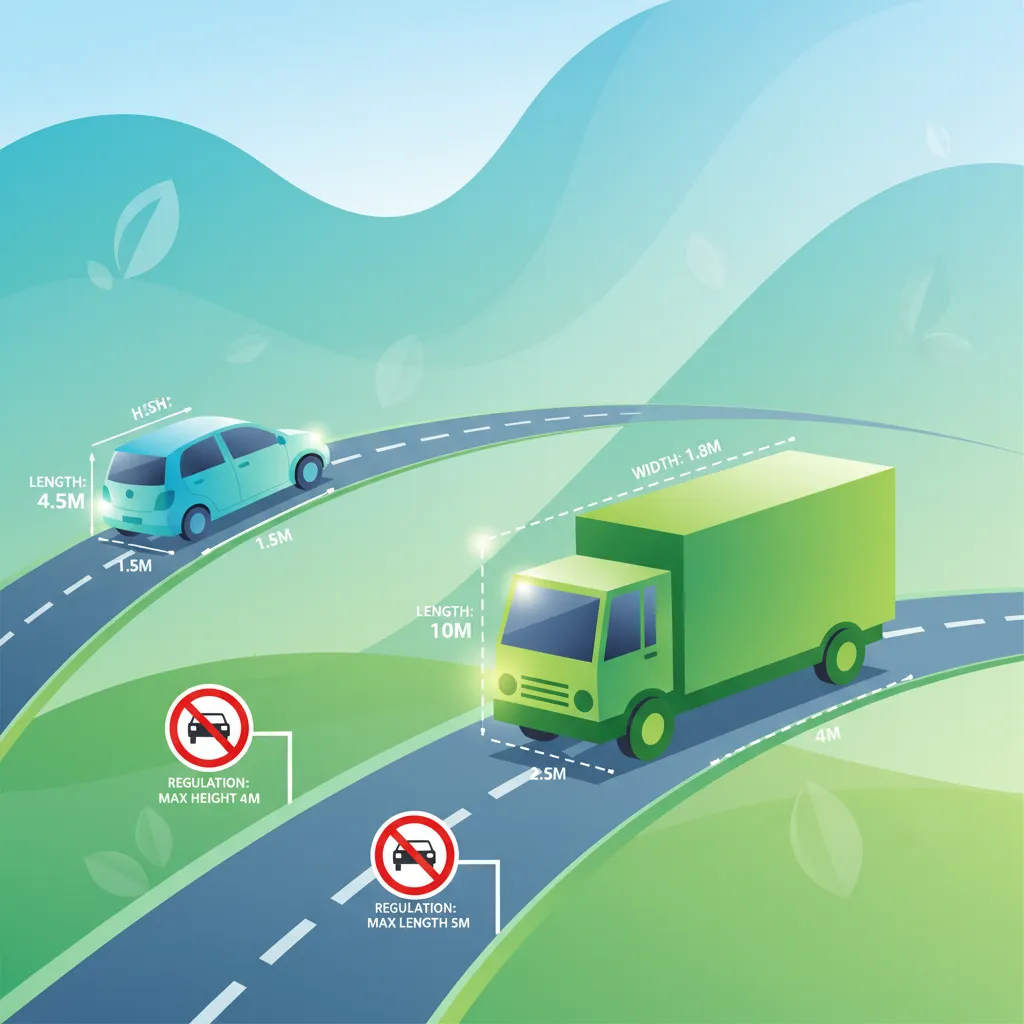
This lesson provides a detailed breakdown of the maximum permissible length, width, and height for heavy vehicles according to Spanish and EU regulations. It explains how these dimensions are measured and how they affect vehicle classification and route planning. The content emphasizes the critical importance of respecting clearance signs for bridges, tunnels, and other overhead structures to prevent accidents.

This lesson details the strict EU and Spanish regulations governing drivers' working hours, driving times, and mandatory rest periods. It explains how to use a tachograph to record activity and ensure compliance with daily and weekly limits. The content also provides practical strategies for managing fatigue to maintain driver alertness and prevent accidents, a critical aspect of professional road safety.

This lesson explains the fundamental DGT regulations that govern public transport services, including requirements for operational permits and route authorizations. It covers the mandatory schedules for vehicle inspections, standards for emissions, and the legal importance of adhering to timetables and service quality. Learners will also understand the nature of regulatory audits and compliance checks that operators must undergo.

This lesson provides a detailed outline of the legal framework that governs driver duty hours in Spain, specifying the maximum continuous driving time and mandatory rest periods defined by the DGT. Learners will understand the limits on cumulative work hours, the necessity of meticulous record-keeping, and methods for monitoring compliance with these regulations. The module also discusses the penalties for violations and reinforces the safety imperative of adherence.
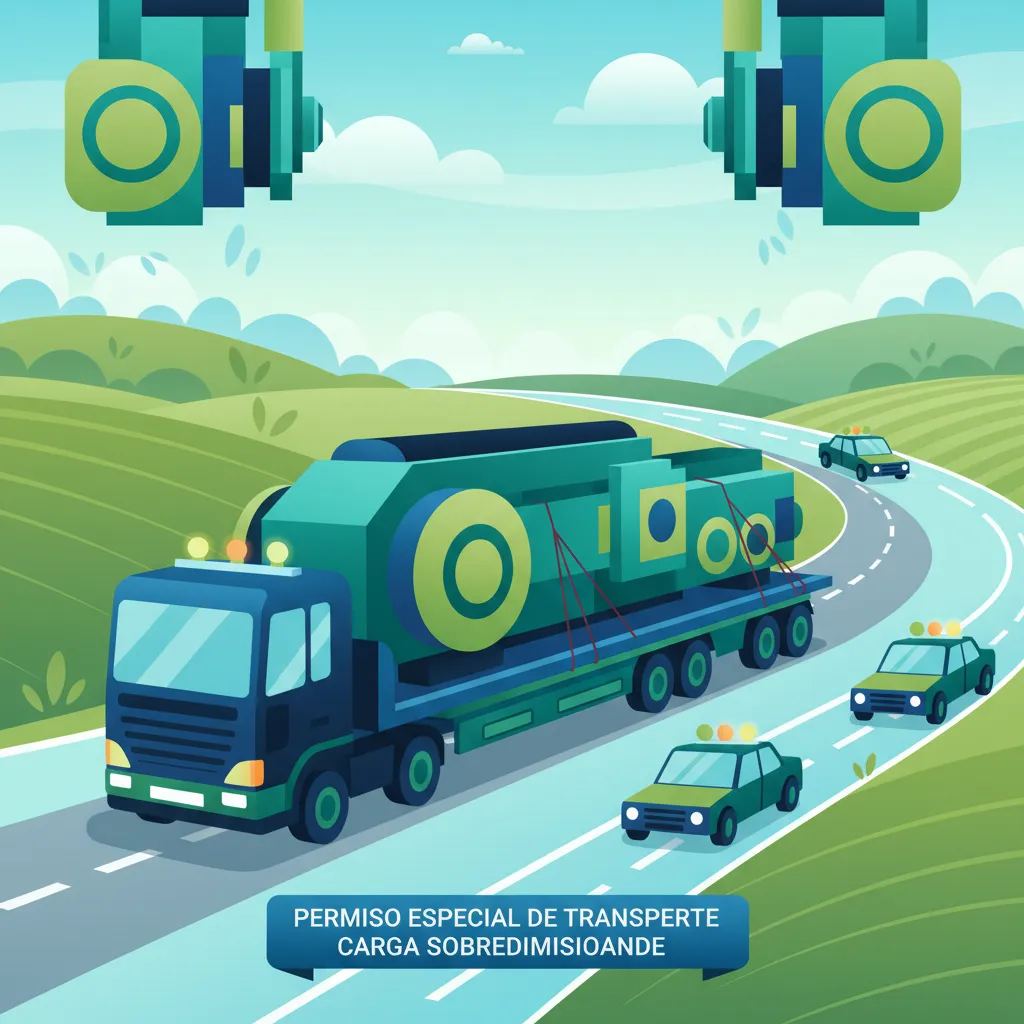
This lesson addresses the special regulations that apply to transporting loads that exceed standard legal dimensions or weight. It explains the process for obtaining the necessary special permits from the DGT and other authorities. The content also covers the requirements for route planning, the use of escort vehicles (pilot cars), and the mandatory signage and lighting for the vehicle.

This lesson explains the specific legal framework governing truck operations on Spain's high-speed road network. It details the different speed limits for trucks on autovías versus autopistas and the regulations regarding which lanes heavy vehicles are permitted to use. Learners will also understand how to interpret specific highway signage relevant to commercial vehicles and any applicable toll regulations.

This lesson provides a broad overview of the key traffic regulations in Spain that directly impact professional truck drivers. It details the rules of priority at intersections, the interpretation of different road markings, and the principles of correct lane discipline. Furthermore, it explains the specific speed limits applicable to heavy vehicles and the legal protocols for safe overtaking and signaling.
Explore the importance of a proactive safety culture and the ethical responsibilities of truck drivers towards vulnerable road users and the public. Learn how professional conduct impacts overall road safety.
This lesson delves into ethical decision-making frameworks relevant to professional drivers, emphasizing personal responsibility and the prioritization of safety in all operational scenarios. Learners will study professional codes of conduct, accountability mechanisms, and strategies for navigating moral dilemmas that may arise during their duties. The module reinforces the fundamental need for transparency and integrity as core tenets of professional driving practice.

This lesson explains the importance of fostering a proactive safety culture within the transport industry. It outlines the official procedures for reporting accidents and incidents to the DGT and other relevant authorities. Learners will understand how to accurately document an incident, their legal obligations at an accident scene, and how risk assessment and preventive measures contribute to overall road safety.

This lesson introduces fundamental road safety principles applicable to all drivers, with a special emphasis on heavy vehicles. It covers defensive driving techniques, including the importance of anticipating potential hazards and managing speed appropriately for conditions. Learners will also study how to establish and maintain safe following distances and understand the hierarchy of road users to ensure safe interactions.
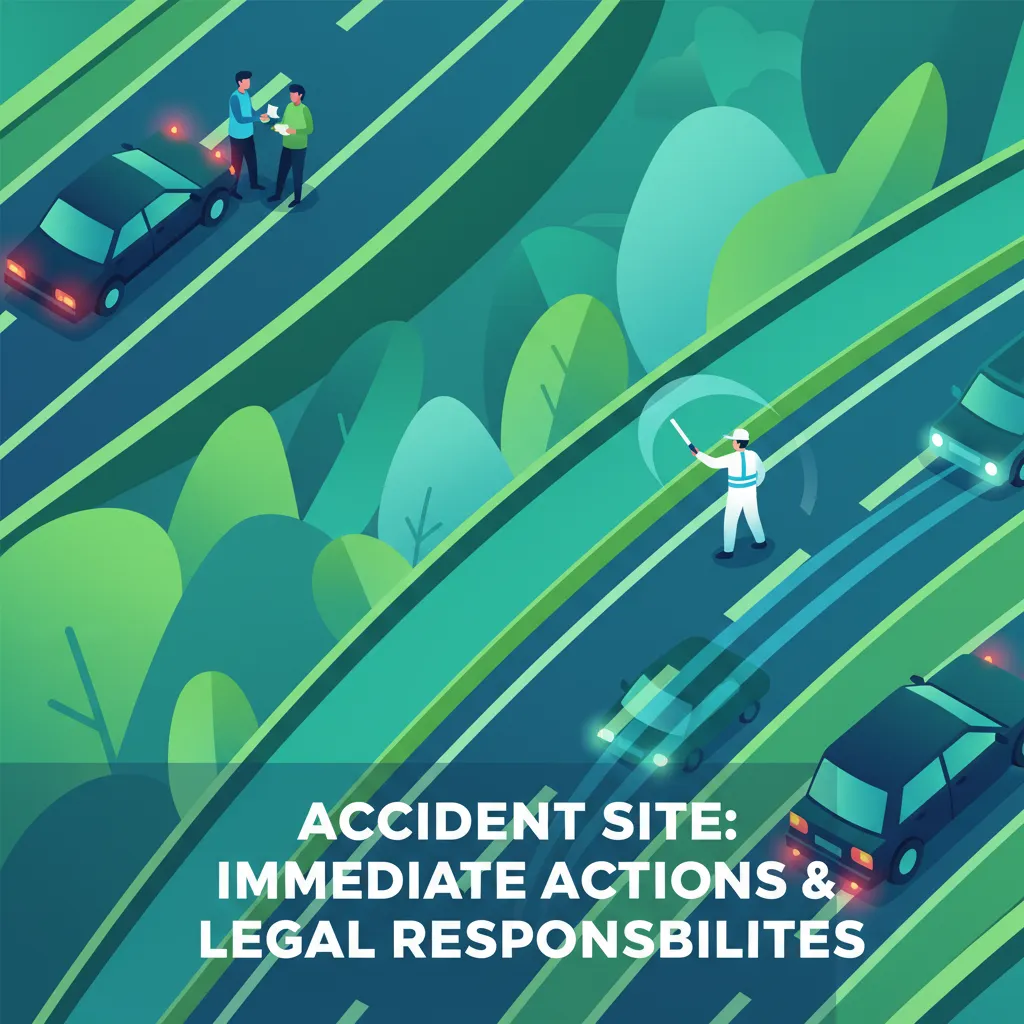
This lesson explains the driver's legal and ethical responsibilities when involved in or witnessing an accident. It covers the immediate priorities of protecting the scene from further incidents and providing aid to the injured within one's capabilities. The content details the legal requirements for exchanging information with other parties and reporting the accident to the police and DGT.

This lesson focuses on the driver's mindset and ethical responsibilities. It discusses the importance of courtesy, patience, and consideration for all road users to create a safer driving environment. The content also covers the dangers of distractions, fatigue, and aggressive driving, emphasizing the need to remain calm and focused at all times.

This lesson focuses on the critical skill of safely interacting with vulnerable road users, such as pedestrians and cyclists, in an urban setting. It highlights the extensive blind spots around a truck and teaches drivers to be extra vigilant, especially at intersections and crosswalks. The content covers the legal requirements for yielding and the importance of making eye contact to confirm intentions.
This lesson focuses on the legal duty of care that professional bus drivers owe to their passengers, emphasizing the obligation to ensure safe transport. It examines the specific traffic laws applicable to heavy vehicles and the consequences of violations, such as fines and license sanctions. The content also details the mandatory procedures for reporting incidents and the essential insurance coverage required by the DGT.

This lesson is focused on the early identification of road hazards through the application of effective scanning techniques and the use of peripheral vision. Learners will practice recognizing visual cues that signal potential dangers, such as erratic vehicle movements, unexpected obstacles, or pedestrian behavior. The module also teaches proactive response strategies designed to mitigate these risks before they can escalate into dangerous situations.
Find clear answers to common questions learners have about Professional Conduct and Ethics. Learn how the lesson is structured, which driving theory objectives it supports, and how it fits into the overall learning path of units and curriculum progression in Spain. These explanations help you understand key concepts, lesson flow, and exam focused study goals.
Professional conduct for Spanish truck drivers includes integrity, honesty, punctuality, respecting traffic laws and regulations, maintaining the vehicle properly, and acting with courtesy towards other road users. It also involves adhering to working hours and rest periods to ensure alertness and safety.
While conduct refers to outward behaviour, ethics delve into the moral principles guiding decisions. For truck drivers, ethical conduct means making the right choices even when not explicitly monitored, such as prioritising safety over speed or reporting potential safety issues, even if inconvenient.
A strong safety culture means that safety is a shared priority and value within a transport company and among drivers. It encourages open communication about risks, proactive hazard identification, and a collective commitment to preventing accidents and injuries, ultimately protecting drivers, the public, and the company.
Every action a truck driver takes on the road influences public perception. Safe, courteous, and law-abiding behaviour builds trust and respect for professional drivers and the industry. Conversely, reckless driving, rule-breaking, or unsafe practices erode public confidence and can lead to stricter regulations.
The DGT expects professional drivers to uphold the highest standards of responsibility. This includes understanding and complying with all traffic laws, ensuring vehicle safety, managing fatigue effectively, maintaining accurate documentation, and acting ethically to ensure road safety for everyone.
Use our powerful search functionality to pinpoint specific Spanish DGT driving theory practice sets. Filter by road sign categories, traffic law topics, or question difficulty to build custom study sessions and reinforce your knowledge precisely where it matters for your official exam.