
Welcome to the vital lesson on Safety Culture and Accident Reporting, part of the Licensing & Professional Responsibilities unit for your Spanish C/C1 truck licence. This lesson will guide you through the critical importance of maintaining a strong safety culture and provide clear, step-by-step instructions on how to correctly report accidents and incidents as required by the DGT, preparing you for real-world professional driving.

Lesson content overview
Operating a heavy goods vehicle demands an unwavering commitment to safety, not just from individual drivers, but from an entire organizational structure. For those pursuing the Official DGT Theory Course for Spanish Truck Licence Category C & C1, understanding the principles of a robust safety culture and the precise procedures for accident reporting is fundamental. This lesson delves into these crucial areas, ensuring professional drivers are equipped to prevent incidents and respond effectively should an accident occur.
A proactive safety culture is the cornerstone of responsible road transport. It represents a collective mindset where safety is prioritized above all else, embedded into daily operations, decision-making, and company policies. This approach is vital for professional truck drivers, as it directly impacts their well-being, the security of their cargo, and the safety of all road users.
An organizational environment where safety is a shared value, reinforced through policies, training, and behavioral expectations, aiming to prevent incidents and promote well-being.
A true safety culture extends beyond mere compliance with regulations. It signifies an environment where every individual, from senior management to the newest driver, actively contributes to identifying and mitigating risks. This includes openly discussing potential hazards, reporting near-misses, and continuously seeking improvements in safety protocols. It contrasts sharply with a reactive approach, which only addresses safety concerns after an accident has already happened.
For a safety culture to thrive, it requires strong leadership commitment. Management must not only articulate safety as a core value but also allocate the necessary resources for training, equipment maintenance, and safety-focused technologies. This commitment is demonstrated through clear policies, regular safety audits, and positive reinforcement for safe practices.
Equally important is employee participation. Professional drivers are on the front lines, experiencing road conditions and operational challenges daily. Their insights are invaluable for identifying real-world hazards. Active participation means drivers are encouraged to report observed risks, offer suggestions for improvement, and engage in safety meetings without fear of reprisal. Article 111 of the Reglamento General de Circulación (RGC), the Spanish General Traffic Regulations, indirectly supports this by mandating compliance with safety instructions defined by the employer, which implies an underlying safety framework.
A core principle of a strong safety culture is the "continuous improvement loop." This involves using data from accidents, incidents, and even near-misses to identify systemic weaknesses and implement corrective measures. When a near-miss occurs – an event that could have caused an accident but didn't – it provides a valuable opportunity to learn and prevent a similar, potentially more severe, incident in the future.
An unplanned event that did not result in injury, illness, or damage, but had the potential to do so. Reporting near-misses is crucial for identifying latent hazards.
Companies should analyze these reports to adjust policies, update training programs, and monitor compliance. For example, if several drivers report near-collisions at a specific intersection, the company might investigate route alternatives or provide additional training on defensive driving in complex urban environments.
For professional truck drivers, integrating a safety culture into their daily routine means:
Despite the best preventive measures, accidents can still occur. When they do, professional drivers operating under a DGT Category C or C1 licence have clear and immediate legal obligations under Spanish traffic law. These duties are designed to protect life, prevent further harm, and facilitate accurate investigation.
In Spain, the legal framework for accident response is primarily outlined in the Reglamento General de Circulación (RGC). Drivers have a statutory obligation, known as a "duty of care," to act responsibly to prevent harm to others. Failure to adhere to these duties can lead to severe penalties, including fines, licence suspension, and even criminal charges.
The legal obligation to act responsibly to prevent harm to others, encompassing duties such as stopping at an accident scene, assisting injured persons, and reporting incidents to authorities.
The immediate aftermath of an accident can be chaotic, but it is crucial for drivers to remain calm and follow a specific sequence of actions. This sequence, often summarized as "PAS" (Proteger, Alertar, Socorrer – Protect, Alert, Help), ensures the safety of all involved.
Stop the vehicle safely (Proteger): Immediately stop your vehicle at or near the accident site without obstructing traffic more than necessary. Activate your hazard warning lights (Art. 63 RGC).
Secure the scene (Proteger): Place the mandatory reflective warning triangles (V-27 or V-16 beacon) at appropriate distances (at least 50 meters, visible from 100 meters) to warn approaching traffic, especially on two-way roads. If possible and safe, move injured persons out of immediate danger, but only if there's no risk of aggravating their injuries (Art. 66 RGC).
Provide assistance (Socorrer): Check for injured persons and provide immediate assistance. This may include basic first aid if you are trained and it is safe to do so. Your primary duty is to ensure medical attention is called.
Notify authorities (Alertar): Call emergency services (112) immediately, providing clear and concise information about the location, type of accident, and any injuries (Art. 70 RGC).
Beyond emergency medical services, it is mandatory to report accidents to the police or Guardia Civil under specific circumstances. Article 71 of the RGC stipulates that police notification is required for accidents involving:
It is illegal to leave the scene of an accident where these conditions are met, regardless of who is at fault. This is considered a hit-and-run and carries severe legal and criminal penalties under Spanish law.
Never flee an accident scene, even if you believe you are not at fault. Leaving the scene of an accident where there are injuries or significant damage is a serious legal offense in Spain, punishable by heavy fines, licence suspension, and potentially criminal charges.
Beyond immediate actions at the scene, professional drivers and their employers must comply with specific reporting procedures mandated by the Dirección General de Tráfico (DGT), Spain's national traffic authority. These reports are crucial for legal processes, insurance claims, and national road safety analysis.
Not every minor bump requires a formal DGT report, but most incidents involving commercial vehicles will. Generally, any accident resulting in personal injury, death, or significant material damage must be reported. Even minor incidents that don't meet these thresholds, but result in a damaged vehicle component that could pose a future hazard, should be reported internally to the employer as part of a strong safety culture.
Spanish law requires specific forms to be completed after a reportable accident. The most common are the "Parte de Accidente" (Accident Report) and the "Declaración de Responsabilidad" (Declaration of Responsibility).
The Modelo 1 – Parte de Accidente is the official form for reporting accident details to the DGT. This form is critical and must be completed accurately. It gathers comprehensive factual information about the incident.
Driver Details: Full name, DNI/NIE, contact information, driving licence number.
Vehicle Details: Registration number, make, model, type (e.g., rigid truck, articulated lorry), and insurance policy details.
Accident Details: Exact date and time, precise location (including street name, kilometer marker, municipality), and type of road.
Circumstances: A detailed description of how the accident occurred, including actions taken by each vehicle.
Damage Description: Specific damage to both vehicles and any other property involved.
Weather and Road Conditions: Note visibility, road surface (dry, wet, icy), and any specific weather phenomena (rain, fog).
Witness Information: Names and contact details of any witnesses.
Sketch of the Accident: A simple diagram showing the position of vehicles before, during, and after the collision, indicating direction of travel.
Photographic evidence is highly recommended to support the information provided in the report. Using a smartphone to capture images of vehicle positions, damage, road conditions, and relevant surroundings can be invaluable.
While not always a separate DGT form, a "Declaración de Responsabilidad" (Declaration of Responsibility) may be part of an insurance claim form or a police report. This document allows involved parties to state their version of events and, if agreed upon, acknowledge responsibility. However, as a professional driver, it is often best to limit statements to factual observations and let authorities determine fault, especially in complex situations. Always consult with your employer or legal counsel before signing any document that explicitly assigns blame.
Strict deadlines exist for reporting accidents to various authorities. Adhering to these timelines is crucial to avoid penalties and ensure the validity of insurance claims.
Delays in reporting can lead to significant consequences, including fines, invalidation of insurance coverage, and difficulties in proving the circumstances of the accident. Promptness is paramount.
Employers of professional drivers are legally mandated (under Labor Safety Regulations) to maintain a comprehensive record of all accidents and near-misses involving their fleet. This accident log should be kept for a minimum of three years. It serves several purposes:
A cornerstone of a proactive safety culture is continuous risk assessment. For professional truck drivers, this means systematically evaluating potential hazards throughout their operations, from the moment they begin their shift until the vehicle is parked. The goal is to anticipate and mitigate risks before they lead to an accident.
Risk assessment is not a one-time event; it's an ongoing process. Drivers must integrate this critical thinking into every aspect of their work. This proactive mindset helps prevent accidents by identifying potential dangers and planning strategies to neutralize them.
Before every journey, a thorough pre-trip inspection is a fundamental risk assessment tool. This goes beyond checking basic vehicle components and includes:
Effective route planning involves more than just finding the quickest way to a destination. It's also about identifying potential hazards along the journey.
Even after thorough planning, new risks can emerge during the journey. Professional drivers must maintain continuous vigilance:
Failure to adhere to safety protocols and accident reporting requirements can lead to severe consequences for professional drivers, affecting their licence, finances, and even their freedom. Understanding these common violations is crucial for prevention.
In case of an accident, always stick to the facts. Do not speculate or admit fault prematurely. Provide truthful observations to authorities and let them conduct the investigation.
Accident scenarios are rarely identical. Various conditions can influence how an accident should be managed and reported, requiring professional drivers to adapt their responses.
| Condition | Variation in Principle / Rule | Reasoning |
|---|---|---|
| Adverse Weather (rain, fog, snow) | Additional requirement to document visibility, road surface condition (e.g., wet, icy), and any observed traction loss. | Weather significantly impacts accident causation and often requires modified safety measures. Accurate documentation aids in understanding contributing factors. |
| Nighttime Driving | Mandatory use of dipped beams; hazard lights must be more visible; extra caution during scene management due to reduced visibility. | Reduced visibility at night increases accident risk and makes securing the scene more challenging. Clear signaling is even more critical. |
| Urban vs. Motorway Incident | In urban areas, immediate police notification (112) is common. On motorways, using emergency phones (SOS posts) or contacting traffic patrols might be an initial step; specific DGT guidelines apply. | Different authorities (local police vs. Guardia Civil traffic division) and infrastructure are responsible for accident management in urban vs. motorway environments. |
| Vehicle Loaded vs. Empty | Load distribution, cargo type, and any cargo shift must be meticulously documented. If hazardous materials are involved, additional specialized protocols apply. | The load significantly affects vehicle dynamics and accident severity. Cargo shifts can cause further damage or injury. Hazardous materials require immediate specialized emergency response. |
| Presence of Vulnerable Road Users | Immediate assistance must prioritize pedestrians, cyclists, and motorcyclists due to their higher injury risk. Additional documentation about their condition and actions is required. | Vulnerable road users are at much greater risk of severe injury or fatality in collisions. The legal and ethical duty to assist is heightened. |
| ADAS Limitations or Failures | If Advanced Driver Assistance Systems (e.g., automatic emergency braking, lane-keeping assist) were active or failed, this must be documented. | Technology can play a role in accident causation or mitigation. Documenting ADAS activation or malfunction is crucial for technical analysis and future safety improvements. |
| Accident Involving Multiple Vehicles | Each driver must exchange details and submit separate reports. A coordinated police report encompassing all parties will be required. | Multi-party incidents have complex liability distribution and require comprehensive documentation from all involved to ensure fair and accurate assessment. |
| Minor Property Damage (< €1,000) | While police reporting may not be mandatory if below the threshold and parties agree, DGT notification and insurance reporting are still strongly recommended for data and claim purposes. | Legal thresholds for mandatory police intervention exist, but internal and DGT reporting still contribute to overall safety data and can protect against future disputes. |
| Foreign Driver (non-EU) | Must provide passport/ID and proof of insurance. DGT report may require translation support, and specific international reporting conventions might apply. | Legal identification and insurance requirements differ for non-residents, and communication barriers may necessitate additional support during reporting. |
The painstaking process of accident reporting is not merely a bureaucratic chore; it serves critical functions across safety improvement, legal accountability, and financial protection.
Every accurately reported accident, incident, and near-miss contributes valuable data to national and international safety analyses. Organizations like the DGT use this information to:
Statistical insights show that when near-misses are systematically logged, reported accidents can increase (not necessarily meaning more accidents, but better reporting). This indicates improved risk awareness and a more robust safety culture within fleets, leading to better preventive action in the long run.
Accurate and timely reporting is the bedrock of legal and insurance processes following an accident.
The "continuous improvement loop" (discussed earlier) thrives on reported data. By analyzing the causes of accidents, employers can:
Explore all units and lessons included in this driving theory course.
Lesson content overview
Explore all units and lessons included in this driving theory course.
Explore search topics learners often look for when studying Safety Culture and Accident Reporting. These topics reflect common questions about road rules, driving situations, safety guidance, and lesson level theory preparation for learners in Spain.
Browse additional driving theory lessons that cover connected traffic rules, road signs, and common driving situations related to this topic. Improve your understanding of how different rules interact across everyday traffic scenarios.
Learn the official DGT procedures for reporting accidents and incidents in Spain. This lesson covers required documentation like Modelo 1, reporting timelines, and legal obligations for professional truck drivers, ensuring compliance with Spanish traffic laws.
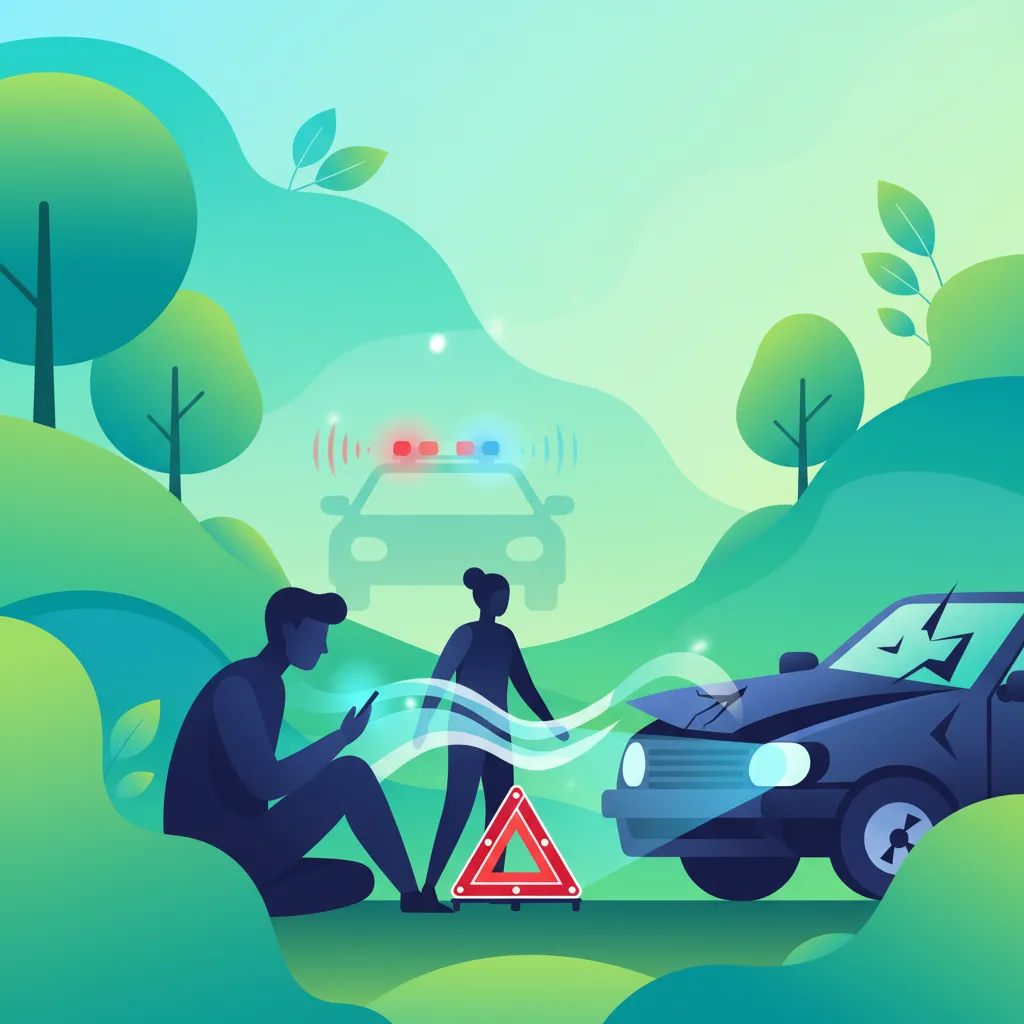
This lesson outlines the correct and legally required procedures to follow in the event of a traffic incident or accident. It covers the driver's immediate responsibilities at the scene, including securing the area and contacting emergency services. The content details the process for documenting the incident and formally reporting it to the DGT and insurance companies as required by law.
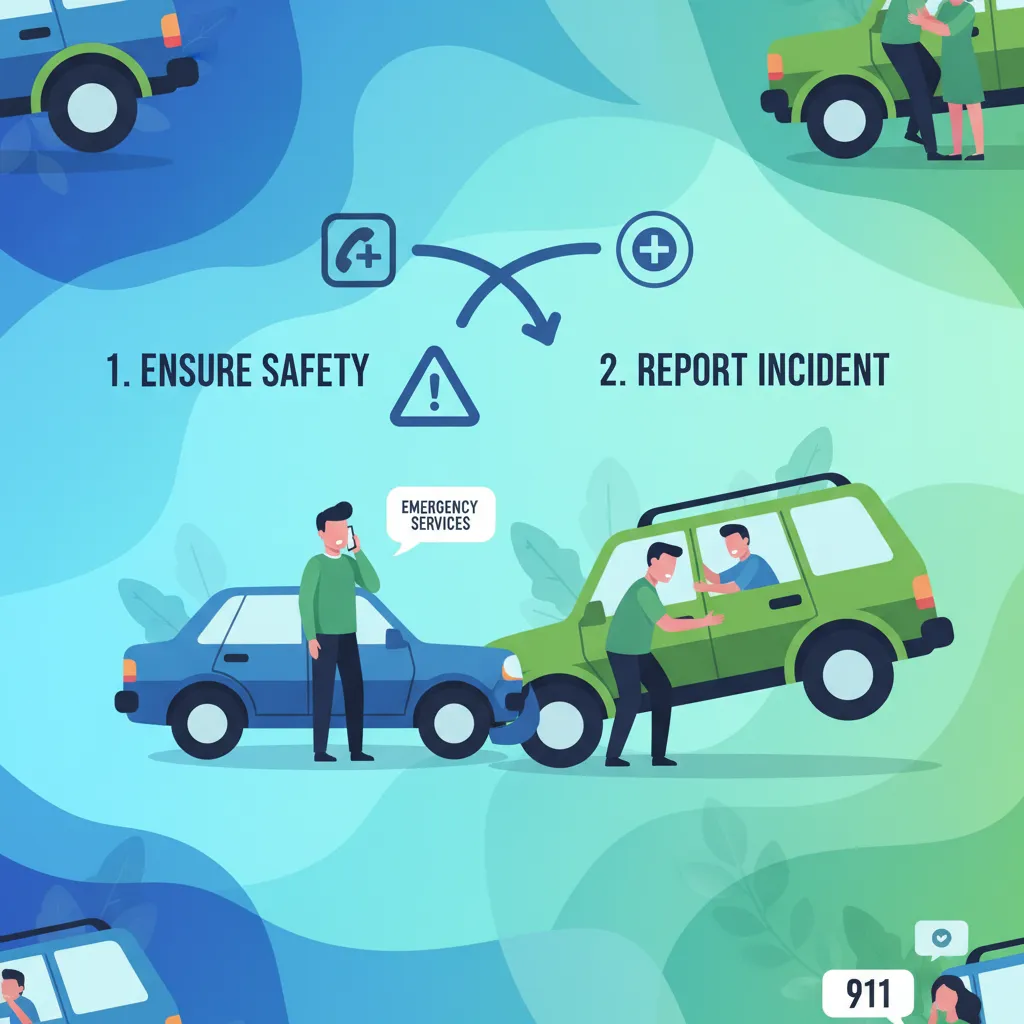
This lesson outlines the comprehensive steps required to safely manage an accident scene, including securing the area and providing immediate aid to any injured parties. Learners will be taught the legal reporting requirements, how to properly notify the DGT, and the specific documentation needed for insurance claims. The module also covers the process for collecting witness statements and interacting effectively with responding police authorities.

This lesson provides guidance on responding to a road accident, following the 'Protect, Alert, Assist' protocol. It details the steps for securing the scene, notifying emergency services, and providing basic aid if necessary. The content covers the legal responsibilities of the driver, including completing an accident report form (parte amistoso) and exchanging insurance information.

This lesson details the formal and legal obligations for reporting a traffic accident to the authorities. It clarifies the circumstances under which police must be called to the scene and the procedures for completing the official European Accident Statement form ('parte amistoso'). Understanding these responsibilities ensures that the rider complies with Spanish law and that the incident is properly documented for insurance and liability purposes.
Explore the importance of a proactive safety culture for professional drivers. This lesson covers risk assessment, leadership commitment, employee participation, and continuous improvement strategies to prevent accidents and ensure road safety in the Spanish transport industry.

This lesson introduces fundamental road safety principles applicable to all drivers, with a special emphasis on heavy vehicles. It covers defensive driving techniques, including the importance of anticipating potential hazards and managing speed appropriately for conditions. Learners will also study how to establish and maintain safe following distances and understand the hierarchy of road users to ensure safe interactions.

This lesson provides a broad overview of the key traffic regulations in Spain that directly impact professional truck drivers. It details the rules of priority at intersections, the interpretation of different road markings, and the principles of correct lane discipline. Furthermore, it explains the specific speed limits applicable to heavy vehicles and the legal protocols for safe overtaking and signaling.

This lesson focuses on the ethical standards and professional conduct expected from commercial vehicle operators. It emphasizes the driver's role in promoting a positive safety culture and maintaining public trust through responsible behavior on the road. Key concepts include integrity, adherence to a professional code of conduct, and understanding the impact of a driver's actions on their company and the public.

This lesson explains the specific legal framework governing truck operations on Spain's high-speed road network. It details the different speed limits for trucks on autovías versus autopistas and the regulations regarding which lanes heavy vehicles are permitted to use. Learners will also understand how to interpret specific highway signage relevant to commercial vehicles and any applicable toll regulations.
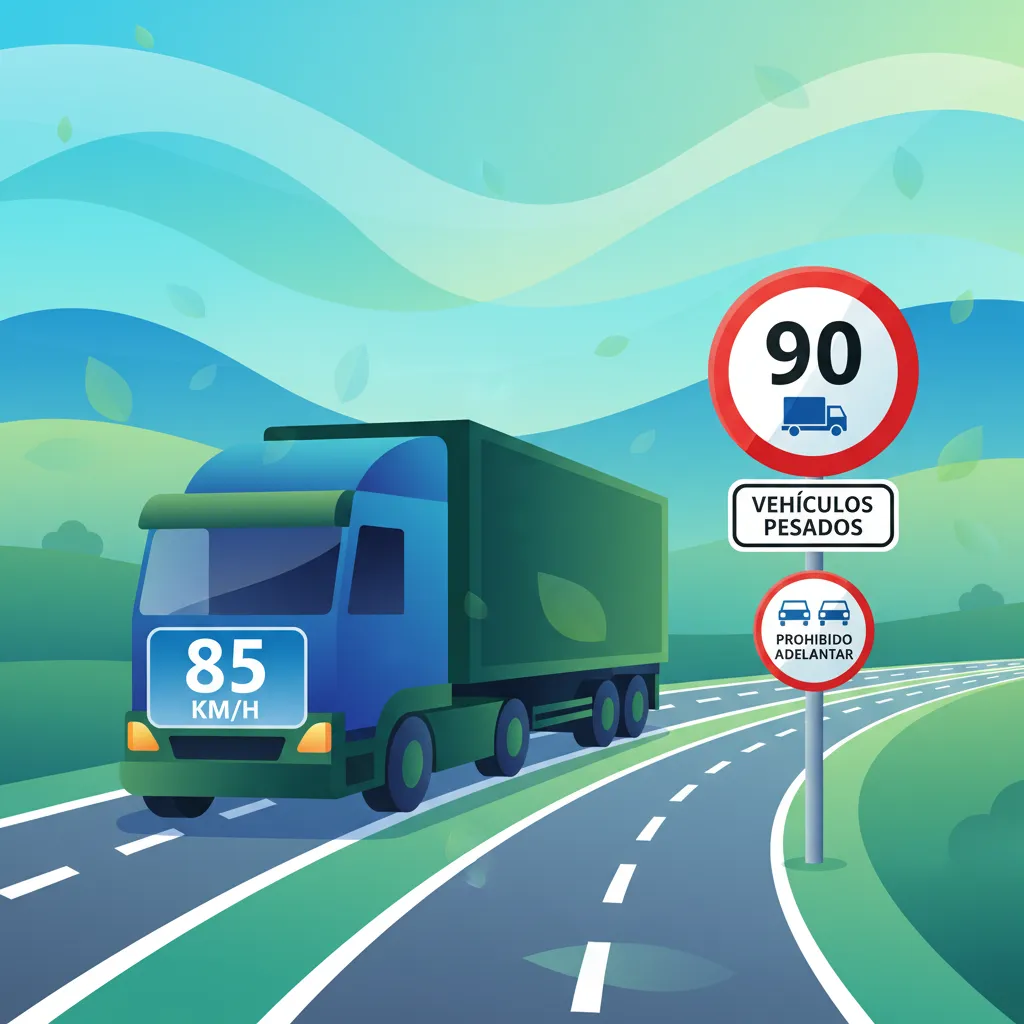
This lesson details the specific legal speed limits that apply to heavy passenger vehicles on Spanish highways, including variable speed zones that adjust based on traffic and weather conditions. Learners will understand the methods for speed monitoring, the function of speed control devices, and the legal consequences of non-compliance. The content also provides guidance on calculating a safe operating speed based on vehicle load and road conditions.

This lesson examines the overarching legal framework that governs professional drivers in Spain, focusing on the Reglamento General de Circulación. It details the statutory obligations of a driver, such as maintaining mandatory insurance, ensuring vehicle roadworthiness, and carrying all required documentation. Learners will understand their legal responsibilities and the importance of compliance with DGT regulations to operate lawfully.

This lesson focuses on the core principles of defensive driving as they apply to operating a large truck. It explains the importance of managing the space around the vehicle to create a safety buffer and always having an 'escape route' in mind. The content emphasizes anticipating the actions of other road users and being prepared to react calmly and safely to unexpected situations.
This lesson details the legal requirements for the use of seatbelts and child restraint systems in buses and coaches, as stipulated by DGT regulations. It specifies the age and size limits for various restraint devices and explains the verification checks drivers must perform. Learners will also review safety statistics that highlight the importance of correct usage and understand the legal penalties associated with non-compliance.

This lesson provides guidance on the practical aspects of parking and making deliveries in urban areas. It covers the techniques for safely maneuvering into and out of loading docks and designated delivery zones, which often involves precise reversing. The content also explains the specific parking regulations that apply to commercial vehicles and best practices for ensuring safety during loading and unloading.

This lesson provides a detailed guide to performing safe and legal overtaking maneuvers on the highway. It places strong emphasis on the techniques for thoroughly checking the large blind spots around a truck before initiating a lane change. The content also covers judging the necessary speed differential and distance required to complete the pass and return to the lane safely.
Find clear answers to common questions learners have about Safety Culture and Accident Reporting. Learn how the lesson is structured, which driving theory objectives it supports, and how it fits into the overall learning path of units and curriculum progression in Spain. These explanations help you understand key concepts, lesson flow, and exam focused study goals.
An incident typically refers to any event occurring on a public road involving a vehicle that results in damage, injury, or a significant disruption, even if it doesn't meet the criteria for a major accident. This can include minor collisions, significant vehicle malfunctions causing a hazard, or situations requiring emergency services. Always err on the side of caution and consult official DGT guidelines or your employer if unsure about reporting obligations for your C or C1 licence.
When reporting an accident for your C/C1 licence exam preparation, essential information includes details of all vehicles involved (registration numbers, makes, models), driver and passenger information (names, contact details, insurance details), witness contact information, a description of the accident, road conditions, weather, and any relevant photographic evidence. This comprehensive data is vital for official reports and insurance claims.
For truck drivers preparing for their C/C1 licence, a safety culture means prioritising safety in every decision, from pre-trip inspections to how they drive and manage their rest. It involves actively identifying and reporting potential hazards, adhering strictly to regulations, and continuously seeking ways to improve safety practices for themselves, their cargo, and other road users. It's about a shared commitment to preventing accidents.
While this lesson focuses on DGT (Spanish) regulations, international transport may involve different reporting protocols based on the country where the incident occurs. However, the fundamental principles of securing the scene, documenting information, and reporting to authorities remain. For your C/C1 licence, understanding the Spanish DGT requirements is the primary focus for the exam.
Failing to report an accident as required by the DGT can lead to administrative sanctions, including fines, and potentially impact your professional driving licence. It may also complicate insurance claims and investigations. Ensuring accurate and timely reporting, as taught in this C/C1 licence preparation lesson, is a critical legal responsibility for all professional drivers in Spain.
Use our powerful search functionality to pinpoint specific Spanish DGT driving theory practice sets. Filter by road sign categories, traffic law topics, or question difficulty to build custom study sessions and reinforce your knowledge precisely where it matters for your official exam.