
In the demanding world of professional truck driving, knowing how to react during a traffic incident is crucial. This lesson, part of the Official DGT Theory Course for Spanish Truck Licences (C & C1), details the legally required procedures for responding to accidents and reporting them, ensuring your safety and compliance with Spanish regulations.
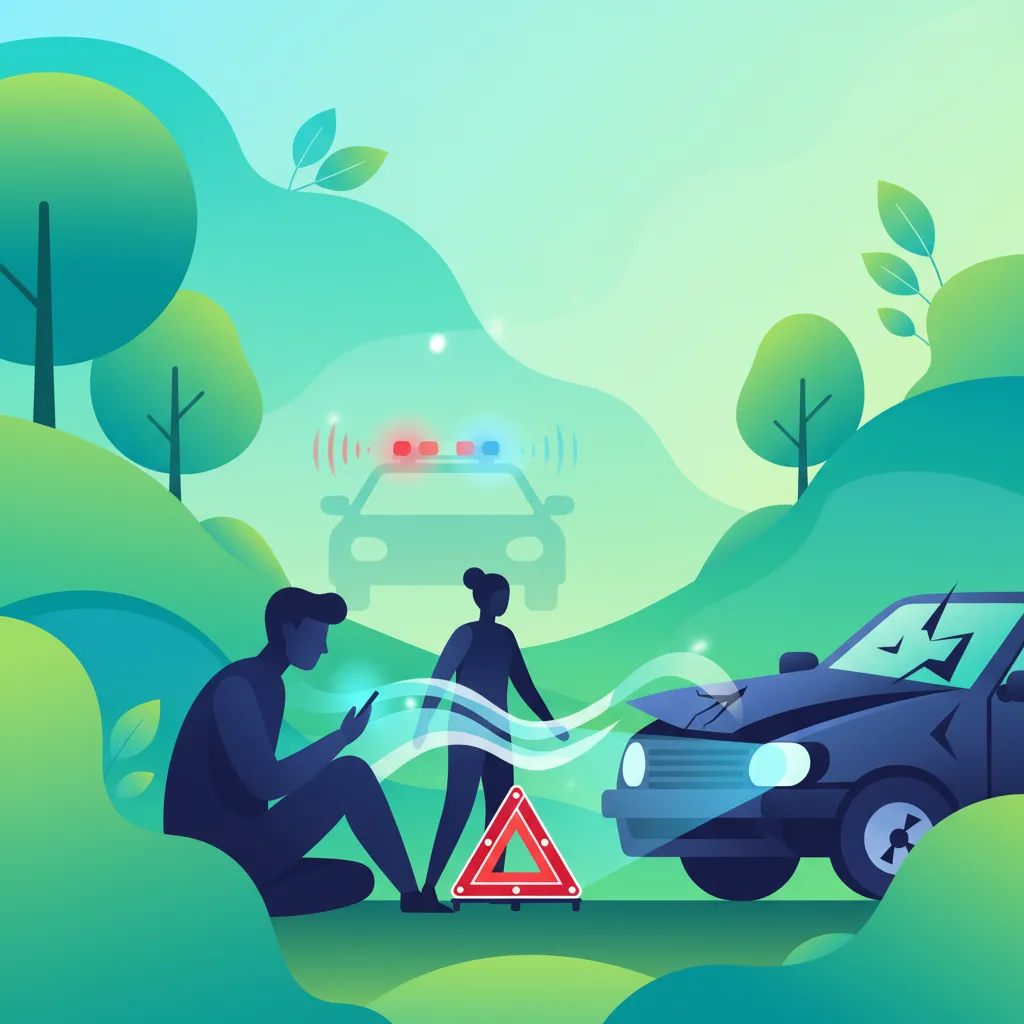
Lesson content overview
As a professional truck driver operating under a Spanish Category C or C1 licence, understanding and correctly executing incident response and reporting procedures is paramount. Traffic incidents, from minor fender-benders to serious collisions, demand a swift, legally compliant, and systematic approach. This lesson details the actions you are legally required to take, ensuring the safety of all road users, facilitating accurate investigations, and protecting your legal and insurance interests.
A traffic incident, or accidente de tráfico, requires more than just stopping; it demands a structured response that integrates safety, legal compliance, and meticulous documentation. Your immediate actions can significantly influence the outcome for those involved, the subsequent investigation by the Dirección General de Tráfico (DGT) and law enforcement, and the processing of insurance claims. Failure to adhere to these procedures can lead to severe penalties, including fines, licence suspension, and even criminal charges, as well as complications with your insurance.
This lesson specifically addresses the context of professional heavy vehicle drivers (Category C & C1), recognizing the unique challenges and responsibilities associated with larger vehicles and potentially hazardous loads. It builds upon foundational knowledge of basic traffic rules and vehicle dynamics.
Effective incident response is guided by several fundamental principles that ensure a responsible and legally sound approach to any collision. These principles are designed to protect life, preserve evidence, and ensure that all legal and administrative requirements are met.
Immediate Scene Safety: Your first priority is to secure the accident site and alert other road users. This prevents secondary collisions and protects anyone injured in the initial incident. This involves stopping your vehicle safely, activating hazard lights, and positioning warning triangles.
Duty to Render Assistance (Socorro): Spanish law unequivocally mandates that all drivers involved, or those witnessing an accident, must assist injured persons and call emergency services. This ensures timely medical attention and is a moral and legal imperative, regardless of who is at fault.
Preservation of Evidence: It is crucial to maintain the accident scene as undisturbed as possible until authorities arrive. This includes the exact position of vehicles, skid marks, and any debris. Preserving evidence is vital for an accurate reconstruction of the event, which is essential for legal and insurance purposes.
Accurate Documentation: Systematically recording all factual details of the incident is non-negotiable. This involves completing official DGT forms, such as the Parte Amistoso (Friendly Report) for minor incidents, or cooperating fully with police for an Informe de Accidentes (Accident Report) in more serious cases.
Timely Reporting: You have a legal obligation to notify the DGT, police (if required), and your insurance company within specified timeframes. Adhering to these deadlines ensures legal compliance and allows for the proper and prompt processing of claims.
Cooperation with Authorities: Transparency and honesty are essential when dealing with police and DGT investigators. You must provide truthful statements and allow inspections of the scene, vehicles, and documentation. This ensures a transparent investigation and avoids further legal complications.
The moments immediately following an accident are critical. Your primary focus must be on preventing further harm and alerting other road users to the danger. This systematic approach is mandated by Spanish traffic law and is crucial for protecting yourself and others.
Stop Safely: Bring your vehicle to a complete, controlled stop. If possible, move to the hard shoulder or a safe spot, but only if it does not further endanger anyone or significantly alter the scene of the accident.
Activate Hazard Warning Lights: Immediately switch on your vehicle's hazard warning lights (luces de emergencia). This provides an instant visual warning to approaching traffic.
Secure the Area with Warning Triangles: Exit your vehicle if it is safe to do so. Retrieve your approved warning triangles (triángulos de preseñalización de peligro) and place them at the appropriate distances.
Assess for Injuries and Call Emergency Services: Check yourself and others for injuries. If anyone is hurt, or if there is significant damage, call 112 immediately.
Protect the Scene: If possible and safe, take photos and note down details before authorities arrive, but avoid moving vehicles or evidence unless absolutely necessary for safety.
Upon stopping after an accident, the first electronic safety measure you must engage are your hazard warning lights. These lights, which flash all indicator lights simultaneously, are an immediate signal to other drivers that your vehicle is stationary and potentially obstructing the road or involved in an incident. This is a mandatory requirement under Article 50 of the Reglamento General de Circulación (RGC). Activating them immediately significantly reduces the risk of secondary collisions, especially in conditions of poor visibility or on high-speed roads.
After activating your hazard lights, you must place your warning triangles. These reflective, collapsible signs are essential visual warnings, particularly for approaching traffic. The placement distance is critical and varies based on the type of road:
Always ensure the triangle is placed in a position where it is clearly visible to approaching drivers, not hidden by bends, hills, or other obstructions. When placing triangles, prioritize your own safety by wearing a high-visibility vest (chaleco reflectante), which is mandatory to carry in your vehicle and wear when outside the vehicle on the roadway or hard shoulder.
Exiting a heavy vehicle after a collision requires extreme caution. Always check your mirrors and surroundings for approaching traffic before opening your door. If you are on a motorway or a high-speed road and exiting is too dangerous, it may be safer to remain inside your vehicle with hazard lights on and await emergency services, particularly if your cab offers more protection.
If it is safe to exit and move around the scene, consider if you can safely direct traffic or use additional warning devices. However, only do so if you are confident it will not put you at greater risk. Your primary responsibility is to secure the area and call for professional help, not to become a traffic controller.
Beyond securing the scene, you have a solemn legal and ethical obligation to render assistance to anyone injured in the accident. This "Duty to Render Assistance" (deber de socorro) is enshrined in Article 71 of the RGC and is a cornerstone of Spanish traffic law.
Immediately assess if anyone is injured. If so, your first priority after ensuring scene safety is to contact emergency services. In Spain, the unified emergency number is 112. When you call, be prepared to provide:
While waiting for professional medical help, you should provide basic first aid within your competence. This means ensuring the injured person is breathing, stopping severe bleeding, and providing comfort. Crucially, do not move an injured person unless they are in immediate danger (e.g., vehicle on fire) or their life is at risk. Improper movement can worsen spinal or other internal injuries. Your role is to stabilize and reassure, not to provide advanced medical treatment.
The duty to render aid applies to all drivers involved in or witnessing an accident. It is irrelevant who was at fault for the collision; everyone has a legal responsibility to assist. Failing to render assistance, also known as "hit and run" or omisión del deber de socorro, is a serious offense under Spanish law, which can lead to significant penalties, including fines, licence suspension, and even imprisonment for up to six months, especially if serious injuries or fatalities occur. You must remain at the scene until emergency services and police have arrived and taken charge.
The integrity of the accident scene is paramount for a fair and accurate investigation. Preserving evidence helps authorities understand how the incident occurred, which is crucial for determining liability and processing insurance claims.
Unless absolutely necessary to prevent further accidents, clear a path for emergency vehicles, or move an injured person from immediate danger, do not move the vehicles involved in the collision. The position of vehicles, impact points, and debris provides critical clues for accident reconstruction. Moving a vehicle can alter skid marks, change the final resting positions, and ultimately obscure vital evidence that forensic investigators rely upon. If you must move a vehicle, take extensive photographs from multiple angles beforehand.
Before any vehicles are moved, or if you are waiting for authorities, use your phone or camera to take detailed photographs and notes. This personal record can be invaluable.
What to Photograph:
In addition to photographs, write down key details:
This comprehensive documentation provides a reliable record for police and insurance companies, strengthening your position in any subsequent legal or claims processes.
In Spain, the formal documentation of an accident depends largely on its severity. You will either complete a Parte Amistoso or an official Informe de Accidentes by the police.
The Parte Amistoso, or European Accident Statement (Declaración Amistosa de Accidente), is a standardized form used for minor accidents involving two vehicles where:
The Parte Amistoso simplifies the claims process. Both drivers must complete and sign the form, exchanging copies. It is crucial to fill out all sections accurately, including the diagram illustrating the accident. Once signed, it serves as a legally binding document for insurance purposes. You must submit your copy to your insurance company promptly.
An Informe de Accidentes (Accident Report) is a detailed official document prepared by law enforcement (Local Police, Guardia Civil, or Ertzaintza in the Basque Country, Mossos d'Esquadra in Catalonia). This report is mandatory in several situations:
In these cases, the police will attend the scene, interview drivers and witnesses, collect evidence, and prepare a formal report. This report is then used by the DGT and insurance companies for their investigations and claims processing. You must cooperate fully with the officers and provide accurate statements.
Beyond completing forms, you have specific timeframes within which you must officially report the accident to various entities. Adhering to these deadlines is essential to avoid legal penalties and ensure your insurance claims are processed.
You are legally obligated to notify the police (112) immediately at the scene if the accident involves injuries, fatalities, or significant traffic obstruction, as detailed above. For official DGT records, serious accidents (with injuries or fatalities) are typically reported by the attending police force. However, for Category C and C1 drivers, any accident involving a heavy vehicle (>3,5 t) that causes significant disruption or involves specific types of cargo may require additional or direct notification to the DGT, although this is usually channeled through police reports.
It is a contractual requirement to inform your insurance company about any incident involving your insured vehicle. In Spain, the general timeframe for notifying your insurer is seven days from the date of the accident. Failure to do so within this period can lead to complications with your claim, and in some cases, the insurer may even reject the claim or reduce the compensation.
Pro Tip: Do not delay! Notify your insurer as soon as safely possible after the accident, even if it's just an initial phone call. Follow up with the completed Parte Amistoso or police report as soon as you obtain it. Keep records of all communications with your insurer.
After an accident, you are legally required to cooperate fully with all attending authorities, including police officers, Guardia Civil, and any DGT investigators. This cooperation is crucial for a transparent and efficient investigation.
You must be prepared to:
Any attempt to obstruct the investigation, provide false information, or refuse to cooperate can lead to additional charges and penalties, severely impacting your professional driving career.
Several articles within the Reglamento General de Circulación (RGC) and other DGT orders specifically govern a driver's actions after an accident in Spain. Understanding these legal frameworks is essential for compliance.
RGC Article 50: Obligation to Stop and Warn This article mandates that all drivers involved in an accident must stop their vehicle, ensure the safety of the scene by activating hazard lights and placing warning triangles, and take measures to prevent further danger. It outlines the specific distances for triangle placement.
RGC Article 71: Duty to Render Assistance This crucial article imposes the legal obligation on all drivers to render assistance to injured persons and to request emergency help. It highlights the severe penalties for failing to comply with this duty, including criminal charges for omisión del deber de socorro.
RGC Article 93: Accident Reporting Requirements This article specifies the requirements for reporting accidents, particularly regarding the formal documentation. It underpins the use of the Parte Amistoso and the need for police reports in more serious incidents, and also implies the obligation to hand the reporting form to the insurance company within the legal period.
Beyond these RGC articles, DGT orders, such as Order 400/2021, may specify updated technical requirements for warning devices, like the V-16 connected warning light, which is set to eventually replace warning triangles. Professional drivers must stay informed about these updates.
Even experienced drivers can make critical errors after an accident. Awareness of these common violations can help you avoid them and ensure a compliant response.
While the core principles remain constant, the specific actions you take after an accident must be adapted to the prevailing conditions and circumstances.
As a Category C or C1 driver, your vehicle often carries significant loads. An accident can cause a load shift, creating additional hazards.
The procedures outlined in this lesson are not arbitrary; they are based on logical cause-and-effect relationships designed to mitigate harm and ensure justice.
By mastering these procedures, you not only fulfill your legal obligations but also contribute to overall road safety and protect your professional career.
This lesson covers the mandatory procedures Spanish Category C and C1 truck drivers must follow after a traffic incident, including securing the scene with hazard lights and warning triangles at legally specified distances, rendering assistance to injured persons under Article 71 of the RGC, and preserving evidence through photography before vehicles are moved. Drivers must distinguish between the Parte Amistoso for minor property-damage-only collisions and the formal Informe de Accidentes required when injuries or significant damage occur, and must notify their insurance company within seven days. Key legal obligations include calling 112 for emergency services, cooperating fully with police and DGT investigators, and providing accurate documentation including your licence, ITV card, and proof of insurance.
A short set of high-value points that capture the most important learning from this lesson.
Your first priorities at any accident scene are to stop safely, activate hazard lights, and place warning triangles to prevent secondary collisions.
Under Article 71 of the RGC, you have a legal obligation to render assistance to injured persons regardless of fault, and leaving the scene constitutes a criminal offense.
Warning triangles must be placed at least 30 metres on urban roads and at least 50 metres on interurban roads with visibility from 100 metres.
Use the Parte Amistoso for minor two-vehicle collisions with no injuries when both drivers agree; the Informe de Accidentes is mandatory when injuries, fatalities, or significant damage occur.
You must notify your insurance company within seven days of the accident to avoid claim complications or rejection.
Explore all units and lessons included in this driving theory course.
Call emergency services using 112 and provide your exact location, vehicle types involved, observed injuries, and any hazards such as fuel leaks or unstable loads.
Do not move vehicles unless necessary for safety, and photograph the scene thoroughly before any movement including vehicle positions, damage, skid marks, and road conditions.
You must present your Category C/C1 licence, vehicle registration, ITV card, and proof of insurance when cooperating with authorities.
For heavy vehicles carrying cargo, secure or stabilize your load if safe to do so, and follow specific ADR regulations if transporting hazardous materials.
When placing warning triangles in poor visibility conditions, increase distances beyond the minimum requirements to ensure adequate reaction time for other drivers.
Leaving the scene without assisting injured persons or exchanging details, which constitutes omisión del deber de socorro under Article 71 and carries severe penalties including potential imprisonment.
Placing warning triangles too close to the vehicle or in obstructed positions, which fails to provide adequate warning for approaching traffic on high-speed roads.
Moving vehicles from their post-collision positions before documentation or police arrival, which compromises evidence for accident reconstruction and liability determination.
Failing to complete or submit a Parte Amistoso for minor non-injury collisions, leading to insurance disputes due to lack of official documentation.
Delaying notification to your insurance company beyond the seven-day deadline, which can result in claim denial or reduced compensation under policy terms.
Lesson content overview
A short set of high-value points that capture the most important learning from this lesson.
Your first priorities at any accident scene are to stop safely, activate hazard lights, and place warning triangles to prevent secondary collisions.
Under Article 71 of the RGC, you have a legal obligation to render assistance to injured persons regardless of fault, and leaving the scene constitutes a criminal offense.
Warning triangles must be placed at least 30 metres on urban roads and at least 50 metres on interurban roads with visibility from 100 metres.
Use the Parte Amistoso for minor two-vehicle collisions with no injuries when both drivers agree; the Informe de Accidentes is mandatory when injuries, fatalities, or significant damage occur.
You must notify your insurance company within seven days of the accident to avoid claim complications or rejection.
Explore all units and lessons included in this driving theory course.
Call emergency services using 112 and provide your exact location, vehicle types involved, observed injuries, and any hazards such as fuel leaks or unstable loads.
Do not move vehicles unless necessary for safety, and photograph the scene thoroughly before any movement including vehicle positions, damage, skid marks, and road conditions.
You must present your Category C/C1 licence, vehicle registration, ITV card, and proof of insurance when cooperating with authorities.
For heavy vehicles carrying cargo, secure or stabilize your load if safe to do so, and follow specific ADR regulations if transporting hazardous materials.
When placing warning triangles in poor visibility conditions, increase distances beyond the minimum requirements to ensure adequate reaction time for other drivers.
Leaving the scene without assisting injured persons or exchanging details, which constitutes omisión del deber de socorro under Article 71 and carries severe penalties including potential imprisonment.
Placing warning triangles too close to the vehicle or in obstructed positions, which fails to provide adequate warning for approaching traffic on high-speed roads.
Moving vehicles from their post-collision positions before documentation or police arrival, which compromises evidence for accident reconstruction and liability determination.
Failing to complete or submit a Parte Amistoso for minor non-injury collisions, leading to insurance disputes due to lack of official documentation.
Delaying notification to your insurance company beyond the seven-day deadline, which can result in claim denial or reduced compensation under policy terms.
Explore search topics learners often look for when studying Incident Response and Reporting Procedures. These topics reflect common questions about road rules, driving situations, safety guidance, and lesson level theory preparation for learners in Spain.
Browse additional driving theory lessons that cover connected traffic rules, road signs, and common driving situations related to this topic. Improve your understanding of how different rules interact across everyday traffic scenarios.
Understand the specific legal responsibilities and obligations for Category C and C1 truck drivers when involved in or witnessing a traffic incident in Spain. Covers immediate actions, reporting, and legal consequences.
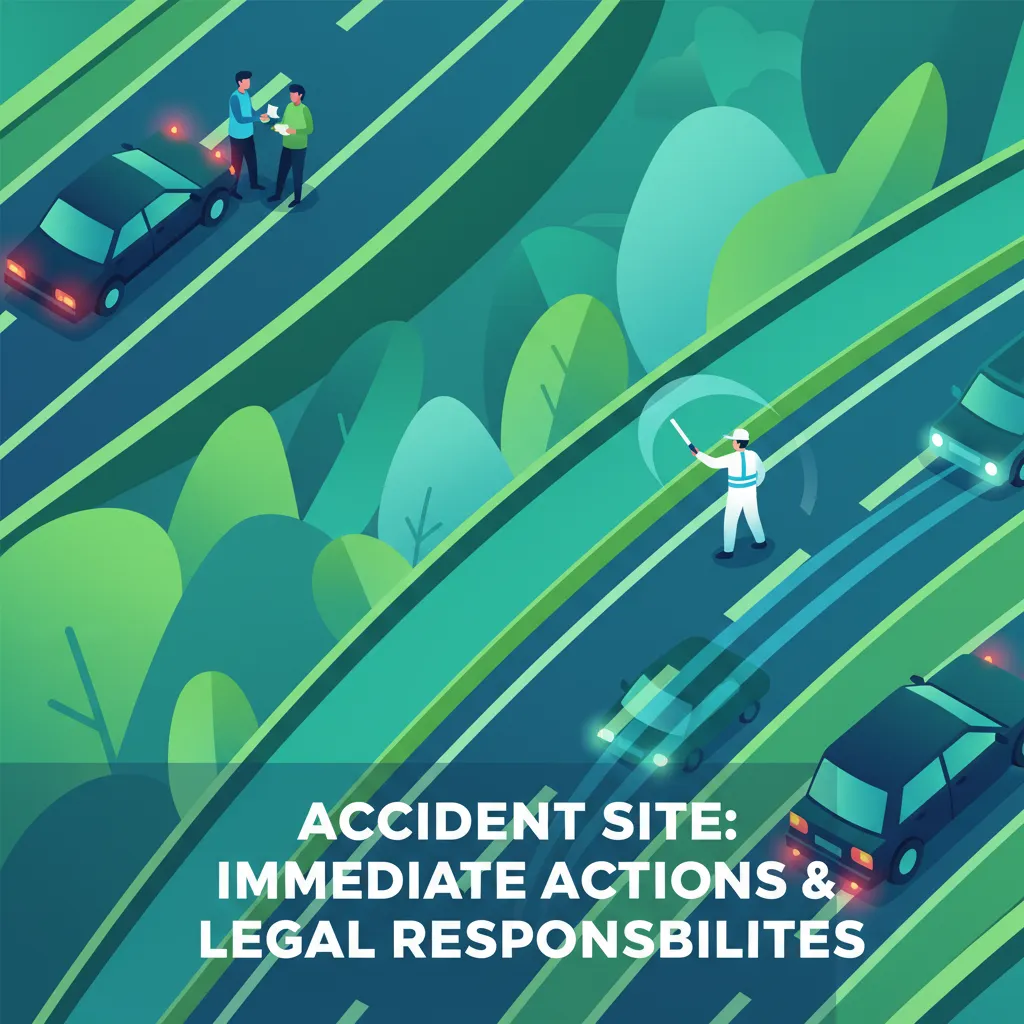
This lesson explains the driver's legal and ethical responsibilities when involved in or witnessing an accident. It covers the immediate priorities of protecting the scene from further incidents and providing aid to the injured within one's capabilities. The content details the legal requirements for exchanging information with other parties and reporting the accident to the police and DGT.
This lesson focuses on the legal duty of care that professional bus drivers owe to their passengers, emphasizing the obligation to ensure safe transport. It examines the specific traffic laws applicable to heavy vehicles and the consequences of violations, such as fines and license sanctions. The content also details the mandatory procedures for reporting incidents and the essential insurance coverage required by the DGT.

This lesson explains the importance of fostering a proactive safety culture within the transport industry. It outlines the official procedures for reporting accidents and incidents to the DGT and other relevant authorities. Learners will understand how to accurately document an incident, their legal obligations at an accident scene, and how risk assessment and preventive measures contribute to overall road safety.
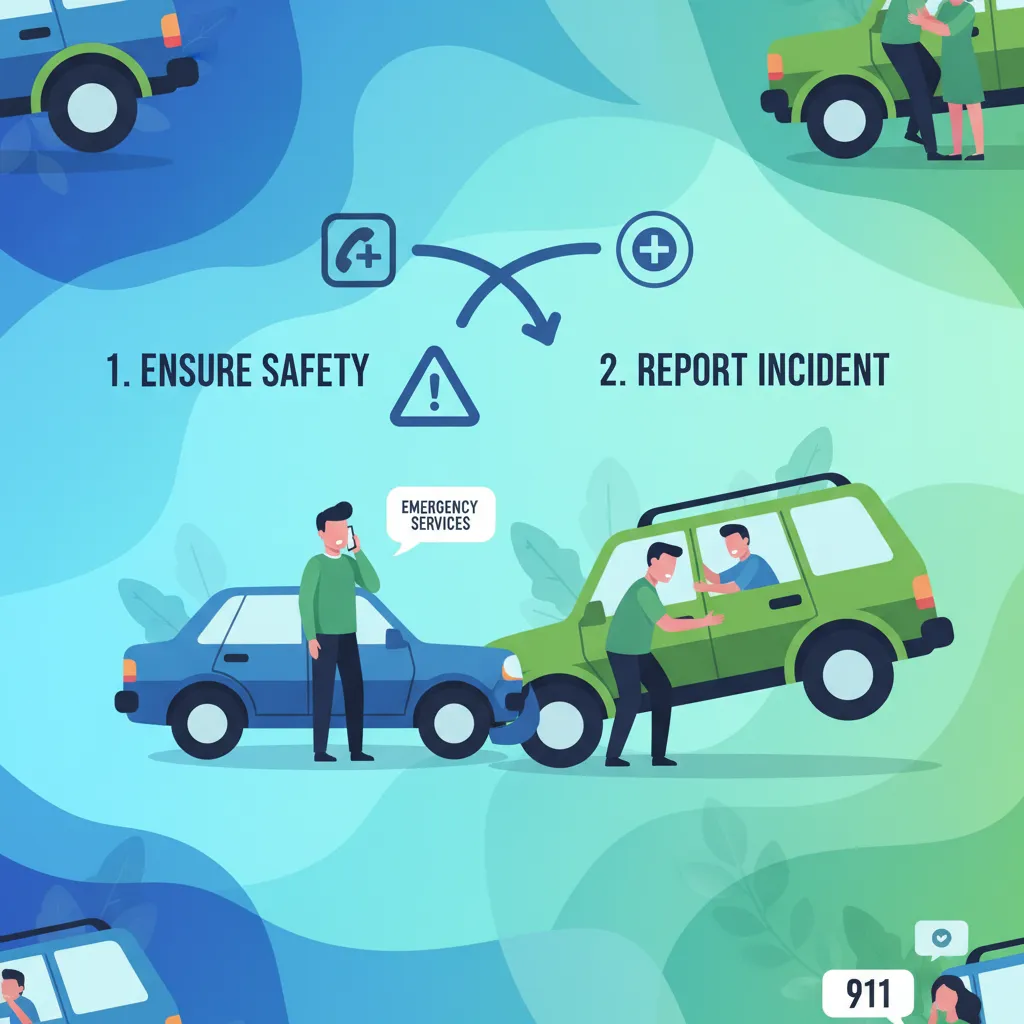
This lesson outlines the comprehensive steps required to safely manage an accident scene, including securing the area and providing immediate aid to any injured parties. Learners will be taught the legal reporting requirements, how to properly notify the DGT, and the specific documentation needed for insurance claims. The module also covers the process for collecting witness statements and interacting effectively with responding police authorities.

This lesson examines the overarching legal framework that governs professional drivers in Spain, focusing on the Reglamento General de Circulación. It details the statutory obligations of a driver, such as maintaining mandatory insurance, ensuring vehicle roadworthiness, and carrying all required documentation. Learners will understand their legal responsibilities and the importance of compliance with DGT regulations to operate lawfully.
This lesson provides guidance on responding to a road accident, following the 'Protect, Alert, Assist' protocol. It details the steps for securing the scene, notifying emergency services, and providing basic aid if necessary. The content covers the legal responsibilities of the driver, including completing an accident report form (parte amistoso) and exchanging insurance information.

This lesson details the formal and legal obligations for reporting a traffic accident to the authorities. It clarifies the circumstances under which police must be called to the scene and the procedures for completing the official European Accident Statement form ('parte amistoso'). Understanding these responsibilities ensures that the rider complies with Spanish law and that the incident is properly documented for insurance and liability purposes.
Learn essential procedures for securing accident scenes involving trucks, including managing specific hazards related to vehicle size, load stability, and adverse weather conditions. Focuses on practical safety and evidence preservation.
This lesson explains the driver's legal and ethical responsibilities when involved in or witnessing an accident. It covers the immediate priorities of protecting the scene from further incidents and providing aid to the injured within one's capabilities. The content details the legal requirements for exchanging information with other parties and reporting the accident to the police and DGT.
This lesson outlines the comprehensive steps required to safely manage an accident scene, including securing the area and providing immediate aid to any injured parties. Learners will be taught the legal reporting requirements, how to properly notify the DGT, and the specific documentation needed for insurance claims. The module also covers the process for collecting witness statements and interacting effectively with responding police authorities.

This lesson focuses on the core principles of defensive driving as they apply to operating a large truck. It explains the importance of managing the space around the vehicle to create a safety buffer and always having an 'escape route' in mind. The content emphasizes anticipating the actions of other road users and being prepared to react calmly and safely to unexpected situations.
This lesson addresses the procedures for responding to two critical emergencies: vehicle fires and hazardous material spills. It covers the different classes of fire and the correct use of a fire extinguisher. The content also explains the initial steps a driver should take in the event of a hazardous material leak, including isolating the area, notifying authorities, and following established safety protocols.
This lesson introduces fundamental road safety principles applicable to all drivers, with a special emphasis on heavy vehicles. It covers defensive driving techniques, including the importance of anticipating potential hazards and managing speed appropriately for conditions. Learners will also study how to establish and maintain safe following distances and understand the hierarchy of road users to ensure safe interactions.

This lesson provides a detailed guide to performing safe and legal overtaking maneuvers on the highway. It places strong emphasis on the techniques for thoroughly checking the large blind spots around a truck before initiating a lane change. The content also covers judging the necessary speed differential and distance required to complete the pass and return to the lane safely.
This lesson provides a step-by-step guide on what to do when a vehicle breaks down on the road. It explains how to safely bring the truck to a stop, activate hazard warnings, and place reflective warning triangles as required by law. The content also covers the procedures for contacting roadside assistance and communicating the nature of the problem and the vehicle's location accurately.
This lesson explains the importance of fostering a proactive safety culture within the transport industry. It outlines the official procedures for reporting accidents and incidents to the DGT and other relevant authorities. Learners will understand how to accurately document an incident, their legal obligations at an accident scene, and how risk assessment and preventive measures contribute to overall road safety.
This lesson provides guidance on responding to a road accident, following the 'Protect, Alert, Assist' protocol. It details the steps for securing the scene, notifying emergency services, and providing basic aid if necessary. The content covers the legal responsibilities of the driver, including completing an accident report form (parte amistoso) and exchanging insurance information.
Find clear answers to common questions learners have about Incident Response and Reporting Procedures. Learn how the lesson is structured, which driving theory objectives it supports, and how it fits into the overall learning path of units and curriculum progression in Spain. These explanations help you understand key concepts, lesson flow, and exam focused study goals.
The absolute first steps are to ensure your own safety and that of others, then secure the scene by activating hazard lights and placing warning triangles if safe to do so. After that, check for injuries and call emergency services (like 112) if necessary, providing your location and details of the incident.
You are legally obliged to report accidents that result in injuries or significant damage to vehicles or property to the DGT. For minor incidents without injuries where fault is clear and both parties agree, a private accident report form (parte amistoso) might suffice for insurance purposes, but serious incidents always require official DGT notification.
You must provide your exact location, the nature of the incident (e.g., number of vehicles involved, injuries), your personal details (name, licence number), vehicle registration numbers, and insurance information. Clear and concise communication is key.
The 'parte amistoso' is a joint report form completed by both drivers involved in a minor accident where there are no injuries and both agree on the circumstances. It simplifies the insurance claim process. However, it does not replace the mandatory DGT reporting for serious incidents.
The lesson covers the exact legal procedures and responsibilities tested in the DGT theory exam for truck drivers. You will learn how to identify the correct sequence of actions, understand reporting obligations, and answer scenario-based questions related to incident management.
Use our powerful search functionality to pinpoint specific Spanish DGT driving theory practice sets. Filter by road sign categories, traffic law topics, or question difficulty to build custom study sessions and reinforce your knowledge precisely where it matters for your official exam.