
Logo
Spanish Driving Theory Courses

Lesson 4 of the Urban Driving unit

Spanish Driving Theory B & BE: Cyclist Lanes and Shared Spaces in Cities

Navigating urban environments requires understanding how to safely share the road with cyclists. This lesson covers the dedicated infrastructure for cyclists, such as bike lanes, and the rules for interacting with them and other road users in shared spaces. It's a crucial part of mastering urban driving for your Category B license exam.

cyclist lanesshared spacesvulnerable road usersurban drivingpriority rules
Spanish Driving Theory B & BE: Cyclist Lanes and Shared Spaces in Cities

Lesson content overview

Spanish Driving Theory B & BE

Navigating Cyclist Lanes and Shared Road Spaces in Spanish Cities

Understanding how to safely interact with cyclists is a critical aspect of responsible driving in Spain, especially in urban environments. As drivers, we share the road with a diverse range of users, and cyclists, being vulnerable, require particular attention and respect for specific traffic regulations. This lesson delves into the dedicated infrastructure for cyclists and the rules governing their interaction with motor vehicles in shared spaces, ensuring you are prepared to meet the requirements of the Spanish driving license theory course for categories B and BE.

Adhering to DGT (Dirección General de Tráfico) regulations on cyclist safety not only reduces the risk of collisions but also contributes to smoother urban traffic flow and overall road safety. This knowledge builds upon your understanding of basic road signs, priority hierarchy, and general overtaking rules, which are foundational for safe urban driving.

Understanding Cyclist Infrastructure in Urban Areas

The integration of cycling infrastructure into urban road networks is increasing, aiming to promote sustainable transportation while enhancing cyclist safety. For motor vehicle drivers, it is essential to recognize the different types of cyclist infrastructure and understand the specific rules associated with each. The primary goal of these designs and rules is to minimize conflict points between vehicles and bicycles, thereby significantly lowering the risk of accidents. When dedicated infrastructure is not present, clear regulations regarding safe distances, appropriate speeds, and correct overtaking procedures become paramount in mitigating risks.

Dedicated Bike Lanes (Carril Bici)

A dedicated bike lane, known as "carril bici" in Spain, is a section of the roadway explicitly designed and marked for the exclusive use of bicycles. These lanes are typically separated from motor vehicle traffic, either by distinct paint, specialized symbols, or sometimes by raised curbs or physical barriers. This physical or visual demarcation serves as a clear indication that the space is primarily for cyclists, thereby reducing direct interaction points with cars and other motor vehicles.

There are generally two main types:

  • Exclusive Lanes: These are strictly for bicycles, prohibiting access to other vehicles.
  • Combined Lanes: In some areas, bike lanes may be shared with other light vehicles such as motorcycles or small scooters, where explicitly indicated by signage or local regulations.

Drivers must understand that dedicated bike lanes are not to be entered or used by motor vehicles, except under very specific circumstances, such as when turning or merging, and always with priority given to cyclists. Parking or stopping in a dedicated bike lane is generally prohibited and can result in significant fines and safety hazards for cyclists.

This sign clearly indicates a mandatory cycle path, meaning cyclists must use it, and motor vehicles must not enter it.

Shared Space: Navigating Mixed Traffic Zones with Cyclists

In many urban areas, dedicated bike lanes are not always present, leading to "espacio compartido" or shared space scenarios where bicycles, motor vehicles, and sometimes pedestrians coexist on the same carriageway. In these mixed-traffic zones, cyclists are considered vulnerable road users, and drivers must exercise heightened caution and adhere to specific rules to ensure everyone's safety.

Key aspects of shared space include:

  • Integrated Lanes: This refers to regular traffic lanes where cyclists are permitted to ride anywhere within the lane, not just hugging the curb. Drivers must anticipate the presence of cyclists anywhere in the lane, especially near intersections or where the road narrows.
  • Pavement Sharing: While generally discouraged or prohibited for adults, some local ordinances may permit cyclists to use sidewalks under specific conditions, often involving young children or areas with very low pedestrian traffic. Drivers should be aware of such local variations.

In these shared environments, drivers must treat cyclists as they would any other vehicle, but with an added layer of vulnerability awareness. This means respecting overtaking rules, maintaining ample space, and recognizing that cyclists may need to adjust their position to avoid drains, potholes, or parked cars. A common misunderstanding is assuming cyclists will always keep to the far right, which can lead to dangerously close overtaking maneuvers.

Safe Overtaking and Passing Cyclists: DGT Regulations

Overtaking or passing a cyclist requires extreme caution and strict adherence to DGT regulations to ensure a safe buffer zone. The primary rule focuses on lateral separation to provide both the cyclist and the driver sufficient space for stability and reaction.

Key Rules for Overtaking Cyclists

  1. Minimum Lateral Distance: When overtaking a cyclist, motor vehicle drivers must maintain a minimum lateral separation of 1.5 meters. This distance provides a crucial safety buffer, allowing the cyclist space to maneuver and maintain balance, and giving the driver a better view ahead.
  2. Increased Distance in Adverse Conditions: In conditions of reduced visibility, such as heavy rain, fog, or at night, or when the cyclist is a group, this minimum safe distance must be increased to 2 meters.
  3. Overtake on the Left: Drivers must always overtake on the left of the cyclist, ensuring there is sufficient space in the adjacent lane (or by crossing into the opposite carriageway if safe and permitted by markings) to achieve the required lateral distance. Overtaking from the right is generally prohibited.
  4. Prohibited Overtaking Zones: Overtaking a cyclist is strictly prohibited in several hazardous zones where visibility is limited or conflict points are high:
    • Curves and Bends: Where visibility is limited, drivers must not overtake.
    • Intersections and Pedestrian Crossings: Overtaking is generally prohibited within 50 meters before signalized intersections or pedestrian crossings. This rule ensures drivers can stop abruptly if needed without creating further hazards.
    • Solid Lines: Where a continuous (solid) line prohibits crossing or overtaking, drivers must not pass cyclists.

Tip

Always signal your intention to overtake a cyclist well in advance. Before moving, check your mirrors and blind spots thoroughly, as cyclists can be hard to spot, especially alongside larger vehicles.

Practical Application for Drivers

Drivers must proactively adjust their speed and lane position when approaching a cyclist. This often means slowing down significantly, even stopping if necessary, until a safe opportunity to overtake with the required distance presents itself. Never rush an overtaking maneuver, especially in urban settings where conditions can change rapidly.

This sign, if present, applies to cyclists as well, especially when combined with contextual factors like curves or intersections.

Cyclist Priority at Intersections and Crossings

Understanding priority rules is vital for preventing collisions at intersections, which are common conflict points between vehicles and cyclists. In Spain, DGT regulations grant cyclists specific rights-of-way in certain situations.

Priority for Cyclists in Dedicated Infrastructure

When a dedicated bike lane continues through an intersection, cyclists in that lane generally have priority over motor vehicles that intend to cross or turn into it, unless specific traffic signals or signage dictate otherwise.

  • Vehicles Turning Across a Bike Lane: If you are turning right or left and your path crosses a dedicated bike lane, you must yield to any cyclists who are already in the lane or approaching it. This applies whether the bike lane is marked by paint or physically separated.
  • Stop Lines at Intersections: Motorists must stop at the stop line, ensuring they do not proceed into the bike lane if a cyclist is approaching. Giving way at the stop line if a cyclist is present prevents them from being forced to brake or swerve.

Warning

A common misunderstanding among drivers is assuming they have priority over cyclists when turning right. Remember, if your turn crosses a bike lane, you must yield to cyclists in that lane.

Cyclists in Shared Spaces at Intersections

Even in shared spaces without dedicated lanes, drivers must maintain vigilance. When cyclists are traveling straight through an intersection, and you are turning across their path, the general rules of priority apply, which often means yielding to traffic (including cyclists) already proceeding straight. Always signal your intentions clearly and early to give cyclists ample time to react.

Key Road Signs for Cyclist Infrastructure

Road signs provide crucial information about the presence of cyclists, dedicated infrastructure, and specific rules that apply. Recognizing and correctly interpreting these signs is fundamental for safe driving in urban environments.

Here are some key signs related to cyclist infrastructure:

This sign means the cycle path is mandatory for cyclists, and motor vehicles cannot use it.

This sign warns drivers to be alert for cyclists ahead, often indicating a crossing or a section of road where cyclists are common.

While primarily for pedestrians, this sign reminds drivers of vulnerable users and areas where caution is needed. Cyclists may be present near these crossings.

Road markings also play a vital role. Distinct painted symbols on the road, such as bicycle pictograms or colored lanes (e.g., green paint for bike lanes), reinforce the presence and purpose of cyclist infrastructure. Drivers must not ignore these subtle pavement markings.

Complying with Spanish Traffic Laws: Regulations for Cyclist Safety

The DGT Reglamento General de Circulación (General Traffic Regulations) explicitly outlines legal obligations for drivers regarding cyclists. Adherence to these regulations is mandatory and critical for road safety.

Here's a summary of key regulations:

  • Safe Passing Distance: Always maintain a minimum lateral distance of 1.5 meters when overtaking a cyclist. Increase this to 2 meters in adverse conditions (rain, fog, poor visibility). Failure to do so is a serious infringement.
  • Overtaking Prohibitions: Drivers are strictly prohibited from overtaking cyclists in areas of limited visibility, such as curves or bends. Overtaking is also not allowed within 50 meters before signalized intersections or pedestrian crossings.
  • Right-Hand Lane Crossing: Motorists must not cross a dedicated cyclist lane on the right-hand side if a cyclist is present, unless explicitly indicated by traffic signs or markings for specific maneuvers. This prevents dangerous side-impact collisions.
  • Use of Bike Lanes for Turning: While motorists may need to cross a bike lane when turning, they must always yield to cyclists already present in the lane. Signal your intention early and check for cyclists before initiating the turn.
  • Signage Compliance: All road signs and markings related to cyclists (e.g., mandatory cycle paths, warning signs, no overtaking signs) must be recognized and obeyed. Ignoring them constitutes a traffic offense.
  • Parking in Bike Lanes: Parking, stopping, or standing in dedicated bike lanes is strictly prohibited unless specifically authorized by local ordinance, which is rare. Such actions obstruct cyclists and force them into general traffic, creating significant hazards.

Common Driver Violations and Hazards

Despite clear regulations, certain driver behaviors frequently lead to dangerous situations or violations when interacting with cyclists. Awareness of these common pitfalls can help you avoid them.

  1. Insufficient Passing Distance: The most frequent violation is overtaking a cyclist with less than the mandatory 1.5-meter (or 2-meter) lateral clearance. This increases the risk of side-swiping the cyclist, causing them to lose balance, or reacting to sudden movements. Consequences include fines and demerit points.
  2. Overtaking in Prohibited Zones: Drivers attempting to pass cyclists in curves, at intersections, or near pedestrian crossings where visibility is compromised or conflict points are high. This significantly increases collision risk.
  3. Parking or Stopping in Bike Lanes: Vehicles blocking dedicated bike lanes force cyclists to merge into motor vehicle traffic, exposing them to faster-moving vehicles and higher collision risks. This is subject to fines.
  4. Turning Without Yielding: A common scenario where drivers turn right or left across a dedicated bike lane without checking for or yielding to cyclists already in the lane. This forces cyclists to brake abruptly or swerve dangerously.
  5. Ignoring Warning or Prohibition Signs: Failing to heed signs like "Warning of Cyclists" (P-22) or "No Overtaking" (R-305) when cyclists are present, indicating a need for increased caution or specific behavior changes.
  6. "Right-Hook" Accidents: This occurs when a vehicle turns right, cutting off a cyclist who is proceeding straight alongside or slightly ahead of the vehicle on the right. This is often due to the driver's blind spot and failure to check.
  7. Failing to Adjust for Conditions: Maintaining the minimum 1.5-meter clearance during heavy rain or at night, when the DGT rules require increasing it to 2 meters, indicates insufficient safety awareness and significantly raises accident likelihood.

Adapting to Conditions: Contextual Driving for Cyclist Safety

Safe interaction with cyclists requires drivers to constantly adapt their behavior based on various contextual factors. Road conditions, weather, time of day, and even the type of vehicle you are driving can all influence the necessary safety margins.

  • Weather Conditions: In rain, fog, or icy conditions, both driver visibility and cyclist stability are reduced. Increase your safe passing distance to 2 meters, significantly reduce your speed, and allow for much longer reaction and stopping times. Wet roads also mean longer braking distances for both vehicles and bicycles.
  • Time of Day: At night or in low-light conditions (dawn/dusk), cyclists can be harder to spot, even with reflective gear and lights. Use your headlights appropriately (dipped beams in urban areas) and scan actively for cyclists. Ensure you maintain an even larger buffer zone, as reaction times may be slower.
  • Road Geometry and Environment:
    • Intersections and Curves: As previously discussed, overtaking is often prohibited in these areas due to limited visibility and increased conflict points.
    • Narrow Streets: On roads with limited width, it may be impossible to maintain the 1.5-meter safe distance. In such cases, you must remain behind the cyclist until the road widens sufficiently for a safe pass.
    • Road Surface: Be mindful of potholes, drains, or uneven surfaces that might cause a cyclist to swerve unexpectedly.
  • Vehicle Load and Type: Heavy vehicles or those towing trailers have larger blind spots, longer braking distances, and less maneuverability. These vehicles require even greater clearance and caution when interacting with cyclists, as their presence can create significant turbulence or air pressure changes for cyclists.
  • Cyclist Behavior: While cyclists are expected to follow traffic laws, their behavior can sometimes be unpredictable. Assume that cyclists may need to adjust their position to avoid obstacles, and always drive defensively. Do not assume a cyclist will always stay at the far right edge of a lane.
  • Local Ordinances: Be aware that some municipalities might have specific local rules regarding cyclist access (e.g., allowing cyclists on certain sidewalks or specific shared zones). While general DGT rules apply nationally, local variations might influence where you expect to encounter cyclists.

Why Safe Interaction Matters: The Rationale Behind Cyclist Safety Rules

The emphasis on specific rules for interacting with cyclists, such as maintaining safe passing distances and yielding priority, is rooted in fundamental principles of physics, human perception, and psychology, all aimed at enhancing safety.

  • Visibility and Reaction Time: Human reaction time, typically around 1.5 seconds, means that at driving speeds, a significant distance is covered before a driver can even begin to react to a perceived hazard. For cyclists, who are smaller and often less visible, this detection window is even shorter. A 1.5-meter (or 2-meter) buffer provides critical additional time and space for both the driver to react and the cyclist to maintain stability or correct their balance if needed.
  • Physics of Interaction: When a motor vehicle passes a cyclist too closely, it creates an aerodynamic disturbance (a "wind blast" or turbulence) that can destabilize the cyclist, potentially causing them to swerve or lose control. This is particularly true for larger vehicles. The mandated lateral distance minimizes this physical impact. Furthermore, cyclists are physically unprotected, making them extremely vulnerable in any collision with a motor vehicle, even at low speeds.
  • Psychological Biases: Drivers sometimes underestimate a cyclist's speed or overestimate their own ability to accurately judge distances, leading to risky overtaking maneuvers. Explicit distance rules counteract these inherent biases, enforcing a standardized safety margin that removes ambiguity. DGT regulations aim to instill a defensive driving mindset where the safety of the most vulnerable road users is paramount.
  • Preventing Collisions: Ultimately, these rules are designed to prevent specific types of collisions, such as side-swipes, right-hook accidents, or rear-end collisions. By creating predictable patterns of interaction and clear zones of safety, the likelihood of an accident is significantly reduced.

Real-World Driving Scenarios with Cyclists

Let's explore some practical examples of how to apply the concepts discussed in this lesson.

Scenario 1: Straight Urban Road, Clear Weather

  • Setting: A two-lane urban street with a painted bike lane on the right. Traffic is moderate, and you are approaching a single cyclist riding within the dedicated bike lane.
  • Rule: Maintain a minimum of 1.5 meters lateral distance when passing. You must not enter the bike lane.
  • Correct Behavior: You reduce your speed, check your mirrors, and ensure the adjacent left lane is clear. You then carefully shift your vehicle sufficiently to the left within your lane (without crossing the center line) or briefly move into the adjacent lane to provide more than 1.5 meters of clearance as you pass the cyclist.
  • Incorrect Behavior: You continue at full speed, squeezing past the cyclist with less than 1 meter of space, or you attempt to pass from the right side of the cyclist within the bike lane itself.
  • Explanation: Adequate clearance prevents side-impact and gives the cyclist space. Overtaking from the right in a dedicated lane is generally prohibited and unsafe.

Scenario 2: Curve with Mixed Traffic, Light Rain

  • Setting: A one-way urban street with a moderate curve. There is no dedicated bike lane, and a cyclist is sharing the traffic lane ahead of you. Light rain has reduced visibility and made the road surface slippery.
  • Rule: Overtaking within a curve with limited visibility is prohibited. If overtaking is performed elsewhere in adverse conditions, the minimum lateral distance increases to 2 meters.
  • Correct Behavior: You slow down and remain behind the cyclist, maintaining a safe following distance. You only attempt to overtake once the curve has straightened, visibility is clear, and you can achieve at least 2 meters of lateral clearance, ensuring you can safely return to your lane.
  • Incorrect Behavior: You attempt to overtake the cyclist while still in the curve, leading to a near-miss as you misjudge an oncoming vehicle or the cyclist's stability in the wet conditions.
  • Explanation: Limited sightlines and reduced traction make overtaking in curves extremely dangerous. Increased passing distance in rain compensates for reduced visibility and potential instability.

Scenario 3: Intersection with Bike Lane Continuation

  • Setting: A signalized intersection. A dedicated bike lane runs alongside your lane and continues straight through the intersection. You intend to turn left, which will cross the bike lane.
  • Rule: Vehicles turning across a bike lane must yield to cyclists already in the lane or approaching the intersection.
  • Correct Behavior: You signal your left turn well in advance. As you approach the intersection, you check thoroughly for cyclists in the bike lane to your left. If a cyclist is present or approaching, you stop at the stop line and wait for them to pass safely before completing your turn.
  • Incorrect Behavior: You turn left immediately on a green light without checking for cyclists, forcing an approaching cyclist in the bike lane to brake abruptly or swerve to avoid a collision.
  • Explanation: The priority principle for cyclists in dedicated lanes ensures their continuous flow and safety at intersections. Failure to yield creates a high risk of "left-hook" accidents.

Final Concept Summary

To safely navigate urban environments in Spain as a driver, especially for the Spanish Driving License Theory Course for Categories B & BE, remember these key points regarding cyclists:

  • Infrastructure Types: Be able to identify dedicated bike lanes ("carril bici") and understand shared urban spaces ("espacio compartido") where cyclists and motor vehicles coexist.
  • Legal Obligations: Strictly adhere to the DGT's mandatory safe passing distance of 1.5 meters (2 meters in adverse conditions) when overtaking. Understand and respect overtaking prohibitions in specific zones like curves, intersections, and near pedestrian crossings. Remember that parking in dedicated bike lanes is almost always prohibited.
  • Signage Recognition: Familiarize yourself with all relevant road signs indicating cyclist presence, mandatory cycle paths (e.g., R-407), and overtaking restrictions (e.g., R-305).
  • Driving Behaviors: Practice proper lane usage, adjust your speed proactively, regularly check mirrors and blind spots for cyclists, use appropriate signaling, and maintain adequate buffer distances at all times.
  • Contextual Adjustments: Always increase your safety margins under adverse conditions such as rain, fog, low light, or when driving a heavier vehicle. Be prepared for potentially unpredictable cyclist behavior.
  • Priority Rules: Cyclists have the right of way in their dedicated lanes; motorists must yield to them when merging into or turning across these lanes at intersections.
  • Common Pitfalls: Be aware of typical violations like insufficient clearance, overtaking in prohibited zones, parking in bike lanes, ignoring signage, and failing to adapt your driving to prevailing conditions.
  • Dependencies: This lesson builds directly on your prior knowledge of road sign interpretation, fundamental overtaking principles, and basic vehicle control, serving as a crucial foundation for future lessons on defensive driving and hazard perception.

Learn more with these articles

Check out these practice sets

Lesson recap

Quick summary before you move on

Fast revision

This lesson covers the DGT regulations for safely interacting with cyclists in Spanish urban environments, including dedicated bike lanes (carril bici) and shared spaces (espacio compartido). Drivers must maintain at least 1.5 meters lateral distance when passing cyclists, increasing to 2 meters in adverse conditions, and must only overtake on the left. Overtaking is prohibited in curves, at intersections, and within 50 meters of pedestrian crossings. Cyclists have priority in their dedicated lanes, meaning drivers turning across bike lanes must always yield. Common violations include insufficient passing distance, parking in bike lanes, and failing to check for cyclists before turning, all of which create serious hazards for this vulnerable road user group.


Core takeaways

Main ideas from this lesson

A short set of high-value points that capture the most important learning from this lesson.

DGT mandates a minimum 1.5-meter lateral clearance when overtaking cyclists, increasing to 2 meters in rain, fog, or poor visibility conditions.

Overtaking cyclists is strictly prohibited within curves, at intersections, and within 50 meters of pedestrian crossings where visibility is limited.

Dedicated bike lanes (carril bici) marked with sign R-407 are exclusively for cyclists; motor vehicles must not enter except when turning and always yielding priority.

Drivers turning across a bike lane must always yield to cyclists already in the lane or approaching the intersection.

Parking or stopping in dedicated bike lanes is prohibited and creates significant safety hazards by forcing cyclists into motor traffic.

Remember this

Details worth keeping in mind

Point 1

Always overtake cyclists on the left side only; overtaking from the right is prohibited.

Point 2

Increase passing distance to 2 meters when conditions reduce visibility: rain, fog, darkness, or when cyclists are in groups.

Point 3

Cyclists have priority in their dedicated lanes; vehicles crossing bike lanes must stop and yield to approaching cyclists.

Point 4

The 50-meter rule: overtaking cyclists is forbidden within 50 meters before signalized intersections or pedestrian crossings.

Point 5

Never assume cyclists will stay at the far right edge of a lane; they may move to avoid obstacles or maintain stability.

Watch for this

Frequent learner mistakes

Squeezing past cyclists with less than the required 1.5-meter lateral clearance, especially in narrow urban streets.

Attempting to overtake cyclists while still in a curve where visibility is limited, violating the prohibition on overtaking in bends.

Turning across a bike lane without properly checking for cyclists and yielding priority, causing left-hook or right-hook scenarios.

Failing to increase the passing distance to 2 meters during adverse weather conditions like heavy rain.

Parking or stopping in dedicated bike lanes, forcing cyclists to merge dangerously into traffic.

Search topics related to Cyclist Lanes and Shared Spaces in Cities

Explore search topics learners often look for when studying Cyclist Lanes and Shared Spaces in Cities. These topics reflect common questions about road rules, driving situations, safety guidance, and lesson level theory preparation for learners in Spain.

cyclist lane rules spainsharing road with cyclists spain dgthow to overtake a bike in spaindriving theory test cyclist priority spainwhat is a shared space road spainurban driving rules cyclists b categorysafe passing distance bicycle spain

Related driving theory lessons for Cyclist Lanes and Shared Spaces in Cities

Browse additional driving theory lessons that cover connected traffic rules, road signs, and common driving situations related to this topic. Improve your understanding of how different rules interact across everyday traffic scenarios.

Advanced Rules for Sharing Urban Roads with Cyclists

Explore complex scenarios and specific DGT regulations for driving alongside cyclists in shared urban spaces and dedicated lanes. Understand nuanced priority rules and safe overtaking in challenging conditions. Essential for comprehensive Spanish driving theory.

cyclist safetyvulnerable road usersurban drivingpriority rulesadvanced driving theory
Pedestrian Crossings and Vulnerable Users lesson image

Pedestrian Crossings and Vulnerable Users

This lesson explores the design and legal requirements of pedestrian crossings in Spanish urban areas. It clarifies the rules at zebra crossings, signal-controlled crossings, and areas where cyclists or other vulnerable users share space. The content explains the required safety distances and signage indicating crossing zones to ensure drivers respect all road users.

Spanish Driving Theory B & BEUrban Driving
View lesson
Pedestrians, Cyclists, and Motorcyclists lesson image

Pedestrians, Cyclists, and Motorcyclists

This lesson addresses the critical skill of safely sharing the road with other vulnerable users like pedestrians, cyclists, and other motorcyclists. It emphasizes the need for increased awareness, speed adaptation, and providing ample space when passing. The content covers DGT regulations regarding minimum passing distances and highlights the importance of making eye contact to ensure mutual awareness and prevent common urban accidents.

Spanish Moped Theory AMHazard Awareness & Vulnerable Users
View lesson
Interaction with Cars and Bicycles lesson image

Interaction with Cars and Bicycles

This lesson examines the dynamic interactions between mopeds, cars, and bicycles in an urban environment. It emphasizes strategies for staying visible and avoiding the blind spots of larger vehicles. The content provides clear guidelines on overtaking bicycles safely, respecting dedicated bike lanes, and signaling intentions clearly to all other road users to ensure predictable and harmonious coexistence in mixed traffic.

Spanish Moped Theory AMRoad Positioning & Lane Discipline
View lesson
Large Vehicle and Pedestrian Interactions at Roundabouts lesson image

Large Vehicle and Pedestrian Interactions at Roundabouts

This lesson examines the interaction between large vehicles, such as trucks, and vulnerable road users within roundabouts. It addresses the wide turning radius of heavy vehicles, the importance of checking blind spots, and the correct yielding behavior toward pedestrians and cyclists. Learners will understand how to maintain safe distances and anticipate the movements of different road users.

Spanish Driving Theory B & BERoundabouts & Priority Rules
View lesson
Pedestrian Crossings and Right-of-Way lesson image

Pedestrian Crossings and Right-of-Way

This lesson focuses on the absolute priority of pedestrians at marked crosswalks, often known as zebra crossings. It explains that riders must always be prepared to stop and yield the right-of-way to any pedestrian waiting to cross or already crossing. The content also covers signaled pedestrian crossings and general awareness in urban areas where pedestrians may cross unexpectedly, reinforcing safety and legal compliance.

Spanish Moped Theory AMRoundabouts & Intersection Priorities
View lesson
Stop-and-Go Situations and Pedestrian Interaction lesson image

Stop-and-Go Situations and Pedestrian Interaction

This lesson focuses on the critical skill of safely interacting with vulnerable road users, such as pedestrians and cyclists, in an urban setting. It highlights the extensive blind spots around a truck and teaches drivers to be extra vigilant, especially at intersections and crosswalks. The content covers the legal requirements for yielding and the importance of making eye contact to confirm intentions.

Spanish Truck Driving Theory C/C1Urban Driving with Trucks
View lesson
Roundabouts and Priority Rules in Urban Settings lesson image

Roundabouts and Priority Rules in Urban Settings

This lesson offers a comprehensive guide to navigating roundabouts in urban settings, explaining the correct protocols for entry, yielding, and circulation. Learners will be taught how to interpret lane markings and signage on multi-lane roundabouts and determine the correct vehicle positioning for safe entry and exit. The content emphasizes full compliance with Spanish city regulations that govern priority and right-of-way at these intersections.

Spanish Driving Theory D & D1Urban Bus Driving
View lesson
Positioning on Urban Roads and Streets lesson image

Positioning on Urban Roads and Streets

This lesson focuses on the optimal position for a moped within a traffic lane to maximize visibility and safety. It discusses the importance of maintaining a safety buffer from other vehicles and hazards, particularly the risk posed by the doors of parked cars. The content explains how to use lane positioning strategically to discourage unsafe overtaking and to be clearly seen by drivers in front and behind, especially when approaching intersections.

Spanish Moped Theory AMRoad Positioning & Lane Discipline
View lesson
Interaction with Cars, Trucks, and Buses lesson image

Interaction with Cars, Trucks, and Buses

This lesson focuses on interaction dynamics with larger vehicles like cars, trucks, and buses, detailing their specific blind spot zones. Strategies for safely sharing lanes, overtaking etiquette, and proper approach when a bus stops are covered. The lesson also includes guidance on merging onto acceleration lanes following DGT policies.

Spanish Motorcycle Theory (A, A1, A2)Road Positioning & Traffic Interaction
View lesson
Slow Manoeuvres in Urban Traffic lesson image

Slow Manoeuvres in Urban Traffic

This lesson focuses on low-speed manoeuvres within congested urban traffic, detailing techniques for navigating tight corners and weaving through traffic. Learners analyze urban traffic flow, pedestrian zones, and cyclist interactions to anticipate hazards. The lesson also explains DGT regulations regarding slow-speed movement and lane positioning.

Spanish Motorcycle Theory (A, A1, A2)Balance & Low-Speed Control
View lesson

Common Driver Mistakes and Hazards with Cyclist Lanes

Learn about frequent errors drivers make around cyclist lanes and shared spaces in Spain, and understand the associated risks and DGT regulations. Focuses on identifying and avoiding dangerous situations for cyclists and drivers.

cyclist lanesshared spacesdriving mistakesroad safetyurban traffic
Interaction with Cars and Bicycles lesson image

Interaction with Cars and Bicycles

This lesson examines the dynamic interactions between mopeds, cars, and bicycles in an urban environment. It emphasizes strategies for staying visible and avoiding the blind spots of larger vehicles. The content provides clear guidelines on overtaking bicycles safely, respecting dedicated bike lanes, and signaling intentions clearly to all other road users to ensure predictable and harmonious coexistence in mixed traffic.

Spanish Moped Theory AMRoad Positioning & Lane Discipline
View lesson
Pedestrians, Cyclists, and Motorcyclists lesson image

Pedestrians, Cyclists, and Motorcyclists

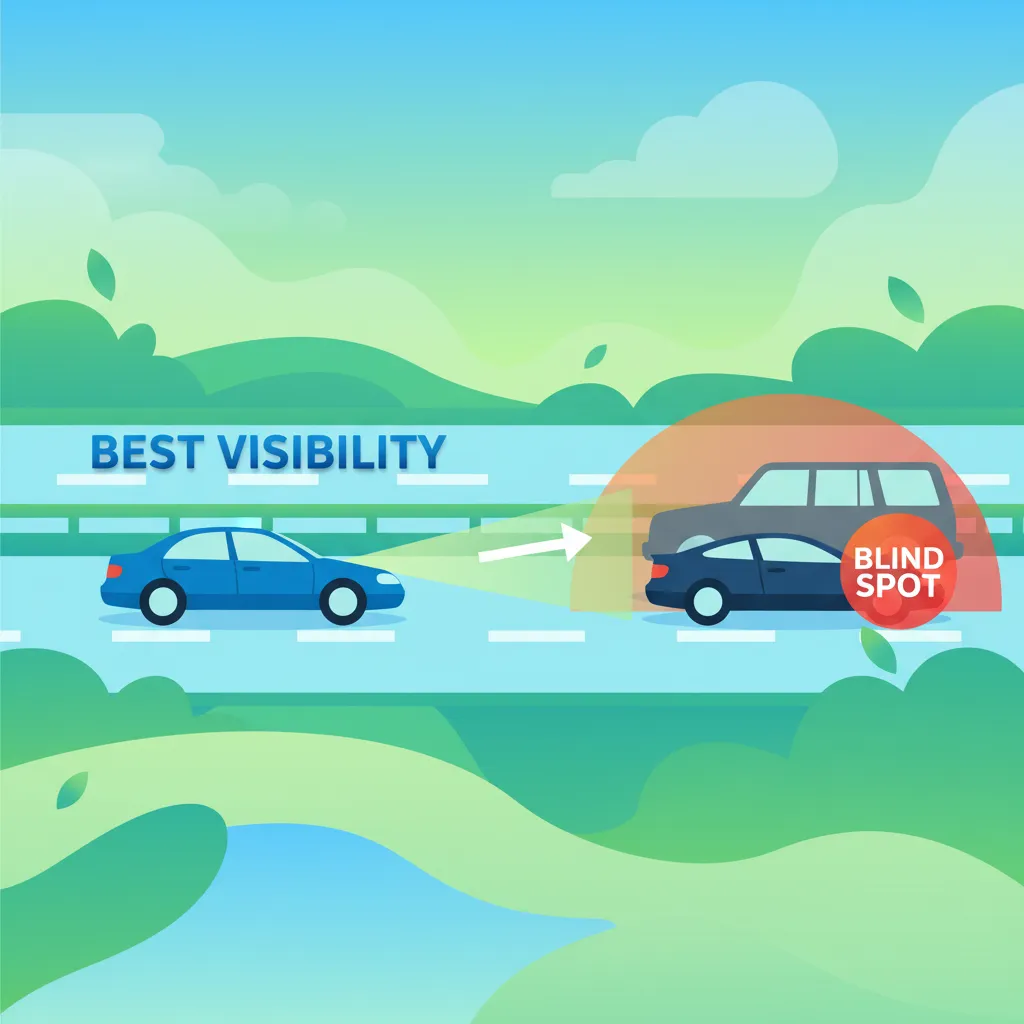
This lesson addresses the critical skill of safely sharing the road with other vulnerable users like pedestrians, cyclists, and other motorcyclists. It emphasizes the need for increased awareness, speed adaptation, and providing ample space when passing. The content covers DGT regulations regarding minimum passing distances and highlights the importance of making eye contact to ensure mutual awareness and prevent common urban accidents.
Spanish Moped Theory AMHazard Awareness & Vulnerable Users
View lesson
Lane Positioning and Visibility Strategies lesson image

Lane Positioning and Visibility Strategies

This lesson explores proper lane positioning, emphasizing strategic selection of traffic lanes for optimal visibility. It explains the importance of rider line of sight and peripheral vision in maintaining situational awareness. The content also covers legal aspects of lane splitting and correct usage of road shoulders, abiding by DGT regulations.

Spanish Motorcycle Theory (A, A1, A2)Road Positioning & Traffic Interaction
View lesson
Interaction with Cars, Trucks, and Buses lesson image

Interaction with Cars, Trucks, and Buses

This lesson focuses on interaction dynamics with larger vehicles like cars, trucks, and buses, detailing their specific blind spot zones. Strategies for safely sharing lanes, overtaking etiquette, and proper approach when a bus stops are covered. The lesson also includes guidance on merging onto acceleration lanes following DGT policies.

Spanish Motorcycle Theory (A, A1, A2)Road Positioning & Traffic Interaction
View lesson
Common Mistakes and Corrective Strategies lesson image

Common Mistakes and Corrective Strategies

This lesson addresses common errors made by drivers when using roundabouts and presents corrective strategies. It covers issues such as entering from the wrong lane, failing to yield to circulating traffic, exceeding the recommended speed, and not signaling an exit correctly. By understanding these mistakes, drivers can improve their roundabout proficiency and reduce accident risk.
Spanish Driving Theory B & BERoundabouts & Priority Rules
View lesson
Negotiating Roundabouts and Intersections lesson image

Negotiating Roundabouts and Intersections

This lesson outlines the proper techniques for negotiating roundabouts and signal-controlled intersections in Spain. It explains priority rules at entry, lane selection based on the intended exit, and yielding to circulating traffic. The content also covers compliance with traffic signals and DGT regulations, including handling cyclist crossings.

Spanish Motorcycle Theory (A, A1, A2)Road Positioning & Traffic Interaction
View lesson
Large Vehicle and Pedestrian Interactions at Roundabouts lesson image

Large Vehicle and Pedestrian Interactions at Roundabouts

This lesson examines the interaction between large vehicles, such as trucks, and vulnerable road users within roundabouts. It addresses the wide turning radius of heavy vehicles, the importance of checking blind spots, and the correct yielding behavior toward pedestrians and cyclists. Learners will understand how to maintain safe distances and anticipate the movements of different road users.

Spanish Driving Theory B & BERoundabouts & Priority Rules
View lesson
Pedestrian Crossings and Right-of-Way lesson image

Pedestrian Crossings and Right-of-Way

This lesson focuses on the absolute priority of pedestrians at marked crosswalks, often known as zebra crossings. It explains that riders must always be prepared to stop and yield the right-of-way to any pedestrian waiting to cross or already crossing. The content also covers signaled pedestrian crossings and general awareness in urban areas where pedestrians may cross unexpectedly, reinforcing safety and legal compliance.

Spanish Moped Theory AMRoundabouts & Intersection Priorities
View lesson
Pedestrian Crossings and Vulnerable Users lesson image

Pedestrian Crossings and Vulnerable Users

This lesson explores the design and legal requirements of pedestrian crossings in Spanish urban areas. It clarifies the rules at zebra crossings, signal-controlled crossings, and areas where cyclists or other vulnerable users share space. The content explains the required safety distances and signage indicating crossing zones to ensure drivers respect all road users.

Spanish Driving Theory B & BEUrban Driving
View lesson
Defensive Maneuvers in Mixed Traffic lesson image

Defensive Maneuvers in Mixed Traffic

This lesson focuses on defensive maneuvers in mixed traffic environments where various vehicles share the road. It outlines lane discipline, appropriate overtaking safety measures, and strategies for maintaining a safety corridor. The content incorporates DGT defensive guidelines, teaching riders to manage space and anticipate unpredictable driver behavior.

Spanish Motorcycle Theory (A, A1, A2)Hazard Perception & Defensive Riding
View lesson

Frequently asked questions about Cyclist Lanes and Shared Spaces in Cities

Find clear answers to common questions learners have about Cyclist Lanes and Shared Spaces in Cities. Learn how the lesson is structured, which driving theory objectives it supports, and how it fits into the overall learning path of units and curriculum progression in Spain. These explanations help you understand key concepts, lesson flow, and exam focused study goals.

What is the minimum safe distance when overtaking a cyclist in Spain?

According to DGT regulations, when overtaking a cyclist or a group of cyclists, you must maintain a minimum lateral distance of 1.5 meters. This is crucial for ensuring the cyclist's safety and avoiding accidents, especially on narrower roads or when encountering uneven surfaces.

When do I have to yield to cyclists in shared spaces?

In shared spaces, such as "zonas 30" or areas marked for shared use, cyclists often have priority. You must always be prepared to yield to them, especially at intersections, when entering or exiting these zones, and when their path is clearly defined. Always observe and anticipate their movements.

Can I drive in a dedicated cyclist lane?

Dedicated cyclist lanes are exclusively for bicycles. You may only enter a cyclist lane temporarily to cross it when accessing a property or parking, or to overtake vehicles in specific, marked circumstances, provided it does not endanger cyclists. Never drive or park in a cyclist lane.

How should I behave on roads that are shared by cars and cyclists?

On shared roads, drivers must exercise extra caution and be aware of cyclists as equal road users. Maintain a safe speed, keep your distance, and look carefully before changing lanes or turning. Cyclists may be more vulnerable to sudden movements or fast-approaching vehicles.

Are there special rules for overtaking multiple cyclists in Spain?

Yes, when overtaking a group of cyclists, the 1.5-meter rule applies to the entire group. You must ensure you maintain this safe distance throughout the entire overtaking manoeuvre, even if it means temporarily slowing down or waiting for a safe opportunity.

Start Your Targeted DGT Theory Practice Search

Use our powerful search functionality to pinpoint specific Spanish DGT driving theory practice sets. Filter by road sign categories, traffic law topics, or question difficulty to build custom study sessions and reinforce your knowledge precisely where it matters for your official exam.

Search Practice Questions

Continue your Spanish driving theory learning journey

Spanish road signsSpanish article topicsSearch Spanish road signsSpanish driving theory homeSpanish road sign categoriesSpanish driving theory topicsSpanish Moped Theory AM courseSearch Spanish theory articlesSpanish driving theory coursesSpanish driving theory articlesSpanish driving theory practiceSpanish practice set categoriesSpanish driving licence proceduresSpanish Driving Theory D & D1 courseSpanish Driving Theory B & BE courseSearch Spanish driving theory practiceSpanish driving theory terminology A–ZSpanish Truck Driving Theory C/C1 courseSpanish driving theory terms and glossarySpanish Motorcycle Theory (A, A1, A2) courseSpeed Management & Braking unit in Spanish Moped Theory AMVehicle Basics & Controls unit in Spanish Driving Theory B & BETraffic Light Interpretation and Timing lesson in Urban DrivingPedestrian Crossings and Vulnerable Users lesson in Urban DrivingCyclist Lanes and Shared Spaces in Cities lesson in Urban DrivingIntersection Types and Right‑of‑Way Rules lesson in Urban DrivingWeather, Visibility & Night Riding unit in Spanish Moped Theory AMHazard Awareness & Vulnerable Users unit in Spanish Moped Theory AMSpeed Limits and Zone Signage in Urban Areas lesson in Urban DrivingStarting, Stopping & Gear Control unit in Spanish Driving Theory B & BEEnvironmental and Legal Responsibilities unit in Spanish Moped Theory AMBalance & Low-Speed Control unit in Spanish Motorcycle Theory (A, A1, A2)Hazard Perception & Defensive Driving unit in Spanish Driving Theory B & BEProtective Gear & Rider Safety unit in Spanish Motorcycle Theory (A, A1, A2)Licensing & Motorcycle Fundamentals unit in Spanish Motorcycle Theory (A, A1, A2)